
Cherry Blossom Festivals: A Journey Through Japan's Seasonal Celebrations

Welcome to Feudal Japan History, where we invite you to embark on a fascinating journey through the rich tapestry of Japan's feudal era. Here, history comes alive as we delve into the enchanting Japan cherry blossom festival history, a celebration that transcends mere beauty to embody the spirit of renewal and cultural significance. Have you ever wondered how these stunning blooms became a symbol of Japan’s heritage? Join us as we unravel the stories behind this beloved festival, and discover the intricate connections between nature, tradition, and society that have shaped Japan’s seasonal celebrations. Your adventure awaits—let’s explore together!
Cherry blossom festivals, known as "hanami," represent a vibrant and integral part of Japan's cultural heritage. These seasonal celebrations mark the arrival of spring, when cherry trees bloom, painting landscapes with delicate pink and white petals. The festivities not only attract locals but also draw visitors from around the globe, eager to witness this breathtaking spectacle.
In exploring the history of Japan's cherry blossom festival, we delve into its origins, its evolution over the centuries, and its profound impact on Japanese society and culture. This article will provide an in-depth look at how these festivals are celebrated today, the historical roots that have shaped them, and the cultural significance of cherry blossoms in Japan.
Introduction to Japan's Cherry Blossom Festivals
The tradition of cherry blossom viewing dates back over a millennium, intertwined with Japanese aesthetics and spirituality. During the cherry blossom season, parks, gardens, and riversides transform into gathering places where friends and families come together to appreciate the fleeting beauty of the blossoms. This practice not only fosters a sense of community but also evokes themes of transience and renewal, reflecting key aspects of Japanese philosophy. As we explore the various celebrations and customs associated with hanami, it becomes clear that these festivals are more than just visual spectacles; they are a celebration of life itself.
The Historical Roots of Japan's Cherry Blossom Festival
The origins of Japan's cherry blossom festival can be traced back to the Nara period (710-794), when the practice of enjoying the beauty of flowers began to flourish among the aristocracy. By the Heian period (794-1185), cherry blossoms became synonymous with poetry and art, as the elite composed verses and paintings inspired by their ethereal beauty. The association of cherry blossoms with samurai culture further solidified during the feudal era, as warriors embraced the blooms as symbols of their own transient lives, often reflecting on the ephemeral nature of existence.
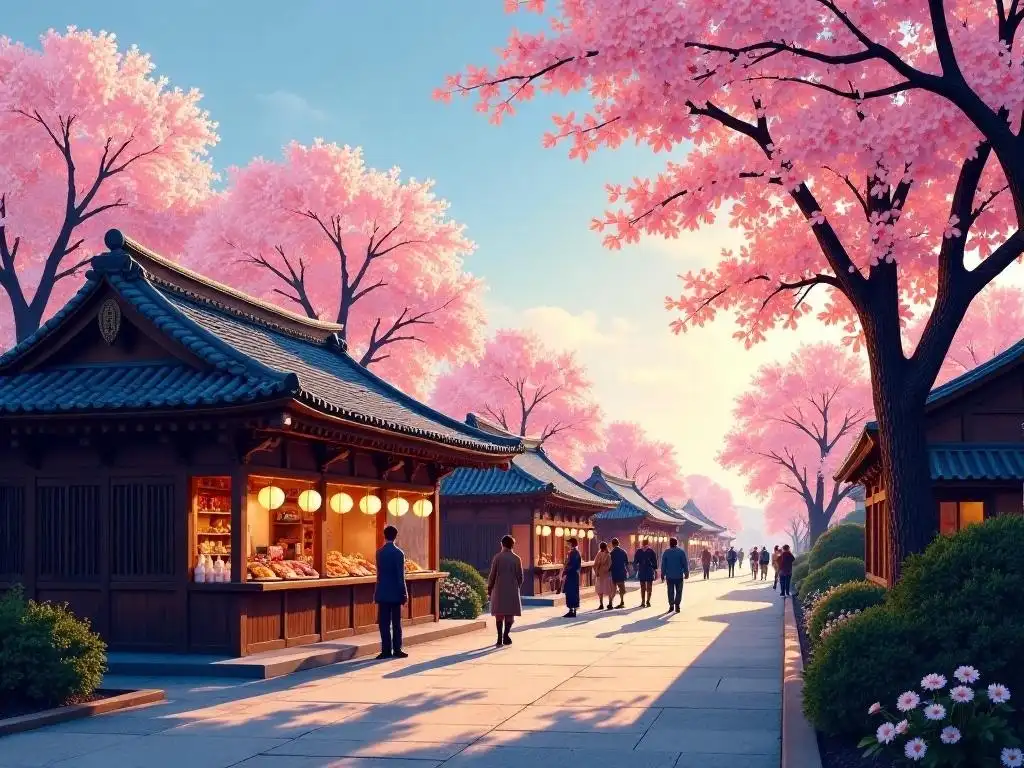
Over the centuries, the cherry blossom festival evolved from a noble pastime to a widespread cultural phenomenon. By the Edo period (1603-1868), public hanami gatherings became common, with elaborate festivities taking place in parks across the country. Festivals grew in scale and significance, featuring food stalls, performances, and traditional music, thus embedding cherry blossom season into the social fabric of Japanese life.
Cultural Significance of Cherry Blossoms in Japan
Cherry blossoms hold profound cultural significance in Japan, embodying themes of beauty, renewal, and the impermanence of life. The fleeting nature of the blossoms, which bloom for just a short period each spring, serves as a poignant reminder of the transient nature of existence. This concept, known as "mono no aware," emphasizes the beauty found in the impermanence and transience of all things.
The cherry blossom has also become a national symbol, representing hope and the resilience of the Japanese spirit, especially in times of adversity. Festivals not only celebrate the beauty of nature but also reinforce community bonds, inviting people to come together in appreciation of shared experiences. Today, cherry blossom festivals continue to thrive, attracting millions to parks and gardens across Japan, where they indulge in picnics under the blooming trees, fostering a sense of unity and joy.
In this article, we will journey through the rich tapestry of Japan's cherry blossom festivals, exploring their historical evolution, cultural importance, and the ways in which they continue to shape modern Japanese society. Join us as we celebrate the beauty of cherry blossoms and their enduring legacy in Japan's seasonal celebrations.
Major Cherry Blossom Festivals Across Japan
Japan's cherry blossom festivals, known as hanami, are celebrated nationwide, each offering a unique experience that showcases the beauty of the iconic sakura trees. Here are some of the major cherry blossom festivals you won't want to miss:
- Tokyo Hanami: One of the most famous spots is Ueno Park, where over 1,000 cherry trees bloom. The festival typically runs from late March to early April, attracting both locals and tourists who enjoy picnicking under the blossoms.
- Kyoto Hanami: The historic city of Kyoto hosts several cherry blossom festivals, with the Maruyama Park being a highlight. The weeping cherry tree here is particularly stunning, and the park’s lantern-lit nighttime view is enchanting.
- Osaka Hanami: Osaka Castle Park is a prime location for cherry blossom viewing. The festival is vibrant, featuring food stalls and cultural performances, making it an immersive experience.
- Hirosaki Cherry Blossom Festival: Located in Aomori Prefecture, Hirosaki Park is famous for its cherry blossom festival held in late April. With over 2,600 cherry trees, the park also features traditional food stalls and events like samurai parades.
- Miyagi Prefecture: The Shiroishi River area in Miyagi is known for its cherry blossoms along the riverbanks, creating a picturesque scene. The festival includes boat rides and food vendors, allowing visitors to enjoy the blossoms from the water.
These festivals not only serve as a celebration of nature's beauty but also as a reminder of the transient nature of life, a theme deeply rooted in Japanese culture.
Planning Your Visit to Japan's Cherry Blossom Festivals
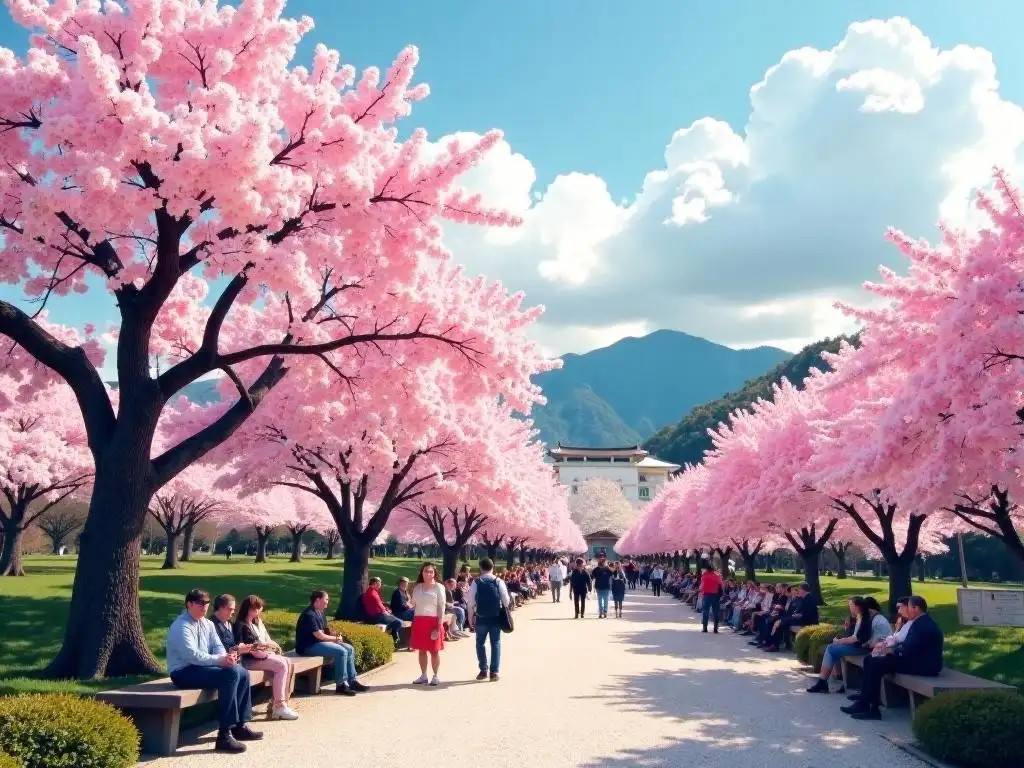
When planning your visit to Japan's cherry blossom festivals, timing is crucial. The cherry blossoms typically bloom between late March and early April, but exact dates can vary yearly based on weather conditions. Here are some tips to ensure a memorable experience:
- Research Bloom Forecasts: Websites and local news often provide forecasts for cherry blossom blooms, allowing you to time your visit accordingly.
- Accommodation: Book accommodations in advance, especially in popular cities like Tokyo and Kyoto. Consider staying in traditional ryokan for an authentic experience.
- Transportation: Utilize Japan's efficient public transport system. The Japan Rail Pass can be economical for traveling between cities during the festival season.
- Cultural Etiquette: Familiarize yourself with hanami customs, such as being respectful of the environment and others. Avoid picking blossoms and consider bringing your own trash bags to maintain cleanliness.
- Food and Drink: Local vendors often set up stalls during festivals. Try seasonal delicacies such as sakura mochi (rice cakes) and ichigo daifuku (strawberry rice cakes) for a true taste of spring.
By carefully planning your visit, you can fully immerse yourself in the beauty and cultural richness of Japan's cherry blossom festivals.
Traditional Practices and Customs During Hanami
Hanami is steeped in traditional practices and customs that enhance the experience of cherry blossom viewing. Here are some key customs associated with this beloved tradition:
- Picnicking Under the Blossoms: One of the most cherished practices during hanami is gathering with family and friends for a picnic under blooming sakura trees. People often spread out blue tarps to sit on, sharing food and drinks while enjoying the fleeting beauty of the blossoms.
- Nighttime Illuminations: Many parks illuminate cherry blossoms at night, creating a magical atmosphere. This practice, known as yozakura, allows visitors to experience the beauty of sakura in a different light, often accompanied by evening festivities and gatherings.
- Sakura-themed Food and Drinks: During this season, special seasonal foods, like sakura-flavored treats, become popular. Festivals often feature these delicacies, which add a unique flavor to the celebrations.
- Traditional Music and Dance: Some festivals include performances of traditional Japanese music and dance, enriching the cultural experience. These performances often celebrate the arrival of spring and the beauty of nature.
- Cultural Rituals: In some regions, rituals are performed to pray for a good harvest and the prosperity of the land, reflecting the deep connection between nature and Japanese cultural beliefs.
These traditional practices not only celebrate the beauty of the cherry blossoms but also strengthen community bonds and foster a sense of appreciation for nature's transient beauty, embodying the essence of hanami in Japanese culture.
Modern Interpretations of Cherry Blossom Festivals
In contemporary Japan, cherry blossom festivals, or hanami, have evolved into vibrant cultural celebrations that attract both locals and tourists alike. These festivals typically occur in spring, when cherry trees bloom, creating picturesque landscapes that inspire thousands to gather and celebrate. Modern interpretations of hanami encompass a wide range of activities, blending traditional customs with contemporary entertainment.
One of the defining features of modern cherry blossom festivals is the incorporation of food and drink. Street vendors pop up at popular viewing spots, offering a variety of seasonal delicacies, such as sakura mochi (rice cakes wrapped in cherry blossom leaves), and refreshing beverages. Picnicking beneath the blooming trees has become a beloved tradition, where families and friends come together to enjoy meals, share laughter, and soak in the beauty of nature.
Music and performances also play a significant role in enhancing the festive atmosphere. Many festivals feature live traditional music, dance performances, and even contemporary concerts, showcasing both the rich cultural heritage of Japan and its dynamic modern arts scene. The fusion of traditional and modern elements allows for a diverse range of experiences, appealing to various age groups and backgrounds.
Moreover, cherry blossom festivals have expanded beyond Japan's borders. Cities around the world, including Washington D.C., have adopted the hanami tradition, hosting their own celebrations that feature Japanese cultural exhibitions, food stalls, and activities. This global embrace of cherry blossom festivals highlights the universal appreciation for beauty and the shared human connection to nature.
Conclusion: The Enduring Legacy of Japan's Cherry Blossom Festivals
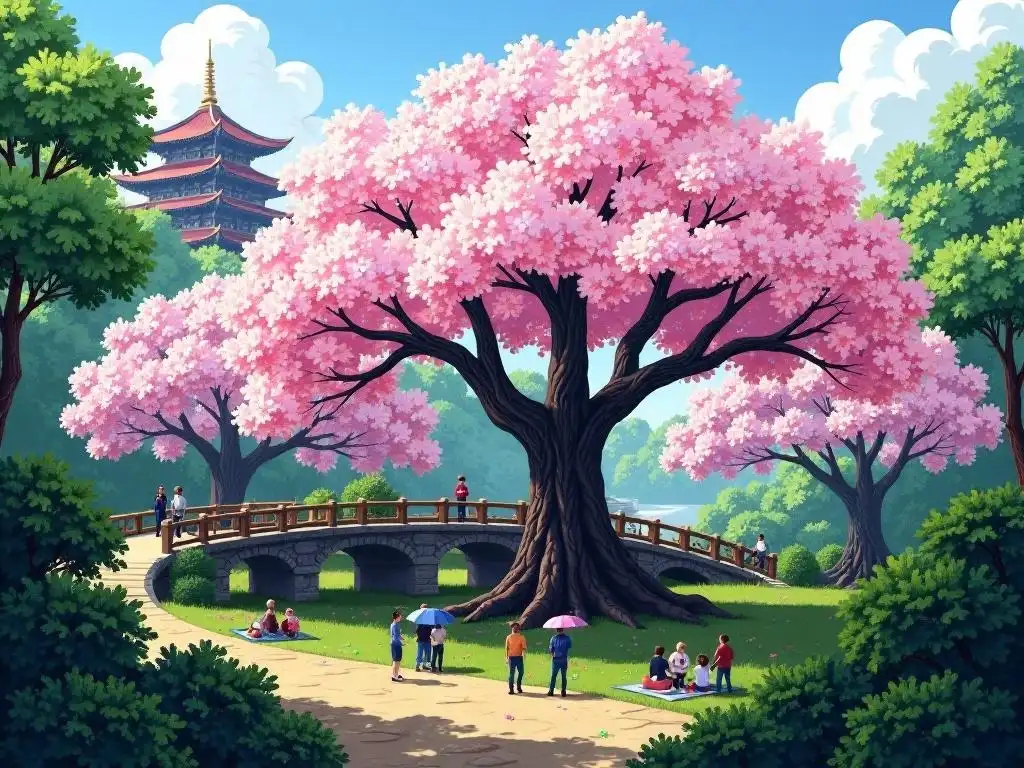
The legacy of cherry blossom festivals in Japan is deeply intertwined with the nation's cultural identity. Rooted in centuries of history, these celebrations symbolize renewal, beauty, and the transient nature of life, reflecting the philosophical underpinnings of mono no aware, the awareness of the impermanence of things. As spring unfolds, the sight of cherry blossoms in full bloom serves as a poignant reminder of nature's cycles and the fleeting moments of joy.
Today, the cherry blossom festival continues to thrive, adapting to modern sensibilities while preserving its core traditions. The festivals not only foster a sense of community among participants but also attract visitors from around the globe, contributing significantly to Japan's tourism industry. This cultural phenomenon showcases Japan's ability to honor its past while embracing the present, ensuring that the spirit of hanami remains alive for generations to come.
In a world that often feels fast-paced and chaotic, the cherry blossom festivals offer a moment of tranquility and reflection. They encourage individuals to pause, appreciate the beauty around them, and connect with nature and each other. As long as cherry trees bloom, the traditions of hanami will endure, celebrating the beauty of life and the bonds that unite us all.
Additional Resources
For those interested in exploring more about the cherry blossom festivals and their significance in Japanese culture, consider the following resources:
- Books: Look for titles that delve into the history and cultural aspects of cherry blossoms, such as "Cherry Blossoms: The Official Blooming Guide" by the Japan National Tourism Organization.
- Documentaries: Various documentaries highlight the cherry blossom season in Japan, showcasing the breathtaking beauty of the blooms and the festivities surrounding them.
- Local Guides: Engage with local tourism boards or cultural organizations in Japan that offer insights and guided experiences during the cherry blossom season.
- Online Articles and Blogs: Numerous travel blogs and articles provide personal accounts and tips for experiencing cherry blossom festivals in Japan, often detailing the best viewing spots and festival dates.
By exploring these resources, you can deepen your understanding of the significance of cherry blossoms and enhance your experience during these enchanting seasonal celebrations.
Call to Action
As you immerse yourself in the rich history of Japan's cherry blossom festivals, we invite you to take the next step in your journey. Experience the beauty and cultural significance of sakura season firsthand. Here are a few ways you can engage with this enchanting tradition:
- Plan a Visit: Consider scheduling your trip to Japan during the cherry blossom season, typically from late March to early April. This is the perfect time to witness breathtaking landscapes adorned with delicate pink blooms and partake in local festivities.
- Join a Festival: Participate in one of the many cherry blossom festivals held across Japan. Events such as the Hanami in Ueno Park or the Cherry Blossom Festival in Kyoto offer unique experiences, including traditional performances, food stalls, and opportunities to connect with locals.
- Learn More: Dive deeper into the cultural significance of cherry blossoms by exploring local customs, art, and literature inspired by these beautiful flowers. The cherry blossom has been an enduring symbol of beauty and transience in Japanese culture, making it a rich topic for further exploration.
- Share Your Experience: If you’ve attended a cherry blossom festival, share your story with fellow travelers. Your insights could inspire others to appreciate Japan's seasonal wonders and the traditions that surround them.
- Stay Updated: Follow our website for more articles on Japan's cultural festivals and events. We regularly update our content to provide you with the latest insights and travel tips for exploring feudal Japan's vibrant heritage.
Join us in celebrating the ephemeral beauty of cherry blossoms and the rich tapestry of traditions that accompany this beloved season in Japan! 🌸
- Introduction to Japan's Cherry Blossom Festivals
- The Historical Roots of Japan's Cherry Blossom Festival
- Cultural Significance of Cherry Blossoms in Japan
- Major Cherry Blossom Festivals Across Japan
- Planning Your Visit to Japan's Cherry Blossom Festivals
- Traditional Practices and Customs During Hanami
- Modern Interpretations of Cherry Blossom Festivals
- Conclusion: The Enduring Legacy of Japan's Cherry Blossom Festivals
- Additional Resources
- Call to Action
- What is the historical significance of the cherry blossom festivals in Japan?
- How did the cherry blossom festivals evolve over time?
- What cultural practices are associated with the cherry blossom festivals?
- Are cherry blossom festivals celebrated in other countries?
- How do cherry blossom festivals impact Japanese society today?
Frequently Asked Questions
What is the historical significance of the cherry blossom festivals in Japan?
The cherry blossom festivals have deep historical roots in Japan, symbolizing the transient nature of life. They began as celebrations for the beauty of the blossoms and have evolved into a major cultural event.
How did the cherry blossom festivals evolve over time?
Initially celebrated by the aristocracy, the festivals became popular among the general public during the Edo period (1603-1868). This evolution reflects changes in societal values and cultural practices in Japan.
What cultural practices are associated with the cherry blossom festivals?
Cultural practices include hanami, or flower viewing, where families and friends gather under blooming trees to appreciate their beauty. This tradition emphasizes community, reflection, and celebration of the changing seasons.
Are cherry blossom festivals celebrated in other countries?
Yes, many countries, including the United States and South Korea, celebrate cherry blossom festivals inspired by Japan's rich traditions. These festivals often include cultural performances, food stalls, and community events.
How do cherry blossom festivals impact Japanese society today?
Today, cherry blossom festivals foster a sense of community and national pride in Japan. They attract tourism, boost local economies, and serve as a reminder of the beauty and ephemerality of life, resonating deeply in Japanese culture.
Final Reflection: Embracing the Beauty of Japan's Cherry Blossom Festivals
The allure of Japan's cherry blossom festivals is not merely a celebration of nature's beauty; it is a profound reminder of the transient nature of life itself. As we navigate our fast-paced modern lives, the delicate blooms of sakura invite us to pause, reflect, and appreciate the fleeting moments that define our existence. These festivals, steeped in rich history and cultural significance, resonate deeply with contemporary society, reminding us of the importance of connection, tradition, and mindfulness.
Celebrating the cherry blossom is more than just an annual event; it is a cultural phenomenon that shapes our understanding of beauty, impermanence, and community. The festivals foster a sense of unity among people, transcending generations and geographical boundaries. As poet Matsuo Bashō once said, "The temple bell stops but I still hear the sound coming out of the flowers." > This sentiment encapsulates the enduring impact of cherry blossoms on our collective consciousness, serving as a metaphor for the beauty that persists even after the blooms have fallen.
As you reflect on the significance of Japan's cherry blossom festivals, I invite you to consider how you can incorporate the lessons of appreciation and mindfulness into your own life. Take a moment to observe the beauty around you, cherish the connections you have with others, and embrace the impermanence that life offers. By doing so, you not only honor the rich history of these celebrations but also cultivate a deeper appreciation for the present, ensuring that the spirit of the cherry blossoms continues to blossom within you.
Embrace the Beauty: Join the Cherry Blossom Celebration!
Thank you for exploring the captivating world of Japan's cherry blossom festivals with us! We hope you've gained insights into this breathtaking seasonal tradition that celebrates **nature's beauty** and cultural heritage. Now, it’s your turn to step into the moment and experience this wonder firsthand!
Here are a few inspiring ways to immerse yourself in the cherry blossom spirit:
- Plan your visit: Book a trip to Japan during the cherry blossom season. Research the best locations and festivals to maximize your experience.
- Create Art: Capture the essence of cherry blossoms. Bring along your sketchbook or camera and create your own masterpieces inspired by nature’s canvas.
- Share the Love: Discuss and share your experiences. Join online communities or social media groups where cherry blossom enthusiasts gather to exchange stories about their adventures.
What unique experiences or activities do you think would make your cherry blossom celebration unforgettable? We invite you to share your thoughts below!