
From Action to Articulation: Learning Japanese Through Samurai Action Scenes

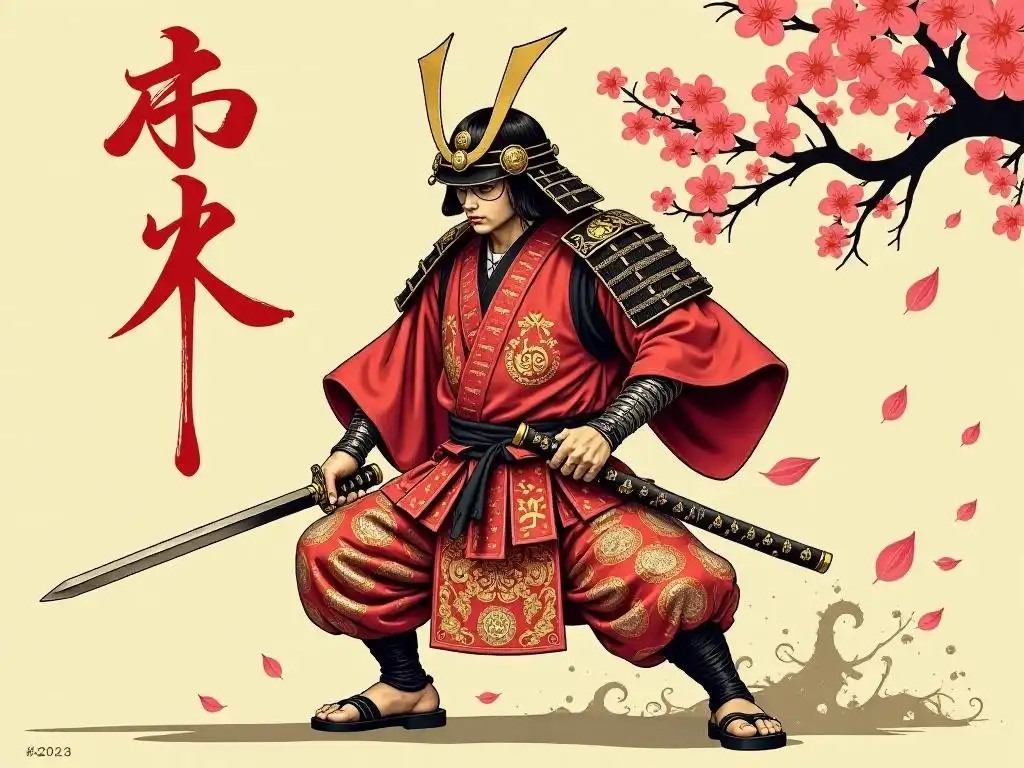
Welcome to Feudal Japan History, where we invite you to embark on a captivating journey through the rich tapestry of Japan’s feudal era. Here, history intertwines with culture, revealing the profound influences that shaped a nation. In our featured article, “From Action to Articulation: Learning Japanese Through Samurai Action Scenes,” you'll discover how the thrilling world of samurai can serve as an engaging gateway to mastering the Japanese language.
Prepare to unlock the secrets of language learning through the art of combat and storytelling, and let your curiosity lead you deeper into the fascinating interplay of history and culture that awaits. Dive in and explore!
- Introduction to Learning Japanese Through Samurai Action Scenes
- Understanding the Language of Samurai Films
- Analyzing Samurai Action Scenes for Language Learning
- Recommended Samurai Films for Learning Japanese
- Practical Techniques to Learn Japanese Through Samurai Films
- Online Resources and Tools for Learning Japanese
- Conclusion: Embrace Language Learning Through Samurai Cinema
-
Frequently Asked Questions
- What is the main focus of the article "From Action to Articulation: Learning Japanese Through Samurai Action Scenes"?
- How can samurai action scenes help in learning Japanese?
- What are some recommended samurai films for language learning?
- Are there specific language skills that can be improved through watching samurai films?
- Can this approach to learning Japanese be effective for beginners?
- Final Reflection: Embracing Language Through the Lens of Samurai Action
- Unlock Your Samurai Spirit and Dive into Language!
Introduction to Learning Japanese Through Samurai Action Scenes
In the colorful tapestry of Japanese culture, few themes resonate as powerfully as the samurai. These noble warriors, emblematic of honor, discipline, and artistry, have not only captivated audiences through their storied legacies but have also become instrumental in the realm of language learning. Learning Japanese through samurai action scenes offers a unique blend of engaging narratives and rich cultural context, making the process both enjoyable and educational. This article delves into the multifaceted relationship between the samurai narrative and language acquisition, exploring how these films can serve as an effective medium for mastering Japanese.
The Intersection of Language and Culture in Feudal Japan
Language is a living entity, intricately woven into the cultural fabric of a society. In feudal Japan, the samurai were not merely warriors; they were also custodians of a profound cultural heritage. The language they spoke, filled with honorifics and specific terms, reflects the values and social hierarchy of the time.
- Cultural Nuances: Understanding the samurai's language requires more than just memorizing vocabulary; it necessitates grasping the cultural nuances embedded within. For instance, phrases like "osuwari" (お座り) and "tatakai" (戦い) convey not just actions but also the mindset of respect and valor.
- Historical Context: The samurai era was marked by a complex social structure where language played a crucial role in communication. The respectful language used among samurai and their lords, known as "keigo" (敬語), is essential for learners to appreciate the depth of interactions depicted in films.
The samurai films often reflect these aspects, making them a fertile ground for language learners to absorb not only vocabulary but also the ethos of the samurai way of life.
Why Samurai Films Are Effective for Language Learning
Samurai films are more than mere entertainment; they are a powerful tool for language learning. Here’s why they stand out as effective resources:
- Visual Context: Action scenes provide a visual context that enhances comprehension. When learners see a character perform a specific action while hearing the corresponding language, it reinforces memory retention.
- Authentic Dialogue: The dialogue in samurai films often features historical language and phrases that are still relevant today. This authenticity helps learners gain exposure to idiomatic expressions and contextual usage.
- Emotional Engagement: The intense emotions portrayed in samurai action scenes captivate viewers, fostering a deeper emotional connection to the language. This engagement can motivate learners to explore further and practice more diligently.
- Cultural Insights: These films offer glimpses into the values, traditions, and societal norms of feudal Japan, enriching the learning experience. Understanding the cultural backdrop enhances language skills and provides learners with rich contextual knowledge.
By harnessing the dynamic nature of samurai action scenes, learners can transform their language journey into an engaging exploration of both the language and the storied history of Japan's feudal era. This dual approach not only aids in vocabulary acquisition but also deepens cultural appreciation, making the process of learning Japanese a truly immersive experience.
Understanding the Language of Samurai Films
Key Vocabulary and Phrases from Iconic Samurai Action Scenes
When it comes to learning Japanese through samurai films, one of the most effective methods is to immerse oneself in the key vocabulary and phrases that define the genre. These films are rich in language that reflects the cultural and historical context of feudal Japan. Here are some essential terms and phrases commonly encountered in samurai action scenes:
- Bushido (武士道): The way of the warrior; a code of conduct for samurai emphasizing loyalty, honor, and personal bravery.
- Katana (刀): A traditional Japanese sword known for its curved, single-edged blade, used by samurai.
- Ronin (浪人): A masterless samurai who wanders without a lord or purpose, often depicted in films as a lone warrior seeking redemption or revenge.
- Seppuku (切腹): A form of ritual suicide by disembowelment, demonstrating a samurai's honor and willingness to face death rather than live in shame.
- Dojo (道場): A training place for martial arts, often portrayed as the setting for intense sword-fighting scenes and personal growth.
In addition to vocabulary, iconic phrases resonate deeply within the samurai genre. Here are a few notable examples:
- "Katsu!" (勝つ): Meaning "to win! "—a battle cry often shouted during combat.
- "Tachi wa shita ni oite" (太刀は下において): Translating to "Put your sword down"—a phrase that can signify peace or surrender.
- "Onore wa tooru!" (己は通る!): Meaning "I will pass! "—a declaration of determination often used in dueling contexts.
Utilizing these terms and phrases not only enhances one's vocabulary but also provides insight into the cultural nuances depicted in samurai films.
The Importance of Context in Language Acquisition
Understanding the context in which language is used is crucial for effective language acquisition, particularly when learning Japanese through samurai films. Context provides the backdrop against which words and phrases gain meaning, allowing learners to grasp the subtleties of conversation and expression. Here are several reasons why context is so vital:
- Cultural Relevance: Samurai films depict specific cultural values and societal norms of feudal Japan, such as loyalty, honor, and sacrifice. Recognizing these themes helps learners understand the underlying meanings of dialogue and character actions.
- Situational Usage: Language is often situational, and samurai films present various scenarios where specific expressions are used. For example, understanding when to use honorifics or formal language versus casual speech can significantly impact communication effectiveness.
- Emotional Tone: The emotional weight behind phrases can differ based on context. For instance, a phrase uttered in the heat of battle may convey urgency and aggression, while the same phrase might express calmness in a different scene. Learners can better appreciate these nuances through contextual analysis.
- Character Development: Characters evolve throughout samurai films, and their language reflects their growth, struggles, and relationships. By observing how language changes with character arcs, learners can gain deeper insights into both language and storytelling techniques.
- Historical Context: Many samurai films draw from historical events and figures, providing a rich tapestry of vocabulary tied to specific eras. Understanding the historical context enhances comprehension and retention of new vocabulary.
By immersing oneself in samurai films and paying close attention to context, learners not only acquire language skills but also develop a broader understanding of Japanese culture and history. This holistic approach makes the journey of learning Japanese through samurai action scenes both engaging and enriching.
Analyzing Samurai Action Scenes for Language Learning
Breakdown of Action Sequences: Language in Motion
Samurai action scenes are not just visceral displays of martial prowess; they are rich tapestries of language and context that provide valuable learning opportunities for those looking to learn Japanese through Samurai films. These sequences often feature a blend of dialogue and visual storytelling that can enhance language acquisition in several ways.
- Contextual Vocabulary:
- The language used in action scenes often includes specialized vocabulary related to combat, honor, and tradition. Terms like "katana" (刀, sword), "bushi" (武士, warrior), and "seppuku" (切腹, ritual suicide) are frequently employed. Understanding these terms within the context of their usage can deepen comprehension.
- Action scenes often involve commands and exclamations that reflect urgency and emotion. For example, phrases like "Tōko!" (倒す, to defeat) or "Kamae!" (構え, to prepare) are used in moments of high tension.
- Pronunciation and Intonation:
- The delivery of lines in intense action scenes showcases the emotional weight behind the words. Observing how actors modulate their voices during fights can help learners grasp the nuances of Japanese intonation and pronunciation.
- Engaging with these scenes allows learners to mimic the natural rhythm and flow of the language, which is crucial for fluency.
- Non-Verbal Communication:
- Samurai films often emphasize body language and facial expressions, which are critical elements of communication in any culture. For instance, a character's stance or the grip on their sword conveys messages that words alone cannot express.
- Understanding these cues can help learners develop a more holistic approach to language, where they appreciate the interplay between verbal and non-verbal elements.
Cultural References and Their Linguistic Significance
Samurai films are steeped in cultural context, and they provide a profound understanding of Japanese society, values, and history, making them an excellent medium for those aiming to learn Japanese through Samurai.
- Historical Context:
- Many samurai films reference historical events and figures, which are pivotal in understanding the linguistic nuances. For example, terms such as "Sengoku" (戦国, Warring States period) or "Kamakura" (鎌倉, a historical period) not only enrich vocabulary but also provide insights into Japan's feudal history.
- The portrayal of samurai ethics, such as "bushido" (武士道, the way of the warrior), is frequently woven into dialogues, offering learners a glimpse into the moral framework of the time.
- Cultural Nuances:
- Samurai films often depict cultural practices such as tea ceremonies, rituals, and social hierarchies. Understanding these practices is essential for comprehending the subtleties of the language. For instance, knowing the term "omotenashi" (おもてなし, hospitality) can deepen appreciation for scenes involving guest-host interactions.
- Additionally, proverbs and idiomatic expressions often surface in these narratives, providing learners with phrases that encapsulate cultural wisdom. Phrases like "The nail that sticks out gets hammered down" (出る釘は打たれる) can offer learners nuanced insights into Japanese societal expectations.
- Emotional Language:
- The emotional depth expressed in action scenes often utilizes language that resonates on a personal level. Samurai films frequently explore themes of loyalty, betrayal, and honor, all of which are articulated through poignant dialogue.
- Familiarity with these emotional expressions can help learners develop a more profound understanding of how feelings are conveyed in Japanese, enhancing their conversational skills.
Analyzing samurai action scenes is a multifaceted approach to learning Japanese. By focusing on language in motion and the cultural references embedded within these films, learners can not only expand their vocabulary but also gain a richer understanding of the societal context that shapes the language. This immersive method ultimately fosters a deeper connection to both the language and culture of Japan.
Recommended Samurai Films for Learning Japanese
Exploring the rich tapestry of Japan's feudal era through cinema not only provides entertainment but also serves as a dynamic method to learn the language. Samurai films, in particular, encapsulate the essence of Japanese culture, historical context, and language nuances. Here are some recommended films that can enhance your Japanese learning journey.
1. Seven Samurai (1954)
Key Language Takeaways and Cultural Insights
"Seven Samurai," directed by Akira Kurosawa, is a landmark film that showcases various aspects of the Japanese language within the context of a compelling narrative. Key takeaways include:
- Honorifics: The use of honorifics such as "san" and "sama" reflects the hierarchical nature of Japanese society. Understanding these can help learners navigate social interactions more gracefully.
- Traditional Vocabulary: Phrases like "bushi" (warrior) and "katana" (sword) are prevalent, providing learners with essential vocabulary related to samurai culture.
- Proverbs and Sayings: The film features traditional proverbs that convey deep cultural meanings, enriching vocabulary and comprehension.
Why This Film is Essential for Learners
"Seven Samurai" is not just a cinematic masterpiece; it is also a linguistic treasure. Its dialogue offers a blend of colloquial and formal Japanese. The film's structure allows learners to hear different dialects and styles of speech, making it an invaluable resource for language acquisition. Additionally, the emotional depth portrayed by the actors enhances listening skills through expressive intonation and context.
2. Harakiri (1962)
Unique Phrases and Their Meanings
"Harakiri," directed by Masaki Kobayashi, is a poignant examination of honor and sacrifice. This film introduces viewers to unique phrases that resonate with the concept of bushido (the way of the warrior):
- Harakiri (切腹): Referring to ritual suicide, this term is crucial for understanding the samurai ethos and cultural context.
- Karakuri (からくり): This term refers to mechanical puppetry, symbolizing the intricate strategies employed by the characters in the film.
- Seppuku (切腹): Another term for the ritual suicide that emphasizes the gravity of the samurai's choices.
Cultural Context and Language Nuances
"Harakiri" delves into the cultural significance of the samurai's code. The film's dialogue reflects the intricacies of politeness and the weight of words in Japanese culture. Key aspects include:
- Contextual Language: The film’s use of language is steeped in historical context, providing learners with an understanding of how language reflects societal values.
- Emotional Expressions: The characters' dialogues convey complex emotions, helping learners grasp subtleties in tone and expression that are often lost in translation.
- Cultural References: The film contains numerous references to historical events and customs, offering a rich backdrop for learners to explore the language within its cultural framework.
By immersing yourself in these recommended films, you can effectively "learn Japanese through Samurai" while gaining insight into the profound cultural narratives that define Japan's feudal history. Each film not only serves as an educational tool but also as a window into the soul of a nation that has captivated audiences worldwide.
3. Rashomon (1950)
Rashomon, directed by Akira Kurosawa, is a cornerstone of Japanese cinema that not only captivates audiences with its intricate storytelling but also serves as an exceptional resource for those wishing to learn Japanese. The film, which explores the concept of subjective truth through multiple characters' accounts of a violent incident, provides a rich tapestry of language and cultural nuances that are essential for language learners.
The film's dialogue is marked by a variety of speech levels, reflecting the social hierarchies and relationships among the characters. This makes Rashomon a valuable tool for learners, as it introduces them to the complexities of the Japanese language in a dramatic context. Through its engaging narrative and character interactions, viewers can grasp the subtleties of everyday conversation while being immersed in a profound philosophical inquiry.
Exploring Perspectives: Language Adaptation
One of the most fascinating aspects of Rashomon is its exploration of different perspectives, which is mirrored in the language used by each character. The film presents a unique opportunity for learners to observe how context influences speech patterns and vocabulary choices.
- Character Variability: Each character narrating their version of events employs distinct language styles that reflect their backgrounds and emotional states. For instance, the bandit uses more aggressive and straightforward language, while the samurai's wife exhibits a more delicate and nuanced manner of speaking.
- Cultural Context: The film also highlights how cultural nuances affect communication. Elements such as honorifics and formality are pivotal in understanding the relationships between characters, emphasizing the importance of context in language learning.
By analyzing these variations, learners can improve their comprehension and adaptability in real-life conversations, gaining insights into how to navigate different social situations in Japan.
Lessons in Honorifics and Formal Speech
Rashomon serves as a prime example of the use of honorifics and formal speech, which are crucial components of the Japanese language. The film illustrates the importance of these linguistic features in conveying respect and social hierarchy, which are deeply embedded in Japanese culture.
- Formal vs. Informal Language: Characters in Rashomon switch between formal and informal speech depending on their audience. This transition is particularly instructive for learners, as it demonstrates when to employ such language appropriately in various contexts.
- Honorifics: The use of honorifics in the film showcases the character's relationships and social status. For example, terms like "san" or "sama" are frequently used to denote respect, which learners can adopt to enhance their conversational skills.
- Pragmatic Language Use: The film's dialogue offers learners practical examples of how to use language respectfully, underscoring the importance of understanding cultural norms when communicating in Japanese.
By focusing on these aspects, learners can develop a more nuanced understanding of the language, equipping them with the skills to engage thoughtfully in conversations and appreciate the cultural richness of Japan.
Practical Techniques to Learn Japanese Through Samurai Films
Engaging with Subtitles: Japanese vs. English
One of the most effective ways to learn Japanese through Samurai films is by engaging with the subtitles. This method allows learners to immerse themselves in the language while understanding the context of the dialogue through English subtitles. Here are some practical tips for using subtitles effectively:
-
Watch with Japanese Subtitles: Start by watching Samurai films with Japanese subtitles. This will help you associate spoken words with their written forms.
-
Compare Translations: After getting familiar with the Japanese subtitles, switch to English subtitles. Take notes on how certain phrases are translated differently and why.
-
Pause and Reflect: When you encounter a phrase or word that strikes you, pause the film. Look it up in a dictionary or language learning app to understand its nuances.
Subtitles can serve as a bridge to understanding the intricate layers of Japanese dialogue and culture.
Shadowing Technique: Mimicking Samurai Dialogue
The shadowing technique is a powerful method for language acquisition, especially in the context of Samurai films. This technique involves listening to a dialogue segment and then repeating it aloud. Here’s how to effectively apply this method:
- Select Short Clips: Choose action scenes with clear dialogue. Samurai films often have dramatic exchanges that are ideal for this technique.
- Listen and Repeat: Play a short segment, listen carefully, and then repeat the dialogue. Focus on pronunciation, intonation, and rhythm.
- Record Yourself: To track your progress, record your shadowing sessions. Listening to your recordings will help you identify areas for improvement.
- Practice with Variation: Try to mimic not only the words but also the emotions conveyed by the characters. Samurai films are rich in emotion, and capturing this can enhance your speaking skills.
Creating a Vocabulary List from Action Scenes
Creating a vocabulary list from Samurai films is an excellent way to build your lexicon. Here’s how to create and utilize this list:
- Identify Key Terms: While watching, note down new words and phrases, especially those related to action and honor, such as:
- 武士 (bushi) - Samurai
- 剣 (ken) - Sword
- 勇気 (yūki) - Courage
- Organize by Theme: Group vocabulary by themes, such as weapons, emotions, and honor. This organization aids memory retention.
- Use Flashcards: Create flashcards for each word or phrase. Include the Japanese term, its English meaning, and an example sentence from the film.
- Review Regularly: Set aside time each week to review and practice your vocabulary list. Incorporate these words into your speaking and writing exercises to reinforce your learning.
By using these practical techniques, learners can effectively immerse themselves in the Japanese language and culture through the engaging medium of Samurai films.
Online Resources and Tools for Learning Japanese
Learning Japanese through the lens of Samurai films can be both engaging and effective. To enhance your language acquisition, leveraging online resources and tools is essential. Here, we explore various platforms, communities, and dictionaries that can facilitate your journey to learn Japanese through Samurai action scenes.
Language Learning Platforms: Duolingo, Rosetta Stone
When it comes to structured courses, Duolingo and Rosetta Stone stand out as popular choices:
- Duolingo:
- Offers a game-like experience, making language learning fun and interactive.
- Focuses on vocabulary, grammar, and sentence structure through bite-sized lessons.
- Features specific modules that can enrich your understanding of Samurai-related vocabulary and phrases, enhancing your engagement with the films.
- Rosetta Stone:
- Utilizes an immersive approach, emphasizing visual and auditory learning.
- Provides context-driven lessons that can be particularly useful when exploring dialogues from Samurai films.
- Includes speech recognition technology to help you practice pronunciation, critical for articulating Japanese terms accurately.
Both platforms allow learners to progress at their own pace while integrating Samurai cultural references into their learning experience.
Online Communities: Tandem, HelloTalk
Engaging with native speakers can significantly boost your language skills. Online communities like Tandem and HelloTalk offer excellent opportunities for practice:
- Tandem:
- Connects you with language partners who are native Japanese speakers.
- Facilitates text, voice, and video chats, allowing you to practice conversation skills in real-time.
- You can discuss Samurai films, share insights, and even practice reciting famous lines from these movies.
- HelloTalk:
- Provides a platform for text, voice messages, and video calls with native speakers.
- Features a built-in translation tool, which can be handy when discussing complex Samurai terminology or film plots.
- Helps you engage in cultural exchanges, deepening your understanding of both the language and the Samurai ethos.
Both communities foster a collaborative learning environment where you can improve your Japanese while exploring the rich narratives of Samurai cinema.
Recommended Japanese Dictionaries: Jisho, WaniKani
Having reliable dictionaries at your disposal is crucial for language learning. Here are two excellent resources:
- Jisho:
- An online Japanese-English dictionary, perfect for looking up vocabulary from Samurai films.
- Provides example sentences, Kanji readings, and stroke order diagrams, which help in understanding context and usage.
- Its robust search features allow users to find words by reading, meaning, or even by drawing Kanji.
- WaniKani:
- A web-based application designed for learning Kanji and vocabulary through spaced repetition.
- Utilizes mnemonics to help remember characters, making it easier to recall terms related to Samurai culture.
- The platform organizes vocabulary by levels, allowing you to gradually build your understanding of essential terms used in Samurai narratives.
These dictionaries are invaluable tools that will support your learning as you dive deeper into the language through Samurai action scenes.
Conclusion: Embrace Language Learning Through Samurai Cinema
The Lasting Impact of Samurai Films on Language Acquisition
Samurai films are more than just action-packed narratives; they serve as powerful tools for language learning. By immersing oneself in the rich dialogues, cultural references, and historical contexts presented in these films, learners can significantly enhance their Japanese language skills. Here’s how samurai cinema contributes to effective language acquisition:
- Cultural Context: Samurai films often weave intricate tales of honor, loyalty, and tradition, providing learners with invaluable insights into Japanese culture. Understanding these cultural nuances helps in grasping language subtleties.
- Authentic Dialogue: The dialogue in samurai films often includes a variety of speech styles, from the formal language of samurai to colloquial expressions among common folk. This exposure aids learners in understanding different contexts and improving their conversational skills.
- Visual Learning: The visual storytelling in samurai cinema reinforces language comprehension through context. Viewers can associate words and phrases with actions, emotions, and settings, enhancing memory retention.
- Motivation and Engagement: The dynamic action scenes and compelling narratives create a captivating learning environment. When learners are engaged and motivated, their ability to absorb and retain new vocabulary and grammar structures increases.
Encouragement to Explore Further: Films and Language Resources
To maximize the benefits of learning Japanese through samurai films, learners are encouraged to explore a variety of resources:
- Recommended Samurai Films:
- Seven Samurai (1954): A classic that provides rich historical context and diverse characters.
- 47 Ronin (2013): Offers modern takes on traditional themes, showcasing both action and emotional depth.
- Rashomon (1950): A film that explores perspectives and storytelling, with profound dialogue.
- Language Learning Tools:
- Subtitled Versions: Watching films with Japanese subtitles can help learners connect spoken language with written forms.
- Language Apps: Platforms like Anki or Duolingo can reinforce vocabulary encountered in films.
- Discussion Groups: Joining online forums or local meetups focused on samurai films can provide opportunities to practice conversational Japanese.
By embracing these resources and immersing oneself in the world of samurai cinema, learners can cultivate a deeper understanding of the Japanese language while enjoying the artistry and history that these films offer. The journey to learn Japanese through samurai will not only enhance linguistic skills but also foster a connection to Japan's rich cultural heritage.
Frequently Asked Questions
What is the main focus of the article "From Action to Articulation: Learning Japanese Through Samurai Action Scenes"?
The article emphasizes learning Japanese by analyzing samurai action scenes in films, highlighting how these scenes can enhance language skills and cultural understanding.
How can samurai action scenes help in learning Japanese?
Samurai action scenes provide contextual learning opportunities, allowing learners to pick up key vocabulary and phrases while immersing themselves in Japanese culture and history.
What are some recommended samurai films for language learning?
Films such as “Seven Samurai” and “13 Assassins” are excellent choices, as they blend entertaining action with rich dialogue that aids in developing listening and comprehension skills.
Are there specific language skills that can be improved through watching samurai films?
Yes, watching these films can improve listening comprehension, speaking skills, and cultural literacy, making it easier to understand the nuances of the Japanese language.
Can this approach to learning Japanese be effective for beginners?
Absolutely! Beginners can benefit from the visual context of samurai action scenes which makes it easier to grasp basic vocabulary and phrases in an engaging manner.
Final Reflection: Embracing Language Through the Lens of Samurai Action
Learning Japanese through the lens of samurai action scenes not only enhances our language skills but also immerses us in a rich cultural narrative. The dynamic interplay of language and visual storytelling in these iconic scenes serves as a powerful tool for engagement, making the process of learning both enjoyable and impactful. In a world increasingly interconnected through media, the way we learn languages must evolve to reflect contemporary interests and cultural phenomena.
Cultural narratives like those found in samurai films continue to shape our understanding of language and identity. The action-packed sequences are more than just entertainment; they are gateways to understanding the nuances of Japanese culture, history, and values. As we engage with these stories, we find ourselves not only learning vocabulary and grammar but also embracing the spirit of resilience and honor that samurai embody. Art is the most beautiful of all lies.
This quote reminds us that through the art of film, we can uncover deeper truths about ourselves and the world around us.
As you reflect on the lessons from this article, consider how you can incorporate elements of samurai action into your own language learning journey. Challenge yourself to explore the intersection of culture and language, and let the stories of the past inspire your future. Whether through watching films, practicing dialogue, or even creating your own narratives, remember that every action you take in learning Japanese is a step toward articulating your own story in a new language. Embrace the journey, and let the spirit of the samurai guide you.
Unlock Your Samurai Spirit and Dive into Language!
Thank you for joining us on this journey through learning Japanese with the thrill of samurai action scenes! We hope you found valuable insights that ignite both your passion for the language and your admiration for this rich cultural history. Now, it’s time to wield your newfound knowledge and take action!
Here’s how you can deepen your learning experience:
- Start your own language challenge: Dedicate 10 minutes each day to watch a samurai film or anime, and practice repeating phrases or words you hear.
- Join a language exchange group: Connect with fellow learners or native speakers who share your interest in samurai culture—this makes practice both fun and engaging!
- Share your favorite scenes: Post about a samurai action scene that inspired you on social media or in forums dedicated to Japanese language learning and culture.
What’s the first samurai film or show you plan to watch to enhance your Japanese skills? Let’s keep the conversation going!