
The Power of Storytelling: How Folklore Became an Educational Tool

Welcome to Feudal Japan History, where we embark on a fascinating journey through the intricate tapestry of Japan's feudal era. Here, we delve deep into the educational impact of Japanese folklore, uncovering how these rich tales shaped societal values and cultural identity. Prepare to be captivated as we unravel the powerful stories that not only entertained but also educated generations. Join us as we explore the profound connection between storytelling and learning in daily life during this remarkable period. Your adventure into the heart of feudal Japan starts now!
Introduction to Japanese Folklore and Education
Japanese folklore serves as a vital lens through which we can explore the educational practices of feudal Japan. It encapsulates a rich tapestry of narratives that not only entertain but also impart moral lessons and cultural values. The stories, often passed down through generations, reflect the societal norms and expectations of their time, making them invaluable educational tools.
By examining the role of folklore in shaping the minds and morals of individuals, we can gain insights into how these tales were woven into the fabric of daily life and education during the feudal era. Understanding the educational impact of Japanese folklore allows us to appreciate its significance in both historical and contemporary contexts.
Defining Japanese Folklore
Japanese folklore is a collection of traditional beliefs, tales, and practices that have been inherited through oral tradition. These stories often feature elements of mythology, spirituality, and the supernatural, encapsulating diverse themes that resonate with the cultural psyche of the Japanese people. Some key aspects of Japanese folklore include:
- Mythical Creatures: Creatures such as the yokai (supernatural beings) and kami (spirits) play significant roles in folklore.
- Moral Lessons: Many tales are designed to teach virtues, such as honesty, bravery, and respect for nature.
- Cultural Identity: Folklore reflects the unique cultural identity of various regions across Japan, showcasing the diversity within the nation.
The Role of Storytelling in Japanese Culture
Storytelling is an integral part of Japanese culture, serving not only as a means of entertainment but also as a method of education. In feudal Japan, storytelling took place in various forms, including:
- Noh and Kabuki Theatre: These theatrical performances often incorporated folklore themes, immersing audiences in moral narratives.
- Storytellers (Rakugo): Professional storytellers would engage audiences with humorous and poignant tales, emphasizing life lessons.
- Festivals: Many festivals featured storytelling as a way to connect communities and impart historical knowledge.
Through these mediums, storytelling became a way to preserve cultural heritage and impart essential life skills.
Overview of Educational Impact in Feudal Japan
The educational impact of folklore in feudal Japan cannot be understated. It played several crucial roles, including:
- Moral Education: Folklore stories served as a vehicle for moral instruction, guiding the youth in understanding right from wrong.
- Civic Responsibility: Tales often emphasized the importance of community and societal roles, fostering a sense of belonging and duty.
- Cultural Continuity: By teaching younger generations about their heritage, folklore ensured the transmission of cultural values and practices.
Historical Context of Japanese Folklore
To appreciate the educational role of folklore, it is essential to delve into its historical context. Understanding its origins and evolution provides a clearer picture of how these stories shaped Japanese society.
Origins of Folklore in Feudal Japan
The origins of Japanese folklore can be traced back to ancient times, influenced by various factors such as:
- Agricultural Practices: Many stories arose from the agricultural lifestyle, reflecting the relationship between humans and nature.
- Shinto Beliefs: The indigenous Shinto religion contributed significantly to the themes and characters found in folklore, intertwining spirituality with daily life.
- Buddhist Influence: The introduction of Buddhism brought new narratives and moral teachings that merged with existing folklore.
These origins laid the groundwork for a rich storytelling tradition that would evolve throughout the feudal era.
Key Themes and Characters in Japanese Folklore
Japanese folklore is characterized by recurring themes and archetypal characters, including:
- Heroic Journeys: Many stories depict protagonists undertaking quests that symbolize personal growth and self-discovery.
- Supernatural Interventions: The involvement of gods and spirits often illustrates the belief in the unseen forces guiding human affairs.
- Moral Dilemmas: Characters frequently face ethical challenges, providing a framework for moral reasoning and decision-making.
These themes not only entertain but also serve as tools for reflection and learning.
The Transmission of Folklore Through Generations
The transmission of folklore in feudal Japan was facilitated by various means, ensuring that these valuable teachings reached future generations:
- Oral Tradition: Stories were primarily shared orally, allowing for communal participation and engagement.
- Literary Works: Written texts began to emerge, documenting folklore and making it accessible to a broader audience.
- Artistic Expressions: Visual arts, such as ukiyo-e prints, depicted scenes from folklore, reinforcing their messages and themes.
As a result, folklore became a lasting educational resource that shaped the minds and morals of countless individuals throughout Japanese history.
The Educational Impact of Japanese Folklore
Japanese folklore has played a significant role in shaping the educational landscape of the country, intertwining cultural narratives with moral and social teachings. Through centuries, these stories have served not only as entertainment but also as vital instruments for instruction. The educational impact of Japanese folklore can be observed in various domains, including moral education, historical narratives, social values, and language development. By embedding rich cultural context and lessons into engaging tales, folklore has become a fundamental component of Japanese education, particularly in rural areas where oral traditions thrive.
Folklore as a Tool for Moral Education
Moral education has been a cornerstone of Japanese society, and folklore serves as a powerful medium to convey ethical principles. Many traditional stories feature characters who embody virtues such as honesty, loyalty, and perseverance, offering young listeners clear examples of desirable behavior. For instance, tales like "Momotaro" (Peach Boy) demonstrate the importance of teamwork and courage in overcoming adversity. These narratives not only entertain but also instill a sense of right and wrong, guiding children in their moral development.
Moreover, the didactic nature of folklore allows educators to use these stories to spark discussions about ethics and values in the classroom. By analyzing the decisions made by characters, students can explore complex moral dilemmas in a relatable context, fostering critical thinking and empathy. As such, folklore is not just a collection of tales but a foundational element in instilling moral values within Japanese culture.
Teaching History and Social Values Through Stories
Japanese folklore is rich with historical references and social commentary, making it an effective tool for teaching history and social values. Many folktales are steeped in the historical context of different Japanese periods, providing insights into the lives of people during those times. For example, stories about samurai valor and honor not only entertain but also impart lessons about the samurai code (Bushido) and the societal values of duty and loyalty.
In addition, folklore reflects the social dynamics and collective identities of various communities. By studying these narratives, students can gain a deeper understanding of Japan's diverse regional cultures, traditions, and historical struggles. This exploration of narrative context encourages students to appreciate cultural diversity and fosters a sense of national identity rooted in shared stories and experiences.
The Influence of Folklore on Language and Literacy
The oral tradition of Japanese folklore has significantly influenced language acquisition and literacy among learners. Folktales are typically rich in descriptive language and figurative speech, providing a treasure trove of vocabulary and expressions for students. Hearing and retelling these stories helps children develop their linguistic skills, including listening comprehension and verbal articulation.
Moreover, the process of storytelling enhances literacy by encouraging children to engage with texts actively. As students read or listen to folktales, they are prompted to think critically about narrative structure, themes, and character development. This engagement not only builds reading fluency but also stimulates creativity as students may reinterpret or create their own versions of the stories, weaving their cultural and personal experiences into the narratives.
Case Studies of Folklore in Education
Example 1: Popular Folktales and Their Lessons
One of the most well-known folktales in Japan is "Urashima Taro," which tells the story of a fisherman who saves a turtle and is rewarded with a visit to an underwater kingdom. This tale imparts crucial lessons about the consequences of one's actions, such as the importance of gratitude, respect for nature, and the dangers of curiosity. By analyzing stories like this, educators can engage students in discussions about environmental stewardship and ethical decision-making, connecting folklore lessons to contemporary issues.
Example 2: Folklore in the Classroom – Teaching Methods
Teachers across Japan have integrated folklore into their curricula through various methods. Storytelling sessions, where teachers narrate folktales, allow students to immerse themselves in the narrative. Additionally, group activities such as role-playing or creating illustrations based on the stories foster collaboration and creativity. By incorporating folklore into lessons about language arts, history, and moral education, teachers create a multifaceted learning experience that resonates with students.
Example 3: Community Storytelling Events and Their Benefits
Community storytelling events serve as a platform for sharing folklore across generations, strengthening communal bonds and cultural heritage. These events often involve local elders who recount traditional tales, providing younger generations with firsthand knowledge of their cultural history. Participating in such events enhances students' appreciation for their heritage, encourages active listening, and fosters a sense of belonging within their community. Ultimately, these storytelling gatherings reinforce the educational impact of folklore by making learning a shared, communal experience.
Modern Applications of Japanese Folklore in Education
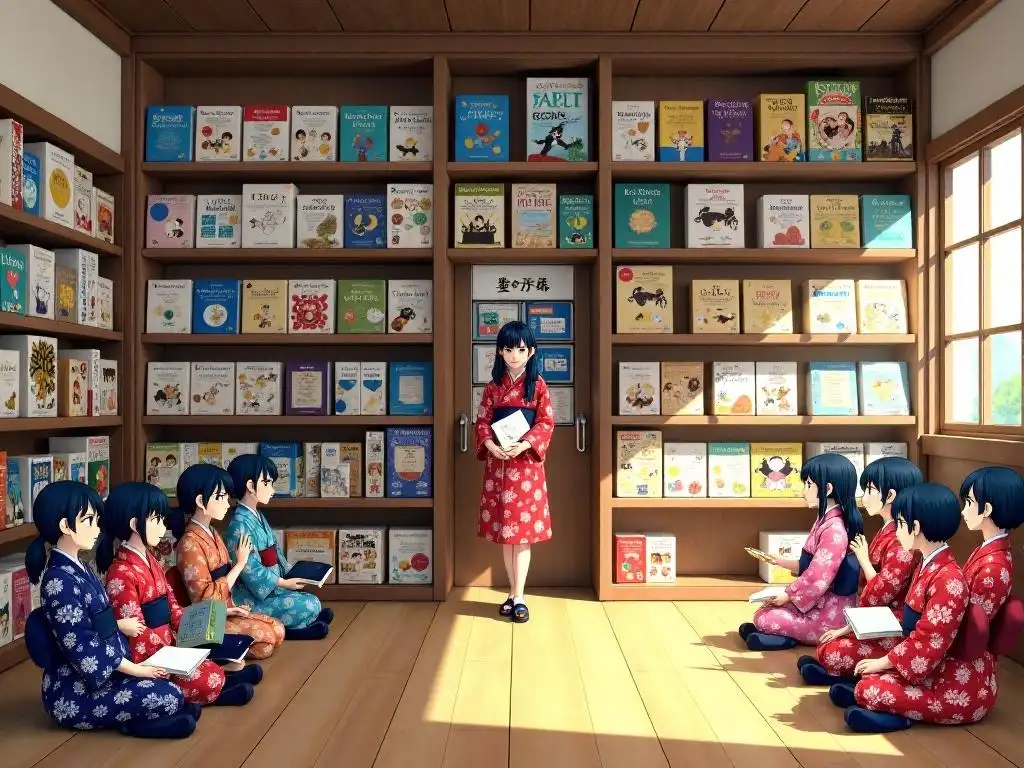
Japanese folklore has transcended its roots as mere storytelling, evolving into a significant educational tool that enriches the learning experience. Its themes and characters provide immersive contexts for teaching various subjects, such as history, ethics, and cultural studies. In modern education, folklore is not just a relic of the past; it is an active participant in shaping students' understanding of their cultural heritage, fostering a sense of identity, and promoting critical thinking.
The utilization of folklore in the classroom serves as a bridge between traditional values and contemporary educational practices. By incorporating tales of yokai (supernatural creatures), kami (gods), and legendary figures, educators can draw connections between historical narratives and modern societal issues. This multifaceted approach encourages students to engage with their cultural history while developing analytical skills essential for navigating today's world.
Integration of Folklore in Contemporary Curriculum
In recent years, Japanese folklore has been systematically integrated into contemporary educational curricula at various levels. This integration often occurs through interdisciplinary approaches that combine language arts, social studies, and the arts. For example, students may read traditional folktales in their language classes, analyze the historical context in social studies, and then create artistic representations of the stories in visual arts.
The curriculum often emphasizes critical thinking by encouraging students to explore the moral lessons embedded in folklore. They engage in discussions about the values represented in these stories, such as respect for nature or the importance of community, while also reflecting on their relevance in today's society. This holistic approach not only enriches the learning experience but also fosters a deeper appreciation for cultural narratives.
Folklore in Japanese Schools Today
Today, Japanese schools actively employ folklore across various subjects. Folktales are used to teach language skills, as students read and interpret classic stories, enhancing their comprehension and writing abilities. Moreover, folklore is a crucial component of cultural education, helping students understand their national identity and the historical context of their society.
In many classrooms, teachers utilize storytelling as a pedagogical tool. Storytelling sessions often include traditional performances, where students may engage in role-play, thus enhancing their communication skills and confidence. This experiential learning approach is particularly effective in making folklore relatable and accessible to younger generations, ensuring that these rich traditions are preserved and appreciated.
The Global Influence of Japanese Folklore on Education
The impact of Japanese folklore extends beyond domestic borders, influencing educational practices worldwide. International interest in Japan's rich cultural heritage has led to the adoption of Japanese folktales in foreign curricula, particularly in cultural studies and literature classes.
Educators globally recognize the universal themes present in Japanese folklore, such as morality, family dynamics, and the human relationship with nature. These themes resonate with diverse audiences, making them suitable for comparative literature studies or discussions about global ethics. Through exchange programs and collaborative projects, students around the world are introduced to Japanese folklore, creating a cross-cultural dialogue that enriches their educational experiences.
Challenges and Critiques of Using Folklore in Education
While the integration of folklore into education offers numerous benefits, it is not without its challenges and critiques. Educators must navigate potential pitfalls to ensure that the teaching of folklore remains relevant and respectful to its origins.
Potential Misinterpretations of Folklore
One of the significant challenges in using folklore as an educational tool is the risk of misinterpretation. Folktales often contain complex cultural meanings that may be lost or oversimplified when presented in a modern context. Students may misconstrue the lessons or moral implications of these stories, leading to inaccuracies in their understanding of Japanese culture.
Furthermore, the commercialization of folklore in media can contribute to distorted representations. For instance, animated adaptations of folklore might prioritize entertainment value over authentic storytelling, risking the dilution of their educational impact. Educators must remain vigilant in providing context and critical analysis to prevent these misinterpretations.
Balancing Tradition and Modern Educational Needs
Another challenge is balancing traditional narratives with contemporary educational needs. As educational priorities evolve, there may be pressure to adapt folklore to fit modern pedagogical frameworks. This can lead to a tension between preserving the integrity of traditional stories and making them relevant to today's students.
Educators must carefully consider how to present folklore in a way that respects its origins while also engaging students in a meaningful dialogue about its relevance. This balance is crucial for ensuring that folklore remains a valuable educational resource rather than a mere artifact of the past.
Overcoming Stereotypes and Simplifications
The use of folklore in education also faces the challenge of overcoming stereotypes and simplifications. Folktales can sometimes reinforce cultural stereotypes if not approached thoughtfully. For example, stories featuring yokai might be perceived merely as fantastical tales without understanding their deeper cultural significance.
To counter this, educators should strive to present folklore as a complex tapestry of cultural narratives that reflect the diversity and richness of Japanese society. This can involve encouraging students to explore various interpretations and perspectives, fostering a more nuanced understanding that goes beyond surface-level representations. By doing so, educators can mitigate the risk of perpetuating stereotypes and ensure that folklore serves as a tool for deeper cultural appreciation.
Conclusion: The Lasting Legacy of Folklore in Education
The educational impact of Japanese folklore extends far beyond mere entertainment; it serves as a crucial vehicle for cultural transmission and moral education. Through generations, folklore has shaped not just individual identities but also collective societal values. The stories of legendary figures such as Momotaro or the fables told by the wise Tanuki have instilled virtues such as bravery, kindness, and wisdom in the hearts of young listeners. The blend of creativity, ethics, and tradition in folklore fosters a rich learning environment, making it an invaluable part of Japan's educational heritage.
As we look back, it's evident that the narratives woven into the fabric of Japanese culture have played a significant role in educating the youth, helping them navigate complex social dynamics while instilling a sense of belonging and cultural pride. This legacy continues to thrive, influencing modern educational practices and methodologies.
Summary of Japanese Folklore's Educational Impact
Japanese folklore has profoundly influenced education by offering lessons that resonate with young audiences. The moral teachings embedded in these stories often reflect societal norms and values, effectively guiding behavior and decision-making. For instance, tales of Yuki-onna, the snow woman, serve as cautionary tales about human emotion and consequence, while the story of the bamboo cutter imparts lessons on humility and gratitude.
Moreover, folklore has been integrated into various educational settings, from elementary schools to high school literature classes, where it aids in the development of critical thinking skills and cultural literacy. Teachers utilize these stories not only to engage students but also to foster discussions around ethics and social responsibility. By grounding education in the rich tradition of storytelling, educators create a relatable context for learners, making abstract concepts more tangible and memorable.
Future Directions for Folklore in Educational Practices
Looking ahead, the integration of Japanese folklore into educational practices is poised for further evolution. As digital technology becomes more prevalent in classrooms, there are numerous opportunities to harness multimedia tools to bring these ancient tales to life. For example, interactive storytelling apps and animated adaptations can captivate a younger audience, making folklore accessible and engaging.
Furthermore, educators can embrace cross-disciplinary approaches, intertwining folklore with subjects like history, art, and even science. This holistic method can enhance students' understanding of the cultural context behind these stories, fostering an appreciation for their historical significance. Additionally, incorporating folklore into language learning can provide students with practical language skills while deepening their cultural understanding.
Final Thoughts on Storytelling as a Learning Tool
Storytelling, particularly through the lens of Japanese folklore, stands as a powerful educational tool. It transcends mere narrative to become a mechanism for teaching values, ethics, and cultural heritage. The lessons drawn from folklore are timeless, offering insights that remain relevant in today’s society.
By continuing to explore and integrate these stories into educational frameworks, we not only preserve a vital aspect of Japan's cultural identity but also enrich the learning experience for future generations. The power of storytelling lies in its ability to connect us to our past while guiding us toward a more informed and empathetic future. As educators recognize this potential, Japanese folklore will undoubtedly maintain its role as a cornerstone of educational practice, inspiring creativity and moral reflection among students for years to come.
- Introduction to Japanese Folklore and Education
- Historical Context of Japanese Folklore
- The Educational Impact of Japanese Folklore
- Case Studies of Folklore in Education
- Modern Applications of Japanese Folklore in Education
- Challenges and Critiques of Using Folklore in Education
- Conclusion: The Lasting Legacy of Folklore in Education
- What is the significance of Japanese folklore in education?
- How does folklore reflect cultural identity in Japan?
- What are some examples of educational themes found in Japanese folklore?
- How has storytelling evolved in the context of Japanese folklore?
- Why is the study of folklore important for understanding Japanese society?
Frequently Asked Questions
What is the significance of Japanese folklore in education?
Japanese folklore serves as an educational tool by imparting moral lessons and cultural values through storytelling, making complex ideas accessible to all ages.
How does folklore reflect cultural identity in Japan?
Folklore embodies cultural identity by preserving traditions, beliefs, and historical narratives, allowing future generations to connect with their heritage.
What are some examples of educational themes found in Japanese folklore?
Common themes include honor, perseverance, and the consequences of greed, which are often illustrated through memorable characters and tales.
How has storytelling evolved in the context of Japanese folklore?
Storytelling has transitioned from oral traditions to written forms, yet it continues to serve as a vital educational resource that enriches understanding of societal norms.
Why is the study of folklore important for understanding Japanese society?
Studying folklore provides insight into historical perspectives, social values, and the collective consciousness of the Japanese people, highlighting how narratives shape societal structures.
Final Reflection: The Enduring Legacy of Japanese Folklore in Education
The rich tapestry of Japanese folklore serves as a powerful reminder of how stories can transcend time and culture, shaping our understanding of the world around us. In today's fast-paced society, where information is often fleeting and superficial, the depth and wisdom embedded in folklore offer a profound educational impact that is more relevant than ever. As we navigate the complexities of modern life, the lessons from these timeless tales resonate deeply, urging us to reconnect with our roots and values.
Cultural narratives have a unique ability to influence our perceptions and behaviors, and Japanese folklore is no exception. The stories of yokai, kami, and legendary heroes not only entertain but also impart moral lessons and cultural values that continue to shape Japanese society. As we engage with these narratives, we find ourselves reflecting on our own identities and the values we hold dear. Stories are the communal currency of humanity.
– Tahir Shah. This quote encapsulates the essence of storytelling as a shared experience that fosters understanding and connection among diverse communities.
As you reflect on the themes presented in this article, consider how the power of storytelling can enrich your own life and the lives of those around you. Embrace the lessons of Japanese folklore and think about how you can weave these narratives into your educational practices or personal experiences. Whether through sharing stories with loved ones or integrating folklore into your learning journey, remember that every tale has the potential to inspire and educate. Let us carry forward the legacy of these stories, ensuring they continue to illuminate our paths for generations to come.
Unleash the Power of Your Own Story!
Thank you for taking the time to explore the profound impact of storytelling in education, particularly through folklore. Your engagement with these timeless tales not only enriches your knowledge but also revitalizes the ways we can share lessons from our past. Now, it’s time to take action!
- Dive Deeper: Select a folklore story that resonates with you. Spend an afternoon researching its origins and significance. You may uncover insights that enhance your understanding of its educational power!
- Share Your Wisdom: Discuss your favorite folklore tales with friends or family. Initiate a conversation about the lessons these stories impart and invite others to share their favorites.
- Create Your Own Narrative: Write a short tale inspired by folklore. Let your creativity flow as you weave in lessons relevant to today’s world, and consider sharing it on social media or a blog—who knows how many people you might inspire!
Which folklore tale has shaped your understanding of the world, and how would you share its lessons with others?