
Harvest Festivals in Feudal Japan: A Celebration of Bounty and Community

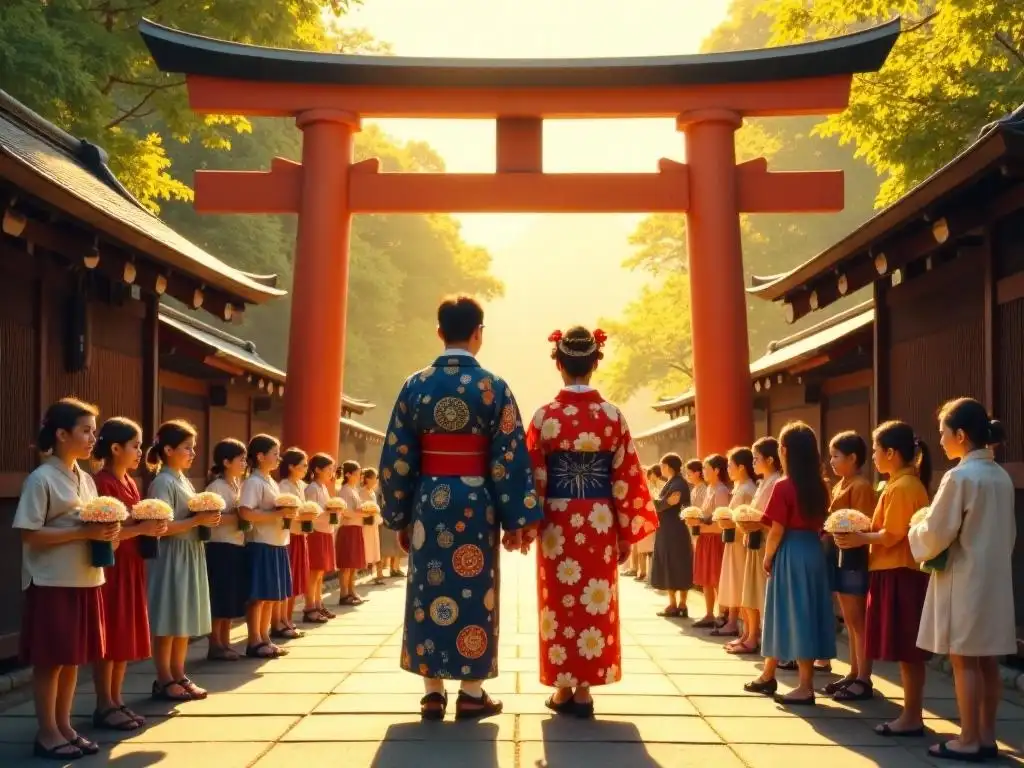
Welcome to Feudal Japan History, where we invite you to journey back in time to explore the rich tapestry of Japan’s feudal era. Our in-depth articles delve into the historical, cultural, and societal intricacies that shaped this fascinating period. Today, we uncover the vibrant feudal Japan harvest festivals, a time when communities came together to celebrate their bountiful yields and strengthen social bonds. What unique traditions and rituals filled the air with joy and gratitude? Join us as we unveil the stories behind these remarkable celebrations, igniting your curiosity for the cultural heritage of feudal Japan.
Introduction to Feudal Japan Harvest Festivals
Harvest festivals in feudal Japan are a vibrant testament to the country's rich cultural tapestry, reflecting not only its agricultural practices but also the deep-rooted traditions of community and spirituality. These festivals, celebrated with fervor and reverence, played a crucial role in the agricultural calendar, marking the end of the harvest season when farmers and villagers came together to give thanks for the bounty provided by the land.
In this article, we will delve into the significance of these harvest festivals, exploring their historical origins, cultural implications, and the communal spirit they fostered among the people of feudal Japan. From ancient rituals to the evolving practices during the feudal era, this comprehensive exploration sheds light on how these festivities shaped the social and cultural landscape of Japan.
Overview of Feudal Japan’s Cultural Landscape
Feudal Japan, spanning from the 12th to the 19th century, was characterized by a complex social hierarchy and a rich cultural heritage. The era was dominated by the samurai class, whose values of loyalty, honor, and discipline influenced various aspects of life, including agricultural practices and community celebrations. The rural population, primarily comprised of farmers, relied heavily on the seasonal cycles for their livelihoods, making harvest festivals a vital part of their existence. These events were not merely agricultural milestones; they were also opportunities for communities to unite, celebrate their collective identity, and reinforce social bonds.
Importance of Harvest Festivals in Japanese Society
Harvest festivals held immense significance in Japanese society, serving multiple purposes that extended beyond mere celebration. They were pivotal in:
- Expressing Gratitude: The festivals were a way for communities to express gratitude to kami (deities) for a bountiful harvest. Rituals and offerings were made to ensure continued blessings for future crops.
- Strengthening Community Bonds: These gatherings fostered a sense of belonging and unity among villagers, promoting cooperation and mutual support. Activities such as communal feasting, dancing, and games reinforced social ties.
- Cultural Preservation: The festivals played a crucial role in preserving local traditions, folklore, and customs, passing them down through generations and ensuring cultural continuity.
Historical Context of Harvest Festivals in Feudal Japan
Origins of Harvest Celebrations in Ancient Japan
The roots of harvest celebrations in Japan can be traced back to ancient agricultural practices, where the cycle of planting and harvesting was deeply intertwined with spiritual beliefs. Early Japanese agrarian societies worshipped rice as a sacred crop, believing it to be a gift from the deities. The niinamesai (the festival of the first fruits) is one of the oldest recorded harvest celebrations, which involved offerings of rice to the kami, symbolizing gratitude and reverence.
Evolution of Festivals During the Feudal Era
As Japan transitioned into the feudal era, harvest festivals evolved, reflecting the changing social and political landscapes. The rise of the samurai class and the establishment of feudal lords introduced new layers of complexity to these celebrations. Festivals began to incorporate elements of samurai culture, showcasing local art, music, and performance. Over time, various regions developed their unique traditions, leading to a diverse tapestry of harvest festivals across Japan, each with its distinct characteristics and rituals.
Harvest festivals in feudal Japan were not just agricultural events; they were profound cultural phenomena that encapsulated the beliefs, values, and social dynamics of the time. Through this exploration, we will uncover the intricate details of these celebrations, enhancing our understanding of their significance in Japan's historical narrative.
Key Features of Feudal Japan Harvest Festivals
Harvest festivals in feudal Japan were vibrant and multifaceted events that celebrated the culmination of the agricultural year. These festivals primarily featured several key characteristics:
- Seasonal Timing: Typically held in the autumn months, these festivals marked the end of the harvest season, giving thanks for the bountiful crops. The timing was crucial as it aligned closely with the agricultural calendar, emphasizing the connection between nature and human labor.
- Ritual Offerings: Central to these festivities were the ritual offerings made to deities and ancestors. Rice, the staple food of Japan, played a significant role as it was seen as a gift from the gods. Festivals often included the presentation of the first fruits of the harvest, symbolizing gratitude and respect.
- Community Participation: Harvest festivals fostered community spirit, bringing together villagers and townsfolk to celebrate their collective efforts. These gatherings reinforced social bonds and provided an opportunity for people to engage in communal activities.
- Cultural Performances: The festivals were often accompanied by traditional music, dance, and theatrical performances. These cultural displays not only entertained but also conveyed historical narratives and religious beliefs, enriching the overall experience.
Agricultural Significance of Harvest Festivals
Harvest festivals were intrinsically linked to the agricultural practices of feudal Japan. They served multiple purposes related to farming:
- Celebration of Fertility: These festivals honored the fertility of the land and the success of the crops. By celebrating the harvest, communities expressed their appreciation for the earth's bounty, which was vital for their survival.
- Rituals for Future Bounty: Farmers performed rituals during the festivals, praying for continued fertility and good harvests in the following seasons. These prayers often included offerings made to the kami (spirits) of rice and agriculture, ensuring that the cycle of planting and harvesting would continue uninterrupted.
- Knowledge Sharing: Harvest festivals also acted as a platform for sharing agricultural knowledge and practices among community members. Farmers exchanged tips on crop cultivation, pest management, and sustainable farming practices, thus enhancing the overall agricultural productivity of the region.
Community Involvement and Social Cohesion
The role of community in harvest festivals was paramount, as these events promoted unity and social cohesion:
- Collective Effort: Organizing harvest festivals required the collective effort of the entire community. Villagers worked together to prepare for the festivities, reinforcing a sense of belonging and mutual support.
- Social Dynamics: The festivals provided a space for social interaction across different classes and families within the village. This interaction helped mitigate social barriers, as people engaged in shared rituals, feasts, and entertainment.
- Cultural Identity: By participating in these festivals, communities affirmed their cultural identity and traditions. Each festival offered a unique expression of local customs, thereby strengthening the community's historical narrative and cultural continuity.
Rituals and Traditions Associated with Harvest Festivals
Various rituals and traditions were integral to the harvest festivals, each reflecting the values and beliefs of feudal Japanese society:
- Mikoshi Processions: Many festivals included the procession of a mikoshi (portable shrine), which symbolized the presence of the local deity. Participants would carry the mikoshi through the village, inviting blessings and protection for the community.
- Rituals of Purification: Purification rites were common, involving the cleansing of participants and the space where the festival was held. This practice, rooted in Shinto beliefs, was thought to invite divine favor and ensure a successful harvest.
- Food and Feasting: The sharing of food was a central aspect of the celebrations. Communities prepared large feasts featuring rice, seasonal vegetables, and fish, which symbolized abundance and gratitude. This communal dining experience promoted fellowship and enjoyment.
Major Harvest Festivals in Feudal Japan
Feudal Japan was home to several major harvest festivals, each with unique characteristics and significance:
The Niiname-sai: The Festival of First Fruits
The Niiname-sai, held in November, was one of the most important harvest festivals in the imperial court. This festival celebrated the first fruits of the season and involved a ceremonial offering of rice to the kami. Key features included:
- Imperial Participation: The Emperor would personally partake in the rituals, signifying the connection between the divine and the ruler's responsibility to ensure the nation's prosperity.
- Culinary Offerings: Special dishes made from new rice were prepared and presented during the festival, emphasizing the importance of rice in Japanese culture.
The Nara Matsuri: A Celebration of Abundance
The Nara Matsuri, celebrated in the ancient capital of Nara, was another significant event highlighting the agricultural bounty of the region:
- Cultural Displays: The festival featured parades, traditional music, and dance performances, showcasing the artistic heritage of the area.
- Community Bonding: Villagers engaged in various activities, from competitive games to shared meals, fostering a strong sense of community and shared joy.
Local Variations of Harvest Festivals Across Regions
While major festivals like Niiname-sai and Nara Matsuri were celebrated widely, local variations of harvest festivals emerged across different regions:
- Regional Customs: Each locality infused its unique practices into the harvest celebrations, often reflecting local agricultural products and customs. For example, coastal areas might incorporate sea-related offerings, while mountainous regions might emphasize wildlife.
- Distinct Rituals: Some regions developed distinct rituals, such as specific dances or songs that reflected local folklore and traditions, preserving their cultural heritage.
These local variations contributed to the rich tapestry of feudal Japan’s harvest festivals, emphasizing both the diversity and unity of Japanese culture in celebrating agricultural abundance.
The Role of Shinto and Buddhist Practices in Harvest Festivals

Harvest festivals in feudal Japan were deeply intertwined with the spiritual beliefs of the time, particularly through the lens of Shinto and Buddhism. These two religions provided a rich tapestry of rituals and practices that not only honored agricultural bounty but also reinforced community bonds. The blend of Shinto animism and Buddhist thought shaped the way these festivals were celebrated, influencing everything from the rituals performed to the types of offerings made to deities.
Shinto Rituals and Their Influence on Harvest Celebrations
Shintoism, the indigenous spirituality of Japan, played a pivotal role in harvest festivals. Central to Shinto beliefs is the reverence for kami, or spirits, which are often associated with natural elements such as mountains, rivers, and rice fields. During harvest festivals, rituals were performed to honor these kami and express gratitude for the bountiful harvest.
Key practices included:
- Rice Planting and Harvesting Rituals: These rituals were often conducted with great ceremony, involving prayers and offerings. The act of planting and harvesting rice was seen as a sacred duty, which required the blessings of the kami.
- Matsuri (Festivals): Shinto matsuri were critical in celebrating the harvest. They often involved processions, music, and dance, allowing communities to come together in a display of gratitude and joy.
- Offerings: Farmers would prepare offerings of rice and sake at shrines, where priests would perform purification rites to ensure the kami's favor. This practice reinforced the spiritual connection between agriculture and the divine.
These rituals not only marked the agricultural cycle but also fostered a sense of community as people collaborated to prepare for and partake in the festivities.
Buddhist Elements Incorporated into Festivals
Buddhism's arrival in Japan during the 6th century introduced new spiritual dimensions to harvest festivals. While Shinto emphasized the connection to nature and local spirits, Buddhism contributed concepts such as gratitude, compassion, and the impermanence of life.
Buddhist influences in harvest festivals included:
- Prayers for Abundance: Monks would often lead prayers during harvest celebrations, asking for continued prosperity and the well-being of the community. This spiritual guidance helped to unify the people in their hopes for a successful harvest.
- Ceremonies for the Deceased: Many festivals incorporated rituals to honor ancestors, reflecting the Buddhist focus on lineage and respect for those who came before. These ceremonies provided a moment of reflection and connection among the living and their ancestors.
- Art and Symbolism: Buddhist art and teachings often found their way into the visual representations during festivals, such as lanterns and decorations, which symbolized enlightenment and the cycle of life.
The amalgamation of Shinto and Buddhist practices in harvest festivals created a rich cultural tapestry that celebrated not only the fruits of the land but also the spiritual and communal bonds of the people.
Impact of Harvest Festivals on Feudal Japanese Society
Harvest festivals in feudal Japan held significant implications for society, influencing both the economy and the social structure. These celebrations were not merely a time of enjoyment but were pivotal in shaping community dynamics and agricultural practices.
Economic Implications of Harvest Celebrations
The economic impact of harvest festivals was profound, as they directly tied to the agricultural productivity of the region. Successful harvests were vital for the sustenance and prosperity of feudal communities.
Key economic implications included:
- Boosting Local Economies: Festivals attracted merchants and traders, fostering local economies. The exchange of goods and services during these celebrations often stimulated trade and commerce within the community.
- Resource Allocation: The preparation for harvest festivals required resources, including food, materials for rituals, and labor. This allocation of resources played a crucial role in the local economy, reinforcing relationships between farmers and artisans.
- Taxation and Tribute: In feudal Japan, the success of harvests affected the collection of taxes and tributes to the ruling samurai class. Festivals served as a reminder of the agricultural cycle's importance to the feudal system, where the ability to produce food was directly tied to power and wealth.
Social Structures and Hierarchies during Festivals
Harvest festivals also reflected the social structures and hierarchies prevalent in feudal Japan. These events were not only opportunities for celebration but also served to reinforce social norms and roles within the community.
Factors influencing social structures included:
- Role of the Samurai: The samurai, as the ruling class, often played a prominent role in harvest festivals, overseeing festivities and participating in rituals. Their involvement reinforced their status and connection to the agrarian society.
- Participation of Common Folk: While samurai held authority, festivals allowed common folk to showcase their cultural identity and express their communal spirit. The involvement of various classes in the celebrations fostered a sense of unity despite the rigid social hierarchies.
- Cultural Exchange: Festivals provided a platform for interaction among different classes and regions, encouraging cultural exchange and the sharing of agricultural techniques. This interaction was essential for the growth and adaptation of farming practices across feudal Japan.
Harvest festivals in feudal Japan were complex events that intertwined spiritual beliefs, economic activity, and social structures, reflecting the values and traditions that defined Japanese society during this era.
Conclusion: The Legacy of Harvest Festivals in Feudal Japan
The harvest festivals of feudal Japan played a crucial role in shaping the cultural and social landscape of the era. These celebrations were not merely agricultural events; they were profound expressions of gratitude, community bonding, and religious devotion. The legacy of these festivals endures in various forms, influencing modern Japanese culture and continuing to inspire community gatherings that honor the past while celebrating the present.
The rituals and practices surrounding these festivals reflected the agrarian society's values, emphasizing harmony with nature and respect for the gods. Today, remnants of these traditions can still be seen in contemporary festivals, where many of the customs and rituals have been preserved or adapted, keeping the spirit of feudal Japan alive.
Reflection on the Cultural Significance of These Festivals
Harvest festivals during feudal Japan served as a pivotal moment for communities to come together and celebrate the fruits of their labor. These gatherings fostered a sense of unity and collective identity among villagers, reinforcing social bonds that were vital to survival in a feudal society.
The significance of these festivals extends beyond mere celebration; they were imbued with spiritual meaning. Communities offered thanks to deities such as Inari, the god of rice, highlighting the deep connection between the populace and their agricultural roots. This reverence for nature and the divine was pivotal in shaping the cultural identity of feudal Japan, demonstrating how intertwined daily life was with spiritual beliefs and agricultural cycles.
The Influence of Feudal Japan Harvest Festivals on Modern Celebrations
Modern Japanese festivals, known as "matsuri," owe much to the harvest festivals of the feudal era. While contemporary celebrations have evolved and diversified, many still incorporate ancient rituals, dances, and offerings that trace back to these historic events. For example, the practice of rice planting and harvest ceremonies can still be observed in various regions, where local communities gather to perform rituals that honor the agricultural cycle.
Additionally, the communal aspect of these festivals remains strong. Modern matsuri often involve local parades, food stalls, and performances, echoing the communal celebrations of feudal times. This continuation of tradition highlights the enduring legacy of harvest festivals, illustrating how they have adapted over time while retaining their core values of gratitude, community, and respect for nature.
Additional Resources on Feudal Japan Cultural History
Recommended Reading on Festivals and Traditions in Feudal Japan
For those interested in delving deeper into the rich tapestry of festivals and traditions in feudal Japan, the following books are highly recommended:
- "Festivals of Japan: The History, Culture, and Significance": by Yoko Tanaka - This book provides a comprehensive overview of various Japanese festivals across history, including those from the feudal era.
- "The Culture of Japan as Seen Through Its Festivals" by Hideo Matsumoto - A detailed exploration of how festivals reflect the cultural nuances of Japanese society.
- "Celebrating Japan: A Year of Festivals and Traditions": by Kenji Nakamura - This text offers insights into the seasonal celebrations throughout Japan and their historical contexts.
Links to Related Articles on Feudal Society and Cultural Practices
To further enrich your understanding of feudal society and its cultural practices, consider exploring the following topics:
- The role of agriculture in shaping feudal Japan's social structure.
- A detailed examination of Shinto practices and their influence on festivals.
- The evolution of traditional Japanese arts, such as Noh and Kabuki, in relation to cultural celebrations.
- Insights into the daily life of villagers during the feudal period and how festivals provided a respite from labor.
These resources will enhance your appreciation for the intricate connections between harvest festivals and the broader cultural history of feudal Japan.
- Introduction to Feudal Japan Harvest Festivals
- Historical Context of Harvest Festivals in Feudal Japan
- Key Features of Feudal Japan Harvest Festivals
- Major Harvest Festivals in Feudal Japan
- The Role of Shinto and Buddhist Practices in Harvest Festivals
- Impact of Harvest Festivals on Feudal Japanese Society
- Conclusion: The Legacy of Harvest Festivals in Feudal Japan
- Additional Resources on Feudal Japan Cultural History
- What were the main harvest festivals in feudal Japan?
- How did harvest festivals influence Japanese society?
- What are some traditional practices during these festivals?
- How did the samurai class participate in harvest festivals?
- Are there any modern-day celebrations that trace their roots back to feudal Japan's harvest festivals?
Frequently Asked Questions
What were the main harvest festivals in feudal Japan?
The main harvest festivals in feudal Japan included Niinamesai, which celebrated the first fruits of the season, and various local festivals that honored the deities of agriculture. These events were integral to community bonding and gratitude.
How did harvest festivals influence Japanese society?
Harvest festivals played a significant role in reinforcing community ties and promoting cooperation among villagers. They provided opportunities for social interaction, strengthening the social fabric of feudal Japan.
What are some traditional practices during these festivals?
During harvest festivals, people engaged in rituals such as offering the first harvest to the gods, dance, and music performances, as well as communal feasting. These practices emphasized the importance of gratitude and celebration of abundance.
How did the samurai class participate in harvest festivals?
The samurai class often took part in harvest festivals to maintain good relations with the peasants. They would sometimes sponsor events, ensuring that the local populace felt supported and valued, which helped maintain loyalty and stability.
Are there any modern-day celebrations that trace their roots back to feudal Japan's harvest festivals?
Yes, many modern Japanese festivals such as Matsuri have origins in the harvest festivals of feudal Japan. These celebrations still reflect the themes of gratitude, community, and bounty, showcasing the enduring legacy of this cultural tradition.
Final Reflection: Celebrating Community and Bounty in Feudal Japan
The essence of feudal Japan harvest festivals lies in their profound connection to community and the celebration of abundance. Today, as we navigate a world increasingly defined by individualism and rapid technological change, the lessons from these festivals remind us of the importance of coming together to honor our shared experiences and the fruits of our labor. The spirit of unity and gratitude that characterized these gatherings resonates now more than ever, urging us to foster connections in our own communities.
Celebrating harvest festivals in feudal Japan was not merely about the crops; it was a vital expression of cultural identity and social cohesion. These events served as a reminder of the interdependence between people and nature, reinforcing the values of gratitude and communal support. As we reflect on this historical practice, we can draw parallels to our contemporary lives, where the need for community and shared celebration remains critical. In every community, there is work to be done. In every nation, there are wounds to heal. In every heart, there is the power to do it.
– Marianne Williamson.
As we look to the future, I invite you to reflect on how you can cultivate a sense of community in your own life. Consider organizing or participating in local gatherings that celebrate not only the harvest but also the connections we share with one another. Let the spirit of feudal Japan's harvest festivals inspire you to create spaces where gratitude, collaboration, and joy flourish. Together, we can honor the bounty of our lives and strengthen the bonds that unite us.
Celebrate and Connect with Japan's Rich Harvest Traditions!
Thank you for diving into the fascinating world of harvest festivals in feudal Japan! By exploring these rich traditions, you’ve gained a deeper appreciation for how communities celebrated their bountiful harvests and fostered unity. Now, it’s time to take that inspiration further!
Here’s how you can embrace the spirit of these festivals in your own life:
- Host a local gathering to celebrate the autumn harvest, sharing food, stories, and traditions that highlight the diversity of cultures.
- Explore and learn more about harvest festivals around the globe—perhaps even document your discoveries through writing!
- Join a community group focused on sustainable agriculture to share the values of gratitude and connection that these traditions embody.
What aspect of harvest festivals inspires you the most, and how will you bring it to life in your community?