
The Influence of Zen Buddhism on Japanese Performing Arts During the Feudal Era

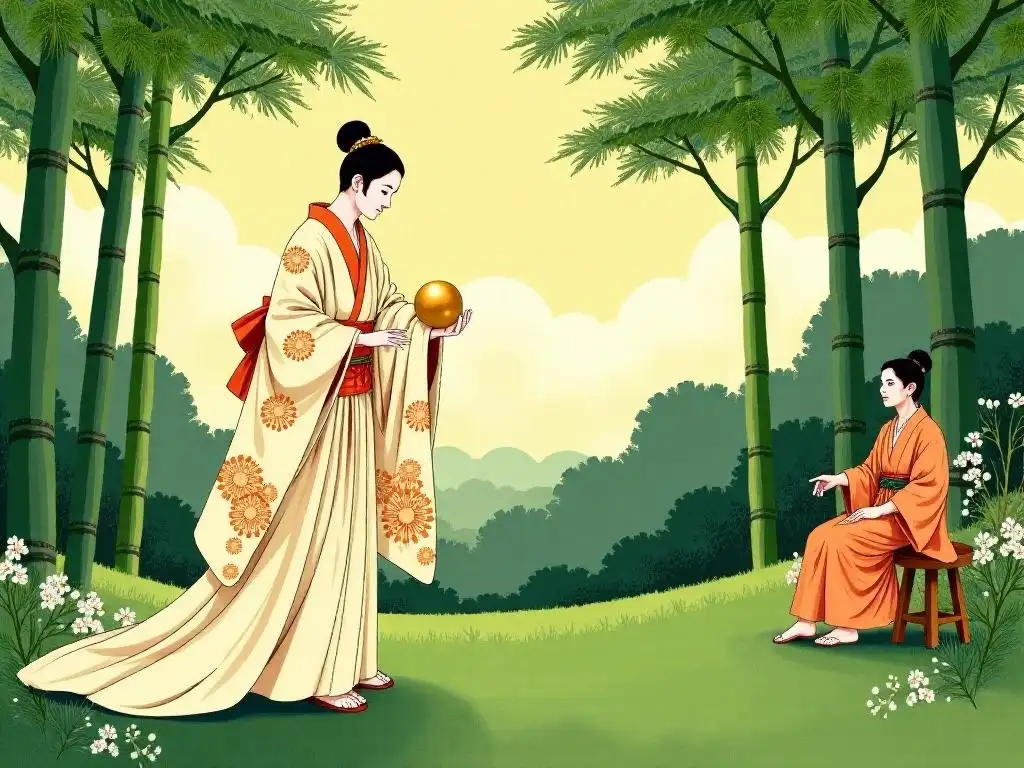
Welcome to Feudal Japan History, where we invite you to journey through the fascinating tapestry of Japan's feudal era. Here, we delve deep into the intricate interplay of culture, society, and history, unraveling stories that shaped a nation. In our featured article, “The Influence of Zen Buddhism on Japanese Performing Arts During the Feudal Era,” we explore how the serene philosophies of Zen transformed the artistic landscape of Japan.
Prepare to uncover the profound connections between spirituality and creativity that not only defined an era but continue to resonate today. Are you ready to discover how these timeless influences still echo in modern performances? Let's embark on this enlightening exploration together!
Introduction to Zen Buddhism and Japanese Performing Arts
The relationship between Zen Buddhism and Japanese performing arts during the feudal era is a profound and intricate one, reflecting a unique blend of spirituality and creativity that shaped the cultural landscape of Japan. Zen Buddhism, with its emphasis on mindfulness, simplicity, and direct experience, significantly influenced various art forms, including Noh theater, Kabuki, and traditional music.
As we delve into this exploration, we will uncover how Zen principles not only enriched the aesthetic dimensions of these art forms but also transformed the ways in which performers and audiences engaged with art. This article aims to provide an in-depth examination of the intersections between Zen Buddhism and Japanese performing arts, highlighting the enduring legacy of these cultural practices.
Overview of Zen Buddhism
Zen Buddhism, a school of Mahayana Buddhism that emphasizes meditation and direct experience, began to flourish in Japan during the Kamakura period (1185–1333). Its core tenets focus on the attainment of enlightenment through disciplined practice, which includes meditation (zazen) and the observation of everyday life. Zen teachings encourage practitioners to transcend intellectual understanding and cultivate a direct, experiential awareness of reality. This spiritual foundation laid the groundwork for a cultural renaissance in Japan, influencing not only religious practices but also art, philosophy, and social behavior.
Historical Context of the Feudal Era in Japan
The feudal era in Japan, spanning from the late 12th century to the 19th century, was marked by a strict social hierarchy and the rule of samurai class. This period saw the emergence of powerful shogunates and the establishment of a warrior culture that significantly impacted the arts.
Amid the political strife and shifting power dynamics, Zen Buddhism found fertile ground, as it resonated with the samurai's values of discipline, loyalty, and self-control. The patronage of Zen monasteries by the samurai elite facilitated the development of various artistic expressions, which would later flourish in the context of theater, poetry, and music.
The Intersection of Zen Buddhism and Cultural Practices
As Zen Buddhism permeated the cultural fabric of feudal Japan, it began to influence a variety of artistic practices. This intersection manifested in several forms, including the incorporation of Zen aesthetics into traditional performing arts. The principles of Zen, such as the appreciation of nature and the pursuit of harmony, can be seen in the thematic and visual elements of Noh and Kabuki theater. Additionally, Zen practices shaped the rituals surrounding these performances, creating a unique atmosphere that fostered deep emotional and spiritual engagement between performers and audiences.
Zen Buddhism's Core Principles Affecting Performing Arts
The Concept of Mindfulness in Zen
Mindfulness, a fundamental aspect of Zen practice, emphasizes being fully present in the moment. This principle greatly influenced Japanese performing arts by encouraging performers to engage deeply with their roles and the audience. In Noh theater, for instance, actors often embody their characters with an intense focus, allowing for a profound connection between the performance and the spectators. This mindful engagement creates a transformative experience where the audience becomes part of the artistic expression, elevating the overall impact of the performance.
Simplicity and Aesthetics in Zen Philosophy
Zen philosophy values simplicity and minimalism, which are reflected in the aesthetics of Japanese performing arts. The concept of wabi-sabi, which embraces imperfection and transience, further informs the visual and thematic elements of these art forms. In Noh theater, the use of sparse sets and restrained movements highlights the beauty of simplicity, inviting audiences to appreciate the subtleties of expression. Similarly, Kabuki incorporates elaborate costumes and makeup, yet the underlying Zen philosophy encourages a focus on the essence of the performance rather than mere spectacle.
The Role of Meditation in Artistic Expression
Meditation, a core practice in Zen Buddhism, serves as a crucial element in the development of artistic expression. For performers, the meditative state allows for heightened awareness and creativity, enabling them to channel their emotions and experiences into their art. This connection between meditation and performance is evident in the rhythmic patterns and emotional depth of traditional music, which often accompanies theatrical performances. By integrating meditation into their practice, artists cultivate a profound sense of presence that resonates with audiences, reinforcing the transformative power of Zen in the performing arts.
Key Japanese Performing Arts Influenced by Zen Buddhism
Zen Buddhism played a critical role in shaping various forms of Japanese performing arts during the feudal era. Its emphasis on simplicity, mindfulness, and the connection between the performer and the audience resonated through these artistic expressions. The most notable forms influenced by Zen include Noh theatre, Kabuki theatre, and traditional music and dance. Each of these art forms absorbed Zen principles, which in turn transformed their aesthetics, themes, and performance styles.
Noh Theatre: A Reflection of Zen Ideals
Noh theatre, a classical Japanese performance art that emphasizes slow, deliberate movements and minimalistic staging, embodies the essence of Zen Buddhism. Its origins can be traced back to the 14th century, and it has since evolved into a sophisticated art form that reflects Zen concepts such as impermanence and the pursuit of enlightenment.
In Noh, the use of masks and costumes serves not merely as decoration but as a medium through which deeper truths are conveyed. The performers often embody a sense of tranquility, inviting the audience to engage in introspection. The slow pacing of the actions allows for contemplation, mirroring the Zen practice of meditation. Each performance is seen as a moment of enlightenment, reinforcing the idea that art can transcend the mundane and lead to spiritual awakening.
Zen Influence on Kabuki Theatre
Kabuki, known for its vibrant performances and elaborate costumes, also exhibits the influence of Zen Buddhism, albeit in a more dynamic and expressive manner than Noh. Emerging in the early 17th century, Kabuki incorporates themes of love, revenge, and moral conflict, often reflecting the human condition.
Zen principles manifest in Kabuki's emphasis on the present moment and the emotional connection between the actors and the audience. The concept of ma, or the space between movements, is particularly significant in Kabuki. This concept echoes Zen's focus on timing and awareness, allowing performers to create a deep connection with viewers. Additionally, some Kabuki plays draw directly from Zen literature, weaving philosophical themes into the narratives, thereby offering audiences a glimpse into Zen thought.
The Impact on Traditional Music and Dance
Traditional Japanese music and dance, particularly those associated with Noh and Kabuki, have also been deeply influenced by Zen Buddhism. The musical elements often emphasize simplicity and the natural sounds of instruments, which align well with Zen aesthetics. Instruments like the shamisen and nohkan (flute) contribute to creating an atmosphere conducive to contemplation.
Dance in these performances is characterized by slow, graceful movements that evoke a sense of serenity and mindfulness. The dancers embody Zen principles through their expressions and physicality, inviting the audience to experience the moment fully. The integration of Zen ideals in music and dance enhances the overall emotional impact of the performances, allowing for a more profound audience experience.
The Cultural Impact of Zen Buddhism on Performing Arts
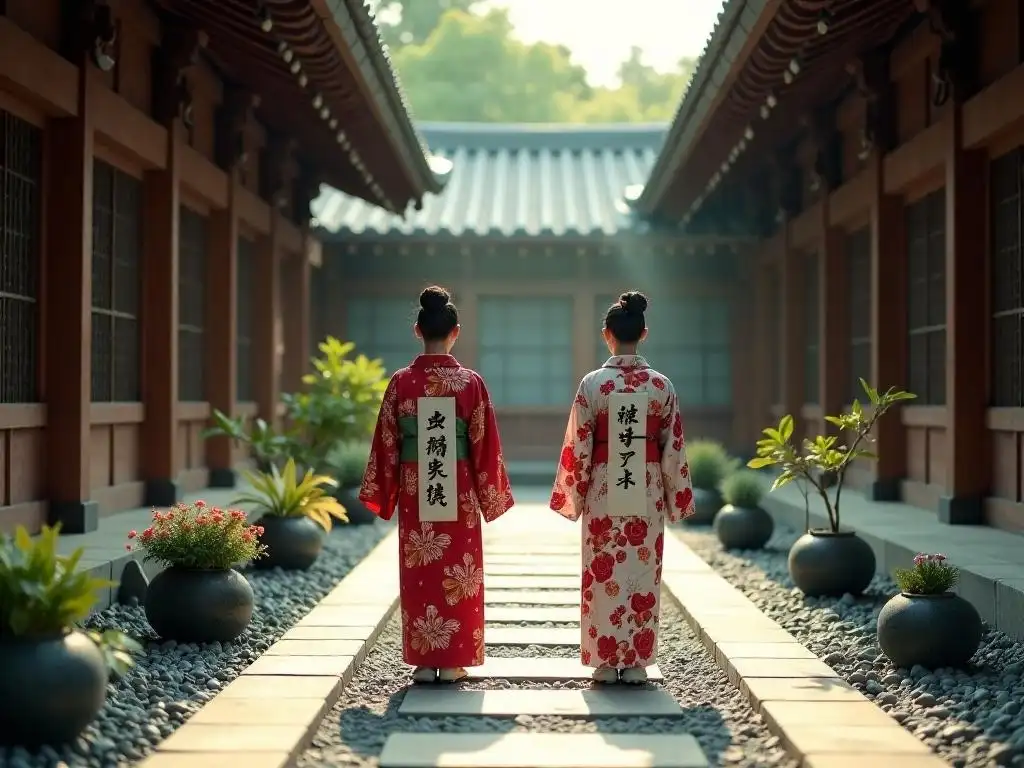
Zen Buddhism's influence extends beyond the individual art forms and permeates the broader cultural landscape of Japan's feudal era. It has shaped aesthetic standards, audience perceptions, and the overall transformation of performing arts.
Zen Buddhism and the Development of Aesthetic Standards
Zen teachings have significantly influenced the aesthetic standards of Japanese performing arts, promoting the ideals of simplicity, asymmetry, and naturalness. These principles are evident in the visual aspects of Noh and Kabuki, where the beauty of imperfection is celebrated.
For instance, the concept of wabi-sabi—which finds beauty in the transient and imperfect—has roots in Zen philosophy and can be seen in the staging, costumes, and even the performances themselves. This aesthetic encourages artists to embrace minimalism and authenticity, leading to a distinct artistic expression that resonates with audiences on a deeper level.
Influence on Audience Perception and Experience
Zen Buddhism has also influenced how audiences engage with performing arts. The meditative qualities intrinsic to Zen practices invite spectators to approach performances with a sense of mindfulness and presence.
Audiences are encouraged to immerse themselves fully in the experience, reflecting upon the themes and emotions presented. This shift in perception fosters a deeper appreciation for the subtleties of the performances, moving beyond mere entertainment to a contemplative experience that resonates with Zen teachings.
The Transformation of Performing Arts through Zen Ideals
The integration of Zen ideals into Japanese performing arts has resulted in a profound transformation of these art forms. The emphasis on mindfulness, presence, and aesthetic simplicity has allowed for a unique expression that aligns with the spiritual aspirations of Zen practitioners.
Over time, this transformation has led to a rich cultural tapestry where art becomes a vehicle for exploring the human experience and spiritual enlightenment. The legacy of Zen Buddhism continues to influence modern interpretations of these traditional arts, ensuring that their essence remains alive in contemporary Japanese culture.
Conclusion: The Lasting Legacy of Zen Buddhism in Japanese Performing Arts
The profound influence of Zen Buddhism on Japanese performing arts during the feudal era has left an indelible mark that continues to resonate in contemporary artistic expressions. As a spiritual and philosophical framework, Zen provided not only aesthetic principles but also a way of perceiving reality that shaped the ethos of various performance forms, including Noh, Kabuki, and even traditional music. The integration of Zen concepts such as simplicity, mindfulness, and the pursuit of inner harmony enriched these art forms, creating a unique cultural tapestry that reflects the complexities of human experience and the beauty of imperfection.
Summary of Key Influences
Zen Buddhism's impact on Japanese performing arts can be summarized through several key influences:
- Aesthetic Principles: Zen emphasized simplicity and minimalism, leading to the development of a more refined and subtle aesthetic in performance art.
- Mindfulness and Presence: The practice of zazen (sitting meditation) encouraged performers to cultivate a deep sense of presence and awareness, enhancing the emotional depth of their expressions.
- Symbolism and Metaphor: Zen's focus on nature and the ephemeral inspired artists to incorporate symbolic elements into their work, allowing audiences to engage in deeper interpretations.
- Improvisation and Spontaneity: The idea of "living in the moment" fostered a spirit of improvisation, particularly in forms like Kabuki, where performers often adapted their roles in real-time based on audience reactions.
These influences not only transformed the performing arts of the time but also established a foundation for future artistic endeavors in Japan.
Zen Buddhism’s Role in Shaping Modern Japanese Arts
The legacy of Zen Buddhism extends beyond the feudal era, playing a crucial role in shaping modern Japanese arts. In contemporary theater, dance, and visual arts, the principles of Zen continue to inform artistic practices:
- Contemporary Theater: Modern playwrights and directors often draw inspiration from Zen philosophies, exploring themes of transience and the human condition, much like their feudal predecessors.
- Dance and Movement: Traditional forms of dance, such as Butoh, embody Zen principles, emphasizing the connection between movement and meditation, thus creating a space for introspection and exploration of the self.
- Visual Arts: The influence of Zen can also be seen in contemporary Japanese visual arts, where artists incorporate minimalist aesthetics and nature-inspired themes, echoing the traditions established during the feudal era.
Through these modern expressions, Zen Buddhism remains a vital thread in the fabric of Japanese culture, illustrating the enduring nature of its influence.
Reflection on the Cultural Significance of Zen in Feudal Japan
The cultural significance of Zen Buddhism in feudal Japan cannot be overstated. It served as a catalyst for transformation across various domains of life, fostering a unique cultural identity that emphasized harmony, balance, and a profound connection to nature. Zen's teachings permeated not only the performing arts but also philosophy, literature, and everyday life, influencing social norms and personal conduct.
- Cultural Integration: Zen practices were integrated into the daily lives of individuals, influencing the way people approached not only art but also relationships and community interactions.
- Philosophical Depth: The philosophical underpinnings of Zen challenged individuals to explore the nature of existence, ultimately enriching the intellectual landscape of Japan during the feudal era.
- Social Cohesion: By promoting shared values of mindfulness and respect for nature, Zen Buddhism helped cultivate a sense of community and cultural cohesion, which was vital during a time of political and social upheaval.
Zen Buddhism's impact on Japanese performing arts during the feudal era represents a significant chapter in the larger narrative of Japan's cultural history. The interplay of spiritual and artistic expression continues to inspire and resonate, ensuring that the legacy of Zen remains a vital part of Japan's cultural heritage.
- Introduction to Zen Buddhism and Japanese Performing Arts
- Zen Buddhism's Core Principles Affecting Performing Arts
- Key Japanese Performing Arts Influenced by Zen Buddhism
- The Cultural Impact of Zen Buddhism on Performing Arts
- Conclusion: The Lasting Legacy of Zen Buddhism in Japanese Performing Arts
- What is the main focus of the article on Zen Buddhism and Japanese Performing Arts?
- How did Zen Buddhism impact the development of Japanese performing arts?
- Which performing arts were influenced by Zen Buddhism in feudal Japan?
- What role did Zen teachings play in the training of performers?
- How does the article contribute to the understanding of Japanese cultural history?
Frequently Asked Questions
What is the main focus of the article on Zen Buddhism and Japanese Performing Arts?
The article explores the influence of Zen Buddhism on Japanese performing arts during the feudal era, highlighting the interconnection between spirituality and artistic expression.
How did Zen Buddhism impact the development of Japanese performing arts?
Zen Buddhism significantly shaped the aesthetics and philosophical foundations of various art forms, emphasizing simplicity, mindfulness, and the transience of beauty in performances.
Which performing arts were influenced by Zen Buddhism in feudal Japan?
Key art forms such as Noh, Kabuki, and Tea Ceremony were deeply influenced by Zen principles, leading to a unique blend of spirituality and artistic practice.
What role did Zen teachings play in the training of performers?
Zen teachings encouraged performers to cultivate a state of mindfulness and presence, enhancing their artistic expression and allowing for a more profound connection with their audience.
How does the article contribute to the understanding of Japanese cultural history?
The article provides a comprehensive exploration of how Zen Buddhism shaped the cultural landscape of Japan during the feudal era, offering insights into the historical and societal aspects of the time.
Final Reflection: The Enduring Legacy of Zen Buddhism in Japanese Performing Arts
The profound connection between Zen Buddhism and Japanese performing arts continues to resonate in contemporary culture, illustrating how spiritual philosophies can shape artistic expression. The intricate interplay between these two realms during the feudal era not only enriched the artistic landscape of Japan but also laid the groundwork for a unique cultural identity that persists today. As we navigate a world increasingly defined by rapid change, the lessons of mindfulness and simplicity inherent in Zen teachings remind us of the importance of grounding ourselves in the present moment.
The influence of Zen Buddhism on Japanese performing arts is a testament to the power of spirituality in shaping cultural narratives. From Noh theater to the graceful movements of traditional dance, the essence of Zen is woven into the fabric of these art forms, inviting audiences to experience a deeper connection with the performance. As the renowned Zen master D.T. Suzuki once said, Zen is not some kind of excitement, but concentration on our usual everyday routine.
This perspective highlights how the arts, infused with Zen principles, serve as a mirror reflecting the beauty of everyday life, encouraging both performers and spectators to engage with the world around them more mindfully.
As we reflect on the enduring impact of Zen Buddhism on Japanese performing arts, I invite you to consider how these teachings can inspire your own life. Take a moment to embrace simplicity and mindfulness in your daily routines, just as the artists of the feudal era did.
Whether through art, meditation, or simply being present in your interactions, let the essence of Zen guide you toward a more profound appreciation of the beauty that surrounds you. In doing so, we not only honor the legacy of the past but also cultivate a richer, more meaningful existence in the present.
Unveil the Harmony of Zen and Art!
Thank you for exploring the fascinating interplay between Zen Buddhism and Japanese performing arts during the Feudal Era. You've uncovered the essence of how spirituality and creativity shaped cultural expressions. Now, let's transform this knowledge into action!
- Dive Deeper: Select a Zen principle that resonates with you and practice it for a week. Notice how it influences your daily actions and interactions.
- Share Your Insights: Engage with others in our community forum by sharing how Zen has influenced your creative pursuits or hobbies.
- Explore the Arts: Participate in a local performance or workshop focused on traditional Japanese arts to experience this profound connection firsthand.
How do you believe the teachings of Zen can enhance creativity in modern art forms today?