
Peasants and Prosperity: The Backbone of Feudal Japan's Agricultural Economy


Welcome to Feudal Japan History, where we delve deep into the rich tapestry of Japan's feudal era. In this captivating exploration, we invite you to discover how the agricultural economy shaped the very foundation of society, influencing everything from culture to class structure. Our featured article, "Peasants and Prosperity: The Backbone of Feudal Japan's Agricultural Economy," unravels the pivotal role of peasants in cultivating not just crops, but a thriving civilization.
Are you ready to unearth the hidden stories and intricate dynamics of this essential aspect of feudal life? Join us as we embark on a journey through time, revealing the threads that connect past to present.
- Introduction to Feudal Japan's Agricultural Economy
- The Role of Peasants in Feudal Japan
- Agricultural Practices in Feudal Japan
- Social Hierarchy and Peasantry
- Economic Contributions of Peasants
- Challenges Faced by Peasants
- The Legacy of Peasants in Japan’s Agricultural Economy
- Conclusion
-
Frequently Asked Questions
- What role did peasants play in Feudal Japan's agricultural economy?
- How did the agricultural economy impact social structure in Feudal Japan?
- What crops were primarily grown in Feudal Japan?
- How did advancements in agriculture affect Feudal Japan?
- What were the challenges faced by peasants in Feudal Japan?
- Final Reflection: The Enduring Legacy of Feudal Japan's Agricultural Economy
- Embrace the Legacy and Inspire Change!
Introduction to Feudal Japan's Agricultural Economy
In the intricate tapestry of Feudal Japan, the agricultural economy stands out as a cornerstone that not only sustained the populace but also shaped the very fabric of society. Spanning several centuries, from the late 12th century until the mid-19th century, this era was characterized by a hierarchical structure where land ownership and agricultural production dictated power dynamics and social status.
Understanding the nuances of the Feudal Japan agricultural economy involves delving into the relationships between different classes, the role of peasants, and the impact of agricultural practices on the broader economic landscape. This article aims to provide a comprehensive exploration of these aspects, shedding light on how the agricultural sector was not just a means of survival but a driving force behind prosperity in Feudal Japan.
Overview of Feudal Japan’s Economic Structure
Feudal Japan's economy was primarily agrarian, with agriculture serving as the backbone of wealth and sustenance. The feudal system was characterized by a land-based hierarchy, where the shogun held ultimate authority over vast territories, followed by daimyōs (feudal lords) who managed these lands through a network of vassals. This structure can be summarized as follows:
- Shogun: The supreme military leader.
- Daimyōs: Powerful lords who controlled land and demanded tribute.
- Samurai: Warrior class serving the daimyōs, often compensated with land.
- Peasants: The largest class, responsible for agricultural production.
The economy was largely self-sufficient, with local villages typically growing enough rice and other crops to feed their inhabitants. Trade existed, but it was limited by geography and political barriers. The rice crop was particularly significant, as it served not only as a staple food but also as a form of currency and a measure of wealth.
Importance of Agriculture in Feudal Society
Agriculture played a pivotal role in shaping Feudal Japan's society and culture. The reliance on agricultural production influenced various aspects of daily life, including:
- Social Hierarchy: The wealth generated from agricultural surplus allowed daimyōs to exert power, while peasants, despite their hard work, remained at the bottom of the social ladder.
- Cultural Practices: Festivals and rituals centered around the agricultural calendar, such as planting and harvest celebrations, reinforced community bonds and cultural identity.
- Economic Stability: The productivity of the agricultural practices directly correlated with the stability of the feudal system. Famine or poor harvests could lead to widespread unrest and challenge the authority of the ruling classes.
- Land Ownership: The concept of land ownership was crucial; it dictated social status and power. Peasants were often tied to the land they cultivated, which limited their mobility and freedom.
The agricultural economy of Feudal Japan was not merely about food production; it was a complex system deeply intertwined with the social, political, and cultural fabric of the era. Understanding this relationship is essential for grasping the dynamics of Feudal Japan and the significant role that peasants played in shaping its prosperity.
The Role of Peasants in Feudal Japan
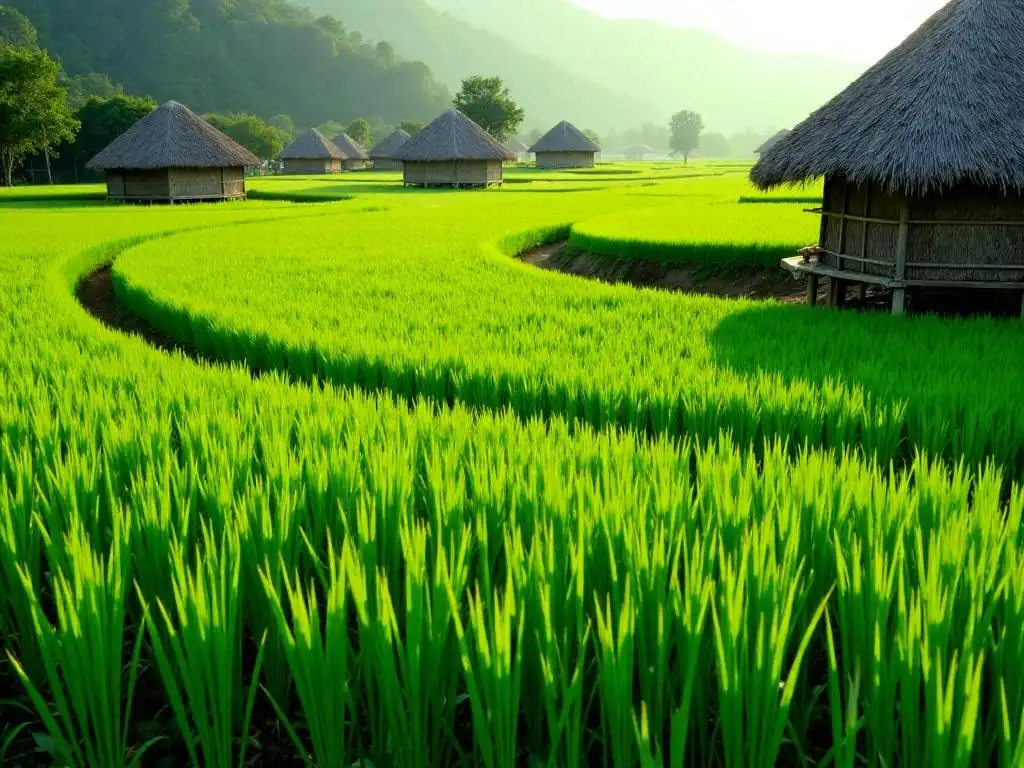
The peasantry in Feudal Japan constituted a pivotal segment of society, often regarded as the backbone of the agricultural economy that underpinned the entire feudal structure. Comprised primarily of farmers, these individuals played a crucial role not only in food production but also in the socio-political dynamics of the era. Understanding the multifaceted role of peasants requires an in-depth exploration of their classification, daily life, responsibilities, and their overarching importance to the agricultural economy.
Definition and Classification of Peasants
Peasants in Feudal Japan were primarily categorized based on their social status and the nature of their agricultural activities. They can be broadly classified into three main groups:
- Farmers: The most common type of peasant, farmers were responsible for cultivating rice, millet, and other crops, which formed the staple diet of the Japanese population.
- Tenant Farmers: These peasants did not own the land they worked on; instead, they rented it from landowners (daimyō) and were obligated to pay a portion of their produce as rent.
- Landless Laborers: This category included workers who offered their labor in exchange for wages or a share of the harvest. They often faced precarious living conditions and lacked the security of tenure.
In addition to these classifications, peasants were also defined by their regional affiliations, as agricultural practices and crop types varied across Japan's diverse landscapes—from the rice paddies of the fertile Kanto region to the mountainous areas of the north, where barley and millet were more commonly cultivated.
Daily Life and Responsibilities of Peasants
The daily life of peasants in Feudal Japan was governed by the agricultural calendar, deeply intertwined with the seasons. Their responsibilities were vast and varied, encompassing several key activities:
- Cultivation:
- Planting and Harvesting: The agricultural year began with the planting of rice in early spring, followed by regular maintenance activities such as weeding, irrigation, and pest control. Harvesting typically occurred in late summer to early autumn.
- Crop Rotation: To maintain soil fertility, peasants practiced crop rotation, alternating between various crops to maximize yield and minimize pest outbreaks.
- Community Engagement:
- Village Cooperation: Peasants often worked together, sharing labor during peak agricultural seasons. This communal approach fostered strong social bonds and a sense of shared responsibility.
- Festivals and Rituals: Agricultural festivals, such as the rice planting ceremony, were significant cultural events that not only celebrated the harvest but also reinforced community ties and spiritual beliefs.
- Economic Transactions:
- Bartering: In many villages, peasants engaged in barter systems, trading surplus produce for essential goods, thus creating a local economy that supplemented their agricultural output.
- Taxation: Peasants were subject to various taxes imposed by local lords, often taking the form of a portion of their harvest. This taxation system was a critical aspect of the feudal economy, ensuring that the ruling class was supported by the agricultural productivity of the peasantry.
Overall, the daily life of peasants was characterized by hard work, communal living, and a strong connection to the land, which shaped their identity and societal role.
Peasants as the Backbone of the Agricultural Economy
The agricultural economy of Feudal Japan was fundamentally reliant on the labor and productivity of peasants. Their contributions can be analyzed through several lenses:
- Food Production: Peasants were responsible for producing the majority of the food consumed by both the rural and urban populations. Rice, being the staple crop, was not only vital for sustenance but also served as a form of currency in trade and taxation.
- Economic Stability: The productivity of the peasantry directly influenced the economic stability of feudal domains. A successful harvest could lead to surplus production, fostering trade and economic growth within local markets. Conversely, poor harvests could result in famine and social unrest, highlighting the precarious nature of the agricultural economy.
- Cultural Significance: Beyond their economic contributions, peasants also played a significant role in shaping the cultural landscape of Feudal Japan. Agricultural practices and festivals deeply influenced Japanese traditions, contributing to a rich tapestry of cultural heritage that persisted through generations.
The peasantry in Feudal Japan was not merely a social class; they were essential to the agricultural economy, societal structure, and cultural identity of the era. Their labor and resilience laid the foundation for the prosperity of feudal society, emphasizing the integral role of farmers in shaping Japan's historical narrative.
Agricultural Practices in Feudal Japan
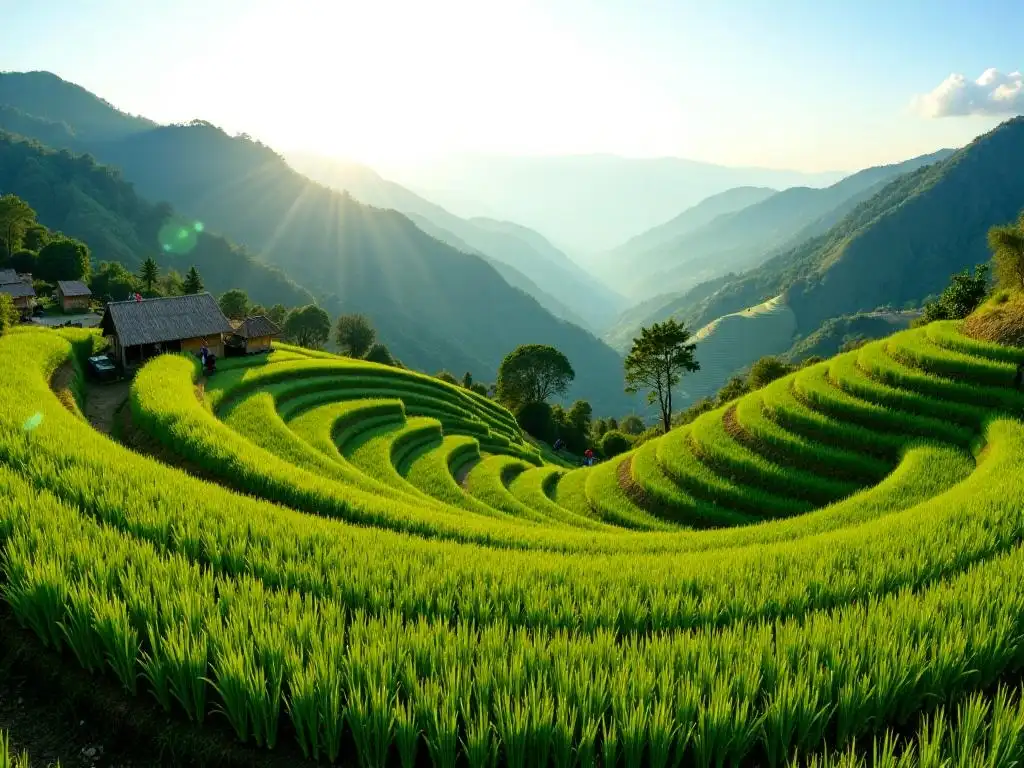
The agricultural economy of Feudal Japan was the bedrock of its society, shaping the livelihoods of peasants and the overall prosperity of the nation. This era witnessed a variety of farming practices that were deeply intertwined with cultural traditions, seasonal cycles, and technological advancements. Understanding these agricultural practices provides insight into the daily lives of peasants and the economic framework of feudal society.
Traditional Farming Techniques
In Feudal Japan, traditional farming techniques were primarily influenced by the geographical diversity of the country, ranging from mountainous regions to fertile plains. The most common farming method was rice cultivation, which was not only a staple food but also a symbol of wealth and status. Here are some key techniques used by farmers:
- Paddy Farming: Farmers often cultivated rice in flooded fields known as paddies. This method required careful irrigation and management of water levels to ensure optimal growth.
- Crop Rotation: To maintain soil fertility, farmers practiced crop rotation, alternating between rice and other crops like millet, barley, and various legumes. This method helped prevent soil depletion and pest infestations.
- Intercropping: Many farmers utilized intercropping, growing multiple crops in the same field. For example, rice was often planted alongside azuki beans, which added nutrients to the soil and provided additional food sources.
- Use of Natural Fertilizers: Farmers made use of organic fertilizers, such as compost and animal manure, which were essential for maintaining soil health and productivity.
These traditional farming techniques were not only practical but also reflected the deep connection between the peasants and the land.
Crop Cultivation and Seasonal Cycles
The agricultural calendar in Feudal Japan was closely tied to the changing seasons, with specific crops cultivated at different times of the year. Here’s a breakdown of the seasonal cycles for major crops:
- Spring (March to May):
- Rice Planting: May marked the beginning of the rice planting season. Farmers prepared the fields and planted seedlings in puddles of water.
- Vegetable Cultivation: Early spring was also a time for planting vegetables such as daikon radishes and green onions.
- Summer (June to August):
- Rice Growing: During the warmer months, rice plants thrived in the paddies, requiring regular water management and weeding.
- Harvesting Other Crops: Late summer saw the harvesting of barley and early varieties of millet.
- Autumn (September to November):
- Main Rice Harvest: The primary rice harvest occurred in September, marking a time of celebration and community gatherings.
- Preparation for Winter: Farmers began preparations for winter by planting cover crops and securing food supplies.
- Winter (December to February):
- Resting Period: Winter was a time of rest for the fields, but farmers engaged in planning and repairing tools for the next planting season.
The synchronization of agricultural activities with seasonal cycles was critical for maximizing yield and ensuring food security for the population.
Tools and Technology in Feudal Agriculture
The tools and technology used in Feudal Japan played a significant role in shaping agricultural practices and enhancing productivity. While many tools were simple and made from natural materials, they were highly effective for the tasks at hand. Key tools included:
- Sickles: This curved blade was essential for cutting rice and other crops during the harvest. It allowed for efficient harvesting, minimizing the loss of grain.
- Plows: Wooden plows, often pulled by oxen, were utilized to till the soil. The introduction of iron-tipped plows in later periods significantly improved soil cultivation.
- Irrigation Systems: Farmers developed intricate irrigation systems using canals and waterwheels to manage water flow in rice paddies. This technology was crucial for successful rice cultivation.
- Hand Tools: Other hand tools, such as hoes and spades, were vital for planting, weeding, and preparing the fields.
The evolution of these tools and technologies illustrated the ingenuity of Japanese farmers and their ability to adapt to the challenges posed by their environment. Through these advancements, the feudal agricultural economy became more productive, ultimately supporting the entire feudal structure.
The agricultural practices in Feudal Japan were characterized by a deep respect for the land, innovative techniques, and a reliance on seasonal patterns. This foundation not only sustained the peasant population but also contributed significantly to the overall prosperity of the feudal system.
Feudal Japan's social structure was characterized by a rigid hierarchy, where each class had defined roles and responsibilities. At the bottom of this hierarchy were the peasants, often referred to as farmers or serfs, who played a crucial role in sustaining the agricultural economy. This section delves into the intricate dynamics of class structure, the relationship between peasants and samurais, and the implications of land ownership on peasant life.
Class Structure in Feudal Japan
The class structure in Feudal Japan was distinctly stratified, consisting of the following primary classes:
- Emperor: Although more a figurehead, the emperor held spiritual significance.
- Shogun: The military ruler who wielded actual power over the land.
- Daimyo: Feudal lords who governed various regions and controlled samurai.
- Samurai: The warrior class sworn to serve the daimyos.
- Peasants: The largest class, responsible for agricultural production.
- Artisans and Merchants: While important, they were often viewed as lower in status compared to peasants.
The peasants, who made up approximately 90% of the population, were the backbone of the Feudal Japan agricultural economy. Their labor was essential for rice cultivation, which was the primary staple and currency in this era.
Key Characteristics of Peasant Life:
- Community-Based Agriculture: Peasants typically worked in communal villages, sharing resources and labor. This collective effort was vital for implementing complex agricultural techniques.
- Rituals and Festivals: Agriculture was intertwined with Shinto beliefs, leading to seasonal festivals to honor deities and ensure bountiful harvests.
The Relationship Between Peasants and Samurais
The relationship between peasants and samurais was complex and marked by mutual dependence, yet significant power imbalances.
- Obligation and Protection: Peasants were obligated to pay a portion of their harvest as tax to the samurai class, typically around 50% of their produce. In return, samurais provided protection and ensured the peasants' safety from external threats, including bandit raids.
- Social Mobility: While peasants were largely bound to their land, exceptional circumstances, such as military service or significant contributions to the local economy, could allow for limited mobility. Some peasants could rise to the status of ashigaru (foot soldiers) and gain samurai status.
- Conflicts and Rebellions: Despite their dependence on samurais, peasants occasionally revolted against oppressive taxation or harsh conditions. Notable uprisings, such as the Jōkyū War (1221) and the Ōnin War (1467-1477), illustrate the tension between these classes.
Land Ownership and Its Impact on Peasant Life
Land ownership in Feudal Japan was a determinant of wealth and social status, significantly influencing the lives of peasants.
- Feudal Land Tenure: The daimyos owned vast estates and allocated land to samurais, who in turn rented portions to peasants. This system created a tenant farming structure where peasants did not own the land they farmed.
- Crop Yield and Taxation: The amount of rice produced directly impacted the economic stability of peasants. A poor harvest could result in famine and increased taxation, leading to dire circumstances for peasant families.
| Land Use | Description | Impact on Peasants |
|---|---|---|
| Rice Cultivation | Main agricultural activity | Essential for sustenance and economy |
| Crop Rotation | Techniques to maintain soil fertility | Improved yield and resilience |
| Diverse Crops | Inclusion of vegetables and grains | Enhanced food security |
- Cultural Practices: Land ownership also influenced cultural practices, such as the observance of agricultural rituals and the development of local customs tied to harvest seasons.
The interplay between social hierarchy, the dynamics of the peasant-samurai relationship, and land ownership intricately shaped the agricultural economy of Feudal Japan. Understanding these relationships is essential to grasping the broader context of Japan's historical and social development during this era.
Economic Contributions of Peasants

The feudal Japan agricultural economy was profoundly shaped by the contributions of peasants, who formed the backbone of rural society. Their agricultural practices not only ensured food security but also facilitated the economic stability of the entire feudal structure. Understanding the various roles that peasants played in this economy reveals the complexities and interdependencies within feudal Japan.
Food Production and Sustainability
Peasants were primarily responsible for food production, which included the cultivation of rice, vegetables, and other staple crops. Rice, in particular, was the cornerstone of feudal Japan's agricultural economy, serving as both a food source and a form of currency. The agricultural techniques employed by peasants evolved significantly over time, adapting to the varying climates and topographies of Japan.
- Crop Rotation and Techniques: Peasants utilized crop rotation and companion planting to enhance soil fertility and maximize yield. For example, alternating rice with legumes helped replenish nitrogen levels in the soil, thus ensuring sustainable food production.
- Irrigation Systems: The development of intricate irrigation systems allowed peasants to cultivate rice in areas that were previously unsuitable for farming. These systems included canals and reservoirs that facilitated water management, proving essential during dry seasons.
- Community Practices: Peasants often worked collaboratively in communal farming practices, sharing labor and resources. This sense of community not only fostered resilience against crop failures but also enabled the sharing of agricultural knowledge, promoting sustainable practices.
The sustainability of food production was crucial for the stability of feudal Japan, as a surplus of crops could lead to increased prosperity and population growth.
Taxation and Obligations of Peasants
In feudal Japan, peasants were not just producers; they were also subject to a complex system of taxation and obligations that linked them to the samurai class and the landowners. The taxation system was primarily based on the harvest yield.
- Rice Taxation: Peasants were often required to pay a portion of their rice harvest as tax to their local lords. This could range from 40% to 60% of their total yield, depending on regional policies and the whims of the ruling samurai.
- Labor Obligations: In addition to taxes, peasants had labor obligations, known as corvée labor, which required them to work on their lord's estate or contribute to public works projects. This labor was essential for maintaining roads, irrigation systems, and fortifications.
- Debt and Dependence: Many peasants became indebted to their lords due to high taxes and crop failures, which led to a cycle of dependence. This economic pressure often resulted in peasants being tied to the land through the practice of tenant farming, where they had to work the land they did not own.
These obligations were a significant aspect of the feudal agricultural economy, shaping the social and economic dynamics of rural Japan.
Trade and Barter Systems in Rural Communities
In addition to agricultural production, peasants actively participated in trade and barter systems that reinforced local economies. Although rural communities were primarily agrarian, there was a vibrant exchange of goods and services that contributed to economic interconnectivity.
- Bartering Practices: Peasants often engaged in bartering, exchanging surplus produce for goods they could not produce themselves. This included textiles, tools, and household items. Such exchanges were vital for maintaining a balanced diet and fulfilling daily needs.
- Local Markets: Weekly markets became common in rural areas, where peasants could sell their surplus crops and purchase essential goods. These markets served as social hubs, fostering community relationships and economic activity.
- Regional Trade Networks: Some peasants specialized in particular crafts or goods, such as pottery or weaving, which they traded with neighboring villages. This specialization allowed for the development of regional trade networks, enhancing the agricultural economy’s diversity.
The trade and barter systems in rural communities not only supported the local economy but also facilitated the movement of goods, creating a dynamic relationship between agriculture and commerce in feudal Japan.
The economic contributions of peasants in feudal Japan were multifaceted, encompassing food production, taxation obligations, and active participation in trade. Their role was essential for fostering a sustainable agricultural economy, supporting the broader feudal structure that defined Japan during this era.
Challenges Faced by Peasants

The life of peasants in Feudal Japan was fraught with difficulties, significantly impacting the agricultural economy. While they formed the backbone of this economy, their existence was often challenged by a myriad of factors. Understanding these challenges reveals the complexities of rural life and the resilience of the peasant class in sustaining agricultural productivity.
Natural Disasters and Crop Failures
Natural disasters played a critical role in shaping the agricultural landscape of Feudal Japan. The country is prone to various calamities, including earthquakes, tsunamis, floods, and typhoons. Each of these events could devastate crops and disrupt the delicate balance of the agricultural economy.
- Earthquakes: Japan's geological instability means that earthquakes are common. Major earthquakes could destroy rice paddies and irrigation systems, leading to immediate food shortages.
- Floods: Heavy rains could result in flooding, washing away crops and eroding soil, which is detrimental to agricultural productivity. For instance, the floods of 1663 were particularly devastating, leading to widespread famine.
- Typhoons: These severe storms typically occur in late summer and can cause significant damage to crops. The 1780 typhoon season is noted for its destructive impact on rice yields in several provinces.
Crop failures due to these natural disasters not only threatened the peasants' livelihoods but also led to increased taxation and pressure from feudal lords to maintain production levels. When harvests failed, peasants often faced starvation and were unable to pay their taxes, leading to a cycle of debt and poverty.
Political Changes and Their Impact on Agriculture
The political landscape in Feudal Japan was marked by constant change, influencing agricultural practices and the lives of peasants. Key political developments often had direct repercussions on the agricultural economy.
- Land Reforms: Different shoguns implemented land reforms that affected the distribution and ownership of land. Changes in land tenure systems could lead to instability and insecurity for peasant farmers. For example, during the Tokugawa period, the consolidation of land into larger estates often marginalized small peasant farmers.
- Taxation Policies: The feudal system relied heavily on agriculture for revenue. As such, peasants were often overtaxed, particularly during times of economic hardship. The burden of high taxes could lead to decreased agricultural output, as farmers were unable to invest in their fields.
- Warfare and Political Strife: The Sengoku period (1467-1615) was characterized by civil wars, which disrupted agricultural production. Battles destroyed farmlands, and the evacuation of rural populations led to significant declines in agricultural output. The aftermath of such conflicts often resulted in a shift in land ownership, further destabilizing peasant life.
These political changes created an environment of uncertainty and hardship, compelling peasants to navigate a complex web of obligations and limitations imposed by their lords.
Amidst the challenges of natural disasters and political upheaval, social unrest became a significant aspect of peasant life. Frustration over oppressive conditions often led to revolts that highlighted the peasants' struggles.
- Causes of Unrest: Common grievances included excessive taxation, poor living conditions, and the harsh treatment by local lords. The 17th century saw numerous revolts as peasants banded together to demand fairer treatment and a more equitable distribution of resources.
- Notable Revolts: The Shinano Province Revolt of 1663 and the Dōjima Rebellion of 1830 are prime examples of peasant uprisings. These revolts were often violently suppressed, but they served to underscore the resilience of the peasant class and their unwillingness to accept oppressive conditions.
- Impact on Agricultural Economy: While revolts were often met with force, they sometimes led to concessions from the ruling classes. Land reforms or reductions in taxes occasionally followed successful peasant uprisings, albeit temporarily. This cycle of revolt and repression illustrated the precarious position of peasants within the feudal structure.
The challenges faced by peasants in Feudal Japan were multifaceted, stemming from natural disasters, political changes, and social unrest. These elements collectively shaped the agricultural economy, revealing the critical role peasants played in sustaining Japan's feudal society despite the numerous adversities they encountered.
The Legacy of Peasants in Japan’s Agricultural Economy

Historical Significance of Peasants in Feudal Japan
Peasants represented a crucial element in the feudal Japan agricultural economy, forming the backbone of rural life and agricultural productivity. During the feudal period (approximately 1185 to 1868), the majority of the population were engaged in agriculture, cultivating rice, millet, barley, and other crops. The rice paddy system became the heart of this agricultural landscape, with rice not only serving as a staple food but also as a unit of currency and a measure of wealth.
- Land Ownership: The land was predominantly owned by the samurai class or nobility, who relied on peasant labor to produce food. Peasants were often bound to the land they worked on, paying a portion of their harvest as rent in a system known as sharecropping. This created a cycle of dependency that intertwined their livelihoods with the feudal lords.
- Cultural Contributions: Beyond their economic role, peasants significantly influenced the cultural fabric of feudal Japan. Festivals, agricultural rituals, and seasonal practices were deeply rooted in the agrarian lifestyle. For instance, the rice planting festival (taue-sai) celebrated the planting of rice, reflecting the spiritual connection between farmers and their land.
- Resistance and Resilience: Despite their subservient position, peasants often resisted oppressive practices, leading to uprisings such as the Daikokuten Rebellion in the 15th century. These movements highlighted their central role in the socio-political landscape, challenging the status quo and asserting their rights.
The Transition from Feudal Agricultural Practices to Modern Farming
The transition from feudal agricultural practices to modern farming in Japan began during the Meiji Restoration (1868), marking a significant shift in agricultural policy and practice. This transformation aimed to modernize the economy and improve productivity in light of Western influences.
- Land Reforms: The Meiji government implemented land reforms that abolished the feudal landholding system. Land was redistributed, allowing peasants to own the land they worked on, which incentivized better agricultural techniques and productivity. This shift was crucial in moving towards a capitalist agricultural economy.
- Technological Advancements: The introduction of modern farming techniques and machinery played a vital role in this transition. The government encouraged the adoption of new agricultural practices, such as crop rotation and the use of fertilizers, which increased crop yields significantly. For example, the introduction of Western plows replaced traditional methods, enhancing efficiency.
- Impact on Rural Society: The transition also led to a change in rural society, as increased agricultural productivity allowed for urban migration. Many peasants sought employment in growing cities, leading to a demographic shift and the emergence of a more diverse economy beyond agriculture.
Influence on Contemporary Japanese Society and Agriculture
The legacy of feudal peasants continues to shape contemporary Japanese society and agricultural practices. The historical significance of their contributions can be seen in various aspects of modern life.
- Cultural Heritage: Many traditional farming practices and festivals rooted in feudal times remain celebrated today, serving as a testament to the enduring influence of agrarian culture. Events such as the Insect Listening Festival and Rice Harvesting Festivals showcase the connection between modern Japanese society and its agrarian past.
- Sustainable Agriculture: Contemporary Japanese agriculture often emphasizes sustainability, echoing practices from feudal times. Techniques such as organic farming and permaculture reflect a return to methods that respect the environment, showcasing a blend of traditional knowledge and modern science.
- Economic Contributions: Agriculture still plays a vital role in the Japanese economy, with small-scale farmers producing high-quality products. The emphasis on local produce and traditional methods has given rise to a niche market for organic and artisanal goods, highlighting the lasting impact of the feudal agricultural economy.
The legacy of peasants in Japan's agricultural economy is profound and multifaceted, influencing not only historical developments but also contemporary societal structures and practices. The transition from feudal practices to modern farming continues to resonate in Japan's agricultural identity, making it a vital area of study in understanding Japan's social history.
Conclusion
Reflection on the Importance of Peasants in Feudal Japan’s Agricultural Economy
In Feudal Japan, peasants were not merely laborers; they were the cornerstone of the agricultural economy that sustained the entire societal structure. This era, marked by a rigid class hierarchy, saw peasants engaging in rice cultivation, which was not just a staple food but also a currency of power and prestige. The agricultural economy was predominantly rice-based, with the annual harvest influencing social stability, tax revenues, and the overall prosperity of the samurai class and ruling daimyōs.
Key Contributions of Peasants:
- Labor Force: Peasants comprised approximately 80% of the population, providing the necessary labor for agricultural production.
- Food Supply: They produced rice, millet, and other crops, ensuring food security for both themselves and the elite classes.
- Taxation: The income from agricultural production was a primary source of tax revenue for the feudal lords, which in turn funded military endeavors and administrative functions.
Through their relentless toil, peasants established agricultural practices that would endure for generations. Techniques such as the use of irrigation systems, crop rotation, and communal farming practices not only improved productivity but also fostered a sense of community and interdependence among villages. These practices were crucial in maintaining a stable food supply, which was essential for the survival and growth of the feudal economy.
Final Thoughts on the Agricultural Backbone of Feudal Society
The agricultural economy of Feudal Japan was more than a mere backdrop; it was the lifeblood of the entire feudal system. As the backbone of society, peasants played an indispensable role in ensuring that the hierarchical structure functioned smoothly. The prosperity of the samurai and the ruling classes was intrinsically tied to the fortunes of the peasantry. The cyclical nature of agricultural production dictated the rhythm of life in feudal Japan, influencing everything from social relations to political power dynamics.
In Summary:
- Interdependence: The relationship between peasants and the ruling classes exemplified the symbiotic nature of feudal society. While peasants provided sustenance, their labor also created a surplus that allowed the elite to thrive.
- Cultural Significance: The agricultural practices and festivals that revolved around planting and harvesting seasons enriched the cultural tapestry of Feudal Japan, intertwining agriculture with spiritual and communal life.
- Legacy: The agricultural economy laid the foundation for later developments in Japan’s history, influencing social structures and economic practices that would evolve through the centuries.
Understanding the role of peasants in Feudal Japan’s agricultural economy is essential for grasping the complexities of its social history. Their contributions were pivotal in shaping not only the economy but also the cultural and societal frameworks that defined this fascinating period in Japan's past. The legacy of their labor continues to resonate, reminding us of the enduring importance of agriculture in any society's development.
Frequently Asked Questions
What role did peasants play in Feudal Japan's agricultural economy?
Peasants were the foundation of the agricultural economy, responsible for cultivating rice and other crops, which were essential for sustaining the feudal system and supporting the samurai class.
The agricultural economy created a hierarchical social structure, where landowners and samurai relied on peasant labor for their wealth and power, reinforcing the class divisions of the time.
What crops were primarily grown in Feudal Japan?
The primary crop was rice, which was vital for sustenance and served as a form of currency. Other important crops included barley, millet, and various vegetables that supported local diets.
How did advancements in agriculture affect Feudal Japan?
Advancements in agricultural techniques, such as terracing and improved irrigation, led to increased crop yields, which in turn supported population growth and the overall prosperity of the feudal system.
What were the challenges faced by peasants in Feudal Japan?
Peasants faced numerous challenges, including heavy taxation, natural disasters like floods and droughts, and the threat of military conflict, which could disrupt their livelihoods and agricultural productivity.
Final Reflection: The Enduring Legacy of Feudal Japan's Agricultural Economy
In exploring the intricate relationship between peasants and prosperity within Feudal Japan's agricultural economy, we uncover a profound truth: the backbone of any society lies in its ability to cultivate and sustain its resources. Today, as we grapple with global food security and sustainability, the lessons learned from this historical context resonate more than ever. The resilience and ingenuity of the peasant class remind us that the foundation of prosperity is often built upon the hard work and dedication of those who toil in the fields.
The impact of Feudal Japan's agricultural economy extends far beyond its historical confines; it continues to shape our cultural and social landscapes today. The values of community, cooperation, and respect for the land are as relevant now as they were centuries ago. As we navigate modern challenges, we can draw inspiration from the past. The soil is the foundation of our existence; it nourishes not just our bodies, but our souls.
This quote encapsulates the essence of how agriculture has historically intertwined with identity, culture, and survival, urging us to recognize the importance of sustainable practices in our contemporary world.
As we reflect on the lessons from Feudal Japan, I invite you to consider your own relationship with the land and the resources it provides. How can you contribute to a more sustainable future, honoring the legacy of those who came before us? Whether through supporting local agriculture, advocating for sustainable practices, or simply being mindful of your consumption, each action counts. Let us carry forward the spirit of the peasants who cultivated prosperity, ensuring that our choices today lead to a flourishing tomorrow for generations to come.
Embrace the Legacy and Inspire Change!
Thank you for joining us on this journey through the vital role of peasants in shaping the agricultural economy of Feudal Japan. Your interest in understanding their struggles and successes highlights the importance of their influence in history. Now, it’s time to take that knowledge and transform it into action!
Here are some steps you can take to deepen your connection with this fascinating era:
- Explore local agricultural practices inspired by feudal traditions in your community, and consider how they can contribute to sustainable living today.
- Share your insights about the resilience of peasants in Feudal Japan with friends or on social media. Use the hashtag #FeudalFarmers to spread awareness!
- Engage with a community that celebrates historical agricultural practices. Join online forums or local historical societies to discuss and learn more.
What aspect of the peasant's life in Feudal Japan resonates with you the most, and how can you apply that lesson in your own life today?