
Celebrating Nature: How Feudal Festivals Harmonized with the Seasons

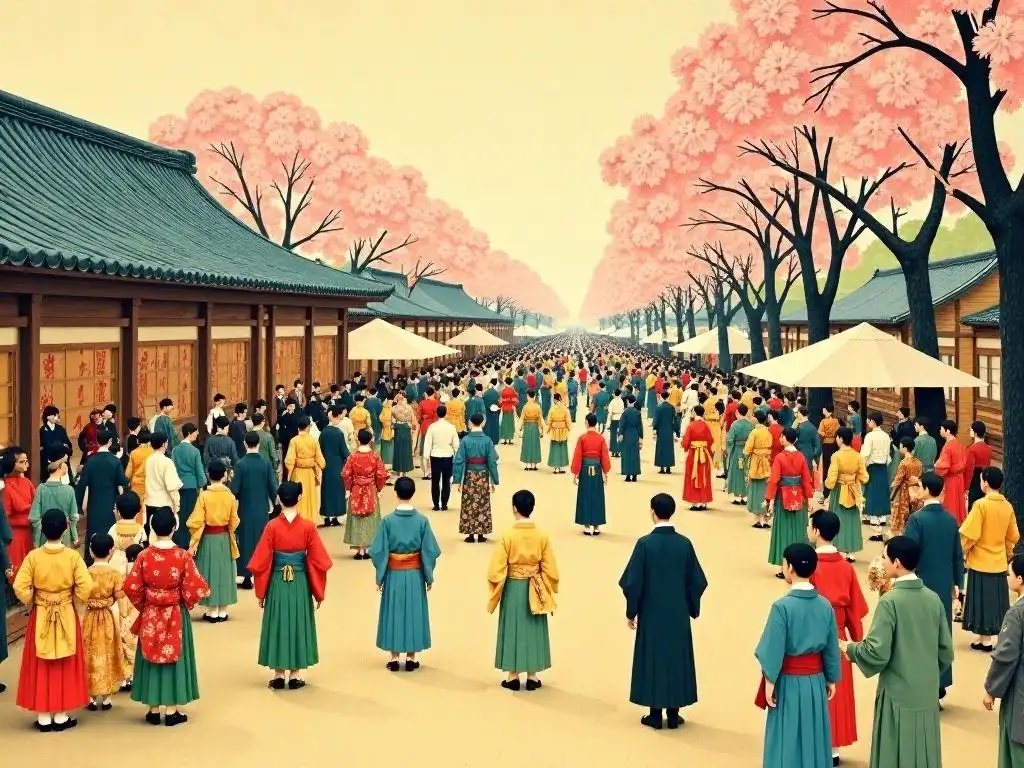
Welcome to Feudal Japan History, where we invite you to embark on an enthralling journey through the intricate tapestry of Japan’s feudal era. Here, you will discover how seasonal festivals were not just celebrations but profound reflections of nature, culture, and societal life. In our featured article, "Celebrating Nature: How Feudal Festivals Harmonized with the Seasons," delve deep into the vibrant traditions that connected people to the rhythms of the earth. What secrets do these age-old festivities hold? Join us as we unravel the stories behind these captivating celebrations and ignite your curiosity to explore more!
In the intricate tapestry of Feudal Japan, the relationship between humans and nature was deeply woven into the fabric of daily life. Festivals during this era were not merely celebrations; they were profound expressions of gratitude, reverence, and harmony with the changing seasons.
These seasonal festivals, known as "shunki-sai" (春季祭), played a vital role in the cultural and social landscape of Japan, reflecting the rhythms of nature and the agricultural calendar. From the cherry blossoms of spring to the harvest moon of autumn, each festival was a unique manifestation of the community's connection to the environment, ensuring that traditions were passed down through generations.
The significance of these festivals extended beyond mere entertainment; they served to reinforce communal bonds, educate the populace about the agricultural cycle, and celebrate the abundance of nature's gifts. With a diverse range of rituals and ceremonies, these events provided opportunities for reflection, renewal, and the fostering of a collective identity.
In this article, we will delve into the various facets of Feudal Japan's seasonal festivals, exploring their historical roots, cultural relevance, and the ways in which they harmonized with the natural world. Join us as we journey through time to uncover the rich legacy of these vibrant celebrations that not only marked the passage of time but also celebrated the beauty of the changing seasons.
- Introduction to Feudal Japan Seasonal Festivals
- The Four Seasons of Feudal Japan
- The Role of Nature in Feudal Festivals
- Comparing Regional Variations of Seasonal Festivals
- The Impact of Feudal Festivals on Society
- The Evolution of Feudal Festivals
- Conclusion: The Lasting Legacy of Feudal Japan Seasonal Festivals
-
Frequently Asked Questions
- What were the main themes of feudal Japan seasonal festivals?
- How did feudal festivals reflect societal values in Japan?
- What role did nature play in feudal Japan festivals?
- Can you give examples of specific seasonal festivals in feudal Japan?
- How did feudal festivals influence modern Japanese culture?
- Final Reflection: Embracing the Seasons Through Feudal Festivals
- Embrace the Seasons: Celebrate Nature Like the Ancients!
Introduction to Feudal Japan Seasonal Festivals
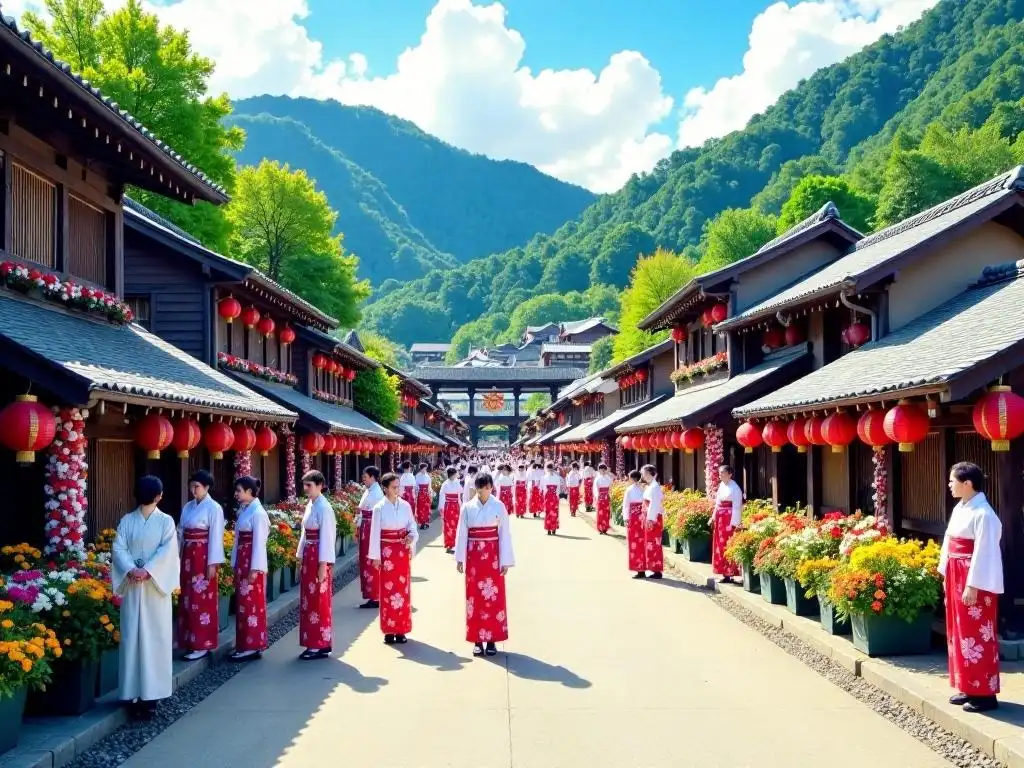
Feudal Japan was a period rich in cultural traditions, with seasonal festivals playing a crucial role in the social fabric of the time. These festivals, known for their vibrant celebrations of nature, were not merely occasions for entertainment but were deeply intertwined with the agricultural calendar and spiritual beliefs. They reflected the harmony between the people and the changing seasons, encapsulating the essence of shintoism, which emphasizes reverence for nature.
Overview of Feudal Japan and Its Cultural Significance
Feudal Japan, spanning from the 12th to the 19th centuries, was characterized by a hierarchical social structure dominated by the samurai class, landowners, and peasant farmers. This era saw the rise of powerful clans, each contributing to the unique tapestry of Japanese culture.
The cultural significance of seasonal festivals during this time can be summarized in several key aspects:
- Agricultural Roots: Many festivals were agrarian in origin, celebrating planting, harvesting, and the changing of seasons. They were vital in ensuring a good harvest and thanking the deities for their blessings.
- Community Bonds: Festivals fostered a sense of community, bringing together people from different social strata. They provided an opportunity for social cohesion and collective identity, reinforcing communal ties.
- Religious Observances: Festivals often included rituals and ceremonies dedicated to various kami (spirits) of Shinto, reflecting the intrinsic relationship between nature and spirituality in Japanese culture.
- Artistic Expression: Seasonal festivals showcased traditional arts, including music, dance, and crafts, contributing to the preservation and evolution of cultural practices.
Importance of Seasonal Changes in Feudal Society
In feudal society, the rhythm of life was intricately linked to the seasons. The significance of seasonal changes can be illustrated through the following points:
- Agricultural Cycles: The seasonal festivals marked critical points in the agricultural cycle. For instance, rice planting festivals celebrated the beginning of the planting season, while harvest festivals expressed gratitude for the yield.
- Symbolic Representations: Each season brought specific festivals that symbolized various aspects of life:
- Spring: Celebrated rebirth and renewal, with festivals like Hanami (cherry blossom viewing).
- Summer: Featured festivals like Obon, honoring ancestors and welcoming the spirits back to the earthly realm.
- Autumn: Marked by the Jinbō Festival, highlighting the bounty of the harvest.
- Winter: Celebrated with Shinto rituals to bring in good fortune for the upcoming year.
- Cultural Practices: The changing seasons influenced not only agricultural practices but also cultural expressions such as poetry, art, and cuisine, which often varied with seasonal offerings.
- Spiritual Reflection: Seasonal changes prompted reflection on the cyclical nature of life, death, and rebirth. Festivals served as moments for communities to pause, celebrate, and reconnect with their spiritual beliefs and natural surroundings.
The integration of these elements into daily life exemplified how feudal Japan's seasonal festivals were not just celebrations but essential markers of cultural identity, agricultural practice, and spiritual existence. By harmonizing with the seasons, these festivals enriched the lives of the people and fostered a deep-rooted connection to nature that remains a significant aspect of Japanese heritage today.
The Four Seasons of Feudal Japan
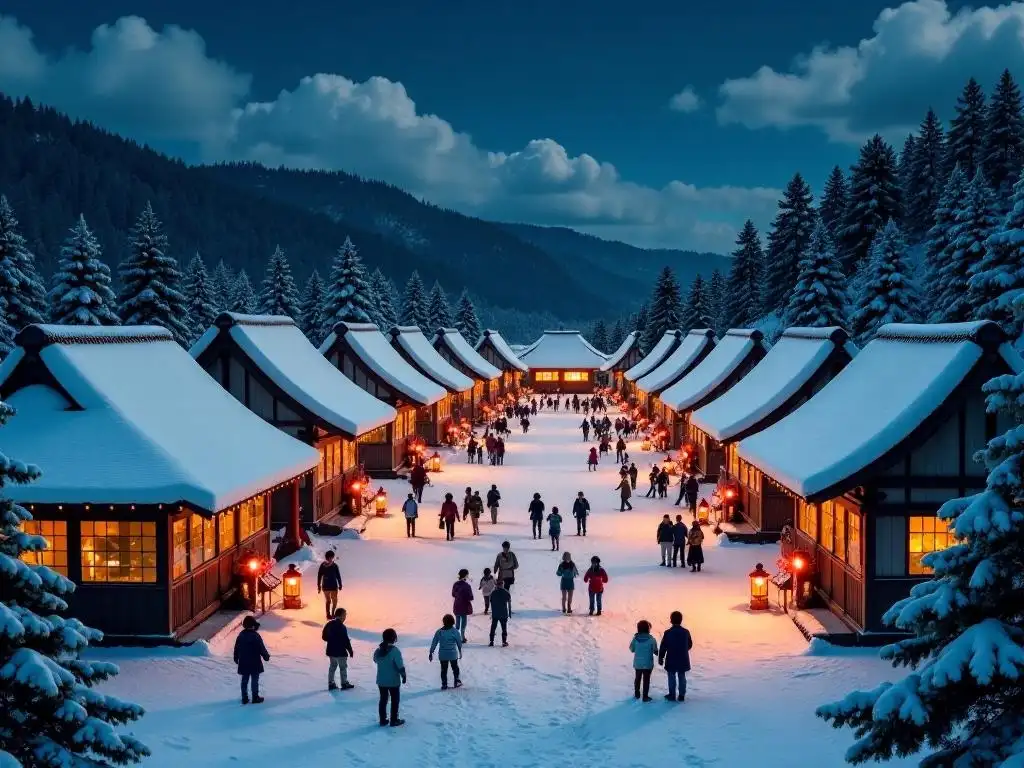
The seasonal festivals of Feudal Japan were deeply intertwined with the agricultural calendar and the natural environment. Each season brought its own set of celebrations, rituals, and customs that not only honored the changing landscape but also reinforced the community bonds among the people. Understanding these festivals provides insight into the cultural fabric of Feudal Japan and highlights the harmonious relationship between the Japanese and their natural surroundings.
Spring Festivals: Welcoming New Life
Spring in Feudal Japan symbolized renewal and hope, as the world awakened from its winter slumber. The festivals during this season were marked by celebrations that honored the beauty of nature and the promise of a bountiful harvest to come.
Celebrations of Sakura (Cherry Blossom) Season
One of the most iconic spring celebrations was the Hanami, or cherry blossom viewing. This festival celebrated the ephemeral beauty of sakura blossoms, which bloom for a short period each year, typically in April. The practice of Hanami involved gathering with friends and family under blooming cherry trees, enjoying food, drink, and poetry while appreciating the delicate blossoms.
- Cultural Significance: The sakura has long been a symbol of renewal and the transient nature of life. This duality resonates with the philosophy of mono no aware, the awareness of the impermanence of things, which is a central theme in Japanese aesthetics.
- Rituals: Participants would often engage in traditional activities such as:
- Karaoke (group singing)
- Tanka (composing poetry)
- Sumie (ink painting inspired by the blossoms)
These activities fostered a sense of community and allowed people to express their appreciation for nature's beauty.
Rituals and Customs Associated with Spring
In addition to Hanami, other spring rituals included:
- Shunki Reitaisai: A Shinto festival held at shrines to pray for a good harvest.
- Inaho Matsuri: Celebrating the rice planting season, where participants would perform rituals to ensure a successful crop.
These festivals often featured:
- Processions: Participants dressed in traditional attire, parading through the streets.
- Offerings: Food and sake were presented to deities as gratitude for nature's gifts.
The vibrant array of customs and rituals celebrated in spring highlighted the connection between the people and their environment, emphasizing gratitude and reverence for the natural world.
Summer Festivals: Celebrating Abundance
As the season of growth, summer festivals in Feudal Japan celebrated the fruits of labor and the abundance provided by the land. The warmth of the sun and the flourishing crops became central themes of these lively celebrations.
The Significance of Tanabata (Star Festival)
Celebrated on July 7th, Tanabata is one of the most cherished summer festivals. Originating from a Chinese legend, Tanabata commemorates the meeting of the star-crossed lovers Orihime (the weaver star) and Hikoboshi (the cowherd star), who are separated by the Milky Way and allowed to reunite only once a year.
- Customs:
- Wishing Trees: Participants write their wishes on colorful strips of paper (tanzaku) and hang them on bamboo branches.
- Festive Decorations: Streets are adorned with colorful streamers and paper decorations, turning towns into vibrant displays of creativity and hope.
Traditional Summer Activities and Events
Summer festivals included various traditional activities that engaged communities and showcased local culture. Some notable events were:
- Gion Matsuri: A month-long festival in Kyoto featuring grand processions of floats, traditional music, and dance.
- Fireworks Displays: Known as hanabi, these events symbolized joy and celebration, lighting up the evening skies with bursts of color.
In addition, summer activities often involved:
- Yukata-wearing: The traditional cotton kimono worn during festivals, enhancing the festive atmosphere.
- Street Food Stalls: Vendors offering seasonal treats like yakitori (grilled chicken skewers) and kakigori (shaved ice) contributed to the community's festive spirit.
Summer festivals not only marked the abundance of the season but also served as a platform for cultural expression and community bonding, reinforcing the social fabric of Feudal Japan.
Autumn Festivals: Harvesting the Fruits
Autumn in Feudal Japan was a time of abundance, marked by the gathering of crops and the changing colors of nature. This season played a crucial role in the agricultural calendar, fostering a deep connection between the people and the land. Festivals during this period celebrated the harvest, expressing gratitude to the deities for their generosity and ensuring a prosperous future.
Communities would come together to partake in various rituals, feasting on the fruits of their labor. Rice, being the staple food, was central to these celebrations. The culmination of the harvest season was often marked by grand festivities that included music, dance, and traditional performances. These events not only reinforced community bonds but also served as a reminder of the cycle of life and the importance of respecting nature's bounty.
The Importance of Tsukimi (Moon Viewing) Celebrations
Tsukimi, or moon viewing, is a significant autumn festival that reflects the cultural appreciation of nature's beauty. Traditionally held on the 15th night of the 8th month of the lunar calendar, this celebration invites families and friends to gather outdoors under the full moon, sharing food and stories. The festival is steeped in symbolism, as the full moon represents prosperity and tranquility.
During Tsukimi, offerings of rice dumplings called "tsukimi dango" are placed outside, along with seasonal produce such as chestnuts and persimmons. These offerings express gratitude for the harvest and are believed to attract good fortune. The festival also features poetry recitations and music, creating an atmosphere of reflection and joy. The art of Tsukimi emphasizes the deep-rooted connection between the Japanese people and the natural world, showcasing their reverence for the changing seasons.
Autumn Harvest Festivals and Their Rituals
Autumn harvest festivals, or "shuki shinjushiki," were prominent events throughout Feudal Japan. These festivities varied by region but shared common themes of gratitude and celebration. Rituals typically included the purification of the harvest, where farmers would cleanse themselves and their tools to ensure the crops were free from impurities.
Communities would engage in dances, known as "bon odori," to celebrate the successful harvest, often performed in a circular formation around a raised platform called the "yagura." Music played a vital role, with traditional instruments accompanying the dances, fostering a lively and joyous atmosphere.
Additionally, local deities were honored with offerings of rice and sake, symbolizing the fruits of labor and the hope for continued prosperity. These rituals not only reinforced agricultural traditions but also strengthened social ties within the community, turning the harvest into a collective celebration of resilience and joy.
Winter Festivals: Reflecting on Nature's Rest
The winter season in Feudal Japan was characterized by introspection and rest, as nature entered a period of dormancy. Winter festivals served as a means to celebrate the New Year and the return of longer days, embodying the theme of renewal and hope. These festivals often included various rituals aimed at purifying the spirit and welcoming good fortune.
Celebrations of the New Year (Shogatsu)
Shogatsu, or New Year's Day, was the most important festival in Feudal Japan. The celebration began with a series of rituals to cleanse the home and spirit, inviting auspicious energies for the coming year. Families would decorate their homes with "shimekazari," a traditional ornament made of rice straw, symbolizing a barrier against evil spirits.
On New Year's Day, it was customary to enjoy "osechi ryori," a variety of beautifully arranged dishes prepared in advance, each with its own symbolic meaning. Families would also partake in "ozoni," a soup containing rice cakes, which represented prosperity and longevity.
Activities during Shogatsu included visiting shrines for the first prayers of the year, known as "hatsumode," where individuals sought blessings for health, wealth, and happiness. The festive atmosphere was heightened by traditional games and performances, fostering a sense of community and joy as families welcomed the New Year with hope and gratitude.
Winter Solstice and Its Cultural Practices
The winter solstice, known as "toji," marks the shortest day of the year and has been celebrated in Japan for centuries. Traditionally observed as a time for reflection and renewal, the solstice was believed to hold special power, symbolizing the return of light after the darkest days.
Cultural practices during the winter solstice included eating "kabocha," a type of pumpkin, which was thought to bring good health and fortune. Families would also take hot baths infused with yuzu, a citrus fruit, to ward off illness and promote well-being during the cold months.
Communities often held ceremonies to honor the deities of the harvest, acknowledging the importance of nature in their lives. The solstice celebrations emphasized the cyclical nature of the seasons and the enduring relationship between the people and their environment, reinforcing their resilience and hope as they awaited the return of warmth and light.
The Role of Nature in Feudal Festivals
In Feudal Japan, the changing seasons played a crucial role in shaping the cultural landscape, particularly through the celebration of seasonal festivals. These festivals were not merely events of entertainment; they served as profound expressions of gratitude and reverence toward the natural world. The intricate relationship between nature and these festivities highlights the significance of seasonal changes in the daily lives of the people during the feudal era.
Symbolism of Natural Elements in Festivals
Natural elements such as flowers, trees, and even weather phenomena were imbued with deep symbolic meanings during feudal festivals. For instance, cherry blossoms (sakura) were celebrated during Hanami, symbolizing the ephemeral nature of life. The fleeting beauty of these blossoms prompted reflections on mortality and the importance of living in the moment.
Other seasonal elements included:
- Rice: Essential for sustenance, rice was celebrated during various harvest festivals, reflecting abundance and gratitude.
- Moon: The moon was revered in Tsukimi (moon-viewing) festivals, symbolizing tranquility and the passage of time.
The usage of these natural symbols in festivals not only emphasized their importance in agricultural cycles but also fostered a spiritual connection between the people and the environment. This connection was evident in various rituals, where offerings were made to kami (spirits) associated with nature, ensuring harmony and balance.
How Festivals Fostered a Connection with Nature
Feudal Japan's seasonal festivals were deeply intertwined with agricultural practices, serving as a means to synchronize human activities with the rhythms of nature. These events provided an opportunity for communities to come together, celebrate the bounty of nature, and engage in rituals that honored the seasonal changes.
During these festivals, various activities were designed to promote community bonding and a collective appreciation for nature, such as:
- Processions: Participants would often dress in traditional attire, carrying portable shrines (mikoshi) through the streets, symbolizing the journey of kami through the natural landscape.
- Food Offerings: Seasonal ingredients were prepared and shared among festival-goers, reinforcing the idea of communal gratitude for the harvest and the earth's gifts.
- Art and Performance: Traditional music, dance, and visual arts often depicted themes from nature, further embedding these elements into the cultural fabric of the festivals.
Through these activities, feudal festivals acted as a reminder of humanity's dependence on the natural world, fostering a sense of stewardship and awareness. The cyclical nature of these celebrations allowed for a continuous dialogue between people and their environment, ensuring that the lessons of nature remained an integral part of societal consciousness.
By embracing the changing seasons and the elements of nature, feudal Japan's seasonal festivals created a rich tapestry of cultural expression, illustrating the deep-seated respect and harmony that existed between the people and their surroundings.
Comparing Regional Variations of Seasonal Festivals
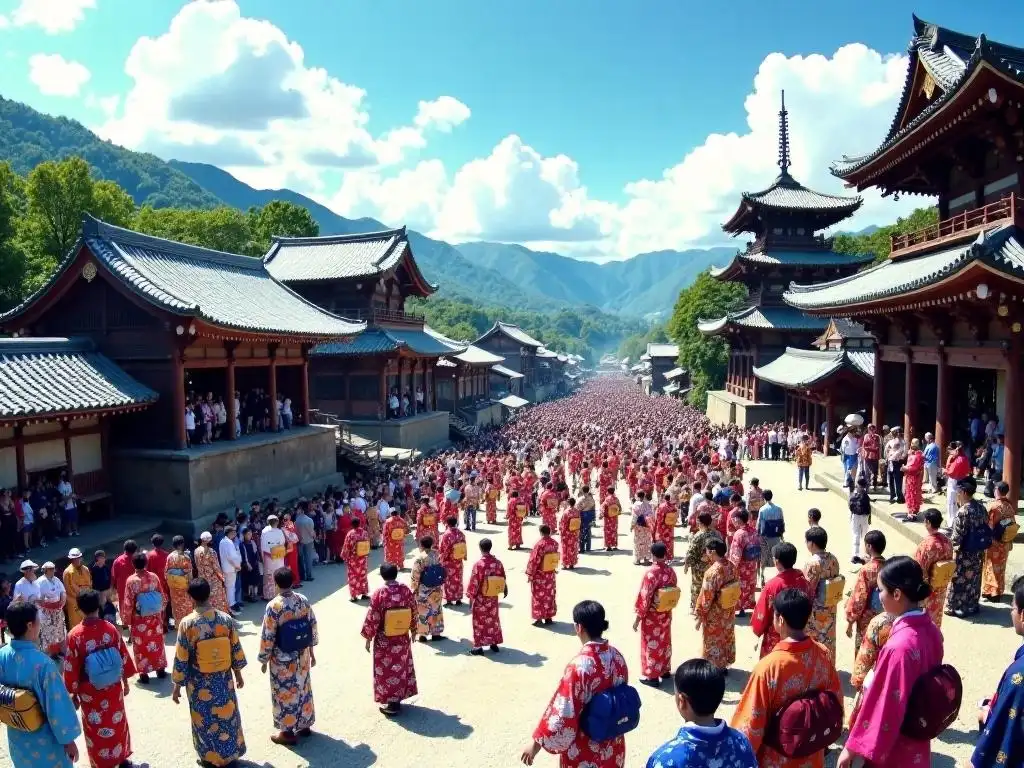
The celebration of seasonal festivals during Feudal Japan was not a monolithic practice; rather, it displayed a rich tapestry of regional variations. These differences were often influenced by the local climate, cultural practices, and the unique traditions of the samurai clans that governed various regions. Understanding these regional distinctions offers a deeper insight into how local identities were shaped and how they coexisted with broader national customs.
Distinct Practices Across Different Clans and Regions
In Feudal Japan, seasonal festivals varied significantly from one region to another, reflecting the diverse cultural heritage and historical contexts of different clans. For instance, the Tōhoku region celebrated the Hanami festival, where cherry blossoms were revered, with festivities that lasted for several weeks. This festival emphasized not only the beauty of nature but also the transient nature of life—a theme deeply rooted in Japanese culture.
In contrast, the Kanto region, particularly in Edo (modern-day Tokyo), was known for the Kamakura Matsuri, which celebrated the summer solstice with vibrant parades and rituals dedicated to the deities of agriculture. This festival incorporated elements of local mythology, showcasing a blend of Shinto and Buddhist traditions that were prevalent in the area.
Furthermore, in the Kansai region, the Gion Matsuri of Kyoto stands out as one of the most famous festivals, occurring in July. This festival features ornate floats and traditional music, attracting visitors from across the archipelago. The Gion Matsuri is deeply intertwined with the local belief systems, with its origins tracing back to rituals intended to appease the gods during times of plague.
Influence of Local Geography on Festival Celebrations
Local geography played a crucial role in shaping the nature and timing of seasonal festivals in Feudal Japan. The mountainous terrain of regions like Nagano dictated agricultural practices, which in turn influenced the festivals celebrated there. For example, the Obon Festival, primarily observed in late summer, was adapted to the local agricultural calendar, celebrating the harvest and honoring deceased ancestors with offerings and dances.
In coastal areas, such as Kagoshima, the proximity to the sea introduced maritime themes into seasonal celebrations. The Kinkatsu Matsuri, for instance, is celebrated to give thanks for the bountiful catch of fish and to pray for safe seas. This festival highlights the interdependence of the local economy on the ocean and the spiritual connection that the fishermen had with the sea.
These geographic influences not only dictated the types of resources available for festivals but also shaped the underlying narratives and rituals associated with them. Festivals could vary in their focus on agricultural abundance, maritime prosperity, or the reverence for natural landscapes, illustrating how deeply intertwined the celebrations were with the environment.
The Feudal Japan seasonal festivals were characterized by distinct regional practices influenced by both cultural and geographic factors. This diversity not only enriched the social fabric of Feudal Japan but also fostered a sense of identity rooted in the local environment and traditions.
The Impact of Feudal Festivals on Society
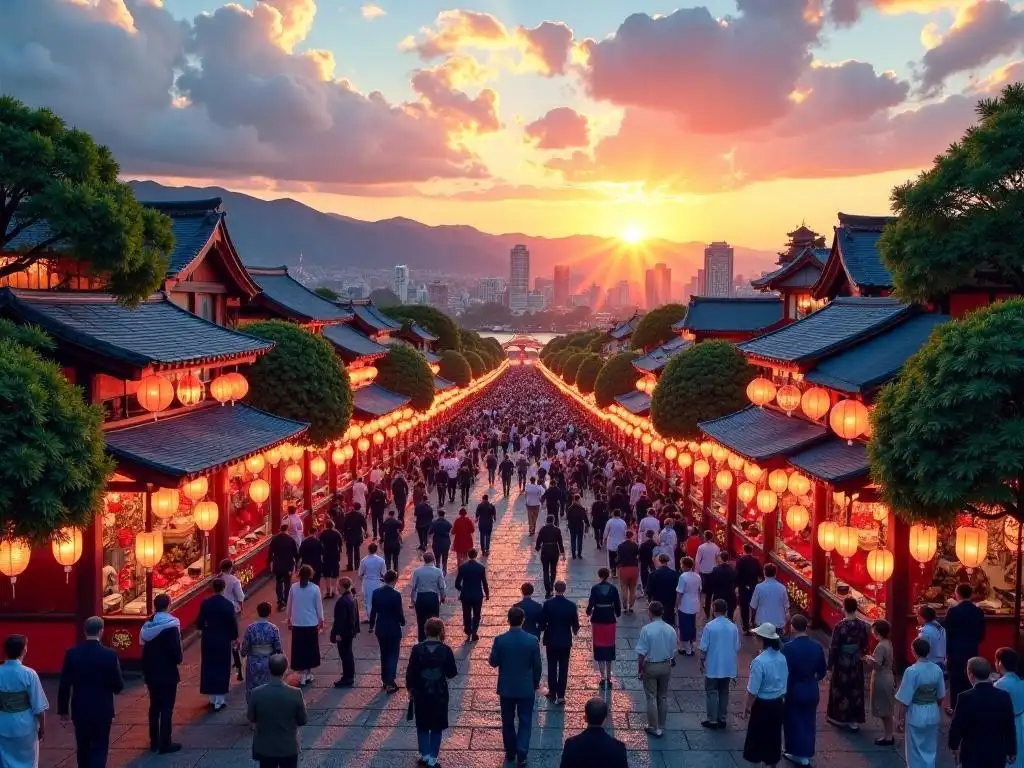
Feudal Japan's seasonal festivals, known as shiki matsuri (四季祭り), played a pivotal role in shaping the social fabric of communities during the feudal era. These festivals were not merely occasions for celebration; they were vital for reinforcing social structures, fostering communal ties, and preserving the rich cultural heritage of the time. The seasonal cycles were deeply intertwined with agricultural practices, religious beliefs, and local traditions, reflecting the harmony between nature and society.
Strengthening Community Bonds Through Celebrations
Feudal festivals served as a significant means of unifying various segments of society. These events often involved the entire community, regardless of social class, as they featured activities that encouraged participation and collaboration. Here are some ways in which these festivals bolstered community bonds:
- Collective Participation: Festivals required the cooperation of community members in organizing events, preparing food, and decorating spaces. This collective effort fostered a sense of belonging and mutual support.
- Rituals and Traditions: Each festival featured specific rituals that were passed down through generations. These traditions reinforced a shared identity and an understanding of the community’s history and values.
- Social Interaction: Festivals provided a rare opportunity for people to interact outside of their daily routines. They allowed families to come together, friends to reconnect, and new relationships to form.
- Economic Collaboration: Local artisans and merchants benefited from festivals, selling goods and crafts. This economic interaction not only supported local businesses but also created a network of reliance within the community.
The impact of these festivals extended beyond mere enjoyment; they were fundamental in creating a resilient social structure that thrived on interdependence and shared experiences.
Festivals as a Means of Preserving Cultural Heritage
The seasonal festivals of feudal Japan were instrumental in preserving the unique cultural heritage of the time. By centering around seasonal changes, these festivities encapsulated the natural rhythms of life, which were deeply respected and celebrated in Japanese culture. Key aspects of this cultural preservation include:
- Mythology and Folklore: Many festivals were steeped in local myths and folklore, showcasing traditional stories that provided moral lessons and cultural values. These narratives were often performed in plays or dances during the festivals, ensuring their survival through oral tradition.
- Artistic Expression: Festivals showcased various forms of artistic expression, from traditional music and dance to elaborate floats and decorations. This artistic heritage was not only a means of entertainment but also a vital aspect of cultural identity.
- Religious Significance: Many festivals were linked to Shinto or Buddhist practices, emphasizing gratitude for the harvest and honoring deities. These spiritual elements reinforced the community's connection to their beliefs and the natural world.
- Inter-generational Knowledge Transfer: Festivals allowed older generations to pass down skills, traditions, and stories to the younger members of the community. This transfer of knowledge was crucial in maintaining cultural continuity.
The feudal seasonal festivals of Japan were much more than festive occasions; they were powerful vehicles for community cohesion and cultural preservation. Through shared celebrations, communities not only honored their natural environment but also celebrated their unique cultural identities, ensuring that the essence of feudal Japan continued to resonate through time.
The Evolution of Feudal Festivals
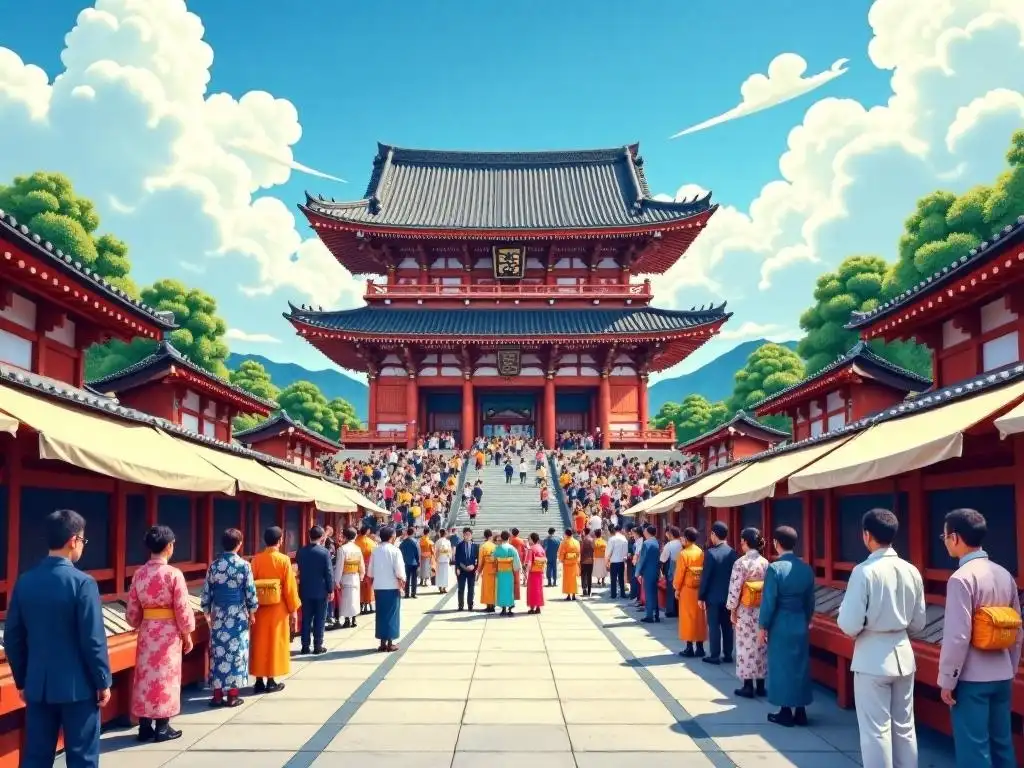
The evolution of feudal festivals in Japan reflects the intricate relationship between cultural practices and the nature of society throughout the feudal era. These seasonal celebrations were not merely events for entertainment; they served as vital expressions of community identity, spiritual beliefs, and agricultural cycles. The feudal system, characterized by its hierarchical structure, influenced how these festivals were organized, celebrated, and perceived by different social classes.
In the early feudal period, festivals were deeply rooted in agrarian customs, often tied to the planting and harvesting cycles. The rice harvest, for example, was celebrated with elaborate ceremonies that included offerings to deities for a bountiful yield. These events fostered a sense of unity among villagers, who would come together to partake in communal activities, reinforcing social bonds and collective identity.
As Japan transitioned through various historical phases, including the rise and fall of different clans, the nature of these festivals evolved. The introduction of Buddhism and Shintoism further enriched the festival landscape, leading to the incorporation of religious elements that highlighted the spiritual significance of nature and seasonal changes. Festivals became opportunities for the samurai class to display their power and patronage, as they often funded large-scale celebrations that showcased their wealth and status.
Changes Over Time: From Feudal Era to Modern Japan
Over the centuries, feudal festivals underwent significant transformations. With the onset of the Edo period (1603-1868), a time marked by relative peace and stability, festivals expanded in scope and complexity. Towns and cities became cultural melting pots, where diverse traditions blended, creating unique local celebrations. This period saw the rise of popular festivals known as "matsuri," which encompassed a variety of activities, including parades, music, and dance.
Notably, the introduction of commercialism during the Edo period allowed for the proliferation of stalls and entertainment at festivals. This shift not only made festivals more accessible to the general populace but also transformed them into vibrant marketplaces where goods and crafts were exchanged. The intricate floats, known as "yatai," became iconic symbols of these celebrations, often adorned with elaborate decorations that reflected the artistry of the time.
However, with the Meiji Restoration in 1868, Japan entered a new era of modernization, leading to the decline of certain traditional practices. Many feudal festivals were either altered or abandoned as Western influences permeated Japanese society. Despite this, some festivals managed to survive and adapt, maintaining their core elements while integrating new aspects that appealed to contemporary audiences.
How Modern Celebrations Honor Historical Traditions
Today, modern celebrations in Japan strive to honor the rich tapestry of historical traditions associated with feudal festivals. Many local communities actively engage in preserving these cultural practices as a form of heritage and identity. These celebrations serve not only as a reminder of Japan's past but also as a way to promote tourism and community pride.
One prime example is the annual Gion Matsuri in Kyoto, which has roots tracing back to the 9th century. Originally a purification ritual to appease the gods during a plague, this festival has evolved into a month-long celebration featuring stunning floats, traditional attire, and communal events. The careful preservation of its rituals exemplifies how modern generations embrace their ancestors' customs while infusing contemporary elements.
Moreover, seasonal festivals such as Hanami (cherry blossom viewing) and Tsukimi (moon viewing) continue to highlight the profound connection between nature and Japanese culture. These celebrations encourage participants to appreciate the beauty of nature, fostering a sense of harmony and balance that resonates with the philosophies of feudal Japan.
The evolution of feudal festivals encapsulates a journey through Japan's history, reflecting societal changes, cultural adaptations, and continued reverence for nature. As modern celebrations honor these historical traditions, they reinforce the enduring significance of seasonal festivals as a vital aspect of Japan's cultural heritage.
Conclusion: The Lasting Legacy of Feudal Japan Seasonal Festivals
Feudal Japan seasonal festivals were not only significant cultural events but also integral to the daily lives of the people, reflecting their deep-rooted connection to nature. These festivals offered a framework for communities to come together, celebrate the changing seasons, and honor the spirits believed to inhabit the natural world. The legacy of these festivals continues to influence modern Japanese culture, providing insights into the historical continuity of traditions and the enduring importance of nature in Japanese society.
Reflections on the Harmony Between Nature and Cultural Practices
The festivals of feudal Japan were intricately tied to the agricultural calendar, marking critical points in the seasonal cycle. Each festival served as a reminder of the rhythms of nature, embodying the belief that human happiness and prosperity were closely linked to the natural world.
- Rice Planting Festivals: These events often celebrated the beginning of the planting season, where communities engaged in rituals to ensure a bountiful harvest. The harmony between the agricultural practices and the festivals highlighted the reverence for rice, a staple food deeply embedded in Japanese culture.
- Harvest Celebrations: As the seasons changed, so did the themes of the festivals. The autumn harvest festivals, known as Niiname-sai, were occasions for expressing gratitude to the deities for a successful harvest. Participants would gather to share food, music, and dance, reinforcing community bonds.
- Seasonal Changes and Festivities: Each season brought its own unique celebrations, from the cherry blossom festivals in spring ( Hanami) to the autumn moon-viewing festivals ( Tsukimi). These events not only celebrated the beauty of nature but also fostered an appreciation for the fleeting moments of life, a concept deeply embedded in Japanese aesthetics.
Final Thoughts on the Importance of Celebrating Nature in Feudal Japan
The seasonal festivals of feudal Japan illustrate the profound respect and appreciation that the Japanese people had for nature. These celebrations were not merely recreational; they served as vital expressions of cultural identity and collective memory.
The legacy of these festivals can be seen today in various forms, from local celebrations that continue to honor traditional practices to modern-day festivals that draw inspiration from the past. The emphasis on nature as a source of beauty, inspiration, and spiritual significance remains a cornerstone of Japanese culture.
Feudal Japan seasonal festivals exemplified a harmonious relationship between human activity and the natural world. They were vital in uniting communities and fostering a sense of belonging, reminding us of the importance of celebrating nature in our lives. As we reflect on these traditions, we recognize their lasting impact on contemporary society and the ongoing relevance of nature in our cultural practices.
Frequently Asked Questions
What were the main themes of feudal Japan seasonal festivals?
Feudal Japan seasonal festivals primarily celebrated nature, harvests, and cultural traditions. These festivals helped communities connect with the changing seasons and express gratitude for bountiful crops.
How did feudal festivals reflect societal values in Japan?
Feudal festivals showcased community spirit and social hierarchy, as they often involved various classes participating together. They were also a way to reinforce cultural identity and spiritual beliefs tied to nature.
What role did nature play in feudal Japan festivals?
Nature was central to feudal Japan festivals, with ceremonies often designed to honor natural elements such as rice, water, and the changing seasons. This connection fostered a deep respect for the environment and its influence on daily life.
Can you give examples of specific seasonal festivals in feudal Japan?
Notable seasonal festivals included Hanami (cherry blossom viewing) in spring and Tsukimi (moon viewing) in autumn. Each festival had its own set of rituals and traditions that celebrated the beauty of nature throughout the year.
How did feudal festivals influence modern Japanese culture?
Many feudal festivals have evolved but still play an important role in modern Japanese culture. They continue to foster community bonding, preserve historical traditions, and enhance the appreciation of nature in contemporary society.
Final Reflection: Embracing the Seasons Through Feudal Festivals
The intricate relationship between nature and humanity has never been more relevant than it is today; the celebration of seasonal festivals in Feudal Japan serves as a powerful reminder of our need to reconnect with the rhythms of the earth. In a world increasingly dominated by technology and urbanization, the lessons from these ancient traditions urge us to pause, reflect, and appreciate the natural cycles that govern our lives. The beauty of these festivals lies not only in their cultural significance but also in their ability to foster a deeper understanding of our environment and our place within it.
The influence of Feudal Japan's seasonal festivals can still be felt today, as communities around the world seek to honor the changing seasons and the bounty they bring. These celebrations remind us that we are part of a larger ecosystem, one that thrives on balance and harmony. As noted by cultural historian Yoshiko Matsumoto, In every festival, we find a reflection of our understanding of nature's gifts and the gratitude we owe to the earth.
This perspective invites us to consider how we can incorporate similar practices into our modern lives, fostering a sense of community and environmental stewardship.
As we move forward, I encourage you to take a moment to reflect on how the themes of nature and celebration resonate within your own life. Consider how you can honor the seasons in your daily routine, whether through simple acts of gratitude, participating in local festivals, or cultivating a deeper awareness of the natural world around you. Let the spirit of Feudal Japan's seasonal festivals inspire you to create your own traditions that celebrate the beauty and bounty of nature, fostering a connection that transcends time and enriches your life.
Embrace the Seasons: Celebrate Nature Like the Ancients!
Thank you for diving into the beautiful world of feudal festivals with us! By exploring how these vibrant celebrations honored nature, you've taken a step toward a deeper appreciation of our seasons and their significance. Now, it's time to put that inspiration into action!
Here are a few specific steps you can take to celebrate nature in your own life:
- Host Your Own Seasonal Festival: Gather friends and family to celebrate the beauty of the changing seasons. Highlight local traditions or create your own unique activities that honor the environment around you!
- Explore Local Nature Events: Check out community listings for festivals or activities that focus on nature. This is a great way to engage with your community while expanding your knowledge of local ecosystems.
- Create a Nature Journal: Document your observations of the seasons. Capture changes in plants and wildlife, and reflect on how nature impacts your daily life.
How do you plan to connect with the changing seasons this year? Share your thoughts or experiences in the comments below!