
The Journey of the Samurai: Balancing Duty and Leisure in Their Lives


Welcome to Feudal Japan History, where we invite you to delve into the captivating world of Japan's feudal era. Here, you will uncover the intricate tapestry of historical, cultural, and societal aspects that defined this remarkable period. In our featured article, “The Journey of the Samurai: Balancing Duty and Leisure in Their Lives,” we explore the Samurai lifestyle and duty, revealing the delicate balance between honor and personal enjoyment.
What secrets lie behind the stoic façade of these legendary warriors? Join us as we unravel their daily lives and the profound impact they had on Japanese culture, igniting your curiosity to learn more about this fascinating chapter in history.
Introduction to the Samurai Lifestyle and Duty
The samurai were not merely warriors; they were an embodiment of a complex lifestyle that intricately intertwined duty and leisure within the fabric of feudal Japan. As the elite military class, samurai adhered to a strict code of conduct known as Bushido, which emphasized loyalty, honor, and self-discipline. This code dictated not only their actions on the battlefield but also their daily lives, shaping their identities and societal roles.
Exploring the samurai lifestyle and duty reveals a fascinating interplay between their responsibilities as protectors of their lords and their pursuit of personal fulfillment through leisure activities. This article delves into the duality of the samurai existence, highlighting the cultural significance of both duty and leisure in shaping the lives of these iconic figures.
Overview of Samurai Culture in Feudal Japan
The samurai culture emerged during the late Heian period (794-1185) and flourished throughout the Kamakura (1185-1333) and Muromachi (1336-1573) periods. Samurai were primarily landowners who pledged their loyalty to a daimyō, or feudal lord, in exchange for land and protection. The samurai's role extended beyond warfare; they were also involved in governance, education, and the arts. This multifaceted existence fostered a unique cultural identity that emphasized:
- Martial Skills: Mastery in combat and weaponry, particularly the katana.
- Philosophy and Ethics: Deep engagement with the principles of Bushido, which guided their moral compass.
- Arts and Aesthetics: Participation in traditional arts such as calligraphy, tea ceremonies, and poetry, reflecting their appreciation for beauty and refinement.
This holistic approach to life allowed samurai to cultivate a balance between their duties as warriors and their personal interests, creating a rich cultural legacy that continues to captivate people today.
Importance of Duty in the Samurai Code (Bushido)
At the heart of the samurai lifestyle lies the concept of duty, enshrined in the ethical tenets of Bushido. This code served as a guide for samurai behavior, influencing their actions and decisions in both public and private spheres. Key elements of Bushido include:
- Loyalty: Absolute fidelity to one's lord was paramount, often leading to acts of heroism and sacrifice.
- Honor: Maintaining one's honor was crucial; failure or shame could lead to ritual suicide ( seppuku).
- Courage: The samurai were expected to face adversity with bravery, embodying a spirit of resilience.
The unwavering commitment to these principles defined the samurai's identity and underscored their societal roles as guardians of peace and order. Such dedication also created a formidable reputation, which was both feared and respected throughout Japan.
The Duality of the Samurai Existence
While duty was a cornerstone of samurai life, leisure played an equally important role in their existence. This duality allowed samurai to recharge and cultivate personal interests, reflecting a nuanced understanding of life beyond warfare.
Understanding Duty in the Samurai Lifestyle
The samurai's duty was not limited to the battlefield. They were expected to be well-versed in various disciplines, including:
- Strategy and Tactics: Knowledge of military strategy was essential for effective leadership.
- Literature and Philosophy: Many samurai pursued education in classical literature and philosophy, fostering a well-rounded intellect.
- Martial Arts: Training in various forms of martial arts was a daily routine, emphasizing discipline and physical prowess.
This emphasis on duty ensured that samurai remained prepared for both conflict and leadership, reinforcing their status as a respected class within society.
The Role of Leisure in a Samurai's Life
Despite their rigorous responsibilities, samurai also recognized the importance of leisure in maintaining their mental and emotional well-being. Leisure activities included:
- Martial Arts Training: Engaging in sports like archery ( kyūdō) and fencing ( kenjutsu) as forms of both practice and recreation.
- Arts and Crafts: Involvement in artistic pursuits, such as painting and flower arranging ( ikebana), provided a creative outlet.
- Cultural Events: Participation in seasonal festivals, poetry readings, and tea ceremonies allowed samurai to connect with their peers and enjoy moments of tranquility.
This balance between duty and leisure not only enriched the samurai's life but also contributed to the cultural depth of feudal Japan, showcasing the multifaceted nature of their existence. By understanding both spheres, we gain a deeper appreciation of the samurai's enduring legacy in history and culture.
Traditional Leisure Activities of Samurai
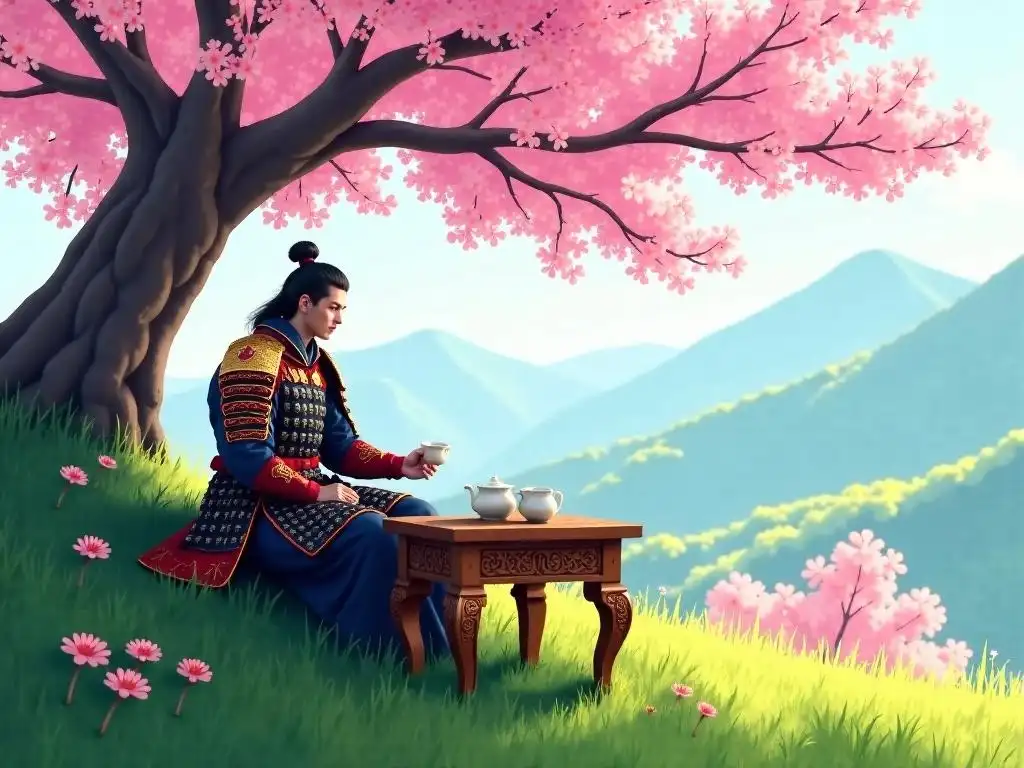
The samurai lifestyle was characterized by a delicate balance between duty and leisure, with various activities that not only provided enjoyment but also reinforced their cultural values and social status. Traditional leisure activities of samurai were often steeped in ritual and aesthetics, reflecting their disciplined lives. Popular pastimes included the tea ceremony, martial arts, calligraphy, and poetry. Each of these activities played a role in shaping the samurai's character and maintaining their skills, ensuring that leisure time was both fulfilling and productive.
The Art of Tea Ceremony: A Reflection of Samurai Values
The tea ceremony, known as chanoyu, is a profound representation of samurai values, emphasizing harmony, respect, purity, and tranquility. This ritualistic practice was not merely about drinking tea; it was an opportunity for samurai to engage in a meditative experience that fostered a sense of inner peace and mindfulness. The detailed preparation and presentation of tea served as a form of discipline, allowing samurai to reflect on their roles as warriors while appreciating the beauty of simplicity.
Through the tea ceremony, samurai cultivated a sense of community and connection, inviting guests into their homes to share in this intimate experience. The aesthetic elements, such as the choice of utensils and the arrangement of the tea room, were meticulously curated to reflect the host's personal taste and social standing. This activity reinforced the idea that leisure could serve as a means of personal expression while simultaneously adhering to the cultural norms of their society.
Martial Arts as a Form of Leisure and Training
Martial arts were integral to the samurai lifestyle, serving both as a form of leisure and essential training. Practicing disciplines such as kenjutsu (the art of swordsmanship), kyudo (archery), and judo allowed samurai to maintain their combat skills while also providing a structured outlet for physical activity. These martial arts were often practiced in dojos or during informal gatherings, where samurai would train not only for self-improvement but also for camaraderie and competition.
Engaging in martial arts as a leisure activity allowed samurai to hone their mental focus and physical discipline. The principles learned through these practices—such as respect for one's opponent, patience, and perseverance—were valuable in both their personal lives and military duties. Furthermore, martial arts competitions often served as a social event, where samurai could demonstrate their skills and earn recognition within their communities.
Calligraphy and Poetry: Cultivating the Mind
Calligraphy and poetry were highly regarded among samurai, seen as essential components of their education and personal development. The practice of calligraphy, or shodō, allowed samurai to express their inner thoughts and emotions through the beauty of written characters. This art form required precision and patience, qualities that were highly valued in samurai culture.
Poetry, particularly in the form of haiku or tanka, provided samurai with a creative outlet to explore their feelings and philosophical reflections. Composing poetry often served as a way to contemplate the transient nature of life, a theme deeply embedded in samurai philosophy. The expressive quality of poetry helped cultivate a refined character, aligning with the ideals of a well-rounded samurai who was not only a skilled warrior but also an intellectual and artist.
The Impact of Samurai Lifestyle on Society
The samurai lifestyle had a profound impact on Japanese society, shaping cultural norms and social structures. Their unique blend of strict discipline and artistic pursuits influenced various aspects of daily life, creating a legacy that continues to resonate in contemporary Japan. The samurai's commitment to duty and leisure played a significant role in defining the values and behaviors of the broader population.
Social Status and Leisure Activities of Samurai
Social status among samurai was intricately linked to their leisure activities, which were often viewed as markers of refinement and education. The leisure pursuits of samurai not only distinguished them from commoners but also reinforced their position within the feudal hierarchy. Engaging in activities such as the tea ceremony, martial arts, and the arts allowed samurai to showcase their wealth and sophistication, as these activities often required financial resources and extensive training.
The leisure activities also served as a means of networking and establishing alliances among the samurai class. By participating in cultural events and shared pastimes, samurai could strengthen their bonds with fellow warriors and influential figures, ensuring their place in the socio-political landscape of feudal Japan. Thus, leisure was not merely an escape from duty but a vital component of maintaining their status and influence.
Interaction Between Samurai and Common People
While samurai were often seen as a distinct social class, their interactions with common people were multifaceted. Samurai were responsible for maintaining order and governance, which often necessitated engaging with the peasantry. Leisure activities sometimes provided opportunities for samurai to connect with commoners in less formal settings, fostering a sense of community and mutual respect.
Events such as local festivals, where martial arts demonstrations or poetry recitals might occur, allowed samurai to showcase their skills while engaging with the public. These interactions humanized the samurai, breaking down barriers and allowing them to be seen as more than just warriors. This blend of duty and leisure served to reinforce the social fabric of feudal Japan, illustrating the interconnectedness of all classes within the society.
The Legacy of the Samurai Lifestyle Today
The legacy of the samurai lifestyle continues to resonate deeply within modern Japanese culture and beyond. The values of loyalty, honor, and discipline—hallmarks of the samurai ethos—are still celebrated in various aspects of society. From business practices to personal conduct, the samurai's commitment to duty and their pursuit of excellence serve as guiding principles for many individuals and organizations. This enduring legacy is evident in the way modern Japanese people approach both their professional and personal lives, often striving for a harmonious balance akin to that sought by the samurai.
Moreover, the samurai's connection to the arts, including martial arts, calligraphy, and tea ceremonies, remains influential. These practices are not merely historical remnants but are actively embraced by contemporary society, providing a sense of cultural identity and continuity. The reverence for tradition, alongside an appreciation for the aesthetic and spiritual dimensions of life, reflects how the samurai lifestyle has shaped the cultural landscape of Japan.
Modern Interpretations of Samurai Duty and Leisure
In contemporary times, the samurai's sense of duty is often interpreted through the lens of professional dedication and commitment to one's role in society. Many Japanese people embody the samurai spirit by emphasizing hard work, loyalty to their employers, and a strong sense of responsibility. This modern interpretation manifests in various sectors, from corporate environments to public service, where individuals strive to embody the virtues of diligence and honor associated with their samurai ancestors.
Leisure, on the other hand, has evolved significantly from the samurai era, accommodating modern lifestyles while still paying homage to traditional practices. Activities such as martial arts training, ikebana (flower arrangement), and participation in traditional festivals allow individuals to engage in leisure pursuits that resonate with samurai culture. These modern interpretations draw connections between historical practices and contemporary enjoyment, emphasizing the importance of both duty and leisure in achieving a well-rounded life.
Influence of Samurai Culture on Contemporary Japanese Life
Samurai culture has profoundly influenced various facets of contemporary Japanese life, from popular media to educational systems. In film, literature, and anime, the samurai is often portrayed as a noble warrior, embodying ideals of courage and honor. These portrayals not only entertain but also serve as a source of inspiration, encouraging individuals to reflect on their own values and responsibilities.
Additionally, the educational system in Japan often incorporates elements of samurai philosophy, emphasizing discipline, respect, and perseverance. Schools teach students the importance of teamwork and commitment, mirroring the samurai's dedication to their clans and duties. This cultural integration emphasizes the relevance of samurai values in shaping personal and communal identity in modern Japan, reinforcing the idea that the samurai spirit is not confined to the past but actively informs present-day life.
Conclusion: The Lasting Balance of Duty and Leisure in Samurai History
The historical journey of the samurai highlights a remarkable balance between duty and leisure, showcasing how these two seemingly opposing forces can coexist harmoniously. The samurai's dedication to their responsibilities—whether in battle or in service to their lords—was complemented by their appreciation for the arts and leisure activities that enriched their lives. This duality not only defined the samurai but also contributed to the cultural richness of Japan, leaving a legacy that continues to influence modern society.
Reflection on the Enduring Samurai Spirit in Modern Japan
Reflecting on the enduring samurai spirit in modern Japan reveals a culture that values both the commitment to duty and the necessity of leisure. The samurai's approach to life serves as a model for navigating contemporary challenges, reminding individuals to find fulfillment not just through work but also through personal passions and relaxation. This balance fosters resilience and promotes a well-rounded existence, echoing the principles that guided samurai warriors.
The Importance of Balancing Duty and Leisure in Today’s Society
In today's fast-paced world, the importance of balancing duty and leisure cannot be overstated. Just as the samurai found ways to integrate their responsibilities with moments of rest and reflection, modern individuals must also seek to harmonize their professional and personal lives. Engaging in leisure activities—be it through sports, arts, or simply spending time with loved ones—can enhance productivity and overall well-being.
Embracing this balance not only honors the legacy of the samurai but also cultivates a healthier, more fulfilling lifestyle, paving the way for future generations to cherish the ideals of duty and leisure as essential components of a meaningful life.
- Introduction to the Samurai Lifestyle and Duty
- Overview of Samurai Culture in Feudal Japan
- Importance of Duty in the Samurai Code (Bushido)
- The Duality of the Samurai Existence
- Traditional Leisure Activities of Samurai
- The Impact of Samurai Lifestyle on Society
- The Legacy of the Samurai Lifestyle Today
- Conclusion: The Lasting Balance of Duty and Leisure in Samurai History
Frequently Asked Questions
What was the primary duty of a Samurai during feudal Japan?
The primary duty of a Samurai was to serve their lord loyally, which included military service, maintaining peace, and upholding the Bushido code.
How did leisure activities influence the Samurai lifestyle?
Leisure activities provided Samurai with opportunities to engage in cultural practices such as tea ceremonies, poetry, and martial arts, balancing their rigorous duties with personal enrichment.
What role did the Bushido code play in a Samurai's life?
The Bushido code was central to a Samurai's identity, dictating their values of loyalty, honor, and self-discipline, guiding both their professional and personal lives.
How did the Samurai's duty affect their family life?
Samurai often faced challenges in family life due to their commitments to duty, leading to a culture of sacrifice where personal relationships were sometimes secondary to loyalty and service.
What cultural practices were essential to the Samurai's leisure time?
Essential cultural practices included calligraphy, flower arranging, and martial arts, which not only provided relaxation but also contributed to their mental discipline and overall well-being.
Final Reflection: Embracing the Samurai Lifestyle of Duty and Leisure
The journey of the samurai teaches us that the balance between duty and leisure is not just a historical concept, but a vital principle for our modern lives. In an age where the pressures of work and societal expectations often overshadow personal well-being, the samurai's commitment to both their responsibilities and their moments of reflection serves as a powerful reminder. The samurai lifestyle exemplifies how one can honor their duties while also carving out space for leisure, ultimately leading to a more fulfilled existence.
Culture and society today continue to grapple with the same tensions faced by the samurai: the relentless pursuit of achievement versus the need for personal rejuvenation. The lessons from the samurai resonate deeply, encouraging us to cultivate a life that honors both our obligations and our passions. As the philosopher Yamamoto Tsunetomo once said, "> The way of the samurai is found in death. Meditation on inevitable death should be performed daily." This profound insight invites us to reflect on the impermanence of life and the importance of living fully, embracing both our duties and the joy of leisure.
As we move forward, I invite you to reflect on your own life and consider how you can integrate the samurai's wisdom into your daily routine. Take a moment to assess your balance between work and play, and challenge yourself to create space for both. Whether it's through mindful practices, pursuing hobbies, or simply taking time to breathe, remember that a life well-lived is one where duty and leisure coexist harmoniously. Embrace the samurai spirit and let it guide you toward a more balanced and meaningful existence.
Embrace Your Inner Samurai: Discover the Balance!
Thank you for journeying with us through the fascinating lives of the Samurai! You've gained insight into how these honorable warriors intertwined duty and leisure, showcasing a timeless philosophy we can all learn from. Now, it’s time to channel that inspiration into your own life.
Here are a few action steps you can take today:
- Reflect on Your Balance: Take a moment to assess how you balance your personal and professional responsibilities. Consider what adjustments you can make to incorporate more leisure into your routine.
- Explore Samurai Arts: Enroll in a local martial arts class or engage in a mindfulness practice, such as meditation or a traditional tea ceremony. These activities can help you experience the values of focus and tranquility that the Samurai embraced.
- Share Your Thoughts: Initiate a conversation with friends or participate in online communities about the principles of the Samurai way. Discuss which lessons resonate with you most and how you believe they apply in today’s world.
What will you do today to create harmony in your own life, just like the Samurai?