
The Influence of Zen Buddhism on Artisanship in Feudal Japan


Welcome to Feudal Japan History, where we delve into the intricate tapestry of Japan’s feudal era, uncovering the profound historical, cultural, and societal narratives that shaped this remarkable period. In our featured article, " The Influence of Zen Buddhism on Artisanship in Feudal Japan," we invite you to explore how the serene principles of Zen Buddhism not only transformed the spiritual landscape but also ignited a revolution in craftsmanship and artistry. What hidden connections exist between mindfulness and creativity?
Prepare to embark on a journey that will expand your understanding of this fascinating era and its enduring legacy. Dive deeper with us!
Introduction to Zen Buddhism in Feudal Japan
The intricate tapestry of feudal Japan is woven with numerous cultural threads, one of the most significant being the profound influence of Zen Buddhism on artisanship. This spiritual practice, which emphasizes meditation, discipline, and the pursuit of enlightenment, permeated various aspects of Japanese society, particularly among artisans.
By exploring how Zen Buddhism shaped the ethos, techniques, and social standing of craftsmen, we gain a deeper understanding of its role in enhancing the quality and philosophical depth of their creations. This article aims to provide a comprehensive overview of this fascinating interplay, illuminating how Zen principles not only transformed artisanship but also contributed to the broader cultural landscape of feudal Japan.
Overview of Zen Buddhism
Zen Buddhism, a school of Mahayana Buddhism, focuses on direct experience and meditation as pathways to enlightenment. Originating in China as Chan Buddhism, it was introduced to Japan in the 12th century and evolved uniquely within its new cultural context. Zen emphasizes simplicity, mindfulness, and the inherent beauty of nature, which resonated deeply with Japanese aesthetics and craftsmanship. The practice encourages artisans to cultivate a meditative mindset, leading to greater awareness and precision in their work.
Historical Context of Zen Buddhism in Japan
Zen Buddhism found fertile ground in Japan during the Kamakura period (1185-1333), a time marked by political upheaval and social change. As samurai culture emerged, Zen became increasingly popular among the warrior class, who valued its teachings on discipline and self-control. Temples were established, and Zen masters like Dogen Zenji played pivotal roles in shaping its philosophy. By the time of the Muromachi period (1336-1573), Zen had deeply infiltrated Japanese arts, influencing not only visual arts but also tea ceremonies, garden design, and, crucially, artisanship.
Key Principles of Zen Philosophy
At the core of Zen philosophy are several key principles that directly impacted artisanship:
- Simplicity: Zen teaches the beauty of minimalism, encouraging artisans to strip away excess and focus on the essential.
- Mindfulness: The practice of being fully present in each moment fosters a deep connection between the artisan and their work.
- Nature: A profound respect for nature inspires artisans to create works that harmonize with their environment.
- Impermanence: Understanding the transient nature of life encourages artisans to embrace flaws and uniqueness in their creations.
These principles not only elevated the craft but also imbued the work with deeper meaning and spiritual resonance.
The Role of Artisans in Feudal Japan

Artisans played a crucial role in the economic and cultural life of feudal Japan, contributing to the development of a rich material culture. Their work encompassed a wide range of crafts, from pottery and textiles to metalwork and woodcraft, reflecting both functional and aesthetic values.
Definition and Importance of Artisanship
Artisanship in feudal Japan refers to the skilled practice of creating handcrafted goods, often passed down through generations. This craftsmanship was not merely a means of livelihood; it was a form of artistic expression deeply tied to cultural identity. Artisans were respected for their skills and were seen as custodians of tradition, blending functionality with beauty in their creations.
Different Types of Artisans in Feudal Japan
The diversity of artisans in feudal Japan is noteworthy. They can be categorized into various groups, including:
- Potters: Known for their exquisite ceramics, often influenced by Zen aesthetics.
- Carpenters: Masters of woodcraft, responsible for constructing temples and homes that reflected harmony with nature.
- Textile Weavers: Skilled artisans creating beautiful fabrics, often used in clothing for both the common people and the elite.
- Metalworkers: Crafting tools, weapons, and artistic pieces, their work was essential for both everyday life and ceremonial purposes.
Each type of artisan contributed uniquely to the cultural fabric of feudal Japan, showcasing the versatility and creativity inherent in Japanese craftsmanship.
The Societal Status of Artisans
While artisans held a respected position in society, their status varied significantly depending on their craft and the era. In general, artisans were placed below the samurai class but above farmers in the social hierarchy. Their skills were essential for the functioning of society, particularly in urban areas where commerce thrived. Furthermore, with the rise of Zen Buddhism, artisans began to gain recognition not only for their skills but also for the spiritual and philosophical depth of their work, elevating their status within the broader cultural narrative of feudal Japan.
How Zen Buddhism Shaped Artisanship
Zen Buddhism played a crucial role in shaping artisanship during the feudal era of Japan. The philosophy emphasized a deep connection with nature, simplicity, and mindfulness, which resonated profoundly with artisans. This spiritual practice encouraged craftsmen to infuse their work with a sense of tranquility and purpose, leading to the creation of pieces that were not only functional but also imbued with aesthetic and spiritual significance.
Artisans began to view their craft as a form of meditation, where the act of creation became a pathway to enlightenment. This transformation influenced a wide range of crafts, from pottery and textiles to woodworking and garden design. The focus on the present moment allowed artisans to cultivate greater precision and attention to detail, resulting in higher-quality workmanship that celebrated the beauty of simplicity.
Zen Aesthetics and Its Impact on Craftsmanship
Zen aesthetics, characterized by minimalism and the beauty of imperfection, significantly impacted craftsmanship in feudal Japan. The principles of Zen encouraged artisans to embrace simplicity in their designs, often leading to the use of natural materials and unadorned forms. This aesthetic philosophy prioritized the essence of the material, allowing the natural characteristics of wood, clay, and stone to shine through.
Artisans learned to appreciate asymmetry and irregularity, steering away from the overly ornate styles of previous eras. This shift not only enhanced the visual appeal of their creations but also resonated with the Zen belief that beauty lies in the transient and imperfect nature of life. As a result, many artifacts from this period, such as tea utensils and garden elements, reflect these aesthetics, embodying a serene elegance that continues to inspire modern artisans.
Influence of Zen Meditation on Artisans’ Techniques
Zen meditation practices significantly influenced artisans' techniques, fostering a state of focused awareness and mindfulness in their craft. By integrating meditation into their daily routines, artisans developed a heightened sense of presence, which translated into their craftsmanship. This practice allowed them to cultivate a deeper connection to their materials and processes, leading to more intentional and reflective work.
The meditative approach encouraged artisans to slow down and engage fully with each step of their craft, whether it was shaping clay or carving wood. This emphasis on process over product nurtured an environment where creativity could flourish. Many artisans found that meditation not only enhanced their skills but also provided a means of spiritual reflection, making their work a form of personal expression and connection to the divine.
The Concept of Wabi-Sabi in Artisanship
Wabi-sabi, a core concept in Zen aesthetics, celebrates the beauty of imperfection and the transient nature of life. This philosophy profoundly influenced artisanship in feudal Japan, encouraging craftsmen to embrace flaws and irregularities as integral aspects of their work. Rather than striving for perfection, artisans sought to capture the essence of materials and the passage of time.
This approach led to the creation of unique pieces that resonated with authenticity and character. For example, in pottery, wabi-sabi is often expressed through uneven glazes and asymmetrical forms, highlighting the natural qualities of the clay. The appreciation for wabi-sabi fostered a deeper emotional connection between the artisan and their creations, as each piece told a story of its journey through the hands of its maker.
Case Studies of Zen-Inspired Artisanship
Zen Influence on Pottery and Ceramics
Zen Buddhism profoundly influenced the art of pottery and ceramics, particularly through the development of the tea ceremony, or "chanoyu." This practice emphasized the beauty of simple, unpretentious tea utensils, leading potters to create works that embodied Zen principles. The renowned Raku firing technique, developed in the 16th century, exemplifies this influence, producing unique, handcrafted pieces characterized by their irregular shapes and rich textures.
Potters like Hon'ami Koetsu embraced Zen aesthetics, creating tea bowls that reflected the wabi-sabi philosophy. These bowls were designed to enhance the tea-drinking experience, inviting a sense of mindfulness and appreciation for the present moment.
The Role of Zen in Traditional Japanese Gardens
Zen principles are deeply embedded in the design of traditional Japanese gardens, which serve as living examples of artisanship influenced by spirituality. These gardens, meticulously crafted to reflect natural landscapes, are designed to encourage contemplation and meditation. Features such as carefully raked gravel, strategically placed rocks, and carefully pruned trees embody the Zen ideals of simplicity and harmony with nature.
Artisans involved in garden design employed techniques that emphasized balance and tranquility, often using asymmetry to create a sense of natural beauty. The gardens became spaces where both artisans and visitors could connect with the essence of Zen, providing a serene environment for reflection and mindfulness.
Zen Principles in Woodworking and Carpentry
Woodworking and carpentry in feudal Japan were significantly shaped by Zen principles, emphasizing craftsmanship and the intrinsic qualities of wood. Artisans approached their work with a deep respect for the material, often selecting wood based on its natural characteristics, such as grain patterns and color variations.
Techniques like joinery demonstrated the Zen commitment to precision and harmony, allowing for strong, seamless structures that celebrated the beauty of the wood itself. The emphasis on craftsmanship extended to functional items such as furniture and tools, where artisans infused their creations with a sense of purpose and beauty. This dedication to quality and simplicity in woodworking continues to influence contemporary practices, reflecting the lasting legacy of Zen on artisanship in Japan.
Comparing Zen Buddhism with Other Philosophical Influences
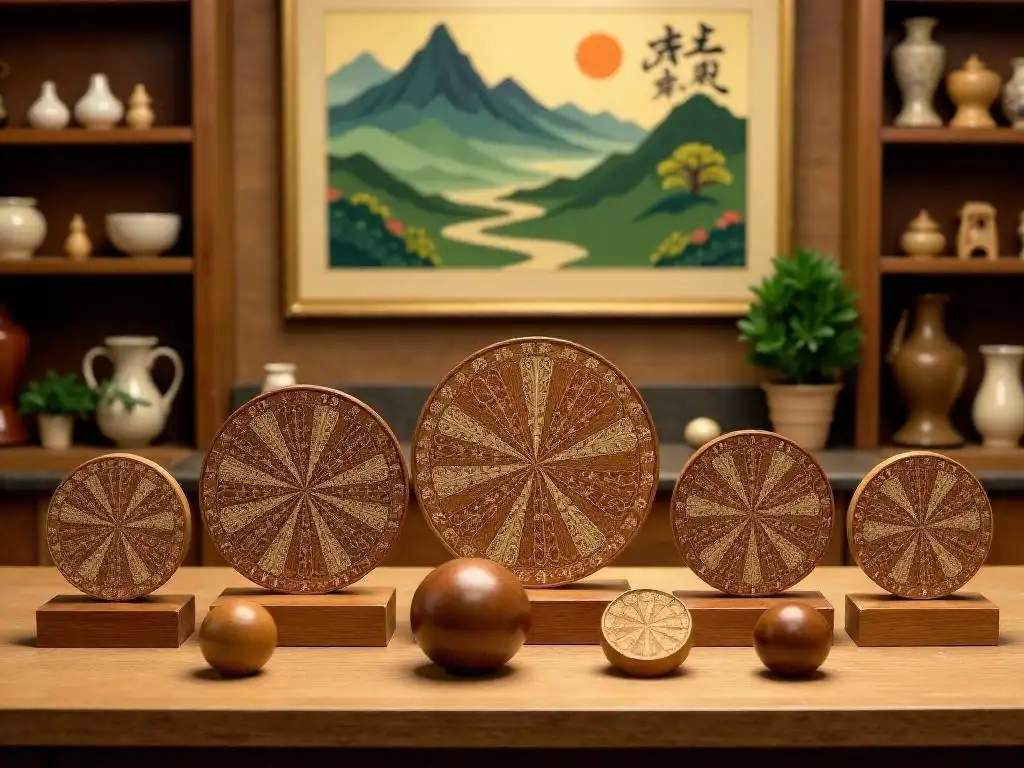
Zen Buddhism, which emphasizes simplicity, mindfulness, and the direct experience of reality, has left a profound imprint on artisanship in feudal Japan. In contrast to other philosophical influences like Shinto and Confucianism, Zen promotes a unique aesthetic that values the process of creation as much as the final product. This influence can be observed in various crafts, such as pottery, textile weaving, and metalwork, where artisans embraced imperfection, asymmetry, and a deep connection to nature.
The focus on personal expression and the spiritual journey inherent in Zen practices allowed artisans to transcend traditional methods and expectations. Unlike Confucianism, which is more hierarchical and emphasizes social order and moral conduct, Zen encourages individual exploration and spontaneity. This divergence facilitated a creative freedom that helped shape distinctive forms of art and craftsmanship during the feudal period.
Zen vs. Shinto: Artistic Interpretations
Zen Buddhism and Shinto, Japan's indigenous spirituality, offer contrasting artistic interpretations that significantly influenced feudal artisans. Shinto, with its focus on kami (spirits) and rituals, often leads to art that is vibrant, celebratory, and closely tied to nature. Shinto shrines are adorned with intricately carved wooden structures and colorful decorations, reflecting a deep reverence for the natural world and its divine aspects.
In contrast, Zen art is characterized by minimalism and subtlety. The Zen aesthetic embraces simplicity and tranquility, often seen in the serene compositions of ink painting and the delicate forms of tea ceremony utensils. Zen artisans sought to evoke a sense of peace and mindfulness, often employing monochromatic palettes and understated designs to mirror the stillness of nature and the inner self. This duality between Zen and Shinto illustrates the rich tapestry of artistic expression in feudal Japan, where both philosophies informed the artisans' approach but led to distinctly different outcomes.
The Impact of Confucianism on Artisanship
While Zen Buddhism fostered an individualistic approach to artisanship, Confucianism contributed a different layer of influence, emphasizing discipline, respect for hierarchy, and societal roles. In feudal Japan, artisans were often viewed through the lens of their social status, and Confucian values shaped their interactions within the guilds and their relationship with patrons.
Confucianism encouraged artisans to master their craft and fulfill their societal responsibilities, leading to a culture where skill and dedication were highly valued. This resulted in the establishment of rigorous training systems and apprenticeships, which were crucial for maintaining quality and tradition in craftsmanship. However, unlike Zen, which allowed for personal expression and experimentation, Confucianism's focus on adherence to established norms sometimes stifled creativity. The interplay between these two philosophies created a complex environment where artisans navigated the expectations of their social roles while also seeking moments of personal expression through their work.
Conclusion: The Lasting Legacy of Zen Buddhism on Artisanship
The influence of Zen Buddhism on artisanship in feudal Japan is profound and enduring. Its principles of mindfulness, simplicity, and the celebration of the creative process continue to resonate within Japanese culture, shaping not only traditional crafts but also contemporary artistic practices. The legacy of Zen can be seen in the way modern artisans approach their work, often integrating Zen philosophies into their creative processes.
Summary of Key Influences
Zen Buddhism's emphasis on direct experience and personal expression has profoundly shaped Japanese artisanship. Its contrast with Shinto's vibrant artistry and Confucianism's structured approach provides a comprehensive understanding of how these philosophical influences created a rich artistic legacy in feudal Japan. The unique features of Zen artisanship, characterized by its minimalism and focus on nature, have established a distinctive style that remains influential today.
The Evolution of Artisanship Post-Feudal Era
Following the feudal era, the principles derived from Zen Buddhism continued to evolve and adapt within Japan's rapidly changing society. As the country transitioned into the modern era, artisans maintained their dedication to craftsmanship while increasingly integrating Western techniques and styles. This blending of traditions led to new forms of expression that honored the Zen aesthetic while embracing innovation.
The industrialization of Japan also prompted a reassessment of traditional craftsmanship, leading to movements that sought to preserve Zen-influenced techniques in the face of modernization. Artisans began to emphasize the value of handmade goods, promoting a resurgence of interest in traditional crafts that embody the Zen principles of simplicity and harmony.
Zen Artisanship's Relevance in Modern Japan
Today, Zen artisanship remains highly relevant in modern Japan, influencing a variety of fields, from pottery and garden design to architecture and fashion. The emphasis on mindfulness and the appreciation for the beauty of imperfection continue to inspire contemporary artisans who seek to create meaningful work that resonates with both tradition and personal expression.
Moreover, Zen principles have found a place in various creative industries, including design and wellness, where the pursuit of simplicity and mindfulness is increasingly valued. The lasting legacy of Zen Buddhism on artisanship not only enriches Japan's cultural heritage but also provides a framework for modern artisans to explore their craft with intention and depth.
References and Further Reading
Exploring the intersection of Zen Buddhism and artisanship in feudal Japan opens a window into the cultural and social dynamics of the era. To further delve into this fascinating topic, a variety of resources are available that can enrich your understanding and provide deeper insights.
Suggested Books on Zen Buddhism and Artisanship
-
"Zen and the Art of Motorcycle Maintenance" by Robert M. Pirsig
This classic text, while not solely about feudal Japan, delves into the philosophy of quality and the relationship between work and Zen principles, making it relevant for understanding the mindset of artisans in a Zen-influenced culture.
-
"The Zen Monastic Experience" by Robert E. N. Parker
This book provides insights into the daily lives of Zen monks, including their influence on the artistic practices and craftsmanship in feudal Japan, offering a backdrop for understanding how these practices were shaped by spiritual beliefs.
-
"Japanese Arts and Crafts: A History" by Michael Dunn
This comprehensive overview of Japanese craftsmanship discusses the role of Zen Buddhism in shaping various art forms, from pottery to textile arts, and how these crafts reflect Zen philosophies.
-
"Zen Mind, Beginner's Mind" by Shunryu Suzuki
Although focused on Zen practice rather than artisanship, this book offers foundational Zen concepts that can illuminate the mindset and philosophy behind the meticulous craftsmanship typical of the era.
-
"The Book of Tea" by Okakura Kakuzō
This classic work explores the cultural significance of tea in Japan, reflecting Zen aesthetics and how they influenced various art forms, particularly in the context of tea ceremonies and related craftsmanship.
Articles and Resources on Feudal Japan’s Cultural History
-
"The Role of Zen Buddhism in Japanese Arts"
This article examines how Zen principles permeated various art forms during the feudal period, highlighting specific examples of artisans who embodied these philosophies in their work.
-
"Craftsmanship and Zen: The Intersection of Spirituality and Art"
A detailed exploration of how Zen Buddhism influenced the craftsman’s approach to their work, this resource discusses the principles of mindfulness and simplicity inherent in feudal Japanese artisanship.
-
"Zen and the Art of Calligraphy"
This resource focuses on calligraphy as an art form deeply intertwined with Zen practices, showcasing how spiritual aspects influenced the techniques and aesthetics of Japanese writing.
-
"The Influence of Zen on Japanese Architecture"
An insightful article that delves into how Zen principles shaped not just visual arts but also architecture, affecting the design and craftsmanship of temples and homes during the feudal era.
-
"Cultural Exchange in Feudal Japan"
This resource highlights the broader cultural exchanges that influenced Japanese society, including the role of Buddhism in shaping artisanship and the artistic community during the feudal period.
These references and resources will provide a solid foundation for understanding the profound influence of Zen Buddhism on artisanship in feudal Japan, offering both scholarly and accessible insights into the era's artistic landscape.
- Introduction to Zen Buddhism in Feudal Japan
- Overview of Zen Buddhism
- Historical Context of Zen Buddhism in Japan
- Key Principles of Zen Philosophy
- The Role of Artisans in Feudal Japan
- How Zen Buddhism Shaped Artisanship
- Case Studies of Zen-Inspired Artisanship
- Comparing Zen Buddhism with Other Philosophical Influences
- Conclusion: The Lasting Legacy of Zen Buddhism on Artisanship
- References and Further Reading
- What is the significance of Zen Buddhism in Feudal Japan?
- How did Zen Buddhism affect artisanship in Feudal Japan?
- What types of art forms were influenced by Zen Buddhism?
- How did the principles of Zen Buddhism manifest in craftsmanship?
- Can you provide examples of Zen Buddhist artisans from the feudal era?
Frequently Asked Questions
What is the significance of Zen Buddhism in Feudal Japan?
Zen Buddhism played a crucial role in shaping the cultural landscape of Feudal Japan, influencing various aspects of life, including art, philosophy, and everyday practices.
How did Zen Buddhism affect artisanship in Feudal Japan?
Zen Buddhism inspired artisans to pursue simplicity, mindfulness, and perfection, leading to the creation of works that reflected these philosophical ideals.
What types of art forms were influenced by Zen Buddhism?
Zen Buddhism influenced various art forms including ceramics, painting, and gardening, promoting a focus on natural beauty and minimalism.
How did the principles of Zen Buddhism manifest in craftsmanship?
Artisans incorporated Zen principles such as wabi-sabi (the appreciation of imperfection) into their craftsmanship, leading to unique and meaningful creations.
Can you provide examples of Zen Buddhist artisans from the feudal era?
Notable figures include tea masters like Sen no Rikyū, who integrated Zen practices into the tea ceremony, and potters who created ceramics that embodied Zen aesthetics.
Final Reflection: The Enduring Legacy of Zen Buddhism in Artisanship
The profound connection between Zen Buddhism and artisanship in feudal Japan continues to resonate in today's world, reminding us that the pursuit of mastery is not merely about skill, but about a deeper understanding of the self and the universe. In an era where speed and efficiency often overshadow craftsmanship, the principles of Zen invite us to slow down, appreciate the process, and find beauty in simplicity. This timeless wisdom encourages us to cultivate mindfulness in our own endeavors, whether they be artistic, professional, or personal.
The influence of Zen Buddhism on artisanship has shaped not only the aesthetic qualities of Japanese art but also the very philosophy behind creation. The meticulous attention to detail and the emphasis on harmony and balance in craftsmanship reflect a broader cultural ethos that values inner peace and contemplation. As the renowned Zen master D.T. Suzuki once said, Zen is not a matter of intellectual understanding; it is a matter of self-realization.
This self-realization is what artisans strive for, and it continues to inspire countless individuals to seek authenticity and depth in their work.
As we reflect on the teachings of Zen Buddhism and their impact on artisanship, let us embrace the invitation to cultivate mindfulness in our own lives. Consider how you can apply these principles to your daily practices, whether in your work, hobbies, or relationships. By fostering a sense of presence and intentionality, we can create not only beautiful work but also a more meaningful existence. The legacy of Zen is not confined to the past; it is a living tradition that invites us to explore the depths of our creativity and the richness of our experiences.
Embrace the Spirit of Zen in Your Craft!
Thank you for immersing yourself in the fascinating world of Zen Buddhism and its profound influence on artisanship in Feudal Japan. Your exploration of this rich history has equipped you with insights that can elevate not just your understanding but also your creative endeavors. Now, let’s take that inspiration a step further!
Here are a few impactful actions you can take:
- Incorporate Zen principles into your craft: Whether you're painting, woodworking, or creating ceramics, focus on mindfulness and intentionality in every piece you create.
- Join a local or online artisan community: Share your journey and experiences with others, learning from their insights while inspiring newcomers to the practice.
- Experiment with a new technique inspired by Zen traditions: Consider trying ink painting or the art of Kintsugi, which involves repairing pottery with gold, and see how these methods can transform your approach.
What aspect of Zen Buddhism will you integrate into your craftsmanship to enhance your creations?