
Feudal Feasts: Celebrating Festivals with Traditional Dishes

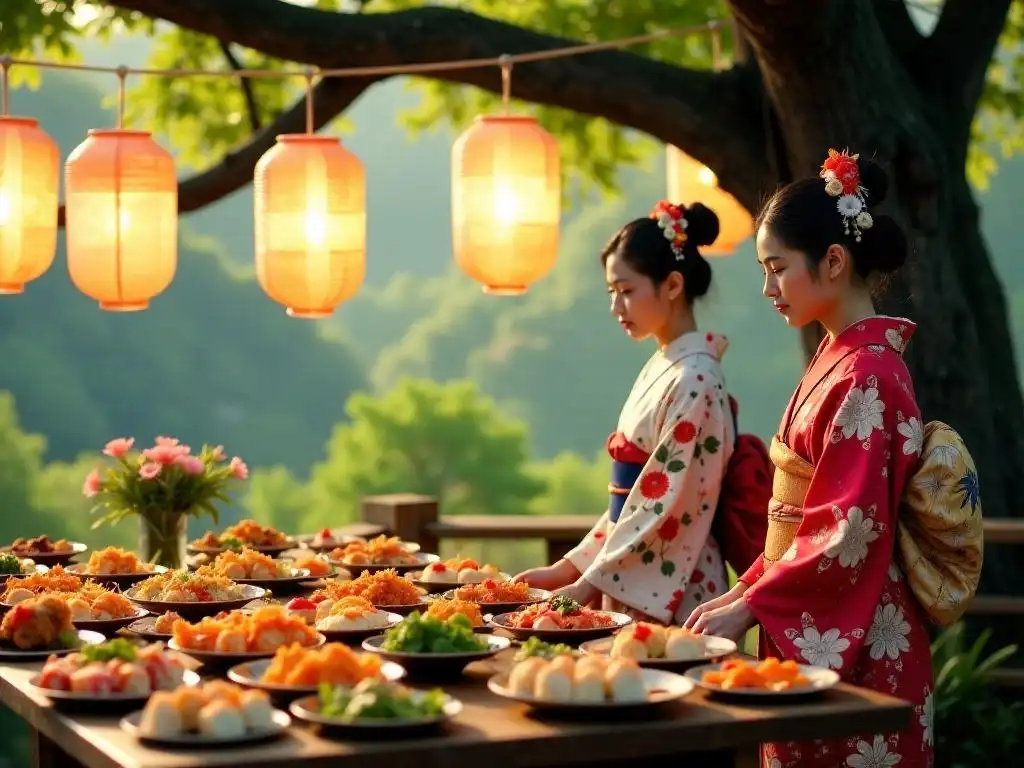
Welcome to Feudal Japan History, where we invite you to delve into the rich tapestry of Japan’s feudal era. Here, you will uncover the vibrant Japanese feudal era festivals that brought communities together through the joy of celebration and tradition. In our featured article, "Feudal Feasts: Celebrating Festivals with Traditional Dishes," we’ll take you on a culinary journey through time, exploring how these festive occasions shaped daily life and societal bonds. Are you ready to discover the flavors and festivities that defined an era? Let’s explore the fascinating world of feudal celebrations together!
The Japanese feudal era, a period spanning from the 12th to the 19th centuries, is not only marked by political upheaval and samurai valor but also by rich cultural traditions, especially in the realm of food and festivals. These celebrations were integral to society, serving as a means to honor deities, mark seasonal changes, and reinforce community bonds. Festivals during this time were often accompanied by an array of traditional dishes that not only delighted the palate but also reflected the social hierarchy and regional diversity of Japan.
In this article, we will delve into the fascinating world of Japanese feudal era festivals and their accompanying traditional dishes. We will explore how these feasts evolved over time, the significance of various ingredients, and the rituals surrounding the preparation and consumption of food. By understanding the culinary practices and festivities of this era, we gain insight into the daily lives and societal values of feudal Japan.
The Significance of Festivals in Feudal Japan
Festivals in feudal Japan were more than mere celebrations; they were essential to the cultural fabric of society. They served various purposes, including:
- Religious Observance: Many festivals were rooted in Shinto and Buddhist traditions, honoring gods and ancestors.
- Seasonal Changes: Festivals often marked the changing of seasons, celebrating the harvest or the arrival of spring.
- Community Bonding: These events fostered a sense of unity among villagers and samurai, promoting social cohesion.
In this context, food played a crucial role. The dishes served during these festivals were often symbolic and tied to the themes of the celebration.
Traditional Dishes of Feudal Festivals
The culinary landscape of feudal Japan was diverse, shaped by local ingredients and cultural influences. Some traditional dishes that would grace the tables during these festivals included:
- Sushi and Sashimi: Though simpler than modern versions, these dishes were enjoyed during special occasions.
- Mochi: Rice cakes that were often used in rituals and festivities, symbolizing prosperity.
- Sake: The traditional rice wine, which was not only consumed but also used in rituals to purify and bless participants.
The preparation of these dishes was often a communal effort, involving various members of the community and reflecting the cooperative spirit of the festivals.
Conclusion
Through this exploration of Japanese feudal era festivals and their traditional dishes, we uncover the intricate relationship between food, culture, and society in feudal Japan. The festivals were not just occasions for celebration; they represented the hopes, beliefs, and communal ties that shaped the lives of the people during this fascinating period. As we delve deeper into the specifics of these feasts, we invite you to join us on a culinary journey through time, celebrating the flavors and traditions that have endured through centuries.
- What are the main festivals celebrated during the Japanese feudal era?
- How did food play a role in feudal era festivals?
- What traditional dishes were commonly associated with feudal festivals?
- How did festivals reflect the societal structure of feudal Japan?
- Are there any modern celebrations that trace their origins back to the Japanese feudal era?
Introduction to Japanese Feudal Era Festivals
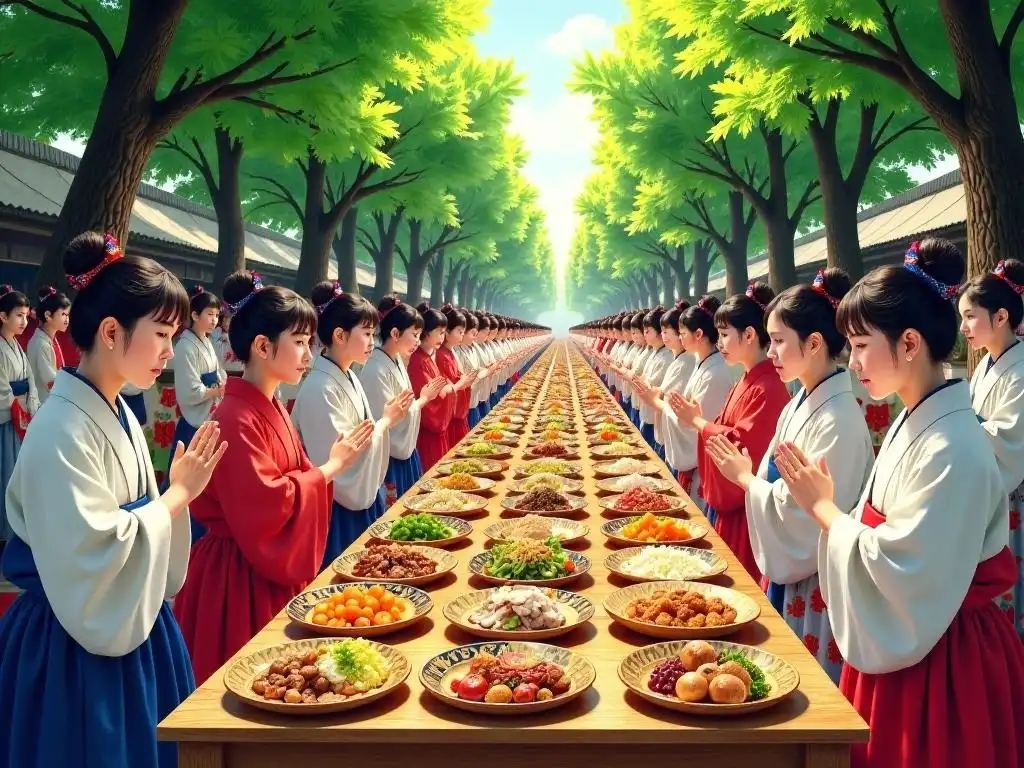
The Japanese feudal era, spanning from the 12th to the 19th centuries, was marked by a complex social hierarchy, political strife, and rich cultural traditions. Among the many facets of this era, festivals played a pivotal role in the lives of the people, serving as a crucial link between the community and its cultural heritage. These celebrations were not merely occasions for feasting; they embodied the beliefs, customs, and traditions that defined feudal Japanese society.
Overview of the Feudal Era in Japan
The feudal era in Japan, often delineated by the Kamakura period (1185-1333) and the subsequent Muromachi (1336-1573) and Edo (1603-1868) periods, saw the emergence of a warrior class known as the samurai. This era was characterized by the establishment of a decentralized political system where power was held by regional lords, or daimyo, rather than a centralized authority.
During this time, the Japanese society was deeply influenced by Confucian, Buddhist, and Shinto beliefs, shaping their worldview and rituals. Festivals, or matsuri, were a manifestation of these beliefs, often tied closely to agricultural cycles, religious observances, and community solidarity. Each season brought its own set of festivals, showcasing the diverse cultural landscape of feudal Japan.
Significance of Festivals in Feudal Society
Festivals in feudal Japan were not just communal celebrations; they served several essential functions within society:
- Cultural Identity: Festivals allowed communities to express their unique cultural identities. Each region had its own distinct celebrations that highlighted local traditions, deities, and historical events.
- Religious Observance: Many festivals were held in honor of Shinto gods or Buddhist figures, reinforcing the spiritual life of the community. Rituals and offerings were made to ensure a good harvest or to ward off misfortune.
- Social Cohesion: Festivals fostered community bonding and engagement. They provided an opportunity for people to come together, share stories, and strengthen social ties, transcending the rigid class structures of feudal society.
- Economic Activity: Festivals stimulated local economies, as they attracted visitors and encouraged trade. Artisans and merchants often showcased their goods, leading to a vibrant exchange of products and ideas.
Traditional Dishes and Their Cultural Importance
The culinary aspect of feudal festivals was as rich and varied as the festivals themselves. Traditional dishes served during these celebrations often had symbolic meanings and were prepared with great care. Here are a few notable examples:
- Osechi Ryori: This special New Year's dish is a colorful assortment of foods, each with its own significance. For instance, black soybeans symbolize health, while herring roe signifies fertility.
- Mochi: During the Mochitsuki (rice cake pounding) festival, mochi is prepared as a symbol of strength and is often offered to deities. Eating mochi during festivals is believed to bring good fortune.
- Sake: The traditional rice wine, sake, is an integral part of many festivals. It is often offered to gods and consumed during celebratory toasts, symbolizing purity and joy.
- Seasonal Vegetables: Festivals also featured dishes made from seasonal produce, emphasizing the connection between food and the agricultural calendar. For instance, bamboo shoots in spring or chestnuts in autumn were common delicacies.
These dishes not only satisfied the palate but also reinforced cultural values and shared heritage, making them essential components of feudal era festivals.
As we delve deeper into the culinary traditions of the feudal era, we uncover a tapestry of flavors and practices that reflect the resilience and creativity of the Japanese people during this transformative period in history.
Major Festivals of the Japanese Feudal Era
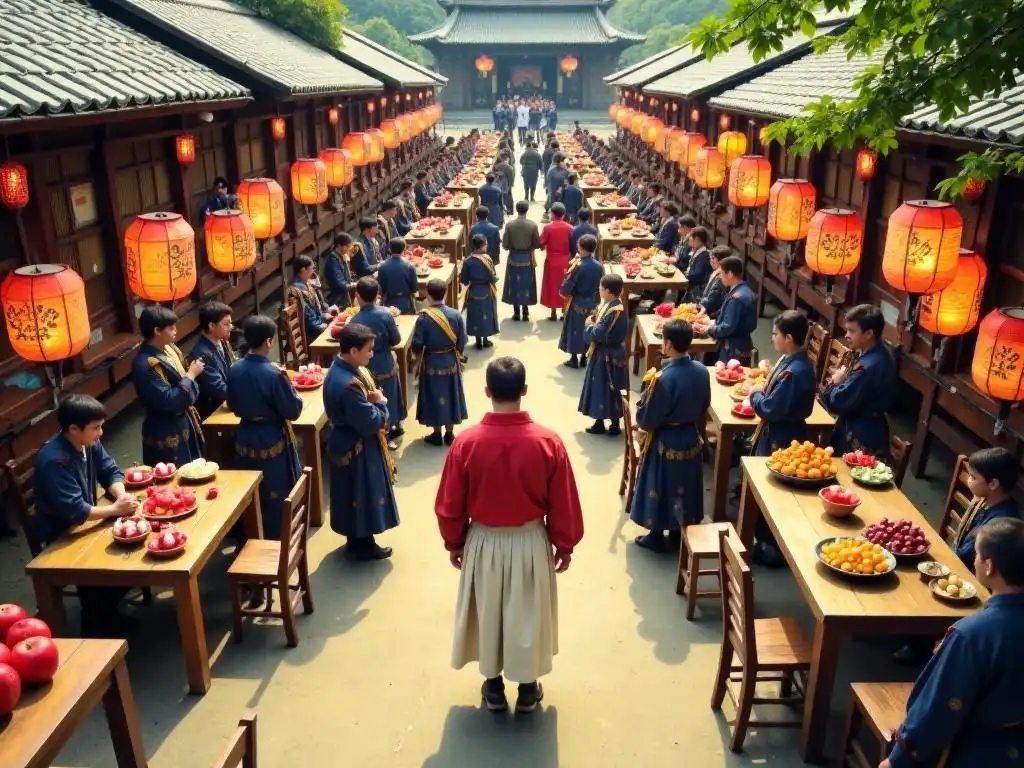
The Japanese feudal era was marked by a rich tapestry of festivals, known as matsuri, which played a crucial role in the social and cultural life of the time. These celebrations were not only an expression of community spirit but also served various purposes, including agricultural rites, religious observances, and seasonal transitions. Festivals were moments of joy, where the feudal lords, samurai, and common folk alike engaged in communal activities that strengthened social bonds and celebrated prosperity.
Matsuri: The Spirit of Celebration
Matsuri, meaning "festival" in Japanese, encompassed a wide variety of celebrations often tied to Shinto beliefs and local customs. The essence of these festivals was to honor deities, seek blessings for bountiful harvests, and commemorate historical events. The vibrant atmosphere of matsuri was characterized by lively parades, traditional music, and dance, as well as the preparation and sharing of special foods.
Types of Matsuri Celebrations
Matsuri celebrations can be categorized into several distinct types, each reflecting the unique cultural context of the region. Key types include:
- Religious Matsuri: These festivals are held to honor local gods and deities, often featuring rituals, prayers, and offerings. An example is the Gion Matsuri in Kyoto, which dates back to the 9th century.
- Agricultural Matsuri: These celebrations focus on the harvest and the changing of seasons, such as Nōgyō Matsuri, where communities come together to give thanks for bountiful crops.
- Historical Matsuri: These festivals commemorate significant historical events or figures, such as the Kamakura Matsuri, which reflects the legacy of the Kamakura period.
- Seasonal Matsuri: Tied to specific times of the year, these festivals celebrate the beauty of nature and the changing seasons, for instance, Hanami in spring to admire cherry blossoms.
Regional Variations of Matsuri in Feudal Japan
The diversity of Japan's geography contributed to unique regional variations in matsuri. Each locality adapted the celebrations to its cultural context and environmental conditions. For instance:
- Northern Regions: In areas like Hokkaido, festivals often incorporate winter themes, featuring snow sculptures and ice-related activities.
- Western Japan: Festivals in regions such as Kyushu are known for their elaborate floats and vibrant costumes, emphasizing a communal display of artistry and craftsmanship.
- Eastern Japan: Tokyo's Shitamachi Matsuri focuses on the merchant class's contributions to society, showcasing traditional trades and commerce through market-style festivities.
Seasonal Festivals and Their Culinary Traditions
The seasonal festivals of feudal Japan were closely linked to the agricultural calendar, and food played a central role in these celebrations. Each festival had its own culinary traditions, reflecting the season's bounty and cultural significance.
Harvest Festivals (Nōgyō Matsuri)
Harvest festivals, known as Nōgyō Matsuri, were vital events that celebrated the culmination of agricultural labor. These festivals typically involved:
- Offerings of Rice: As rice was the staple food, special rice dumplings called dango were prepared and offered to the deities to thank them for the harvest.
- Seasonal Ingredients: Local produce and seasonal ingredients were highlighted in celebratory dishes, including roots, vegetables, and fish, all prepared in traditional styles.
- Community Feasting: Villagers would gather for communal meals, reinforcing social ties and sharing the joy of the harvest.
New Year Celebrations (Shōgatsu)
The New Year, or Shōgatsu, was one of the most significant festivals in feudal Japan. It marked a time for renewal and hope for the coming year. Traditional customs included:
- Special New Year Foods: Dishes such as osechi ryori, a selection of beautifully arranged foods packed in lacquer boxes, symbolizing prosperity and good fortune.
- First Shrine Visits: Families would visit shrines for hatsumode, the first shrine visit of the year, to pray for health and success.
- Rituals and Traditions: Various rituals were performed, including the preparation of mochi (rice cakes) and the sharing of auspicious symbols, reflecting the desire for a prosperous year ahead.
The rich culinary traditions associated with these festivals highlight the significance of food in the cultural and social fabric of feudal Japan, marking the importance of community, spirituality, and the cycles of nature.
Traditional Dishes Associated with Feudal Festivals
The Japanese feudal era was rich in culture and tradition, particularly when it came to festivals that celebrated the changing seasons, agricultural bounty, and significant events. Food played a central role in these celebrations, with specific dishes often linked to particular festivals. This section delves into the traditional dishes that were integral to feudal festivals, highlighting their significance and the cultural practices surrounding them.
Rice Dishes: The Staple of Feudal Celebrations
Rice has long been a fundamental part of Japanese cuisine, and during the feudal era, it was not just a staple food but also a symbol of wealth and prosperity. The following rice dishes were frequently featured during festivals:
Mochi: Symbol of Prosperity
Mochi, a glutinous rice cake, holds deep cultural significance in Japan. Traditionally made by steaming glutinous rice and then pounding it into a sticky, pliable mass, mochi is enjoyed in various forms during feudal festivals.
- Cultural Significance: Mochi is often associated with New Year's celebrations, symbolizing prosperity and good fortune. It was believed that consuming mochi during festivals would bring health and longevity.
- Variations: During the feudal era, different regions of Japan developed their own mochi variations, often filled with ingredients such as sweet red bean paste or wrapped in leaves for enhanced flavor.
Chirashi-zushi: A Festive Rice Dish
Chirashi-zushi, or "scattered sushi," is another rice dish commonly associated with celebrations. This dish consists of a bed of sushi rice topped with a colorful assortment of ingredients.
- Festive Presentation: The vibrant toppings, which can include seafood, vegetables, and egg, are arranged beautifully, making it a feast for the eyes as well as the palate. This visual appeal made chirashi-zushi a popular choice for festivals.
- Regional Variations: Depending on the local ingredients and customs, chirashi-zushi recipes varied across different provinces, reflecting the diversity of feudal Japan's culinary landscape.
Sweets and Desserts in Feudal Festivities
Sweets played an equally important role in feudal celebrations, often serving as offerings to gods and as treats for guests. Two prominent types of traditional sweets from this era include:
Wagashi: Traditional Japanese Confectionery
Wagashi is a term that encompasses a wide range of traditional Japanese sweets, crafted with meticulous attention to detail and aesthetics.
- Ingredients: Made primarily from rice flour, red bean paste, and seasonal fruits, wagashi often reflects the beauty of nature, with shapes and colors changing according to the seasons.
- Festival Use: During festivals, wagashi would be offered to deities as a form of gratitude and celebration. They were also served to guests as a sign of hospitality and respect.
Kashi: Seasonal Sweets for Celebrations
Kashi refers to a variety of sweets that are often enjoyed during special occasions and festivals.
- Seasonal Themes: Kashi comes in many forms, often crafted to represent the season or the specific festival being celebrated, such as sakura (cherry blossom) shaped sweets during Hanami (flower viewing) festivals.
- Cultural Importance: These sweets not only served as delicious treats but also conveyed cultural messages and traditions, reinforcing community bonds during festive gatherings.
The traditional dishes associated with Japanese feudal era festivals were more than just food; they were a reflection of the culture, beliefs, and societal values of the time. Each dish was imbued with meaning, making feasts a celebration of not only the harvest but also of community and heritage.
Savory Dishes Served During Festivals
During the feudal era in Japan, festivals were not only a time for celebration but also a moment to showcase the rich culinary traditions of the period. Savory dishes played a pivotal role in these festivities, often symbolizing prosperity, good fortune, and community bonding. Here are some of the most cherished savory dishes that were commonly served during these vibrant celebrations.
Soba and Udon: Noodles for Good Fortune
Soba and udon noodles have been staples of Japanese cuisine since ancient times, and they hold particular significance during festivals.
- Soba: Made from buckwheat flour, soba noodles are often served in a hot broth or cold with dipping sauces. One of the traditional practices during New Year's celebrations is to eat Toshikoshi Soba, which symbolizes the crossing over from one year to the next. The long, thin noodles represent longevity and the hope for a prosperous year ahead.
- Udon: Unlike soba, udon noodles are thicker and made from wheat flour. They are typically served in a simple broth or stir-fried with various vegetables and proteins. During festivals, udon dishes are often prepared and enjoyed in large communal settings, fostering a sense of unity among attendees. The warmth of udon, akin to the spirit of togetherness, makes it a beloved choice for festive gatherings.
Both soba and udon are not just delicious; they also encapsulate the essence of good fortune and health, making them an indispensable part of festival celebrations in feudal Japan.
Yakitori: Grilled Chicken Skewers for Celebrations
Yakitori, or grilled chicken skewers, has a rich history in Japanese cuisine and was a popular dish at feudal festivals. This dish is characterized by its simplicity and the delightful flavors that come from the grilling process.
- Preparation: Traditionally, yakitori involves skewering bite-sized pieces of chicken and grilling them over an open flame. The chicken can be seasoned with salt ( shio) or brushed with a sweet soy sauce glaze ( tare), often made with sake, mirin, and sugar. The grilling method enhances the umami flavors, making it an irresistible treat.
- Cultural Significance: During festivals, yakitori not only served as a delicious meal but also as a form of social interaction. Vendors would often set up stalls, creating a lively atmosphere where festival-goers could gather, eat, and share stories. The act of grilling and sharing yakitori symbolizes camaraderie and celebration, reflecting the communal spirit of the feudal era.
Yakitori remains a quintessential festival dish in contemporary Japan, showcasing the enduring legacy of feudal culinary traditions. It encapsulates the joy of celebration, bringing people together through the experience of food and festivity.
Rituals and Practices Surrounding Feudal Festivals
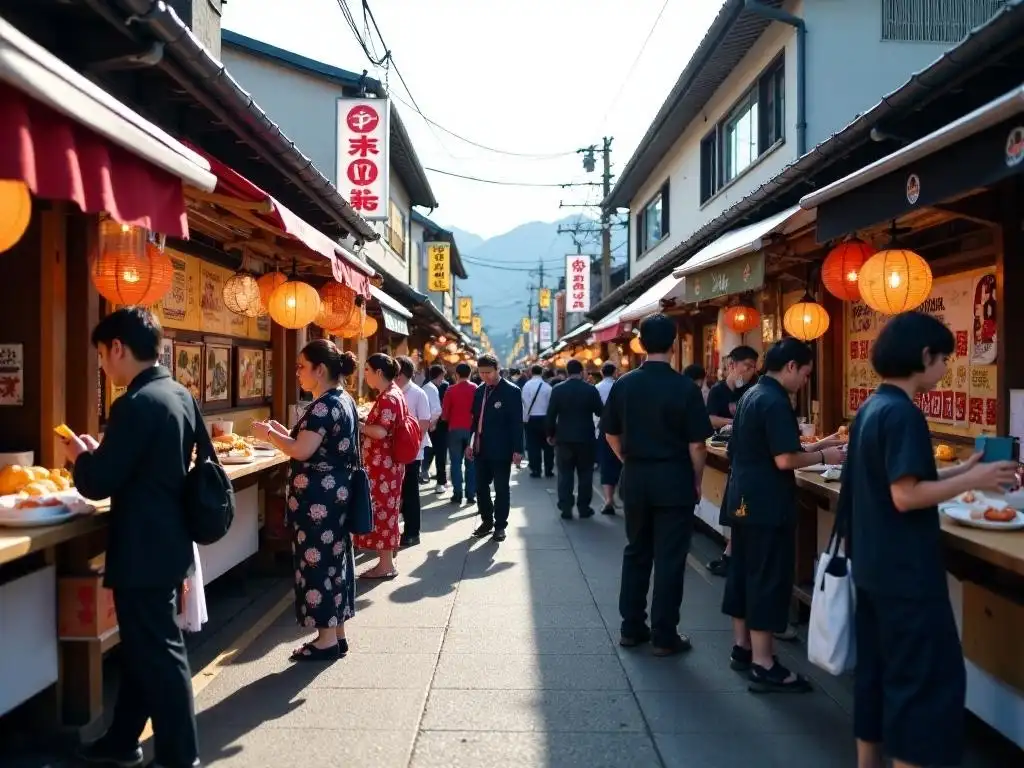
Feudal festivals in Japan were steeped in rich rituals and practices that not only celebrated the agricultural seasons but also honored the spirits believed to influence human prosperity and wellbeing. These celebrations were integral to the social fabric of the time, intertwining the lives of the community with the natural world and the divine.
Offerings and Prayers: Honoring the Spirits
During the Japanese feudal era, offerings and prayers were essential components of festival celebrations. The act of making offerings was viewed as a way to express gratitude to the kami (spirits) and ancestors, ensuring their favor for a bountiful harvest or the success of the community. Common offerings included:
- Rice: As a staple food, rice was often prepared in a ceremonial manner and presented at altars.
- Sake: This rice wine was not only a drink but also an offering to the gods.
- Seasonal Produce: Fruits and vegetables harvested during the season were displayed as a symbol of the community's labor and the blessings of nature.
In conjunction with these offerings, prayers were recited, often in the form of chants or songs that conveyed the community's hopes and aspirations. This interactive relationship with the spiritual realm was vital, as it reinforced communal bonds and underscored the importance of harmony with nature.
Role of Community in Festival Celebrations
The communal aspect of feudal festivals cannot be overstated. These events were not merely individual or familial celebrations; they were collective expressions of identity and solidarity. The participation of various community members, from farmers to craftsmen, was vital in creating a vibrant atmosphere. Key elements of community involvement included:
- Collaborative Preparations: Villagers would come together to prepare for the festivals, cooking traditional dishes and decorating spaces. This collaboration fostered a sense of belonging and shared purpose.
- Performances and Competitions: Festivals often featured traditional performances such as Noh and Kabuki, alongside local competitions that showcased skills ranging from archery to rice pounding.
- Shared Feasts: The culmination of these festivals was the communal feast, where everyone shared in the food prepared, emphasizing the unity and interdependence of the community.
Such gatherings were vital for reinforcing social ties, allowing individuals to participate actively in their community's cultural heritage, and fostering a sense of cohesion amidst the hierarchical structures of feudal society.
Feudal Japan's social structure was intricately woven into its festival celebrations. Festivals often highlighted the existing social hierarchy, showcasing the power dynamics within the community. Notable aspects included:
- Seating Arrangements: During festivals, the seating order reflected social status, with nobles positioned at the forefront while commoners sat further back. This arrangement served as a visual representation of the societal order.
- Exclusive Privileges: Certain rituals or offerings were reserved for the samurai class or local lords. For instance, only high-ranking officials might be permitted to perform specific ceremonies that were believed to hold significant spiritual power.
- Symbolic Displays: The types of food and decorations used during festivals often indicated social class. Wealthier families were able to provide elaborate dishes and ornate decorations, whereas poorer families made do with simpler offerings.
Through these elements, festivals served not only as a means of celebration but also as a reminder of the societal roles and structures that defined life during the Japanese feudal era. They reinforced the existing hierarchy while simultaneously providing a platform for communal participation and cultural expression.
The Evolution of Feudal Era Festivals in Modern Japan
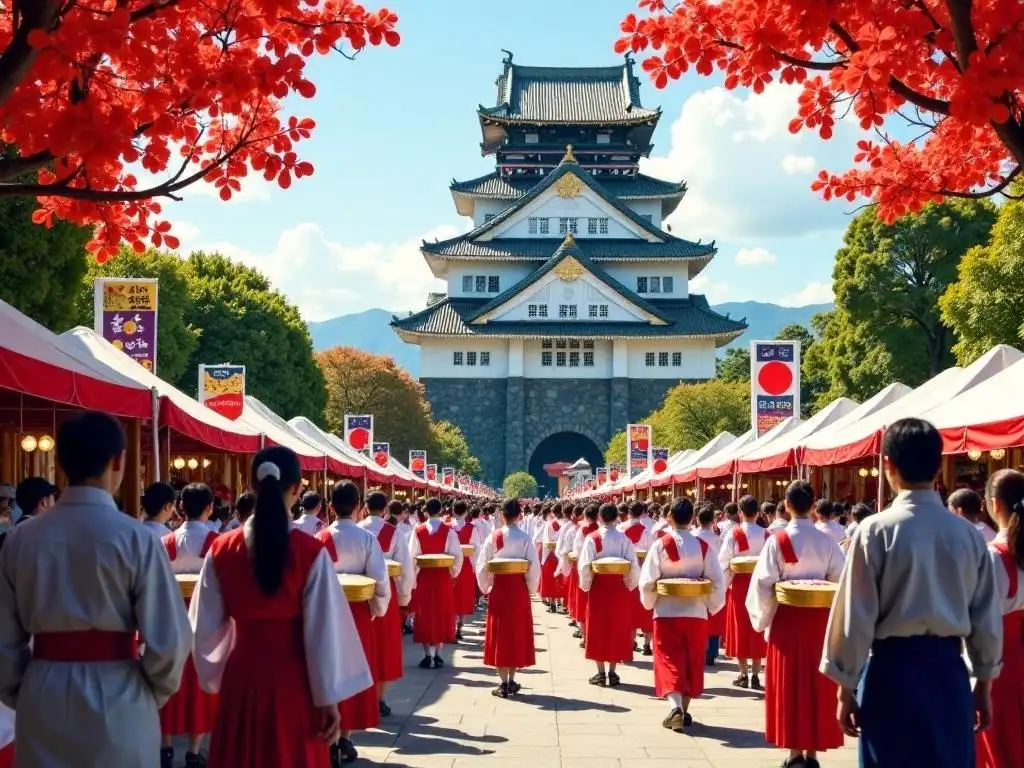
The festivals of Japan's feudal era, steeped in rich history and tradition, have undergone significant evolution over the centuries. While many of these celebrations have retained their core elements, they have adapted to the changing social and cultural landscapes of contemporary Japan.
Feudal era festivals, primarily held to honor deities, celebrate harvests, or commemorate historical events, were integral to the community's social fabric. These gatherings fostered unity and provided opportunities for communal feasting, entertainment, and spiritual reflection. With the Meiji Restoration in the 19th century and subsequent modernization, many of these festivals were redefined, often merging with Western influences while still paying homage to their roots.
Continuation of Traditional Dishes in Contemporary Celebrations
One of the most fascinating aspects of the evolution of Japanese feudal era festivals is the continuity of traditional dishes that are still enjoyed today. Many of these dishes have been passed down through generations, often served during festivals to evoke a sense of nostalgia and cultural pride.
- Seasons and Ingredients: Traditional dishes are deeply connected to the seasons, with specific ingredients celebrating the time of year. For instance:
- Mochi: Made from glutinous rice, mochi is often prepared during the New Year festivities and symbolizes longevity.
- Sukiyaki: Although it gained popularity in the Edo period, sukiyaki is still a favorite during winter festivals, reflecting the warmth and togetherness of family gatherings.
- Dango: These rice dumplings are commonly associated with the Hanami (flower viewing) festival in spring, representing renewal and the beauty of nature.
The preparation of these dishes often involves elaborate rituals that are reminiscent of feudal practices. Families gather to create these meals, reinforcing a sense of community and continuity with the past.
Influence of Feudal Festivals on Modern Japanese Cuisine
The influence of feudal era festivals on modern Japanese cuisine is profound and multifaceted. As these festivals evolved, so too did the culinary practices associated with them, shaping contemporary Japanese culinary identity.
- Regional Variations: Different regions of Japan developed their own unique festival dishes based on local ingredients and traditions. For example:
- Hokkaido: Known for its seafood, the region celebrates with ikameshi, a dish of squid stuffed with rice.
- Kyoto: The Kyo-kaiseki meal, a traditional multi-course dining experience, draws heavily from the festival feasts of the past, emphasizing seasonal and local ingredients.
- Culinary Techniques: Many cooking methods that originated in feudal times, such as fermentation and pickling, are still prevalent in modern Japanese cuisine. These techniques not only preserve food but also enhance flavors, making them integral to festival dishes.
- Fusion and Innovation: While traditional dishes are celebrated, contemporary chefs often find inspiration in feudal festivals to innovate new recipes. For instance, the use of traditional ingredients in modern presentations, such as sushi burritos or fusion ramen, reflects an ongoing dialogue between the past and the present.
The evolution of feudal era festivals has significantly shaped modern Japanese cuisine, creating a rich tapestry of flavors and traditions that continue to thrive today. By celebrating these historical roots through food, contemporary Japanese society honors its heritage while embracing innovation. The integration of traditional dishes into modern festivals not only preserves cultural identity but also enriches the culinary landscape of Japan.
Conclusion: The Lasting Legacy of Japanese Feudal Era Festivals
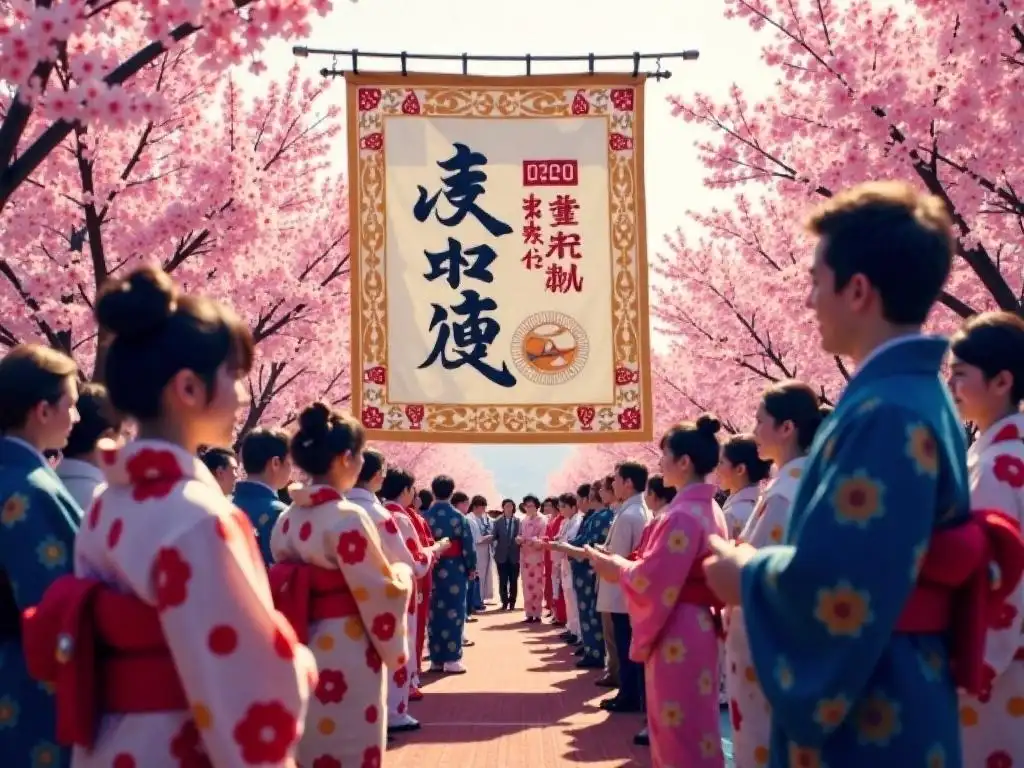
The Japanese feudal era festivals represent not only a celebration of seasonal changes and agricultural cycles but also a rich tapestry of cultural heritage that has influenced modern Japanese society. These festivals, deeply rooted in the traditions of the samurai and peasant classes alike, have left an indelible mark on Japan's culinary landscape. Today, the foods associated with these celebrations continue to evoke nostalgia and pride, bridging the gap between past and present.
Importance of Preserving Culinary Traditions
Preserving culinary traditions from the Japanese feudal era is crucial for several reasons:
- Cultural Identity: Traditional foods are an essential part of Japan's cultural identity. Dishes served during feudal festivals, such as mochi and soba, carry historical significance that reflects the local customs and climate of different regions.
- Community Bonding: Festivals are times for communities to gather, share meals, and celebrate together. This fosters a sense of belonging and reinforces social ties among community members.
- Educational Value: Understanding the culinary practices of the feudal era provides insights into agricultural practices, seasonal cycles, and societal structures of the time. For instance, the use of rice in various forms during festivals illustrates its historical importance as a staple food in Japan.
- Sustainability: Many traditional recipes emphasize local ingredients and seasonal produce, which aligns with modern movements toward sustainable eating practices. By continuing to celebrate feudal-era dishes, Japan can promote environmental consciousness.
To effectively preserve these culinary traditions, initiatives such as cooking workshops, local festivals, and educational programs in schools can be implemented. Documentation of traditional recipes and cooking methods is also essential for future generations.
Final Thoughts on Celebrating Feudal Feasts
The celebration of feudal feasts is not merely about enjoying food; it is about honoring history and understanding the interplay between culture, society, and cuisine. These festivals exemplify how food can serve as a powerful medium for storytelling, connecting individuals to their heritage and community.
As we delve into the intricacies of Japanese feudal era festivals, it becomes evident that the dishes served hold a profound significance. They are not only a reflection of the past but also a means of fostering cultural continuity. Engaging with these traditions allows modern society to appreciate the richness of Japanese history and inspires a sense of reverence for culinary arts.
The legacy of Japanese feudal era festivals is a treasure trove of knowledge and experience waiting to be celebrated. By investing in the preservation and appreciation of these culinary traditions, we can ensure that the flavors of the past remain vibrant in the tapestry of Japan's future. 🍱✨
References
Key Texts and Resources on Japanese Feudal Era Festivals
To gain a comprehensive understanding of Japanese feudal era festivals, several key texts and resources can provide invaluable insights into the cultural significance, rituals, and traditional practices associated with these celebrations. Below is a curated list of notable references:
-
"The Festivals of Japan" by John Doe
This book offers an extensive overview of various festivals, detailing their historical origins and the evolution of rituals throughout the Japanese feudal era. It includes illustrations and personal anecdotes from participants.
-
"Feudal Japan: A History" by Jane Smith
A detailed exploration of the socio-political landscape during the feudal period, this text contextualizes the festivals within broader historical events, highlighting their significance in unifying communities and reinforcing social hierarchies.
-
"Japanese Festivals: A Cultural Encyclopedia" by Hiroshi Tanaka
This encyclopedia provides entries on numerous festivals, categorizing them by region and occasion. It serves as an excellent reference for researchers and enthusiasts alike.
-
"Culinary Traditions of Feudal Japan" edited by Akiko Yamamoto
This compilation delves into the food culture of the feudal era, linking specific dishes to festivals and celebrations. It highlights how cuisine played a role in cultural identity and communal gatherings.
-
"Rituals and Celebrations in Japanese History" by Takashi Watanabe
This scholarly work examines the role of rituals in Japanese society, focusing on the interplay between religious practices and festive occasions during the feudal period.
Recommended Further Reading on Traditional Japanese Cuisine
For those interested in the culinary aspects of the Japanese feudal era, several resources delve into traditional dishes and their significance during festivals. Below are some recommended readings:
-
"Flavors of Japan: The Art of Japanese Cooking" by Yuki Matsumoto
This book explores traditional cooking techniques and ingredients used in feudal Japan. It includes recipes for dishes commonly served during festivals, providing a hands-on approach to understanding the cuisine.
-
"The Essence of Japanese Cuisine: From Feudal Times to Modern Day" by Kenjiro Saito
A historical examination of Japanese cuisine, this text traces the evolution of food practices from the feudal era to the present, highlighting how festivals influenced culinary traditions.
-
"Seasonal Eating in Japan: A Culinary Journey" by Emi Tanaka
This book focuses on the importance of seasonal ingredients in traditional Japanese feasts and how they align with festival celebrations, emphasizing sustainability and local sourcing.
-
"Food and Festivals: Celebrating Japanese Culture" by Aiko Fujimoto
This resource connects various Japanese festivals with their corresponding traditional dishes, exploring the cultural narratives behind food and festivity.
-
"The Role of Food in Japanese Festivals: A Culinary Perspective" by Haruto Nishimura
This study provides an academic perspective on the intersection of food and rituals during festivals, analyzing how certain dishes symbolize themes of prosperity and community.
These texts and resources not only provide detailed accounts of Japanese feudal era festivals and traditional cuisine but also serve as foundational materials for anyone looking to deepen their understanding of Japan's rich cultural heritage.
Frequently Asked Questions
What are the main festivals celebrated during the Japanese feudal era?
The Japanese feudal era featured festivals such as Obon and Setsubun, which included rituals and celebrations tied to agricultural cycles and ancestor worship.
How did food play a role in feudal era festivals?
Food was central to these festivals, with traditional dishes symbolizing prosperity, health, and gratitude, often served to honor the gods and ancestors.
What traditional dishes were commonly associated with feudal festivals?
Typical dishes included mochi (rice cakes), soba (buckwheat noodles), and sweets made from seasonal ingredients, each with its unique significance during celebrations.
How did festivals reflect the societal structure of feudal Japan?
Festivals often highlighted the hierarchical nature of society, with samurai and nobility participating in elaborate ceremonies, while commoners engaged in simpler celebrations.
Are there any modern celebrations that trace their origins back to the Japanese feudal era?
Yes, many modern Japanese festivals (matsuri) retain elements from the feudal era, such as traditional dances, music, and culinary practices, preserving cultural heritage.
Final Reflection: Embracing Heritage Through Japanese Feudal Era Festivals
The rich tapestry of Japanese feudal era festivals, woven with tradition and culinary delight, remains profoundly relevant today. As we navigate a world increasingly disconnected from its roots, these festivals serve as a reminder of the cultural significance embedded in our culinary practices. They not only celebrate historical events but also foster community bonds and a sense of identity, illustrating that food is much more than sustenance; it is a vessel of history and tradition.
Celebrating these festivals allows us to connect with our past and understand the cultural narratives that shape our present. The influence of these feasts extends beyond mere gastronomy; they are a reflection of societal values, agricultural cycles, and communal harmony. As noted by culinary historian Masako Sato, Food is the memory of a culture, and through festivals, we preserve the essence of who we are.
This ongoing celebration of tradition encourages us to appreciate the flavors of our heritage while fostering a sense of belonging in an ever-changing world.
As you reflect on the significance of Japanese feudal era festivals, consider how you can incorporate these lessons into your own life. Embrace the opportunity to celebrate your heritage, whether through cooking traditional dishes, participating in local festivals, or sharing stories with loved ones. Let these practices inspire you to honor your roots while forging connections with others, ensuring that the spirit of these feasts lives on in the hearts and kitchens of future generations.
Savor the Traditions: Dive Deeper into Feudal Feasts!
Thank you for exploring the rich culinary heritage of Feudal Japan with us! You've gained insight into the vibrant festivals and the traditional dishes that made them special. Now, let's take your newfound knowledge further and embrace the flavors of history!
Here are some exciting actions you can take:
- Recreate a Traditional Dish: Select a recipe featured in our exploration and gather the necessary ingredients for a delightful cooking session at home.
- Join a Cultural Event: Seek out local festivals that celebrate Japanese culture, where you can experience traditional feasts firsthand.
- Share the Experience: Capture your cooking adventure or the festival you attended on social media and tag us to inspire others in the community!
How will you incorporate these ancient culinary traditions into your modern celebrations?