
From Silk to Sake: The Diverse Crafts of Japan's Feudal Merchants

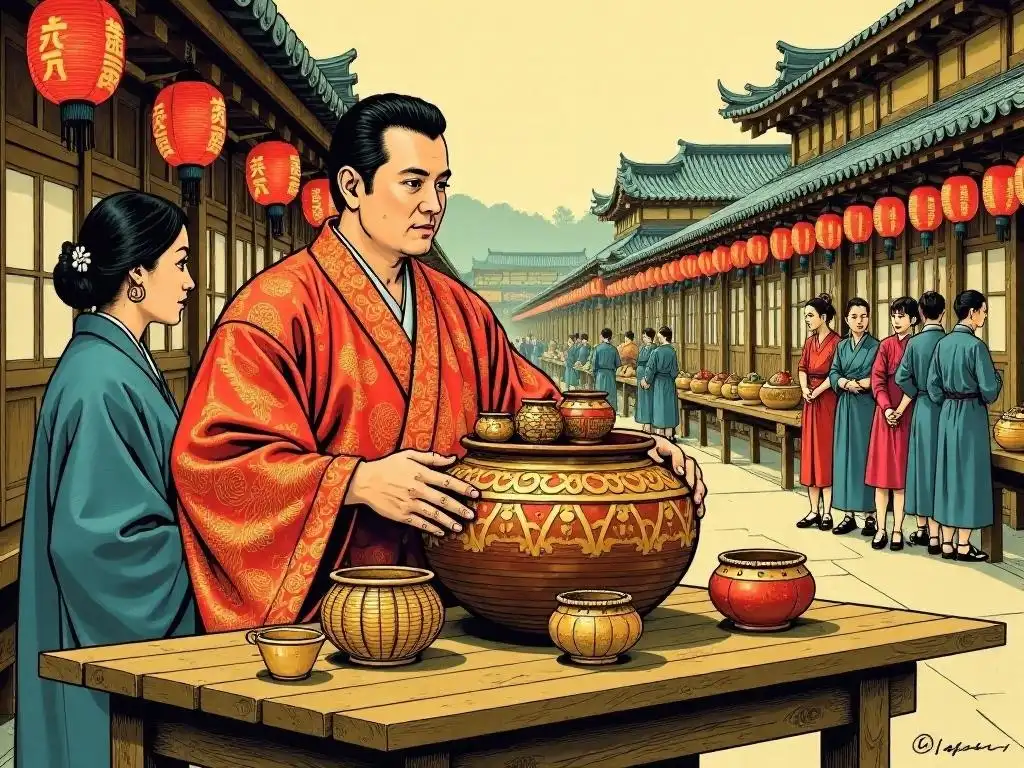
Welcome to Feudal Japan History, your gateway to the rich tapestry of Japan's feudal era! Dive into the fascinating world of craftsmanship as we unravel the intricate stories behind the artisans who shaped society during this captivating period. In our featured article, "From Silk to Sake: The Diverse Crafts of Japan's Feudal Merchants," we explore the unique skills and traditions that flourished, offering a glimpse into the vibrant culture that defined an era. Are you ready to uncover the hidden treasures of Japan's feudal crafts? Let the journey begin!
- Introduction to Japan's Feudal Era Crafts
- The Role of Merchants in Feudal Japan
- Key Crafts of Japan’s Feudal Era
- The Interconnection of Crafts and Culture
- Challenges Faced by Craftsmen and Merchants
- Conclusion: The Legacy of Feudal Crafts in Modern Japan
-
Frequently Asked Questions
- What are the main crafts associated with the Japan feudal era?
- How did feudal merchants influence craft production?
- What materials were commonly used in feudal crafts?
- How did the cultural significance of crafts change during the feudal era?
- Are there any modern crafts that trace their origins back to the feudal era?
- Final Reflection: The Enduring Legacy of Japan's Feudal Era Crafts
- Unleash Your Curiosity: Discover Japan’s Craft Heritage!
Introduction to Japan's Feudal Era Crafts
The feudal era of Japan, spanning from the 12th to the 19th century, marks a significant period in the nation's history that fostered a rich tapestry of cultural and economic developments. Within this context, crafts emerged as a vital force, reflecting the intricate relationships between artisans, merchants, and the broader society.
This article delves into the diverse crafts that flourished during Japan's feudal era, ranging from the delicate art of silk weaving to the meticulous brewing of sake, highlighting the profound impact these crafts had on both local communities and the national economy. By examining the roles of craftsmen and merchants, we can gain a deeper appreciation for how these artisans contributed to Japan's cultural heritage and economic prosperity during a time of social stratification and political upheaval.
Overview of the Feudal Era in Japan
The feudal era in Japan, often characterized by a rigid social hierarchy and a decentralized political structure, began with the rise of the samurai class and the establishment of the shogunate. This period saw the emergence of powerful feudal lords, known as daimyo, who controlled vast estates and relied heavily on the labor of peasants and the skills of artisans.
Key features of this era include:
- Social Structure: Society was divided into distinct classes, including the samurai (warriors), farmers, artisans, and merchants, each playing specific roles within the feudal system.
- Economic Shifts: With the growth of urban centers, the merchant class began to flourish, leading to increased trade and the spread of various crafts.
- Cultural Flourishing: The period witnessed a vibrant cultural exchange, fostering the development of traditional arts, crafts, and practices that continue to influence Japanese culture today.
Understanding this historical backdrop is essential to appreciate the significance of the crafts developed during Japan's feudal era.
Importance of Crafts in Feudal Society
Crafts held a pivotal role in feudal Japanese society, serving not only as means of livelihood but also as expressions of cultural identity and artistic skill. The importance of crafts can be examined through several dimensions:
- Economic Contribution: Crafts contributed significantly to local economies and were central to trade. Artisans often produced goods that were traded in bustling markets, thus supporting both their families and the broader community.
- Cultural Identity: Many crafts were tied to regional identities, with specific techniques and styles developing in response to local materials and cultural preferences. This regionalism fostered a sense of pride and identity among both artisans and consumers.
- Skill and Mastery: The dedication to craftsmanship was highly valued, often requiring years of training and apprenticeship. Master artisans were respected figures in their communities, and their works were considered treasures, reflecting both skill and heritage.
The crafts of Japan's feudal era were not only economically significant but also culturally enriching, providing insights into the social dynamics of the time while laying the groundwork for future artistic expressions.
The Role of Merchants in Feudal Japan
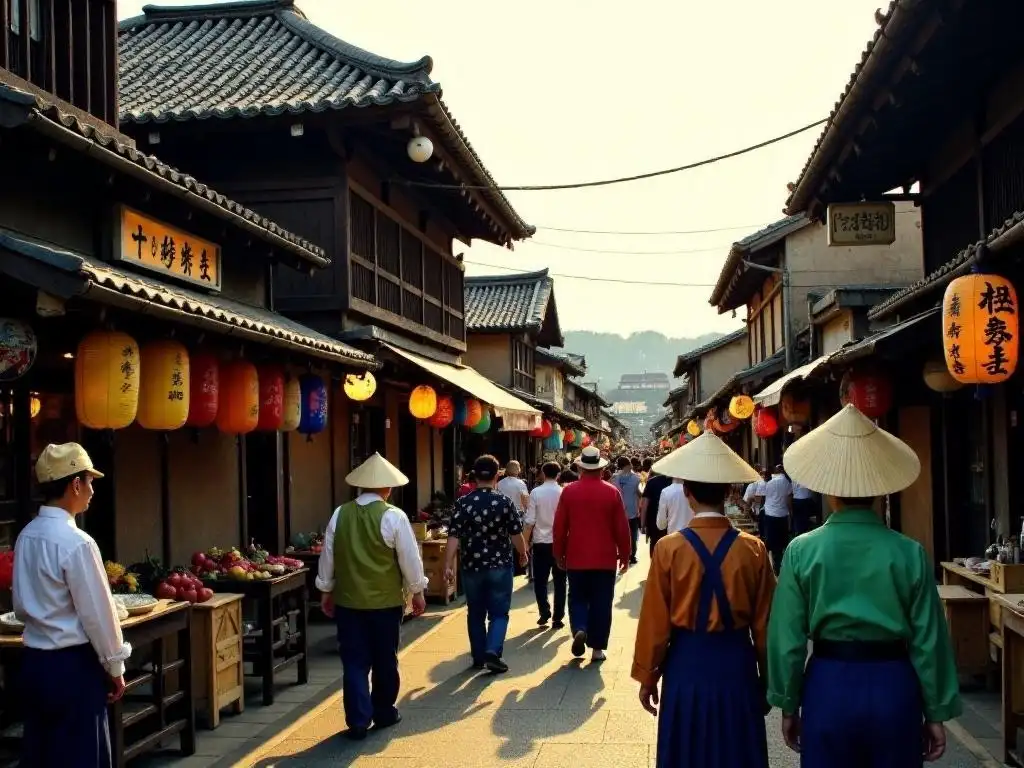
Economic Influence of Feudal Merchants
During the Japan feudal era, merchants played a pivotal role in shaping the economy, despite their lower social status compared to samurai and farmers. The economic influence of these merchants can be understood through several key aspects:
- Trade Networks: Merchants established intricate trade networks that connected various regions of Japan. They facilitated the exchange of goods such as silk, ceramics, and rice, which were essential for both local consumption and international trade. Notably, the flourishing trade with China and Korea introduced new products and ideas, enriching Japanese culture.
- Market Development: The growth of towns, especially during the Edo period (1603-1868), can be attributed to merchant activities. These towns became vital commercial hubs, leading to the rise of markets where artisans and farmers could sell their goods. Merchants not only sold imported goods but also local products, stimulating regional economies.
- Financial Innovations: Merchants introduced various financial practices, such as credit systems and promissory notes, which laid the groundwork for modern banking. Their ability to provide loans to farmers and artisans allowed for increased production and economic growth, demonstrating their indirect yet substantial impact on the economy.
- Cultural Exchange: Through trade, merchants acted as cultural intermediaries, bringing foreign ideas, technologies, and customs to Japan. This exchange influenced various aspects of daily life, from cuisine to fashion, contributing to the rich tapestry of Japanese culture during the feudal era.
In the rigid social structure of feudal Japan, merchants occupied a unique position. Although they were essential for the economy, their social status was often considered lower than that of samurai and farmers.
- Class Structure: The feudal hierarchy was primarily divided into four classes: samurai, farmers, artisans, and merchants. Merchants were placed at the bottom of this hierarchy, viewed as profit-seeking individuals. Their wealth did not translate to social prestige, which was reserved for those who upheld the code of honor, such as the samurai.
- Perceptions and Stereotypes: Merchants were often stereotyped negatively, associated with greed and exploitation. This perception was reinforced by Confucian ideals, which emphasized the virtues of agricultural production over commerce. As a result, merchants had to navigate a complex social landscape, often resorting to strategies to gain respect and influence.
- Wealth and Influence: Despite their lower status, wealthy merchants could wield significant power through economic means. Some merchants, particularly in the Edo period, amassed fortunes that rivaled those of the samurai. Their ability to finance samurai families or invest in local governance allowed them to gain a degree of influence that transcended their social rank.
- Cultural Contributions: The contributions of merchants extended beyond economics. Many were patrons of the arts, supporting the development of traditional crafts, theater, and literature. Their investment in cultural activities helped to foster a vibrant cultural scene that enriched Japan’s feudal society.
While merchants in the Japan feudal era faced challenges due to their social status, their economic influence and contributions to culture were substantial, revealing a complex interplay between commerce and societal norms.
Key Crafts of Japan’s Feudal Era

Silk Production and Weaving Techniques
Historical Significance of Silk in Japan
Silk has held a prominent place in Japanese culture since ancient times, particularly during the feudal era (1185-1868). The introduction of sericulture, or silk farming, significantly transformed the textile industry in Japan. By the 8th century, Japan had developed its own methods of silk production, which became essential not only for clothing but also for trade and diplomatic relations. Silk garments were symbols of status and wealth, often reserved for the elite and nobility.
The demand for high-quality silk surged during the Heian period (794-1185), leading to advancements in weaving techniques. The intricate designs and vibrant colors of silk fabrics became a hallmark of Japanese artistry, influencing fashion trends within and beyond Japan's borders. By the Edo period (1603-1868), silk had become a vital part of the economy, with merchants and artisans specializing in various aspects of silk production.
Techniques Used in Silk Weaving
The silk weaving process in Japan is marked by a variety of traditional techniques that have been passed down through generations. Among the most notable methods are:
- Kyo-Yaki: Originating from Kyoto, this method combines silk weaving with intricate dyeing techniques. The use of natural dyes results in vibrant colors that reflect seasonal themes and cultural motifs.
- Tsumugi: This technique involves weaving silk from cocoon remnants, creating a textured fabric that is both durable and unique. Tsumugi silk is often associated with rustic and traditional garments.
- Obi Weaving: Obi, the traditional sash worn with kimono, showcases complex weaving patterns and designs. Artisans often incorporate gold and silver threads, elevating the obi's aesthetic value.
- Kasuri: This resist-dyeing technique produces distinctive patterns on silk fabric by tying and dyeing threads before weaving. The resulting designs are celebrated for their beauty and cultural significance.
These traditional weaving techniques not only demonstrate the skills of artisans but also reflect the historical and cultural narratives of Japan's feudal era.
Sake Brewing: A Cultural Craft
The Process of Sake Production
Sake, often referred to as rice wine, is a quintessential component of Japanese culture, with its production dating back to the Heian period. The brewing process is intricate, involving several key steps:
- Rice Selection: High-quality sake begins with the choice of rice, specifically varieties like Yamada Nishiki, which are known for their starch content and flavor profile.
- Polishing the Rice: The rice is polished to remove the outer layers, enhancing its purity. The level of polishing directly affects the quality of the sake, with premium sake requiring a higher degree of polishing.
- Steaming the Rice: The polished rice is steamed, making it suitable for fermentation. This step is crucial as it allows the rice to absorb moisture and become soft.
- Koji Cultivation: Koji mold (Aspergillus oryzae) is introduced to steamed rice, converting starches into sugars, which are essential for fermentation.
- Fermentation: The koji rice is combined with yeast and more steamed rice in a fermentation tank. This process can take several weeks, during which yeast converts sugars into alcohol and carbon dioxide.
- Pressing and Filtration: After fermentation, the mixture is pressed to separate the liquid sake from the solids. The sake is then filtered to achieve clarity.
- Aging and Bottling: Finally, the sake is aged for a specific period, allowing flavors to develop before being bottled for consumption.
Sake's Role in Japanese Society and Rituals
Sake is deeply embedded in Japanese society, serving not only as a beverage but also as a symbol of celebration and spirituality. It plays a vital role in various rituals and ceremonies, including:
- Shinto Offerings: Sake is often offered to the kami (spirits) during Shinto rituals as a gesture of respect and gratitude.
- Weddings and Celebrations: It is customary to serve sake during significant life events, such as weddings, where the couple participates in a ritual known as san-san-kudo, symbolizing their union.
- Seasonal Festivals: Many local festivals feature sake as a central element, with brewers showcasing their finest products to the community.
The cultural significance of sake extends beyond mere consumption; it encapsulates the essence of Japanese hospitality and the importance of community, making it a celebrated craft of the Japan feudal era.
Pottery and Ceramics in Feudal Japan
Pottery and ceramics played a crucial role in the daily life and culture of feudal Japan. With a history dating back thousands of years, these crafts evolved significantly during the feudal era, influenced by regional resources, aesthetic preferences, and the demands of society. Pottery was not only functional but also served as a reflection of the artistic sensibilities and social status of its makers and users. The development of distinct styles and techniques illustrated the diversity of craftsmanship available in different regions of Japan, making pottery a vital aspect of the feudal economy and culture.
Types of Pottery and Their Uses
Feudal Japan saw a variety of pottery types, each with its unique characteristics and purposes. Some of the most notable types include:
- Jomon Pottery: One of the oldest types of Japanese pottery, characterized by its cord-marked designs. Initially used for cooking and storage, Jomon pottery later evolved into more decorative forms.
- Haniwa: These clay figures were created during the Kofun period (circa 250-538 AD) and were used as grave markers. While they are not strictly functional pottery, Haniwa hold significant cultural and archaeological value.
- Tea Ceramics: With the rise of the tea ceremony during the Muromachi period, ceramics specifically designed for tea preparation and serving emerged, including bowls (chawan) and containers (natsume). The aesthetics of these pieces emphasized simplicity and natural beauty.
- Mizusashi and Kyusu: These water containers and teapots became essential in tea ceremonies, showcasing intricate designs and craftsmanship that reflected the artisans' skills and the period's aesthetic values.
Each type of pottery served not only a practical function but also contributed to the social and cultural practices of the time, making them integral to both daily life and ceremonial occasions.
Famous Pottery Regions and Styles
Japan’s diverse geography contributed to the emergence of distinct pottery styles and regions, each with unique qualities. Some of the most renowned pottery regions include:
- Seto: Located in Aichi Prefecture, Seto is one of the Six Ancient Kilns of Japan. It is known for its stoneware, particularly Seto-yaki, characterized by its durability and variety of glazes.
- Tokoname: Famous for its teapots, Tokoname-yaki is recognized for its reddish-brown earthenware. The region's clay is particularly suited for creating functional and aesthetically pleasing tea vessels.
- Bizen: This region in Okayama Prefecture is known for its unglazed pottery, which features a distinctive reddish-brown color and natural ash patterns. Bizen ware emphasizes the beauty of simplicity and the raw qualities of clay.
- Arita: Renowned for its porcelain, Arita-yaki combines intricate designs with durability. This region became a significant exporter of fine porcelain during the Edo period, showcasing vibrant colors and detailed motifs.
These regions not only contributed to the rich tapestry of Japan's feudal crafts but also became important centers of trade and exchange, influencing cultural practices across the country.
Woodworking and Joinery Crafts
Woodworking and joinery were essential crafts in feudal Japan, underpinning both functional and aesthetic aspects of society. The availability of abundant timber resources allowed for a wide range of applications, from building homes and temples to creating intricate furniture and decorative items. The skills involved in woodworking were passed down through generations, reflecting a deep respect for nature and craftsmanship.
Traditional Techniques in Woodcraft
Feudal Japanese woodworking is characterized by its unique techniques, which emphasize precision and craftsmanship. Key methods include:
- Kigumi: This traditional joinery technique involves interlocking wooden pieces without the use of nails. Kigumi showcases the skill and artistry of the craftsman while allowing for flexibility and strength in structures.
- Dovetail Joinery: Used extensively in furniture making, dovetail joints are known for their strength and durability. This technique involves cutting interlocking shapes into the wood to create a secure connection, often seen in chests and cabinetry.
- Shaku: A method of measuring and cutting wood that ensures precise dimensions. The use of shaku is crucial for achieving symmetry and balance in furniture and architectural elements.
These techniques not only highlight the craftsmanship of Japanese woodworkers but also reflect a philosophy that values harmony with nature and meticulous attention to detail.
The Significance of Wood in Feudal Architecture
Wood played a pivotal role in feudal Japanese architecture, influencing both the design and construction of buildings. Key points include:
- Flexibility and Aesthetics: Wood is a flexible material that allows for the creation of intricate designs and structures, including temples, shrines, and homes. The natural beauty of wood contributed to the aesthetic appeal of these buildings, emphasizing harmony with the surrounding environment.
- Cultural Symbolism: In Shinto and Buddhist traditions, wood is often seen as a sacred material. Temples and shrines made from wood reflect the spiritual connection between nature and the divine, serving as places of worship and community gathering.
- Sustainability: The use of wood in construction aligns with sustainable practices, as it is a renewable resource. Feudal Japan’s reliance on timber for building materials reflects a deep understanding of environmental stewardship that resonates with modern sustainability principles.
Through these aspects, woodworking and architecture together reflect the cultural, spiritual, and practical dimensions of life in feudal Japan, showcasing the artisans' skill and the society's values.
The Interconnection of Crafts and Culture
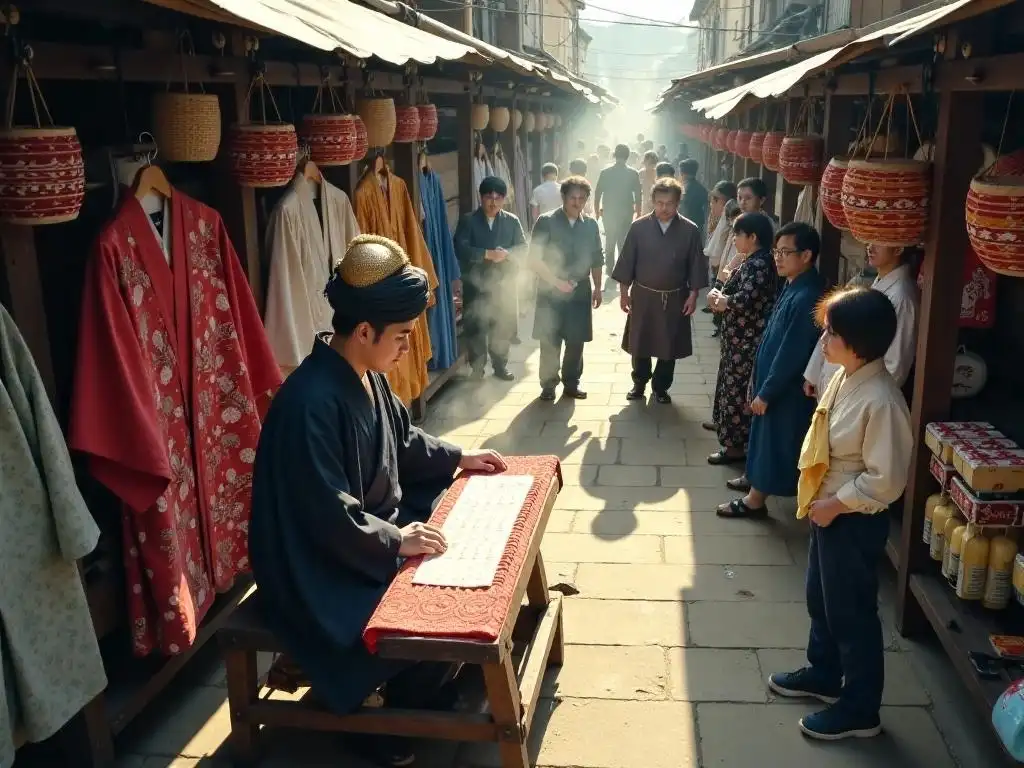
Crafts in the Japan feudal era were not simply trades; they were an integral part of the cultural fabric that defined society. The artisans who practiced these crafts often played a critical role in shaping local traditions, aesthetics, and even the economy. From the delicate weaving of silk to the intricate designs of pottery, these crafts were deeply interwoven with the cultural identity of the regions where they thrived.
The importance of crafts extended beyond mere utility; they were a way to express artistic values and preserve cultural heritage. Artisans often passed their skills down through generations, ensuring that techniques and styles were maintained and adapted over time. This continuity allowed crafts to evolve while still honoring their historical roots, creating a rich tapestry of artistic expression across the country.
Additionally, crafts served as a means of communication among the various social classes. The styles, colors, and materials used in different crafts often conveyed specific messages about the artisans' backgrounds and the communities they represented. As such, the craftsmanship of the feudal era is not only a testament to the skills of individual artisans but also a reflection of the broader societal values and norms of the time.
How Crafts Influenced Daily Life in Feudal Japan
Crafts had a profound impact on daily life during the Japan feudal era, influencing everything from clothing to the tools used in agriculture. Each craft produced items that were essential for survival, comfort, and social gatherings, making them vital to the everyday lives of the people.
- Functional Art: Many crafts were designed with functionality in mind. For instance, the production of pottery was essential for both cooking and storage, with styles varying by region to reflect local tastes and needs. Similarly, textiles woven for clothing not only served practical purposes but also reflected the seasonality and climate of the area.
- Cultural Rituals: Crafts also played a significant role in cultural rituals and festivals. Items crafted for ceremonies, such as sake barrels and ceremonial garments, were often imbued with symbolism and meaning. This added depth to celebrations and marked important life events, such as weddings and festivals.
- Community Identity: The craftspeople often formed guilds or associations that fostered a sense of community and identity. These groups not only provided mutual support but also created a collective reputation for quality and craftsmanship that could elevate the status of their products. Local festivals celebrating these crafts became central to community life, reinforcing social bonds and shared heritage.
In feudal Japan, crafts were closely tied to social status and power dynamics. The types of crafts one practiced and the quality of the goods produced could significantly influence an artisan's standing within society.
- Class Distinctions: Certain crafts were associated with higher social classes, while others were seen as more common or lower-status occupations. For example, the crafting of fine silk textiles was reserved for the elite, and only those with considerable resources could afford such luxuries. In contrast, everyday pottery and textiles were produced for the masses, reflecting the differing social strata of feudal Japan.
- Patronage and Influence: Many artisans relied on the patronage of samurai or wealthy merchants. This relationship could elevate an artisan's status, as being associated with a powerful figure often brought recognition and opportunities for advancement. Conversely, artisans without such connections faced challenges in gaining respect and market access.
- Cultural Capital: The prestige associated with certain crafts could also translate into cultural capital. For example, master craftsmen who specialized in sword-making or lacquerware were highly regarded for their skills, often achieving a level of fame that allowed them to command higher prices for their work. This status created a hierarchy within the craft community, where certain artisans were seen as leaders, influencing trends and standards across the industry.
The crafts of the Japan feudal era were much more than mere occupations; they were vital expressions of culture, societal structure, and personal identity. Through their influence on daily life and their reflection of social status, crafts played a pivotal role in shaping the historical narrative of this rich and complex period.
Challenges Faced by Craftsmen and Merchants
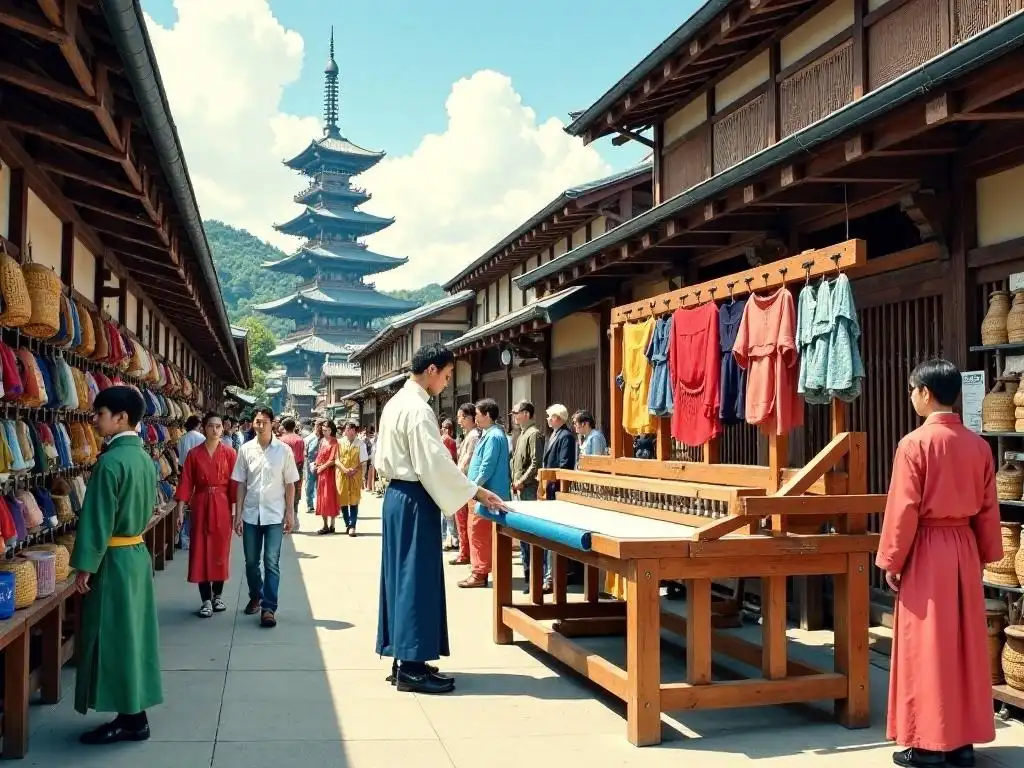
The Japan feudal era was a time of intricate social hierarchies and economic complexities, which posed numerous challenges for craftsmen and merchants. These challenges not only affected their livelihoods but also shaped the cultural landscape of the time. Understanding these obstacles provides insight into the resilience and adaptability of artisans and merchants during this period.
Economic Challenges in the Craft Industry
Craftsmen during the Japan feudal era faced a multitude of economic challenges that influenced their production and sales.
- Market Competition: The craft industry was crowded with numerous artisans producing similar goods. This competition often led to price wars, forcing craftsmen to lower their prices to attract customers. Many skilled artisans struggled to maintain their livelihoods in such a competitive environment.
- Feudal Obligations: Craftsmen were often bound by the feudal system, where they had to pay tribute to their local lords. This meant that a significant portion of their earnings went to feudal lords, leaving them with limited resources to reinvest in their crafts.
- Supply Chain Issues: The availability of raw materials was another significant hurdle. Natural disasters, such as typhoons or earthquakes, often disrupted supply lines, making it difficult for craftsmen to obtain essential materials. For instance, the silk industry, pivotal in regions like Kanto, suffered during pest outbreaks that affected silk production.
- Economic Shifts: The introduction of new trade routes and foreign influences during the late Edo period began to change the economic landscape. While this brought new opportunities, it also meant that traditional crafts had to compete with imported goods, which were often cheaper and more varied.
| Economic Challenges | Description |
|---|---|
| Market Competition | Intense rivalry among artisans leading to lower prices and reduced profits. |
| Feudal Obligations | Tribute payments to lords limited craftsmen's financial freedom. |
| Supply Chain Issues | Natural disasters disrupted the flow of raw materials. |
| Economic Shifts | New trade routes introduced foreign competition to local crafts. |
In addition to economic challenges, cultural and social restrictions significantly impacted craftsmen and merchants in the Japan feudal era.
- Guild Regulations: The formation of guilds created both community support and restrictive rules for craftsmen. While guilds provided a network for sharing resources and knowledge, they also enforced strict guidelines regarding pricing, production techniques, and quality control. This often stifled innovation, as artisans were required to adhere to traditional methods.
- Social Hierarchies: The rigid class structure of feudal Japan placed merchants in a lower social status compared to samurai and nobility. This hierarchical system limited the influence of merchants in societal affairs and often resulted in a lack of respect for their contributions. Craftsmen, too, were often viewed with skepticism, as their work was sometimes seen as lesser compared to the martial pursuits of the samurai class.
- Cultural Perceptions: The changing cultural perceptions of crafts and commerce also posed challenges. During certain periods, especially the ascendance of Zen Buddhism, there was a cultural push towards simplicity and austerity, which sometimes diminished the status of luxury crafts.
- Regulatory Restrictions: Government regulations often limited the types of crafts that could be produced or sold. For example, the Tokugawa shogunate implemented policies to control trade and production, which targeted specific industries to maintain order and stability within the society.
The craft industry was not just a means of livelihood; it was a reflection of societal values and norms, shaped by both economic and cultural forces.
This complex interplay of economic and cultural challenges faced by craftsmen and merchants in the Japan feudal era illustrates the resilience needed to thrive in such a demanding environment. Despite these obstacles, many artisans managed to adapt and innovate, ensuring the survival and evolution of their crafts.
Conclusion: The Legacy of Feudal Crafts in Modern Japan
The legacy of crafts from Japan's feudal era continues to resonate in contemporary society, shaping not only artistic expression but also cultural identity. As we reflect on the intricate techniques and unique products developed by artisans and merchants during this period, it becomes clear that these crafts have transcended time, maintaining their relevance in modern Japan.
Continuing Traditions and Modern Adaptations
Japan's feudal era crafts have undergone remarkable transformations while preserving core techniques and aesthetics. Many artisans today strive to revive traditional crafts, such as ceramics, textiles, and woodwork, often incorporating contemporary design elements to appeal to modern sensibilities.
- Ceramics: The art of pottery, exemplified by regions like Arita and Seto, has seen a resurgence. Modern potters are melding ancient glazing techniques with innovative forms, creating pieces that are both functional and artistic.
- Textiles: Traditional weaving methods like Nishijin-ori (Kyoto silk weaving) are being adapted for fashion and interior design. Designers often collaborate with weavers to produce unique fabrics that honor historical methods while appealing to contemporary tastes.
- Woodwork: Craftsmanship in wood, particularly in the making of furniture and kintsugi (the art of repairing pottery with gold), continues to thrive. Artisans are now experimenting with sustainable materials, blending old techniques with eco-friendly practices.
These adaptations ensure that the essence of feudal crafts lives on, fostering a continuous dialogue between past and present.
The Impact of Historical Crafts on Contemporary Japanese Culture
The influence of feudal crafts extends beyond aesthetics; they are integral to Japan's cultural fabric. The skills and values associated with these crafts foster a sense of community and continuity.
- Cultural Identity: Crafts serve as a tangible connection to Japan's history, embodying the philosophies and lifestyles of past generations. The meticulous attention to detail and the emphasis on craftsmanship reflect the broader cultural values of respect for nature and the importance of harmony.
- Economic Contributions: In modern Japan, traditional crafts contribute significantly to local economies. Craft districts and workshops attract tourism, while the demand for handcrafted goods is rising among consumers seeking authenticity and quality in an age dominated by mass production.
- Educational Initiatives: Various programs aim to educate younger generations about these traditional crafts, ensuring that skills are passed down. Workshops and apprenticeships are increasingly popular, providing hands-on experiences that deepen appreciation and understanding.
The crafts of Japan's feudal era not only enrich the cultural landscape but also play a crucial role in shaping modern identity. By recognizing and valuing these historical crafts, contemporary society can foster a deeper connection to its heritage while ensuring that these artisan traditions endure for future generations.
Frequently Asked Questions
What are the main crafts associated with the Japan feudal era?
During the Japan feudal era, prominent crafts included silk weaving, pottery, and sake brewing, which were essential to the economy and culture of the time.
How did feudal merchants influence craft production?
Feudal merchants played a crucial role by connecting craftsmen with consumers, often leading to the development of specialized trades and the spread of craft techniques across regions.
What materials were commonly used in feudal crafts?
Common materials included silk for textiles, clay for pottery, and rice for sake, each reflecting the local resources and cultural practices of different regions in Japan.
How did the cultural significance of crafts change during the feudal era?
Crafts evolved from being primarily utilitarian to having significant cultural and artistic value, with many items becoming symbols of status and identity.
Are there any modern crafts that trace their origins back to the feudal era?
Yes, many modern Japanese crafts, such as kimono making and traditional pottery, have their roots in the feudal era, showcasing the enduring legacy of this rich cultural history.
Final Reflection: The Enduring Legacy of Japan's Feudal Era Crafts
The intricate crafts of Japan's feudal era are not just relics of the past; they are a testament to the resilience and creativity of a culture that continues to inspire today. As we explore the diverse crafts, from the delicate weaving of silk to the meticulous brewing of sake, we uncover a rich tapestry of tradition that has shaped Japan's identity. These crafts remind us that the skills and artistry of the past are still relevant, influencing modern artisans and consumers alike.
Crafts from the feudal era have left an indelible mark on Japan's cultural landscape, fostering a deep appreciation for craftsmanship and heritage. The legacy of these artisans is evident in contemporary practices, where traditional techniques are often revived and celebrated. As the renowned Japanese artist Isamu Noguchi once said, The essence of sculpture is the perception of space.
This notion resonates with the crafts of the feudal era, where each piece not only serves a purpose but also embodies a connection to the environment and community, enriching our understanding of art and functionality.
As we reflect on the significance of Japan's feudal era crafts, I invite you to consider how these timeless traditions can inspire your own creative endeavors. Take a moment to appreciate the craftsmanship in your surroundings, whether it's in the art you create or the objects you use daily. Let the stories of these artisans motivate you to explore your own passions and perhaps even revive a forgotten craft. In doing so, we honor the past while paving the way for a vibrant future, ensuring that the spirit of these remarkable traditions continues to thrive.
Unleash Your Curiosity: Discover Japan’s Craft Heritage!
Thank you for taking the time to explore the intricate world of Japan's feudal merchants with us! By delving into the rich traditions of silk and sake, you've uncovered a fascinating tapestry of craftsmanship and culture. Now, let’s turn that inspiration into action!
Here are some ways you can deepen your exploration of these marvelous arts:
- Dive Deeper: Visit a local museum or cultural center that showcases Japanese art and craftsmanship. You'll have the opportunity to see exhibits on silk weaving and sake brewing firsthand.
- Join the Conversation: Share your thoughts and insights from this article with friends or on social media. Invite others to celebrate the beauty of Japan's craft traditions!
- Try Your Hand: Get creative with crafting! Look for workshops in your area that offer classes in silk crafts or sake tasting. You might even consider making your own crafts inspired by the traditions we’ve discussed.
What aspect of Japan’s craft culture intrigues you the most, and how do you plan to explore it further?