
The Samurai's Retreat: Exploring the Role of Gardens in Feudal Japanese Life


Welcome to Feudal Japan History, where we invite you to step into the serene and captivating world of Japan’s feudal era. In our feature article, “The Samurai's Retreat: Exploring the Role of Gardens in Feudal Japanese Life,” we delve into the intricate relationship between nature and the samurai, revealing how gardens were not just mere landscapes but vital spaces for reflection, culture, and society.
As you journey through this exploration, prepare to uncover the hidden meanings and historical significance of these tranquil retreats—an essential aspect of daily life in feudal Japan. Curiosity awaits as you discover how these gardens shaped the very essence of this fascinating period!
Introduction to Gardens in Feudal Japan
Gardens in feudal Japan were more than mere landscapes; they were sanctuaries that reflected the deep-seated values and beliefs of a society governed by strict hierarchies and a reverence for nature. These gardens served as a retreat for samurai and nobility alike, providing a space for reflection, meditation, and leisure amidst the demands of daily life.
As we delve into the intricate relationship between gardens and feudal Japanese life, we will uncover how these serene spaces contributed not only to individual well-being but also to the cultural and social fabric of the era. By exploring the design, symbolism, and spiritual significance of these gardens, we can appreciate their vital role in shaping the experiences of those who lived during this remarkable period.
The Importance of Nature in Japanese Culture
In Japanese culture, nature has long been revered and celebrated. The concept of wa (和), or harmony, embodies a deep respect for the natural world, which is evident in various aspects of life, from art and literature to religious practices and architecture. This reverence is particularly pronounced in the aesthetic of Japanese gardens, where each element is deliberately chosen to evoke tranquility and contemplation.
- Symbolism of Natural Elements:
- Water represents purity and renewal.
- Stones symbolize permanence and endurance.
- Plants signify life cycles and seasonal changes.
- Aesthetic Principles:
- The practice of shakkei (借景) or "borrowed scenery" integrates surrounding landscapes into the garden's design, blurring the boundaries between cultivated and wild.
Overview of Feudal Japanese Society
Feudal Japan was characterized by a rigid social structure, where the samurai class held significant power and influence. This period, spanning from the 12th to the 19th century, saw the rise of the shogunate and a culture steeped in warrior ethics, honor, and loyalty. The roles of various classes were clearly defined:
- Samurai: The warrior class, often landowners, who adhered to the code of bushido, emphasizing loyalty, honor, and discipline.
- Peasants: The backbone of the economy, responsible for agriculture and sustenance.
- Artisans and Merchants: Skilled workers who contributed to the economy, though they often held lower societal status.
Gardens were not only a reflection of personal wealth and taste but also a testament to the social standing of their owners. For samurai, gardens became a place to practice calligraphy, poetry, and tea ceremonies, reinforcing their cultural significance.
Historical Context of Gardens in Feudal Japan
The evolution of gardens in feudal Japan corresponds closely with the broader historical shifts in society, philosophy, and aesthetics. From simple agricultural plots to elaborate landscaped retreats, gardens adapted to the changing needs and desires of their time.
Evolution of Japanese Garden Design
Japanese garden design evolved significantly throughout different historical periods, influenced by both domestic and foreign trends. Key milestones include:
- Heian Period (794-1185): Characterized by the creation of shinden-zukuri gardens, which featured picturesque ponds and islands, reflecting the aesthetics of aristocratic life.
- Kamakura Period (1185-1333): Marked by the rise of the samurai class, gardens became more functional and simplified, incorporating elements that emphasized meditation.
- Muromachi Period (1336-1573): The introduction of Zen Buddhism led to the development of dry landscape gardens ( karesansui), emphasizing minimalism and contemplation.
Influence of Zen Buddhism on Garden Aesthetics
Zen Buddhism profoundly impacted the design and philosophy of Japanese gardens. The principles of simplicity, asymmetry, and naturalness became integral to garden aesthetics, encouraging a meditative experience. Notable features influenced by Zen include:
- Raked Gravel: Symbolizing rippling water, promoting tranquility.
- Carefully Placed Stones: Representing mountains or islands, fostering a sense of depth and perspective.
- Minimalist Plantings: Allowing for a focus on the beauty of individual elements rather than overwhelming abundance.
Gardens in feudal Japan were not only beautiful landscapes but also profound expressions of cultural identity, spiritual beliefs, and societal structure. They provided a space for the samurai to retreat, reflect, and reconnect with nature, an enduring legacy that continues to influence Japanese culture today.
Types of Gardens in Feudal Japan
Feudal Japan was characterized by a rich tapestry of cultural practices, among which gardens played a pivotal role. These gardens were not merely decorative spaces but integral parts of daily life, reflecting the aesthetics, philosophical beliefs, and social status of their owners. Various types of gardens emerged during this period, each serving unique purposes and embodying distinct principles.
The Zen Garden: A Space for Meditation
Zen gardens, also known as karesansui, epitomize simplicity and tranquility in feudal Japan. These gardens are characterized by their use of gravel, rocks, and minimalistic plantings, designed to evoke the essence of nature in a stylized form. The arrangement of elements in a Zen garden is intentional, aiming to create a space conducive to meditation and contemplation.
The gravel in a Zen garden symbolizes water, meticulously raked into patterns that mimic ripples or waves. Rocks represent islands or mountains, strategically placed to create focal points. This type of garden emphasizes the philosophical principles of Zen Buddhism, inviting samurai and monks alike to engage in introspection and mindfulness. Practicing meditation in these serene spaces allowed samurai to cultivate mental clarity, essential for their disciplined lifestyle.
The Tea Garden: A Prelude to the Tea Ceremony
The tea garden, or chaniwa, serves as the entrance to the sacred ritual of the Japanese tea ceremony (chanoyu). This garden is characterized by its careful design, incorporating stepping stones, bamboo fences, and seasonal plants that create a harmonious environment. The transition from the outside world to the tea garden is significant, symbolizing a journey into tranquility and mindfulness.
As samurai participated in tea ceremonies, the tea garden provided an opportunity for social interaction and cultural exchange. The aesthetics of the garden, with its emphasis on natural beauty and simplicity, mirrored the principles of wabi-sabi—the appreciation of imperfection and transience. The experience of walking through a tea garden was not only a preparation for the ceremonial act but also a meditative practice that reinforced the samurai’s connection to nature.
The Strolling Garden: A Journey Through Nature
Strolling gardens, or kaiyushiki-teien, were designed for leisurely walks, allowing visitors to experience nature from various perspectives. These expansive gardens often featured winding paths, ponds, and bridges, encouraging contemplation and engagement with the surrounding landscape. This type of garden was particularly popular among the samurai elite, as it provided a space for relaxation and social gatherings.
The design of strolling gardens incorporated elements such as lanterns, stone paths, and seasonal flowers, creating a dynamic environment that changed with the seasons. The act of strolling through such gardens allowed samurai to escape the pressures of their daily lives, fostering a sense of peace and reflection. This immersive experience was vital for rejuvenating the spirit and maintaining a balanced life amidst the challenges of the feudal era.
The Role of Gardens in Samurai Life
Gardens held a multifaceted role in the lives of samurai, serving not only as aesthetic spaces but also as powerful symbols of their status and as venues for strategic reflection. The significance of gardens in feudal Japan extended beyond mere leisure, intertwining with the very fabric of samurai identity.
Gardens as Symbols of Status and Power
In feudal Japan, the grandeur and design of a garden were direct reflections of a samurai's social standing and wealth. The most elaborate gardens, often designed by renowned landscape architects, showcased the owner's taste and sophistication. These gardens served as a status symbol, demonstrating the samurai's connection to cultural refinement and their ability to cultivate beauty.
Moreover, gardens were often the site of significant gatherings, where samurai would host important guests or conduct formal meetings. The presence of a well-maintained garden could enhance one's reputation and influence, thereby solidifying the samurai's power within their domain. This interplay between nature and status underscored the importance of gardens in the social hierarchy of feudal Japan.
The Use of Gardens for Reflection and Strategy
Gardens also provided samurai with a space for contemplation and strategic thinking. The tranquil environment allowed them to distance themselves from the chaos of battle and court politics, fostering a mindset conducive to reflection. Many samurai would retreat to their gardens to ponder their next moves, assess their loyalties, and contemplate the philosophical underpinnings of their actions.
This reflective practice was integral in shaping a samurai's path, as the garden served not only as a physical space but also as a metaphorical retreat for the mind and spirit. The natural elements within the gardens—such as flowing water, changing seasons, and the cycles of life—mirrored the samurai's journey, reinforcing the connection between nature, strategy, and personal growth in feudal Japan.
Cultural Significance of Gardens in Feudal Japan
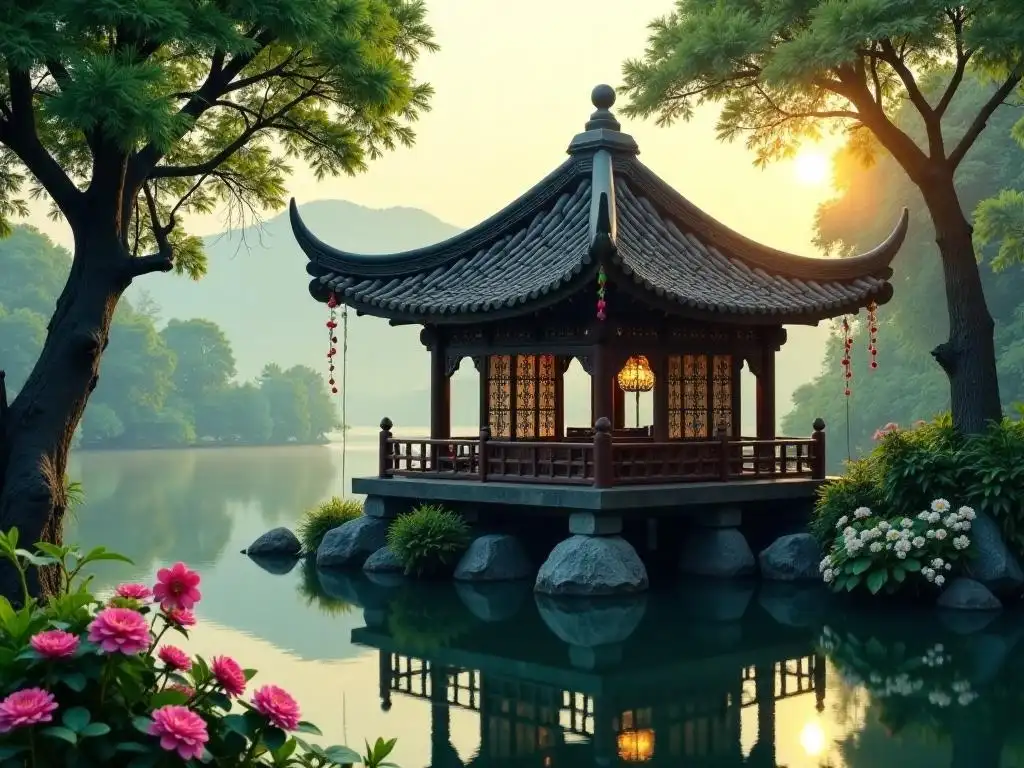
Gardens in feudal Japan were much more than mere patches of greenery; they were intricate reflections of cultural values, philosophical beliefs, and artistic traditions. During this period, the garden served as a microcosm of the universe, embodying the Japanese concept of harmony with nature. Influenced by Zen Buddhism, gardens were designed to promote tranquility and contemplation. The careful arrangement of plants, stones, and water features symbolized the balance and beauty inherent in nature, encouraging samurai and other members of society to reflect on their place within the larger cosmos.
Moreover, gardens were integral to the social fabric of feudal Japan. They acted as venues for gatherings, discussions, and the cultivation of relationships among the samurai class and their peers. Visitors to a garden would not only experience its beauty but also engage in the rich cultural practices that accompanied it, such as poetry recitation and tea ceremonies. Thus, gardens became a vital part of cultural expression, offering a space for both personal reflection and social interaction.
Gardens as a Reflection of Japanese Aesthetic Principles
The design and layout of gardens in feudal Japan were deeply rooted in specific aesthetic principles. One of the most important concepts was wabi-sabi, which celebrates the beauty found in imperfection and transience. This philosophy encouraged the incorporation of natural elements that showed signs of aging, such as moss-covered stones and weathered wood. As a result, gardens often evoked a sense of peace and serenity, inviting contemplation on the fleeting nature of life.
Additionally, gardens embodied the principles of shakkei, or "borrowed scenery," which involved incorporating the surrounding landscape into the garden design. This technique allowed gardens to extend the visual experience beyond their immediate area, creating a harmonious dialogue between the cultivated space and the natural world. Elements like distant mountains or a flowing river could be included deliberately in the garden layout to enhance its aesthetic appeal and spiritual significance.
Through these aesthetic principles, gardens not only served as beautiful landscapes but also as embodiments of the philosophical underpinnings of Japanese culture, highlighting the deep connection between nature and human experience.
The Relationship Between Gardens and Literature
Literature during the feudal era often drew inspiration from the serene environments of gardens, reflecting their profound impact on Japanese culture. Poets and writers frequently used gardens as settings for their works, symbolizing peace, solitude, and the passage of time. The haiku form, which emerged during this period, often encapsulated the beauty of seasonal changes observed in gardens, emphasizing the interplay between nature and human emotions.
Moreover, gardens provided a backdrop for many classic works of Japanese literature. For instance, the Tale of Genji, written by Murasaki Shikibu in the early 11th century, frequently depicts garden scenes that serve as metaphors for the characters’ emotional states and societal dynamics. These literary references enriched the cultural significance of gardens, turning them into symbols of both aesthetic beauty and deeper philosophical insights.
The relationship between gardens and literature illustrates how these natural spaces were not merely physical entities but essential components of the cultural narrative, inspiring creativity and reflection among feudal Japan's intellectuals.
The Function of Gardens in Daily Life
Gardens held multifaceted functions in the daily lives of people during feudal Japan, serving not only as aesthetic spaces but also as practical environments for various activities. They were places of personal retreat for samurai and their families, allowing them to escape the rigors of warfare and political intrigue. The serene atmosphere of gardens facilitated relaxation and contemplation, contributing to the mental well-being of individuals in a high-stress society.
In addition to their role as sanctuaries for reflection, gardens also served as functional spaces for cultivating plants and vegetables. Many samurai estates included gardens that provided fresh produce for their households, illustrating the practical benefits of garden spaces in everyday life. The integration of utilitarian functions with aesthetics exemplifies the harmonious relationship between nature and human activity in feudal Japan.
Gardens as Spaces for Leisure and Recreation
In feudal Japan, gardens were designed as spaces for leisure and recreation, providing samurai and their families with a respite from their demanding lives. These gardens often included features such as walking paths, ponds, and viewing platforms, encouraging leisurely strolls and moments of reflection. The practice of shakkei, or borrowing scenery, made walks through the garden a journey through varying landscapes, enhancing the experience of nature's beauty.
Moreover, gardens were venues for various recreational activities. The art of flower arranging, known as ikebana, flourished in these spaces, allowing individuals to engage creatively with nature. Additionally, gardens often hosted tea ceremonies, a ritual that combined aesthetics, philosophy, and social interaction. These ceremonies emphasized mindfulness and appreciation for the present moment, further highlighting the significance of gardens in the cultural and social life of feudal Japan.
The Role of Gardens in Festivals and Ceremonies
Gardens also played a significant role in the festivals and ceremonies that punctuated the lives of feudal Japanese society. Seasonal festivals, often tied to agricultural cycles, were celebrated within garden spaces, where the beauty of nature could be fully appreciated. For example, cherry blossom festivals ( hanami) attracted people to gardens to admire the blooming sakura trees, fostering a sense of communal joy and appreciation for nature’s fleeting beauty.
Additionally, gardens were integral to various traditional ceremonies, including weddings and purification rites. The carefully curated landscapes provided a fitting backdrop for these important life events, symbolizing harmony and prosperity. Rituals conducted in gardens were steeped in meaning, reinforcing social ties and cultural values through shared experiences in nature.
Gardens in feudal Japan were multifunctional spaces that served as retreats, recreational areas, and venues for significant cultural events. Their role extended far beyond aesthetics, deeply entwining with the daily lives, beliefs, and traditions of the era.
The Impact of Gardens on Japanese Art and Architecture
The gardens of feudal Japan were not merely aesthetic enhancements; they were integral to the broader cultural and artistic landscape of the period. These gardens influenced various forms of Japanese art and architecture, reflecting the values and philosophies of the samurai class and the broader society. The intricate designs of gardens often mirrored the principles of simplicity and harmony found in traditional Japanese aesthetics, which sought to create a seamless connection between nature and human habitation.
One of the most prominent aspects of this influence is seen in traditional Japanese painting. Many artists drew inspiration from the serene landscapes found in gardens, capturing the essence of seasonal changes, the play of light, and the tranquility of nature. The use of natural elements like water, rocks, and plants became a recurring theme in art, showcasing the emotional and spiritual connection between humans and their environment.
In architecture, the influence of gardens is evident in the design of temples, shrines, and residences. Structures were often positioned to frame garden views or to incorporate garden elements, fostering an environment of contemplation and peace. This relationship between garden and building allowed for a harmonious integration of indoor and outdoor spaces, enhancing the overall aesthetic experience and promoting a meditative lifestyle.
Influences on Traditional Japanese Art Forms
Traditional Japanese art forms, such as ink painting, calligraphy, and tea ceremony, were deeply influenced by the aesthetics of gardens. The concept of wabi-sabi, which celebrates the beauty of imperfection and transience, is particularly reflected in garden design and the art that arose from it. Artists aimed to evoke feelings of nostalgia and contemplation, drawing parallels between the fleeting beauty of blossoms and the ephemerality of life itself.
The representation of nature in ukiyo-e woodblock prints also showcases the garden's impact. These prints often feature scenes of seasonal beauty within gardens, capturing the essence of cherry blossoms or the vibrant colors of autumn leaves. Such artworks not only serve as visual records of the gardens but also encapsulate the cultural significance of these spaces in daily life and seasonal celebrations.
Moreover, the tea ceremony, or chanoyu, is another art form influenced by garden aesthetics. The ritualistic nature of the ceremony is complemented by the garden's carefully curated environment, where every element, from the stepping stones to the arrangement of plants, is designed to enhance the experience of tranquility and mindfulness. This underscores how gardens shaped not only visual art but also cultural practices.
Gardens in the Design of Feudal Residences
In feudal Japan, gardens were essential components of samurai residences, reflecting both status and aesthetic values. The layout of these gardens was carefully planned to create a balance between nature and architecture, emphasizing the importance of harmony in design. Features such as ponds, stone lanterns, and meticulously pruned trees were common, each element symbolizing deeper philosophical concepts.
The design of gardens in feudal residences often followed specific styles, such as the tsukiyama (hill gardens) and chaniwa (tea gardens), which served distinct purposes. Tsukiyama gardens incorporated artificial hills and ponds to mimic natural landscapes, providing a space for leisure and reflection. In contrast, chaniwa gardens were designed specifically for tea ceremonies, emphasizing simplicity and tranquility, which were crucial to the ritual's experience.
Furthermore, the placement of the garden in relation to the residence was significant. Gardens were typically visible from key rooms, allowing the inhabitants to engage with nature even from within their homes. This integration fostered a lifestyle where the beauty of the garden became a source of inspiration and peace for the samurai and their families.
Preservation and Legacy of Feudal Japanese Gardens
The legacy of feudal Japanese gardens extends far beyond their original context, influencing contemporary gardening practices and cultural heritage preservation. The aesthetics and philosophies that guided their design continue to resonate today, embodying principles of tranquility, natural beauty, and mindfulness. As modern society seeks to reconnect with nature, these historical gardens serve as vital touchstones for understanding the cultural values of the past.
Many feudal gardens have been meticulously preserved, allowing visitors to experience the serenity and artistry that characterize these landscapes. Organizations and local governments often take active roles in maintaining these gardens, ensuring that the techniques and designs of the past are not lost to time. This preservation effort highlights the gardens' significance as cultural heritage sites and their role in educating future generations about Japan's rich history.
Modern-Day Interpretations of Historical Gardens
In recent years, there has been a resurgence of interest in the principles that guided feudal Japanese garden design, leading to modern interpretations that blend traditional elements with contemporary aesthetics. Landscape architects and gardeners are increasingly looking to historical gardens for inspiration, creating new spaces that honor the past while accommodating modern lifestyles.
These modern gardens often incorporate traditional features, such as stone pathways, water elements, and native plants, but they may also integrate innovative design elements that reflect current environmental concerns or urban living needs. This approach not only revitalizes the aesthetic qualities of feudal gardens but also promotes sustainable practices that echo the original philosophies of harmony with nature.
Exhibitions and cultural festivals celebrating traditional gardening techniques have emerged, aiming to educate the public about the historical significance of these gardens. Workshops on pruning, planting, and garden design allow enthusiasts to engage with the art of gardening as it was practiced in feudal Japan, fostering a deeper appreciation for these cultural treasures.
The Importance of Garden Restoration in Cultural Heritage
Restoration of feudal Japanese gardens is crucial for maintaining cultural heritage and ensuring that future generations can appreciate these historical landscapes. As natural elements age and change, ongoing restoration efforts are necessary to preserve the original design and intent of these gardens. This work often involves skilled artisans and gardeners who understand the traditional techniques and philosophies behind garden creation.
Restoration projects not only focus on the physical aspects of the gardens but also aim to revive the cultural narratives associated with them. By restoring gardens, communities can reconnect with their history and foster a sense of pride in their cultural identity. These gardens serve as living reminders of Japan's feudal past and the values that shaped the samurai way of life.
Moreover, garden restoration contributes to biodiversity and ecological health. By maintaining traditional gardening practices, these gardens can provide habitats for various plant and animal species, promoting a balanced ecosystem. This dual focus on cultural heritage and environmental stewardship highlights the importance of gardens in contemporary society, bridging the past with the present in meaningful ways.
Conclusion: The Enduring Legacy of Gardens in Feudal Japan
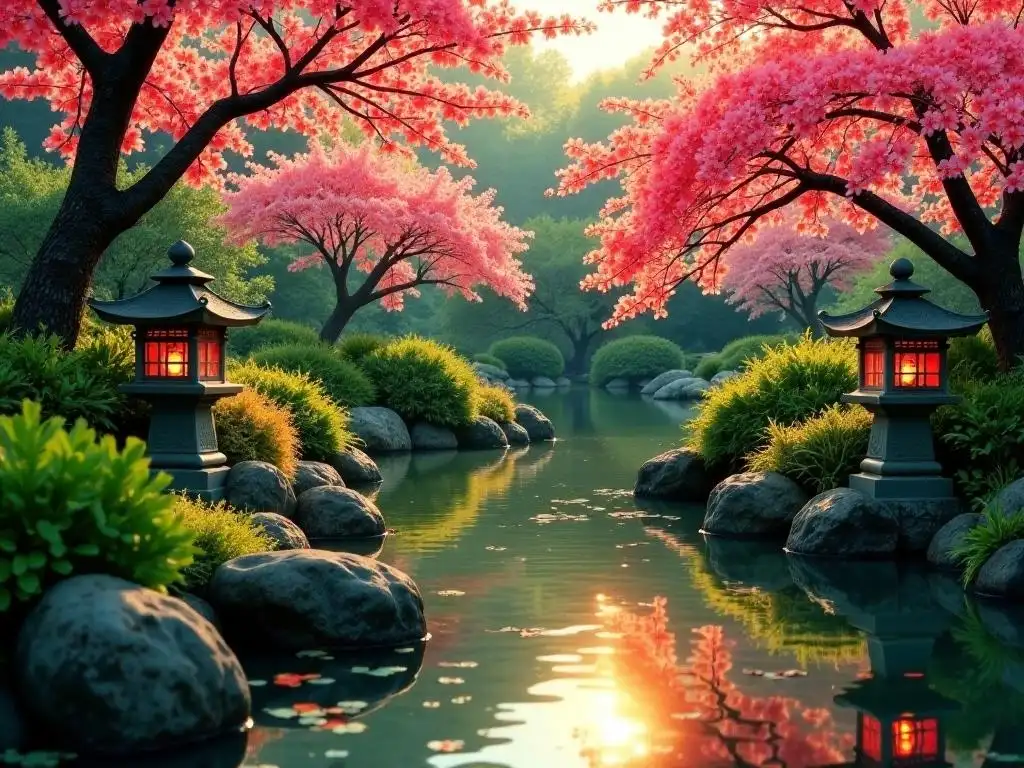
The gardens of feudal Japan were not merely aesthetic spaces; they were profound reflections of the complex interplay between nature, culture, and the values of the samurai class. These gardens served as retreats where samurai could contemplate their lives, strategies, and the philosophical tenets of Zen Buddhism. The careful design and meticulous maintenance of these spaces symbolized the harmony that the samurai sought within themselves and the world around them.
As we look back on the gardens of this era, it becomes clear that they played a significant role in shaping the cultural identity of Japan. The principles of balance, simplicity, and natural beauty found in these gardens continue to influence contemporary Japanese landscape design and gardening practices. The legacy of these gardens can be seen in modern Japanese gardens, which often incorporate elements of water, stone, and plant life to create tranquil spaces for reflection, meditation, and connection with nature.
Reflections on Nature and Society in Feudal Japan
In feudal Japan, gardens were not just personal sanctuaries; they were also a microcosm of societal values. The design of a garden often reflected the status and philosophy of its owner, particularly among the samurai. For instance, the use of asymmetry in design was a deliberate choice that mirrored the samurai's acceptance of imperfection and the transient nature of life, a concept deeply rooted in Buddhist thought.
Moreover, these gardens served as spaces for social gatherings and cultural activities, such as tea ceremonies, poetry readings, and philosophical discussions. They were settings where samurai could engage with the arts, thus fostering a culture of creativity and intellectual exchange. The integration of natural elements, like ponds and rocks, allowed for a contemplative environment that encouraged deep reflections on existence and duty, showcasing the samurai's connection to nature and their inner selves.
The Continued Relevance of Gardens in Japanese Culture Today
Today, the influence of feudal Japanese gardens persists in contemporary Japanese culture. Modern gardens maintain the aesthetic principles established during the samurai era, emphasizing natural beauty, tranquility, and a deep connection to the environment. These gardens continue to serve as peaceful retreats in bustling urban areas, providing spaces for meditation and reflection.
Furthermore, the practice of gardening in Japan has evolved but still retains the philosophical roots of feudal times. Community gardens and public parks often incorporate traditional elements, allowing people to engage with nature and appreciate the historical significance of these spaces. The enduring legacy of gardens in feudal Japan is evident in cultural festivals, art, and literature, where the beauty of nature is celebrated and revered, ensuring that the lessons and aesthetics of the past continue to resonate in modern society.
- Introduction to Gardens in Feudal Japan
- Historical Context of Gardens in Feudal Japan
- Types of Gardens in Feudal Japan
- The Role of Gardens in Samurai Life
- Cultural Significance of Gardens in Feudal Japan
- The Function of Gardens in Daily Life
- The Impact of Gardens on Japanese Art and Architecture
- Preservation and Legacy of Feudal Japanese Gardens
- Conclusion: The Enduring Legacy of Gardens in Feudal Japan
- Reflections on Nature and Society in Feudal Japan
- The Continued Relevance of Gardens in Japanese Culture Today
Frequently Asked Questions
What role did gardens play in feudal Japan's society?
Gardens served as sanctuaries for samurai and their families, providing a space for reflection and relaxation amidst the rigors of daily life.
How did garden design reflect the values of feudal Japan?
The design of gardens often emphasized harmony with nature, showcasing elements like water, stone, and plants to represent balance and tranquility.
What are some popular features of gardens in feudal Japan?
Common features included koi ponds, stone lanterns, and pruned trees, all meticulously arranged to embody the principles of aesthetic beauty and spiritual significance.
How did gardens influence samurai culture?
Gardens were integral to samurai culture, providing a space for meditation, fostering a sense of discipline, and serving as a backdrop for important cultural practices like tea ceremonies.
Did gardens have any political significance in feudal Japan?
Yes, gardens often reflected power and status; the grandeur and complexity of a garden could signify a family's wealth and influence within the feudal hierarchy.
Final Reflection: The Timeless Essence of Gardens in Feudal Japan
The intricate relationship between gardens and the samurai culture of feudal Japan remains profoundly relevant today. As we navigate a fast-paced world, the serene beauty and philosophical depth of these gardens remind us of the importance of balance, contemplation, and connection to nature. The gardens were not merely aesthetic spaces; they were sanctuaries for reflection and personal growth, embodying the very essence of the samurai's pursuit of harmony and discipline.
Cultivating gardens in feudal Japan was a reflection of the societal values and the spiritual journey of its people. The meticulous design and maintenance of these gardens served as a metaphor for the samurai's life, emphasizing the importance of patience, precision, and mindfulness. In every garden, there is a story waiting to be told, a lesson waiting to be learned.
This ongoing influence of garden culture continues to shape our understanding of tranquility and the natural world, urging us to find our own spaces of peace amidst the chaos of modern life.
As you reflect on the lessons embedded in the gardens of feudal Japan, consider how you can cultivate your own sanctuary, whether in your backyard or within your mind. Embrace the tranquility that these gardens represent and allow it to inspire you to create moments of stillness and reflection in your daily life. Let the legacy of the samurai's retreat guide you toward a deeper appreciation of nature and the art of living mindfully, reminding you that, like a garden, your life flourishes with care and intention.
Unveil the Serenity of Feudal Japan's Garden Life!
Thank you for taking the time to explore the captivating role of gardens in feudal Japanese life! We hope you’ve gained valuable insights into how these peaceful spaces were integral to culture, spirituality, and daily life. Now, it's time to take your newfound knowledge and embrace the essence of these serene retreats in your own world.
Here are some meaningful steps you can take today:
- Create your own peaceful garden space: Consider starting a small garden or planting indoor greenery to cultivate tranquility inspired by the traditions of feudal Japan.
- Share your knowledge: Discuss the significance of gardens in feudal Japan with friends or online communities to spread appreciation for this rich cultural element!
- Explore further: Delve deeper into Japanese gardening techniques or the philosophies surrounding them by researching additional resources or visiting local gardens that embody this aesthetic.
What elements would you incorporate into your garden to reflect the tranquility of feudal Japan? Share your thoughts in the comments!