
How Natural Resources Shaped Tokugawa Economic Strategies

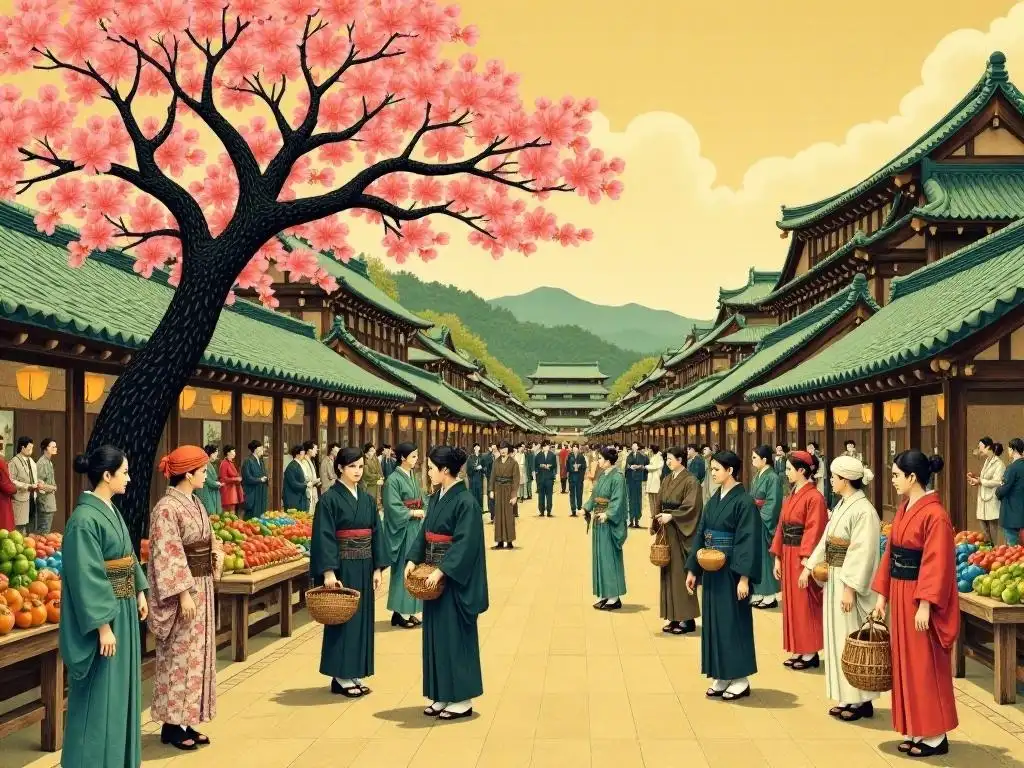
Welcome to Feudal Japan History, where we embark on a captivating journey through the intricate tapestry of Japan's feudal era. Prepare to delve deep into the Tokugawa economic strategies, uncovering how natural resources played a pivotal role in shaping the economic landscape of this fascinating period. With expert-driven insights and in-depth articles, our exploration promises to unravel the complexities of historical, cultural, and societal influences that defined an era.
Are you ready to discover how the very foundations of Tokugawa prosperity were laid? Join us as we unravel the secrets behind these strategies and their lasting impact on Japan's legacy.
- Introduction to Tokugawa Economic Strategies and Resources
- Understanding the Tokugawa Economic Context
- Natural Resources that Shaped Tokugawa Economic Strategies
- How Natural Resources Influenced Economic Policies
- Case Studies: Natural Resources and Economic Strategies
- Challenges Faced by Tokugawa Economic Strategies
- Conclusion: The Legacy of Tokugawa Economic Strategies and Resources
- References for Further Reading on Tokugawa Economic Strategies and Resources
-
Frequently Asked Questions
- What were the main natural resources utilized during the Tokugawa period?
- How did agriculture influence Tokugawa economic strategies?
- What role did trade play in the Tokugawa economic system?
- How did the Tokugawa shogunate manage resource distribution?
- What impact did natural resources have on Tokugawa society?
- Final Reflection: The Enduring Legacy of Tokugawa Economic Strategies and Resources
- Embrace the Wisdom of Tokugawa—Take Action Today!
Introduction to Tokugawa Economic Strategies and Resources
The Tokugawa era, spanning from the early 17th century to the mid-19th century, stands as a pivotal period in Japanese history, characterized by a unique blend of cultural development and economic transformation. During this time, the Tokugawa shogunate implemented a series of economic strategies that not only shaped the socio-political landscape of Japan but also were heavily influenced by the natural resources available throughout the archipelago.
This article delves into the intricate relationship between Japan's abundant natural resources and the economic policies employed by the Tokugawa shogunate, providing a comprehensive understanding of how these elements intertwined to foster stability and growth within feudal Japan. By examining the specific resources leveraged by the Tokugawa rulers, we can better appreciate the strategic decisions that underpinned their governance and the lasting impacts of those choices on Japan's economic history.
Overview of the Tokugawa Era
The Tokugawa period, also known as the Edo period, lasted from 1603 to 1868 and was marked by the consolidation of power under the Tokugawa family. This era is often associated with peace, stability, and isolation, resulting from the shogunate's efforts to control the daimyo (feudal lords) and prevent civil war. The centralization of authority allowed for the implementation of systematic economic policies aimed at enhancing agricultural productivity and promoting trade.
During this time, Japan saw significant advancements in various sectors, including agriculture, commerce, and industry. The establishment of a network of roads, the promotion of cash crops, and the development of urban centers led to increased trade and economic interaction, both domestically and with foreign entities. As we explore the Tokugawa economic strategies, it becomes clear that natural resources played a crucial role in shaping these policies, influencing everything from agricultural practices to trade routes.
Importance of Natural Resources in Economic Planning
Natural resources were fundamental to the Tokugawa shogunate's economic strategies, as they provided the necessary raw materials for production, trade, and sustenance. Key resources included:
- Agricultural Land: The fertile plains of Japan supported rice cultivation, which was not only a staple food but also a form of currency and tax payment.
- Forests: Timber from Japan's extensive forests was essential for construction, shipbuilding, and fuel.
- Minerals: The mining of gold, silver, and copper contributed significantly to the wealth of the shogunate and the economy at large.
- Marine Resources: Japan's coastline offered a rich supply of fish, which became a vital component of both local diets and trade.
The careful management and strategic exploitation of these resources enabled the Tokugawa shogunate to maintain economic stability and promote social welfare. By understanding the importance of natural resources in the context of Tokugawa economic strategies, we gain insight into how the shogunate navigated the challenges of governance while laying the groundwork for Japan's future economic developments.
Understanding the Tokugawa Economic Context

The Tokugawa period, which lasted from 1603 to 1868, represents a significant era in Japanese history marked by political stability and economic growth. The Tokugawa shogunate established a feudal system where power was concentrated in the hands of the shogun while regional lords, known as daimyō, governed their respective domains. This period was characterized by the implementation of strict social hierarchies and the regulation of commerce, which significantly influenced the economic landscape of Japan.
The Tokugawa shogunate focused on consolidating power and maintaining peace, leading to the development of economic strategies that utilized the natural resources available across the country. The diverse geography of Japan, with its mountains, forests, rivers, and fertile plains, played a crucial role in shaping these strategies. By understanding the natural resources within their domain, the Tokugawa leadership was able to enhance agricultural productivity, stimulate trade, and regulate resource usage effectively.
The Feudal System in Japan
The feudal system under the Tokugawa shogunate created a hierarchical structure that defined social, political, and economic relationships. At the top was the shogun, followed by the daimyō, samurai, and the lower classes, including peasants and artisans. This structure not only dictated land ownership but also influenced resource allocation and economic activities within the various domains.
- Shogun: The supreme military leader, who controlled the entire country and dictated overarching policies.
- Daimyō: Regional lords who governed specific territories, held economic power, and managed local resources.
- Samurai: The warrior class, who served the daimyō and maintained order in exchange for stipends.
- Peasants: The largest class, responsible for agricultural production and providing food for the population.
- Artisans and Merchants: Evolved into influential classes that contributed to urban economies and trade.
The daimyō utilized the natural resources in their territories to generate wealth, which was essential for maintaining their power and supporting their samurai. This system promoted localized economic strategies tailored to the resources available, such as rice cultivation in fertile areas or timber harvesting in mountainous regions.
Key Economic Policies of the Tokugawa Shogunate
The Tokugawa shogunate implemented various economic policies that were heavily influenced by the availability of natural resources. These policies were designed to stabilize and grow the economy, ensuring the shogunate's longevity. Some of the key policies included:
- Ritsuryō System: A taxation system that was based on agricultural output, primarily rice. This system ensured that the government collected taxes proportional to the available agricultural resources.
- Sakoku (Closed Country Edict): This policy, enacted in the early 17th century, restricted foreign trade and limited interactions with the outside world. By controlling trade, the shogunate managed domestic resources more effectively.
- Control of Land Use: The shogunate enforced regulations on land use, ensuring that resources were utilized sustainably. This included crop rotation, irrigation improvements, and the management of forestry resources.
- Encouragement of Domestic Trade: The construction of roads and the establishment of trade routes enabled efficient movement of goods. Resources like silk, cotton, and pottery became significant in inter-domain trade.
These policies helped to create a stable economic environment, fostering growth and ensuring that the natural resources of Japan were used to their fullest potential.
Role of Agriculture in Tokugawa Economy
Agriculture was the backbone of the Tokugawa economy, heavily influencing its structure and sustainability. The shogunate's economic policies were largely centered around maximizing agricultural output, as it provided both the food supply and tax revenue necessary for governance.
- Rice Cultivation: Rice was not only the staple food but also the primary currency in the taxation system. The shogunate encouraged improved agricultural techniques, such as:
- Irrigation Systems: Enhancing water management to support rice paddies.
- Crop Rotation: Increasing soil fertility and crop yields.
- Diverse Crop Production: In addition to rice, other crops such as millet, barley, and vegetables were cultivated, ensuring food security. This diversification allowed local economies to thrive and reduced dependency on a single crop.
- Land Reforms: The Tokugawa shogunate implemented land reforms that incentivized productivity. By granting land rights to peasants who could demonstrate efficient farming practices, the government fostered a competitive agricultural environment.
- Market Development: The growth of agriculture led to the rise of market towns where farmers could sell their surplus. This development stimulated local economies and created a vibrant marketplace for goods.
The Tokugawa economic strategies were intricately linked to the natural resources of Japan. By understanding and managing these resources, the shogunate was able to create a stable economy that supported its political objectives and sustained the feudal system for over two centuries.
Natural Resources that Shaped Tokugawa Economic Strategies
Overview of Natural Resources in Feudal Japan
During the Tokugawa period (1603-1868), Japan witnessed a remarkable transformation in its economic landscape, largely influenced by the availability and management of natural resources. The Tokugawa shogunate implemented various strategies to utilize these resources effectively, which facilitated agricultural productivity, industrial development, and trade expansion. By understanding the natural resources prevalent in feudal Japan, we can gain insight into the Tokugawa economic strategies that helped sustain and grow the economy during this era.
Agricultural Resources
Agricultural resources were the backbone of the Tokugawa economy. The shogunate relied heavily on rice production, which served not only as the primary staple food but also as the basis for wealth and taxation.
- Rice Cultivation: The introduction of advanced farming techniques, such as crop rotation and improved irrigation systems, led to increased rice yields. The Edo period saw the establishment of the koku measurement, where 1 koku equated to the amount of rice sufficient to feed one person for a year, establishing rice as a critical economic indicator.
- Diverse Crops: Apart from rice, farmers also cultivated millet, barley, and various vegetables, which contributed to local diets and market exchanges. The cultivation of these crops enabled the Tokugawa government to maintain a stable food supply, which was essential for social order.
- Regional Specialization: Different regions specialized in specific agricultural products based on their climatic conditions and topography. For example, the fertile plains of the Kanto region excelled in rice production, while the mountainous areas of the west produced high-quality tea and fruits.
Mineral Resources
Mineral resources played a significant role in the Tokugawa economic strategies, particularly in the development of industries and trade.
- Gold and Silver Mining: The discovery of rich gold and silver deposits, particularly in the Akita and Iwami regions, significantly bolstered the shogunate's treasury. The revenue generated from mining operations allowed the Tokugawa regime to finance military campaigns and large-scale public works.
- Iron Production: Iron was crucial for manufacturing tools, weapons, and agricultural implements. The establishment of ironworks in regions such as the Chubu area facilitated the production of high-quality iron goods, which were traded domestically and with neighboring countries.
- Coal Resources: The emergence of coal mining in the late Tokugawa period provided an essential energy source for industries, particularly in the production of ceramics and other crafts. The coal mines, especially in the Kyushu region, became vital for fueling the burgeoning industrial activities.
Forest Resources

Forests were another critical natural resource that shaped Tokugawa economic strategies, providing materials essential for construction, fuel, and various crafts.
- Timber Production: The extensive forests of Japan supplied timber for building houses, castles, and ships. The shogunate implemented rigorous forest management policies to ensure sustainable logging practices, which protected these vital resources from over-exploitation.
- Bamboo and Thatch: Bamboo grew abundantly and was used for various applications, including construction, handicrafts, and making tools. Thatch from reeds was commonly used for roofing, showcasing the resourcefulness of the Tokugawa society in utilizing local materials.
- Medicinal Herbs: The forests were also a source of medicinal plants, which played an essential role in traditional Japanese medicine. This contributed not only to health and wellness but also to the local economy through the trade of herbal remedies.
Geographic Distribution of Resources Across Japan
The geographic distribution of natural resources in Japan greatly influenced the economic strategies of the Tokugawa shogunate.
- Kanto Region: Known for its fertile plains, it became the rice granary of Japan, playing a crucial role in sustaining the population and contributing to the tax revenues of the shogunate.
- Chubu Region: Rich in mineral resources, particularly in gold and silver mining, this area was pivotal in boosting the shogunate's finances while also supporting iron production.
- Kyushu Region: This southern island was significant for its coal resources, which fueled the development of various industries during the latter part of the Tokugawa period.
- Hokkaido: With vast forests and untapped resources, Hokkaido was gradually integrated into the Tokugawa economy, especially for its potential agricultural and forestry products.
The strategic management and distribution of these resources allowed the Tokugawa shogunate to foster an economy that not only maintained stability but also laid the groundwork for Japan's eventual modernization. As such, the interplay between natural resources and economic strategies during this period remains a vital area of study within Japan's economic history.
How Natural Resources Influenced Economic Policies

Resource Allocation and Management Strategies
During the Tokugawa shogunate (1603-1868), natural resources played a pivotal role in shaping the economic landscape of Japan. The shogunate implemented strategic resource allocation and management practices to optimize the use of these resources, focusing primarily on agricultural productivity, forestry, and mineral extraction.
One of the key strategies involved the development of agricultural systems, particularly the cultivation of rice, which was not only a staple food but also served as a form of currency. The Tokugawa regime introduced advanced farming techniques, such as the use of fertilizers and irrigation systems, which significantly boosted rice production. This increase in agricultural output allowed for the sustenance of a growing population and provided the necessary tax revenue to support the shogunate's military and administrative expenses.
The Tokugawa government also recognized the importance of forestry in their economic strategies. They established policies to manage forests sustainably, ensuring a steady supply of timber for construction and shipbuilding. This careful management helped to prevent deforestation and allowed for the continued use of natural resources without depleting them. In some regions, local lords (daimyō) were incentivized to maintain forested areas, which contributed to the overall ecological balance and economic stability.
Furthermore, the shogunate engaged in mineral extraction, particularly in regions rich in iron and copper. These resources were crucial for the production of weapons and tools, supporting both the military and the burgeoning domestic industries. The central government often intervened in managing these resources to ensure that they were effectively utilized for both local and national needs.
Impact of Natural Resources on Trade and Commerce
The abundance and strategic management of natural resources during the Tokugawa period had a profound impact on trade and commerce. As agricultural productivity soared, the Tokugawa economy experienced significant growth, leading to increased domestic trade. The rise of merchant classes, particularly in urban areas, was facilitated by the surplus of agricultural goods.
Regional trade networks flourished as farmers transported excess rice and other goods to market towns, where they could be exchanged for manufactured products. Cities such as Edo (modern-day Tokyo) became bustling trade hubs, showcasing the interplay between agricultural output and commercial activity. Merchant guilds emerged, playing a crucial role in regulating trade and ensuring fair practices in the marketplace.
Moreover, the Tokugawa shogunate's policies on inter-regional trade were influenced by the availability of natural resources. For instance, regions known for their specific resources, such as silk from the Nagano region or textiles from the Kansai area, developed unique trade identities that contributed to a more interconnected economy. The shogunate facilitated trade routes and established guidelines for commerce, enhancing the overall economic fabric of the country.
The Tokugawa era also saw the rise of international trade, particularly with European nations. Although the shogunate maintained a policy of sakoku (national isolation), limited trade with the Dutch and Chinese allowed Japan to access foreign resources and technology. This exchange further stimulated domestic industries and contributed to the emergence of a more complex economic structure.
The Role of Natural Resources in Taxation Policies
Natural resources were integral to the Tokugawa taxation system, which relied heavily on agricultural output as the primary source of revenue. The government utilized a land tax system, where land was assessed based on its productivity. The amount of rice produced determined the tax owed, which was collected in kind. This system incentivized farmers to maximize their yield, ensuring a steady flow of resources to the shogunate.
In addition to agricultural taxes, the Tokugawa regime implemented taxes on forestry and minerals. Timber, which was essential for construction and shipbuilding, was taxed based on the volume harvested. Similarly, the extraction of metals like copper and iron was also subject to taxation, contributing to the shogunate’s revenue. This multifaceted approach to taxation allowed for a stable economic foundation, bolstered by the effective management of natural resources.
The Tokugawa government also introduced a tax exemption system for certain regions or industries that were deemed crucial for economic development. This allowed some areas to focus on enhancing their resource management without the immediate burden of taxation, fostering innovation and growth. For instance, regions specializing in silk production received support in the form of reduced taxes, facilitating their expansion and integration into the broader economy.
Overall, the interplay between natural resources and taxation policies during the Tokugawa shogunate not only shaped the economic strategies of the time but also laid the groundwork for Japan’s eventual modernization in the Meiji era. The careful management and strategic utilization of resources ensured sustainable growth, which was vital for the stability and prosperity of feudal Japan.
Case Studies: Natural Resources and Economic Strategies
Case Study 1: Rice as a Central Economic Resource
During the Tokugawa period (1603-1868), rice emerged as the backbone of the Japanese economy. Its significance transcended mere sustenance; it functioned as a form of currency and a measure of wealth, shaping Tokugawa economic strategies in profound ways.
Economic Implications of Rice Production and Trade
The Tokugawa shogunate implemented a system called "koku," which quantified rice in terms of volume, specifically one koku equating to approximately 180 liters. This unit of measurement was critical in determining tax obligations, wealth status, and even the military power of daimyō (feudal lords).
- Taxation System: Rice was the primary medium for taxation. Farmers were required to pay a portion of their harvest in rice, which was then stored in granaries. This system ensured a stable food supply and allowed the shogunate to exert control over the population.
- Rice as Currency: Beyond its agricultural importance, rice functioned as a currency for trade. Merchants engaged in the rice market, hoarding stockpiles to manipulate prices, while samurai received stipends in rice, which they could exchange for money or goods.
- Economic Stability: The focus on rice production led to agricultural innovations and improved farming techniques, such as the introduction of new irrigation methods, which resulted in increased yields. This agricultural stability contributed to the overall economic prosperity of the Tokugawa era.
The reliance on rice not only fostered a robust economy but also established a social hierarchy, where land ownership and rice production dictated societal standing.
Case Study 2: Timber and Its Economic Importance
Timber was another vital natural resource that played a significant role in the Tokugawa economy. The expansive forests of Japan provided the necessary materials for construction, shipbuilding, and fuel, making timber an indispensable resource for the period.
Timber Trade and Its Effects on Tokugawa Economy
The management and exploitation of timber resources had far-reaching economic implications for the Tokugawa shogunate.
- Construction and Infrastructure: Timber was essential for building castles, homes, and public structures. The shogunate encouraged the sustainable management of forests, ensuring a steady supply of timber for ongoing construction projects, which were critical for displaying power and stability.
- Shipbuilding: The maritime trade was vital to the Tokugawa economy, and timber was crucial for constructing the ships required for trade and naval defenses. This not only facilitated domestic commerce but also allowed for limited international trade, primarily with the Dutch and Chinese.
- Fuel and Energy: Timber served as a primary source of fuel for cooking and heating. The shogunate promoted the use of timber for energy, which supported the growth of industries and contributed to urban development, particularly in Edo (modern-day Tokyo).
The timber trade created a network of merchants and craftsmen, stimulating local economies and contributing to the rise of urban centers. As such, the strategic management of timber resources was integral to the Tokugawa economic strategies, highlighting the interplay between natural resources and economic development.
Challenges Faced by Tokugawa Economic Strategies
Resource Scarcity and Management Issues
During the Tokugawa period (1603-1868), Japan experienced a profound transformation in its economic landscape. Despite the era's relative peace and stability, the Tokugawa shogunate faced significant challenges regarding resource scarcity and management. The burgeoning population, which increased from approximately 12 million at the beginning of the Tokugawa era to around 30 million by its conclusion, placed immense pressure on available natural resources.
Key Factors Contributing to Resource Scarcity:
- Agricultural Demand: The need for rice, Japan's staple food and economic currency, surged as urban centers expanded. This led to intensive agricultural practices, which often depleted soil nutrients and reduced crop yields over time.
- Deforestation: The demand for timber for construction, fuel, and shipbuilding resulted in extensive deforestation. This not only led to the loss of vital forestry resources but also contributed to soil erosion and changes in local ecosystems.
- Fishing Overexploitation: Coastal communities relied heavily on fishing, leading to overfishing and depletion of marine resources. This created challenges for food security and the livelihoods of those dependent on the sea.
The Tokugawa shogunate implemented various management strategies to address these challenges, including land reforms and agricultural advancements. However, the effectiveness of these strategies varied across regions, leading to disparities in resource availability and economic stability.
Environmental Impacts on Resource Availability
The interplay between the environment and the Tokugawa economic strategies is a critical aspect of understanding resource management during this period. Various environmental factors significantly influenced the availability and sustainability of resources.
Environmental Challenges:
- Natural Disasters: Japan is prone to earthquakes, tsunamis, and typhoons, which disrupted agricultural production and resource availability. For instance, the Ansei Great Earthquake of 1855 not only caused immediate destruction but also had long-term effects on agricultural output and infrastructure.
- Climate Variability: Changes in climate patterns, including periods of drought or excessive rainfall, directly impacted crop yields. The Tokugawa government had to adapt its policies to respond to these fluctuations, often leading to food shortages and famine in certain regions.
- Soil Degradation: Intensive agricultural practices without proper management led to soil depletion. The lack of crop rotation and over-reliance on specific crops resulted in decreased soil fertility, further exacerbating the food crisis.
In response to these environmental challenges, the Tokugawa shogunate sought to implement sustainable practices, such as promoting crop diversification and improving irrigation techniques, yet these efforts were often met with limited success due to the prevailing socio-economic conditions.
Societal Conflicts Arising from Resource Distribution
The distribution of resources during the Tokugawa period was not merely an economic concern; it also became a source of significant societal conflict. As resources became scarcer, the competition for access and control intensified, leading to various forms of social strife.
Key Societal Conflicts:
- Peasant Uprisings: Discontent among the peasantry often erupted into uprisings due to heavy taxation and the burden of resource management. For instance, the 1725-1726 Goto Uprising highlighted the tension between local farmers and the ruling samurai class over land rights and resource allocation.
- Feudal Power Struggles: The samurai class, whose status depended on land and resource control, frequently clashed over territorial disputes. These conflicts were exacerbated by the economic policies of the Tokugawa shogunate, which sometimes favored certain domains over others.
- Urban-Rural Divide: As urban centers grew, the disparity between the resource needs of cities and rural areas became pronounced. Urban merchants often hoarded resources, leading to resentment from rural populations who felt marginalized and deprived of their livelihoods.
These societal conflicts underscored the complexity of Tokugawa economic strategies, revealing that the challenges of resource distribution were not solely economic but interwoven with the social fabric of the era. The shogunate's attempts to mediate these conflicts through policy reforms and negotiations often fell short, illustrating the intricate relationship between resources and societal stability in feudal Japan.
Conclusion: The Legacy of Tokugawa Economic Strategies and Resources

The Tokugawa shogunate, which ruled Japan from 1603 to 1868, established a complex economic system that was intricately linked to the management and utilization of natural resources. The legacy of these economic strategies is evident in modern Japan, where historical practices continue to influence contemporary approaches to resource management and economic policies.
The Tokugawa period was characterized by a stable political environment that facilitated trade, agriculture, and industry. The shogunate implemented policies that maximized the use of Japan's natural resources, including rice, timber, and minerals. This not only ensured food security but also supported the burgeoning merchant class and laid the groundwork for future economic development.
Lasting Effects on Modern Japanese Economic Practices
The economic strategies developed during the Tokugawa era have had a profound impact on Japan's modern economic practices. Key aspects include:
- Resource Management: The Tokugawa emphasis on sustainable practices in agriculture and forestry has influenced Japan's modern policies on environmental conservation and resource management. Modern Japanese agriculture, for instance, continues to prioritize efficient use of resources, reflecting the Tokugawa focus on maximizing agricultural output while conserving land.
- Trade Networks: The extensive trade networks established during the Tokugawa period paved the way for Japan's integration into global markets. The shogunate's policies encouraged local production and consumption, which have evolved into modern practices of regional branding and local economic initiatives.
- Economic Structure: The Tokugawa system fostered a unique hierarchical economic structure that is still visible today. The balance between agriculture, industry, and services in Japan reflects the Tokugawa era's policies that sought to harmonize these sectors.
- Cultural Attitudes: The legacy of resource-based economic strategies has instilled a cultural attitude towards innovation and adaptation in the face of limited natural resources. Japanese companies today are known for their ability to innovate and create value from scarce resources, a trait that can be traced back to the resourceful practices of the Tokugawa period.
Reflection on Natural Resources in Historical Context
Natural resources played a pivotal role in shaping the economic landscape of feudal Japan. During the Tokugawa era, the government prioritized the management of vital resources to maintain social order and economic stability.
- Agricultural Foundations: Rice was the cornerstone of the Tokugawa economy, serving as both a staple food and a form of currency. The government's focus on rice production not only ensured sustenance for the population but also solidified the power of the samurai class, who were paid in rice. This dual role of rice underscores the intricate relationship between natural resources and societal structure.
- Timber and Building Materials: The Tokugawa period saw significant deforestation due to the demands of construction and fuel. However, the shogunate implemented forest management practices to ensure a sustainable supply of timber, reflecting an early understanding of environmental stewardship that resonates with modern ecological practices.
- Mineral Resources: The exploitation of minerals, such as gold and silver, also contributed to the Tokugawa economy. These resources not only boosted the shogunate's wealth but also facilitated trade with foreign nations, laying the groundwork for Japan's later industrialization.
The economic strategies of the Tokugawa shogunate, heavily influenced by the management of natural resources, have left an indelible mark on Japan's economic history. Their legacy continues to inform modern practices, demonstrating the enduring importance of resource management in shaping economic policies and societal structures.
References for Further Reading on Tokugawa Economic Strategies and Resources
Recommended Books and Articles
-
"The Tokugawa Period: A History" by Jansen, M. B.
This comprehensive book delves into the intricacies of the Tokugawa era, detailing the economic strategies employed by the shogunate and how natural resources influenced these decisions. The author provides a thorough analysis of various resources and their roles in shaping the economic landscape of feudal Japan.
-
"Economic History of Japan: 1600-1990" by Takafusa Nakamura
Nakamura’s work presents an extensive examination of Japan’s economic development during the Tokugawa period, emphasizing the importance of agricultural resources and trade. It is a critical resource for understanding the interplay between natural resources and economic policies.
-
"The Making of Modern Japan" by James L. McClain
This book offers a wider historical context, linking the Tokugawa economic strategies to later developments in modern Japan. McClain provides insights into how resource management during the Tokugawa period laid the foundation for future economic policies.
-
"Japan’s Economic Ascent: International Trade and the Tokugawa Period" by Michael A. Bortman
Bortman explores the international trade dynamics of the Tokugawa era, highlighting the role of natural resources in Japan’s economic strategies. This article is essential for understanding the global context of Tokugawa policies.
-
"Natural Resources and Economic Development in Tokugawa Japan" by Eiko Ikegami
This article focuses specifically on the relationship between natural resources and economic development, providing case studies that illustrate the shogunate's strategic use of resources.
Online Resources and Archives
-
National Diet Library of Japan
This digital archive contains a wealth of primary sources, including documents from the Tokugawa period that detail economic policies and resource management. It is an invaluable tool for researchers and enthusiasts alike.
-
The Japanese Historical Society Online Archive
A repository of articles, papers, and research materials focused on Japan’s history, including the Tokugawa period. It offers access to scholarly works and original documents that discuss economic strategies and resources.
-
Tokugawa Ieyasu and the Rise of the Shogunate – An Interactive Timeline
This online resource provides an interactive view of key events during the Tokugawa period, highlighting how natural resources influenced economic strategies. It includes links to further readings and related topics.
-
Japan's Economic History: A Digital Archive
This platform hosts an extensive collection of resources related to Japan's economic history, including the Tokugawa period. Users can find articles, data, and historical documents that provide insights into the economic strategies based on natural resources.
-
The Japan Times Archives
With a focus on Japan’s contemporary history, this archive offers retrospective articles that reflect on the historical economic strategies of the Tokugawa era, providing context for modern interpretations of resource management.
These references and resources will enhance your understanding of how natural resources shaped Tokugawa economic strategies, providing both foundational knowledge and in-depth insights into this pivotal period in Japan’s history.
Frequently Asked Questions
What were the main natural resources utilized during the Tokugawa period?
The main natural resources included rice, timber, and iron, which played a crucial role in the economic strategies of the Tokugawa shogunate.
How did agriculture influence Tokugawa economic strategies?
Agriculture, particularly rice production, was the backbone of the economy, providing tax revenue and stability, which were essential for maintaining social order.
What role did trade play in the Tokugawa economic system?
Trade expanded significantly during the Tokugawa era, enabling the exchange of resources and goods that enhanced the economy and cultural exchange between regions.
How did the Tokugawa shogunate manage resource distribution?
The Tokugawa shogunate implemented a feudal system that regulated resource distribution through landholding daimyos, ensuring a controlled flow of wealth and goods.
What impact did natural resources have on Tokugawa society?
The management of natural resources led to a prosperous economy and allowed the Tokugawa shogunate to maintain political stability and social hierarchy during its rule.
Final Reflection: The Enduring Legacy of Tokugawa Economic Strategies and Resources
The intricate relationship between natural resources and economic strategies during the Tokugawa period remains profoundly relevant today. As we navigate the complexities of modern economies, understanding how historical societies like the Tokugawa utilized their resources can provide invaluable insights into sustainable practices and strategic planning. The Tokugawa shogunate's ability to adapt and thrive amidst resource limitations serves as a striking reminder of the importance of resource management in shaping economic resilience.
The influence of Tokugawa economic strategies continues to resonate within our cultural and social landscapes, highlighting the critical role of resource allocation in societal development. The lessons learned from this historical period encourage us to reflect on our current practices and the sustainability of our resource use. The past is never dead. It's not even past.
— William Faulkner. This quote encapsulates the idea that the strategies employed by the Tokugawa shogunate are not merely relics of history but rather foundational lessons that inform our present and future.
As we conclude our exploration of Tokugawa economic strategies and resources, I invite you to reflect on how these historical insights can inspire your own approach to resource management and economic planning. Consider how the principles of adaptability, sustainability, and strategic foresight can be applied in your life or work. By embracing the lessons of the past, we can forge a more resilient future, ensuring that our resources are utilized wisely for generations to come.
Embrace the Wisdom of Tokugawa—Take Action Today!
Thank you for diving into the fascinating ways natural resources influenced Tokugawa economic strategies. It's inspiring to see your interest in understanding how history shapes our world today! Now, let's turn that knowledge into action.
Here are a few ways you can further engage with this topic:
- Explore local resources: Visit a nearby museum or cultural center that showcases the impact of natural resources on local economies, similar to the practices seen in Tokugawa Japan.
- Share your insights: Discuss this article with friends or family! Host a small gathering to explore how historical economic strategies relate to modern practices.
- Join the conversation: Participate in community forums or online groups that focus on feudal history or economic strategies—your insights can inspire others!
What aspect of Tokugawa's resource management do you find most relevant to today's economic challenges?