
Behind the Masks: The Symbolism of Noh Costumes and Makeup

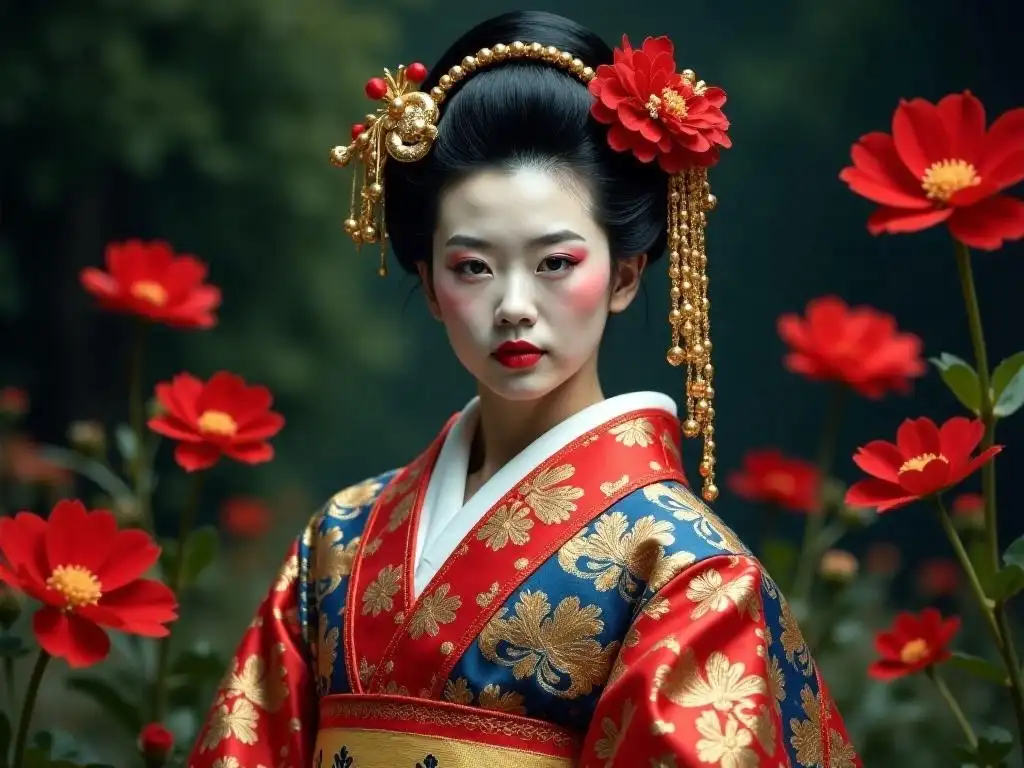
Welcome to Feudal Japan History, where we invite you to embark on a captivating journey through Japan’s intriguing feudal era. Here, the past comes alive as we delve into the rich tapestry of cultural, historical, and societal aspects that shaped this remarkable period. In our featured article, “Behind the Masks: The Symbolism of Noh Costumes and Makeup,” we explore the intricate meanings woven into the stunning attire of Noh theater, inviting you to discover how each thread tells a story steeped in tradition and artistry.
Prepare to be fascinated as we peel back the layers of symbolism, revealing the profound connections between costume and culture. Your adventure into the heart of feudal Japan awaits—dare to read on!
Noh theater, a traditional form of Japanese drama, stands as a profound cultural artifact that encapsulates the aesthetics, philosophy, and spiritual beliefs of the feudal era. Emerging in the 14th century, Noh has evolved into a complex art form characterized by its elegant movements, poetic dialogue, and haunting music.
Central to this theatrical experience is the intricate costuming and makeup, which not only enhance the visual appeal of performances but also imbue them with rich symbolism. In this article, we will delve into the symbolism behind Noh theater costumes and makeup, exploring their historical roots, cultural significance, and the meanings they convey within this revered art form.
Introduction to Noh Theater and Its Cultural Significance
Overview of Noh Theater
Noh theater, often regarded as one of the oldest forms of drama in Japan, draws its origins from ancient rituals and folk performances. It is characterized by its minimalist staging, where the focus is primarily on the performers’ expressions, movements, and the narrative conveyed through their performances.
Utilizing a unique blend of music, dance, and drama, Noh captures themes of love, loss, and the supernatural, often referencing historical events or classical literature. The performances are typically held on a wooden stage, adorned with a simple backdrop, allowing the audience to immerse themselves fully in the emotional depth of the characters portrayed.
Importance of Costumes and Makeup in Noh Performances
The costumes and makeup in Noh theater are not merely decorative; they serve as vital components that enhance storytelling and character development. Each element is meticulously crafted to reflect the persona of the character, be it a nobleman, a ghost, or a deity.
The layering of fabrics, colors, and patterns in the costumes, combined with the intricate designs of the makeup, conveys specific traits and emotional states, allowing the audience to instantly recognize the character's social status, age, and even their inner turmoil. The use of masks, often central to Noh performances, further emphasizes this symbolism, as each mask embodies distinct emotions and characteristics, transforming the actor into the role they portray.
The Role of Noh Costumes in Symbolism
Historical Context of Noh Costumes
Noh costumes have a rich historical context that reflects the social hierarchies and cultural practices of feudal Japan. Initially influenced by the attire of the samurai class and the imperial court, Noh costumes evolved over the centuries, integrating elements from various historical periods. The fabrics used, often luxurious silks, were dyed with natural pigments and embroidered with intricate designs that held specific meanings.
For instance, motifs such as cranes and pines symbolize longevity and resilience, while colors like red and white denote purity and auspiciousness. This historical evolution not only showcases the craftsmanship involved but also reveals the societal values and beliefs of the time.
Types of Costumes and Their Symbolic Meanings
Within the realm of Noh theater, there exists a diverse array of costumes, each meticulously designed to convey symbolic meanings. The primary types of costumes include:
- Kanzashi: Ornate hair ornaments that signify a character’s status and personality.
- Kake-odori: Costumes worn by female characters, often embellished with floral patterns symbolizing femininity and grace.
- Tachiwaki: Garments worn by male characters, designed to reflect strength and heroism through bold colors and robust fabrics.
- Mizugoromo: Water garments that suggest fluidity and transformation, often used in plays depicting spirits or supernatural beings.
The specific patterns and colors chosen for each costume are deeply significant, creating a visual language that communicates the character's essence to the audience. By exploring these intricate details, we gain a deeper appreciation for the artistry and symbolism inherent in Noh theater costumes.
The Significance of Makeup in Noh Theater
Makeup in Noh theater serves as a pivotal element that enhances the storytelling and character development inherent in this traditional art form. Unlike other theatrical performances, where makeup may primarily serve to depict physical appearance, Noh makeup transcends mere aesthetics. It embodies the essence of characters, conveying emotions, status, and spiritual significance. The application of makeup in Noh is steeped in tradition and ritual, often requiring years of practice to master.
Through the use of specific colors and techniques, actors can portray various archetypes, such as gods, demons, or historical figures. For instance, the use of white face paint symbolizes purity and divinity, while red and black accents may represent anger or malevolence. This strategic application enhances the audience's understanding of the character's motivations and the narrative's emotional landscape, making makeup an essential tool in the Noh theater.
Traditional Noh Makeup Techniques
Noh makeup techniques are meticulously defined, often passed down through generations of performers. The primary component of Noh makeup is kesho, a white base applied to the face, which is then layered with additional colors to convey specific traits. The following techniques are commonly employed:
- Oni (Demon) Makeup: Bright colors, such as reds and greens, are used to create fierce expressions, often accompanied by exaggerated features like fangs and horns.
- Shite (Main Character) Makeup: The application is subtle yet powerful; a white base with delicate red lines may represent a noble character, whereas a more pronounced red may indicate passion or rage.
- Waki (Supporting Character) Makeup: Typically, waki characters wear less elaborate makeup, focusing on realism to support the shite's performance.
These techniques highlight the actor's emotional state and character attributes, allowing the audience to connect with the performance on a deeper level.
Symbolic Elements of Noh Makeup
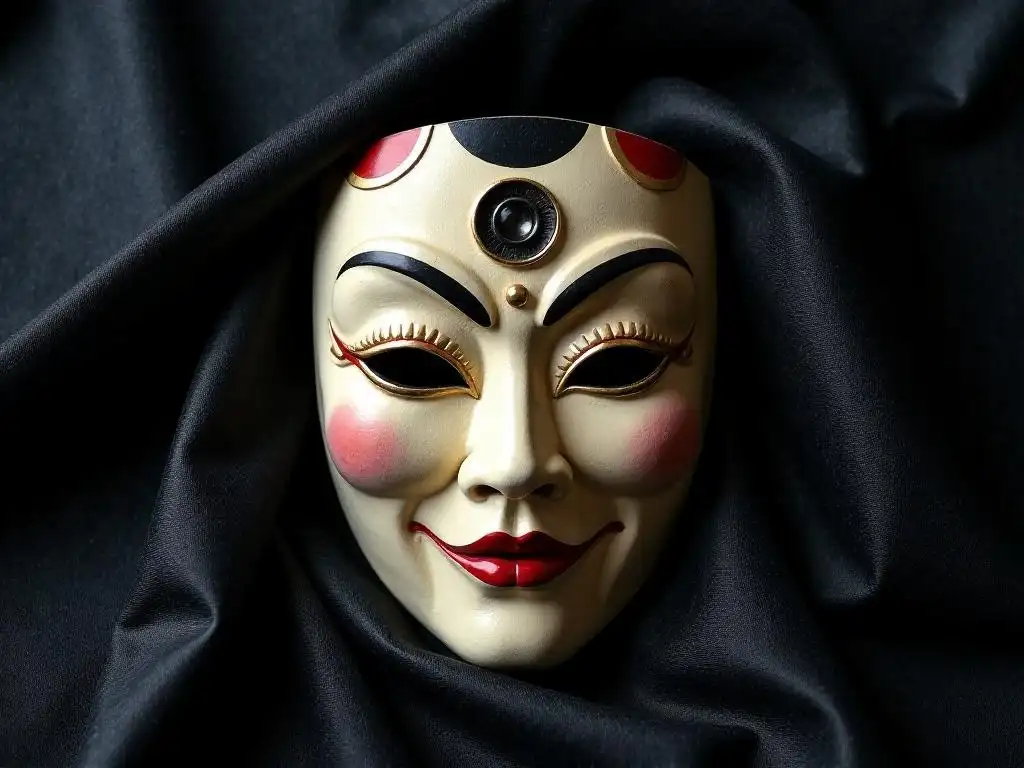
Every aspect of Noh makeup holds symbolic meaning, intricately woven into the fabric of the performance. Key elements include:
- Color Choices: Each color carries significance; for example, white represents purity, while black may denote malevolence. The combination of these colors can create complex emotional tapestries that resonate with the audience.
- Facial Features: The exaggeration or simplification of specific facial features can indicate age, gender, or even supernatural qualities. For instance, elongated eyebrows may suggest wisdom, while a smooth, youthful face can signify innocence.
- Patterns and Lines: The application of lines and patterns can symbolize various states of mind or societal roles. A pronounced line across the forehead may signify a character's burden or inner turmoil.
These symbolic elements work in harmony to enhance the narrative, providing viewers with a visual language that complements the spoken word.
The Interaction Between Costumes and Makeup
The interplay between Noh costumes and makeup is a vital aspect of the performance, creating a cohesive visual experience that enriches the storytelling. Costumes are carefully designed to complement the makeup, enhancing the overall impact of the character presented on stage. The colors, patterns, and textures of the costumes are often chosen to resonate with the makeup, ensuring that each element reinforces the other.
For example, a character adorned in vibrant red attire may have corresponding red accents in their makeup, creating a unified appearance that draws the audience's attention. This synergy not only elevates the visual aesthetics but also deepens the audience’s understanding of the character's emotions and motivations.
How Costumes Enhance Makeup Symbolism
Costumes play a crucial role in amplifying the symbolism portrayed through makeup. They provide context to the character’s identity and social status. For instance:
- Royal Characters: Costumes made of luxurious fabrics with intricate designs paired with subtle makeup may convey a sense of dignity and nobility.
- Supernatural Beings: Bright, elaborate costumes combined with bold makeup can emphasize the otherworldly nature of characters such as gods or spirits, highlighting their divine qualities.
- Common Folk: Simpler costumes and minimal makeup reflect the characters' everyday lives, allowing the audience to relate more closely to their experiences.
By harmonizing the visual elements of costuming and makeup, Noh theater creates a rich tapestry that enhances the narrative and the emotional journey of the characters.
Case Studies: Iconic Noh Performances and Their Costuming Choices
Several iconic Noh performances illustrate the profound relationship between makeup and costumes.
- “Aoi no Ue” (The Lady Aoi): In this play, the main character, Lady Aoi, wears an exquisite kimono with floral patterns that mirror the delicate white makeup on her face. The choice of soft colors and elegant designs emphasizes her ethereal beauty and tragic fate.
- “Kan’ami’s Kurozuka”: The character of the old woman is depicted with dark, heavy makeup that accentuates her aged features, complemented by a tattered, dark costume. This stark contrast highlights her role as a malevolent figure, enhancing the themes of fear and despair in the narrative.
These case studies exemplify how the thoughtful integration of costumes and makeup can create powerful, memorable performances that resonate deeply with audiences, illustrating the richness of Noh theater's artistic expression.
The Evolution of Noh Theater Costume Symbolism
The symbolism embedded within Noh theater costumes has transformed significantly over the centuries, reflecting the dynamic nature of Japanese culture and aesthetics. Originating in the 14th century during the Muromachi period, Noh theater was characterized by its minimalist approach, which extended to its costumes. Initially, costumes were functional, designed for comfort and movement, but as the art form evolved, so too did the complexity and symbolism of the attire worn by performers. Each element of the costume began to carry deeper meanings, representing not just the role of the character but also themes of the performance itself.
As Noh theater matured, costumes began to incorporate elaborate designs, colors, and materials that conveyed specific narratives and emotions. The use of silk, brocade, and intricate embroidery became prevalent, each choice reflecting the character's status and the play's context. This evolution illustrates a shift from the simple, utilitarian garments of early Noh to the rich, ornate costumes that are synonymous with the art form today. The symbolism inherent in these costumes serves not only to enhance the visual spectacle but also to deepen the audience's understanding of the characters' identities and emotional states.
Changes in Costumes Over Time
Over time, Noh costumes have undergone notable changes, influenced by various social, political, and artistic movements. Initially, costumes were influenced heavily by the clothing styles of the aristocratic classes, which were simpler and more practical in nature. However, as Noh gained popularity among the samurai and later the merchant classes, the costumes became more extravagant, reflecting the wealth and power of the patrons who supported the performances.
In the Edo period, for instance, the introduction of new dyeing techniques and textiles allowed for vivid colors and intricate patterns to flourish. Costumes began to feature symbolic motifs—like cranes for longevity or cherry blossoms for the transient beauty of life—each adding layers of meaning to the performance. The changes also mirrored societal shifts, as the themes of Noh plays evolved from tales of the nobility to stories that resonated with the common people.
Modern Interpretations of Traditional Noh Costumes
Today, modern interpretations of traditional Noh costumes are emerging as artists strive to respect the historical significance while also exploring contemporary themes and aesthetics. Designers and performers are experimenting with materials and styles, infusing traditional elements with modern sensibilities. This innovation can be seen in the use of non-traditional fabrics, such as synthetics and lighter materials, which allow for greater movement and comfort during performances.
Additionally, some modern productions are recontextualizing the symbolism of Noh costumes to address contemporary issues, such as gender identity and environmental concerns. By blending traditional symbolism with modern narratives, these interpretations help to keep Noh theater relevant and engaging for new audiences, ensuring that the rich cultural heritage of Japan continues to thrive.
Conclusion
The evolution of Noh theater costume symbolism reveals a rich tapestry of cultural history, reflecting the changing values and aesthetics of Japanese society. Through its intricate designs, colors, and materials, Noh costumes not only serve as visual spectacles but also as profound symbols that convey deeper meanings within the narratives they portray.
The Lasting Impact of Noh Costume and Makeup Symbolism
The lasting impact of Noh costume and makeup symbolism can be seen in various aspects of Japanese culture, from contemporary theater and film to traditional festivals and art. The symbolic nature of these costumes has influenced how storytelling is approached in Japan, emphasizing the significance of visual representation in conveying complex themes and emotions. As Noh continues to inspire artists and performers, the interplay of costume and makeup symbolism remains a vital part of Japan's cultural identity.
Reflections on Noh Theater's Contribution to Cultural History
Noh theater's contribution to cultural history extends beyond its performances, encompassing its intricate costume design and makeup symbolism. As a UNESCO-recognized cultural heritage, Noh theater encapsulates the essence of Japanese aesthetics, philosophy, and storytelling traditions. Through the lens of Noh costumes, one can appreciate the depth and richness of Japan's historical narrative, revealing insights into societal values, beliefs, and the evolution of artistic expression. Noh theater stands as a testament to the enduring power of performance art in shaping cultural history and identity.
- Introduction to Noh Theater and Its Cultural Significance
- The Role of Noh Costumes in Symbolism
- The Significance of Makeup in Noh Theater
- Traditional Noh Makeup Techniques
- Symbolic Elements of Noh Makeup
- The Interaction Between Costumes and Makeup
- The Evolution of Noh Theater Costume Symbolism
- Conclusion
Frequently Asked Questions
What is the significance of Noh theater costume symbolism in performances?
Noh theater costumes serve as a visual representation of character traits and emotional states, helping to convey complex narratives and enhance the audience's understanding of the story.
How do the colors of Noh costumes impact their symbolism?
Colors in Noh costumes are carefully chosen to represent different emotions and statuses. For example, red often symbolizes nobility, while black can indicate mystery or death.
What role does makeup play in the symbolism of Noh theater?
Makeup enhances the facial expressions of performers and adds to the character's identity, with specific designs and colors conveying deeper meanings related to the character's nature or spiritual significance.
Are there specific symbols used in Noh costumes?
Yes, Noh costumes often feature distinct symbols such as flowers or animals, each representing various themes or mythological elements tied to the character's backstory or emotional journey.
How has the symbolism of Noh costumes evolved over time?
The symbolism of Noh costumes has evolved to reflect changes in societal norms and cultural values, while still maintaining core elements that connect to Japan's rich feudal history and traditions.
Final Reflection: The Enduring Legacy of Noh Theater Costume Symbolism
The intricate symbolism found in Noh theater costumes and makeup remains profoundly relevant today, as it invites us to explore the deeper layers of identity and expression. In a world where appearances often overshadow authenticity, the rich tapestry of Noh theater serves as a poignant reminder that what lies beneath the surface can be just as significant, if not more so, than the outward presentation. The artistry of Noh costumes transcends mere aesthetics; it encapsulates centuries of cultural heritage and philosophical depth that resonate with contemporary audiences.
Cultural narratives are continuously shaped by the symbols we choose to embrace, and Noh theater stands as a testament to the power of storytelling through visual art. The masks and costumes are not just tools for performance; they are vessels of emotion, history, and identity that connect us to our shared humanity. As the renowned Noh actor and scholar, Yoshi Oida, once said, The mask is a reflection of the soul, revealing truths that words cannot express.
This observation underscores the ongoing influence of Noh theater in our modern cultural landscape, where the quest for understanding and connection remains ever-present.
As we reflect on the lessons embedded in the symbolism of Noh theater costumes, I invite you to consider how you can apply these insights to your own life. What masks do you wear in your daily interactions, and what truths might they conceal? Embrace the opportunity to peel back the layers and reveal your authentic self, just as the performers of Noh do with their art. Let the legacy of Noh theater inspire you to explore the depths of your identity and to appreciate the beauty of expression in all its forms.
Unveil the Rich Tapestry of Noh!
Thank you for diving into the fascinating world of Noh theater with us! You've uncovered the layers of symbolism behind its costumes and makeup, revealing how they enrich this ancient art form. Now, let’s take this knowledge further—your journey into the beauty of Noh is just beginning!
- Explore a Local Noh Performance: Seek out nearby theaters or cultural centers that feature Noh performances; experiencing it live will deepen your appreciation.
- Share Your Insights: Discuss what resonated with you about the costumes and makeup of Noh on social media or with friends—your thoughts can inspire others!
- Join a Workshop: Look for workshops or classes where you can try your hand at Noh performance or costume design. It’s a unique way to connect with this rich heritage!
What aspect of Noh theater intrigues you the most, and how do you see its symbolism reflected in contemporary arts? Let's continue the conversation!