
Bushido and Beyond: The Ethical Code That Defined Samurai Class Dynamics


Welcome to Feudal Japan History! Dive into the captivating world of Japan's feudal era as we unravel the intricate tapestry of historical, cultural, and societal developments that shaped this fascinating period. In our featured article, "Bushido and Beyond: The Ethical Code That Defined Samurai Class Dynamics," we explore the profound impact of the Bushido code on the samurai class and its enduring legacy.
What drove these noble warriors to adhere to such a stringent ethical framework, and how did it influence their place in society? Join us on this journey to discover the answers and uncover the rich narratives that lie within the heart of feudal Japan. Your adventure into history begins here!
- Introduction to Bushido and Samurai Class Dynamics
- Historical Context of the Samurai Class
- Core Principles of the Bushido Code
- The Impact of Bushido on Samurai Class Dynamics
- Bushido's Role in Samurai Warfare and Governance
- Comparisons of Bushido with Other Ethical Codes
- Bushido's Legacy in Modern Japan
- Conclusion: The Importance of Understanding Bushido and Samurai Class Dynamics
- Frequently Asked Questions
- Final Reflection: The Enduring Legacy of Bushido in Modern Society
- Embrace the Spirit of Bushido Today!
Introduction to Bushido and Samurai Class Dynamics
The Bushido code, often referred to as the "Way of the Warrior," is a fundamental aspect of the samurai class dynamics that defined Japan's feudal era. This ethical framework not only guided the behavior and values of samurai warriors but also influenced the broader societal structure within which they operated. Understanding Bushido is essential for comprehending the intricate relationships between the samurai and other social classes, including the peasants, merchants, and nobility.
In this article, we will delve into the historical significance of the Bushido code, exploring its core principles and how these ideals shaped the conduct, honor, and identity of the samurai class. Furthermore, we will analyze the lasting impacts of these dynamics on Japanese society as a whole, providing a comprehensive exploration of this critical aspect of feudal Japan's social history.
Overview of the Bushido Code
The Bushido code is a set of moral principles and guidelines that governed the lives of samurai warriors. Rooted in Confucianism, Buddhism, and Shinto, this ethical framework emphasizes virtues such as:
- Loyalty: A samurai's unwavering allegiance to their lord and clan.
- Courage: The bravery to face adversity and death without fear.
- Honor: Maintaining personal dignity and reputation, often leading to the practice of seppuku (ritual suicide) to preserve one's honor.
- Compassion: Acknowledging the value of mercy and benevolence towards others, even enemies.
- Integrity: Upholding honesty and strong moral principles in all actions.
These virtues were not merely abstract ideals but were deeply ingrained in the daily lives of samurai, shaping their interactions with others and establishing a societal hierarchy based on respect, duty, and honor. The Bushido code also served as a tool for social cohesion, creating a sense of identity and purpose among the samurai class.
Significance of Bushido in Feudal Japan
The significance of the Bushido code extends far beyond the samurai class itself. It played a crucial role in the overall structure of feudal Japan, influencing various aspects of society:
- Social Hierarchy: The Bushido code reinforced the class dynamics by instilling a sense of duty and obligation among the samurai, ensuring their loyalty to their feudal lords. This loyalty was essential in maintaining stability within the feudal system.
- Cultural Identity: As the samurai became symbols of honor and martial prowess, the Bushido code contributed to a distinct cultural identity for Japan. This identity emphasized values such as perseverance and self-discipline, which resonated through Japanese arts, literature, and philosophy.
- Military Conduct: The principles of Bushido governed battlefield behavior, promoting honorable conduct even in war. The samurai were expected to fight bravely and fairly, adhering to a code that distinguished them from mere mercenaries.
- Legacy: The impact of the Bushido code can still be felt in modern Japan, where themes of honor, loyalty, and respect continue to influence social expectations and cultural practices.
The Bushido code is a pivotal element in understanding the dynamics of the samurai class and its broader societal implications in feudal Japan. Its values shaped not only the behavior of warriors but also the very fabric of Japanese society, leaving a legacy that endures to this day.
Historical Context of the Samurai Class

Emergence of the Samurai Class in Feudal Japan
The emergence of the samurai class in feudal Japan can be traced back to the late Heian period (794-1185), a time marked by the decline of imperial power and the rise of regional warlords known as daimyō. As the central authority weakened, these powerful landowners began to establish their own private armies to maintain control over their territories. This shift necessitated the creation of a warrior class that would eventually evolve into the samurai.
Initially, the term samurai referred to those who served in a military capacity, particularly as retainers to the daimyō. During this period, warriors were primarily composed of lower-class farmers who took up arms to defend their lords and lands. As feudalism solidified, the samurai began to acquire land and privileges, leading to a distinct class of professional warriors. The bushi, or warrior elite, developed a code of conduct that emphasized loyalty, honor, and martial skill, laying the groundwork for what would later be known as the Bushido code.
Evolution of Samurai Roles and Responsibilities
As the samurai class continued to evolve throughout the Kamakura (1185-1333) and Muromachi (1336-1573) periods, their roles expanded beyond mere warriors. The Bushido code, which became more codified during the 16th century, defined the ethical and moral obligations of the samurai, influencing their behavior both on and off the battlefield.
- Military Duties: The primary responsibility of the samurai was to serve their daimyō in military campaigns. This included training in various martial arts, horseback riding, and weaponry. Samurai were expected to lead troops in battle and strategize for victories, embodying the warrior spirit.
- Land Management: As samurai gained land ownership, they also took on administrative roles, managing agricultural production and local governance. This dual responsibility of land management and military prowess was critical to maintaining the economic stability of their domains.
- Cultural Patronage: The samurai were not solely warriors; they played a significant role in the cultural landscape of Japan. Many samurai became patrons of the arts, supporting practices such as tea ceremonies, poetry, and calligraphy. This cultural engagement reinforced their status as noble figures, blending martial and intellectual pursuits.
- Social Hierarchy and Class Dynamics: The samurai class established a complex hierarchy within feudal society, influencing the dynamics of class interactions. Their status was above that of peasants and merchants, leading to a society structured around loyalty and honor. The samurai's relationship with their lords was pivotal; loyalty was rewarded with land and status, while betrayal could lead to severe consequences, including death.
Through these evolving roles, the samurai not only shaped the military landscape of feudal Japan but also established a cultural and ethical framework that defined the motivations of the samurai class. The Bushido code served as a crucial element in reinforcing the dynamics of loyalty and honor within this hierarchical structure, affecting not only the samurai themselves but also the broader social fabric of Japan during the feudal era.
Core Principles of the Bushido Code
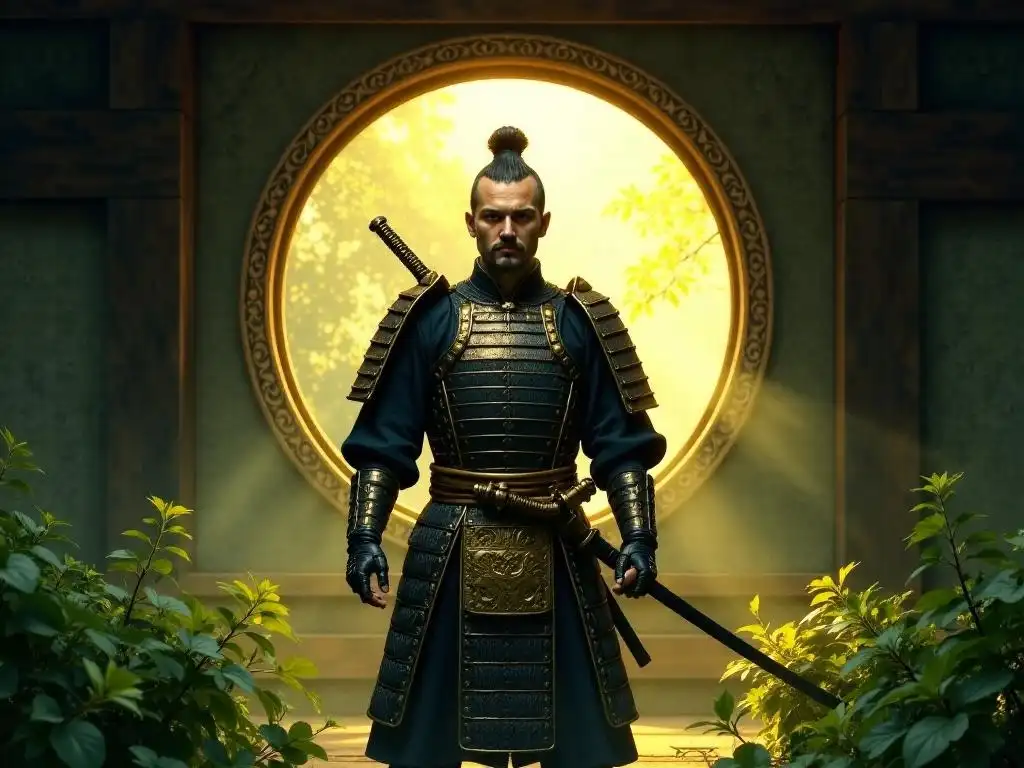
The Bushido code, often referred to as the "Way of the Warrior," serves as the ethical foundation for the samurai class in feudal Japan. This code encompasses a set of moral principles that guided the samurai in their conduct, shaping their identity and societal roles. The core principles of Bushido can be distilled into several key virtues, including honor, loyalty, courage, rectitude, compassion, and respect. Understanding these principles is crucial for comprehending the dynamics of the samurai class and their impact on Japanese society.
Honor and Loyalty in Samurai Ethics
At the heart of Bushido lies the concept of honor, which permeated every aspect of a samurai's life. Honor was not merely a personal attribute; it was a social obligation. A samurai’s reputation depended heavily on their actions and adherence to their ethical code. They believed that maintaining honor was essential to their identity, and any act that tarnished their reputation could lead to a loss of status or even death.
- Loyalty was another fundamental aspect of samurai ethics. This loyalty was primarily directed towards one's lord (daimyō) and the feudal system. The samurai were expected to serve their lords faithfully, often at the cost of their own lives. This unwavering allegiance fostered a sense of unity and stability within the feudal hierarchy.
- The relationship between a samurai and their lord was often likened to that of a father and son, emphasizing the deep emotional ties and responsibilities involved. In return for their loyalty, samurai were granted protection, land, and status. This mutual dependence solidified the samurai's role within the social structure, reinforcing the importance of loyalty as a pillar of the Bushido code.
Courage and Rectitude as Samurai Virtues
Courage and rectitude are two virtues that exemplify the warrior spirit inherent in the samurai class. Courage was not merely the absence of fear; it was the ability to act rightly in the face of fear. The samurai were trained to face battle with bravery, embracing death as a part of their duty.
- This valor was not limited to martial endeavors; it extended to moral courage as well. Samurai were expected to stand up for justice, confronting wrongdoing even when it posed personal risk. This principle established a sense of responsibility among samurai to protect the weak and uphold societal values.
- Rectitude, or righteousness, complemented courage by dictating that samurai should act according to moral principles and justice. This meant making decisions based on what was right rather than what was advantageous. Samurai were held to a high standard of ethical behavior, reinforcing the idea that true warriors embody a commitment to moral integrity.
Compassion and Respect within Samurai Society
While the image of the samurai often conjures thoughts of fierce warriors, the Bushido code also emphasized the virtues of compassion and respect. These qualities played a crucial role in defining the samurai's relationship with society.
- Compassion involved the ability to empathize with others and act with kindness, especially towards those who were vulnerable or in need. Samurai were expected to show mercy and protect the honor of those beneath them, fostering a sense of duty beyond mere martial prowess.
- Respect was integral to the samurai's interactions. This principle extended not only to fellow samurai but also to peasants, artisans, and even adversaries. The samurai understood that respect was essential for maintaining harmony within the social structure. By honoring others, they cultivated a sense of community and mutual understanding, which was vital for the stability of feudal Japan.
The Bushido code established a complex system of ethics that shaped the dynamics of the samurai class. Through the principles of honor, loyalty, courage, rectitude, compassion, and respect, samurai not only defined their roles within the feudal hierarchy but also influenced the broader cultural and societal landscape of Japan during the feudal era.
The Impact of Bushido on Samurai Class Dynamics
The Bushido code, often referred to as the "Way of the Warrior," was not merely a set of ethical guidelines for samurai; it was a comprehensive framework that profoundly influenced the dynamics of the samurai class in feudal Japan. This ethical code was built on principles such as loyalty, honor, courage, and respect, which permeated the social fabric of the samurai class and defined their interrelationships and societal roles. Understanding the impact of Bushido on samurai class dynamics provides critical insights into Japan’s historical landscape and the evolution of its warrior culture.
How Bushido Shaped Samurai Relationships
Bushido established a distinctive set of expectations that governed the relationships among samurai and between samurai and their lords. The following factors illustrate how these relationships were profoundly influenced by the Bushido code:
- Loyalty and Duty: Central to Bushido was the concept of loyalty, particularly to one's lord (daimyō). This loyalty often transcended personal well-being, with samurai expected to prioritize their lord's interests above their own. The famous saying “Karō ni shinjiru” (trust in your lord) encapsulated this belief. Samurai who demonstrated unwavering loyalty were often rewarded with increased status and land.
- Honor and Reputation: Honor was paramount in samurai society, and the Bushido code dictated a strict adherence to personal and familial honor. A samurai's reputation was his currency, and maintaining it was crucial. Acts of dishonor, such as betrayal or cowardice, could lead to a samurai’s fall from grace, compelling them to commit seppuku (ritual suicide) to restore their honor.
- Rituals and Ceremonies: The Bushido code also influenced the social interactions among samurai. Specific rituals, such as the tea ceremony and formal greetings, were imbued with significance that reinforced the hierarchy and respect fundamental to samurai relationships. These rituals served not only to maintain decorum but also to strengthen bonds among members of the samurai class.
- Mentorship and Training: The hierarchical nature of samurai relationships was reinforced through mentorship and apprenticeship. Senior samurai were expected to train younger samurai in the ways of Bushido, fostering a culture of respect and duty that was essential for the continuity of samurai values.
Bushido also had a lasting impact on the broader social hierarchy and class structure of feudal Japan. This influence can be understood through several key aspects:
- Class Distinction: The principles of Bushido contributed to the clear delineation of classes within feudal Japan. Samurai were seen as the elite warrior class, distinct from farmers, artisans, and merchants. This distinction was not merely social but also legal, as samurai enjoyed privileges that were not available to the lower classes, such as the right to bear arms.
- Legitimization of Power: Bushido provided a moral justification for the samurai's role as protectors of the realm. By adhering to the code, samurai legitimized their authority and power over the lower classes. This ethical framework allowed them to command respect and obedience, reinforcing their position within the feudal hierarchy.
- Social Responsibilities: The Bushido code outlined the responsibilities of samurai towards their subjects. This included the protection of the peasantry and the maintenance of order within their domains. While samurai were often depicted as fierce warriors, they were also expected to act as benevolent rulers, embodying the principles of justice and fairness dictated by Bushido.
- Cultural Transmission: The values espoused by Bushido transcended the samurai class, influencing the broader Japanese culture. Concepts of loyalty, honor, and duty became ingrained in the national psyche, shaping societal norms and behaviors across different social strata.
The Bushido code was instrumental in defining the dynamics of the samurai class and their interactions with one another and the broader society. Its influence on relationships, social hierarchy, and cultural norms ensured that the values of the warrior class left an indelible mark on Japanese history. Understanding these dynamics is essential for a comprehensive exploration of feudal Japan and the legacy of the samurai.
Bushido's Role in Samurai Warfare and Governance
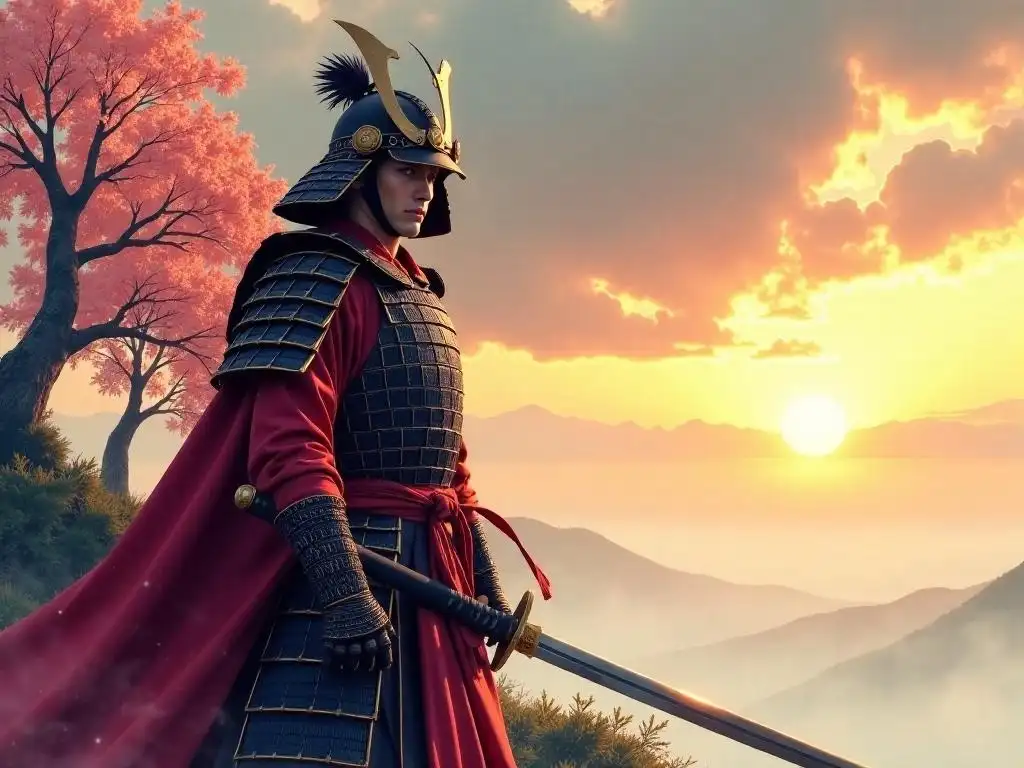
The Bushido code, often referred to as "the way of the warrior," was not merely a set of principles guiding individual samurai in their personal conduct; it played a pivotal role in shaping the nature of warfare and governance during Japan's feudal era. This ethical code established a framework that dictated the samurai's behavior on the battlefield and in their interactions with lords and peers, significantly influencing the socio-political landscape of feudal Japan.
The Ethical Implications of Bushido in Battle
The ethical implications of Bushido in battle are profound and multifaceted, affecting not only the samurai themselves but also the outcomes of conflicts. Key tenets of the Bushido code, such as honor, courage, and loyalty, directly impacted samurai behavior during combat.
- Honor: The concept of honor was paramount; samurai were expected to fight valiantly and to seek a glorious death rather than surrender. This often led to fierce battles characterized by acts of bravery and self-sacrifice. The willingness to die for one's lord was a testament to the samurai's commitment to Bushido, fostering a culture of resilience and valor in warfare.
- Courage: Courage was not merely about the absence of fear but also involved the ability to confront overwhelming odds. Samurai who embodied this virtue were often celebrated in literature and folklore, reinforcing the idea that bravery was a core aspect of the samurai identity.
- Loyalty: Loyalty to one's lord was a guiding principle of Bushido. This loyalty often manifested itself in battles fought to protect the interests and honor of the clan. The samurai's commitment to their lord’s cause could lead to a unique sense of camaraderie among warriors, as they fought side by side, bonded by their shared code.
The impact of Bushido on battle tactics was also significant. For instance, the emphasis on honor and reputation led to the adoption of formalized combat styles and rituals, which were designed to enhance the dignity of warfare. The samurai often engaged in one-on-one duels before larger battles, allowing warriors to demonstrate their skills and valor in a controlled manner.
Bushido in Political Leadership and Decision-Making
Bushido extended beyond the battlefield and played a crucial role in political leadership and decision-making among the samurai class. The ethical standards upheld by Bushido influenced how samurai leaders governed their domains and interacted with their subjects.
- Integrity and Justice: Samurai leaders were expected to uphold integrity and justice, reflecting the moral imperatives of Bushido. This meant making decisions that were fair and just, promoting stability within their territories. Leaders who adhered to these principles were respected not only by their peers but also by the common people, fostering loyalty and trust.
- Strategic Diplomacy: The practice of Bushido also informed diplomatic relations. Samurai leaders often navigated complex alliances and feuds with a focus on honor and mutual respect. This could lead to negotiations that prioritized the well-being of the state and upheld the values of Bushido, even amidst political strife.
- Influence on Governance Structures: The ethical framework of Bushido contributed to the evolution of governance structures in feudal Japan. Samurai lords often employed a hierarchy of vassals, with loyalty and service rewarded according to the principles of Bushido. This created a system where meritocracy and loyalty were interlinked, enabling capable leaders to rise while fostering a sense of obligation and duty among their followers.
The Bushido code was fundamental in shaping both the warfare tactics and the governance strategies of the samurai class. By intertwining ethical principles with military and political conduct, Bushido not only defined the samurai's role in society but also laid the groundwork for the societal dynamics that characterized feudal Japan.
Comparisons of Bushido with Other Ethical Codes

The Bushido code, which translates to "the way of the warrior," is a complex ethical system that guided the samurai class in feudal Japan. To gain a deeper understanding of its significance, it is essential to compare it with other ethical codes from different cultures. This analysis not only highlights the uniqueness of Bushido but also reveals the common threads that connect it with other moral frameworks.
Contrast Between Bushido and Western Chivalry
Bushido and Western chivalry both served as guiding principles for their respective warrior classes, yet they exhibit fundamental differences in values and societal roles.
- Core Values:
- Bushido: Emphasizes loyalty, honor, and self-discipline. The samurai were expected to serve their lords faithfully, even to the point of sacrificing their lives. Honor was paramount, often leading to seppuku (ritual suicide) as a means to restore honor.
- Western Chivalry: While also centered on honor, chivalry incorporates romantic ideals, including courtly love and the protection of the weak. Knights were bound by a code that emphasized valor in battle, but also the importance of gallantry towards women and the defenseless.
- Social Hierarchy:
- Bushido: The samurai were part of a rigid social structure where loyalty to one's lord was vital. Their status was defined by their role as military retainers, and their ethical conduct was closely tied to their feudal obligations.
- Western Chivalry: Chivalric values were often associated with nobility, where knights served lords but also held land and titles. The concept of noblesse oblige (the obligation of the nobility to act with generosity) was critical in defining a knight's duties beyond mere military service.
- Cultural Context:
- Bushido: Developed within the context of Zen Buddhism and Shinto, Bushido reflects a spiritual aspect that emphasizes harmony with nature and the universe. The samurai's connection to their spiritual beliefs influenced their ethical code significantly.
- Western Chivalry: Rooted in Christian values, chivalry incorporated religious obligations, including the protection of Christendom. This connection to faith shaped the moral landscape for knights in Europe.
Similarities Between Bushido and Other Eastern Philosophies
Despite its unique characteristics, Bushido shares commonalities with several other Eastern philosophical systems, reflecting broader themes in ethical thought.
- Confucianism:
- Both Bushido and Confucianism emphasize loyalty and filial piety. In Confucian thought, the importance of loyalty to family and superiors mirrors the samurai's dedication to their lords. The hierarchical structure in both philosophies promotes respect for authority and social harmony.
- Taoism:
- The concept of living in harmony with the Tao, or the natural way, resonates with aspects of Bushido. The samurai's pursuit of balance and self-discipline parallels Taoist ideals of moderation and the importance of aligning oneself with the natural order.
- Buddhism:
- The influence of Zen Buddhism on Bushido is profound, particularly in the cultivation of mindfulness and clarity of thought. The samurai's training often included meditation practices, which were crucial in developing a calm and focused mind, leading to better decision-making in battle.
- Hinduism:
- Although culturally distinct, the duty ( dharma) emphasized in Hinduism shares similarities with the Bushido code. Both systems encourage individuals to fulfill their societal roles while adhering to ethical principles, thus maintaining order and balance within society.
The intricate tapestry of Bushido as an ethical code reveals both contrasts and similarities with various cultural frameworks. Understanding these relationships enriches our appreciation of the samurai class dynamics and highlights the enduring nature of ethical codes in shaping societal behaviors across cultures.
Bushido's Legacy in Modern Japan

The Bushido code, often referred to as the "way of the warrior," has left an indelible mark on contemporary Japanese society. This ethical framework, which originated during the feudal era, continues to influence various aspects of modern life, from personal conduct to business practices and national identity. Understanding the legacy of Bushido provides insight into how historical principles still resonate within Japan's cultural fabric.
The Enduring Relevance of the Bushido Code Today
In today's rapidly changing world, the principles of the Bushido code—honor, loyalty, courage, and self-discipline—remain relevant to many Japanese people. These values have been integrated into various sectors, including education, corporate culture, and even politics.
- Honor and Loyalty
- In the workplace, loyalty to one's company is often seen as paramount, reflecting the samurai's dedication to their lord. This is evident in the concept of lifetime employment, where employees are expected to remain with a company for their entire career.
- The importance placed on honor is reflected in the emphasis on reputation. Businesses often go to great lengths to maintain a good public image, mirroring the samurai's commitment to honor.
- Courage and Self-Discipline
- The tenets of courage and self-discipline are instilled in education, where students are taught the value of perseverance and resilience. This is evident in Japan's rigorous school systems and the respect accorded to hard work.
- Martial arts, such as Kendo and Aikido, serve as modern expressions of Bushido values, teaching practitioners discipline, respect, and self-control.
- A National Identity
- The Bushido code has contributed to a unique national identity that emphasizes collective responsibility over individualism. This sense of community and duty can be seen in civic activities and social responsibilities, where individuals prioritize the group over personal gain.
The Bushido code's principles continue to shape modern Japanese society, influencing behaviors, values, and practices across various domains.
How Bushido Influences Contemporary Japanese Culture
The influence of Bushido extends beyond personal conduct and corporate ethics; it permeates various cultural expressions in Japan today. From literature and film to festivals and art, the legacy of the samurai ethos is celebrated and revered.
- Literature and Cinema
- Numerous novels and films depict samurai as paragons of virtue, showcasing their adherence to the Bushido code. Works such as The Last Samurai and Akira Kurosawa's films often romanticize the samurai's honor and sacrifice, reinforcing the ideals of the Bushido code.
- Arts and Ceremonies
- Traditional arts, such as tea ceremonies and calligraphy, reflect the samurai's pursuit of perfection and mindfulness. These practices emphasize discipline and aesthetic appreciation, which are core aspects of the Bushido philosophy.
- Modern Festivals
- Festivals celebrating samurai history and heritage, such as the Kamakura Matsuri, serve as reminders of the Bushido legacy. These events often feature reenactments and exhibitions that highlight the samurai's role in shaping Japanese culture.
The Bushido code continues to influence contemporary Japanese culture in profound ways, serving as a guiding framework that informs personal values, artistic expressions, and societal norms. The enduring relevance of Bushido not only honors the legacy of the samurai but also provides a foundation for Japan's collective identity in the modern era.
Conclusion: The Importance of Understanding Bushido and Samurai Class Dynamics
Understanding the Bushido code is crucial to comprehending the intricate dynamics of the samurai class within feudal Japan. This ethical framework not only shaped the behavior and values of the samurai but also influenced the broader societal structure. The principles of Bushido—loyalty, honor, courage, and self-discipline—were not merely personal virtues; they were integral to the samurai's identity and their role as warriors and leaders.
Recap of Bushido's Influence on Feudal Japanese Society
The impact of the Bushido code on feudal Japanese society can be summarized in several key aspects:
- Social Hierarchy: Bushido reinforced the samurai's position at the top of the social hierarchy. Their adherence to this code justified their privileged status and distinguished them from other classes, such as farmers and merchants.
- Military Conduct: The ethical tenets of Bushido dictated the conduct of samurai in battle, emphasizing honor over mere victory. This led to a unique approach to warfare that valued bravery and strategic prowess.
- Cultural Legacy: The principles of Bushido transcended the battlefield, influencing Japanese arts, literature, and philosophy. Concepts like Zen Buddhism and Confucianism melded with Bushido, enriching Japanese culture with profound ethical reflections.
In a detailed examination, we can see how Bushido influenced various societal dimensions:
| Aspect | Description |
|---|---|
| Loyalty | Loyalty to one’s lord (daimyo) was paramount, often leading to acts of seppuku (ritual suicide) when dishonor occurred. |
| Honor | The samurai's reputation was tied to their honor, which often dictated personal and familial decisions. |
| Courage | Physical and moral courage were essential, encouraging samurai to face death bravely and uphold their ethical standards. |
| Self-Discipline | Samurai trained rigorously in martial arts and meditation, reflecting the deep-seated value of self-control. |
Final Thoughts on the Ethical Code and Its Historical Significance
The Bushido code has left an indelible mark on not only the samurai class dynamics but also the entirety of Japanese society. Its principles fostered a culture that valued ethical conduct and personal sacrifice. Moreover, the legacy of Bushido extends beyond the feudal era, resonating in contemporary Japanese society where elements of this code are still evident in business ethics and interpersonal relationships.
Understanding the Bushido code is more than a historical inquiry; it is essential for grasping the complexities of samurai class dynamics and their lasting influence on Japanese culture. As we reflect on this ethical code, we gain insight into the values that shaped a society and continue to echo in modern Japan. The exploration of Bushido thus serves as a lens through which the profound historical significance of the samurai class can be appreciated, acknowledging their role not just as warriors, but as pivotal figures in Japan's social evolution.
Frequently Asked Questions
What is the Bushido code?
The Bushido code is a set of ethical principles and values that governed the conduct of the samurai class in feudal Japan, emphasizing loyalty, honor, and bravery.
How did the Bushido code influence samurai class dynamics?
The Bushido code shaped the social hierarchy and relationships within the samurai class, promoting a sense of duty and service to one's lord, which affected interpersonal dynamics and political alliances.
What are the main principles of Bushido?
Key principles of Bushido include rectitude, courage, benevolence, respect, honesty, honor, and loyalty, which together form the moral foundation for the samurai's behavior.
How did the Bushido code evolve over time?
The Bushido code evolved from its early origins in military conduct to encompass broader philosophical and spiritual elements, reflecting changes in society and the role of samurai in Japan.
What impact did the Bushido code have on Japanese culture?
The Bushido code significantly influenced Japanese culture, shaping artistic expressions, literature, and the modern perception of the samurai, fostering a lasting legacy in Japanese identity.
Final Reflection: The Enduring Legacy of Bushido in Modern Society
The principles of the Bushido code resonate profoundly in today's world, reminding us that the values of honor, loyalty, and discipline are not merely relics of the past but essential tenets that can guide our lives today. In an era where ethical dilemmas abound and personal integrity is often tested, the samurai's commitment to their code serves as a beacon, urging us to navigate our own challenges with courage and conviction.
The influence of Bushido extends far beyond the historical context of the samurai class; it permeates our cultural and social landscapes, shaping our understanding of leadership, responsibility, and community. The ideals encapsulated in this ethical code continue to inspire individuals and organizations alike, fostering a sense of purpose and direction. A man who stands for nothing will fall for anything.
This quote, often attributed to Malcolm X, underscores the importance of having a guiding principle—much like the Bushido code—that helps us remain steadfast in our beliefs and actions amidst the chaos of modern life.
As we reflect on the lessons of Bushido, let us consider how we can embody these values in our daily interactions and decisions. I invite you to explore your own ethical framework and ask yourself: How can I integrate the spirit of Bushido into my life? Whether through acts of kindness, standing up for what is right, or cultivating discipline in our pursuits, we all have the power to honor the legacy of the samurai by living with integrity and purpose.
Embrace the Spirit of Bushido Today!
Thank you for diving into the rich tapestry of the Samurai’s ethical code. By exploring Bushido, you've uncovered the profound principles that shaped not only the Samurai but also the culture of Feudal Japan. Now, let’s explore how you can embody this spirit in your own life and community!
Take these steps to begin your journey:
- Practice mindfulness through daily reflection. Spend a few minutes each day contemplating your values and how they align with the principles of Bushido.
- Join a local martial arts class. Experience the discipline and honor that comes with martial training, fostering personal growth and a deep respect for others.
- Share this wisdom. Discuss the lessons of Bushido with friends and how these timeless values can positively influence modern life. You might also consider writing your own reflections on the topic.
Which principle of Bushido resonates with you the most, and how can you incorporate it into your daily routine? Let's discuss your insights!