
The Transformation of Japanese Calligraphy During the Edo Era

Welcome to Feudal Japan History, where we invite you on a captivating journey through the intricate tapestry of Japan's feudal era. Here, you will uncover the profound transformations that shaped not only the nation but also its rich cultural legacy. Dive into our featured article, "The Transformation of Japanese Calligraphy During the Edo Era," and discover how the art of Edo period Japanese calligraphy evolved, reflecting the societal changes and artistic innovations of the time. Prepare to be intrigued by the stories and insights that await you as you explore the depths of Japan's cultural history!
- Introduction to Edo Period Japanese Calligraphy
- Historical Context of the Edo Period
- Evolution of Japanese Calligraphy Styles During the Edo Period
- The Materials and Tools of Edo Period Japanese Calligraphy
- Cultural Significance of Calligraphy in Edo Society
- The Impact of Edo Period Japanese Calligraphy on Modern Practices
- Conclusion: The Legacy of Edo Period Japanese Calligraphy
- References and Further Reading on Edo Period Japanese Calligraphy
- Frequently Asked Questions
- Final Reflection: The Enduring Legacy of Edo Period Japanese Calligraphy
- Unveil the Beauty of Edo Era Calligraphy!
Introduction to Edo Period Japanese Calligraphy
The Edo period (1603-1868) represents a significant era in Japanese history characterized by political stability, economic growth, and cultural flourishing under the Tokugawa shogunate. Among the many artistic developments of this time, Japanese calligraphy underwent a remarkable transformation that reflected both the social changes and the evolving aesthetic values of the period.
This article delves into the intricate world of Edo period Japanese calligraphy, exploring its historical context, cultural significance, and the notable styles and techniques that emerged. By examining this art form, we gain insight into how calligraphy not only served as a means of communication but also as a profound expression of the Japanese spirit and identity during a time of great change.
Overview of Japanese Calligraphy
Japanese calligraphy, known as shodō (書道), is an art form that fuses visual aesthetics with linguistic expression. Originating from the Chinese writing system, it was adapted and transformed in Japan over centuries, evolving into a unique discipline that emphasizes the beauty of brush strokes and the fluidity of characters.
During the Edo period, calligraphy flourished as literacy rates increased and the merchant class began to emerge, leading to a broader appreciation for written art. Notable figures, such as the esteemed calligrapher Mizuno Rosetsu, contributed to the development of distinctive styles that blended traditional techniques with innovative approaches. The period saw the rise of various schools and styles, each with its own philosophies and aesthetics, showcasing the diversity of expression within Japanese calligraphy.
Importance of Calligraphy in Japanese Culture
Calligraphy holds a place of profound significance in Japanese culture, serving as a medium of artistic expression, spiritual reflection, and social interaction.
- Artistic Expression: Calligraphy transcends mere writing; it is viewed as a form of art that captures the essence of the artist's emotions and thoughts. The brushwork, ink flow, and overall composition convey a narrative that resonates deeply with viewers.
- Cultural Heritage: As an integral part of traditional Japanese education, calligraphy has been practiced for centuries, passing down knowledge and techniques from one generation to the next. It embodies the values of discipline, patience, and respect for nature, which are central to Japanese aesthetics.
- Spiritual Significance: In many cases, calligraphy is intertwined with Zen Buddhism, where the act of writing becomes a meditative practice. The focus required in creating each stroke fosters mindfulness and deep contemplation, reinforcing the spiritual connection between the artist and their work.
The transformation of Japanese calligraphy during the Edo period is a reflection of the broader cultural and societal shifts of the time. Understanding its evolution not only enhances our appreciation for this art form but also connects us to the rich tapestry of Japan's cultural heritage.
Historical Context of the Edo Period
Overview of the Edo Period (1603-1868)
The Edo period, spanning from 1603 to 1868, marks a significant era in Japanese history characterized by relative peace, political stability, and cultural flourishing under the rule of the Tokugawa shogunate. This period followed the turbulent Sengoku era, which was marked by constant military conflict and civil strife. The establishment of the Tokugawa shogunate brought about a centralized feudal system that greatly influenced all aspects of Japanese life, including art, literature, and particularly calligraphy.
During this era, Japan implemented a policy of isolation, known as Sakoku, which restricted foreign influence and trade. This isolation allowed for the development of a unique Japanese culture, free from the overwhelming effects of Westernization. The Edo period laid the foundation for the flourishing of arts and crafts, leading to the emergence of various styles of calligraphy that would evolve significantly over the course of the era.
The population during this time grew, with urban centers like Edo (modern-day Tokyo) becoming cultural hubs. The increasing literacy rates and the rise of the merchant class played a pivotal role in shaping the practice of calligraphy, making it accessible beyond the elite samurai class.
The political stability of the Edo period had profound implications for the arts, including calligraphy. The Tokugawa shogunate encouraged cultural activities as a means of promoting loyalty and conformity among its subjects. As a result, calligraphy became not only a means of artistic expression but also a tool for political propaganda and education.
The rigid class structure of feudal Japan influenced the themes and techniques used in calligraphy. The samurai, who were traditionally the literati, began to adopt new styles influenced by the growing merchant class. This democratization of calligraphy led to a greater variety of techniques and materials being utilized.
Moreover, the rise of print culture during the Edo period contributed to the spread of calligraphic styles. The development of woodblock printing allowed for the wider distribution of calligraphy and related texts, making them accessible to a broader audience. This facilitated the integration of calligraphy into everyday life, as it adorned everything from poetry books to commercial signage.
The Role of the Samurai and Calligraphy
The samurai class played a pivotal role in the evolution of Edo period Japanese calligraphy. Traditionally, samurai were not only warriors but also scholars and poets, and their education often included the study of calligraphy as a vital skill. The aesthetic value of calligraphy was closely tied to the samurai's identity, representing not only their refinement but also their moral integrity.
During the Edo period, however, the functions of the samurai began to shift as the era's peace diminished the need for military prowess. Many samurai turned their focus towards cultural pursuits, including calligraphy, which became a means of expressing their status and education. As such, the styles adopted by samurai reflected their personal philosophies and social standing, leading to an increased emphasis on individual expression within the art form.
In addition to personal expression, calligraphy served ceremonial purposes among the samurai. It was common for samurai to compose and display works during important events, such as tea ceremonies or formal gatherings. This ceremonial aspect reinforced the idea that calligraphy was a sophisticated art form, deserving of respect and admiration.
Overall, the interplay between the samurai and calligraphy during the Edo period illustrates the complex dynamics of culture, identity, and societal values, showcasing how this art form was not only a reflection of personal skill but also a representation of the broader cultural ethos of the time.
Evolution of Japanese Calligraphy Styles During the Edo Period
The Edo period (1603-1868) marked a significant transformation in the practice of calligraphy in Japan, characterized by the coexistence and evolution of various styles. This era witnessed a flourishing of artistic expression, driven by socio-political stability and increased cultural exchange, which profoundly influenced the development of Edo period Japanese calligraphy. The intricate interplay between traditional aesthetics and innovative approaches defined this period's calligraphic landscape.
Traditional Styles vs. Emerging Styles
The Edo period saw the continuation of traditional calligraphic styles, such as Kaisho (block style), Gyosho (semi-cursive), and Sosho (cursive), while simultaneously giving rise to new styles that diverged from classical norms.
- Traditional Styles:
- Kaisho: Known for its clear and legible characters, Kaisho was often used for formal documentation and texts. Its structured form emphasized precision and discipline.
- Gyosho: This semi-cursive style allowed for a balance between expression and readability, often favored for personal correspondence and artistic endeavors.
- Sosho: The most fluid of the traditional styles, Sosho embraced spontaneity and creativity, making it popular among poets and artists.
- Emerging Styles:
- Bunjin: Influenced by Chinese literati culture, this style combined elegance with a more personal touch. Bunjin calligraphers often included poetic verses, merging visual art with literature.
- Kanshi: This style incorporated Chinese characters and was popular among scholars, reflecting the intellectual pursuits of the time. The aesthetics of Kanshi emphasized subtlety and depth.
- Contemporary Innovations: The latter part of the Edo period saw innovative approaches that blended traditional techniques with modern sensibilities, leading to unique expressions in calligraphy that departed from established norms.
This period's diversity in styles not only enriched the art of calligraphy but also mirrored the broader cultural shifts occurring in Edo Japan, as artists experimented with form and content.
Key Influences on Calligraphic Techniques
Several factors played a crucial role in shaping Edo period Japanese calligraphy, impacting both techniques and themes.
- Cultural Exchange: The opening of Japan to foreign influences, particularly from China, introduced new materials, tools, and philosophies. The adaptation of Chinese calligraphic styles led to innovations in technique and expression.
- Education and Patronage: The establishment of schools and academies dedicated to the arts encouraged the study of calligraphy. Patronage from samurai and merchant classes provided financial support and a platform for emerging artists.
- Printing Technology: The advent of woodblock printing allowed for the dissemination of calligraphic works to a broader audience. This not only increased the visibility of various styles but also encouraged artists to experiment with typography and layout.
- Philosophical Movements: The rise of Neo-Confucianism and other philosophical schools influenced the themes of calligraphic works. Calligraphers began to explore deeper meanings and incorporate moral teachings into their art.
These influences contributed to a dynamic environment where traditional techniques were respected yet continuously reinterpreted, leading to a rich tapestry of calligraphic expression during the Edo period.
Significant Calligraphers of the Edo Era
The Edo period was home to many notable calligraphers whose contributions have left a lasting impact on the art form. Some of the most significant figures include:
- Kano Eitoku: A leading figure in the Kano school of painting, Eitoku was also recognized for his calligraphy, which seamlessly blended visual art with written expression.
- Yamamoto Sōun: Known for his mastery of Sosho, Sōun was a prominent calligrapher whose works conveyed both emotion and fluidity, reflecting the essence of the Edo aesthetic.
- Ishikawa Tōyō: A prolific calligrapher and scholar, Tōyō's style incorporated elements of Bunjin, characterized by its poetic integration of text and artistic expression. His works are celebrated for their sophistication and depth.
| Calligrapher | Style | Notable Contribution |
|---|---|---|
| Kano Eitoku | Kaisho | Integrated painting and calligraphy in unique ways. |
| Yamamoto Sōun | Sosho | Known for emotional depth and fluidity in characters. |
| Ishikawa Tōyō | Bunjin | Merged poetry with visual aesthetics in calligraphy. |
The legacy of these calligraphers continues to influence contemporary practices, showcasing the enduring significance of Edo period Japanese calligraphy in Japan's cultural history. Through their innovative approaches and mastery of technique, they contributed to the rich evolution of calligraphy during this transformative era.
The Materials and Tools of Edo Period Japanese Calligraphy
The Edo period (1603-1868) marked a significant evolution in Japanese calligraphy, not only in style and technique but also in the materials and tools utilized by calligraphers. The interplay of tradition and innovation during this time resulted in a rich tapestry of artistic expression, deeply rooted in the cultural context of the era. Understanding the materials and tools of Edo period Japanese calligraphy provides insight into the craftsmanship and aesthetics that defined this art form.
Types of Brushes Used in Edo Period Calligraphy
The brush, or fude, is arguably the most essential tool in Japanese calligraphy. During the Edo period, several types of brushes were developed, each serving specific purposes:
- Sumi Brushes: These were made from the hair of various animals, including weasel, horse, and goat. The choice of hair affected the brush's stiffness and fluidity.
- Weasel Hair Brushes: Known for their fine points and resilience, ideal for precise characters.
- Horse Hair Brushes: Often used for larger strokes, providing a balance between flexibility and control.
- Thick vs. Thin Brushes: Calligraphers often used a range of brush sizes to achieve different effects.
- Thick Brushes: Suitable for bold, expressive strokes.
- Thin Brushes: Perfect for delicate, intricate characters.
- Specialized Brushes: Some brushes were designed for specific scripts, such as kaisho (block style) or gyosho (semi-cursive), allowing calligraphers to explore various styles with ease.
The evolution and specialization of brushes during the Edo period reflect the growing sophistication of calligraphy as both an art and a means of communication.
Inks and Papers: The Essentials for Calligraphy
In addition to brushes, the quality of ink and paper used in Edo period Japanese calligraphy greatly influenced the final outcome of the artwork.
- Inks: The ink, or sumi, was traditionally made from soot and animal glue. It was ground on an ink stone, allowing the calligrapher to control the consistency and intensity of the ink.
- Types of Sumi:
- Liquid Sumi: More common for daily use, it provided a quick and efficient medium.
- Solid Sumi Sticks: Preferred by purists, these required grinding and offered a richer texture.
- Types of Sumi:
- Papers: The choice of paper was equally critical, with several types being favored during the Edo period.
- Washi: A traditional Japanese paper made from the fibers of the mulberry tree, known for its durability and texture.
- Kenshi: A type of washi that had a smooth surface, ideal for detailed calligraphy.
- Chiri: A rougher paper that absorbed ink well, giving a unique quality to strokes.
The combination of high-quality ink and paper not only enhanced the visual appeal of calligraphy but also contributed to the longevity of the artworks.
Innovations in Calligraphy Tools During the Edo Period
The Edo period also saw notable innovations in calligraphy tools, reflecting broader technological advancements and cultural shifts.
- Standardization of Brushes: The establishment of specific brush-making workshops led to a more standardized production of brushes, making high-quality tools more accessible to a wider range of artists.
- Introduction of New Inks: The development of commercially available ink products allowed calligraphers to experiment with different hues and consistencies without the need for extensive preparation.
- Innovative Paper Manufacturing: Advances in papermaking techniques resulted in a variety of papers tailored specifically for calligraphy, allowing artists to choose materials that best suited their style and technique.
- Portable Tools: The creation of compact ink stones and travel-sized brush sets made it easier for calligraphers to practice their art on the go, leading to a proliferation of calligraphy across different social classes.
These innovations not only enhanced the practice of calligraphy during the Edo period but also facilitated the spread of this art form, contributing to a vibrant cultural exchange that characterized the era.
Cultural Significance of Calligraphy in Edo Society
The Edo period (1603-1868) was a pivotal era in the history of Japan, marked by profound cultural developments and the emergence of new artistic expressions. Among these, Japanese calligraphy (書道, shodō) held a unique place, reflecting the values, aesthetics, and social dynamics of the time. This section delves into the multifaceted role of calligraphy in Edo society, highlighting its significance as an art form, its educational implications, and its presence in religious and ceremonial practices.
Calligraphy as an Art Form
During the Edo period, Japanese calligraphy evolved into a highly esteemed art form. Artists began to experiment with various styles, techniques, and materials, leading to a rich diversity in calligraphic expression.
- Influential Styles: The kaisho (block style), gyō (semi-cursive), and sō (cursive) styles became prominent. Each of these styles served different purposes, from formal documents to personal letters.
- Notable Calligraphers: Renowned calligraphers such as Yamamoto Shunsho and Tachibana Morikuni contributed to the development of calligraphy as an art form. Their works often displayed a balance of beauty and precision, emphasizing the aesthetic qualities of brush strokes and ink flow.
- Materials and Techniques: The quality of materials, including ink, brushes, and paper, was pivotal in the artistic process. Calligraphers in the Edo period utilized handmade papers and natural inks, which enhanced the visual appeal of their work. The techniques employed also evolved, with a focus on brush control and the expressive potential of each stroke.
“Calligraphy is not merely the writing of characters; it is the embodiment of the artist’s soul.” - Anonymous
The Role of Calligraphy in Education and Literacy
Calligraphy played an essential role in the educational landscape of the Edo period. As literacy rates increased, the demand for effective teaching methods and materials surged.
- Educational Institutions: Schools, known as terakoya, emerged across Edo Japan, where children learned the fundamentals of reading, writing, and calligraphy. Instruction in calligraphy was integral to developing literacy skills, fostering a deep appreciation for the written word.
- Literacy and Social Mobility: The emphasis on calligraphy education contributed to rising literacy rates among the common people, which in turn empowered them socially and economically. The ability to read and write opened doors to new opportunities and enhanced participation in the cultural and political life of Edo society.
- Cultural Transmission: Calligraphy also served as a medium for transmitting cultural values and historical narratives. Through the practice of writing classical texts and poetry, students not only honed their skills but also engaged with Japan's rich literary heritage.
Calligraphy in Religious and Ceremonial Practices
Calligraphy held a significant place in the religious and ceremonial life of Edo society. It was often used to convey spiritual messages, commemorate events, and enhance rituals.
- Shinto and Buddhist Practices: Calligraphy was employed in Shinto shrines and Buddhist temples to create sacred texts and inscriptions. The beauty of the script was believed to enhance the spiritual power of the written word, making it a vital element in religious observance.
- Ceremonial Uses: In various ceremonies, calligraphy was used to create decorative scrolls and invitations, adding a touch of elegance and formality. The art of calligraphy became synonymous with auspicious occasions, such as weddings and New Year celebrations.
- Philosophical Underpinnings: The practice of calligraphy in religious contexts was also rooted in philosophical ideas. It reflected the principles of Zen Buddhism, where the act of writing was seen as a meditative practice, promoting mindfulness and self-discipline.
The cultural significance of Edo period Japanese calligraphy transcended mere aesthetics. It was an art form that shaped education, enriched spiritual life, and embodied the values of the society in which it thrived. The evolution of calligraphy during this era not only highlights its importance in historical contexts but also underscores its enduring legacy in contemporary Japanese culture.
The Impact of Edo Period Japanese Calligraphy on Modern Practices
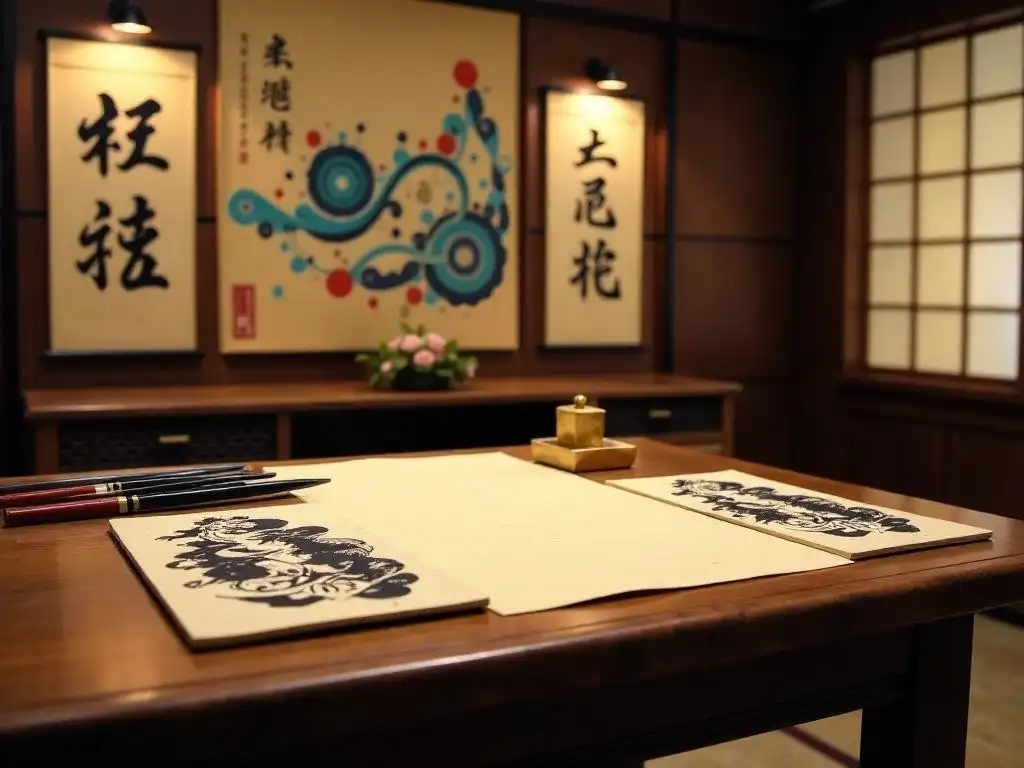
The Edo period (1603-1868) was a transformative time for Japanese calligraphy, marking a shift not only in techniques and styles but also in the perception of calligraphy as an art form. The legacy of Edo period Japanese calligraphy continues to resonate in contemporary practices, influencing artists and enthusiasts alike. This section delves into how the innovations and traditions established during this era shape modern calligraphy.
Continuity and Change: How Edo Calligraphy Influences Today
The influence of Edo period Japanese calligraphy can be observed in various aspects of contemporary art and culture. The era was characterized by the flourishing of unique styles, such as sōsho (running script) and gyōsho (semi-cursive script), which were popularized by renowned calligraphers like Yamamoto Shūgai and Kagawa Shūshin. These styles form the foundation of many modern calligraphers' work, showcasing a blend of fluidity and expressiveness.
- Techniques Passed Down: Many modern calligraphers study Edo techniques, practicing traditional forms to gain mastery. This hands-on approach ensures that the essence of Edo calligraphy remains alive, as artists incorporate these techniques into their own styles.
- Blending of Styles: Contemporary artists often combine Edo calligraphy with other art forms, such as painting and digital media. This fusion creates a unique aesthetic, drawing upon the elegance of Edo styles while responding to modern sensibilities.
- Cultural Appreciation: There's a growing interest in traditional Japanese arts, with calligraphy being a focal point. Workshops, exhibitions, and online courses focusing on Edo period styles are increasingly popular, helping to cultivate a new generation of practitioners.
The Revival of Traditional Techniques in Contemporary Art
In recent years, there has been a notable revival of traditional calligraphy techniques that originated during the Edo period. This revival is not only a nostalgic homage to the past but also a critical exploration of identity and cultural heritage in the modern context.
- Artistic Movements: Artists like Shinoda Toko and Kato Kōsuke have been instrumental in reviving traditional calligraphy practices while integrating them into contemporary art movements. Their works often reflect a dialogue between past and present, challenging viewers to reconsider the relevance of traditional forms in today's world.
- Workshops and Education: Educational institutions and cultural organizations now offer workshops that focus on Edo period calligraphy techniques. These classes attract a diverse audience, from complete novices to experienced artists seeking to deepen their understanding of the craft.
- Digital Influence: The advent of digital tools has transformed how calligraphy is created and shared. Many artists are experimenting with digital calligraphy, drawing inspiration from Edo styles, and exploring how these ancient techniques can be adapted for modern platforms.
The impact of Edo period Japanese calligraphy is profound, shaping both aesthetic and cultural dimensions of contemporary practices. By bridging the gap between tradition and modernity, calligraphers today continue to honor the rich legacy of the Edo era while forging new paths in the world of art.
Conclusion: The Legacy of Edo Period Japanese Calligraphy
The Edo period, spanning from 1603 to 1868, marked a significant transformation in Japanese calligraphy, characterized by a blend of traditional techniques and innovative styles. The legacy of Edo period Japanese calligraphy is evident in its evolution, which not only reflects the sociopolitical changes of the time but also the cultural flourishing that occurred under the Tokugawa shogunate. This era saw calligraphy move from the exclusive domain of the elite to a more democratized practice, influencing various aspects of Japanese art and culture.
Summary of Key Transformations in Calligraphy
Throughout the Edo period, several key transformations in Japanese calligraphy emerged. Here are some notable changes:
- Shift from Formality to Individual Expression:
- Earlier periods emphasized strict adherence to classical styles and formats. However, during the Edo period, calligraphers began to explore personal expression, often incorporating unique stylistic flourishes.
- Notable calligraphers such as Yamamoto Sōun and Kawai Sōkei became known for their innovative approaches, blending traditional Kanji with more fluid and expressive strokes.
- Incorporation of New Materials:
- The availability of new materials, such as high-quality paper and brushes, facilitated experimentation. Calligraphers started using different inks and surfaces, leading to diverse textures and appearances in their works.
- This period saw the rise of sumi ink, which became popular for its deep, rich black color and versatility.
- Development of Popular Styles:
- Styles such as kaisho (block style), gyōsho (semi-cursive), and sōsho (cursive) became widely practiced, with an emphasis on readability and artistic flair.
- The Kanshi (Chinese poetry) form was particularly popular, as it allowed for both literary and artistic expression.
- Influence of Other Art Forms:
- Edo period Japanese calligraphy was heavily influenced by other art forms, including ukiyo-e (woodblock prints) and painting, resulting in a more integrated approach to visual arts.
- Calligraphers often collaborated with painters to create works that combined text and imagery, enhancing the aesthetic appeal.
The Lasting Influence on Japanese Culture and Artistry
The transformations witnessed in Edo period Japanese calligraphy left a profound impact on subsequent generations, shaping the trajectory of Japanese art and culture. The lasting influence can be categorized into several key areas:
- Cultural Integration:
- Calligraphy became a vital part of Japanese identity, merging with literature, poetry, and visual arts. This integration fostered a rich cultural environment that celebrated artistic expression across multiple formats.
- Educational Reforms:
- The rise of calligraphy as a popular practice led to its inclusion in educational curricula, promoting literacy and artistic skills among the general populace. Schools began to emphasize calligraphy, ensuring that skills were passed down through generations.
- Modern Interpretations:
- Contemporary artists continue to draw inspiration from the Edo period, adapting traditional techniques to modern contexts. The aesthetic principles established during this time can be seen in various forms of contemporary Japanese art, including graphic design and digital media.
- Global Influence:
- The principles of Edo period Japanese calligraphy have transcended national boundaries, influencing artists and calligraphers worldwide. The elegance and simplicity of Japanese calligraphy resonate in global art movements, contributing to the appreciation of Eastern art forms.
The Edo period was pivotal in the evolution of Japanese calligraphy, fostering a unique blend of tradition and innovation that continues to resonate in modern artistic practices. The legacy of Edo period Japanese calligraphy is not merely historical; it remains a living art form that continues to inspire and shape cultural expressions within and beyond Japan.
References and Further Reading on Edo Period Japanese Calligraphy
Suggested Books and Articles
-
"Edo Period Japanese Calligraphy: A Historical Overview" by Hiroshi Tanaka
This book provides a comprehensive examination of how calligraphy evolved during the Edo period, emphasizing the transitions in styles and techniques. Tanaka explores the influence of socio-political factors on the art form and includes stunning illustrations of key works from the era.
-
"The Art of Japanese Calligraphy" by Yukio Matsumoto
Matsumoto’s work delves into the aesthetic principles underlying Japanese calligraphy, with a dedicated section on the Edo period. The author discusses the cultural context that shaped calligraphic practices, featuring profiles of prominent calligraphers of the time.
-
"Shodō: The Way of Writing" by Mei Ling Chen
This article highlights the spiritual and philosophical aspects of calligraphy, particularly during the Edo period. Chen discusses how calligraphy served as a medium for personal expression and reflection, influencing other art forms.
-
"From Ink to Art: The Evolution of Calligraphy in Japan" by Katsuhiro Yamamoto
This scholarly article presents a detailed analysis of the technical developments in calligraphy during the Edo era. Yamamoto emphasizes the impact of education and the rise of merchant culture on the accessibility and evolution of calligraphic styles.
-
"Japanese Calligraphy: A Cultural Journey through the Ages" by Akira Fujimoto
Fujimoto's book situates Edo period calligraphy within the broader historical narrative of Japanese art. It provides insight into how Edo society’s values and aesthetics informed the evolution of calligraphy.
Online Resources for Exploring Japanese Calligraphy
-
National Museum of Modern Art, Tokyo
This museum's website features a dedicated section on Edo period art, including calligraphy. Visitors can explore digitized collections and exhibitions that highlight significant works and their historical context.
-
The Japan Art History Forum
An online platform that hosts a wealth of resources related to Japanese art history, including articles and discussions on Edo period calligraphy. It provides access to academic papers and presentations by leading scholars in the field.
-
Calligraphy Society of Japan
Their website offers insights into contemporary practices and historical resources on Japanese calligraphy. They frequently publish articles and newsletters that explore the significance of Edo period calligraphy in modern contexts.
-
YouTube Channels on Japanese Art
Channels dedicated to Japanese art often feature videos on calligraphy techniques and the cultural significance of the Edo period. These resources can provide visual demonstrations of calligraphic practices.
-
Online Courses in Japanese Calligraphy
Various educational platforms offer courses focusing on Japanese calligraphy, including its history during the Edo period. These courses often cover foundational techniques while contextualizing the art form within its historical framework.
By exploring these suggested books, articles, and online resources, readers can deepen their understanding of Edo period Japanese calligraphy and appreciate its cultural significance.
Frequently Asked Questions
What is the Edo period in Japanese history?
The Edo period (1603-1868) was a time of political stability and cultural flourishing in Japan, marked by the rule of the Tokugawa shogunate and significant developments in arts, including calligraphy.
How did Japanese calligraphy change during the Edo era?
During the Edo era, calligraphy evolved through increased influence from Chinese styles and the emergence of unique Japanese techniques, leading to a new appreciation for the art form among the public.
What are the main styles of calligraphy that emerged in the Edo period?
Edo period calligraphy saw the rise of styles such as Kana and Kanji, with a focus on expressive brushwork and individual expression, reflecting the cultural shifts of the time.
Who were some notable calligraphers during the Edo era?
Prominent calligraphers of the Edo era included Mitsukuni, known for his elegant Kana, and Yamamoto Sōun, who blended traditional techniques with contemporary themes, influencing future generations.
How is Edo period Japanese calligraphy significant today?
Edo period Japanese calligraphy is significant as it laid the groundwork for modern Japanese calligraphy, preserving traditional techniques while inspiring contemporary artists to explore new forms of expression.
Final Reflection: The Enduring Legacy of Edo Period Japanese Calligraphy
The transformation of Japanese calligraphy during the Edo period is not merely a historical curiosity; it is a testament to the resilience and adaptability of cultural expression. As we navigate a world increasingly dominated by digital communication, the artistry and philosophy behind Edo period Japanese calligraphy remind us of the profound impact that traditional art forms can have on our contemporary lives. The elegance and precision of this ancient practice continue to resonate, illuminating the importance of preserving cultural heritage in an ever-changing landscape.
Calligraphy during the Edo period was not just about aesthetics; it was a reflection of societal values and individual identity. The evolution of styles and techniques during this time influenced not only artists but also the broader cultural milieu, fostering a deeper appreciation for the written word. Art is the most beautiful of all lies.
This quote encapsulates the essence of calligraphy, where each stroke tells a story, and every character embodies a piece of the artist's soul. The ongoing influence of Edo period Japanese calligraphy serves as a reminder of the power of art to transcend time and space, connecting us to our past while enriching our present.
As you reflect on the lessons of Edo period Japanese calligraphy, consider how you can incorporate the principles of patience, precision, and mindfulness into your own life. Take a moment to appreciate the beauty in the details, whether through art, writing, or everyday interactions. Embrace the spirit of transformation that characterized this era, and allow it to inspire you to cultivate your own unique expression in a world that often rushes by. Let the legacy of this remarkable art form guide you in your journey toward creativity and self-discovery.
Unveil the Beauty of Edo Era Calligraphy!
Thank you for diving into the fascinating world of Japanese calligraphy during the Edo Era! We hope you have gained valuable insights into the artistry and evolution that marked this remarkable period. Now, it's time to take action and immerse yourself deeper into this beautiful tradition.
Here are a few ways to continue your journey:
- Explore a local calligraphy class to try your hand at this ancient art form. You might discover a new passion!
- Share your thoughts about what you’ve learned—post a comment below or discuss your insights with friends. Your reflections can inspire enriching conversations!
- Visit a museum or exhibition showcasing artifacts from the Edo Era, particularly in the realm of calligraphy, to experience the beauty firsthand.
How will you integrate the elegance of Edo calligraphy into your daily life?