
The Quiet Revolution: How Zen Buddhism Transformed Japanese Culture

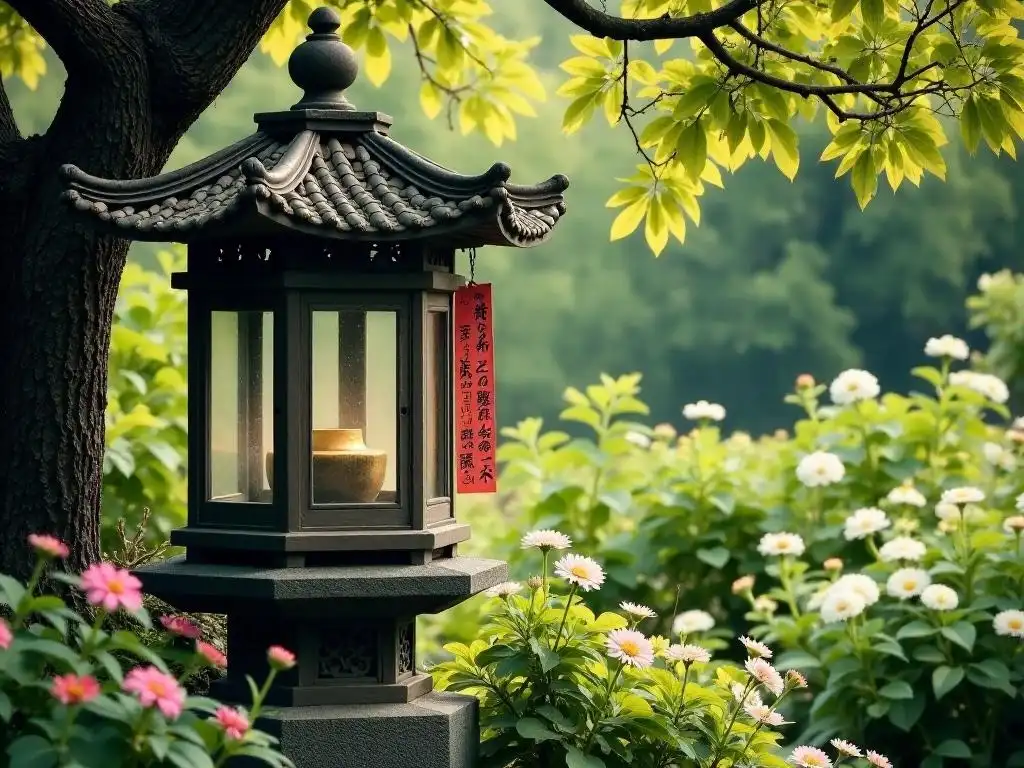
Welcome to Feudal Japan History, where the echoes of samurai and shoguns come alive through our meticulously crafted articles. Dive into the captivating world of Zen Buddhism and uncover how its profound influence sparked a quiet revolution in Japanese culture. Join us as we explore the intricate tapestry of history, culture, and society that shaped an era, inviting you to unravel the mysteries and transformative power of Zen. Prepare to embark on a journey that transcends time and discover the pivotal moments that defined a nation. Your exploration begins now!
Introduction to Zen Buddhism Influence on Japan
Zen Buddhism, a profound and contemplative tradition that emerged in China, has left an indelible mark on Japanese culture, shaping its art, philosophy, and social structures. This article delves into the nuanced ways in which Zen Buddhism influenced Japan, exploring its historical roots, the cultural transformations it spurred, and its lasting legacy.
As we embark on this exploration, we will uncover the intricate relationship between Zen principles and various aspects of Japanese life, from the samurai code to artistic expression. By examining these connections, we gain a deeper understanding of how Zen Buddhism not only transformed individual lives but also catalyzed a broader cultural revolution in Japan.
Overview of Zen Buddhism and Its Origins
Zen Buddhism, known as zen (禅) in Japanese, finds its origins in the Chinese Chan school of thought, which emphasizes meditation and direct experience over theoretical knowledge. This spiritual practice is characterized by its focus on achieving enlightenment (satori) through zazen, or seated meditation. The teachings of Zen prioritize simplicity, mindfulness, and the present moment, elements that resonate deeply within Japanese aesthetics and philosophy.
The foundational texts of Zen, stemming from both Indian Buddhism and Taoist philosophy, laid the groundwork for a unique interpretation that would eventually flourish in Japan. Prominent figures in its early development include Bodhidharma, who is traditionally credited with bringing the teachings of Zen to China, and later, the influential Chinese master Huineng, whose teachings emphasized the importance of direct experience.
The Arrival of Zen Buddhism in Japan
Zen Buddhism made its way to Japan during the late 12th century, primarily through the efforts of traveling monks and scholars. The introduction of this new spiritual framework coincided with significant societal changes, including the rise of the samurai class and the emergence of a feudal system. The first notable figures to bring Zen teachings to Japan were monks like Eisai and Dogen, who established the Rinzai and Soto schools, respectively.
These schools played a crucial role in disseminating Zen practices among the Japanese elite, particularly during the Kamakura period. This era was marked by political instability and the constant need for a unifying ideology, making Zen Buddhism appealing for its emphasis on discipline and inner strength. Consequently, Zen began to permeate various aspects of Japanese culture, influencing everything from garden design to the arts.
Historical Context of Zen Buddhism in Japan
The Role of Zen During the Kamakura Period
The Kamakura period (1185-1333) was a transformative time in Japanese history, characterized by the establishment of the Kamakura shogunate. Zen Buddhism thrived during this period as it resonated with the values of the emerging samurai class. The austere practices of Zen meditation and the pursuit of self-discipline aligned perfectly with the samurai ethos of loyalty, honor, and martial prowess.
Moreover, the influence of Zen Buddhism on the samurai extended beyond mere practice; it became a philosophical framework that guided their actions and decisions. Zen's teachings on impermanence and the acceptance of death helped shape the samurai's approach to life and warfare, fostering a mindset of resilience and clarity in the face of adversity.
Zen Buddhism in the Muromachi Period
As Japan transitioned into the Muromachi period (1336-1573), Zen Buddhism continued to flourish, becoming deeply embedded in the cultural fabric of the time. This era witnessed the rise of influential Zen temples that served as centers of learning and artistic patronage. The relationship between Zen and the arts blossomed, leading to the development of distinctive cultural practices such as the tea ceremony ( chanoyu), ink painting ( sumi-e), and rock garden design.
Zen's aesthetic principles, emphasizing simplicity and naturalness, became foundational in shaping Japanese art and architecture. The notion of wabi-sabi, which reflects an appreciation for the beauty of imperfection and transience, is a direct reflection of Zen philosophy and has had a profound impact on Japanese cultural identity.
Zen and the Samurai: A Cultural Shift
The intimate relationship between Zen Buddhism and the samurai class reached its zenith during the late Muromachi period, as samurai warriors increasingly turned to Zen as a source of moral and ethical guidance. Zen teachings provided a framework for understanding life and death, encouraging samurai to adopt a mindset of equanimity in battle and a spirit of humility in victory.
This cultural shift extended beyond the battlefield, influencing various aspects of samurai life, including their approach to governance and interpersonal relationships. The synthesis of Zen principles with the samurai code of conduct (Bushido) fostered a unique cultural identity that emphasized discipline, loyalty, and a profound respect for nature.
The influence of Zen Buddhism on Japan is not merely a historical footnote; it represents a quiet revolution that has reshaped the very essence of Japanese culture. As we continue to explore the intricate layers of this relationship, we will uncover more about the profound transformations that Zen has brought to the land of the rising sun.
Key Principles of Zen Buddhism and Their Cultural Impact
Zen Buddhism, which emerged from the Mahayana tradition, emphasizes direct experience and personal insight over theoretical knowledge. Its key principles include:
- Zazen (Meditation): The practice of seated meditation is fundamental in Zen, promoting deep introspection and mindfulness. This practice has permeated various aspects of Japanese culture, encouraging a more contemplative lifestyle.
- Simplicity: Zen advocates for simplicity in thoughts and actions, which has influenced various art forms and everyday life in Japan.
- Non-attachment: A key tenet encourages individuals to let go of material desires and emotional attachments, fostering a culture that values inner peace over external possessions.
The cultural impact of these principles is profound, leading to a society that values mindfulness, aesthetic simplicity, and a deeper appreciation for nature. This transformation can be observed in many aspects of Japanese life, from architecture to daily rituals.
Meditation and Mindfulness in Japanese Society
Meditation and mindfulness, central to Zen practice, have significantly influenced Japanese society. Historically, the introduction of Zen meditation in the Kamakura period (1185-1333) provided a framework for individuals to seek clarity and peace amid societal chaos. This practice has evolved into various forms, including:
- Zazen: Regular meditation sessions, often held in temples, have become integral to personal development and spiritual growth.
- Mindfulness in Daily Life: The principles of mindfulness have been incorporated into everyday activities, such as walking or eating, promoting a deeper connection to the present moment.
As a result, many Japanese people today engage in mindfulness practices, recognizing their importance in fostering mental well-being and emotional resilience. This cultural shift towards mindfulness has also influenced education, therapy, and corporate environments, where stress reduction and focus are increasingly prioritized.
Simplicity and Aesthetics: The Zen Influence on Art
The Zen influence on art is characterized by its emphasis on simplicity, serenity, and the beauty of imperfection. This aesthetic has permeated various forms of artistic expression, leading to a distinctive style that reflects Zen principles:
- Minimalism: Artistic compositions often feature sparse elements, focusing on the essence of the subject rather than embellishment.
- Nature: Zen art frequently draws inspiration from nature, highlighting the transient beauty of landscapes, flora, and fauna.
This minimalist approach has not only shaped traditional art forms such as calligraphy and pottery but has also influenced modern design and architecture, emphasizing the harmony between space and simplicity.
The Concept of Wabi-Sabi in Japanese Culture
Wabi-sabi, a quintessential aspect of Japanese aesthetics, embodies the acceptance of transience and imperfection, closely aligning with Zen Buddhist teachings. This concept celebrates:
- Impermanence: Recognizing that all things are in a constant state of flux, wabi-sabi encourages individuals to find beauty in the fleeting moments of life.
- Imperfection: The appreciation of irregularities and flaws fosters a deeper understanding of beauty beyond conventional standards.
Wabi-sabi has profoundly impacted various cultural expressions in Japan, from traditional crafts such as pottery and textiles to modern architecture. It encourages a mindful approach to life, urging individuals to appreciate the uniqueness of each moment and object.
Zen Buddhism and Japanese Arts
Zen Buddhism's influence on Japanese arts is multifaceted, shaping various cultural expressions that reflect its core principles. This influence can be seen in several key areas:
The Impact of Zen on Tea Ceremony Practices
The Japanese tea ceremony, or "chanoyu," is a prime example of Zen's cultural impact. Rooted in the principles of Zen, this ritual emphasizes:
- Mindfulness: The meticulous preparation and presentation of tea encourage participants to be fully present, enhancing their appreciation of the moment.
- Simplicity: The aesthetic of the tea ceremony incorporates minimalistic design and natural materials, reflecting Zen ideals.
Through the tea ceremony, practitioners cultivate a sense of tranquility and harmony, transforming a simple act into a profound spiritual experience that embodies Zen philosophy.
Zen's Influence on Japanese Landscape Gardens
Japanese landscape gardens, often viewed as living art, draw heavily from Zen principles. Key features include:
- Naturalness: Gardens are designed to mimic the beauty of nature, creating serene environments that promote contemplation.
- Asymmetry: The layout often emphasizes irregularity and balance, reflecting the wabi-sabi aesthetic.
These gardens serve not only as places of beauty but also as spaces for meditation and reflection, illustrating the deep connection between Zen Buddhism and the appreciation of nature.
Zen Aesthetics in Traditional Japanese Painting
Traditional Japanese painting has also been deeply influenced by Zen aesthetics. Notable characteristics include:
- Simplicity and Clarity: Artists often focus on essential forms, avoiding excessive detail to convey deeper meanings.
- Nature Themes: Many paintings depict natural scenes, embodying the Zen appreciation for the transient beauty of the environment.
This artistic expression fosters a sense of peace and contemplation, inviting viewers to engage with the artwork on a spiritual level. The enduring legacy of Zen can be seen in contemporary Japanese art, where these principles continue to inspire new generations of artists.
Zen Buddhism's Influence on Japanese Literature

Zen Buddhism has profoundly influenced Japanese literature, shaping its themes, styles, and forms. This influence can be traced back to the early interactions between Zen monks and Japanese poets, who often found inspiration in the tranquility and insight that Zen teachings offered. The simplicity and directness of Zen thought resonated with Japanese writers, leading to a literary tradition characterized by a focus on nature, impermanence, and the human experience.
One of the most notable literary forms shaped by Zen Buddhism is the haiku, a poetic style characterized by its brevity and depth. Haiku poets, such as Matsuo Bashō, infused their works with Zen principles, capturing fleeting moments of beauty and the essence of nature in just a few syllables. This alignment with Zen’s focus on mindfulness and presence has made haiku a quintessential expression of Zen aesthetics in literature.
Additionally, Zen concepts permeated prose works, particularly during the Muromachi period when Zen monks often served as scribes and writers. Texts such as “The Tale of the Heike” reflect Zen ideals through their exploration of impermanence and the transient nature of life, showcasing the moral lessons drawn from Zen philosophy.
Zen Philosophy in Classical Japanese Poetry
In classical Japanese poetry, Zen philosophy brought forth a new lens through which poets viewed their world. The principles of wabi-sabi, which celebrates the beauty of imperfection and the fleeting nature of life, became central to the poetic expression of the time. Poets began to embrace themes of solitude, nature, and the passage of time, reflecting the Zen belief in the interconnectedness of all things.
The works of Saigyō, a prominent poet of the Heian period, exemplify this Zen influence. His poems often convey a deep sense of longing and appreciation for the transient beauty of nature, echoing Zen teachings about mindfulness and presence. Saigyō's exploration of these themes laid the groundwork for many subsequent poets who sought to capture the essence of Zen in their work.
Moreover, the collaboration between Zen monks and poets fostered a unique literary culture that emphasized the importance of direct experience over intellectualism. This shift is evident in the poetry of Ikkyū, a 15th-century Zen master who combined his spiritual insights with a bold and candid poetic voice, challenging conventional norms and expressing raw human emotions.
The Role of Zen in Noh and Kabuki Theatre
Zen Buddhism's influence extends into the realm of performing arts, particularly in Noh and Kabuki theatre. Both forms have incorporated Zen principles, transforming them into powerful vehicles for exploring human emotions, morality, and the fleeting nature of existence.
In Noh theatre, the minimalist aesthetic aligns closely with Zen ideals. The use of simple props, slow movements, and subtle expressions allows for deep reflection and contemplation. Noh plays often depict themes of transience and the spiritual journey, inviting audiences to engage with the deeper meanings of life and death. The incorporation of Zen elements enhances the emotional depth and philosophical significance of the performances, creating a unique theatrical experience.
On the other hand, Kabuki theatre presents a more vibrant and dynamic interpretation of Zen influence. While it is more flamboyant than Noh, Kabuki also embraces Zen's focus on the human experience. Characters often embody the struggles between desire, duty, and the ephemeral nature of happiness, mirroring Zen teachings on the nature of suffering and enlightenment. The use of symbolism and stylized movements in Kabuki can be seen as a reflection of Zen’s emphasis on the essence over the form.
The Societal Changes Driven by Zen Buddhism
Zen Buddhism has not only influenced literature and the arts but has also driven significant societal changes in Japan. The adoption of Zen principles has led to transformations in ethical values, education, and philosophical thought, reshaping the cultural landscape of Japan.
Zen Buddhism and the Transformation of Japanese Ethics
The arrival of Zen Buddhism in Japan prompted a profound transformation in ethical perspectives. Zen teachings emphasized self-discipline, mindfulness, and the importance of living in harmony with oneself and the surrounding world. These principles encouraged individuals to cultivate inner peace and moral integrity, which began to permeate Japanese society.
One of the key aspects of Zen ethics is the concept of "no-self" (anatta), which teaches that attachment to the ego leads to suffering. This understanding encouraged a shift away from self-centered desires toward a collective consciousness that valued community and compassion. As a result, social hierarchies began to flatten, and ethical behavior became increasingly associated with personal responsibility and mutual respect.
Moreover, Zen Buddhism fostered a culture of simplicity and humility, which resonated with the samurai class. The samurai adopted Zen practices as a means to cultivate discipline and focus, leading to a code of conduct that emphasized honor, loyalty, and integrity. This synthesis of Zen and samurai ethics contributed to the development of bushido, or the way of the warrior, which remains a significant aspect of Japanese cultural identity.
The Influence of Zen on Japanese Education and Philosophy
Zen Buddhism's impact on Japanese education and philosophy is evident in the way it has shaped critical thinking and learning methodologies. Recognizing the importance of direct experience, Zen teachings encouraged a more experiential approach to education, focusing on personal insight rather than rote memorization.
In educational institutions influenced by Zen, such as temples and monasteries, students engaged in meditation and contemplative practices as a means of developing a deeper understanding of themselves and the world. This emphasis on introspection fostered the development of critical thinking skills and encouraged individuals to question conventional wisdom, leading to a more profound engagement with philosophical inquiry.
Furthermore, Zen philosophy has contributed to the evolution of Japanese thought, intertwining with Confucianism and Shinto beliefs to create a unique intellectual landscape. The integration of Zen principles into various philosophical discourses has fostered a holistic approach to understanding existence, ethics, and the nature of reality, making it a cornerstone of Japanese cultural identity.
The influence of Zen Buddhism on Japanese literature, performing arts, and societal values has been transformative, shaping the cultural fabric of Japan in profound ways. Through its promotion of mindfulness, ethical conduct, and experiential learning, Zen continues to resonate within Japanese society, leaving a legacy that endures to this day.
Modern Implications of Zen Buddhism Influence on Japan
Zen Buddhism, which has been an integral part of Japanese culture for centuries, continues to shape various aspects of contemporary Japanese society. Its influence can be observed in art, architecture, philosophy, and even modern-day practices such as mindfulness and meditation. The principles of simplicity, tranquility, and harmony that underpin Zen philosophy resonate with many people today, leading to a resurgence of interest in Zen practices both within Japan and globally.
The modern implications of Zen Buddhism extend into various domains such as education, mental health, and environmental consciousness. In an increasingly fast-paced and technology-driven world, the teachings of Zen offer a counterbalance, promoting a return to mindfulness and an appreciation for nature. This has led to the adoption of Zen-inspired practices in corporate settings and wellness programs, emphasizing the importance of mental well-being in the workplace.
The Revival of Zen in Contemporary Japanese Culture
The revival of Zen in contemporary Japanese culture is marked by a renewed interest in traditional practices such as tea ceremonies, calligraphy, and Zen gardens. These practices not only serve as artistic expressions but also as means of cultivating mindfulness and inner peace. Many Japanese people are rediscovering these traditions, recognizing their value in a modern context filled with stress and distraction.
In urban areas, Zen temples are becoming communal spaces for workshops and retreats that attract both locals and tourists. Programs that integrate Zen philosophy with contemporary issues, such as environmental sustainability and personal well-being, are gaining popularity. This revival is not merely nostalgic; it is a response to the growing need for balance in a society that often prioritizes productivity over well-being.
Global Perceptions of Zen Buddhism and Its Japanese Roots
Globally, Zen Buddhism is often perceived as a source of inspiration for mindfulness practices and holistic living. The simplicity and profundity of Zen teachings appeal to people from diverse backgrounds, leading to a widespread adoption of Zen concepts in various cultures. This global curiosity has, in turn, fostered a greater understanding of Japanese culture and its historical context.
However, this global perception can sometimes overlook the nuances of Zen as it exists within Japan. While Zen is celebrated for its aesthetics and spiritual practices, its deeper philosophical underpinnings and cultural significance often remain underexplored. Understanding Zen Buddhism's roots in Japanese history enriches the global narrative and highlights the intricate relationship between Zen and Japanese identity.
Conclusion: The Lasting Legacy of Zen Buddhism in Japanese Culture
Zen Buddhism's legacy in Japanese culture is profound and multifaceted. Its influence permeates various aspects of life, from artistic expression to daily routines. The values of mindfulness, simplicity, and harmony continue to resonate, shaping the collective consciousness of the Japanese people.
As Japan navigates the complexities of modern life, the teachings of Zen provide a framework for addressing contemporary challenges. The ability to cultivate inner peace amidst external chaos is a testament to Zen's enduring relevance in Japan and beyond.
Reflections on the Zen Influence on Modern Japan
Reflecting on the Zen influence in modern Japan reveals a society that values both tradition and innovation. The incorporation of Zen principles into everyday life illustrates a harmonious blend of ancient wisdom with contemporary needs. Many Japanese individuals find solace in Zen practices, using them as tools for personal growth and community engagement.
Moreover, Zen's impact is seen in the way Japanese culture emphasizes aesthetics and attention to detail, whether in culinary arts, design, or even corporate culture. This appreciation for the subtle beauty of life is a direct reflection of Zen's teachings and continues to shape Japan's cultural landscape today.
Future Directions for Zen Buddhism in Japanese Society
Looking ahead, the future of Zen Buddhism in Japanese society appears promising. As awareness of mental health issues rises, the teachings of Zen offer valuable insights into coping mechanisms and stress reduction. Initiatives that integrate Zen mindfulness into educational programs, corporate environments, and community health efforts are likely to expand.
Additionally, the global interest in Zen presents opportunities for cross-cultural exchanges that could enrich both Japanese and international perspectives on spirituality. As Zen continues to evolve in response to modern challenges, its core teachings will remain a vital part of Japan's cultural identity, ensuring that the quiet revolution initiated centuries ago continues to resonate for generations to come.
- Introduction to Zen Buddhism Influence on Japan
- Historical Context of Zen Buddhism in Japan
- Key Principles of Zen Buddhism and Their Cultural Impact
- Zen Buddhism and Japanese Arts
- Zen Buddhism's Influence on Japanese Literature
- The Societal Changes Driven by Zen Buddhism
- Modern Implications of Zen Buddhism Influence on Japan
- Conclusion: The Lasting Legacy of Zen Buddhism in Japanese Culture
Frequently Asked Questions
What is Zen Buddhism's role in Japanese culture?
Zen Buddhism has been a major influence on Japanese culture, shaping art, literature, and philosophy. Its principles encourage mindfulness and simplicity, which resonate deeply in various cultural expressions.
How did Zen Buddhism affect Japanese art?
Zen Buddhism transformed Japanese art by promoting minimalism and naturalism. Artists embraced simplicity and spiritual depth, leading to unique styles such as ink painting and tea ceremony aesthetics.
What societal changes occurred due to Zen Buddhism in feudal Japan?
Zen Buddhism contributed to significant societal shifts in feudal Japan by encouraging a meritocratic approach and fostering a sense of community among samurai and merchants. It also emphasized self-discipline and inner peace.
How did Zen practices influence Japanese architecture?
Zen practices influenced Japanese architecture by prioritizing harmony with nature and simplicity. This can be seen in the design of Zen gardens and temples, which embody tranquility and balance.
What legacy does Zen Buddhism leave in modern Japan?
Zen Buddhism continues to influence modern Japan through spiritual practices, artistic expressions, and cultural rituals. Its teachings on mindfulness remain relevant, impacting various aspects of contemporary life.
Final Reflection: The Enduring Influence of Zen Buddhism on Japanese Culture
The profound impact of Zen Buddhism on Japanese culture remains as relevant today as it was during its inception. The principles of mindfulness, simplicity, and harmony that Zen espouses continue to resonate in contemporary society, shaping everything from art and architecture to daily practices and interpersonal relationships. In an increasingly chaotic world, the teachings of Zen offer a sanctuary of peace and a reminder of the importance of being present.
The influence of Zen Buddhism is not just a relic of the past; it is a living tradition that continues to mold the cultural landscape of Japan. From the serene gardens of Kyoto to the meticulous art of tea ceremonies, Zen’s ethos permeates various facets of Japanese life. As the renowned Zen master Thich Nhat Hanh once said, Zen is not about getting anywhere. It’s about being present.
This observation highlights how the essence of Zen encourages us to embrace the moment, fostering a deeper connection to our surroundings and ourselves.
As we reflect on the teachings of Zen Buddhism, let us consider how we can integrate these principles into our own lives. Take a moment to breathe, observe, and appreciate the beauty in simplicity. Whether through meditation, mindful living, or cultivating a sense of gratitude, we can all draw inspiration from Zen to navigate the complexities of modern life. Embrace the quiet revolution within yourself, and allow the transformative power of Zen to guide you toward a more harmonious existence.
Experience the Transformative Power of Zen!
Thank you for diving into our exploration of how Zen Buddhism has reshaped Japanese culture! We hope you found the insights genuinely enlightening and inspiring. Now that you've glimpsed the profound impact of Zen, it’s time to take actionable steps to further explore this fascinating topic.
Here are a few suggestions to keep the momentum going:
- Embrace a Zen practice today: Start by integrating mindfulness into your daily routine. Try a short meditation session and notice the shift in your perspective.
- Dive deeper into Zen literature: Choose a book on Zen philosophy or history, such as “Zen Mind, Beginner’s Mind” by Shunryu Suzuki, to enrich your understanding.
- Share your thoughts with others: Discuss your reflections on Zen Buddhism with friends or join an online community. Engaging with others can deepen your insights!
What aspect of Zen Buddhism do you find most intriguing, and how do you think it could influence your own life? We’d love to hear your thoughts!