
The Evolution of Tea Ware: A Journey Through History and Craftsmanship

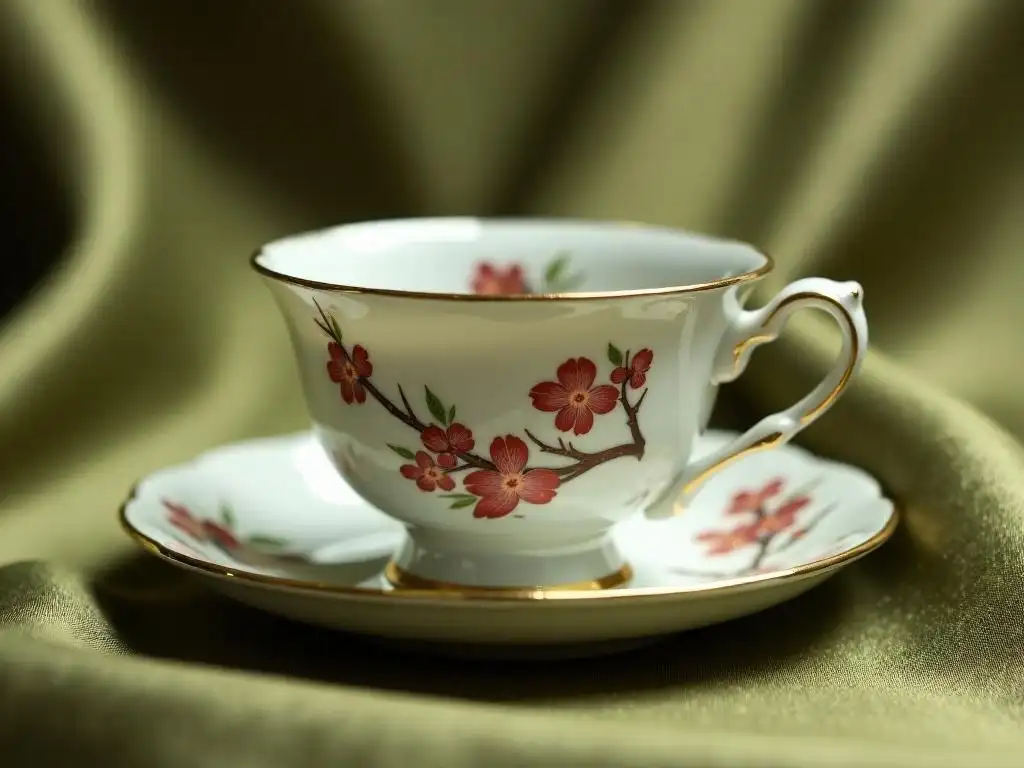
Welcome to Feudal Japan History, where we invite you to embark on a captivating journey through the intricate tapestry of Japan’s feudal era. Here, we delve deep into the rich historical, cultural, and societal aspects that shaped this fascinating period. Today, we spotlight the evolution of Japanese tea ware history, a remarkable narrative that intertwines artistry and tradition. Discover how craftsmanship has transformed over the centuries, and let your curiosity guide you as you explore the profound significance of tea ware in Japanese culture. Are you ready to sip from the cup of history?
Introduction to Japanese Tea Ware History
The history of Japanese tea ware is not merely a tale of ceramics and craftsmanship; it is an intricate narrative that intertwines with the very essence of Japanese culture and tradition. From the moment tea was introduced to Japan, it began to transform not only the daily lives of its people but also their social customs and artistic expressions.
The evolution of tea ware reflects the changing aesthetics, philosophies, and practices surrounding tea consumption, particularly within the context of the revered Japanese tea ceremony, or chanoyu. This comprehensive exploration delves into the rich tapestry of Japanese tea ware history, tracing its development from humble beginnings to the exquisite pieces celebrated today.
Importance of Tea in Japanese Culture
Tea holds a sacred place in Japanese culture, far beyond its role as a beverage. It symbolizes hospitality, mindfulness, and the pursuit of harmony. The Japanese tea ceremony, characterized by its meticulous rituals and artistic aesthetics, encapsulates the spiritual and philosophical dimensions of tea drinking. The act of preparing and serving tea becomes a meditative practice, fostering a deep connection between the host and guests. This cultural significance has driven the evolution of tea ware, ensuring that each piece not only serves a functional purpose but also embodies the values and artistry of Japanese heritage.
Overview of Tea Ware Development in Japan
The development of tea ware in Japan can be observed through various historical phases, each influenced by cultural exchanges, technological advancements, and artistic movements. Early tea ware was often simple and utilitarian, designed for practicality in tea preparation and consumption. However, as tea culture flourished, artisans began to innovate, creating pieces that were not only functional but also aesthetically pleasing.
The introduction of different materials, such as clay, porcelain, and iron, contributed to the diversity of tea ware, reflecting regional craftsmanship and historical influences. This article will explore the key milestones in the evolution of tea ware, highlighting significant designs and their cultural implications.
The Origins of Tea Ware in Japan
Introduction of Tea to Japan
The journey of tea in Japan began in the early 9th century when Buddhist monks returned from China with tea seeds and knowledge of its preparation. Initially embraced for its medicinal properties, tea gradually gained popularity among the aristocracy during the Heian period (794-1185).
It was during the Kamakura period (1185-1333) that the practice of tea drinking began to spread more widely, laying the groundwork for the development of tea ware. As tea became integral to Japanese society, the need for specialized utensils became apparent, leading to the creation of unique tea ware that catered to the evolving culture of tea consumption.
Early Tea Ware Styles and Materials
The earliest tea ware in Japan was predominantly made from earthenware, characterized by its rustic charm and functional design. As the demand for tea grew, so did the sophistication of tea ware. By the 12th century, the introduction of celadon and other glazes from China marked a significant evolution in both style and material.
These advancements not only enhanced the durability and aesthetic appeal of tea ware but also reflected the burgeoning cultural exchange between Japan and its neighboring countries. Notable early styles included tenmoku and hagi, each embodying distinct characteristics that would influence future generations of artisans and collectors alike.
The Influence of Chinese Tea Culture
The introduction of tea to Japan can be traced back to the early 9th century, primarily influenced by Chinese practices. As Buddhism spread from China to Japan, so too did the customs surrounding tea consumption. The Chinese tea culture laid the groundwork for Japanese tea ware and ceremonies, establishing fundamental practices still relevant today. Japanese monks, such as the famous monk Eichū, played a significant role in this cultural exchange, bringing back not only the tea leaves but also the methods of preparation and appreciation.
Initially, tea was consumed primarily for its medicinal properties rather than as a social beverage. The method of drinking tea was heavily influenced by the Tang Dynasty's tea culture, which emphasized the importance of ritual and etiquette. This influence is evident in the early Japanese tea ceremonies, where the focus was on mindfulness and the spiritual connection between the host and guests.
Adoption of Chinese Tea Ceremonies
The formal adoption of Chinese tea ceremonies began to take shape during the Heian period (794-1185). Japanese aristocrats were captivated by the elaborate rituals of tea drinking, which included detailed procedures for preparing and serving tea. This practice not only served as a form of entertainment but also as a means of socializing among the elite.
The aesthetics of tea ware during this time mirrored that of the Chinese, with an emphasis on elegance and refinement. Japanese artisans began to emulate Chinese designs, creating tea bowls, teapots, and serving utensils that reflected the sophisticated tastes of the time. However, the adoption of these ceremonies was not merely a copy; it was the beginning of a journey toward developing a uniquely Japanese tea culture.
Impact of Chinese Ceramics on Japanese Tea Ware
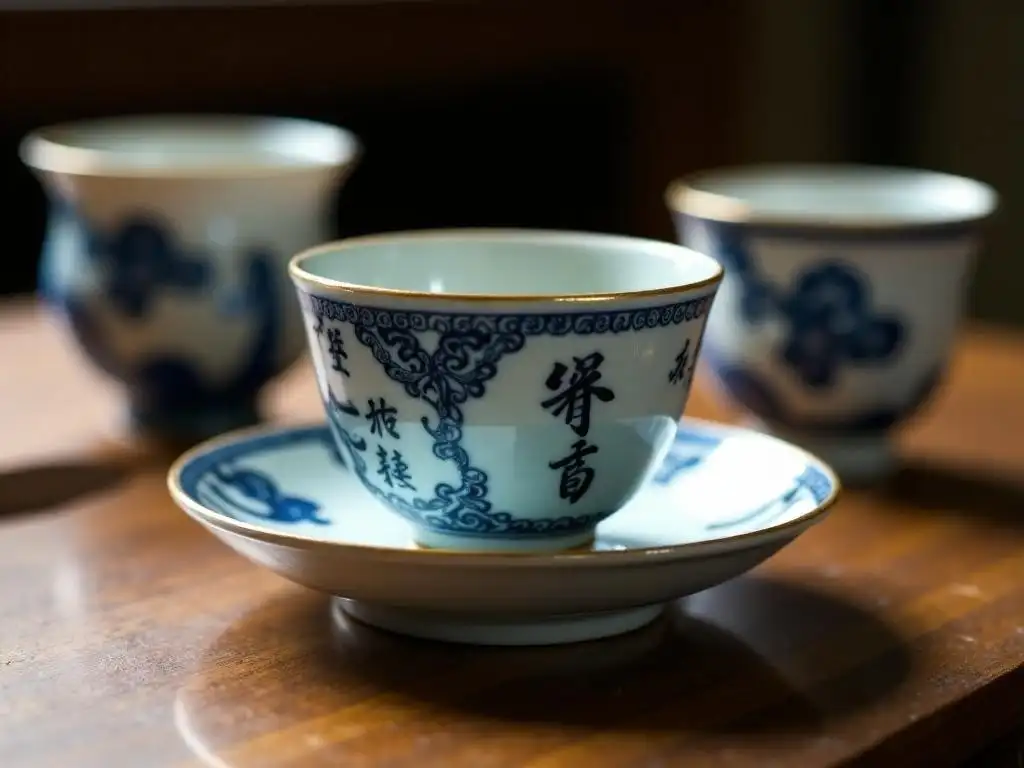
The influence of Chinese ceramics on Japanese tea ware cannot be overstated. Chinese pottery techniques, particularly from the Song Dynasty, introduced Japanese artisans to high-fired stoneware, glazes, and intricate designs. As Japanese craftsmen began to experiment with these techniques, they developed their own distinct styles, leading to the emergence of various traditional Japanese tea ware types.
One significant aspect of this influence was the production of celadon and porcelain, which sparked a fascination in Japan. These materials became highly sought after, often used in the creation of tea bowls (chawan) and tea pots (kyusu). The artistry seen in these pieces reflected both the influence of Chinese aesthetics and the evolving Japanese sensibilities, setting the stage for future innovations in tea ware design.
The Muromachi Period: A Turning Point in Tea Ware
The Muromachi period (1336-1573) marked a pivotal era in the development of Japanese tea ware. It was during this time that the foundations of the tea ceremony as we know it today began to form, significantly influenced by the philosophies of Zen Buddhism. The simplicity and natural beauty of the objects used in tea ceremonies became paramount, leading to a profound transformation in the aesthetics of tea ware.
The period saw the rise of the influential tea master Sen no Rikyū, who emphasized the concept of wabi-sabi, which celebrates the beauty of imperfection and transience. This philosophy resonated deeply with the Japanese appreciation of nature and the passage of time, influencing both the design and use of tea ware.
Emergence of Wabi-Sabi Aesthetics
Wabi-sabi aesthetics emerged as a defining characteristic of Japanese tea ware during the Muromachi period. This philosophy embraced simplicity, asymmetry, and the beauty of natural forms, rejecting the ornate designs of previous eras. Tea bowls and utensils were crafted to highlight their imperfections, such as cracks and variations in glaze, reflecting a deeper connection to the natural world.
Artisans began to favor earthy tones and rustic finishes, moving away from the refined elegance of Chinese styles. This shift not only changed the visual aesthetics of tea ware but also transformed the tea ceremony itself into a more intimate and personal experience. Guests were encouraged to appreciate the raw beauty of the utensils, fostering a sense of mindfulness and connection.
Creation of Unique Japanese Tea Ware Types
The Muromachi period also witnessed the creation of several unique types of Japanese tea ware that would become synonymous with the tea ceremony. Among these, the Raku ware stands out, characterized by its hand-crafted nature and emphasis on the tactile experience. Raku tea bowls, often used in the tea ceremony, are known for their irregular shapes and vibrant glazes, embodying the spirit of wabi-sabi.
Another notable type is Shino ware, which features a distinctive white glaze that showcases the natural beauty of clay. These pieces are celebrated for their bold, expressive forms and textures, making them popular among tea practitioners.
As the tea culture evolved during this period, these unique styles not only enriched the aesthetic experience of the tea ceremony but also marked a significant departure from Chinese influences, paving the way for a distinctly Japanese identity in tea ware craftsmanship.
The Azuchi-Momoyama Period: Flourishing Craftsmanship
The Azuchi-Momoyama period (1568-1600) marked a significant transformation in Japanese tea ware, driven by the cultural and political changes of the time. This era, characterized by the unification of Japan under powerful warlords, saw an increase in the patronage of the arts, particularly tea culture. The intersection of military power and cultural sophistication led to an explosion of creativity in the design and craftsmanship of tea ware.
During this period, tea ceremonies became a popular social activity among the samurai class and the emerging merchant elite. The tea ware crafted during this time was not only functional but also served as a status symbol, reflecting the owner’s taste and sophistication. The aesthetics of tea ware evolved to emphasize simplicity and elegance, resonating with the principles of Zen Buddhism, which influenced many aspects of Japanese culture.
The use of high-quality materials, such as porcelain and stoneware, became prevalent. Artisans began to experiment with different glazes and firing techniques, leading to unique finishes that enhanced the beauty of each piece. This period laid the groundwork for the refined craftsmanship that would characterize later developments in Japanese tea ware.
Innovations in Tea Ware Design
Innovations in tea ware design during the Azuchi-Momoyama period were driven by artistic experimentation and the growing influence of Zen aesthetics. One of the notable developments was the introduction of new shapes and forms that departed from traditional designs. For instance, the creation of the chawan (tea bowl) began to reflect more organic forms, emphasizing fluidity and simplicity.
Another significant innovation was the introduction of elaborate kyo-yaki pottery from Kyoto, which featured intricate decorations and a variety of glazes. Artisans started to incorporate motifs inspired by nature, such as flowers and landscapes, into their designs, enhancing the visual appeal of tea ware.
Additionally, the concept of “wabi-sabi,” which appreciates beauty in imperfection and transience, became more prominent in tea ware design. This aesthetic encouraged craftsmen to embrace asymmetry and irregularities, resulting in pieces that were both unique and deeply reflective of the natural world.
Notable Artisans and Their Contributions
Several artisans emerged as key figures in the tea ware movement during the Azuchi-Momoyama period. One of the most renowned was Sen no Rikyū, who is often credited with refining the principles of the tea ceremony and influencing the design of tea ware to complement the ritual. His preference for rustic simplicity led to the popularity of Raku ware, a type of earthenware that is hand-shaped and fired at low temperatures.
Another notable artisan was Kato Tokuro, who was instrumental in developing the Tokoname style of tea ware. His pieces often featured rich, earthy glazes and were characterized by their functional designs, making them popular among tea practitioners.
The contributions of these artisans not only advanced the craft of tea ware but also embedded the importance of craftsmanship within Japanese culture, establishing a legacy that would influence generations of potters and tea ceremony practitioners.
The Edo Period: Standardization and Popularization
The Edo period (1603-1868) saw the standardization and popularization of tea ware across Japan, coinciding with the flourishing of commerce and urban culture. As the political landscape stabilized, tea ceremonies became accessible to a broader audience, including the growing merchant class. This shift led to an increased demand for tea ware, prompting artisans to adapt their production methods.
During this time, tea ware began to reflect not only aesthetic values but also the social status of its owners. The development of distinct regional styles contributed to a rich tapestry of tea ware that varied significantly across Japan, making it a fascinating area of exploration within the broader context of Japanese cultural history.
Mass Production of Tea Ware
With the rise of commerce and urbanization in the Edo period, the mass production of tea ware became a reality. Potters began to establish workshops that utilized assembly line techniques to produce tea ware more efficiently. This shift allowed for the creation of beautiful yet affordable pieces, making them widely available to the growing middle class.
The introduction of standardized designs meant that consumers could easily choose from a variety of styles, contributing to the democratization of tea culture. As a result, tea ware became a common gift item and a staple in households across Japan, regardless of social standing.
Moreover, the mass production of tea ware also led to the establishment of specific potteries known for their unique styles, such as Arita, Imari, and Seto. Each region developed its signature techniques and aesthetic preferences, solidifying the identity of Japanese tea ware during this vibrant period.
Regional Variations in Tea Ware Across Japan
The Edo period’s emphasis on regional craftsmanship resulted in a wide array of tea ware styles, each with distinct characteristics influenced by local materials, techniques, and cultural practices.
- Arita: Known for its fine porcelain, Arita ware often featured intricate hand-painted designs. The quality of Arita tea ware made it highly sought after among tea enthusiasts.
- Seto: This region is renowned for its stoneware, which includes a variety of glazes and styles. Seto tea ware is characterized by its robust construction and earthy tones.
- Mino: Famous for its rustic Shino and Oribe styles, Mino ware emphasized bold shapes and natural glazes, appealing to those who appreciated the wabi-sabi aesthetic.
These regional variations not only reflect local artistry but also highlight the cultural significance of tea in different areas of Japan. As tea ceremonies continued to evolve, the diversity in tea ware contributed to the rich tapestry of Japanese cultural heritage, making each piece a testament to the history and craftsmanship of its origin.
Modern Japanese Tea Ware: A Blend of Tradition and Innovation
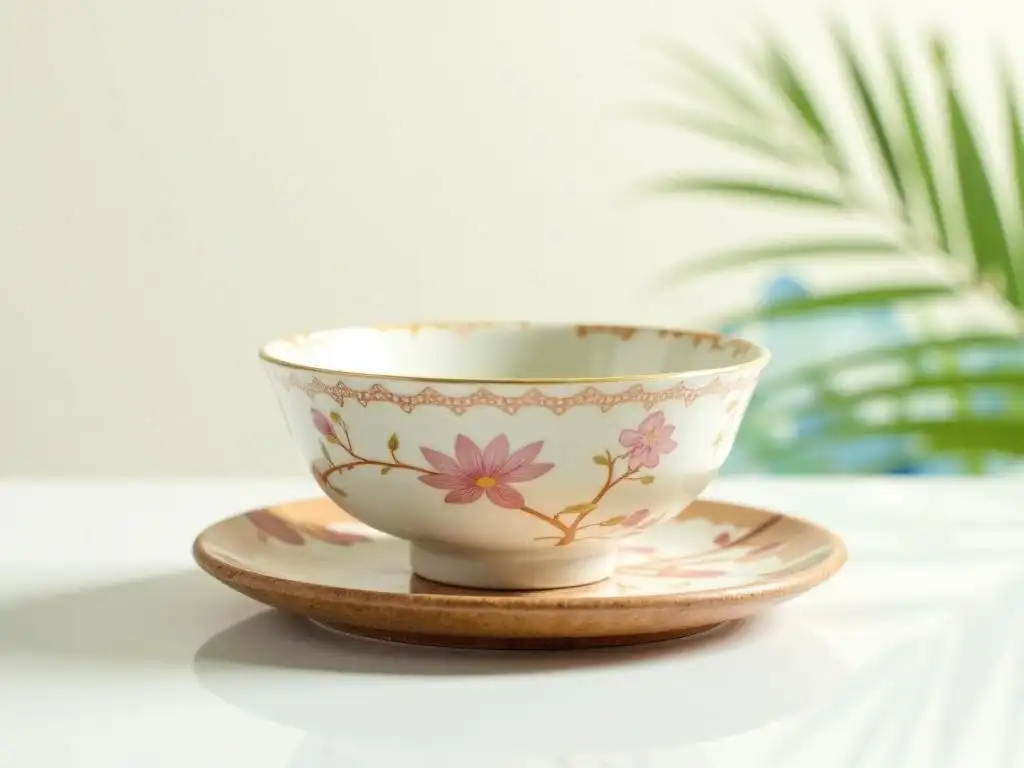
Modern Japanese tea ware represents a fascinating intersection of traditional craftsmanship and contemporary design. The evolution of tea ware in Japan has not only preserved age-old techniques but has also embraced innovations that reflect the changing tastes and lifestyles of society. Today, artisans and designers are inspired by the principles of wabi-sabi—finding beauty in imperfection and transience—while also incorporating modern materials and methods. This duality ensures that Japanese tea ware remains relevant and appreciated in both traditional tea ceremonies and modern-day life.
The diversity of tea ware today includes a variety of forms such as tea bowls (chawan), teapots (kyusu), and tea cups (yunomi), each reflecting the unique character of their makers. Contemporary artisans often experiment with shapes, glazes, and even functionality, resulting in pieces that are not only beautiful but also enhance the tea-drinking experience. This blend of innovative design and traditional aesthetics allows tea ware to resonate with a wider audience, bridging the gap between the past and the present.
Contemporary Designers and Their Approach
Contemporary designers play a pivotal role in shaping the future of Japanese tea ware. Artists such as Kazuya Tsuji and Takashi Sato are leading the charge by reinterpreting traditional forms through a modern lens. Their work often embodies a minimalist aesthetic, focusing on clean lines and subtle colors that honor the essence of Japanese design while appealing to contemporary sensibilities.
These designers often engage in collaborations with other fields, such as fashion and interior design, to create limited-edition pieces that reflect a fusion of artistic influences. This approach not only revitalizes traditional tea ware but also introduces new narratives around its use. By emphasizing functionality along with artistic expression, contemporary designers ensure that tea ware remains an integral part of daily life, while also serving as collector's items that tell a story of cultural heritage.
The Role of Technology in Crafting Tea Ware
Technology has significantly influenced the craftsmanship of modern Japanese tea ware. Traditional techniques, such as hand-throwing and glazing, continue to be valued, but innovative technologies are being integrated to enhance production efficiency and precision. For instance, 3D printing is being explored for creating intricate designs that would be challenging to achieve by hand alone. This not only allows for greater creativity but also expands the accessibility of unique tea ware pieces to a broader audience.
Moreover, advancements in materials science have led to the development of new glazes and clays that can withstand higher temperatures and are more durable while still maintaining the aesthetic qualities associated with traditional ware. This marriage of technology and tradition ensures that Japanese tea ware can evolve without losing its cultural significance, allowing it to thrive in the modern world.
The Cultural Significance of Tea Ware in Japanese Tea Ceremonies
Tea ware holds profound cultural significance in Japanese tea ceremonies, known as chanoyu. Each piece of tea ware is selected with care, reflecting the principles of harmony, respect, purity, and tranquility that underpin the ceremony. The choice of tea bowls, teapots, and utensils not only enhances the aesthetic experience but also embodies the spiritual and philosophical elements of the practice.
The act of serving and consuming tea is laden with ritual, and the tea ware used plays a crucial role in this process. Every element, from the tea caddy to the tea whisk, is imbued with meaning, contributing to the overall experience of mindfulness and connection among participants. This cultural depth is what makes Japanese tea ceremonies unique, as they transcend mere consumption of tea to become a meditative practice that fosters appreciation for simplicity and presence.
Rituals and Symbolism Associated with Tea Ware
The rituals associated with tea ware in Japanese tea ceremonies are rich with symbolism. Each piece of tea ware is a representation of nature, craftsmanship, and the passage of time. For instance, a chawan may be selected based on its seasonal relevance, such as a bowl with earthy tones in autumn to reflect the changing landscape. This attention to detail fosters a connection between the participants and the natural world.
Furthermore, the act of preparing and serving tea is a dance of respect and humility. The careful handling of tea ware signifies the importance of each moment in the ceremony. The rituals surrounding tea ware not only highlight its aesthetic beauty but also serve as a reminder of the values of respect and mindfulness—core tenets of Japanese culture that resonate deeply within the tea ceremony.
The Aesthetic Principles of Tea Ware in Practice
The aesthetic principles of Japanese tea ware are deeply influenced by concepts such as wabi-sabi and the idea of 'shibui,' which refers to a subtle, understated elegance. In practice, these principles manifest in the simplicity and asymmetry of tea ware design. Each piece is crafted to evoke a sense of calm and contemplation, inviting users to engage in a deeper appreciation of the moment.
Materials play a significant role in these aesthetic principles. Traditional ceramics, often unglazed or lightly glazed, showcase the raw beauty of the clay and the skill of the artisan. The textures and colors of tea ware are carefully considered to create a harmonious relationship with the tea itself, enhancing the sensory experience. For example, the choice of a rough-textured chawan can complement the smoothness of matcha, creating a balance that is both visually and experientially pleasing.
The aesthetic principles of tea ware not only serve to elevate the tea ceremony but also reflect a broader cultural ethos that values simplicity, nature, and mindfulness. Modern interpretations of these principles continue to evolve, ensuring that Japanese tea ware remains a vital aspect of both traditional and contemporary practices.
Conclusion: The Legacy of Japanese Tea Ware History
The journey through the history of Japanese tea ware reveals not only the evolution of craftsmanship but also the profound cultural significance embedded within each piece. From the rustic simplicity of early tea bowls to the intricate designs of contemporary ceramics, Japanese tea ware reflects a deep-rooted appreciation for aesthetics, functionality, and the ritual surrounding tea consumption. The legacy of this craftsmanship transcends mere utility; it embodies the philosophical ideals of harmony, respect, purity, and tranquility that are central to the Japanese tea ceremony, known as chanoyu.
Japanese tea ware serves as a tangible link to the past, preserving the traditions and values that have shaped Japanese society over centuries. As new generations of artisans and tea enthusiasts continue to explore and innovate within this field, the essence of Japanese tea ware remains a vibrant and evolving symbol of cultural identity.
Reflection on the Journey of Tea Ware Craftsmanship
The craftsmanship of Japanese tea ware is a testament to the skill and dedication of artisans who have refined their techniques over generations. Each era has contributed distinctive styles and materials, influenced by the socio-political climate, technological advancements, and aesthetic preferences of the time. For instance, the Muromachi period saw the rise of raku ware, designed for the tea ceremony, emphasizing a natural and unrefined beauty that resonated with Zen Buddhist principles.
As we reflect on this journey, it becomes evident that tea ware is not merely functional; it tells stories of the people who crafted it and the ceremonies in which it was used. The intricate details of each piece—the glaze, the shape, and the texture—invite moments of contemplation and appreciation, embodying the spiritual connection between the maker, the user, and the tea itself.
Future Trends in Japanese Tea Ware Design
Looking ahead, the future of Japanese tea ware design is poised for exciting transformations that embrace both tradition and innovation. Contemporary artisans are increasingly experimenting with materials, techniques, and aesthetics, fusing traditional methods with modern influences. This synergy not only revitalizes the craft but also broadens its appeal to a global audience.
Sustainability is also becoming a significant focus in the design of tea ware, with more artisans seeking eco-friendly materials and production methods. This trend is reflective of a growing awareness of environmental issues and a desire to preserve the beauty of nature, which has always played a crucial role in Japanese culture.
Moreover, the rise of digital platforms has opened new avenues for collaboration and exposure, allowing artisans to share their work with a wider audience. As global interest in Japanese tea culture continues to grow, we can expect to see a dynamic interplay between the preservation of traditional craftsmanship and the exploration of contemporary design.
References and Further Reading on Japanese Tea Ware History
Delving deeper into the rich history of Japanese tea ware can enhance one’s understanding and appreciation of this art form. Below are some recommended resources that offer insights into the cultural and historical significance of tea ware.
Suggested Books and Articles
- "The Book of Tea" by Okakura Kakuzō: This classic text explores the philosophy of tea, including the role of tea ware in Japanese culture.
- "Japanese Tea: The World of Tea in Japan" by T. H. Tsukiyama: An insightful exploration of Japan's tea culture and its evolution, highlighting the importance of tea ware.
- "Raku: Essays on the Pacific Rim Ceramics" by David W. McCauley: A comprehensive examination of the raku technique and its place in the history of Japanese tea ware.
Online Resources for Tea Ceremony Enthusiasts
- The Urasenke Foundation: A resource dedicated to the study of tea ceremony, offering educational materials and information about tea ware.
- Japanese Tea Ceremony Blog: A platform featuring articles on tea ware, ceremonies, and interviews with artisans.
- The World of Japanese Tea: An online community that shares knowledge and experiences related to Japanese tea culture, including tea ware.
These resources provide a wealth of information for anyone interested in exploring the fascinating history and artistry of Japanese tea ware. Whether you are a seasoned enthusiast or a curious newcomer, there is always more to discover about this integral aspect of Japan's cultural heritage.
- Introduction to Japanese Tea Ware History
- The Origins of Tea Ware in Japan
- The Influence of Chinese Tea Culture
- Adoption of Chinese Tea Ceremonies
- Impact of Chinese Ceramics on Japanese Tea Ware
- The Muromachi Period: A Turning Point in Tea Ware
- The Azuchi-Momoyama Period: Flourishing Craftsmanship
- The Edo Period: Standardization and Popularization
- Modern Japanese Tea Ware: A Blend of Tradition and Innovation
- The Cultural Significance of Tea Ware in Japanese Tea Ceremonies
- Conclusion: The Legacy of Japanese Tea Ware History
- References and Further Reading on Japanese Tea Ware History
Frequently Asked Questions
What is the significance of Japanese tea ware in cultural traditions?
Japanese tea ware plays a crucial role in tea ceremonies, reflecting the aesthetic values and philosophies of Japanese culture, emphasizing harmony, respect, purity, and tranquility.
How has tea ware evolved throughout Japanese history?
The evolution of tea ware in Japan mirrors historical changes, from simple utilitarian designs to highly artistic and intricate pieces, influenced by various craftsmanship techniques and cultural exchanges.
What materials are traditionally used in Japanese tea ware?
Traditionally, Japanese tea ware is made from materials like ceramics, porcelain, and cast iron, each offering unique qualities that enhance the tea-drinking experience.
How does craftsmanship impact the value of tea ware?
The craftsmanship involved in creating tea ware significantly impacts its value, as pieces crafted by renowned artisans often carry a premium due to their intricate designs and historical significance.
What are the different types of Japanese tea ware?
There are various types of Japanese tea ware, including teapots, tea cups, and matcha bowls, each serving a specific purpose and embodying the distinct styles of Japanese tea culture.
Final Reflection: The Timeless Journey of Japanese Tea Ware
The evolution of tea ware is not just a testament to craftsmanship; it is a reflection of cultural identity and historical significance. Today, as we sip our tea from beautifully crafted vessels, we are reminded of the rich traditions and stories that have shaped Japanese tea ware history. This journey through time highlights how each piece embodies the spirit of its era, connecting us to the past while enriching our present experiences.
The influence of Japanese tea ware extends far beyond its aesthetic appeal; it serves as a bridge between generations and cultures. The artistry involved in creating these pieces speaks volumes about the values of mindfulness, respect, and harmony that are central to tea ceremonies. As we embrace these traditions, we find ourselves part of a larger narrative that celebrates the beauty of simplicity and the importance of ritual. Tea is the magic key to the vault where my brain is kept.
– Frances Hardinge. This quote encapsulates how tea, and the ware it is served in, unlocks a world of contemplation and connection.
As we reflect on the significance of Japanese tea ware, let us consider how we can incorporate these lessons into our daily lives. Take a moment to appreciate the craftsmanship behind the objects we use, and allow the act of tea drinking to become a mindful ritual that fosters connection with ourselves and others. In doing so, we honor the rich history of tea ware while creating new memories that will carry its legacy forward into the future.
Unveil the Timeless Art of Tea Crafting!
Thank you for diving into the fascinating journey of tea ware’s evolution! Your interest enriches not just your knowledge but also your appreciation of craftsmanship through the ages. Now, it’s time to take your passion further and deepen your connection with this beautiful tradition.
Here are some exciting actions you can take:
- Explore local tea shops to discover unique pieces of tea ware that reflect the artistry of various cultures.
- Host a tea-tasting event with friends and family, allowing them to experience the rich history and diverse flavors of teas from around the globe.
- Join an online community of tea enthusiasts to share insights, recipes, and stories about tea ware and its rich heritage.
As you embark on this next step, consider this: What personal experiences with tea have shaped your appreciation for its history and craftsmanship? Let’s share and learn together!