
The Historical Figures Behind Japan's Most Famous Theatrical Works

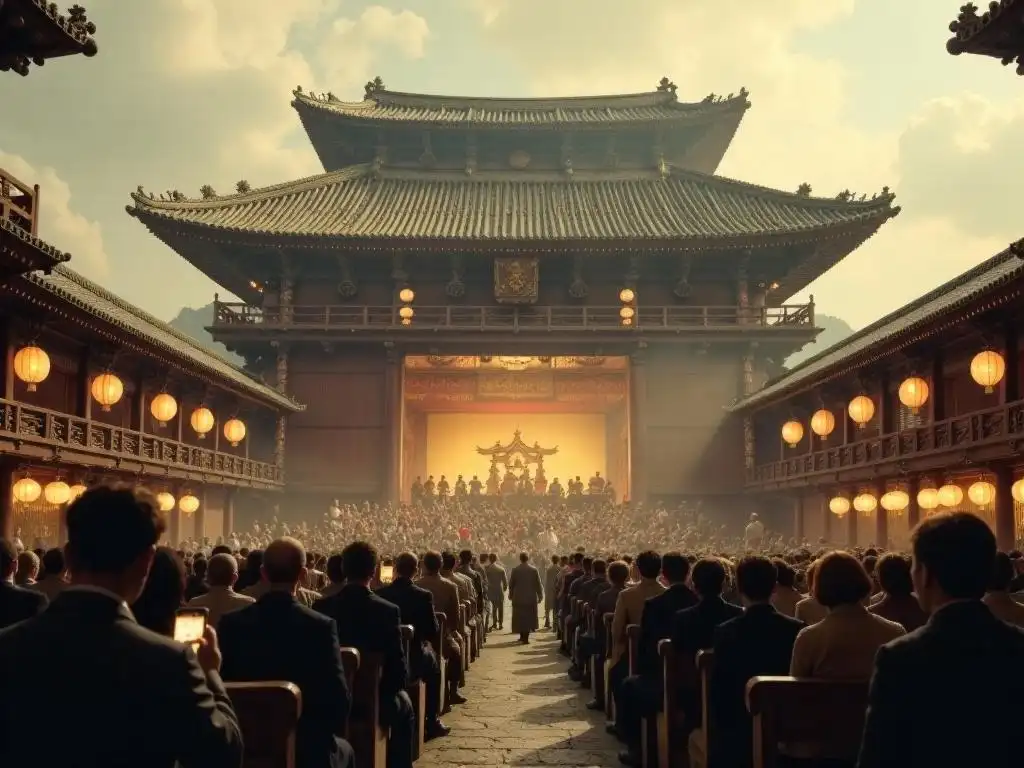
Welcome to Feudal Japan History, where we embark on a captivating journey through time to unravel the intricate tapestry of Japan's feudal era. Dive deep into the theatrical history that has shaped the cultural landscape of this extraordinary period. In our featured article, "The Historical Figures Behind Japan's Most Famous Theatrical Works," you'll discover the influential characters and their legacies that continue to resonate in modern performances. Prepare to be intrigued as we unveil the stories, traditions, and artistry that defined an epoch—your exploration of Japan's rich cultural history begins here!
Introduction to Japan's Feudal Era Theatrical History
The feudal era of Japan, spanning from the late 12th century to the mid-19th century, was a period of profound change and cultural development. This era saw the emergence of unique theatrical forms that not only entertained but also reflected the social, political, and spiritual dynamics of the time.
Traditional Japanese theater, characterized by its rich storytelling and intricate performance styles, serves as a vital lens through which we can explore the complexities of feudal society. As we delve into the Japan feudal era theatrical history, we will uncover the influential figures whose creativity and innovation shaped these enduring art forms, leaving a lasting legacy on Japanese culture.
Overview of Traditional Japanese Theater
Traditional Japanese theater encompasses several distinct forms, among which Noh, Kabuki, and Bunraku stand out. Each of these styles offers a unique perspective on the human experience, utilizing elaborate costumes, stylized movements, and poetic dialogue to convey deep emotions and narratives.
- Noh: Originating in the 14th century, Noh is a highly refined form of drama characterized by its slow and deliberate movements. Performers wear intricate masks and costumes, engaging in a spiritual dialogue that often draws upon historical and mythological themes.
- Kabuki: Emerging in the early 17th century, Kabuki is known for its vibrant performances and elaborate staging. It combines music, dance, and drama to tell stories that resonate with the common people, often featuring larger-than-life characters and dramatic plots.
- Bunraku: This form of puppet theater, developed in the 17th century, utilizes intricately crafted puppets operated by skilled puppeteers. Bunraku performances are accompanied by live narration and music, creating a rich, immersive experience.
Significance of Theatrical Works in Feudal Society
Theatrical works during the feudal era were not merely forms of entertainment; they played a crucial role in shaping societal values and reflecting the zeitgeist of the period. They served as a medium for:
- Cultural Preservation: Through storytelling, these performances preserved historical events and cultural traditions, ensuring that the legacy of the samurai and other societal figures was remembered.
- Social Commentary: Theaters provided a platform for discussing societal issues, allowing playwrights to critique the status quo while entertaining their audiences.
- Spiritual Expression: Many performances were rooted in religious practices, linking the divine with human experiences and providing audiences with a sense of connection to their spiritual heritage.
Key Historical Figures in Japanese Theater
The evolution of traditional Japanese theater would not have been possible without the contributions of remarkable individuals who pioneered these art forms. Their creativity and vision continue to influence contemporary theater practices in Japan and beyond.
Zeami Motokiyo: The Master of Noh Drama
Zeami Motokiyo, a pivotal figure in the development of Noh theater, was a playwright and actor who lived during the 14th and 15th centuries. His innovations in performance style and thematic depth laid the groundwork for Noh as a sophisticated art form.
- Philosophy of Noh: Zeami introduced the concept of yūgen, emphasizing the beauty of subtlety and depth in performance, which became a hallmark of Noh drama.
- Influential Works: His plays, such as Aoi no Ue and The Tale of the Heike, continue to be performed today, illustrating the timelessness of his themes and artistry.
Kabuki Innovators: Origins and Evolution
Kabuki theater has a rich history marked by innovation and change, driven by numerous influential figures.
- Ishikawa Danjuro: Known for establishing the aragoto style, which features exaggerated movements and strong characters, Danjuro helped shape Kabuki into a popular theatrical form among the masses.
- Female Performers: Initially performed by women, the rise of male-only troupes in the 17th century transformed Kabuki, leading to distinct styles and techniques that are still celebrated today.
Bunraku Masters: Puppet Theater's Evolution
Bunraku, with its intricate puppetry and storytelling, owes much to the masters who elevated this art form.
- Tayu Narrators: The role of the tayu, or narrator, is essential in Bunraku, providing emotional depth and context to the story being told. The collaboration between puppeteers and narrators creates a unique theatrical experience.
- Innovative Puppetry Techniques: Masters like Takemoto Gidayu revolutionized puppetry by developing techniques that enhanced the expressiveness of the puppets, allowing them to convey complex emotions and actions.
As we explore these key figures and their contributions, we gain a deeper understanding of how their artistic endeavors shaped the theatrical landscape of feudal Japan and continue to resonate in contemporary culture.
Notable Theatrical Works from the Feudal Era
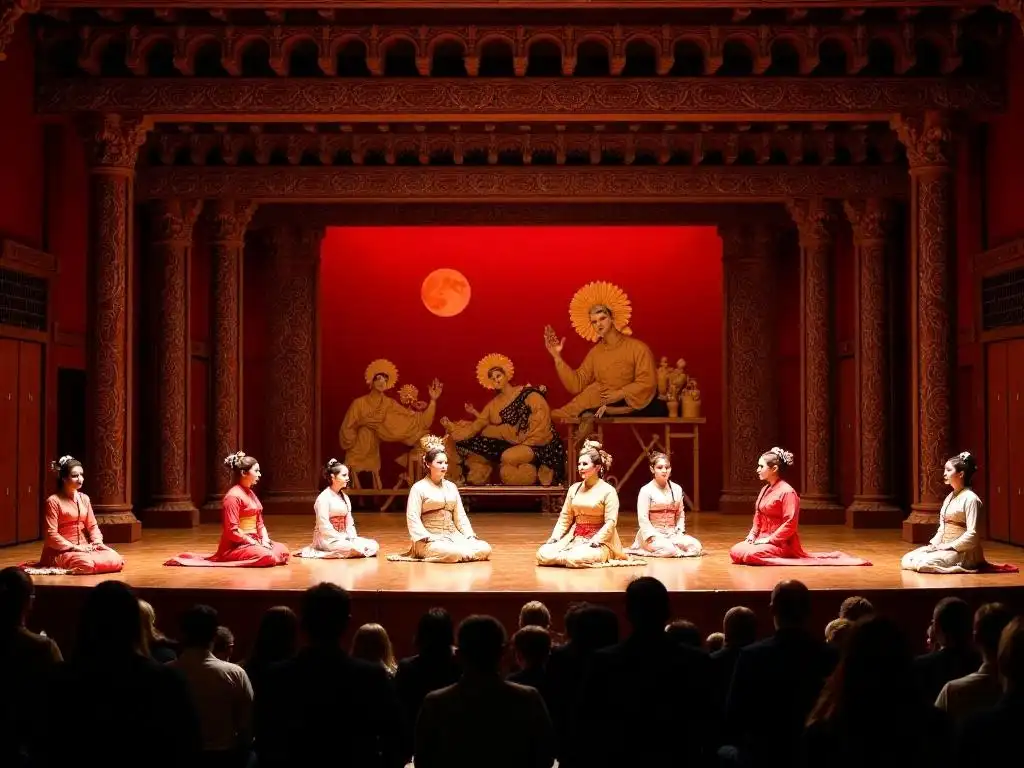
The feudal era of Japan, spanning from the late 12th century to the 19th century, fostered a rich landscape of theatrical expression that has left a lasting imprint on Japanese culture. This period saw the emergence of three principal forms of traditional theater: Noh, Kabuki, and Bunraku. Each genre is distinguished by unique characteristics, themes, and performance styles, reflecting the social and political dynamics of its time.
Some of the most notable works include classic Noh plays like "Aoi no Ue" and "Matsukaze," which explore themes of love, loss, and the supernatural. Kabuki's vibrant productions such as "Kanadehon Chūshingura" and "Sukeroku" are renowned for their dynamic storytelling and elaborate staging. Meanwhile, Bunraku’s poignant narratives, as seen in "The Love Suicides at Sonezaki," captivate audiences through their emotional depth and intricate puppet manipulation. Together, these works not only entertain but also serve as historical documents that provide insights into the values, beliefs, and experiences of feudal Japan.
Iconic Noh Plays and Their Historical Context
Noh theater, one of Japan's oldest forms of drama, is characterized by its slow, stylized movement and the use of masks to convey emotion. Iconic plays such as "Aoi no Ue" and "Hagoromo" are steeped in history and mythology, often drawing from classic literature and historical events.
"Aoi no Ue," based on The Tale of Genji, reflects the complexities of love and the impermanence of life, themes that resonate deeply in the context of the Heian period, yet remain relevant in the feudal era. On the other hand, "Hagoromo" tells the tale of a celestial being who descends to Earth, serving as a metaphor for the transient nature of beauty and existence, echoing the Buddhist tenets prevalent during this era.
The historical context of these plays is essential for understanding their significance. Noh performances were often patronized by the samurai class, acting as a means of cultural expression and political commentary in a time of social upheaval. The aesthetics and philosophies embedded in Noh plays continue to influence contemporary artistic expressions, showcasing the enduring legacy of feudal Japan's theatrical traditions.
Kabuki Plays that Shaped Japanese Theater
Kabuki theater emerged in the early 17th century and quickly became a popular form of entertainment, especially among the merchant class. Its blend of drama, dance, and music created a theatrical experience that was both captivating and accessible. Iconic Kabuki plays such as "Kanadehon Chūshingura" and "Sukeroku" epitomize the genre's dynamic storytelling and vibrant visuals.
"Kanadehon Chūshingura," known as the "Tale of the 47 Ronin," emphasizes themes of loyalty and revenge, reflecting the samurai ethos that was deeply embedded in feudal society. The elaborate staging and emotionally charged performances resonate with audiences, making it a staple in Kabuki repertoire.
Another significant work, "Sukeroku," presents a romantic narrative intertwined with elements of comedy and tragedy, showcasing the versatility of Kabuki. The historical context of these plays is vital, as they often mirrored societal issues, provided commentary on the status of the samurai and merchant classes, and contributed to the evolution of Japanese theater as a whole.
Bunraku Plays and Their Impact on Audience
Bunraku, or puppet theater, developed in the late 17th century and is characterized by its intricate puppetry and rich storytelling. The art form often features large, elaborately crafted puppets operated by skilled puppeteers, and is accompanied by live narration and music, creating a multi-sensory experience for audiences.
Plays such as "The Love Suicides at Sonezaki" exemplify the emotional depth and social commentary inherent in Bunraku. This particular work explores themes of love, duty, and societal constraints, captivating audiences with its poignant narrative. The innovative use of puppetry in Bunraku allows for an exploration of complex emotions that resonates deeply with viewers, making it a unique form of storytelling.
The impact of Bunraku on its audience extends beyond mere entertainment; it served as a mirror reflecting the struggles and aspirations of the common people during the feudal era. The stories told through Bunraku not only entertained but also provoked thought and discussion, shaping public sentiment and influencing societal norms.
The Legacy of Historical Figures in Japan's Theatrical Arts
The historical figures behind Japan's theatrical works were not only artists but also cultural ambassadors who shaped the trajectory of Japanese performing arts. Their contributions laid the groundwork for the evolution of Noh, Kabuki, and Bunraku, ensuring their relevance and vitality for generations to come.
Prominent figures such as Zeami Motokiyo, a key figure in Noh theater, emphasized the spiritual and philosophical underpinnings of performance, establishing principles that continue to guide practitioners today. Similarly, playwrights like Chikamatsu Monzaemon played a pivotal role in developing Bunraku, crafting narratives that resonate with audiences on emotional and social levels.
Influence on Modern Japanese Theater
The influence of feudal-era theatrical figures is palpable in modern Japanese theater. Contemporary playwrights and directors often draw inspiration from the themes, styles, and techniques established during the feudal era. The philosophical depth of Noh, the vibrant energy of Kabuki, and the emotional resonance of Bunraku remain integral to Japan’s theatrical landscape.
Modern adaptations of classic plays are prevalent, showcasing the timelessness of these works. This blending of traditional and contemporary elements allows for innovative performances that honor historical roots while addressing modern societal issues, thereby keeping the spirit of feudal Japan's theatrical history alive.
Global Impact of Japan's Theatrical History
Japan's theatrical history has transcended its borders, influencing global performing arts through its unique styles and storytelling methods. The intricate puppetry of Bunraku has inspired puppeteers worldwide, while the dynamic performances of Kabuki have garnered international acclaim, leading to cross-cultural collaborations and adaptations.
The philosophies underpinning Noh and the emotional depth of Bunraku resonate with audiences globally, fostering a greater appreciation for Japan's cultural heritage. As a result, Japan's feudal era theatrical history not only enriches its own cultural identity but also contributes to the global tapestry of theater, encouraging exchange and dialogue between diverse artistic traditions.
Conclusion: The Enduring Influence of Feudal Era Figures
The feudal era of Japan, spanning from the 12th to the 19th centuries, was a pivotal period that shaped the cultural landscape of the nation, particularly in the realm of theater. The figures who rose to prominence during this time, such as playwrights, performers, and patrons, left an indelible mark on the theatrical traditions that continue to resonate today. Their contributions not only enriched the artistic expressions of their time but also laid the groundwork for contemporary Japanese theater forms, including Kabuki and Noh.
These historical figures exemplified the intricate relationship between art and society, as their works often reflected the socio-political climate of feudal Japan. The themes explored in their plays—honor, loyalty, love, and betrayal—remain relevant, ensuring that their influence persists in modern adaptations and performances. As Japan continues to celebrate its rich theatrical heritage, the legacy of these feudal era figures serves as a reminder of the power of storytelling to transcend time and connect generations.
Reflection on Japan's Theatrical Evolution
The evolution of Japanese theater is a testament to the dynamic interplay of cultural, social, and historical factors over centuries. From the early forms of ritualistic performances to the sophisticated narratives of the Edo period, each phase of development has been marked by innovation and adaptation. The feudal era, in particular, was instrumental in formalizing theatrical traditions, with the emergence of distinct genres and styles that catered to various audiences.
As historical figures like Zeami Motokiyo and Chikamatsu Monzaemon pushed artistic boundaries, they also navigated the complex societal hierarchies of their time. Their works not only entertained but also provoked thought and dialogue among audiences, paving the way for a more profound appreciation of theater as a reflection of human experience. This ongoing dialogue between the past and present illustrates how traditional Japanese theater has continually evolved, embracing new influences while honoring its roots.
The Importance of Historical Context in Understanding Traditional Theater
Understanding the historical context of Japan's feudal era is crucial for appreciating the richness of its theatrical history. The socio-political landscape of feudal Japan—characterized by samurai culture, regional conflicts, and shifting power dynamics—greatly influenced the themes and narratives presented on stage. Playwrights and performers often mirrored these realities, allowing audiences to engage with their own societal issues through the lens of theater.
Moreover, the patronage of the arts by feudal lords and the rise of merchant classes created a unique environment where theater flourished. This interplay of class and culture helped shape the accessibility and appeal of various theatrical forms, from the elite Noh performances to the popular Kabuki shows that catered to the common people. By examining the historical context of these theatrical traditions, we gain deeper insights into how cultural expressions serve as both reflections of society and catalysts for change, making it essential to consider the past when studying Japan's theatrical heritage.
- Introduction to Japan's Feudal Era Theatrical History
- Overview of Traditional Japanese Theater
- Significance of Theatrical Works in Feudal Society
- Key Historical Figures in Japanese Theater
- Notable Theatrical Works from the Feudal Era
- The Legacy of Historical Figures in Japan's Theatrical Arts
- Conclusion: The Enduring Influence of Feudal Era Figures
- What is the significance of the Japan feudal era theatrical history?
- Who were some key historical figures in Japanese theater?
- How did the feudal system impact theatrical performances?
- What are the most famous theatrical works from the Japan feudal era?
- How has the legacy of Japan's feudal theatrical history influenced modern theater?
Frequently Asked Questions
What is the significance of the Japan feudal era theatrical history?
The Japan feudal era theatrical history played a crucial role in shaping the cultural identity of Japan, influencing art forms such as Noh, Kabuki, and Bunraku during this period.
Who were some key historical figures in Japanese theater?
Prominent historical figures include Kan'ami and Zeami, who were instrumental in developing Noh theater, and Chikamatsu Monzaemon, known for his Bunraku and Kabuki works.
How did the feudal system impact theatrical performances?
The feudal system created a patronage model, where samurai and daimyōs supported theatrical arts, allowing for the flourishing of drama and performance during the Edo period.
What are the most famous theatrical works from the Japan feudal era?
Some of the most famous theatrical works include "The Tale of the Heike," "The Love Suicides at Sonezaki," and various Noh plays that reflect the societal values and historical events of the time.
How has the legacy of Japan's feudal theatrical history influenced modern theater?
The legacy of the Japan feudal theatrical history continues to influence contemporary theater, with many elements of Noh and Kabuki integrated into current artistic expressions, preserving traditional techniques and themes.
Final Reflection: The Enduring Legacy of Japan's Theatrical History
The rich tapestry of Japan's feudal era theatrical history remains profoundly relevant today, as it continues to inspire contemporary art forms and cultural expressions. The intricate narratives, compelling characters, and unique performance styles that emerged during this period not only shaped Japan's artistic landscape but also resonate with universal themes of love, honor, and conflict that are timeless in their appeal. As we explore these historical figures and their contributions, we uncover a legacy that transcends time, reminding us of the power of storytelling in shaping human experience.
The influence of these theatrical pioneers extends far beyond the stage, permeating the very fabric of Japanese culture and identity. Their works have sparked a renaissance in modern interpretations and adaptations, bridging the gap between past and present. As we reflect on the significance of these figures, we are reminded of the words of the playwright Zeami Motokiyo: The essence of art is to convey the heart's feelings.
This sentiment encapsulates the ongoing impact of feudal-era theater, as it continues to evoke deep emotions and provoke thought in audiences around the world.
As we conclude this exploration of Japan's theatrical history, I invite you to reflect on the stories that shape your own life and culture. Consider how the lessons and themes from these historical works can inspire your personal journey and artistic endeavors.
Embrace the power of storytelling, whether through writing, performance, or other creative outlets, and recognize that you too are part of a larger narrative that connects us all across time and space. Let us honor the legacy of those who came before us by continuing to share and celebrate the art of storytelling in our own unique ways.
Unveil the Legacy of Japanese Theatre Today!
Thank you for taking the time to delve into the fascinating world of Japan's theatrical history! You've uncovered the remarkable contributions of historical figures who shaped this vibrant art form. Now, let’s turn your newfound knowledge into action!
To further explore and celebrate the legacy of Japanese theatre, consider taking these steps:
- Dive Deep: Read extensively about the influential works of prominent figures in Japanese theatre through dedicated books or reputable online resources to enhance your understanding and appreciation.
- Join a Community: Engage with local theatre groups or participate in online forums that focus on traditional Japanese theatre, allowing you to share your insights and experiences with like-minded individuals.
- Attend a Performance: Look for performances or workshops in your area that showcase Kabuki, Noh, or other traditional forms, providing you with an immersive connection to these timeless art styles.
What aspect of Japanese theatre are you most excited to explore next, and why? Share your thoughts below!