
The Impact of Foreign Languages on Japanese Education Systems

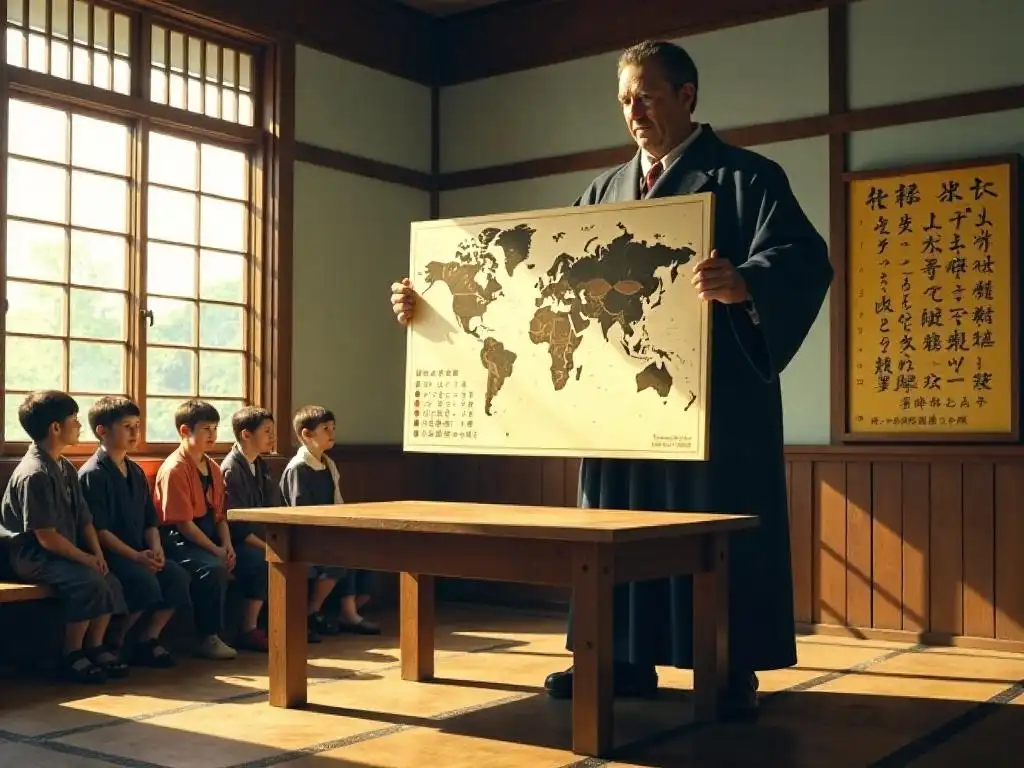
Welcome to Feudal Japan History, where we embark on a fascinating journey through the intricate tapestry of Japan's feudal era. Here, you will uncover the profound cultural and societal nuances that shaped this remarkable period. Today, we delve into the pivotal role of foreign languages in Japanese education, exploring how these linguistic influences have transformed learning in a historically rich society. Prepare to unlock the layers of history and discover the connections that continue to resonate in Japan's modern educational landscape. Join us as we unravel the impact of foreign languages and their significance in shaping Japan's future.
Introduction to Foreign Languages in Japanese Education
The incorporation of foreign languages into the Japanese education system is a significant aspect of the country's broader engagement with the world. As Japan has evolved through various historical epochs, the role of foreign languages has shifted considerably, reflecting changes in societal values, economic needs, and political contexts. Understanding how foreign languages have influenced Japanese education not only sheds light on the historical interactions between Japan and other nations but also highlights the ongoing importance of linguistic diversity in shaping modern Japanese identity and global standing.
Overview of the Japanese Education System
The Japanese education system is characterized by its structured approach, emphasizing a strong foundation in core subjects. Education is compulsory for children from 6 to 15 years old, comprising elementary and junior high school. High school education is highly encouraged, with a significant number of students continuing on to higher education. The curriculum traditionally focuses on subjects such as mathematics, science, and Japanese literature, but the inclusion of foreign languages has become increasingly prominent.
- Key Features of the Japanese Education System:
- Compulsory Education: 6 to 9 years (Elementary and Junior High School)
- High School Attendance: Approximately 98% of students
- Higher Education Enrollment: Significant increase in universities and vocational schools
Importance of Foreign Languages in Education
The study of foreign languages in Japan serves multiple purposes, from enhancing communication skills to fostering cultural understanding. As Japan has grown into a global economic powerhouse, the ability to engage with international partners through language has become essential.
- Benefits of Learning Foreign Languages:
- Improved Cognitive Skills: Enhances problem-solving and critical thinking abilities.
- Cultural Awareness: Promotes understanding and appreciation of different cultures.
- Career Opportunities: Increases employability in a global job market.
Historical Context of Foreign Languages in Japan
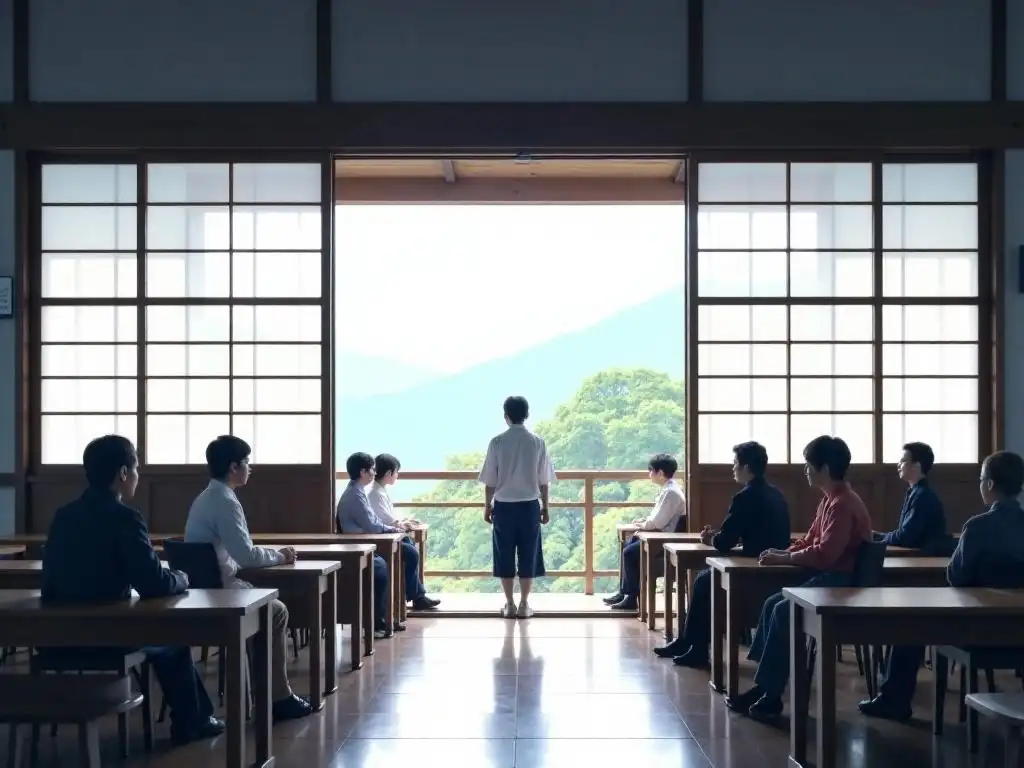
The journey of foreign languages in Japan is deeply rooted in the country's historical interactions with the outside world. From early trade relations to the influences of Western powers, the evolution of language education has mirrored Japan's broader cultural exchanges.
Early Influences of Foreign Languages
Japan's earliest encounters with foreign languages can be traced back to its interactions with China and Korea. The adoption of Chinese characters (kanji) in the 5th century laid the groundwork for a complex linguistic relationship. Over time, the influence of Chinese literature and philosophy permeated Japanese culture, creating a rich tapestry of language that blended native and foreign elements.
The Role of Western Languages in the Meiji Era
The Meiji Restoration in the late 19th century marked a pivotal moment for foreign language education in Japan. As the country sought modernization and westernization, the government recognized the necessity of English and other Western languages for diplomacy, commerce, and technological advancement. This era saw the establishment of new educational institutions and programs specifically aimed at teaching foreign languages, fundamentally altering the educational landscape.
Changes in Language Education Post-World War II
Following World War II, Japan experienced a significant transformation in its education system, including foreign language instruction. The Allied Occupation introduced reforms that emphasized the importance of English as a global lingua franca. Consequently, English became a staple in Japanese schools, leading to an increased focus on language proficiency as a means of fostering international relations and understanding.
The impact of foreign languages on Japanese education systems is profound and multifaceted, shaped by historical events and cultural exchanges. The current emphasis on foreign languages not only reflects Japan's evolving identity in a globalized world but also underscores the importance of linguistic diversity in fostering a well-rounded education.
The Current State of Foreign Language Education in Japan
Foreign language education in Japan has gained significant prominence over the years, reflecting the country’s increasing engagement with the global community. As of recent assessments, English remains the most widely taught foreign language, with its inclusion in the curriculum starting from elementary school. However, the emphasis on English education has also raised discussions about the effectiveness and depth of language acquisition, with many students struggling to achieve fluency despite years of study.
The current framework mandates English language education across various levels of schooling, but there is an observable disparity in the quality of instruction and resources available. Urban areas generally benefit from better-trained teachers and more resources, while rural regions may face shortages. Additionally, other foreign languages, such as Chinese, Korean, and Spanish, are offered in some schools, particularly at the high school and university levels, reflecting Japan's evolving foreign relations and cultural exchanges.
Popular Foreign Languages Taught in Japanese Schools
While English dominates the foreign language curriculum, several other languages are gaining traction in Japanese educational settings. The following languages are among the most commonly taught:
- English: The primary focus from elementary to university level.
- Chinese: Increasingly taught due to economic ties with China and interest in Chinese culture.
- Korean: Gaining popularity, especially among younger students influenced by Korean pop culture.
- Spanish: Offered in some schools, often as an elective, reflecting global interest.
- French: Traditionally taught in high schools, although less common than English or Chinese.
The choice of foreign languages taught can vary greatly depending on the region and the resources available, thus impacting the overall effectiveness of language education in Japan.
Curriculum Development for Foreign Language Learning
The curriculum for foreign language learning in Japan is continually evolving to meet both domestic needs and international standards. The Ministry of Education, Culture, Sports, Science and Technology (MEXT) plays a pivotal role in shaping this curriculum, aiming to foster communicative competence in foreign languages.
Recent reforms have emphasized a shift from rote memorization to more practical language use, integrating speaking, listening, reading, and writing skills. This approach seeks to enhance students' ability to communicate effectively in real-life situations. Moreover, intercultural competence is being increasingly recognized as a vital component of language education, prompting the integration of cultural studies into language courses.
Despite these advancements, challenges remain. Teachers often face difficulties in implementing new methodologies due to traditional teaching practices and large class sizes, which can hinder personalized instruction and engagement.
Teaching Methods and Approaches in Japanese Classrooms
Teaching methods for foreign languages in Japan have traditionally relied heavily on grammar-translation techniques, focusing on reading and writing rather than speaking and listening. However, there has been a gradual shift towards more interactive and communicative approaches.
- Communicative Language Teaching (CLT): This method prioritizes interaction as the primary means of language learning, encouraging students to use the target language in meaningful contexts.
- Task-Based Language Teaching: Involves students engaging in tasks that require meaningful communication, thereby promoting practical language use.
- Blended Learning: Combines traditional classroom methods with online resources, providing students with additional tools for language acquisition.
While these modern approaches have been introduced in many schools, the effectiveness often varies based on teacher training and available resources. There remains a need for ongoing professional development to equip educators with the skills needed to implement these methods effectively.
The Cultural Impact of Foreign Language Learning
The learning of foreign languages in Japan extends beyond mere communication; it significantly influences cultural understanding and identity within the society. Through language education, students are introduced to diverse worldviews, traditions, and practices, fostering a deeper appreciation for cultural diversity.
Enhancing Cross-Cultural Understanding
Foreign language learning serves as a gateway to understanding different cultures. As students engage with the language, they also explore the cultural contexts in which it exists. This exposure promotes empathy and reduces cultural biases, enabling students to view global issues through a more nuanced lens.
Activities such as cultural exchanges, international partnerships, and project-based learning further enhance this cross-cultural understanding, allowing students to interact with peers from different backgrounds. These experiences contribute to a more inclusive and cosmopolitan perspective within Japanese society.
Foreign Languages and Globalization in Japan
In an increasingly globalized world, foreign language proficiency has become essential for Japan’s economic and cultural engagement on the international stage. The ability to communicate in multiple languages opens doors for Japanese citizens in various fields, including business, diplomacy, and tourism.
Moreover, as Japan continues to attract foreign investment and international tourism, the demand for multilingual individuals has surged. This trend is prompting educational institutions to place greater emphasis on foreign languages, aligning language education with the skills needed for a global economy.
The Contribution of Language Learning to National Identity
Language learning in Japan also intersects with issues of national identity. As students learn foreign languages, they often reflect on their own cultural values and linguistic heritage. This introspection can lead to a strengthened sense of national identity, as learners appreciate the uniqueness of their own language and culture in contrast to others.
Additionally, the promotion of foreign languages can be seen as a means to foster international cooperation and dialogue, reinforcing Japan’s role as a global player while maintaining its cultural integrity. Balancing these elements is crucial for developing a coherent educational framework that respects both local traditions and global interconnectivity.
Challenges in Foreign Language Education
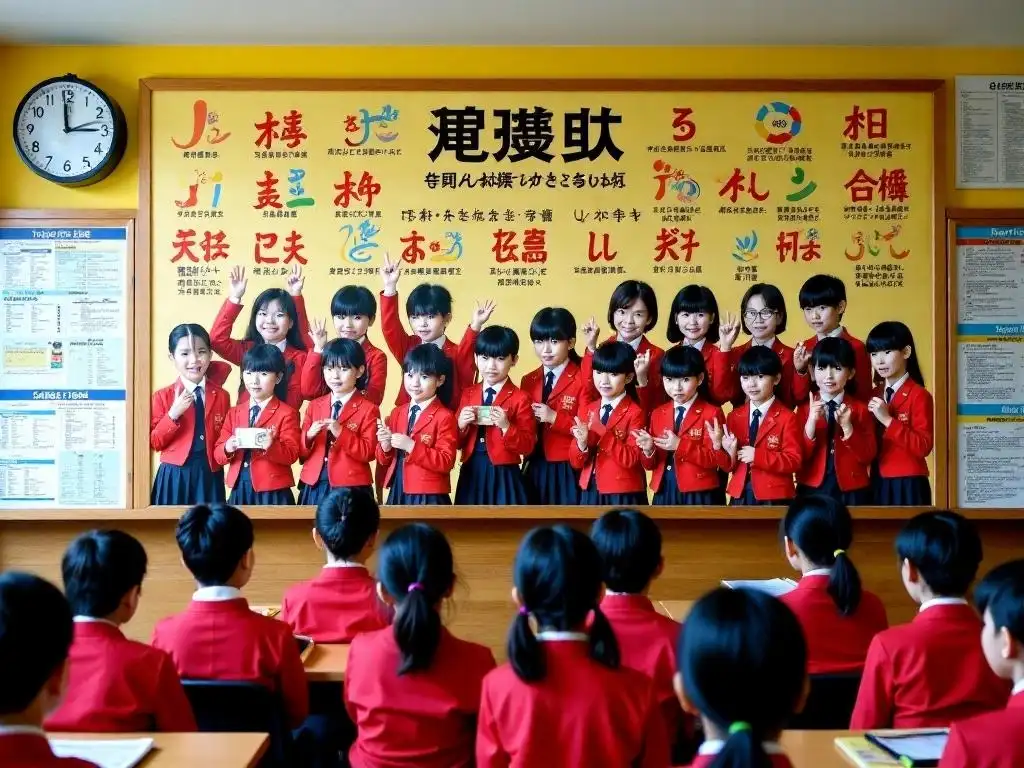
The teaching and learning of foreign languages in Japan have long been fraught with various challenges that hinder effective communication and proficiency. As Japan continues to engage more with the global community, addressing these challenges becomes imperative. The complexities of language acquisition and the socio-cultural context in which Japanese students learn foreign languages present unique barriers that educators and policymakers must navigate.
Common Barriers to Effective Language Learning
One of the primary barriers to effective foreign language education in Japan is the traditional education model. Language classes often emphasize rote memorization and grammar rules over practical usage and conversational skills. This method can lead to a lack of confidence in speaking and an inability to engage in real-life conversations.
Additionally, limited exposure to native speakers creates a gap in practical language use. Many students graduate without ever having conversed with a fluent speaker, which limits their ability to use the language in authentic contexts. This lack of interaction diminishes their listening skills and real-time comprehension.
Another significant barrier is the perception of foreign languages as difficult. The complexity of languages, especially those that differ greatly from Japanese, can discourage students from fully engaging with the material. This negative mindset often leads to a lack of motivation and can result in high dropout rates in language courses.
Attitudes Towards Foreign Languages Among Students
Student attitudes towards foreign languages in Japan are mixed and greatly influenced by cultural and societal norms. Many students view foreign language learning as a mandatory requirement rather than an opportunity for personal growth or international engagement. This perception can diminish enthusiasm and engagement in language classes.
Furthermore, there is often a sense of linguistic superiority associated with the Japanese language. Some students may believe that learning foreign languages is unnecessary, given Japan's economic position and cultural influence. This attitude can foster apathy towards language acquisition, making it difficult for educators to instill a sense of value in learning foreign languages.
Policy Limitations in Language Education
Educational policies in Japan also contribute to the challenges faced in foreign language education. The curriculum is often rigid, with a strong focus on standardized testing that prioritizes grammar and vocabulary over conversational proficiency. This limitation can discourage teachers from employing innovative teaching methodologies that promote active engagement and practical usage.
Moreover, there is often insufficient funding and resources allocated to language programs, which can lead to overcrowded classes and a lack of access to modern teaching materials. The absence of comprehensive training for teachers in innovative language instruction methods further exacerbates these issues, leaving many educators ill-equipped to meet the diverse needs of their students.
Future Directions for Foreign Language Education in Japan
As Japan seeks to enhance its foreign language education system, several promising directions can be explored. By embracing innovative teaching practices and leveraging technology, educators can create a more engaging and effective language learning environment.
Innovations in Language Teaching Practices
One potential direction involves incorporating communicative language teaching (CLT) methods that emphasize interaction and real-world communication. By focusing on practical language use rather than rote memorization, students can develop more robust speaking and listening skills. This approach encourages learners to participate in role-playing, discussions, and collaborative projects, fostering a more immersive learning environment.
Additionally, project-based learning (PBL) can be utilized to enhance language skills while also promoting critical thinking and teamwork. By engaging students in real-world projects that require the use of a foreign language, educators can motivate learners and provide context for their studies.
The Role of Technology in Language Education
Technology plays an increasingly vital role in enhancing foreign language education in Japan. With the rise of language learning apps and online platforms, students have greater access to resources that facilitate language practice outside the classroom. Tools such as interactive games, virtual exchanges, and online tutoring can complement traditional learning methods.
Moreover, the use of virtual reality (VR) and augmented reality (AR) technologies can create immersive language experiences that simulate real-life interactions. These innovative tools can help break down the barriers of traditional learning environments, allowing students to engage with the language in dynamic and meaningful ways.
Recommendations for Improving Foreign Language Proficiency
To improve foreign language proficiency among Japanese students, several strategies can be recommended:
- Curriculum Reform: Shift towards a more communicative approach that prioritizes speaking and listening skills.
- Teacher Training: Provide professional development opportunities for educators to learn modern teaching methodologies and technology integration.
- Increased Exposure: Encourage language immersion programs and exchanges with native speakers to enhance conversational skills.
- Resource Allocation: Invest in language education through funding for materials, smaller class sizes, and access to technology.
By addressing these areas, Japan can foster a more effective and engaging foreign language education system that prepares students for the globalized world.
Conclusion
The exploration of foreign languages in Japanese education reveals significant insights into how cultural exchanges have shaped and continue to influence Japan’s educational landscape. As Japan navigates the complexities of globalization, the role of foreign languages within its education system becomes increasingly vital. The integration of languages such as English, Chinese, and Korean highlights the importance of communication in fostering international relations and enhancing cultural understanding.
Moreover, the historical context informs how foreign languages have been perceived and taught in Japan, from the early encounters with Western powers to the contemporary emphasis on English proficiency. By examining the evolution of language education, we can appreciate not only the adaptation of Japan’s education system but also its strategic responses to the demands of an interconnected world.
Summary of Key Points on Foreign Languages in Japanese Education
- Historical Evolution: The teaching of foreign languages in Japan has undergone significant transformations, influenced by historical encounters with Western nations during the Meiji Restoration and the subsequent Westernization of society.
- Curriculum Integration: Foreign languages, particularly English, have been integrated into the school curriculum as a core subject, reflecting the government's educational policies aimed at improving global competitiveness.
- Cultural Exchange: Language learning facilitates cultural exchange, allowing students to gain insights into different traditions and perspectives, which is essential in today’s globalized society.
- Technological Advancements: The advent of technology has revolutionized language learning, with digital tools and online resources providing interactive and immersive experiences for learners.
- Challenges and Opportunities: Despite the progress, challenges such as varying proficiency levels among students and the need for qualified teachers remain. However, these challenges also present opportunities for reform and innovation in language education.
The Ongoing Importance of Language Learning in a Global Context
In an increasingly interconnected world, the importance of language learning extends far beyond mere communication. It plays a crucial role in fostering mutual respect, understanding, and collaboration among diverse cultures. For Japan, mastering foreign languages is not just an academic requirement but a strategic necessity.
As businesses expand internationally and cultural exchanges flourish, proficiency in foreign languages has become an asset that enhances career opportunities for students. Moreover, language skills contribute to Japan's soft power, allowing it to engage more effectively in international dialogue and diplomacy.
Consequently, the ongoing emphasis on language education in Japan is not merely about academic achievement; it is a fundamental element of national identity and global citizenship. As Japan continues to adapt to the dynamics of the global landscape, the commitment to foreign language education will remain essential in preparing future generations for the challenges and opportunities that lie ahead.
- Introduction to Foreign Languages in Japanese Education
- Overview of the Japanese Education System
- Importance of Foreign Languages in Education
- Historical Context of Foreign Languages in Japan
- The Current State of Foreign Language Education in Japan
- The Cultural Impact of Foreign Language Learning
- Challenges in Foreign Language Education
- Future Directions for Foreign Language Education in Japan
- Conclusion
- What is the focus of the article on foreign languages in Japanese education?
- How do foreign languages influence Japanese students' career opportunities?
- What are the main challenges faced in teaching foreign languages in Japan?
- How has the approach to foreign language education changed in Japan over recent years?
- What role do cultural aspects play in learning foreign languages in Japan?
Frequently Asked Questions
What is the focus of the article on foreign languages in Japanese education?
The article explores the impact of foreign languages on the Japanese education system, emphasizing their importance in developing global competencies among students.
How do foreign languages influence Japanese students' career opportunities?
Learning foreign languages enhances career prospects for Japanese students by providing them with essential skills needed in an increasingly globalized job market.
What are the main challenges faced in teaching foreign languages in Japan?
The article highlights challenges such as limited exposure to practical language use, a focus on examination scores, and the need for more qualified teachers in foreign language education.
How has the approach to foreign language education changed in Japan over recent years?
There has been a shift towards more communicative teaching methods that prioritize speaking and listening skills, in response to demands for improved language proficiency among students.
What role do cultural aspects play in learning foreign languages in Japan?
Cultural understanding is crucial as it enriches language learning by providing context, thereby helping students to better appreciate and engage with foreign cultures.
Final Reflection: The Transformative Power of Foreign Languages in Japanese Education
The integration of foreign languages into Japanese education is not just a curriculum requirement; it is a vital tool for global engagement and cultural exchange. As Japan continues to navigate an increasingly interconnected world, the ability to communicate across linguistic barriers has never been more crucial. The emphasis on foreign languages in Japanese education systems is shaping not only the academic landscape but also the future of international relations and cultural understanding.
The influence of foreign languages in Japanese education extends far beyond the classroom, permeating the cultural and social fabric of society. As students learn new languages, they also gain insights into diverse cultures, fostering empathy and global citizenship. This shift is evident in the growing number of Japanese students studying abroad and the increasing interest in foreign cultures within Japan. Language is the road map of a culture. It tells you where its people come from and where they are going.
— Rita Mae Brown. This quote encapsulates the essence of how foreign languages can serve as a bridge to understanding and appreciating the rich tapestry of global cultures.
As we reflect on the importance of foreign languages in Japanese education, I invite you to consider your own journey with language learning. How can you embrace the lessons from this article to foster greater understanding and connection in your own life? Whether through learning a new language, engaging with diverse communities, or simply being open to different perspectives, each step contributes to a more inclusive and harmonious world. Let us commit to nurturing this transformative power of language, not just for ourselves, but for future generations.
Unlock the Power of Language in Education!
Thank you for diving into the fascinating dynamics of foreign languages within Japan's educational framework! By exploring this topic, you've discovered how language influences culture, communication, and learning. Now, let’s take the next step to embrace this enriching journey further!
Here are a few actions you can take to deepen your understanding and involvement:
- Join a local language exchange group or find online platforms to practice a foreign language with native speakers. This immersive experience will enhance your linguistic skills while connecting you to new cultures.
- Share this article with friends or fellow education enthusiasts to spark conversations about the importance of language learning in Japan.
- Explore additional resources on global education systems and their language policies by reading relevant articles, watching educational videos, or engaging in online communities.
How do you believe learning a foreign language can foster personal growth and cultural appreciation in your life?