
The Intersection of Religion and Culture in Edo Japan

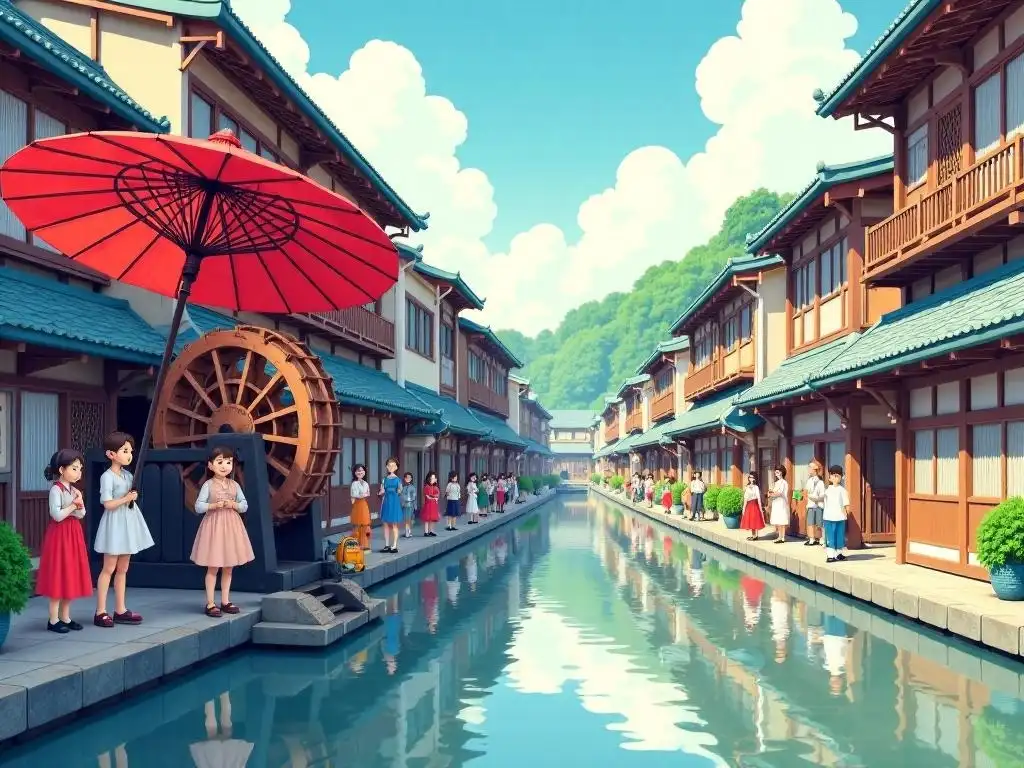
Welcome to Feudal Japan History, where we invite you to journey back in time to the captivating world of Japan’s feudal era. Dive into our featured article, "The Intersection of Religion and Culture in Edo Japan," as we unravel the intricate relationship between spiritual beliefs and societal norms that shaped this vibrant period. From the serene temples to the bustling streets filled with cultural expression, discover how religion and culture intertwined to create a unique tapestry of life in Edo Japan. Prepare to be intrigued and inspired as you explore the depths of this fascinating era!
Introduction to Edo Japan Religion and Culture
The Edo period, spanning from 1603 to 1868, marks a significant chapter in Japan’s history characterized by relative peace, political stability, and cultural flourishing. During this era, the Tokugawa shogunate implemented policies that shaped not only the political landscape but also the religious and cultural dimensions of Japanese society.
The interplay of religion and culture in Edo Japan is a fascinating subject, reflecting the values, beliefs, and artistic expressions that thrived during this time. This article delves into the intricate relationship between the various religious practices and cultural developments that defined Edo Japan, exploring how they influenced each other and contributed to the unique societal fabric of the era.
Overview of the Edo Period (1603-1868)
The Edo period, also known as the Tokugawa period, is often remembered for its strict social hierarchy, economic growth, and the emergence of a vibrant urban culture. The shogunate established a centralized government that maintained order and stability, allowing arts, literature, and philosophy to flourish. Key features of this period include:
- Political Structure: The Tokugawa shogunate ruled from Edo (modern-day Tokyo), creating a feudal system with samurai at the top.
- Cultural Developments: The rise of kabuki theater, ukiyo-e woodblock prints, and haiku poetry showcased the era's artistic innovation.
- Economic Changes: Increased trade and commerce led to the growth of a merchant class, which played a vital role in cultural exchange.
The Edo period's unique blend of isolation and engagement with external influences laid the groundwork for a dynamic cultural landscape, where religion played a pivotal role.
Importance of Religion in Edo Society
Religion in Edo Japan was not just a personal belief system; it significantly influenced social norms, cultural practices, and political policies. The government promoted certain religious ideologies while suppressing others, creating a complex religious landscape. Key aspects of religion's importance include:
- Social Cohesion: Religious festivals and rituals fostered community ties and provided a sense of identity.
- Moral Guidance: Shinto and Buddhist teachings offered ethical frameworks that guided daily life and governance.
- Cultural Integration: Religion facilitated cultural exchanges and interactions, enriching the artistic heritage of the period.
This intersection of religion and culture was crucial in shaping the worldview of Edo society, making it an essential area of study for understanding this historical era.
Major Religions in Edo Japan
The religious landscape of Edo Japan was diverse, encompassing various belief systems that coexisted and interacted with one another. This section will explore the major religions that significantly influenced the culture and society of the time.
Shintoism in Edo Culture
Shinto, the indigenous religion of Japan, played a vital role in the cultural identity of the Edo period. It emphasized the worship of kami (deities or spirits) and the importance of rituals and festivals. Key elements of Shinto in Edo culture include:
- Festivals and Celebrations: Annual matsuri (festivals) brought communities together, celebrating seasonal changes and honoring local deities.
- Shrine Architecture: The construction of shrines during this era reflected the aesthetic values of Edo culture, blending nature and spirituality.
- Cultural Practices: Shinto rituals influenced various aspects of daily life, from agriculture to art, reinforcing cultural traditions and community bonds.
Shintoism's integration into the social fabric of Edo Japan highlights its enduring significance in shaping cultural practices.
Buddhism's Influence in Edo Japan
Buddhism, particularly in its Zen and Pure Land forms, had a profound impact on Japanese culture during the Edo period. It provided philosophical insights and artistic inspiration that resonated throughout society. Notable aspects include:
- Zen Buddhism: Emphasized simplicity and mindfulness, influencing the arts, including tea ceremonies, gardens, and calligraphy.
- Pure Land Buddhism: Promoted the idea of salvation through faith, making it accessible to the common people and leading to the proliferation of temples.
- Cultural Artifacts: Buddhist iconography and themes permeated literature, paintings, and performances, enriching the cultural milieu.
The influence of Buddhism on Edo culture illustrates how religious beliefs shaped artistic expression and philosophical thought.
Christianity's Role and Impact
Though Christianity faced persecution during the early Edo period, it left a lasting impact on Japanese society and culture. The arrival of European missionaries introduced new ideas and practices that challenged traditional beliefs. Key points include:
- Initial Spread: Christianity gained followers in the early 1600s but was largely suppressed after the shogunate enacted anti-Christian policies.
- Cultural Exchange: The interaction between Japanese converts and European missionaries led to a unique blend of ideas and practices, influencing art and literature.
- Legacy and Resilience: Despite persecution, the underground Christian community persisted, highlighting the resilience of faith amidst adversity.
The role of Christianity in Edo Japan serves as a reminder of the complexities of religious dynamics and cultural interactions during this transformative era.
The Interplay of Religion and Daily Life in Edo Japan
In Edo Japan, spanning from 1603 to 1868, religion was deeply woven into the fabric of daily life, influencing everything from personal conduct to public celebrations. The era was characterized by a unique blend of Shinto, Buddhism, and Confucianism, which coexisted and interacted in ways that shaped cultural and societal norms.
Religious beliefs provided a framework for understanding the world, guiding ethical behavior, and fostering communal bonds. Rituals and practices were not confined to temples and shrines; they permeated homes and everyday activities. For instance, families often maintained small altars (butsudan) in their homes to honor ancestors, emphasizing the importance of familial piety in both Shinto and Buddhist traditions. This practice intertwined daily existence with spiritual observance, reflecting the profound commitment to both the living and the deceased.
Religious festivals and seasonal celebrations punctuated the calendar, allowing communities to come together in shared observance. During these events, traditional practices were celebrated, reinforcing social cohesion and cultural identity. The rich tapestry of religious life in Edo Japan thus served as both a personal sanctuary and a communal gathering point, where the sacred and the mundane seamlessly merged.
Religious Practices and Festivals
Religious practices in Edo Japan were marked by a diverse array of rituals and festivals that celebrated both Shinto and Buddhist traditions. The Shinto belief system, with its focus on kami (spirits), was integral to the local culture. Festivals such as matsuri were vibrant community events that honored the local deities, featuring parades, music, and traditional dances. These events not only provided a spiritual connection but also fostered a sense of belonging among participants.
In contrast, Buddhism played a significant role in the spiritual lives of the populace, particularly through rituals associated with life events such as birth, marriage, and death. Important Buddhist festivals, like Obon, celebrated the return of ancestral spirits, offering an opportunity for families to honor their deceased. The blending of these religious observances created a rich cultural milieu, where the cyclical nature of life and death was acknowledged and celebrated.
Moreover, the Edo period witnessed the emergence of new religious movements, such as Shin Buddhism, which attracted followers seeking accessible spiritual guidance. These movements often emphasized personal enlightenment and social responsibility, contributing to the evolving landscape of religious practice during this era.
Temples and Shrines: Centers of Community Life
Temples and shrines in Edo Japan were not merely places of worship; they were vital centers of community life. Each district typically housed a prominent shrine or temple that served as a gathering place for local residents. These sacred spaces facilitated social interaction and community engagement, where festivals, markets, and cultural events were held.
Buddhist temples often provided services such as education and health care, reinforcing their role as community hubs. For example, many temples operated schools that educated children in reading, writing, and moral teachings, thus contributing to the overall literacy and ethical development of the community.
Shinto shrines, on the other hand, were often associated with agricultural practices and seasonal cycles, emphasizing the connection between the community and the land. Rituals to ensure bountiful harvests included offerings and prayers, reinforcing the belief that spiritual well-being was interconnected with physical sustenance. The interplay of these religious institutions within everyday life exemplifies their importance in shaping the social landscape of Edo Japan.
The Role of Religion in Art and Literature
Religion significantly influenced the arts and literature of Edo Japan, manifesting in various forms of expression. The interplay between spiritual themes and artistic creativity gave rise to unique cultural artifacts that reflected societal values and beliefs.
In literature, works such as The Tale of Genji and various Noh plays explored themes of impermanence, spirituality, and morality, often drawing from Buddhist philosophy. These narratives not only entertained but also served as a medium for conveying ethical teachings and cultural values.
Moreover, visual arts flourished during this period, with religious motifs frequently appearing in paintings, prints, and sculptures. The ukiyo-e woodblock prints, for instance, often depicted scenes from Buddhist tales or Shinto deities, blending spiritual significance with aesthetic beauty. Artists like Hokusai and Hiroshige captured the essence of the spiritual landscape, making religious imagery accessible to a broader audience.
This artistic marriage of religion and culture in Edo Japan fostered a deeper understanding of spiritual concepts while enriching the cultural heritage of the era.
The social hierarchy of Edo Japan was intricately linked to religious beliefs, influencing both the privileges and responsibilities of various classes. The rigid caste system, which included samurai, farmers, artisans, and merchants, was reinforced by the prevailing religious ideologies that shaped societal norms.
The Samurai Class and Religious Beliefs
For the samurai class, religion served as a guiding principle in their code of conduct, particularly through Bushido, the way of the warrior. This code emphasized virtues such as loyalty, honor, and discipline, often grounded in Zen Buddhism and Shinto beliefs. Samurai were expected to uphold these values not only in battle but also in their everyday lives, seeking spiritual enlightenment through rigorous practice and meditation.
Moreover, many samurai families maintained connections with Buddhist temples, commissioning works of art or sponsoring rituals that reinforced their status and piety. This relationship between the warrior class and religion helped to legitimize their authority and maintain social order within the hierarchy.
Commoners and Their Spiritual Practices
In contrast to the samurai, commoners engaged with religion in a more personal and communal manner. Their spiritual practices often revolved around local shrines and temples, where they participated in festivals and rituals that celebrated the cycles of life.
Common folk typically practiced a blend of Shinto and folk beliefs, with a focus on agricultural deities and ancestral spirits. The veneration of local kami played a vital role in their daily lives, as it was believed that these spirits influenced harvests, health, and overall well-being. This grassroots approach to spirituality fostered a sense of community and mutual support among the common people.
The Influence of Religion on Social Norms and Values
Religion in Edo Japan was a powerful force in shaping social norms and values across all classes. The teachings of Buddhism, particularly the concepts of compassion and humility, permeated societal expectations, promoting consideration for others and community cohesion.
Shinto beliefs emphasized purity and the importance of harmonious relationships with nature, which influenced social interactions and environmental stewardship. As a result, rituals surrounding cleanliness and respect for the natural world became ingrained in the culture, promoting ethical behavior and communal responsibility.
Additionally, Confucian ideals, which emphasized hierarchy and filial piety, reinforced the existing social order. These teachings guided interpersonal relationships, encouraging respect for authority and the importance of family loyalty. This amalgamation of religious influence created a complex web of social values that defined life in Edo Japan, ensuring that religion remained a cornerstone of cultural identity and societal structure.
Cultural Expressions of Religion in Edo Japan
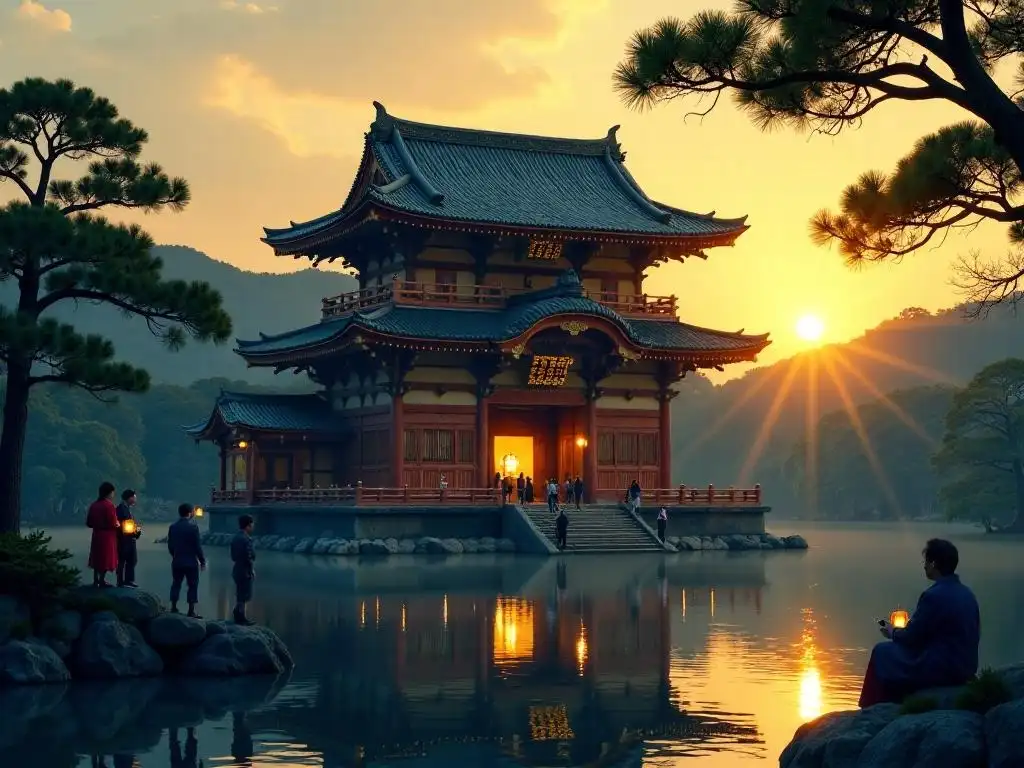
Edo Japan, spanning from 1603 to 1868, was a period characterized by significant cultural flourishing and the intertwining of religion with daily life. The established social order under the Tokugawa shogunate allowed for a unique environment where religious beliefs influenced various forms of artistic expression, literature, and performance. This era saw the flourishing of cultural practices that reflected the complexities of faith, belief systems, and societal values.
Religious Art and Iconography
In Edo Japan, religious art played a pivotal role in both public and private life. Artists produced a wealth of works that depicted religious themes, including Buddhist and Shinto iconography. Paintings, sculptures, and woodblock prints often illustrated deities, bodhisattvas, and sacred landscapes, serving not only as objects of devotion but also as cultural artifacts that conveyed moral and philosophical teachings.
Iconography was rich and complex, with symbols and motifs deeply rooted in religious beliefs. For example, the Buddhist mandala represented the cosmos and the path to enlightenment, while Shinto shrines featured torii gates symbolizing the transition from the profane to the sacred. The proliferation of religious art also encompassed decorative crafts, such as textiles and ceramics, which frequently incorporated spiritual themes, reinforcing the connection between daily life and the divine.
Literature Reflecting Religious Themes
Literature in Edo Japan often mirrored the religious sentiments of the time, blending the spiritual with the mundane. Works of poetry, prose, and drama frequently explored themes of karma, reincarnation, and the quest for enlightenment. Notable literary figures, such as Matsuo Bashō, utilized nature as a metaphor for spiritual awakening, crafting haiku that evoked deep feelings of transience and interconnectedness.
The genre of narrative literature, particularly ** ukiyo-zōshi**, depicted the lives of the common people, intertwining their experiences with Buddhist and Shinto beliefs. These stories often presented moral lessons, emphasizing the importance of virtues such as compassion, humility, and perseverance. Additionally, religious texts proliferated, including commentaries on Buddhist scriptures and Shinto myths, further enriching the literary landscape.
Theatre and Performance: Religion in Kabuki and Noh
Theatre during the Edo period was deeply intertwined with religion, particularly through the mediums of Kabuki and Noh. Both forms of theatre incorporated religious themes and motifs, often drawing from historical narratives, folklore, and religious texts.
Noh theatre, characterized by its austere elegance, frequently depicted Buddhist themes, exploring concepts such as the impermanence of life and the search for spiritual redemption. The use of masks and minimalistic staging allowed for deep emotional expression, inviting audiences to reflect on profound existential questions.
Conversely, Kabuki was more vibrant and accessible, often infused with Shinto elements and moral conflicts. Performances frequently included stories of gods, legendary heroes, and the interplay of good versus evil, appealing to the emotions of the audience. The colorful costumes and exaggerated movements further enhanced the religious narratives, making them engaging for wider audiences.
Conflicts and Syncretism in Edo Japan Religion and Culture
While Edo Japan was marked by cultural richness, it was also a time of tension and syncretism between various religious traditions. The interaction between Shinto and Buddhism, alongside the emergence of new religious movements, reflected the dynamic and often conflicting nature of religious belief during this period.
The Tension Between Shinto and Buddhism
The coexistence of Shinto and Buddhism in Edo Japan was often marked by tension, as both religions sought to assert their relevance in a changing society. While they had coexisted for centuries, the Tokugawa regime promoted a unique form of Shinto nationalism, elevating Shinto as the state religion and emphasizing its role in fostering loyalty to the shogunate.
Buddhism, on the other hand, continued to exert a significant influence, particularly in the realm of funerary practices and philosophical thought. This dichotomy led to a complex relationship, where syncretic practices emerged, yet underlying tensions remained. The Shinto-Buddhist syncretism, known as Shinbutsu shūgō, illustrated this phenomenon, as many shrines incorporated Buddhist elements, leading to conflicts over religious purity and authenticity.
The Emergence of New Religious Movements
During the Edo period, several new religious movements emerged, influenced by the socio-political climate and the existing religious landscape. Movements such as Kōfuku-ji and Shinran's Jōdo Shinshū gained popularity, appealing to the masses by addressing spiritual needs and societal concerns. These new sects often sought to simplify religious practices, making them more accessible to the common people.
Additionally, mystical and esoteric movements flourished, including Mikkyo, which blended elements of Buddhism and Shinto with practices aimed at personal enlightenment. These movements not only challenged established religious hierarchies but also contributed to the rich tapestry of beliefs that characterized Edo Japan.
Case Studies of Religious Syncretism in Edo Society
The interplay between different religions in Edo Japan is exemplified through various case studies that illustrate the complexities of syncretism. One notable example is the Tōno region, where local folk beliefs intertwined with Shinto and Buddhist practices, creating a unique spiritual landscape. Festivals in this area often featured rituals that honored both local deities and Buddhist figures, reflecting a harmonious coexistence.
Another case study is the Kamakura period's influence, which saw the incorporation of Zen Buddhist practices into the Shinto tradition. This blending is evident in the aesthetic of traditional gardens, which were designed to facilitate meditation and reflection, embodying a fusion of spiritual and natural elements.
Overall, the religious landscape of Edo Japan was marked by both conflict and cooperation, leading to a rich cultural heritage that continues to influence Japanese society today.
Legacy of Edo Japan Religion and Culture
The legacy of religion and culture during the Edo period (1603-1868) is profound, shaping not only the spiritual landscape of Japan but also its artistic and societal frameworks. The Edo period was marked by the consolidation of power under the Tokugawa shogunate, which brought about a unique synthesis of religious practices and cultural expressions that have left a lasting imprint on Japan.
Buddhism and Shinto coexisted harmoniously, often intertwining in festivals and rituals. The period also saw the rise of new religious movements, including the Nishiren sect and new forms of folk religion, which reflected the changing societal dynamics. The flourishing of arts such as ukiyo-e (woodblock prints) and kabuki theater drew heavily on religious themes, showcasing the spiritual beliefs of the time. This vibrant cultural tapestry contributed to a collective identity that still resonates in modern Japan, where traditions from the Edo period continue to be celebrated and preserved.
Influence on Modern Japanese Spirituality
The spiritual landscape of contemporary Japan is deeply rooted in the religious practices established during the Edo period. While modern Japan is often viewed as secular, many aspects of Edo religious thought persist in the daily lives of the Japanese people. The syncretism of Shinto and Buddhism, which was solidified during this time, remains a hallmark of Japanese spirituality, with many individuals participating in rituals and festivals that honor both traditions.
Moreover, concepts such as mono no aware (the awareness of the impermanence of things) and wa (harmony) have their origins in the religious philosophies of the Edo era. These ideas continue to shape the ethical and aesthetic values of modern Japanese society, influencing everything from art and literature to interpersonal relationships and community dynamics.
Reflection of Edo Religious Practices in Contemporary Culture
Many cultural practices and festivals in contemporary Japan can be traced back to the Edo period, reflecting its rich religious heritage. Traditional festivals, or matsuri, often celebrate local deities and harvests, blending Shinto rituals with Buddhist practices. The famous Gion Matsuri in Kyoto, for example, showcases the enduring influence of religious traditions originating from the Edo period.
Additionally, the arts continue to echo the religious themes established during Edo Japan. From the serene landscapes of traditional Japanese painting to the intricate narratives in contemporary anime, the spiritual elements embedded in the culture are evident. The values of humility, respect for nature, and community cohesion, which were emphasized during the Edo period, still resonate in today's cultural expressions.
Conclusion
Summary of Key Points on Edo Japan Religion and Culture
The interplay between religion and culture during the Edo period has produced a rich legacy that continues to influence modern Japanese society. Key points include:
- The coexistence of Buddhism and Shinto, leading to a unique spiritual synthesis.
- The emergence of new religious movements that reflected societal changes.
- The integration of religious themes in art forms like ukiyo-e and kabuki, enriching Japan's cultural heritage.
- The lasting impact of Edo religious thought on contemporary spirituality and cultural practices.
Final Thoughts on the Lasting Impact of the Edo Period on Japanese Identity
The Edo period's religious and cultural developments have profoundly shaped Japanese identity, creating a tapestry that blends tradition with modernity. As contemporary Japan navigates the complexities of globalization, the enduring legacies of Edo Japan—its spiritual philosophies, artistic expressions, and communal practices—continue to provide a sense of continuity and belonging. This intersection of religion and culture not only enriches the Japanese experience but also serves as a lens through which the world can appreciate the depth and diversity of Japan's cultural history.
- Introduction to Edo Japan Religion and Culture
- Major Religions in Edo Japan
- The Interplay of Religion and Daily Life in Edo Japan
- Social Hierarchy and Religion in Edo Japan
- Cultural Expressions of Religion in Edo Japan
- Conflicts and Syncretism in Edo Japan Religion and Culture
- Legacy of Edo Japan Religion and Culture
- Conclusion
Frequently Asked Questions
What was the role of religion in Edo Japan?
Religion in Edo Japan played a significant role in shaping cultural practices and societal norms. Shinto and Buddhism were the predominant faiths, influencing art, festivals, and daily life.
How did Edo Japan's culture reflect its religious beliefs?
The culture of Edo Japan was deeply intertwined with its religious practices, often seen in literature, theater, and visual arts that depicted spiritual themes and mythology.
What were the major religious practices during the Edo period?
Major religious practices included Shinto rituals, Buddhist ceremonies, and the influence of Confucianism on education and governance, which collectively shaped the social fabric of the era.
How did religion influence the arts in Edo Japan?
Religion significantly influenced the arts, inspiring paintings, woodblock prints, and performing arts that conveyed spiritual narratives and depicted religious symbols.
What impact did the Tokugawa shogunate have on religion in Edo Japan?
The Tokugawa shogunate enforced policies that promoted Buddhism while regulating Christianity, aiming to maintain social order and suppress foreign influence, which shaped the religious landscape of Edo Japan.
Final Reflection: The Enduring Legacy of Edo Japan's Religion and Culture
The intricate tapestry of religion and culture in Edo Japan continues to resonate in today's global society, showcasing how historical narratives shape contemporary identities. The interplay of Shinto, Buddhism, and Confucianism during the Edo period not only defined the spiritual landscape of Japan but also influenced social structures, art, and daily life. This rich heritage serves as a reminder that understanding our past is crucial for navigating the complexities of modern life.
The legacy of Edo Japan's religious and cultural practices is evident in the ongoing dialogue about tradition and modernity in Japan and beyond. As we observe the revival of interest in traditional practices and the blending of old and new philosophies, we recognize the profound impact that this historical period has on contemporary culture. Tradition is not the worship of ashes, but the preservation of fire.
This quote encapsulates the essence of how Edo Japan's religious and cultural intersections continue to inspire and ignite passion in today's society.
As we reflect on the lessons gleaned from the rich history of Edo Japan, I invite you to consider how these insights can inform your own life. What aspects of your cultural or spiritual heritage can you embrace and celebrate? In a world that often feels fragmented, let us strive to honor the past while forging connections that transcend time and place. By doing so, we not only pay homage to our ancestors but also cultivate a deeper understanding of ourselves and our shared humanity.
Embrace the Legacy: Dive Into Edo Japan's Cultural Tapestry!
Thank you for exploring the fascinating intersection of religion and culture in Edo Japan! You've gained valuable insights into how these elements shaped society during this unique period. Now, let's transform those insights into actionable steps!
- Join a local history group or community to discuss and share perspectives on Edo Japan's rich cultural heritage.
- Visit a museum or cultural exhibition that showcases artifacts and displays related to Japanese history and religion to deepen your understanding.
- Consider reading a book or watching a documentary that explores the profound influence of religion on Japanese culture, igniting your curiosity further.
What aspect of Edo Japan's culture resonates most with you, and how will it inspire your journey in understanding history?