
Samurai and Their Code: The Cultural Significance of Bushido in Edo

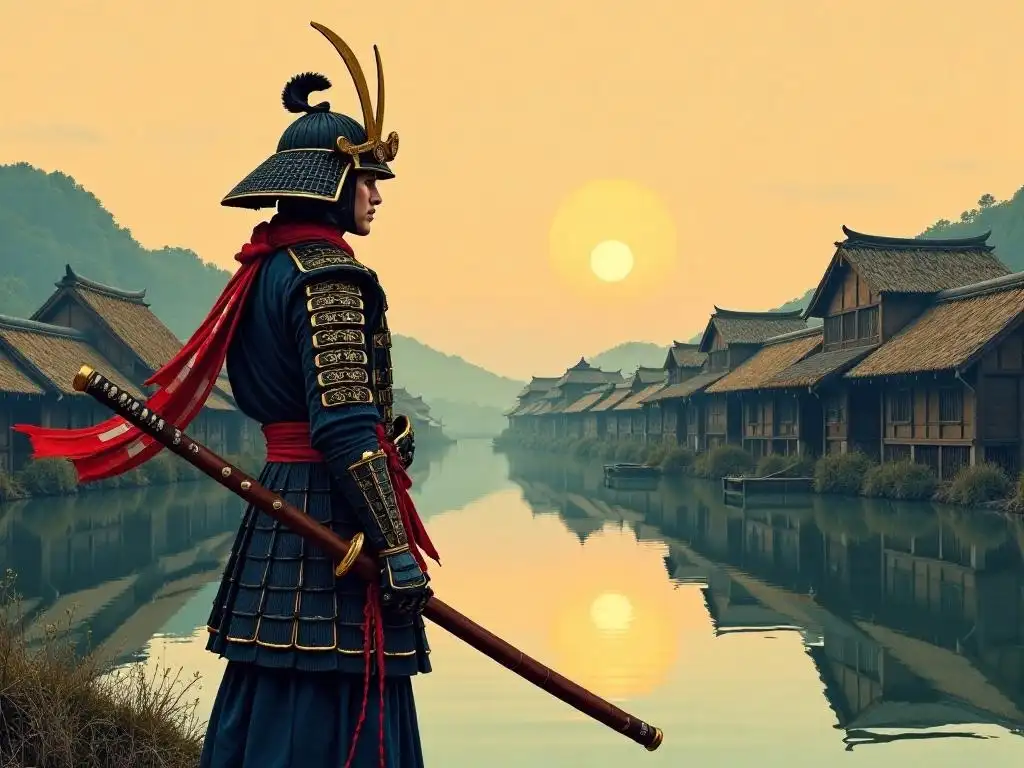
Welcome to Feudal Japan History, where we embark on a fascinating journey through the intricate tapestry of Japan's feudal era. Here, you'll uncover the profound impact of the Bushido code and samurai culture on society, art, and governance during the Edo period. What drives a samurai to uphold honor and loyalty?
As we delve into the cultural significance of Bushido, prepare to explore the values that shaped a warrior's life and the legacy that continues to resonate in modern Japan. Join us as we unravel the mysteries of this captivating era and invite you to read on for deeper insights into the code that defined a nation.
- Introduction to Bushido and Samurai Culture in Edo
- Historical Context of the Samurai in the Edo Period
- The Principles of Bushido: Values and Virtues
- The Influence of Zen Buddhism on Bushido
- Bushido in Practice: Daily Life of a Samurai
- The Cultural Significance of Bushido Beyond the Samurai
- Myths and Realities of the Samurai and Bushido Code
- Conclusion: The Enduring Legacy of Bushido and Samurai Culture
- Frequently Asked Questions
- Final Reflection: The Enduring Legacy of Bushido in Samurai Culture
- Embrace the Spirit of Bushido: Take Action Today!
Introduction to Bushido and Samurai Culture in Edo
The Edo period, spanning from 1603 to 1868, marks a significant era in Japanese history characterized by political stability, cultural growth, and the flourishing of unique social customs. Central to this period is the Bushido code, a set of ethical principles that governed the behavior of samurai, the warrior class of feudal Japan.
This code not only shaped the lives of the samurai but also influenced the broader societal norms and cultural practices of the time. Understanding the Bushido code and samurai culture during this period is essential for grasping the complexities of Japan's historical narrative and the enduring legacy that still resonates within Japanese society today.
In this article, we will delve into the intricate elements of the Bushido code, exploring its origins, principles, and the profound impact it had on samurai culture. Additionally, we will examine the pivotal role that samurai played in shaping the cultural landscape of feudal Japan, providing insights into their contributions to art, literature, and social order. Let us embark on this comprehensive exploration of how the ethos of Bushido defined an era and left an indelible mark on Japan's cultural identity.
Overview of Bushido Code
The term Bushido translates literally to "the way of the warrior." It encompasses a philosophical and ethical framework that samurai adhered to, guiding their conduct in both personal and professional spheres. The origins of Bushido can be traced back to the early samurai traditions, but it was during the Edo period that it crystallized into a more formalized code.
Key Principles of Bushido:
- Rectitude (Gi): Upholding justice and righteousness in all actions.
- Courage (Yū): The bravery to face adversity and defend one's principles.
- Benevolence (Jin): Showing compassion and kindness towards others.
- Politeness (Rei): Maintaining respect and etiquette in interactions.
- Honesty (Makoto): Being truthful and sincere in all dealings.
- Honor (Meiyo): Valuing one's reputation and the legacy left behind.
- Loyalty (Chūgi): Devotion to one's lord and comrades.
These principles not only guided samurai behavior but also reinforced their role as protectors of the realm, emphasizing the importance of honor and duty.
Importance of Samurai in Feudal Japan
The samurai were not merely warriors; they were the backbone of Japanese society during the feudal era. Their influence extended beyond the battlefield, permeating various aspects of culture and governance.
Contributions of Samurai to Society:
- Political Role: Samurai served as military leaders and administrators, shaping the political landscape of Japan. Their loyalty to their daimyō (feudal lords) ensured stability and order.
- Cultural Impact: Samurai were patrons of the arts, contributing to the development of poetry, calligraphy, and martial arts. The aesthetics of their lives were often reflected in their clothing, architecture, and gardens.
- Moral Standards: The Bushido code established a moral compass that influenced societal norms, promoting virtues such as loyalty, honor, and respect that became integral to Japanese culture.
The samurai and their Bushido code played a crucial role in defining the cultural and societal fabric of feudal Japan. Their legacy continues to shape modern Japanese identity, making the study of this era not only fascinating but also essential for understanding contemporary Japanese values and traditions.
Historical Context of the Samurai in the Edo Period

The Rise of the Samurai Class
The Edo period (1603-1868) marked a significant transformation in the status and role of the samurai class in Japan. Initially, samurai were warriors serving powerful feudal lords (daimyō) during the earlier periods of Japanese history. However, as the Tokugawa shogunate established a centralized feudal system, the samurai's role evolved from that of a battlefield warrior to a bureaucratic and administrative class.
- Transition from Warfare to Governance: The prolonged peace during the Edo period, often referred to as the "Pax Tokugawa," reduced the need for samurai as military leaders. As a result, many samurai found employment in the administration of their lords’ domains, engaging in governance, tax collection, and law enforcement. This shift led to a broader definition of samurai identity, emphasizing loyalty, discipline, and governance over martial prowess.
- Cultural Patronage: With their focus shifting from warfare to governance, samurai began to invest more in cultural pursuits. The Edo period saw the rise of arts such as Noh theater, tea ceremonies, and calligraphy among the samurai class. These cultural practices were not only a reflection of their elevated status but also a means to cultivate a refined identity aligned with the ideals of the Bushido code.
Political Changes and the Role of Samurai in Edo Society
The political landscape of the Edo period was characterized by stability and order under the strict control of the Tokugawa shogunate. This stability had a profound impact on the samurai class, redefining their social roles and reinforcing their cultural significance.
- Social Hierarchy and the Samurai's Status: The Tokugawa shogunate implemented a rigid social hierarchy, positioning samurai at the top as the ruling elite. This status was marked by privileges such as land ownership, stipends, and the right to bear arms. The samurai class was seen as the embodiment of loyalty and ethical conduct, which was central to the Bushido code.
- Bushido as a Guiding Philosophy: During the Edo period, the Bushido code became a foundational philosophy for samurai. This ethical framework emphasized virtues such as loyalty, honor, courage, and self-discipline. The code served not only as a moral compass for samurai but also as a means to justify their privileged position within society. The principles of Bushido were actively taught and promoted through literature and education, reinforcing the cultural significance of samurai in Edo society.
- Economic Role and Changes: As the samurai transitioned from warriors to bureaucrats, their economic roles also evolved. Many samurai became involved in land management and local governance, which increased their influence within the community. However, the rise of merchant classes during the Edo period began to challenge the samurai's economic supremacy, leading to tensions between these social groups.
- Crisis and Adaptation: The latter part of the Edo period witnessed growing dissatisfaction among the samurai due to economic hardships and the changing social dynamics. This dissatisfaction ultimately contributed to the decline of the Tokugawa shogunate and the eventual Meiji Restoration, which sought to modernize Japan and redefine the role of the samurai in a rapidly changing world.
The historical context of the samurai during the Edo period reveals a complex interplay between cultural ideals, social hierarchy, and political changes. The Bushido code became a symbol of samurai identity, shaping their roles in a society that valued loyalty, honor, and discipline.
The Principles of Bushido: Values and Virtues

The Bushido code encapsulates the ethical framework that guided samurai behavior during the Edo period. This code was not merely a set of rules but an intricate tapestry of values and virtues that shaped the samurai's identity and function within society. At its core, Bushido emphasized principles that were integral to maintaining order and harmony in a feudal society that was often marked by conflict and instability. Understanding these principles provides insight into the cultural significance of the samurai and their enduring legacy in Japanese history.
Honor and Loyalty in Samurai Culture
Honor (名誉, meiyo) was perhaps the most critical value within the Bushido code. For samurai, honor dictated their actions and decisions, influencing their reputation and standing within the community. A samurai’s honor was closely tied to loyalty (忠義, chūgi) to their lord, family, and comrades. This loyalty was not merely a duty but a profound commitment that often required personal sacrifice.
- The Concept of Seppuku: The act of ritual suicide known as seppuku (切腹) exemplifies the extreme measures samurai took to preserve their honor. Should a samurai fail in their duties or bring shame upon themselves, seppuku was seen as a noble way to atone, restoring honor to oneself and one's family.
- Loyalty to the Daimyo: Loyalty to one's daimyo (feudal lord) was paramount. Samurai were expected to serve their lords faithfully, often risking their lives on the battlefield to protect their interests. This loyalty fostered a sense of security and stability in the feudal hierarchy.
- Brotherhood Among Samurai: The bonds of loyalty extended beyond individual lords to fellow samurai. The concept of giri (義理) described the obligation to support and defend one's peers, further solidifying the social structure of samurai culture.
The Importance of Courage and Justice
Courage (勇気, yūki) was another cornerstone of the Bushido code. For samurai, courage was not just physical bravery but encompassed moral strength and the ability to confront adversity without fear.
- Facing the Enemy: On the battlefield, a samurai was expected to exhibit valor, often charging into combat with unwavering resolve. This courage was not blind; it was tempered by a strong sense of justice (正義, seigi), which guided their actions in warfare and governance.
- The Pursuit of Justice: Samurai were viewed as the enforcers of justice within their domains. They were tasked with upholding the law and ensuring that the rights of the common people were protected. The samurai's role as a warrior-judge often placed them in challenging situations where they had to balance their martial duties with ethical considerations.
- Moral Dilemmas: The interplay between courage and justice often presented moral dilemmas. Samurai were faced with choices that required them to weigh their loyalty to their lord against their own moral compass, illustrating the complexity of their role in society.
Compassion and Benevolence as Samurai Ideals
While Bushido emphasized martial prowess and loyalty, it also encompassed ideals of compassion (慈悲, jihi) and benevolence (恩恵, onkei). These qualities served to humanize the samurai, presenting them as protectors rather than mere warriors.
- Benevolent Leadership: Many samurai sought to embody benevolence in their leadership, striving to be just and fair rulers. This approach fostered a sense of community and respect among the populace, contrasting the often brutal nature of feudal rule.
- Compassionate Actions: Acts of compassion were not uncommon among samurai. They often engaged in charitable works, providing aid to those in need and ensuring the welfare of their subjects. Such actions reinforced their role as guardians of society.
- Balancing Strength with Kindness: The integration of compassion into the Bushido code highlights the belief that true strength lies not only in martial skills but also in the ability to empathize and show kindness. This duality enriched samurai culture, making it more than just a paradigm of warfare.
The principles of Bushido encapsulated a rich tapestry of values that defined samurai culture during the Edo period. Honor and loyalty, courage and justice, and compassion and benevolence formed the bedrock of a code that not only shaped individual samurai but also influenced the broader societal norms of feudal Japan. Understanding these principles sheds light on the profound cultural significance of the Bushido code and its lasting impact on Japanese history.
The Influence of Zen Buddhism on Bushido
Zen Buddhism played a crucial role in shaping the Bushido code and, by extension, samurai culture during the Edo period. This influence can be traced through various aspects of samurai life, including ethics, training, and overall worldview.
Spiritual Foundations of Samurai Ethics
Zen Buddhism introduced a spiritual dimension to the samurai's ethical framework, emphasizing the importance of inner peace and clarity of mind. The following elements highlight how Zen principles intertwined with samurai ethics:
- Meditation Practices: Zen meditation (zazen) encouraged samurai to cultivate a calm and focused mind. This practice allowed warriors to confront their fears and uncertainties, which was essential on the battlefield. The ability to remain composed under pressure became a hallmark of samurai behavior.
- Impermanence and Acceptance: Central to Zen philosophy is the concept of impermanence (anicca). Samurai embraced this idea, understanding that life is fleeting. Consequently, they developed a sense of acceptance regarding death and failure, which fostered a more profound sense of courage and honor in their actions.
- Simplicity and Austerity: Zen teachings promoted simplicity and minimalism, which resonated with the samurai's lifestyle. The samurai's focus on discipline and self-control was reflected in their daily routines, which prioritized the essentials and eliminated distractions.
- The Harmony of Action and Stillness: Zen emphasizes the importance of finding balance between action and stillness. Samurai learned to act decisively while remaining mentally centered, a quality that significantly enhanced their effectiveness in combat.
Mindfulness and Discipline in Samurai Training
Mindfulness, a key aspect of Zen practice, was integral to the training regimens of samurai. This awareness not only influenced their combat techniques but also their approach to life and duty.
- Focused Training: Samurai training involved rigorous physical and mental preparation, where mindfulness played a vital role. Practicing martial arts, such as kendo and iaido, required warriors to be fully present in the moment, honing their reflexes and decision-making skills.
- Integration of Zen into Daily Practices: The incorporation of Zen principles into daily activities, such as swordsmanship and archery, fostered a deep connection between the samurai and their weapons. This connection was not merely physical; it was spiritual, as they sought to embody the essence of their swords through disciplined practice.
- Rituals and Ceremonies: Samurai often engaged in rituals that reflected Zen practices, such as tea ceremonies (chanoyu) and flower arranging (ikebana). These activities reinforced the values of mindfulness, beauty, and harmony, enhancing the samurai's appreciation for life and art.
- Cultivation of Virtues: The emphasis on mindfulness encouraged samurai to cultivate virtues such as loyalty, courage, and honor. By being present and aware, they could navigate complex social dynamics and adhere to the Bushido code more effectively.
The profound influence of Zen Buddhism on Bushido created a rich tapestry of spiritual and ethical values that defined samurai culture during the Edo period. This integration of mindfulness and discipline not only shaped the samurai's martial prowess but also their character, leaving a lasting legacy in Japanese history.
Bushido in Practice: Daily Life of a Samurai
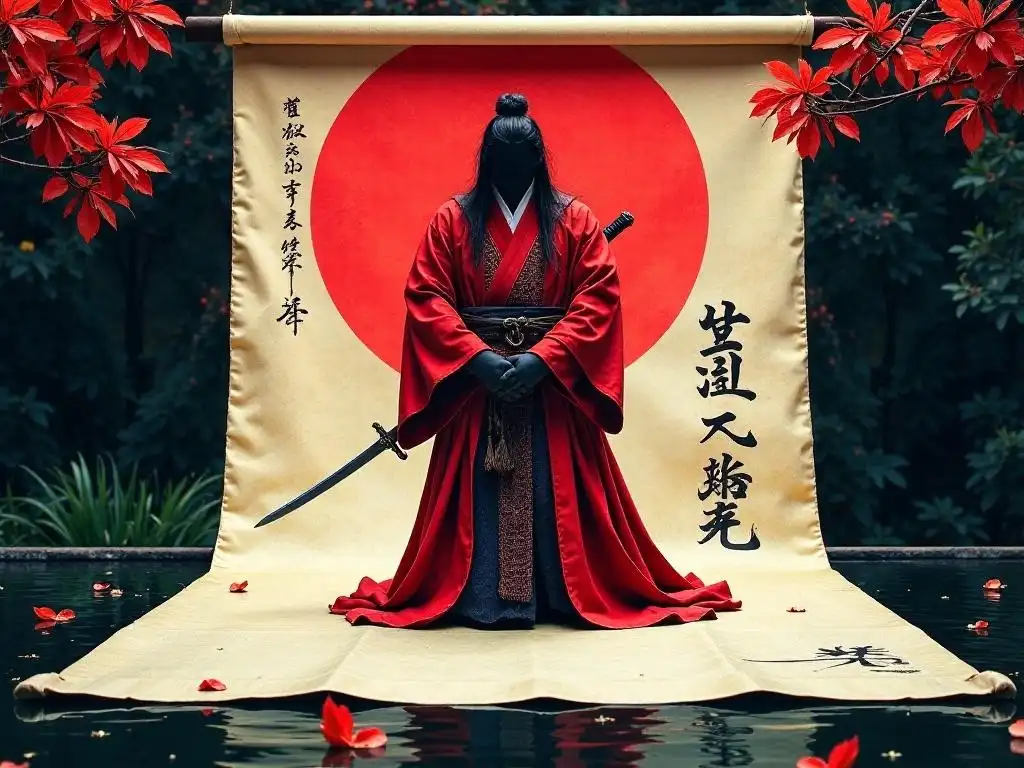
The daily life of a samurai during the Edo period was deeply influenced by the principles of the Bushido code, which emphasized loyalty, honor, and discipline. The samurai were not merely warriors; they were also social and cultural leaders who adhered to a strict ethical framework that governed every aspect of their lives.
Training and Education of Samurai Warriors
Training and education were paramount in shaping the samurai's character and skills. From a young age, boys born into samurai families were groomed to become proficient in both martial and intellectual disciplines. Their education consisted of several key components:
- Martial Arts Mastery:
- Samurai underwent rigorous training in various forms of combat, including kenjutsu (swordsmanship), iaijutsu (drawing the sword), and naginatajutsu (halberd techniques).
- They practiced daily, honing their skills through kata (pre-arranged forms) and sparring with peers.
- Cultural Education:
- Beyond physical training, samurai were educated in literature, philosophy, and calligraphy, reflecting the ideal that a warrior should also be a scholar.
- This dual education fostered a well-rounded individual who could navigate both the battlefield and the court.
- Moral Instruction:
- The teachings of Confucianism and Zen Buddhism played significant roles in instilling values such as loyalty, respect, and self-discipline.
- Samurai were taught to embody the virtues of Bushido, ensuring they acted with honor in every situation.
The rigorous training regime ensured that samurai were not only formidable fighters but also cultured individuals capable of leading and serving their communities.
The Role of Samurai in Edo Society and Governance
During the Edo period, samurai held a unique position within the societal hierarchy. Their roles extended beyond mere warriors to include governance and cultural leadership. Key aspects of their societal role included:
- Administrative Responsibilities:
- Many samurai served as administrators, managing lands and overseeing the welfare of the peasants while ensuring tax collection for their lords.
- Their training in governance was rooted in the Bushido code, which emphasized justice and moral duty to protect the people.
- Cultural Guardians:
- Samurai were also patrons of the arts, supporting tea ceremonies, Noh theater, and poetry. This cultural engagement was a reflection of their education and commitment to a refined lifestyle.
- They participated in and organized cultural events, fostering a sense of community and continuity of tradition.
- Military Leadership:
- In times of conflict, samurai were expected to lead troops and protect their domain. Their military training prepared them to respond swiftly and effectively to threats.
- Even during the relatively peaceful Edo period, the samurai maintained their martial skills, ready to defend their honor and the interests of their lords.
This multifaceted role reinforced the samurai's importance in Edo society, as they balanced martial prowess with societal responsibilities, embodying the ideals of the Bushido code.
Rituals and Ceremonies in Samurai Life
Rituals and ceremonies were integral to a samurai's life, reflecting their adherence to the Bushido code and their commitment to tradition. These rituals served both personal and communal purposes, reinforcing their values and identity. Key rituals included:
- Tea Ceremony (Chanoyu):
- The tea ceremony was not merely a social event; it was a spiritual practice that emphasized harmony, respect, and tranquility.
- Samurai participated in these ceremonies to refine their etiquette and foster deeper connections with others.
- Seppuku (Ritual Suicide):
- Seppuku was a profound ritual that allowed a samurai to restore honor in the face of disgrace or failure.
- This act was seen as a final demonstration of loyalty and integrity, emphasizing the importance of honor within the Bushido code.
- Ceremonial Events:
- Samurai engaged in various ceremonial events, such as weddings and the coming-of-age ceremony (Genpuku), which marked the transition from youth to adulthood.
- These ceremonies were steeped in tradition and served to strengthen the bonds within the samurai community.
Through these rituals, samurai not only upheld the tenets of Bushido but also reinforced their cultural identity, ensuring that the values of loyalty, honor, and discipline were passed down through generations.
The Cultural Significance of Bushido Beyond the Samurai
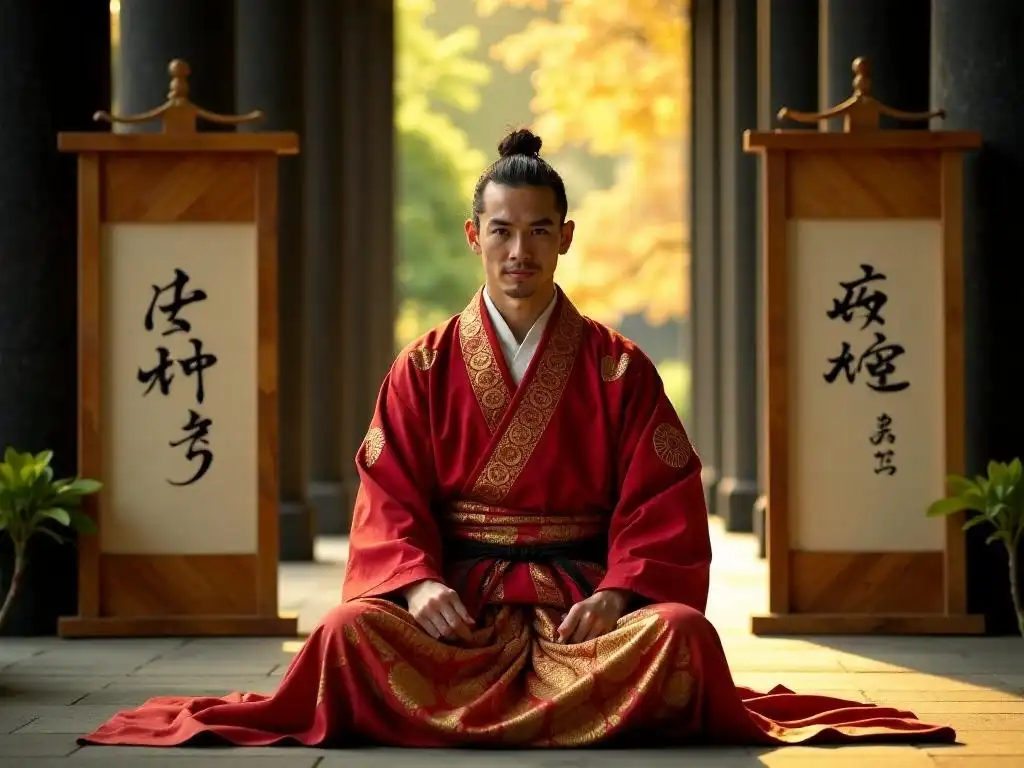
Bushido, often translated as "the way of the warrior," serves as a foundational philosophy that extends far beyond the martial prowess of the samurai. Its principles infiltrated various aspects of Japanese society, including the arts, ethics, and social conduct, creating an intricate tapestry of cultural values that continue to resonate today. This code emphasized not only loyalty and honor but also self-discipline and moral integrity, which shaped the very fabric of Edo-period society.
Bushido's Influence on Japanese Arts and Literature
The impact of the Bushido code on Japanese arts and literature during the Edo period is profound and multifaceted. Artists and writers drew inspiration from the ideals of the samurai, creating works that celebrated their virtues and struggles.
- Visual Arts:
- Ukiyo-e: This woodblock printing style often depicted samurai in various contexts, showcasing their valor and ethical dilemmas. Notable artists like Katsushika Hokusai and Utagawa Kuniyoshi portrayed samurai battling mythical creatures or engaged in acts of loyalty, reflecting the Bushido ideals of bravery and honor.
- Sumi-e Painting: The ink wash painting technique emphasized simplicity and depth, mirroring the samurai's philosophical introspection. The brush strokes were deliberate, akin to a samurai’s calculated movements in battle.
- Literature:
- Nihonbashi: Samurai literature, including tales of heroic deeds and tragic falls, often centered around the concept of honor. Works such as "The Tale of the Heike" illustrated the transient nature of life, embodying the samurai’s acceptance of mortality.
- Haiku Poetry: Poets like Matsuo Bashō utilized the concise structure of haiku to express feelings aligned with Bushido, often reflecting themes of nature, honor, and the warrior's path. The discipline involved in crafting these poems mirrored the self-control taught by Bushido.
- Theatrical Arts:
- Kabuki and Noh: The samurai's ethos was also a prevalent theme in Kabuki and Noh theater, where characters often grappled with loyalty, betrayal, and duty. These performances served as moral lessons for the audience, reinforcing the cultural significance of Bushido.
The integration of Bushido into the arts and literature not only celebrated the samurai but also acted as a means to convey broader societal values, reinforcing the importance of honor, loyalty, and ethical conduct within the larger Japanese culture.
The Legacy of Bushido in Modern Japan
The legacy of Bushido continues to permeate modern Japanese society, manifesting in various ways that reflect its enduring influence.
- Cultural Identity:
- The principles of Bushido are often invoked in discussions about Japanese identity, emphasizing traits like perseverance, loyalty, and respect. These values are ingrained in the national psyche, influencing interpersonal relationships and societal expectations.
- Martial Arts:
- Traditional martial arts such as Kendo, Aikido, and Iaido maintain the spirit of Bushido, focusing not only on physical prowess but also on character development. Practitioners are taught the importance of respect, discipline, and humility, embodying the code's core principles.
- Business Ethics:
- In the corporate world, elements of Bushido can be seen in the emphasis on loyalty to the company and dedication to one's colleagues. The concept of "wa" (harmony) is prevalent, promoting a collaborative spirit that echoes the samurai's commitment to their lord and comrades.
- Popular Culture:
- Modern media, including films, anime, and literature, frequently reference Bushido, portraying samurai as symbols of honor and discipline. This representation helps to keep the ideals of Bushido alive, inspiring new generations to appreciate its significance.
While the samurai may have been the bearers of the Bushido code, its cultural significance transcends their era, influencing various aspects of Japanese life. From the arts and literature to contemporary ethics and identity, the legacy of Bushido remains a vital component of Japan's cultural landscape, bridging the past with the present.
Myths and Realities of the Samurai and Bushido Code
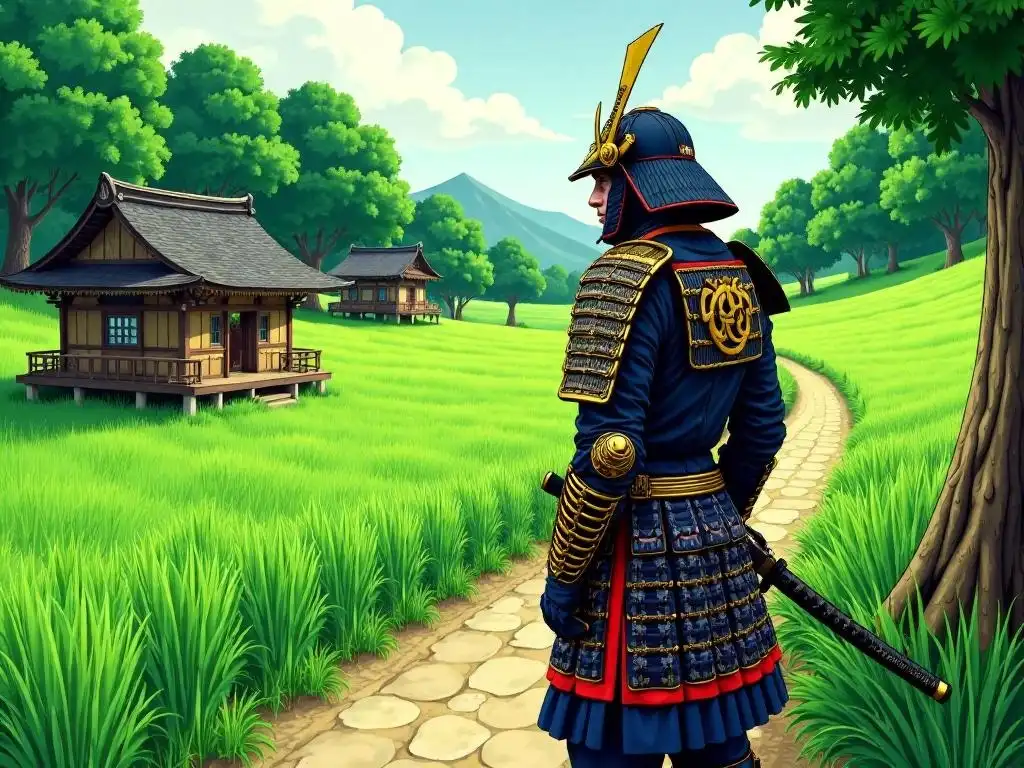
Common Misconceptions about Samurai Culture
The samurai, often romanticized in popular culture, are frequently portrayed as invincible warriors bound by a strict code of honor. However, several misconceptions about samurai culture and the Bushido code distort the historical reality of these figures.
-
Samurai as Solely Noble Warriors:
Many believe that all samurai were noblemen. In fact, the samurai class included not only aristocratic warriors but also lower-ranking samurai who served as foot soldiers or administrators. This diverse social standing influenced their interpretation and adherence to Bushido, leading to varying degrees of commitment to the code.
-
Bushido as a Uniform Code:
It's often assumed that Bushido was a single, definitive code that all samurai followed. In reality, Bushido evolved over time and differed significantly between various clans and regions. The principles of loyalty, courage, and honor were central, yet their applications could differ widely based on local customs and the specific circumstances faced by samurai.
-
Samurai as Relentless Killers:
The image of the samurai as merciless warriors is another common myth. While they were trained in combat, samurai were also expected to exhibit restraint and wisdom. The Bushido code emphasized the importance of mercy and compassion, encouraging samurai to seek peaceful resolutions whenever possible.
-
Absolute Loyalty:
A prevalent belief is that samurai exhibited unwavering loyalty to their lords, often leading to the notion of blind obedience. However, samurai were also guided by personal ethics and the consequences of their actions. Instances of rebellion against unjust lords illustrate that loyalty was often conditional upon the moral integrity of the leader.
The Reality of Bushido in Historical Context
Bushido, often translated as "the way of the warrior," serves as a cornerstone of samurai culture, shaping their ethics and conduct throughout the Edo period (1603-1868). Its historical context reveals a more nuanced understanding of the code and its significance.
-
Origins and Evolution:
Bushido has its roots in earlier warrior codes but gained prominence during the Edo period. The peaceful environment established by the Tokugawa shogunate allowed for the refinement of samurai ideals, transitioning from a focus on battlefield prowess to a more philosophical approach to life and duty.
-
Influence of Confucianism and Zen Buddhism:
The development of Bushido was heavily influenced by Confucian and Zen Buddhist principles. Confucianism emphasized loyalty, filial piety, and social harmony, while Zen Buddhism contributed a focus on mindfulness and self-discipline. This blend of philosophies created a complex ethical framework that guided samurai behavior beyond mere martial prowess.
-
The Role of Literature in Shaping Bushido:
Literature played a significant role in cultivating the Bushido ethos. Texts such as "Hagakure" by Yamamoto Tsunetomo and "The Book of Five Rings" by Miyamoto Musashi articulated the philosophical underpinnings of the samurai code, blending practical martial strategies with spiritual insights. These works have had a lasting impact on the perception of samurai culture.
-
Bushido in Practice:
In practice, Bushido was not always adhered to strictly. The realities of political intrigue, economic pressures, and personal ambitions often led to compromises in the application of the code. While the ideals of honor and loyalty were revered, the lived experiences of samurai highlighted the complexities and contradictions inherent in their society.
-
Legacy of Bushido:
The legacy of Bushido continues to resonate in contemporary Japanese culture. Its principles are often invoked in discussions of ethics and conduct in various fields, from business to martial arts. Understanding Bushido's historical context allows for a richer appreciation of its cultural significance and enduring influence.
By exploring these myths and realities, one can gain a deeper insight into the intricate tapestry of samurai culture and the Bushido code, understanding their complexities and the historical factors that shaped them.
Conclusion: The Enduring Legacy of Bushido and Samurai Culture
The legacy of Bushido and samurai culture continues to resonate deeply within contemporary Japanese society and beyond. This code of conduct, which emphasizes virtues such as loyalty, honor, and self-discipline, has transcended its historical roots to become a symbol of ethical behavior and personal integrity. The principles of Bushido are not merely relics of the past but have found expression in various modern contexts, from business ethics to martial arts.
Reflections on the Impact of Bushido in Contemporary Society
Bushido has evolved into a guiding philosophy that influences various aspects of modern life. Its emphasis on moral integrity and resilience resonates with individuals seeking to foster personal development. Notably, the principles of Bushido are reflected in contemporary practices such as:
- Business Ethics: Many Japanese corporations incorporate Bushido principles to promote loyalty and commitment among employees. The concept of "wa," or harmony, is often highlighted to enhance teamwork and collaboration.
- Martial Arts: Traditional martial arts, such as Kendo and Aikido, maintain the spirit of Bushido by instilling discipline and respect for opponents. Practitioners often study the philosophy behind these arts to develop not only physical skills but also mental fortitude.
- Cultural Identity: Bushido has become a cornerstone of Japanese cultural identity, celebrated in literature, film, and art. It serves as a reminder of Japan's rich historical heritage, inspiring pride and a sense of continuity among the Japanese people.
The impact of Bushido extends beyond Japan, as its teachings have been embraced by various cultures worldwide. The fascination with samurai culture has led to a resurgence of interest in martial arts and traditional Japanese practices, highlighting the universal appeal of Bushido's moral framework.
Final Thoughts on Samurai and Their Cultural Significance in Edo
The samurai and their code of Bushido played a pivotal role in shaping the cultural landscape of the Edo period. This era, marked by relative peace and stability, allowed samurai to transition from warriors to cultural figures, influencing art, philosophy, and governance. The samurai’s pursuit of knowledge and the arts enriched Japanese culture, leading to significant developments in literature, theater, and visual arts.
As we reflect on the cultural significance of samurai in Edo, it's essential to recognize how their values continue to inform contemporary society. The enduring allure of samurai culture, characterized by a commitment to honor and duty, serves as a powerful reminder of the importance of ethical conduct in our lives.
The Bushido code and samurai culture remain relevant today, offering valuable lessons on integrity and responsibility. Their legacy invites us to explore our values and aspirations, encouraging a deeper understanding of what it means to live honorably in a complex world.
Frequently Asked Questions
What is the Bushido code?
The Bushido code is a set of ethical principles and moral values that guided the behavior and conduct of samurai during Japan's feudal era, emphasizing loyalty, honor, and courage.
How did samurai culture influence Japanese society?
Samurai culture deeply influenced Japanese society by instilling values of discipline, loyalty, and honor, which shaped social structures and interactions among the classes during the Edo period.
What role did the Bushido code play in the lives of samurai?
The Bushido code served as a moral compass for samurai, dictating their actions, decisions, and their relationships with others, thus creating a distinct identity and purpose within the feudal hierarchy.
How did the Edo period affect the evolution of the Bushido code?
During the Edo period, the Bushido code evolved to adapt to a more peaceful society, emphasizing cultural and artistic pursuits while maintaining the core values of loyalty and honor among samurai.
What are the key elements of the Bushido code?
Key elements of the Bushido code include loyalty, bravery, honor, integrity, and self-discipline. These principles were essential in shaping the samurai's identity and their role in feudal Japan.
Final Reflection: The Enduring Legacy of Bushido in Samurai Culture
The principles of the Bushido code resonate profoundly in today’s society, reminding us of the values of honor, loyalty, and discipline that transcend time. As we navigate a world often fraught with moral ambiguity, the samurai's unwavering commitment to their code offers a beacon of guidance. The relevance of Bushido is not merely historical; it serves as a framework for personal integrity and ethical conduct in our modern lives.
Cultural narratives surrounding the samurai and their code continue to shape our understanding of honor and duty in contemporary society. The ethos of Bushido has permeated various aspects of life, from martial arts to business ethics, influencing how we perceive leadership and responsibility. As the philosopher Yamamoto Tsunetomo once said, The way of the samurai is found in death.
This stark reminder of the samurai's dedication to their principles encourages us to reflect on the seriousness with which we approach our own values and commitments.
As you ponder the lessons of Bushido, I invite you to consider how these timeless principles can be woven into your daily life. Reflect on your own values and how you can embody the spirit of the samurai in your actions and decisions. Whether through acts of kindness, standing up for what is right, or fostering loyalty in your relationships, let the legacy of the samurai inspire you to live with purpose and integrity. Embrace the challenge to cultivate a personal code that honors the essence of Bushido, shaping not only your life but also the world around you.
Embrace the Spirit of Bushido: Take Action Today!
Thank you for diving into the fascinating world of Bushido and its cultural significance in Edo period Japan! You've uncovered insights that reveal the profound values that guided samurai life. Now, let's transform that knowledge into action!
- Explore further: Read classic texts on Bushido, such as "The Book of Five Rings," to deepen your understanding of its principles.
- Engage with the community: Join a local martial arts class that focuses on traditional Japanese techniques to experience the mindset behind Bushido firsthand.
- Share your passion: Start discussions with friends or participate in online groups about how the principles of Bushido can influence modern life and values.
What aspect of Bushido resonates most with you, and how do you think it can inspire the world today?