
The Samurai and the Arts of War: A Study of Their Military Innovations

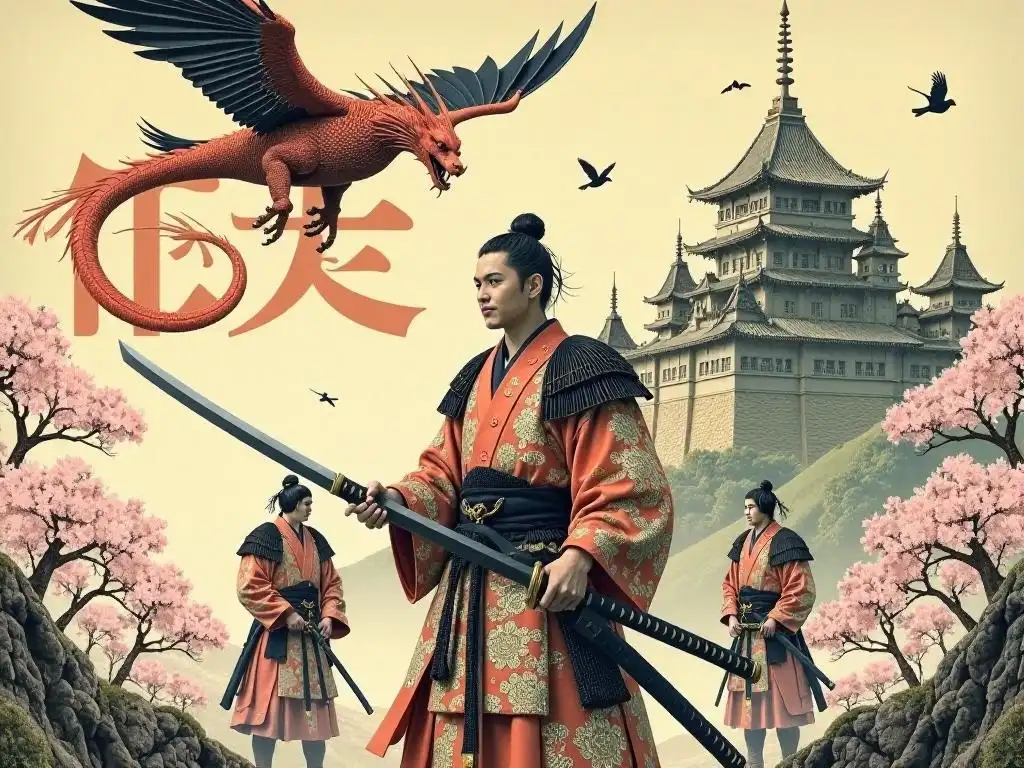
Welcome to Feudal Japan History, where we invite you to journey through the fascinating tapestry of Japan's feudal era. Prepare to delve deep into the intricacies of the Samurai and the Arts of War, as we uncover the pivotal military innovations that shaped not only the battlefield but also the very fabric of Japanese society. With each article, we aim to illuminate the rich historical, cultural, and political nuances of this remarkable period.
Are you ready to explore how the legendary Samurai transformed warfare and left an indelible mark on history? Discover the secrets behind their strategies and innovations—your adventure begins here!
Introduction to Samurai Military Innovations History
The history of the samurai is intricately woven into the fabric of Japan's feudal era, marked by a complex interplay of warfare, culture, and societal structures. As the elite warrior class, the samurai not only shaped Japan's military strategies but also influenced its cultural identity. This article delves into the military innovations pioneered by the samurai, highlighting how their unique approaches to warfare evolved over time and set the foundation for Japan's military practices. Understanding the samurai military innovations history provides valuable insight into their tactical advancements, weaponry, and the broader implications for Japanese society during the feudal period.
Overview of the Samurai Class in Feudal Japan
The samurai emerged as a distinct social class during the late Heian period (794–1185), initially serving as provincial warriors for powerful landowners. Over time, they established themselves as the backbone of Japan's military might, adhering to a strict code of conduct known as Bushido, which emphasized honor, loyalty, and discipline. The samurai were not merely soldiers; they were also scholars, poets, and artists, embodying a unique blend of martial prowess and cultural sophistication.
- Key Characteristics of the Samurai Class:
- Warrior Ethos: Central to their identity, emphasizing bravery and loyalty.
- Social Status: Transitioned from local warriors to the ruling elite, particularly during the Kamakura (1185–1333) and Muromachi (1336–1573) periods.
- Cultural Contributions: Involved in various art forms, including calligraphy, tea ceremonies, and the martial arts.
Importance of Military Innovations in Samurai Culture
Military innovations were not merely practical advancements; they were integral to the samurai's identity and societal role. As warfare evolved, so did the strategies and technologies employed by the samurai. These innovations allowed them to adapt to changing battlefields and opponents, ensuring their survival and dominance in a tumultuous period.
- Significant Military Innovations:
- Weaponry: Development of new weapons like the katana, which became a symbol of the samurai's status and skill.
- Tactical Strategies: Innovations in battlefield formations and the use of cavalry and infantry units.
- Siege Warfare: Adoption of techniques for breaching fortified positions, which enhanced their effectiveness in prolonged conflicts.
The Historical Context of Samurai Military Innovations
Understanding the historical context of samurai military innovations involves examining the socio-political landscape of feudal Japan. The rise of the samurai class was deeply influenced by various historical events and shifting power dynamics, which necessitated a reevaluation of military tactics and strategies.
The Rise of the Samurai Class in Japan
The rise of the samurai class can be traced back to the decline of central authority during the Heian period, leading to increased regional conflicts. As the power of the imperial court waned, local warlords, or daimyō, began to recruit samurai to protect their interests. This shift marked the beginning of a new era in Japanese history, where the samurai became pivotal players in the political landscape.
- Key Factors Contributing to Their Rise:
- Fragmentation of Power: The decline of imperial authority created a vacuum filled by powerful landowners.
- Military Demand: As conflicts escalated, the need for skilled warriors became paramount, solidifying the samurai's role.
- Feudal Loyalty: The system of vassalage established strong loyalty ties, reinforcing the samurai's influence.
Key Historical Events Influencing Military Strategies
Several historical events significantly impacted the military strategies employed by the samurai, shaping their approach to warfare and innovations.
- The Genpei War (1180–1185): This conflict between the Taira and Minamoto clans set the stage for the establishment of the Kamakura shogunate, demonstrating the effectiveness of samurai tactics.
- Mongol Invasions (1274 and 1281): The samurai faced external threats that necessitated the development of new defensive strategies and coordination among various clans.
- The Sengoku Period (1467–1603): A time of social upheaval and constant warfare, this period saw the rise of new military technologies and strategies that defined the samurai's evolution as warriors.
By exploring these themes, this article aims to provide a comprehensive understanding of how samurai military innovations not only influenced warfare in feudal Japan but also left a lasting legacy on the nation's cultural and historical landscape.
Core Samurai Military Innovations
The samurai class of feudal Japan is renowned not only for their martial prowess but also for their significant contributions to military innovations. These innovations transformed warfare in Japan, allowing samurai to adapt to changing battle conditions and maintain their status as elite warriors. Key developments include advancements in weaponry, tactical formations, and the integration of new technologies, which together crafted a distinctive approach to warfare that was both effective and culturally resonant.
Development of the Katana: The Sword of the Samurai
The katana, often regarded as the quintessential weapon of the samurai, epitomizes their martial identity. Developed during the late Heian and early Kamakura periods, the katana features a distinctive curved blade that allows for swift, powerful strikes. The sword is forged using a unique process that involves folding high-carbon steel, which creates a blade that is both resilient and sharp.
The katana's design is not merely aesthetic; its balance and curvature enable the samurai to execute quick draws and cuts, a technique known as nukitsuke. This capability became essential during close-quarter combat, where speed and precision determined victory. Furthermore, the cultural significance of the katana extends beyond its functionality; it symbolizes the samurai's honor and status, often being considered an extension of the warrior's spirit.
Tactical Innovations: Formation and Strategy
As warfare evolved, so did the tactics employed by samurai leaders. The samurai developed various formations, such as the kusemai and the tachi, which were designed to maximize the effectiveness of their troops in battle. These formations emphasized the importance of discipline and training, allowing samurai to execute complex maneuvers on the battlefield.
Strategically, samurai leaders employed a mix of psychological warfare and cunning tactics. They understood the terrain and used it to their advantage, often choosing locations that would favor their forces while hindering the enemy's movements. Notable battles, such as the Battle of Nagashino in 1575, showcased innovative strategies that combined traditional samurai combat with newly introduced firearms, highlighting the adaptability of samurai tactics in a changing warfare landscape.
The Use of Horseback Warfare and Cavalry Tactics
Horseback warfare was a hallmark of samurai military strategy. Samurai were trained from a young age in the art of riding and fighting on horseback, enabling them to execute fast-moving assaults that could outmaneuver foot soldiers. The use of cavalry allowed samurai to cover vast distances quickly, which was crucial for both offense and defense.
In battle, the samurai utilized techniques such as the yabusame, or mounted archery, which involved shooting arrows while riding at full speed. This skill required exceptional precision and control, making the samurai a formidable opponent on the battlefield. Furthermore, cavalry units were often used to flank enemy formations, creating chaos and disrupting their lines, which was a pivotal tactic in achieving victory.
Technological Advancements in Samurai Warfare
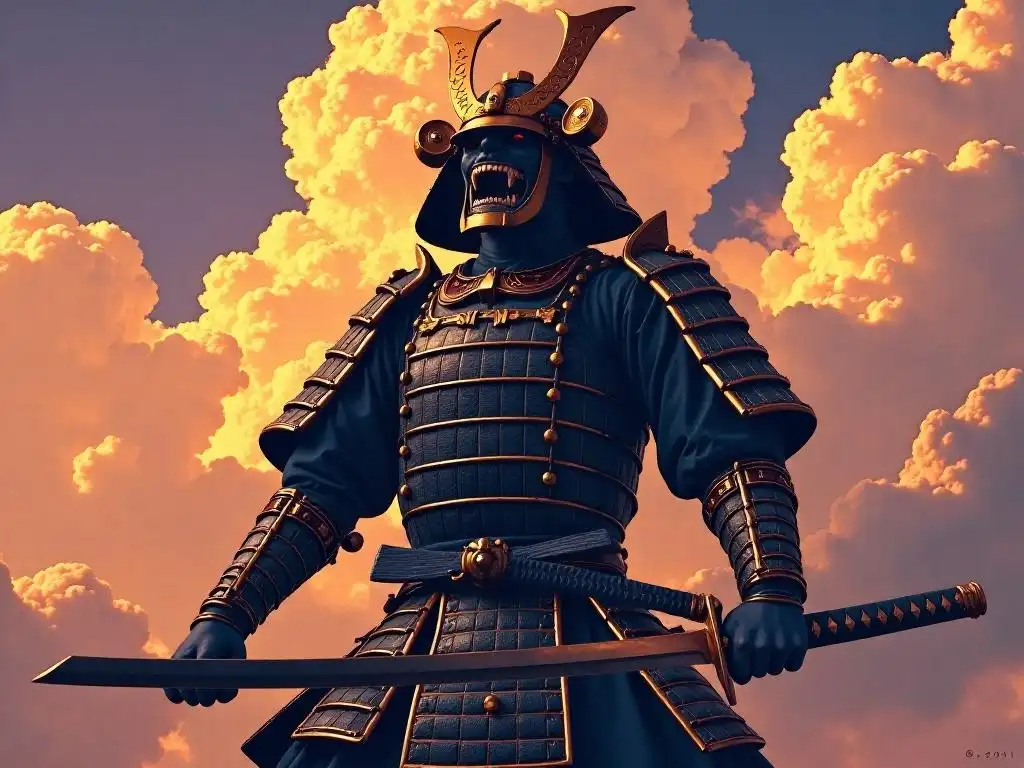
The evolution of warfare during the samurai era was significantly influenced by technological advancements. From the introduction of gunpowder to innovations in siege tactics, these developments played a crucial role in shaping military strategies and outcomes.
The Introduction of Gunpowder and Firearms
The arrival of gunpowder in Japan during the 16th century revolutionized samurai warfare. Initially introduced by the Portuguese, firearms quickly became a key component of military arsenals. The use of matchlock guns, or tanegashima, allowed for ranged attacks that could penetrate traditional armor, drastically changing the dynamics of battlefield engagements.
Samurai adapted to this new technology by incorporating firearms into their tactics. They organized teppo (gun) units that could deliver devastating volleys of fire, providing a crucial advantage in battles like the Battle of Nagashino. The integration of firearms required new training methods and formations, emphasizing the samurai's ability to evolve and respond to technological changes in warfare.
Siege Warfare Techniques and Innovations
Siege warfare became increasingly important as fortified castles emerged as strategic strongholds during the feudal period. Samurai developed sophisticated techniques to besiege these fortifications, including the use of siege towers, catapults, and other siege engines.
Innovative strategies such as the sōjutsu, or siege tactics, involved surrounding an enemy castle and cutting off supply lines, effectively starving the defenders. Notable sieges, like those during the Siege of Takeda, showcased the samurai's ability to adapt their traditional combat skills to new forms of warfare, emphasizing patience and strategic planning.
Armor and Weaponry Developments: Beyond the Katana
While the katana is the most iconic weapon associated with the samurai, a range of other weaponry and armor developments played vital roles in their military innovations. Samurai armor, known as yoroi, was designed to provide protection while allowing for mobility. It evolved from heavy armor to more lightweight designs that facilitated speed and agility.
In addition to the katana, samurai utilized various weapons, including the tanto (dagger), naginata (polearm), and yari (spear). Each of these weapons served specific purposes in battle, allowing samurai to engage effectively in different combat scenarios. The continuous evolution of armor and weaponry underscored the samurai's commitment to adapting to the ever-changing demands of warfare, solidifying their legacy as masters of military innovation in feudal Japan.
Influence of Zen Buddhism on Samurai Tactics
Zen Buddhism played a crucial role in shaping the tactics and mindset of the samurai during Japan's feudal era. The philosophies and practices of Zen encouraged a unique approach to warfare that transcended mere physical combat, embedding spiritual and psychological elements into the samurai's military innovations. This influence can be traced through various aspects of samurai training, strategy, and the overall martial ethos that defined their conduct on the battlefield.
The principles of Zen, particularly the emphasis on simplicity, directness, and mindfulness, found their way into martial practices. Samurai were taught to maintain a clear mind, free from distractions and emotions, which allowed them to react swiftly and decisively in combat. This mental discipline was essential for executing complex maneuvers and strategies effectively, often leading to innovative approaches in battles that relied more on psychological advantage than sheer brute strength.
The Connection Between Zen Philosophy and Military Strategy
The connection between Zen philosophy and military strategy is rooted in the concept of "no-mind" or mushin, which refers to a mental state devoid of hesitation or distraction. For the samurai, this state of mind was vital for achieving peak performance in battle. The teachings of Zen encouraged warriors to embrace the present moment fully, which allowed them to assess their surroundings and respond appropriately to the fluid dynamics of combat.
Furthermore, Zen's focus on discipline and training paralleled the rigorous martial training that samurai underwent. The practice of Zen meditation served not only as a means of personal growth but also as a tool for enhancing one’s combat skills. Samurai would often meditate before engaging in battle to cultivate calmness and clarity, thus improving their tactical decisions and reactions during combat.
Mindfulness and Focus in Samurai Warfare
Mindfulness in samurai warfare extended beyond individual combat to encompass group dynamics and tactics. Samurai formations and strategies were often executed with a high degree of awareness and synchronization among warriors. This collective mindfulness allowed for innovative tactics that could quickly adapt to changing battle conditions, showcasing the samurai's ability to think and act in harmony as a unit.
Additionally, the concept of presence in the moment influenced how samurai approached their opponents. Rather than relying solely on physical prowess, samurai learned to read their adversaries and predict their actions, enabling them to exploit weaknesses and create openings. This strategic foresight was a hallmark of samurai military innovations, distinguishing their approach from many contemporaneous warfare styles.
Comparative Analysis: Samurai Innovations vs. Western Military Tactics
The samurai's military innovations present a fascinating contrast to the contemporary Western military tactics of their time. While both traditions sought efficiency and effectiveness in warfare, their philosophies and methodologies often diverged sharply. Understanding these differences sheds light on the unique contributions of the samurai to the history of military strategy.
Key Differences in Warfare Philosophy
One of the primary differences lies in the philosophy of warfare itself. Samurai tactics were deeply influenced by the principles of honor, discipline, and the bushido code, which emphasized moral conduct even in conflict. This contrasted with the more pragmatic and often ruthless approach seen in Western military tactics, which prioritized victory over values.
Additionally, samurai warfare often involved individual combat and the glorification of personal valor, whereas Western tactics increasingly emphasized organized formations and mass troop movements. The samurai's reliance on personal skill and artistry in combat led to innovations such as the katana, which combined functionality with aesthetic beauty, reflecting their unique approach to warfare that intertwined personal honor with martial effectiveness.
Adoption of European Military Techniques in Japan
During the late 16th century, Japan began to see the introduction of European military techniques, particularly firearms and artillery, which significantly influenced samurai warfare. The arrival of the Portuguese in the 1540s brought matchlock guns, which the samurai initially viewed with skepticism. However, as they recognized the potential of these weapons, they began to integrate them into their military strategies, leading to a transformation in combat styles.
This adoption was not merely about incorporating new technology but also involved adapting the samurai's traditional tactics to accommodate these innovations. For instance, the use of firearms prompted changes in battlefield formations, necessitating a shift from individual dueling to coordinated volleys and tactical retreats. This evolution showcased the samurai's ability to innovate, blending their rich martial heritage with the emerging techniques of Western warfare, ultimately reshaping the landscape of Japanese military strategy.
Case Studies of Notable Samurai Battles
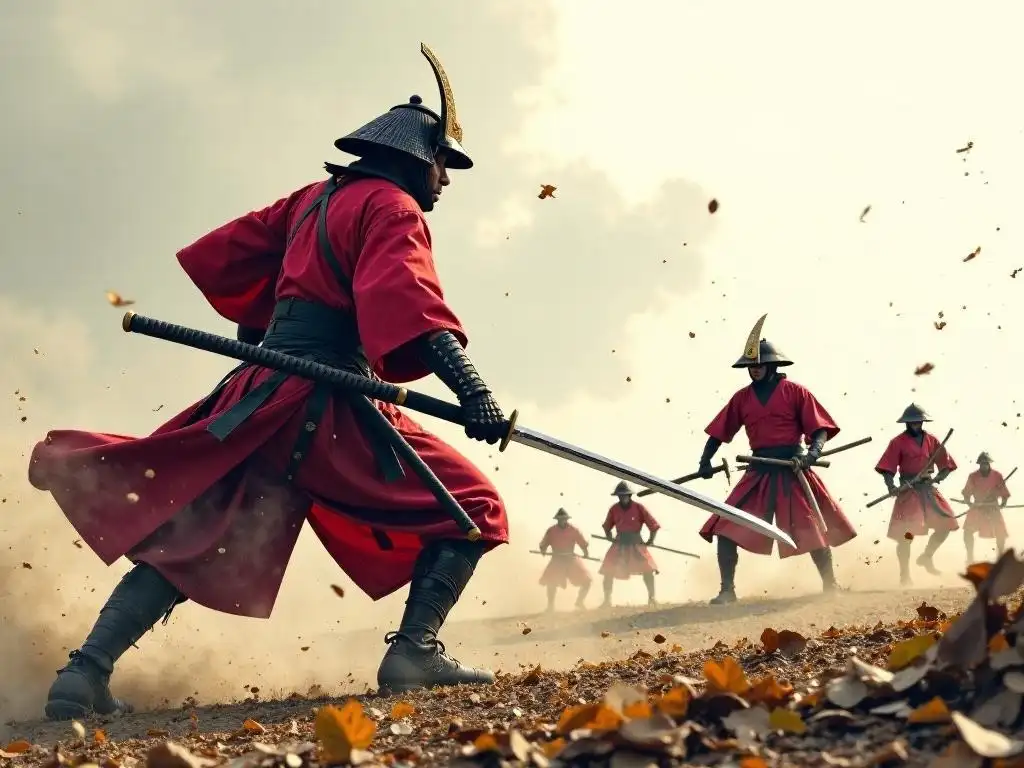
The history of the samurai is rich with examples of military innovation, strategic prowess, and dramatic confrontations that have shaped Japan's political landscape. Two key battles stand out as pivotal moments in the evolution of samurai warfare: the Battle of Sekigahara and the Siege of Osaka. These events not only reflect the military tactics of their time but also highlight the broader implications of samurai military innovations.
The Battle of Sekigahara: A Turning Point in Samurai Military History
The Battle of Sekigahara, fought on October 21, 1600, is often regarded as the decisive confrontation that established the Tokugawa shogunate and marked the beginning of the Edo period in Japan. This battle involved a coalition of samurai led by Tokugawa Ieyasu against the forces loyal to the Toyotomi clan and their allies.
The innovative strategies employed by Tokugawa Ieyasu during this battle are noteworthy. Ieyasu's forces numbered approximately 80,000, while his opponents had around 120,000 troops. Despite being outnumbered, Ieyasu utilized several key military innovations:
- Tactical Formation: Ieyasu employed the "kisho shidan" (rapid deployment tactics), allowing for swift maneuvering of troops on the battlefield. This flexibility enabled him to reposition his forces effectively in response to enemy movements.
- Use of Gunpowder Weapons: The introduction of firearms in samurai warfare marked a significant shift in tactics. While traditional swordsmanship and archery remained important, the use of matchlock rifles (tanegashima) by Ieyasu's forces provided a critical advantage.
- Strategic Alliances: Ieyasu secured key alliances with influential daimyos (feudal lords), which not only strengthened his force but also sowed discord among his enemies, leading to defections that shifted the balance of power.
The outcome of the Battle of Sekigahara set the stage for over two centuries of relative peace in Japan under Tokugawa rule, forever altering the course of samurai history.
The Siege of Osaka: Innovations in Defense Strategies
The Siege of Osaka, occurring in two major campaigns (1614 and 1615), was another pivotal moment in samurai military history, showcasing significant innovations in defensive strategies. The siege was directed against the Toyotomi clan's stronghold, which resisted the Tokugawa shogunate's authority.
Several military innovations were evident during the Siege of Osaka:
- Fortification Techniques: The Toyotomi forces utilized advanced fortification techniques, building extensive walls and moats to protect Osaka Castle. This was one of the most elaborate defensive structures of the era, illustrating the importance of stronghold design in samurai warfare.
- Siege Warfare Tactics: The Tokugawa forces implemented a comprehensive siege strategy that included cutting off supplies and reinforcements to the castle. They also employed artillery to breach the castle's defenses, showcasing the evolving role of cannons in warfare.
- Naval Operations: The siege also included significant naval engagements, with both forces utilizing ships to control the waterways surrounding Osaka. This demonstrated an understanding of combined arms operations, integrating land and naval forces effectively.
Ultimately, the Siege of Osaka concluded with the fall of the Toyotomi clan, cementing Tokugawa Ieyasu's power and demonstrating the effectiveness of innovative defensive and offensive strategies in samurai warfare.
The Legacy of Samurai Military Innovations
The military innovations developed by the samurai during their era have left a profound impact on the evolution of warfare in Japan and beyond. These innovations not only shaped the battlefield tactics of their time but also influenced subsequent military practices and cultural perceptions of warfare.
Impact on Modern Japanese Military Practices
The legacy of samurai military innovations continues to resonate in modern Japanese military practices. Key aspects of samurai warfare have been integrated into contemporary strategies:
- Tactical Adaptability: The samurai's emphasis on adaptability and quick decision-making has influenced modern military training, fostering a culture that values flexibility in the face of changing battle conditions.
- Integration of Technology: Just as the samurai adapted to the introduction of firearms, modern Japanese military forces have embraced technological advancements, integrating cutting-edge weaponry and surveillance systems into their operations.
- Strategic Alliances: The importance of alliances, as demonstrated by samurai leaders, remains a critical component of modern military strategy, with Japan engaging in international partnerships to enhance its defense capabilities.
The Cultural Significance of Samurai Warfare in Contemporary Society
The cultural significance of samurai warfare extends beyond military practices; it has become an integral part of Japan's national identity. The samurai ethos, characterized by principles such as honor, loyalty, and discipline, continues to influence contemporary Japanese society:
- Cultural Representations: Samurai themes are prevalent in literature, film, and art, serving as symbols of Japan's historical legacy. Works such as Akira Kurosawa's films and modern manga often explore the ideals associated with the samurai, keeping their stories alive in popular culture.
- Martial Arts: Traditional Japanese martial arts, such as kendo and iaido, are directly inspired by samurai techniques and philosophies. These arts emphasize discipline and respect, reflecting the samurai's enduring influence on contemporary physical and moral training.
- National Identity: The samurai are often viewed as embodiments of Japanese values, contributing to a sense of national pride and identity. Their historical narrative serves as a reminder of Japan's feudal past and the complexities of its cultural heritage.
The military innovations and cultural significance of the samurai have left an indelible mark on Japan, shaping both its historical narrative and contemporary society. Understanding these elements provides valuable insights into the ongoing legacy of the samurai class and their impact on the arts of war.
Conclusion: The Enduring Influence of Samurai Military Innovations
The legacy of Samurai military innovations continues to resonate throughout Japan's historical narrative and military practices. The advancements made during the feudal era not only shaped the tactics and strategies of the Samurai but also laid the groundwork for future generations. The integration of various weaponry and combat techniques, such as the development of the katana and the use of horseback archery, revolutionized the battlefield, emphasizing speed, agility, and precision.
Moreover, the Samurai's emphasis on discipline, training, and honor has transcended the battlefield, influencing Japan's cultural and societal frameworks. The principles of bushido, or the way of the warrior, remain integral to Japanese identity. This code of ethics, emphasizing loyalty, courage, and moral rectitude, has found its way into contemporary Japanese society, inspiring various aspects of culture, business, and education.
The impact of Samurai military innovations can also be seen in the modernization of Japan's military forces during the Meiji Restoration, where traditional techniques were blended with Western military strategies. The innovations of the Samurai laid a foundation that would evolve into a modern military framework, showcasing the adaptability and enduring relevance of their methods.
Reflection on the Evolution of Warfare in Japan
The evolution of warfare in Japan is a complex tapestry woven from the threads of Samurai military innovations. The transition from clan-based skirmishes to organized battles marked a significant shift in military strategy, largely influenced by the Samurai's tactical prowess. Innovations such as the use of fortifications, siege warfare, and strategic formations like the "ikko-ikki" exemplify the Samurai's role in shaping warfare.
As Japan moved through various historical phases, including the Sengoku period, the Samurai adapted their strategies to meet the changing dynamics of conflict. This adaptability was crucial in addressing the challenges posed by rival clans and foreign invaders, highlighting their innovative spirit. The introduction of firearms in the 16th century, for example, prompted the Samurai to rethink their combat techniques, leading to an amalgamation of traditional and modern warfare.
Furthermore, the philosophical underpinnings of Samurai warfare, rooted in the principles of zen and the pursuit of self-discipline, influenced not only military tactics but also the broader cultural landscape in Japan. This duality of martial prowess and philosophical depth contributed to a unique evolution of warfare that set Japan apart from other nations.
Future Studies on Samurai Military Innovations History
Future studies on Samurai military innovations history hold great potential for uncovering deeper insights into the complexities of feudal Japan. Scholars and historians can explore various dimensions, such as the socio-political contexts in which these innovations emerged and their implications on Japanese society.
Research can delve into the technological advancements made by the Samurai, examining how these innovations affected not only military outcomes but also trade, agriculture, and local economies. Additionally, comparative studies that juxtapose Samurai innovations with those of contemporaneous cultures could yield fascinating perspectives on the global evolution of warfare.
Moreover, interdisciplinary approaches that incorporate anthropology, sociology, and cultural studies could enrich our understanding of the Samurai's influence beyond the battlefield. By examining the emotional and psychological aspects of Samurai warfare, including the motivations behind their innovations and the effects on civilian life, researchers can paint a more holistic picture of this critical period in Japanese history.
As interest in martial arts and historical reenactments grows worldwide, so does the opportunity to engage with Samurai military innovations in contemporary contexts, fostering a renewed appreciation for their historical significance.
- Introduction to Samurai Military Innovations History
- The Historical Context of Samurai Military Innovations
- Core Samurai Military Innovations
- Technological Advancements in Samurai Warfare
- Influence of Zen Buddhism on Samurai Tactics
- Comparative Analysis: Samurai Innovations vs. Western Military Tactics
- Case Studies of Notable Samurai Battles
- The Legacy of Samurai Military Innovations
- Conclusion: The Enduring Influence of Samurai Military Innovations
- What were the key military innovations of the Samurai in feudal Japan?
- How did Samurai culture impact their military strategies?
- What role did technology play in Samurai military innovations?
- How did Samurai military innovations influence later periods in Japan?
- What is the significance of studying Samurai military innovations in history?
Frequently Asked Questions
What were the key military innovations of the Samurai in feudal Japan?
The Samurai introduced various military innovations such as the use of the katana, advancements in archery, and the development of strategic formations like the tactical use of cavalry. These innovations greatly influenced Japanese warfare.
How did Samurai culture impact their military strategies?
Samurai culture emphasized honor, discipline, and loyalty, which shaped their military strategies. This cultural foundation led to unique practices in warfare, including the Bushido code that guided their conduct in battle.
What role did technology play in Samurai military innovations?
Technology played a crucial role, with the introduction of firearms and advancements in armor design significantly altering combat. Samurai adapted these innovations to enhance their effectiveness on the battlefield.
How did Samurai military innovations influence later periods in Japan?
Samurai military innovations laid the groundwork for future Japanese military tactics and organization. Their techniques and strategies continued to evolve, impacting modern military practices in Japan.
What is the significance of studying Samurai military innovations in history?
Studying Samurai military innovations provides insight into Japan's feudal era, showcasing the interplay between culture, warfare, and societal development. It also highlights the legacy of the Samurai in shaping Japan's historical narrative.
Final Reflection: The Enduring Legacy of Samurai Military Innovations
The legacy of the Samurai and their military innovations is not just a relic of history; it is a profound testament to the evolution of warfare and strategy that resonates in today's world. As we dissect the intricate techniques and philosophies that defined the Samurai, we uncover principles that continue to influence modern military tactics and leadership. The Samurai's commitment to discipline, strategy, and honor serves as a powerful reminder of the values that can shape effective leadership in any field.
The impact of Samurai military innovations extends far beyond the battlefield; it has woven itself into the cultural fabric of societies, inspiring generations in various domains, from martial arts to business leadership. The Samurai's approach to conflict resolution and their emphasis on adaptability and foresight are lessons that remain relevant in our rapidly changing world. In the midst of chaos, there is also opportunity.
This quote encapsulates the Samurai spirit, urging us to find strength and clarity even in turbulent times.
As we reflect on the insights gleaned from the Samurai's storied past, let us carry forward their teachings into our own lives. Consider how the principles of strategy, discipline, and honor can guide your personal and professional endeavors. Embrace the challenge of continuous learning and adaptation, just as the Samurai did, and strive to embody the virtues that can lead to success and fulfillment in our modern age. The legacy of the Samurai is not just a chapter in history; it is an invitation to forge our own paths with courage and wisdom.
Unleash Your Inner Warrior: Embrace the Lessons of the Samurai!
Thank you for taking the time to explore the profound military innovations of the Samurai. By diving into their art of war, you've not only understood their strategies but also uncovered timeless lessons that resonate today. Now, let’s take your newfound insights and put them into action!
- Reflect and Adapt: **Identify a Samurai strategy that resonates with you** and think about how you can apply it in your personal or professional life.
- Engage with Others: **Share this article with friends or colleagues** and spark a discussion about the relevance of these tactics in modern contexts.
- Explore Further: **Consider joining a local martial arts class** or delve deeper into the cultural significance of Samurai practices in both warfare and daily life.
How can you integrate the discipline and wisdom of the Samurai into your current challenges or aspirations?