
The Impact of Cultural Festivals on Japan's Tourism Industry

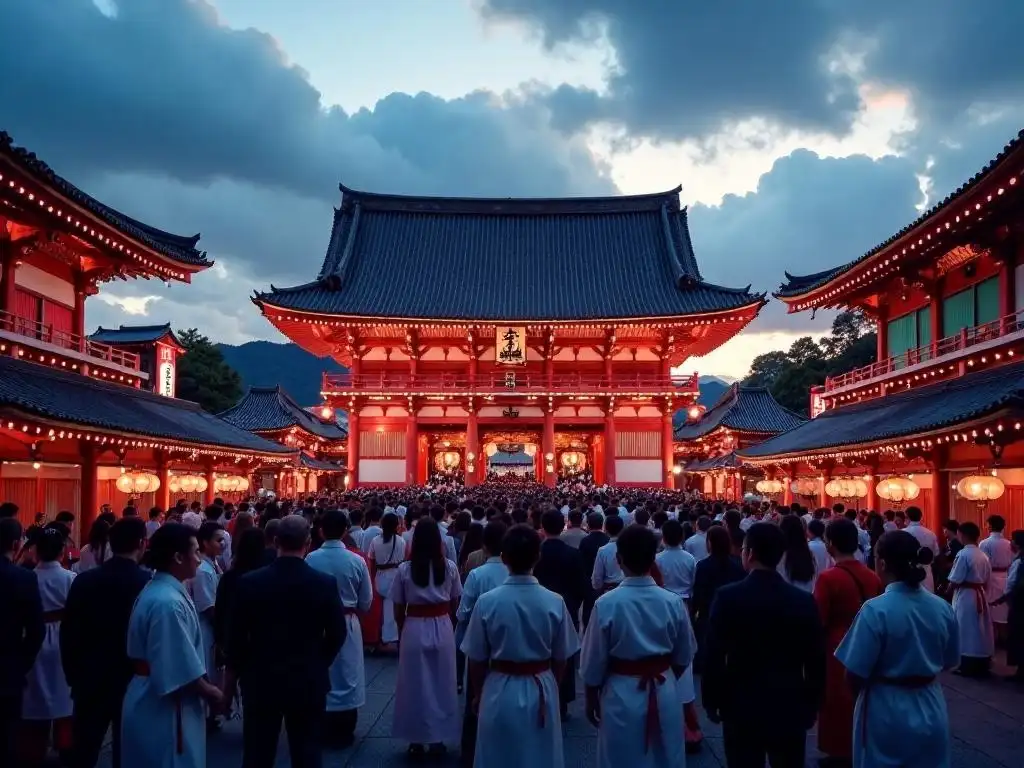
Welcome to Feudal Japan History, where we embark on a captivating journey through the rich tapestry of Japan's feudal era. Here, we delve deep into the cultural festivals that not only celebrate the vibrant heritage of this extraordinary period but also significantly shape the modern tourism landscape. Have you ever wondered how these time-honored traditions draw thousands of travelers to Japan every year? Join us as we uncover the profound impact of these cultural celebrations on Japan's tourism industry, igniting your curiosity and inspiring your next adventure. Let the exploration begin!
- Introduction to Cultural Festivals in Japan's Tourism Industry
- Key Cultural Festivals Boosting Japan’s Tourism
- The Relationship Between Cultural Festivals and Tourist Experiences
- Challenges Faced by Cultural Festivals in Japan
- Future Trends in Cultural Festivals and Their Impact on Tourism
- Conclusion: The Lasting Impact of Cultural Festivals on Japan's Tourism Industry
- Frequently Asked Questions
- Final Reflection: The Transformative Power of Cultural Festivals on Japan's Tourism
- Celebrate, Explore, and Elevate Japan's Cultural Festivals!
Introduction to Cultural Festivals in Japan's Tourism Industry
Cultural festivals in Japan are vibrant expressions of the country's rich heritage and traditions, drawing millions of visitors both domestically and internationally. As a nation steeped in history and culture, Japan's festivals serve as a gateway to understanding its societal values, artistic expressions, and community spirit.
These events not only celebrate local customs but also significantly impact the tourism industry, acting as catalysts for economic growth and cultural exchange. In this article, we will delve into the multifaceted relationship between cultural festivals and tourism in Japan, exploring how these events enhance the travel experience and contribute to the country's global image.
Overview of Cultural Festivals and Their Significance
Japan is renowned for its myriad of cultural festivals, known as matsuri. These events celebrate various aspects of life, from seasonal changes to historical commemorations, and they are deeply rooted in local traditions. Each festival is unique, often characterized by elaborate rituals, performances, and traditional attire, creating an immersive experience for attendees.
The significance of these festivals extends beyond mere celebration; they are a vital part of the community identity. Festivals foster a sense of belonging among residents and provide a platform for cultural transmission to younger generations. Additionally, they serve as a means of preserving traditional arts and crafts, ensuring that these practices are not lost to time.
The economic impact of cultural festivals cannot be understated. They attract tourists, both from within Japan and abroad, leading to increased spending on accommodations, food, and souvenirs. For example, the famous Gion Matsuri in Kyoto draws over a million visitors each year, contributing significantly to the local economy. This influx of tourists creates job opportunities and supports local businesses, illustrating the symbiotic relationship between cultural festivals and the tourism sector.
The Role of Festivals in Promoting Japanese Culture
Cultural festivals play a crucial role in promoting Japanese culture on a global scale. By showcasing traditional arts such as tea ceremonies, calligraphy, and martial arts, festivals serve as educational experiences for tourists, allowing them to engage with Japan's rich heritage firsthand. This immersion not only enhances the travel experience but also fosters a deeper appreciation for the culture.
Moreover, festivals often highlight regional specialties, including local cuisine and crafts, encouraging visitors to experience the diversity of Japan's cultural offerings. For instance, the Sapporo Snow Festival, famous for its stunning ice sculptures, also features local delicacies, attracting food enthusiasts from around the world.
In addition to showcasing cultural practices, festivals provide a platform for international cultural exchange. Many festivals now include performances and exhibitions from foreign artists, promoting dialogue and understanding between Japan and other nations. This global engagement enriches Japan's cultural landscape and enhances its appeal as a travel destination.
Cultural festivals are not only a celebration of Japan's traditions but also a powerful tool for promoting tourism and fostering cultural exchange. As we explore the impact of these festivals on Japan's tourism industry, we will uncover the intricate ways in which they shape perceptions of the country and contribute to its economic vitality.
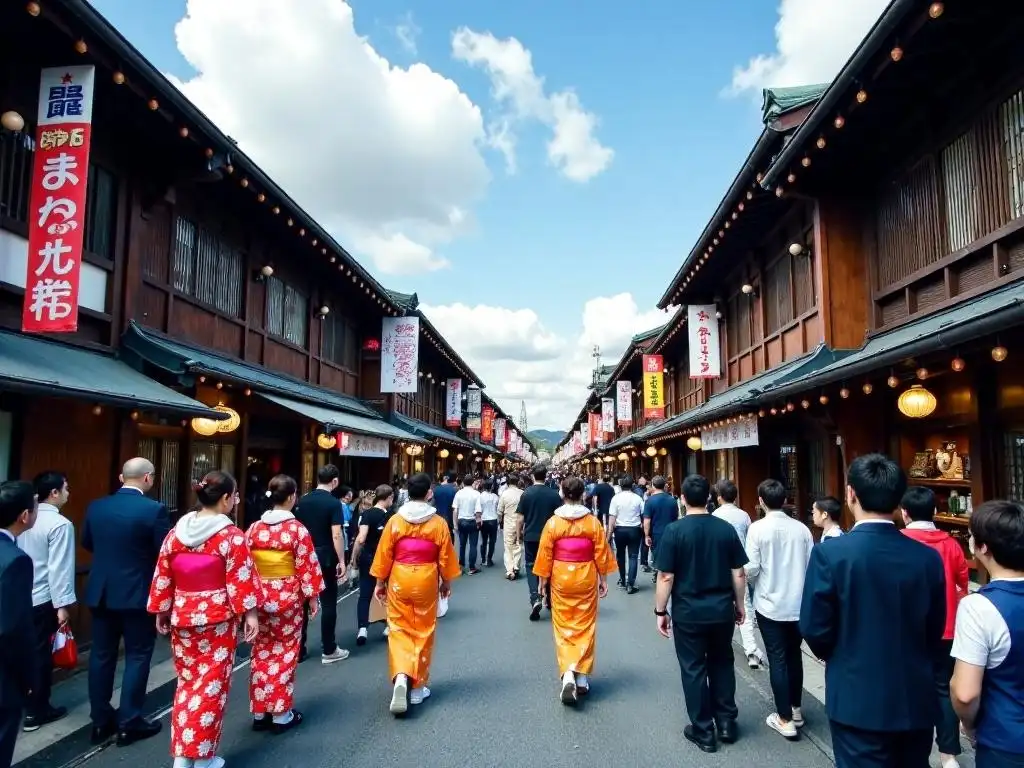
Economic Contributions of Cultural Festivals to Tourism
Cultural festivals in Japan serve as a significant catalyst for boosting the tourism industry. The economic impact of these festivals can be observed through various channels:
- Increased Visitor Numbers:
- Major festivals like the Gion Matsuri in Kyoto and the Sapporo Snow Festival attract millions of tourists annually. For instance, the Gion Matsuri alone draws approximately 1.3 million visitors each July, significantly enhancing local and national economies.
- Revenue Generation:
- Festivals generate substantial revenue not only for local businesses but also for the national economy. A detailed analysis indicates that festivals can contribute up to ¥10 billion (around $90 million) in direct spending, encompassing accommodations, food, souvenirs, and transportation.
- Job Creation:
- The influx of tourists during festival seasons creates temporary jobs in various sectors, including hospitality, transportation, and retail. This surge can lead to a 10% increase in seasonal employment in affected regions, fostering economic resilience.
- Investment in Infrastructure:
- To accommodate the influx of tourists, local governments often invest in infrastructure improvements, such as upgraded transportation facilities and public amenities. This investment not only benefits festival-goers but also enhances the overall quality of life for local residents.
Influence on Local Communities and Businesses
Cultural festivals play a pivotal role in shaping the social and economic fabric of local communities in Japan:
- Community Engagement:
- Festivals foster a sense of community pride and engagement. Local residents often participate in organizing and executing these events, which helps strengthen community bonds and cultural identity.
- Support for Local Artisans and Businesses:
- Many festivals provide platforms for local artisans to showcase their crafts, leading to increased sales and recognition. For example, during the Takayama Matsuri, local craftsmen display traditional woodworking and textiles, attracting tourists interested in authentic souvenirs.
- Culinary Tourism:
- Food festivals, such as the Osaka Food Festival, introduce visitors to regional cuisines, boosting local restaurants and food vendors. Culinary tourism contributes significantly to the overall tourist experience, with food-related activities accounting for around 30% of tourist expenditures.
- Sustainability Practices:
- Many festivals are now incorporating sustainable practices, such as waste reduction and eco-friendly materials, which resonate with the eco-conscious traveler. This not only enhances the festival's appeal but also promotes a positive image of the host community.
Enhancing Japan's Global Image Through Festivals
Cultural festivals are instrumental in positioning Japan as a vibrant and diverse tourist destination on the global stage:
- Showcasing Cultural Heritage:
- Festivals like the Awa Odori and Nebuta Matsuri showcase Japan's rich cultural heritage, attracting international media attention and promoting cultural exchange. This visibility helps position Japan as a must-visit destination for cultural enthusiasts.
- Diverse Offerings for Tourists:
- Japan's variety of cultural festivals cater to diverse interests—from traditional ceremonies to modern art exhibits—making the country appealing to a wide range of tourists. This diversity enhances Japan's reputation as a destination for both cultural and experiential tourism.
- Promoting Soft Power:
- By showcasing its unique culture through festivals, Japan enhances its soft power on the world stage. The portrayal of Japan as a nation rooted in tradition while embracing modernity helps foster international goodwill and interest in Japanese culture.
- Digital Presence and Global Reach:
- Social media and digital marketing campaigns surrounding festivals have expanded their reach beyond national boundaries. Festivals are now promoted globally, encouraging international tourists to plan their visits around these unique events, further solidifying Japan's status as a cultural tourism hub.
Cultural festivals significantly impact Japan's tourism industry by driving economic growth, enriching local communities, and enhancing the country's global image. As these festivals continue to evolve, their influence on tourism will likely grow, making them a vital component of Japan's cultural and economic landscape.
Key Cultural Festivals Boosting Japan’s Tourism
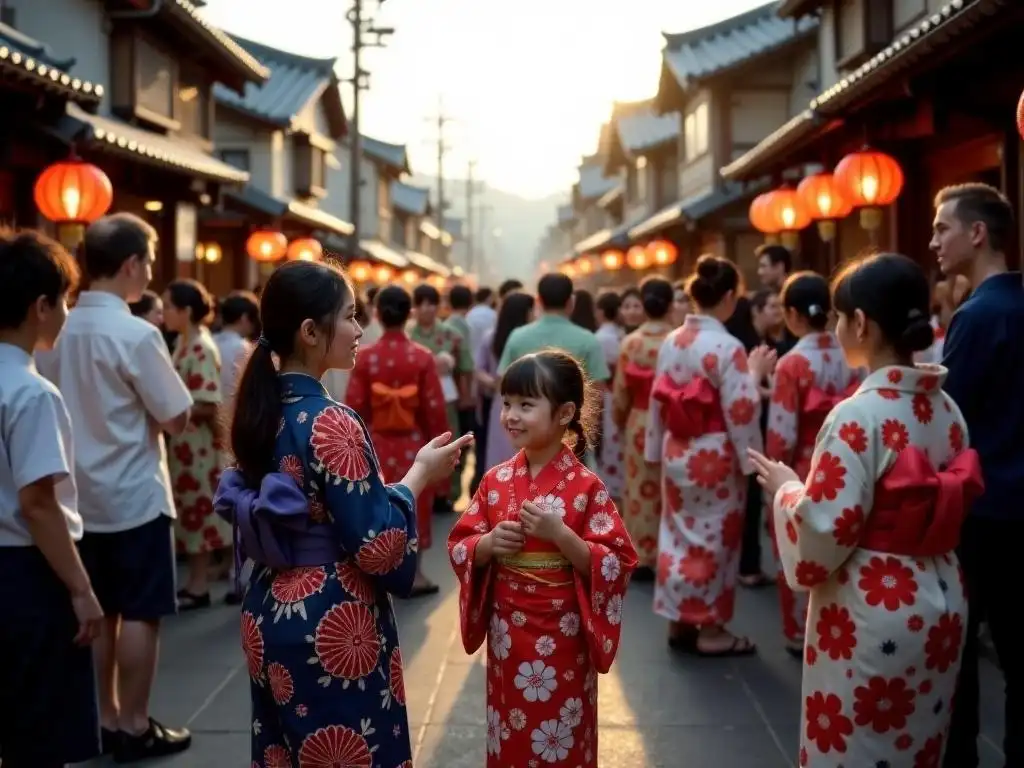
Japan's rich tapestry of cultural festivals plays a pivotal role in enhancing its tourism industry. These vibrant events not only showcase the nation's historical and cultural heritage, but they also attract millions of visitors each year, significantly impacting local economies. Below, we explore some of the most influential festivals that have become synonymous with Japan's tourism landscape.
Cherry Blossom Festival (Hanami)
Overview and Historical Significance
The Cherry Blossom Festival, or Hanami, is one of Japan's most iconic cultural celebrations. Originating over a thousand years ago, this festival marks the blooming of cherry blossom trees (sakura) in spring, typically occurring from late March to early April. Historically, Hanami was a time for the Japanese aristocracy to appreciate the beauty of nature, and it has since evolved into a nationwide celebration enjoyed by people of all ages.
During this festival, parks and gardens across Japan become vibrant gathering spots where families and friends enjoy picnics under the blooming trees. The beauty of the cherry blossoms symbolizes the transient nature of life, resonating deeply within Japanese culture. Today, Hanami attracts not only locals but also international tourists, eager to witness this breathtaking spectacle.
Economic Impact on Local Businesses
The economic impact of the Cherry Blossom Festival is substantial. According to a report by the Japan National Tourism Organization (JNTO), the festival season generates approximately ¥2.5 trillion in economic activity annually. This includes spending on:
- Accommodation: Hotels and ryokans (traditional inns) often fill up weeks in advance, with prices typically increasing during peak seasons.
- Food and Beverages: Local vendors and restaurants benefit from the influx of visitors, selling traditional foods such as hanami bento (picnic boxes) and sakura-themed snacks.
- Souvenirs: Tourists often purchase sakura-related merchandise, including crafts, clothing, and beauty products, resulting in a significant boost for local artisans.
Overall, Hanami not only enhances Japan's cultural identity but also serves as a vital economic engine for communities across the country.
Gion Matsuri in Kyoto
Unique Features and Tourist Appeal
The Gion Matsuri, celebrated throughout July in Kyoto, is one of Japan's most famous festivals, attracting tourists from around the globe. This festival is renowned for its processions of elaborate floats, known as yatai, which are beautifully decorated and pulled through the streets of Kyoto. The festival's origins date back to the 9th century, initially held as a purification ritual to appease the gods during a plague.
What sets the Gion Matsuri apart is its unique blend of traditional culture and modern tourism appeal. The festival features various events, including:
- Yoiyama: The nights leading up to the grand parade, where the floats are lit up, and street stalls offer local delicacies.
- Parades: The main event on July 17, featuring the grand procession of floats, which showcases traditional craftsmanship and elaborate costumes.
The festival’s atmosphere, coupled with Kyoto's rich history, creates a compelling reason for tourists to visit.
Visitor Statistics and Economic Benefits
Visitor statistics for the Gion Matsuri reveal its immense popularity. In recent years, the festival has attracted upwards of 1.5 million visitors annually, including both domestic and international tourists. The economic benefits are significant, with estimates suggesting that the festival generates around ¥1.2 billion in local revenue.
Key areas of economic impact include:
- Hospitality: Hotels experience a surge in bookings, often reaching full capacity during the festival.
- Local Businesses: Restaurants, shops, and artisans benefit from increased foot traffic and sales, particularly those selling festival-related goods.
- Cultural Attractions: Many tourists extend their stay to explore Kyoto's historic sites, further contributing to the local economy.
The Gion Matsuri exemplifies how cultural festivals can profoundly influence Japan's tourism industry, fostering community pride while driving substantial economic growth.
Nebuta Matsuri in Aomori
The Nebuta Matsuri, celebrated in Aomori City during the first week of August, is one of Japan's most vibrant and visually stunning festivals. This annual event features large, intricately designed floats adorned with colorful paper lanterns that depict historical figures, mythical creatures, and scenes from Japanese folklore. The festival's roots can be traced back to the ancient tradition of celebrating the harvest and honoring the spirits of the deceased. Each night, the floats parade through the streets accompanied by lively music, traditional dances, and the enthusiastic chanting of "Rassera, Rassera!" by participants donning yukata (summer kimono).
The Nebuta Matsuri not only showcases Aomori’s rich cultural heritage but also serves as a significant driver of tourism in the region. The festival attracts hundreds of thousands of visitors each year, both domestic and international, creating a unique blend of cultural exchange. As attendees immerse themselves in the festivities, they gain insight into Aomori's history, customs, and the artistic craftsmanship involved in float making.
Cultural Heritage and Its Tourism Value
The Nebuta Matsuri stands as a testament to Japan's intangible cultural heritage, recognized as an Important Intangible Folk Cultural Asset. This designation highlights its significance in preserving traditional Japanese customs and practices, which in turn enhances its appeal to tourists seeking authentic cultural experiences. Visitors are not only drawn to the mesmerizing floats but also to the stories and traditions that accompany these artistic expressions.
The festival's cultural value can be seen in its ability to foster a sense of community and cultural pride among locals. For tourists, engaging with local artisans and participating in workshops related to float construction or traditional dance provides a deeper understanding of Japanese culture. The impact on tourism is palpable, as many visitors plan their trips specifically around the festival, contributing to a significant influx of revenue for the local economy.
Local Business Growth During the Festival
The Nebuta Matsuri generates substantial economic activity in Aomori, bolstering local businesses in various sectors. Hotels, restaurants, and souvenir shops experience a surge in demand as tourists flock to the city. Many establishments create special menus or offer unique merchandise themed around the festival, further enticing visitors to participate in the local economy.
Moreover, the festival provides opportunities for small-scale artisans and vendors to showcase their products, from traditional crafts to local delicacies. This not only helps in preserving traditional skills but also allows visitors to take home a piece of Aomori’s culture. As a result, the festival acts as a catalyst for local economic growth, creating jobs and supporting sustained tourism beyond the festival dates.
Sapporo Snow Festival
The Sapporo Snow Festival, held annually in early February in Hokkaido's capital, is a spectacular event that transforms the city into a winter wonderland. The festival features magnificent snow and ice sculptures that attract millions of visitors each year. Ranging from intricate representations of famous landmarks to large-scale artistic installations, these sculptures are created by both professional artists and local community members, showcasing an incredible level of craftsmanship and creativity.
The festival serves as a celebration of winter and snow, emphasizing Hokkaido's unique climate and its potential for winter tourism. As the largest winter festival in Japan, the Sapporo Snow Festival draws attention from around the world, significantly impacting the region's tourism industry.
Attracting International Tourists
One of the key factors contributing to the Sapporo Snow Festival's success is its ability to attract international tourists. The festival has gained a reputation as a must-see event, drawing visitors from various countries who are eager to experience Japan's winter charm. The combination of stunning snow sculptures, local cuisine, and traditional Japanese culture creates an alluring package for travelers.
In addition to the sculptures, the festival features various events and activities, including live performances, snow slides, and food stalls offering local delicacies such as miso ramen and grilled seafood. This diverse range of offerings not only enhances the visitor experience but also encourages tourists to extend their stay in Hokkaido, further boosting the region's tourism revenue.
Economic Boost to the Local Economy
The economic impact of the Sapporo Snow Festival on the local economy is significant. The influx of tourists leads to increased spending in hospitality, retail, and transportation sectors. Hotels often see full occupancy during the festival, and local restaurants benefit from the increased foot traffic.
Moreover, the festival stimulates job creation, as local businesses hire additional staff to accommodate the surge in visitors. The long-term benefits are also noteworthy, as many tourists return to Hokkaido for future visits, drawn by the memories of their experiences at the festival, thus fostering a cycle of sustained tourism growth.
Both the Nebuta Matsuri in Aomori and the Sapporo Snow Festival exemplify how cultural festivals can significantly impact Japan's tourism industry, offering not only rich cultural experiences but also substantial economic benefits to local communities.
The Relationship Between Cultural Festivals and Tourist Experiences
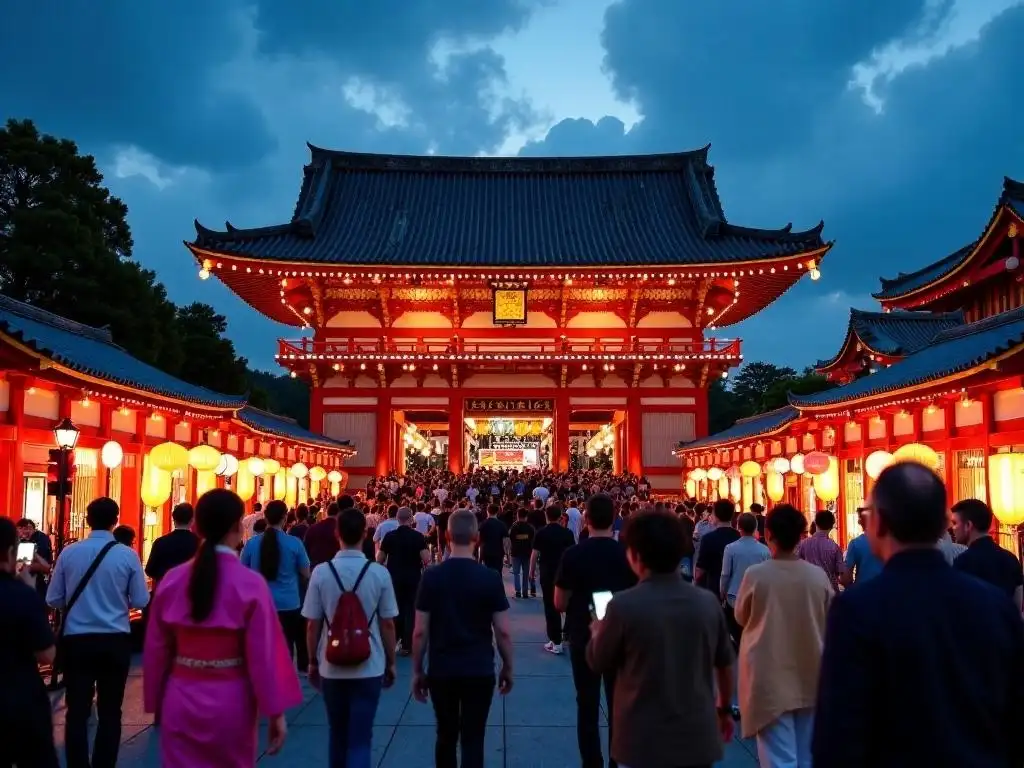
Cultural festivals in Japan serve as a bridge connecting tourists to the rich heritage and traditions of the country. These events are not merely celebrations; they are immersive experiences that allow visitors to engage with local customs, cuisine, and community spirit. The relationship between cultural festivals and tourist experiences is significant, as these festivals often become the highlight of a tourist's journey, leaving lasting impressions and shaping their overall perception of Japan.
How Festivals Enhance Visitor Engagement
Cultural festivals in Japan are renowned for their vibrant atmospheres and unique activities, which significantly enhance visitor engagement. Here are a few ways they achieve this:
- Interactive Participation: Many festivals invite tourists to partake in traditional activities, such as:
- Kimono Wearing: Tourists can dress in traditional garments, offering a unique experience and photo opportunities.
- Workshops: Craft workshops, such as pottery or calligraphy, allow tourists to create their own souvenirs and learn about traditional skills.
- Culinary Experiences: Festivals often feature local food stalls that showcase regional delicacies. For instance:
- Street Food: Tourists can sample dishes like takoyaki (octopus balls) and yakitori (grilled chicken skewers), which are integral to the festive atmosphere.
- Food Tastings: Events dedicated to local specialties, such as sake tasting at the Niigata Sake Festival, provide a deeper appreciation for Japan’s culinary heritage.
- Cultural Performances: Live performances, including traditional music and dance, create an engaging environment. Visitors can enjoy:
- Taiko Drumming: The powerful rhythms of taiko drumming captivate audiences and draw them into the cultural experience.
- Noh and Kabuki: These traditional theater forms offer insights into Japan's historical narratives and artistic expressions.
Through these engaging elements, cultural festivals foster connections between tourists and local communities, enhancing overall satisfaction and encouraging repeat visits.
The Role of Traditional Arts and Crafts in Tourism
Traditional arts and crafts play a crucial role in the tourism industry, particularly during cultural festivals. These elements not only showcase Japan's artistic heritage but also serve as significant attractions for tourists. Here are some key aspects of their impact:
- Cultural Appreciation: Tourists gain insight into Japan’s rich artistic traditions through crafts such as:
- Ikebana (Flower Arrangement): Demonstrations during festivals allow visitors to appreciate the art's subtlety and symbolism.
- Origami: Workshops teach the intricate art of paper folding, providing a hands-on experience that enhances cultural understanding.
- Economic Impact: The sale of traditional crafts during festivals contributes to local economies. For instance:
- Local Artisans: Craftsmen showcase their work, allowing tourists to purchase authentic items, which supports local livelihoods.
- Art Markets: Festival markets often feature a variety of handcrafted goods, attracting tourists and generating revenue for local artisans.
- Cultural Exchange: Festivals provide a platform for cultural exchange, where artisans and tourists share stories and experiences. This interaction fosters a deeper appreciation for Japan's diverse artistic expressions and enhances the overall experience for visitors.
By highlighting the importance of traditional arts and crafts, cultural festivals not only enrich the tourist experience but also ensure the preservation of these art forms for future generations.
Case Study: Impact of Traditional Performances on Tourist Satisfaction
To illustrate the impact of cultural festivals on tourist satisfaction, a case study focused on the Gion Matsuri in Kyoto provides valuable insights. This festival, celebrated annually in July, includes a series of events showcasing traditional performances that significantly enhance visitor experiences.
- Performance Variety: The Gion Matsuri features a range of performances, including:
- Yamaboko Junko: A parade of elaborately decorated floats that are UNESCO-listed, attracting thousands of spectators.
- Traditional Music and Dance: Performances of Gion-bon Odori, where tourists can join and learn.
- Visitor Feedback: Surveys conducted during the festival reveal that:
- High Satisfaction Rates: Over 90% of visitors reported that traditional performances significantly enriched their experience.
- Cultural Connection: Many tourists expressed a deeper connection to Japanese culture after participating in these events.
- Repeat Tourism: The festival's immersive experience leads to increased repeat visits. Statistics indicate that:
- Visitor Return Rates: Approximately 35% of attendees return to Kyoto specifically for future Gion Matsuri events, highlighting the festival's lasting impact on tourist loyalty.
Through this case study, it is clear that traditional performances during cultural festivals are pivotal in creating memorable experiences that enhance tourist satisfaction, ultimately contributing to the overall impact of cultural festivals on Japan's tourism industry.
Challenges Faced by Cultural Festivals in Japan
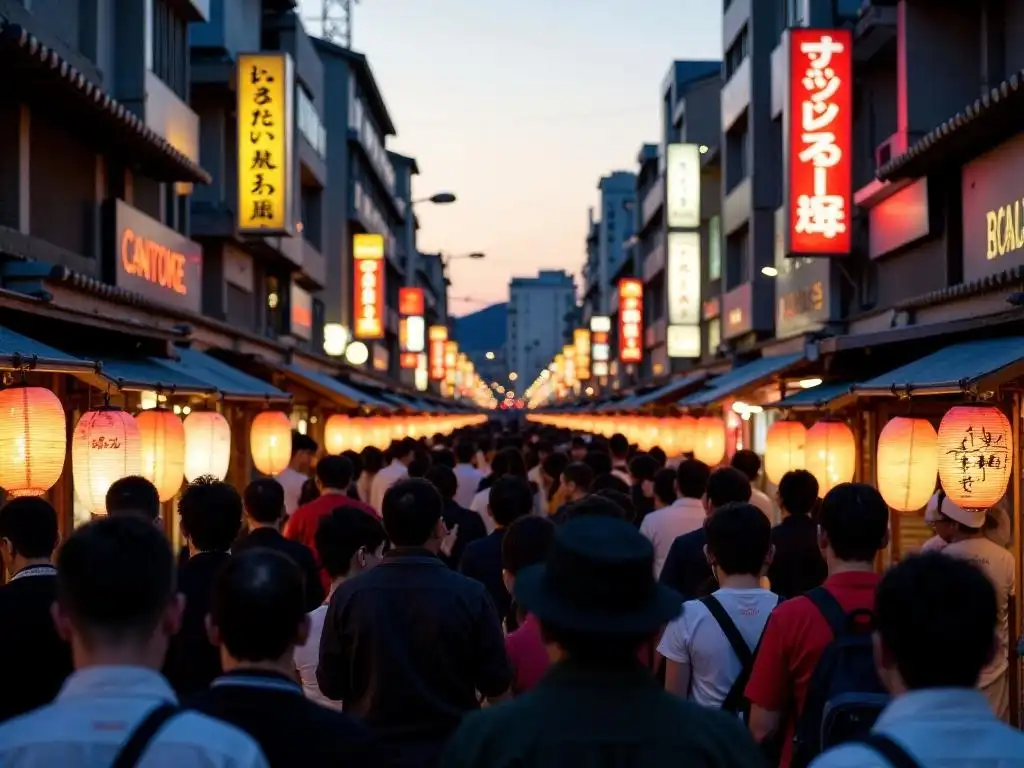
Cultural festivals in Japan serve as vibrant expressions of the country’s rich heritage, yet they face several challenges that can impact their sustainability and significance in the tourism industry. Understanding these challenges is crucial for ensuring that these festivals continue to thrive and attract visitors.
Environmental Concerns and Sustainable Tourism
One of the most pressing challenges faced by cultural festivals in Japan is the environmental impact they can have on local ecosystems. The influx of tourists can lead to increased waste generation, strain on natural resources, and disruption of wildlife habitats. For instance, festivals like the Gion Matsuri in Kyoto attract millions of visitors, resulting in significant litter and resource depletion.
To address these concerns, many festival organizers are now prioritizing sustainable tourism practices. Here are some strategies being implemented:
- Waste Management Initiatives: Festivals are increasingly adopting eco-friendly practices such as recycling stations and promoting the use of biodegradable materials.
- Carbon Offset Programs: Some festivals have begun to partner with organizations that offer carbon offset options, allowing attendees to contribute to environmental conservation efforts.
- Community Engagement: Local communities are actively involved in promoting sustainable practices, ensuring that cultural festivals do not harm the environment but rather enhance local ecosystems.
Balancing Tradition with Modern Tourism Needs
As Japan’s tourism industry continues to grow, cultural festivals must navigate the delicate balance between preserving traditional practices and meeting modern visitors' expectations. While tourists seek authentic cultural experiences, they also desire convenience and accessibility, which can put pressure on traditional festival formats.
Consider the following aspects of this challenge:
- Commercialization: The need for profitability can lead to the commercialization of festivals, diluting their cultural significance. For instance, vendors may prioritize tourist-friendly items over authentic local crafts, potentially undermining the festival's traditional essence.
- Accessibility vs. Authenticity: Many festivals are adapting to modern needs by offering amenities such as food stalls and entertainment that cater to tourists. However, this can sometimes lead to a loss of authenticity, as traditional rituals and practices may be altered or overshadowed by commercial offerings.
To address this challenge, festival organizers strive to create a symbiotic relationship between tradition and modernity.
Strategies for Overcoming Challenges
To ensure the longevity and cultural integrity of festivals while enhancing their appeal to tourists, several strategies can be employed:
- Community Involvement: Engaging local residents in festival planning helps preserve authenticity while meeting the needs of tourists. This approach fosters a sense of ownership and pride within the community.
- Education and Awareness: Educating both tourists and locals about the cultural significance of festivals can help mitigate the impacts of commercialization. Workshops, guided tours, and informational signage can enhance the understanding of traditional practices.
- Sustainable Practices: Implementing eco-friendly measures is essential. Festivals can promote sustainable transportation options, encourage visitors to minimize waste, and collaborate with local environmental organizations.
- Feedback Mechanisms: Collecting feedback from participants and visitors can provide valuable insights into how festivals can evolve while maintaining their cultural roots. Surveys and community forums can be effective tools for gathering this information.
- Strategic Partnerships: Collaborating with tourism boards, local businesses, and cultural institutions can lead to innovative solutions that enhance the festival experience while addressing environmental and cultural challenges.
By proactively addressing these challenges, Japan's cultural festivals can continue to thrive as significant contributors to the tourism industry, enriching both the local culture and the experiences of visitors.
Future Trends in Cultural Festivals and Their Impact on Tourism
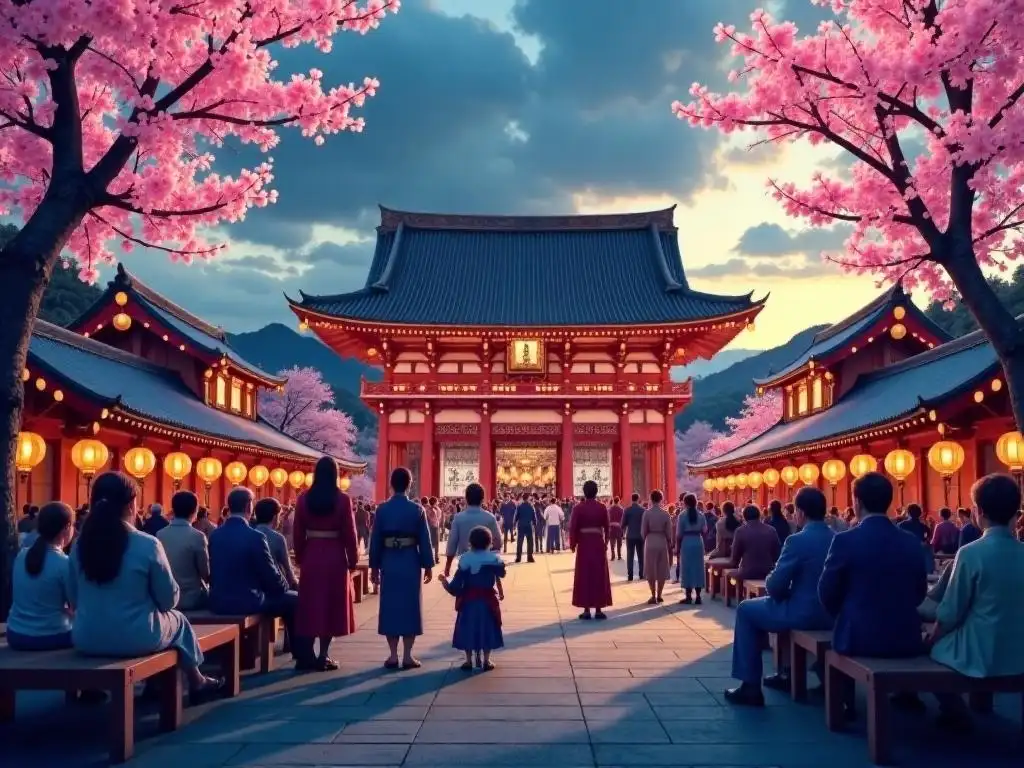
Innovations in Festival Planning and Promotion
Cultural festivals in Japan are evolving, integrating innovative planning and promotional strategies that significantly enhance their appeal to tourists. One prominent trend is the use of experiential marketing, where festivals focus on creating immersive experiences that engage visitors on multiple sensory levels. This approach helps tourists connect with the cultural heritage of Japan, fostering a deeper appreciation for traditional arts, crafts, and performances.
Additionally, collaborative partnerships between local governments, tourism boards, and private sectors are becoming more common. These collaborations enable the pooling of resources, expertise, and creativity, leading to larger and more diverse festival offerings. For instance, festivals such as the Sapporo Snow Festival have expanded their scope by incorporating art installations and international cuisine, thereby attracting a broader audience.
Furthermore, sustainability practices are gaining traction in festival planning. Organizers are increasingly mindful of their environmental footprint, implementing measures like waste reduction, recycling programs, and the use of eco-friendly materials. This not only appeals to environmentally conscious tourists but also aligns with global trends prioritizing sustainable tourism.
Predictions for the Growth of Cultural Tourism in Japan
Cultural tourism in Japan is poised for significant growth in the coming years, driven by several factors. First, there is a rising global interest in authentic cultural experiences, with tourists seeking more than just sightseeing. According to the Japan National Tourism Organization (JNTO), the number of international visitors is projected to exceed 40 million annually by 2025, with cultural festivals playing a pivotal role in this growth.
Moreover, the post-pandemic recovery is expected to accelerate this trend, as travelers are eager to reconnect with cultural roots and engage in local festivities. Festivals like the Gion Matsuri in Kyoto and the Nebuta Matsuri in Aomori are anticipated to see increased attendance as they resume their full-scale celebrations, drawing both domestic and international tourists.
In addition, the promotion of cultural exchange programs and educational tourism is likely to contribute to the growth of cultural festivals. Programs that allow tourists to participate in traditional practices, such as tea ceremonies or calligraphy workshops, enhance the overall festival experience and encourage longer stays, thus benefiting the local economy.
The Role of Technology in Enhancing Festival Experiences
Technology is transforming how cultural festivals in Japan are experienced and accessed by tourists. One of the most significant advancements is the integration of mobile applications that provide real-time information about festival schedules, locations, and activities. These apps often feature interactive maps, enabling tourists to navigate through crowded venues with ease.
Moreover, virtual reality (VR) and augmented reality (AR) are being utilized to offer unique experiences that blend the physical and digital worlds. For instance, some festivals are experimenting with AR to create engaging historical narratives that visitors can access through their smartphones, enriching their understanding of the cultural significance of the events.
Social media platforms also play a crucial role in promoting cultural festivals. By leveraging user-generated content, festivals can reach wider audiences and encourage attendees to share their experiences. This organic promotion fosters a sense of community and excitement, often leading to increased attendance in subsequent years.
The future of cultural festivals in Japan is bright, with innovations in planning, promotion, and technology set to enhance their impact on tourism. As these trends continue to evolve, they will shape the landscape of Japan's cultural tourism, making it an integral part of the nation's appeal to global travelers.
Conclusion: The Lasting Impact of Cultural Festivals on Japan's Tourism Industry
Cultural festivals play an indispensable role in shaping Japan's tourism landscape. They not only attract visitors from around the globe but also serve as a vibrant reflection of Japan's rich heritage, traditions, and customs. The interplay between cultural festivals and tourism reveals profound insights into how these events contribute to the economy, community identity, and cultural preservation.
Summary of Key Points
- Economic Boost: Cultural festivals in Japan contribute significantly to the local economy. Events like the Gion Matsuri in Kyoto and the Nebuta Matsuri in Aomori generate millions of yen in revenue through tourism-related activities such as accommodation, dining, and retail.
- Cultural Exchange: These festivals facilitate cultural exchange, allowing international visitors to engage with authentic Japanese traditions. This enhances the global understanding of Japanese culture and fosters goodwill among nations.
- Community Identity: Festivals strengthen community ties, serving as a focal point for local residents. They reinforce a sense of belonging and pride, which is crucial for maintaining the cultural significance that attracts tourists.
- Sustainability and Preservation: Cultural festivals are vital for the preservation of traditional arts, crafts, and practices. By engaging younger generations in these celebrations, Japan ensures that its cultural heritage remains vibrant and relevant.
- Tourism Strategy: The Japanese government recognizes the importance of cultural festivals in its tourism strategy, promoting them as key attractions that enhance travel itineraries and draw visitors to less-traveled regions.
The Importance of Preserving Cultural Festivals for Future Tourism Growth
As Japan continues to navigate the challenges posed by globalization and modernization, preserving cultural festivals is paramount for future tourism growth. These events are more than mere spectacles; they represent the living history of Japan and are integral to the country's identity.
- Educational Opportunities: Preserving these festivals provides educational opportunities for both locals and tourists. Workshops, performances, and guided tours allow visitors to gain deeper insights into the traditions and rituals that define these events.
- Innovative Approaches: Incorporating modern technology—like virtual reality experiences or interactive exhibits—can enhance festival experiences while maintaining the integrity of traditions. This innovation can attract a younger demographic, ensuring the continuity of participation.
- Collaborative Efforts: Collaboration between local governments, cultural organizations, and tourism boards is essential for sustaining these festivals. By pooling resources and expertise, stakeholders can develop strategies that promote festivals while ensuring their cultural significance remains intact.
- Global Outreach: As international travel resumes, Japan must capitalize on its unique cultural offerings. Effective marketing strategies highlighting the distinctiveness of cultural festivals can draw travelers seeking authentic experiences, further solidifying Japan’s position as a premier travel destination.
The impact of cultural festivals on Japan's tourism industry is profound and multifaceted. As these festivals continue to evolve, their preservation will be critical in shaping the future of tourism in Japan, ensuring that the country's rich heritage remains a vibrant part of the global cultural landscape.
Frequently Asked Questions
What are cultural festivals in Japan?
Cultural festivals in Japan, or matsuri, are vibrant celebrations that showcase traditional customs, art, and performances. They play a significant role in preserving Japanese heritage and attracting tourists.
How do cultural festivals impact tourism in Japan?
Cultural festivals significantly boost tourism by drawing both domestic and international visitors. These events promote local economies and highlight Japan's rich cultural diversity.
What types of cultural festivals are popular in Japan?
Popular cultural festivals include the Gion Matsuri in Kyoto, the Sapporo Snow Festival, and the Nebuta Matsuri in Aomori. Each festival showcases unique artistic expressions and regional traditions.
How do festivals promote local culture?
Festivals promote local culture by showcasing traditional crafts, performances, and cuisines. They foster community involvement and help younger generations connect with their cultural heritage.
What role do cultural festivals play in Japan's economy?
Cultural festivals contribute significantly to Japan's economy by increasing tourism revenue, creating jobs, and supporting local businesses. They are crucial for sustaining economic growth in various regions.
Final Reflection: The Transformative Power of Cultural Festivals on Japan's Tourism
Cultural festivals in Japan are not just events; they are vibrant celebrations that encapsulate the essence of the nation’s heritage and community spirit. As we navigate through an increasingly globalized world, these festivals have become a crucial element in attracting tourists, showcasing Japan's unique traditions, and fostering cultural exchange. The impact of these festivals on Japan's tourism industry is profound, highlighting the delicate balance between preserving cultural identity and embracing economic opportunities.
Cultural festivals serve as a bridge connecting locals and visitors, enriching the social fabric of communities while simultaneously boosting the economy. The ongoing influence of these events is evident in the way they draw international attention and participation, creating a shared space for cultural appreciation. As the renowned Japanese author Haruki Murakami once said, The most important thing we learn at school is the fact that the most important things can't be learned at school.
This sentiment resonates deeply with the experiences offered at cultural festivals, where learning transcends textbooks and becomes a lived experience, fostering understanding and connection among diverse groups.
As we reflect on the significance of cultural festivals in Japan's tourism landscape, I invite you to consider how you can engage with and support these vibrant traditions in your own life. Whether you attend a festival, participate in local customs, or simply share your experiences with others, you contribute to the preservation and celebration of cultural heritage. Let us embrace the lessons these festivals impart, recognizing that every interaction has the potential to enrich our understanding of the world and the people within it.
Celebrate, Explore, and Elevate Japan's Cultural Festivals!
Thank you for diving into the fascinating world of cultural festivals in Japan! You’ve discovered the unique ways these vibrant celebrations influence tourism and enrich experiences. Now, it’s time to take action and immerse yourself even more in this magical culture!
Here are some steps you can take to make the most of your newfound knowledge:
- Plan a visit to an upcoming festival! Check local schedules to experience the colors, sounds, and flavors of Japan firsthand.
- Share your passion by telling friends about your favorite festival or this article— spread the joy of Japan's rich traditions!
- Engage with local communities or online groups that celebrate Japanese culture to enhance your understanding and experience.
Which festival are you most excited to experience in Japan, and how do you envision it transforming your travels? Let’s keep the conversation going!