
A Comparative Study of Traditional and Modern Martial Arts Schools in Japan

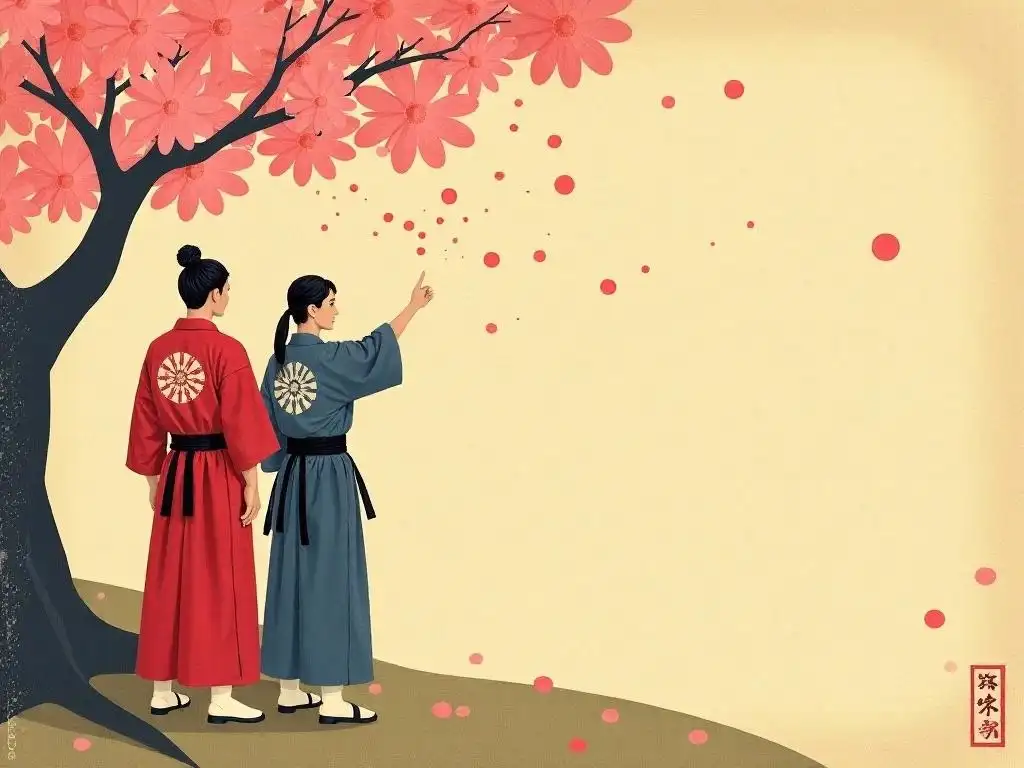
Welcome to Feudal Japan History, where the echoes of the past resonate through every article. Dive into our latest exploration on Japanese martial arts traditions comparison, as we unravel the intricate tapestry of historical and modern practices that shaped the warrior spirit of Japan. From the disciplined training of ancient samurai to the contemporary adaptations of martial arts, this comparative study promises to enlighten and inspire. Are you ready to discover how these traditions have evolved and influenced not only Japan but the world? Join us as we embark on this captivating journey!
The exploration of martial arts in Japan reveals a rich tapestry woven from historical, cultural, and societal threads. This article seeks to provide a comprehensive comparative study of traditional and modern martial arts schools, highlighting the evolution of Japanese martial arts traditions. By examining the nuances and similarities between these two realms, we can gain a deeper understanding of their impact on Japanese culture and society. This comparative analysis will focus on the Japanese martial arts traditions comparison, offering insights into the philosophies, techniques, and practices that define these schools.
Understanding Japanese Martial Arts Traditions Comparison
Overview of Japanese Martial Arts Traditions
Japanese martial arts, known as bujutsu and budō, encompass a wide range of fighting styles and philosophies. Traditional schools, often steeped in centuries of history, emphasize techniques that were originally developed for battlefield combat. These arts include disciplines such as kendo, judo, aikido, and karate, each with its unique principles and practices.
In contrast, modern martial arts schools often integrate traditional techniques with contemporary training methods. This evolution reflects societal changes and the globalization of martial arts. By comparing these traditions, we can appreciate how historical context influences current practices and philosophies.
Importance of Studying Martial Arts Schools in Japan
Studying martial arts schools in Japan is essential for several reasons:
- Cultural Heritage: Understanding these traditions helps preserve Japan's rich cultural heritage, showcasing the values and philosophies that have shaped its society.
- Philosophical Insights: Martial arts are not only about physical prowess; they encompass mental discipline, respect, and the pursuit of self-improvement, which are pivotal in Japanese culture.
- Global Influence: As martial arts gain popularity worldwide, examining their roots in Japan offers valuable insights into their techniques and philosophies.
Traditional Martial Arts Schools in Japan
Key Characteristics of Traditional Martial Arts
Traditional Japanese martial arts schools are characterized by their adherence to historical practices, structured training methods, and a focus on discipline and respect. Key characteristics include:
- Kata: Pre-arranged forms that practitioners learn to master techniques and movements.
- Budo Philosophy: Emphasis on personal development, discipline, and respect for opponents and instructors.
- Rituals and Etiquette: Formal practices, such as bowing and the use of specific language, that reinforce the cultural significance of martial arts.
Popular Traditional Martial Arts Schools
Several renowned traditional martial arts schools have made significant contributions to the martial arts landscape in Japan. Some notable examples include:
- Kodokan Judo: Founded by Jigoro Kano in 1882, Kodokan is the birthplace of judo and focuses on throws and groundwork.
- Tenshin Shōden Katori Shintō-ryū: One of the oldest martial arts schools, it teaches a comprehensive range of weapons and techniques.
- Mugai-ryū: This school is known for its emphasis on zen principles and swordsmanship, focusing on the psychological aspects of combat.
By exploring these traditional schools, we can appreciate the depth and diversity of Japan's martial arts heritage and its ongoing influence on modern practices.
Modern Martial Arts Schools in Japan
Modern martial arts schools in Japan have emerged as adaptations and evolutions of traditional practices, reflecting the changing dynamics of society and the needs of contemporary practitioners. While rooted in historic techniques and philosophies, these schools often incorporate modern training methodologies, technology, and a broader array of influences from around the world. This evolution has led to the establishment of diverse styles and organizations that attract practitioners of all ages and backgrounds.
Evolution of Martial Arts in Contemporary Society
The evolution of martial arts in contemporary society can be traced back to the post-World War II era when Japan underwent significant societal changes. As Japan transitioned into a modern state, the martial arts that were once primarily focused on combat and self-defense began to shift towards personal development, fitness, and competitive sports. This transformation was influenced by global interactions and the rising popularity of martial arts in the West.
New styles such as Judo, Karate, and Aikido gained international recognition, leading to the establishment of schools that emphasized competition, self-improvement, and physical fitness. The introduction of mixed martial arts (MMA) also played a pivotal role in shaping modern practices, encouraging schools to incorporate elements from various martial arts disciplines to create well-rounded programs.
Key Characteristics of Modern Martial Arts
Modern martial arts schools often exhibit several key characteristics that distinguish them from traditional counterparts:
- Focus on Fitness: Many modern schools emphasize physical conditioning, agility, and endurance as fundamental components of training.
- Competition-Oriented Training: There is a significant focus on preparing students for competitions, whether in local tournaments or international events.
- Diverse Influences: Modern martial arts often blend techniques from various styles, allowing for a more eclectic and adaptive approach to training.
- Inclusivity: Many schools promote inclusivity, welcoming practitioners of all ages and skill levels, fostering a community spirit.
- Use of Technology: Training may incorporate technology, such as video analysis and virtual training sessions, to enhance learning and technique refinement.
Popular Modern Martial Arts Schools
Several modern martial arts schools in Japan have gained prominence, each offering unique programs and philosophies:
- K-1: A kickboxing organization that combines various striking arts, K-1 is renowned for its dynamic competitions and training methodologies.
- Yoshin Ryu Aikido: This school emphasizes practical self-defense techniques while maintaining the philosophical aspects of Aikido.
- Krav Maga Japan: Focusing on real-world self-defense, Krav Maga schools adapt techniques to suit modern threats and scenarios.
- Tokyo BJJ: Brazilian Jiu-Jitsu has gained immense popularity, with schools like Tokyo BJJ offering comprehensive training that integrates grappling techniques with modern competition strategies.
Comparative Analysis of Traditional vs. Modern Martial Arts Schools
The comparative analysis of traditional and modern martial arts schools reveals distinct differences in training methods, curriculum, and the overall school environment. Understanding these differences can provide insights into the evolving landscape of martial arts in Japan.
Training Methods: Traditional Practices vs. Modern Approaches
In traditional martial arts schools, training methods often emphasize repetitive practice of kata (forms) and specific drills that reinforce core techniques and principles. This approach fosters discipline, patience, and a deep connection to the art's historical roots. In contrast, modern approaches tend to prioritize adaptability and practical application, incorporating sparring and scenario-based training to prepare students for real-world situations effectively.
- Traditional Methods:
- Focus on kata and forms
- Emphasis on discipline and historical context
- Modern Methods:
- Incorporation of sparring and competition
- Adaptation to contemporary self-defense needs
Curriculum Differences: Depth vs. Breadth
The curriculum in traditional martial arts schools typically emphasizes depth over breadth, allowing students to delve deeply into specific techniques and philosophies. In contrast, modern martial arts schools often embrace a broader curriculum that covers multiple styles and techniques, enabling practitioners to develop a versatile skill set.
- Traditional Curriculum:
- In-depth study of specific techniques
- Focus on philosophical teachings and history
- Modern Curriculum:
- Wide range of techniques from various styles
- Emphasis on practical applications and fitness
Community and Culture: The School Environment
The community and culture within martial arts schools significantly influence the learning experience. Traditional schools often foster a sense of respect for lineage and history, creating a more formal environment where hierarchy and rituals play a significant role. Modern schools, on the other hand, tend to promote a more casual and inclusive atmosphere, encouraging camaraderie among practitioners and a focus on personal growth.
- Traditional Environment:
- Formal etiquette and respect for instructors
- Strong emphasis on lineage and history
- Modern Environment:
- Casual, welcoming atmosphere
- Encouragement of personal expression and growth
The comparison between traditional and modern martial arts schools in Japan illustrates the dynamic nature of martial arts as it adapts to contemporary society while maintaining its historical significance. Understanding these differences helps practitioners choose the path that resonates most with their goals and aspirations.
Advantages and Disadvantages of Each Approach
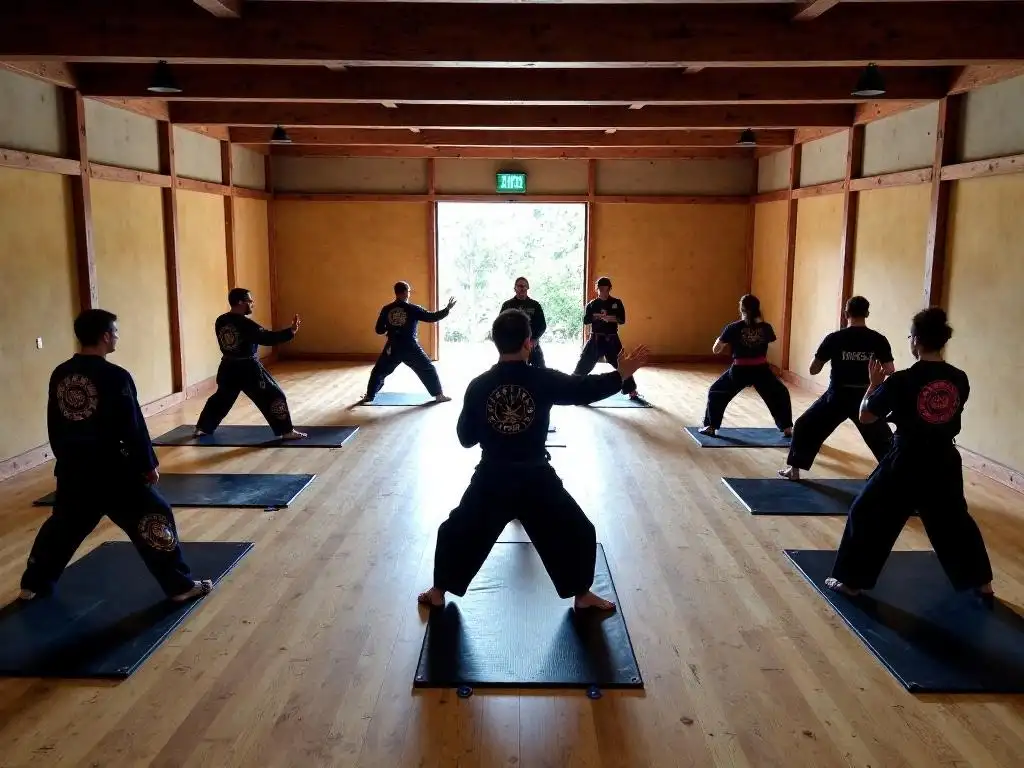
When comparing traditional and modern martial arts schools in Japan, it is essential to understand the strengths and weaknesses of each approach. Both styles offer unique benefits and challenges, shaping the experience of students seeking to immerse themselves in Japanese martial arts.
Pros of Traditional Martial Arts Schools
- Cultural Heritage: Traditional martial arts schools, such as Aikido, Kendo, and Karate, often emphasize the historical and cultural significance of the practices. Students gain a deeper appreciation for the philosophical teachings and rituals associated with these arts.
- Discipline and Respect: These schools typically instill strong values of discipline, respect, and humility. The structured environment encourages students to develop a strong moral character alongside their physical skills.
- Physical Conditioning: Traditional martial arts training often involves rigorous physical conditioning, helping students improve their overall fitness, flexibility, and coordination.
- Self-Defense Techniques: Many traditional schools teach effective self-defense techniques that have been refined over centuries, providing practical skills for real-world situations.
- Community and Camaraderie: The close-knit nature of traditional schools fosters a sense of community among students, creating lasting bonds and friendships through shared experiences.
Cons of Traditional Martial Arts Schools
- Rigidity in Training: Traditional schools may adhere strictly to established forms and techniques, which can hinder creativity and adaptability in students. This rigidity can deter individuals seeking a more dynamic training environment.
- Limited Modern Application: Some techniques taught in traditional settings may not be applicable in modern self-defense scenarios, potentially leaving students ill-prepared for contemporary challenges.
- Inconsistent Quality of Instruction: The quality of instructors can vary significantly among traditional schools, with some lacking formal training or experience, which can affect students' learning experiences.
- Slow Progression: The emphasis on mastering foundational techniques and kata (forms) can lead to slower progression in skill development, which may frustrate some students.
Pros of Modern Martial Arts Schools
- Adaptability: Modern martial arts schools often incorporate techniques from various styles, making them more adaptable to contemporary self-defense situations. This eclectic approach allows students to learn a wide array of skills.
- Focus on Practicality: Many modern schools prioritize practical self-defense techniques and real-world applications, equipping students with skills they can use effectively outside the dojo.
- Variety of Training Methods: Modern schools often employ diverse training methods, including sparring, drills, and fitness conditioning, which can lead to a more engaging and varied learning experience.
- Emphasis on Personal Growth: Modern martial arts schools tend to focus on the individual goals of students, accommodating different learning styles and allowing for personalized training paths.
- Access to Competitions: Many modern schools offer opportunities for competition, providing students with the chance to test their skills in a controlled environment and gain valuable experience.
Cons of Modern Martial Arts Schools
- Lack of Cultural Depth: Modern schools may neglect the historical and philosophical aspects of martial arts, leading to a more superficial understanding of their practices.
- Variable Standards: The influx of modern schools means that the quality of instruction can vary significantly, with some lacking the depth and rigor of traditional training.
- Commercialization: Some modern martial arts schools may prioritize profit over student development, leading to high tuition fees and a focus on attracting new students rather than fostering a genuine learning environment.
- Short-Term Focus: The emphasis on quick results and practical skills can result in a lack of long-term commitment to mastery and discipline, which are hallmarks of traditional training.
Conclusion: Choosing the Right Martial Arts School
Selecting the right martial arts school is a significant decision that can shape a student's martial arts journey. Understanding the advantages and disadvantages of both traditional and modern approaches can help prospective students make informed choices.
Factors to Consider When Selecting a School
- Personal Goals: Determine what you want to achieve through martial arts training, whether it be self-defense, fitness, or cultural enrichment. This clarity can guide your choice of school.
- Instructor Credentials: Research the qualifications and experience of the instructors. A knowledgeable and experienced teacher can greatly enhance your learning experience.
- Training Environment: Visit potential schools to observe training sessions. Pay attention to the atmosphere, student engagement, and the overall culture of the dojo.
- Curriculum: Evaluate the curriculum offered by the school. Ensure it aligns with your interests and goals, whether they are focused on self-defense, competition, or traditional practices.
- Location and Schedule: Consider the location of the school and the availability of classes. A convenient location and class times that fit your schedule are crucial for maintaining consistency in training.
Recommendations for Prospective Students
- Try Multiple Schools: If possible, attend trial classes at different schools to get a feel for their teaching styles and training approaches. This firsthand experience can guide your decision.
- Seek Recommendations: Talk to current students or martial arts enthusiasts to gather recommendations and insights about various schools in your area.
- Stay Open-Minded: Be willing to explore both traditional and modern martial arts schools. Each approach has its unique offerings, and you may find value in experiences from both.
- Commit to Your Training: Whichever school you choose, commit to your training and personal growth. The journey of martial arts is as much about self-discovery and perseverance as it is about mastering techniques.
By carefully considering these factors, prospective students can make informed choices that align with their personal goals and aspirations in the realm of Japanese martial arts traditions.
Additional Resources for Martial Arts Enthusiasts
For those looking to deepen their understanding of Japanese martial arts, a variety of resources are available that cater to both beginners and advanced practitioners. These resources can enhance your knowledge, provide practical skills, and connect you with the wider community of martial arts enthusiasts. Below are some valuable categories of resources to explore:
Recommended Books on Japanese Martial Arts Traditions
-
"The Book of Five Rings" by Miyamoto Musashi
A classic text on strategy and philosophy, Musashi's work is essential for understanding the mindset of a warrior and the principles behind martial arts.
-
"Hagakure: The Book of the Samurai" by Yamamoto Tsunetomo
This book offers deep insights into the samurai way of life, emphasizing the values and ethics that underpin traditional martial arts.
-
"A History of Japanese Martial Arts" by Donn F. Draeger
This comprehensive overview traces the development of martial arts in Japan from ancient times to the present, providing context for many modern practices.
-
"In Search of the Samurai" by John Stevens
This book blends history and philosophy, exploring the evolution of samurai culture and how it has influenced martial arts today.
Online Courses and Tutorials for Beginners
With the rise of digital education, numerous platforms offer online courses and tutorials in various Japanese martial arts. These resources are perfect for beginners looking to start their journey or enhance their skills from home:
- Udemy and Coursera: Both platforms feature courses on popular martial arts styles such as Karate, Judo, and Aikido, often taught by experienced instructors.
- YouTube Channels: Channels like "Martial Arts Journey" and "Shihan's Karate Dojo" provide instructional videos, techniques, and philosophy discussions that are accessible to all levels.
- Virtual Dojos: Some schools now offer live-streamed classes, allowing students to train in real-time with instructors, fostering a sense of community and accountability.
Upcoming Martial Arts Events in Japan
Japan hosts numerous martial arts events throughout the year, providing enthusiasts with opportunities to observe, participate, or compete. Here are a few notable events to look out for:
- All Japan Judo Championships: Held annually in Tokyo, this prestigious event showcases the best judokas in the country.
- Kyoto Budo Festival: An annual gathering that features demonstrations, seminars, and workshops from various martial arts schools, focusing on both traditional and modern practices.
- Kendo World Championships: This international event brings together kendo practitioners from around the globe, fostering a spirit of competition and camaraderie.
Final Thoughts on Japanese Martial Arts Traditions Comparison
The comparison between traditional and modern martial arts schools in Japan reveals not only the evolution of techniques and philosophies but also the ongoing dialogue between past practices and contemporary needs.
The Importance of Bridging Tradition and Modernity
As martial arts continue to evolve, the blending of traditional techniques with modern training methods is crucial. This fusion allows practitioners to benefit from the wisdom of the past while adapting to the realities of today's world. By maintaining the core values of respect, discipline, and perseverance, martial arts can thrive in both traditional and modern contexts, ensuring their relevance for future generations.
Encouragement for Continued Learning and Practice
Whether you are a novice or a seasoned practitioner, the journey through Japanese martial arts is one of lifelong learning. Embrace the opportunity to explore different styles, attend workshops, and connect with fellow enthusiasts. The more you engage with these traditions, the richer your understanding and appreciation will become, ultimately enhancing your martial arts experience. Remember, the path of a martial artist is as much about personal growth and discipline as it is about mastering techniques. 🥋
- Understanding Japanese Martial Arts Traditions Comparison
- Traditional Martial Arts Schools in Japan
- Modern Martial Arts Schools in Japan
- Comparative Analysis of Traditional vs. Modern Martial Arts Schools
- Advantages and Disadvantages of Each Approach
- Conclusion: Choosing the Right Martial Arts School
- Additional Resources for Martial Arts Enthusiasts
- Final Thoughts on Japanese Martial Arts Traditions Comparison
- What are the main differences between traditional and modern martial arts schools in Japan?
- How have cultural influences shaped martial arts in Japan?
- What is the significance of kata in Japanese martial arts?
- Can you name some prominent martial arts styles in Japan?
- How do modern adaptations of martial arts affect traditional practices?
Frequently Asked Questions
What are the main differences between traditional and modern martial arts schools in Japan?
Traditional martial arts focus on historical techniques and philosophies, while modern schools often emphasize sport-oriented practices and competition.
How have cultural influences shaped martial arts in Japan?
Throughout history, various cultural exchanges and philosophical beliefs have significantly influenced the development of martial arts, leading to unique styles and practices.
What is the significance of kata in Japanese martial arts?
Kata serves as a fundamental training method, providing practitioners with structured forms to practice techniques, focus on precision, and understand martial principles.
Can you name some prominent martial arts styles in Japan?
Prominent styles include Karate, Judo, Kendo, and Aikido, each with its own distinct techniques, philosophies, and training methods.
How do modern adaptations of martial arts affect traditional practices?
Modern adaptations often lead to the commercialization of martial arts, which can sometimes dilute traditional values but also help in spreading awareness and attracting new practitioners.
Final Reflection: Bridging Tradition and Modernity in Japanese Martial Arts
The exploration of Japanese martial arts traditions comparison reveals a profound connection between the past and present, highlighting how these practices continue to shape identities and communities today. In an era where rapid globalization often overshadows cultural heritage, understanding the nuances of traditional and modern martial arts schools in Japan becomes increasingly relevant. This comparison not only honors the rich history of these disciplines but also emphasizes their evolving nature, reminding us that tradition and innovation can coexist harmoniously.
The influence of martial arts extends beyond physical training; it permeates social structures and cultural identities. Through the lens of this comparative study, we see how traditional schools preserve ancient techniques and philosophies, while modern schools adapt to contemporary needs and lifestyles. This duality enriches the martial arts landscape, fostering a sense of belonging and continuity. As the renowned martial artist Morihei Ueshiba once said, The purpose of training is to tighten up the slack, toughen the body, and polish the spirit.
This sentiment encapsulates the ongoing journey of martial artists as they navigate the balance between heritage and modernity.
As we reflect on the insights gained from this study, I invite you to consider your own relationship with tradition and innovation. How can you apply the lessons learned from the martial arts—discipline, respect, and adaptability—in your own life? Embrace the challenge of integrating the wisdom of the past with the possibilities of the future, and let this journey inspire you to forge your own path, much like the martial artists who honor their roots while reaching for new horizons.
Embrace the Warrior Spirit: Take Your Next Steps!
Thank you for diving into our exploration of traditional and modern martial arts schools in Japan! We hope you found valuable insights into the rich history and transformative practices of these disciplines. Now, it’s time to channel that inspiration into action!
Here’s how you can deepen your connection to the world of martial arts:
- Join a Local Martial Arts Class: Find a school or dojo near you that offers either traditional or modern martial arts. Experience firsthand the discipline and camaraderie that these practices foster!
- Explore Online Resources: Discover documentaries, tutorials, or even online courses that delve deeper into the techniques and philosophies of Japanese martial arts.
- Share Your Journey: Connect with a community of martial arts enthusiasts by sharing your experience on social media or forums. Inspire others and exchange tips!
What aspect of martial arts excites you the most—its historical roots, physical skills, or spiritual teachings? We would love to hear your thoughts!