
The Symbolism of Kintsugi: Finding Beauty in Imperfection as a Leisure Philosophy

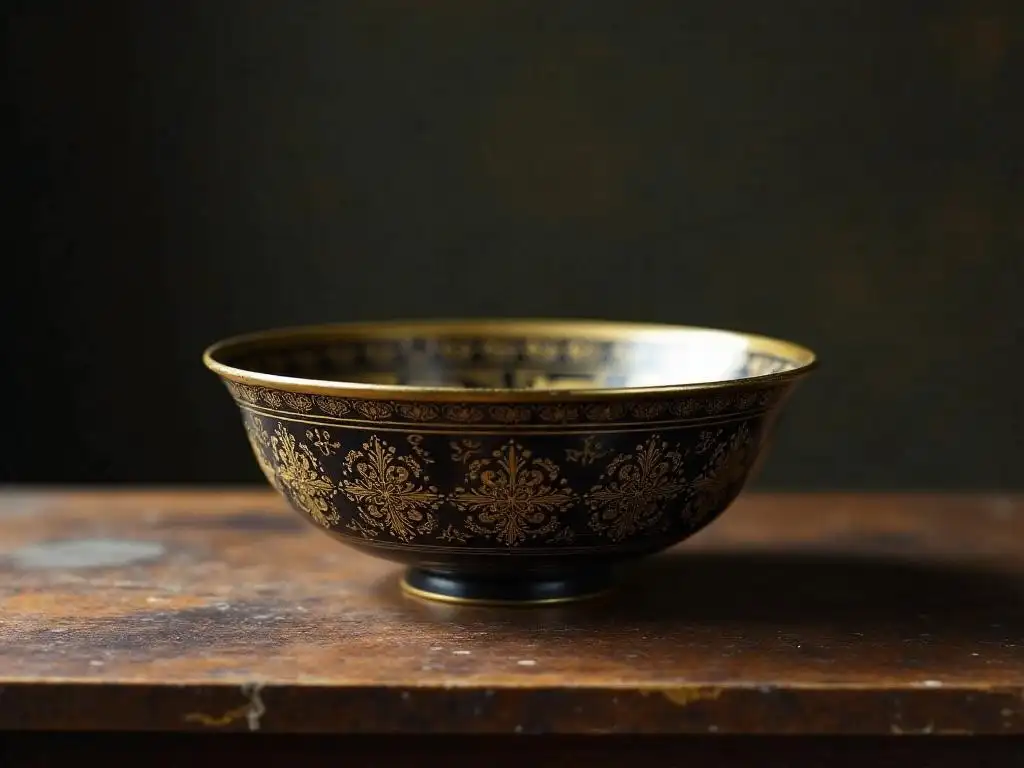
Welcome to Feudal Japan History, where the rich tapestry of Japan's feudal era unfolds before your eyes. Here, we delve into the intricate symbolism of Kintsugi, a philosophy that beautifully embraces the art of finding perfection in imperfection. As you explore the depths of this unique perspective, you'll discover how this age-old practice transcends mere aesthetics, offering profound insights into daily life and society during a transformative period in Japan's history.
Join us on this captivating journey and uncover the layers of meaning behind Kintsugi that still resonate today. Ready to see how brokenness can lead to beauty? Let's dive in!
Introduction to Kintsugi Philosophy and Symbolism
Kintsugi, the Japanese art of repairing broken pottery with lacquer mixed with powdered gold, silver, or platinum, transcends mere restoration; it embodies a profound philosophy that celebrates imperfection and resilience. This practice, deeply rooted in the cultural fabric of Japan, particularly during the feudal era, invites us to reflect on the beauty found in life's fragility and the acceptance of our flaws as integral to our identity.
As we delve into the symbolism of Kintsugi, we explore not only its aesthetic appeal but also its implications for leisure and daily life, encouraging a mindset that values the journey of mending over the pursuit of perfection. This article will unravel the historical context, artistic techniques, and philosophical underpinnings that make Kintsugi a compelling lens through which to view our own lives.
What is Kintsugi?
Kintsugi, which translates to "golden joinery," involves a meticulous process of repairing ceramics that have been broken. The method emphasizes the cracks and imperfections, rather than disguising them, allowing the repaired piece to emerge with a unique character. This art form serves as a metaphor for resilience, illustrating how brokenness can lead to a new form of beauty.
- Materials Used:
- Lacquer: A natural resin that binds the pieces together.
- Gold/Silver Powder: Adds a gleaming finish, highlighting the imperfections.
- Philosophical Implications:
- Embraces the idea that imperfections can enhance the value and beauty of an object, paralleling human experiences.
Historical Context of Kintsugi in Feudal Japan
The origins of Kintsugi can be traced back to the 15th century during the Muromachi period, a time characterized by cultural flourishing in Japan. This period saw the rise of the tea ceremony and a heightened appreciation for aesthetics, where simplicity and naturalness were celebrated. Kintsugi emerged as a practical solution for repairing treasured items, yet it quickly evolved into a philosophical practice reflecting the values of that era.
- Cultural Significance:
- The art became symbolic of the wabi-sabi aesthetic, which finds beauty in impermanence and imperfection.
- It was often practiced in Zen Buddhist circles, where the acceptance of flaws mirrored the broader acceptance of life's transience.
Understanding the Symbolism of Kintsugi
Kintsugi's symbolism extends beyond its physical manifestation; it speaks to a deeper understanding of life and existence. Each repaired piece tells a story of transformation, where the scars of previous breakages become integral to its identity. This philosophy encourages individuals to embrace their own imperfections and experiences of hardship, suggesting that:
- Beauty in Healing: Just as the lacquer and gold bring new life to broken pottery, our experiences shape us into unique individuals.
- Narrative of Resilience: Each crack and seam represents a moment of struggle, resilience, and ultimately, beauty.
The Aesthetic of Imperfection in Kintsugi
Embracing Flaws: The Core Principle of Kintsugi
At the heart of Kintsugi lies the acceptance of flaws. This principle encourages individuals to view their imperfections not as faults, but as essential components of their identity. By embracing our brokenness, we cultivate a deeper appreciation for life's journey and the lessons learned along the way. This aesthetic of imperfection can significantly influence our leisure philosophy, encouraging practices that prioritize mindfulness and self-acceptance.
The Role of Gold and Lacquer in Kintsugi Art
The materials used in Kintsugi play a crucial role in its symbolism. Gold and lacquer do not merely restore function; they highlight the beauty of the brokenness. The shimmering veins of gold serve as a reminder that:
- Transformation: Just as the pottery is transformed, so can our experiences be reframed to highlight their beauty.
- Connection: The materials symbolize the connection between past and present, illustrating how our histories shape who we are today.
Kintsugi as a Reflection of Japanese Aesthetic Values
Kintsugi embodies several key aesthetic values central to Japanese culture, including:
- Wabi-Sabi: The appreciation of the transient and imperfect nature of life.
- Mono no Aware: The awareness of the impermanence of things, fostering a sense of nostalgia and gentle sadness.
Through Kintsugi, we find a leisure philosophy that encourages us to slow down, reflect, and embrace the imperfections of our lives, transforming them into sources of beauty and wisdom.
Kintsugi Philosophy and Its Relevance in Daily Life
Kintsugi, the traditional Japanese art of repairing broken pottery with lacquer mixed with powdered gold, silver, or platinum, embodies a profound philosophy that resonates deeply in daily life. This philosophy teaches us to embrace the flaws and imperfections that come with our experiences, rather than attempting to conceal or erase them. In a society often obsessed with perfection, Kintsugi serves as a reminder that our scars—both physical and emotional—can become sources of beauty and strength.
By applying Kintsugi philosophy to our lives, we cultivate a mindset that values resilience and authenticity. This perspective encourages individuals to view challenges and setbacks as integral parts of their personal narrative, fostering a sense of acceptance and growth. In practical terms, this might manifest as a commitment to self-care, mindfulness practices, or an appreciation for the beauty of aging and experience. Ultimately, Kintsugi inspires a shift in mindset from striving for flawlessness to celebrating the journey, making it a relevant and enriching philosophy for contemporary living.
How Kintsugi Philosophy Encourages Mindfulness
The practice of Kintsugi inherently promotes mindfulness, inviting individuals to engage with their surroundings and experiences in a more profound way. Mindfulness, the art of being present and fully engaged in the moment, aligns seamlessly with Kintsugi’s focus on appreciating the beauty of imperfections.
When repairing pottery through Kintsugi, artisans must carefully consider each crack and chip, taking the time to select the appropriate materials and techniques. This meticulous process fosters a deep awareness of the object’s history and fragility, encouraging practitioners to reflect on their own lives similarly. By acknowledging our imperfections and the narratives they represent, we cultivate a greater appreciation for the present and a deeper understanding of ourselves.
In daily life, integrating Kintsugi-inspired mindfulness can take many forms, from journaling about personal experiences to engaging in meditation. These practices help individuals focus on the present, appreciate their unique journeys, and develop a more compassionate relationship with themselves and others.
Finding Beauty in Imperfection: A Leisure Philosophy
Kintsugi exemplifies a leisure philosophy that finds beauty in imperfection, encouraging individuals to slow down and appreciate the world around them. This approach to leisure emphasizes that moments of joy and fulfillment can be discovered in the mundane and the flawed.
By embracing the philosophy of Kintsugi, individuals can transform their leisure activities into opportunities for self-discovery and creativity. For instance, participants in arts and crafts may learn to see the beauty in their mistakes, leading to innovative designs and unexpected outcomes. Alternatively, in cooking, a dish that doesn't turn out as planned can become a lesson in adaptability and resourcefulness.
This philosophy extends beyond creative pursuits; it encourages a broader appreciation for life’s imperfections. By acknowledging that flaws are natural, individuals can cultivate a sense of contentment and gratitude. This shift in perspective not only enhances personal leisure experiences but also fosters deeper connections with others, celebrating the shared imperfections that make us human.
Kintsugi as a Tool for Emotional Healing and Resilience
Kintsugi serves as a powerful metaphor for emotional healing and resilience, illustrating how brokenness can lead to growth and beauty. The process of repairing pottery highlights the idea that, like the pieces of art, our emotional scars can be transformed into sources of strength and wisdom.
In times of personal crisis, individuals can draw upon the principles of Kintsugi to navigate their healing journeys. The act of acknowledging pain and embracing vulnerability allows for a deeper understanding of oneself and the experiences that shape us. Just as Kintsugi artisans highlight cracks with gold, people can learn to view their struggles as opportunities for growth, celebrating their resilience rather than hiding their wounds.
Furthermore, Kintsugi promotes the idea that healing is not a linear process; it is often nonlinear and filled with setbacks. This acceptance fosters patience and compassion for oneself, encouraging a more holistic approach to emotional well-being. By viewing life through the lens of Kintsugi, individuals can cultivate resilience and find beauty in their unique stories of recovery.
Cultural Significance of Kintsugi in Feudal Japan
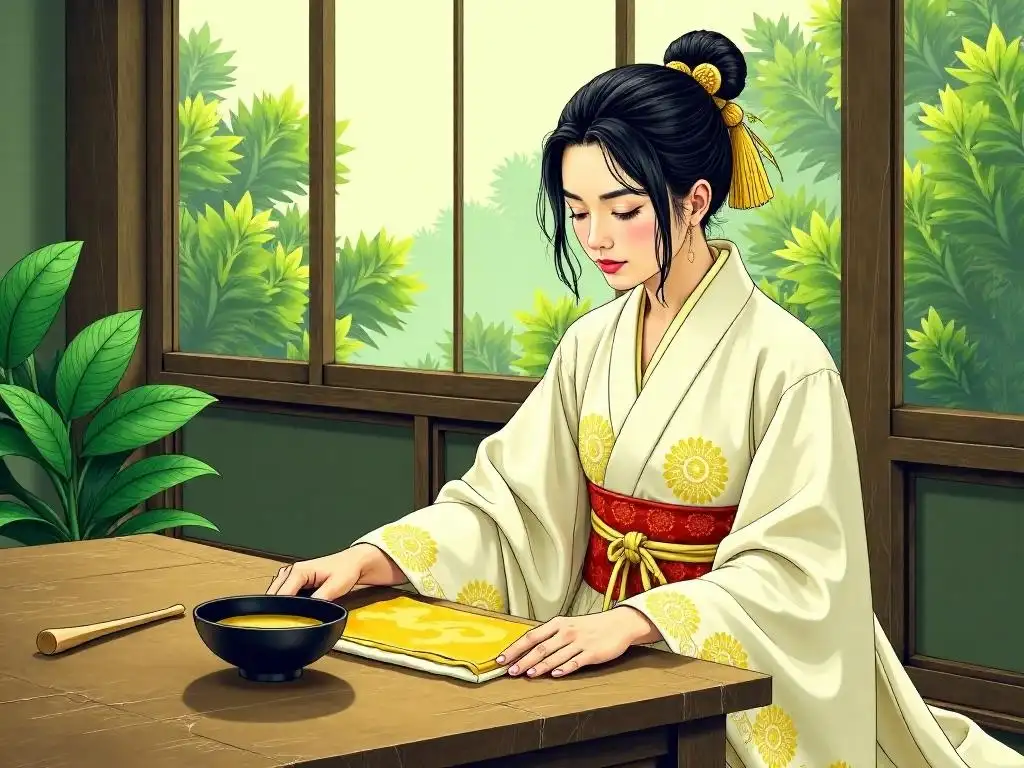
Kintsugi holds a significant place in the cultural tapestry of Feudal Japan, reflecting the values and aesthetics of a society that revered harmony and beauty. This art form emerged during a period when simplicity and natural beauty were celebrated, and the philosophy behind Kintsugi became intertwined with broader cultural practices.
The emphasis on imperfection and transience in Kintsugi aligns closely with the Japanese concept of wabi-sabi, which appreciates the beauty found in the incomplete and imperfect. This philosophy permeated various aspects of life during the feudal era, shaping artistic expression, architecture, and even social relationships. Kintsugi, as a tangible manifestation of these ideals, became a means of preserving history while celebrating the beauty of the past.
Moreover, the cultural significance of Kintsugi extends to its role in fostering a sense of community and shared experience. By engaging in the practice of Kintsugi, individuals not only repair physical objects but also create connections to their heritage, family stories, and communal traditions. This act of restoration becomes a shared ritual, reinforcing bonds among people and instilling a sense of belonging within the broader cultural narrative.
Kintsugi and Zen Buddhism: A Spiritual Connection
Kintsugi is deeply intertwined with Zen Buddhism, a spiritual practice that emphasizes mindfulness and the acceptance of impermanence. This connection is evident in the principles of simplicity and natural beauty that underpin both Kintsugi and Zen philosophy.
Zen teachings encourage practitioners to embrace the present moment and acknowledge the transient nature of life. In this context, Kintsugi becomes a form of meditation, allowing artisans to engage mindfully with their materials and the process of repair. The practice of Kintsugi reflects the Zen belief in finding beauty and meaning in the ordinary, transforming the act of restoration into a spiritual journey.
Additionally, Kintsugi embodies the concept of mujo—the acceptance of impermanence—central to Zen Buddhism. By celebrating the scars of broken pottery, Kintsugi artists remind us that nothing is permanent, and every moment is infused with potential for beauty. This spiritual connection reinforces the idea that recognizing and embracing imperfection is not only an artistic endeavor but also a path to deeper understanding and enlightenment.
The Influence of Kintsugi on Japanese Tea Ceremony Practices
The principles of Kintsugi have significantly influenced the Japanese tea ceremony, known as chanoyu. This traditional practice emphasizes harmony, respect, purity, and tranquility, values that resonate with the Kintsugi philosophy.
In the context of the tea ceremony, the use of Kintsugi-repaired vessels highlights the importance of imperfection and the stories behind each piece. Tea masters often select bowls with visible repairs, showcasing their unique histories and the beauty of their scars. This selection adds depth to the ceremony, fostering a sense of connection between the participants and the objects they use.
Moreover, the tea ceremony embodies the concept of presence, encouraging participants to focus on the moment and appreciate the beauty of their surroundings. The integration of Kintsugi into this practice serves as a reminder that just as each tea bowl has its own narrative, so too do the individuals participating in the ceremony. This shared appreciation for imperfection enhances the communal experience, reinforcing the values of gratitude and mindfulness that are central to both Kintsugi and the tea ceremony.
Kintsugi in the Context of Japanese Art and Craftsmanship
Kintsugi occupies a revered place within the broader context of Japanese art and craftsmanship, embodying the meticulous attention to detail and the philosophical underpinnings that characterize traditional Japanese aesthetics. As a craft, Kintsugi reflects the skill and dedication of artisans who transform broken objects into works of art, imbuing them with new life and meaning.
The techniques employed in Kintsugi are rooted in centuries of Japanese craftsmanship, where mastery of materials and methods is paramount. Artisans meticulously select the right type of lacquer and gold powder, ensuring that each repair enhances the original form and character of the piece. This commitment to quality and authenticity aligns with the broader Japanese artistic tradition, which values the harmony between nature and human creation.
Additionally, Kintsugi serves as a bridge between art and philosophy, illustrating how the two can coexist harmoniously. The art of Kintsugi transcends mere aesthetics; it embodies a mindset that celebrates resilience, acceptance, and the beauty of life’s imperfections. This duality enriches the cultural landscape of Japan, reinforcing the idea that art is not only a means of expression but also a reflection of deeper philosophical beliefs. Through Kintsugi, the legacy of Japanese art and craftsmanship continues to inspire new generations to embrace the beauty found in imperfection.
Practical Applications of Kintsugi Philosophy Today
Kintsugi, the traditional Japanese art of repairing pottery with lacquer mixed with powdered gold, silver, or platinum, transcends its visual appeal and material significance. Today, its philosophy offers a profound framework for navigating modern life's complexities. The practice encourages individuals to embrace imperfections, not just in objects but also in their personal experiences. By applying Kintsugi principles, people can foster resilience, acceptance, and a deeper appreciation for the journey of life.
In contemporary settings, Kintsugi philosophy is often applied in various areas such as mental health, personal development, and even corporate culture. For instance, individuals facing mental health challenges can find solace in the idea that their struggles contribute to their unique story, much like the repaired pottery. This perspective can lead to increased self-compassion and motivation to heal. Similarly, businesses that adopt Kintsugi principles may create a culture that values learning from failures rather than hiding them, ultimately fostering innovation and growth.
Incorporating Kintsugi Principles into Modern Life
Incorporating Kintsugi principles into daily life can manifest in numerous ways. Firstly, practicing mindfulness can help individuals become more aware of their thoughts and feelings, allowing them to acknowledge imperfections without judgment. This awareness can lead to transformative practices such as journaling, where one reflects on personal challenges and celebrates growth, similar to how Kintsugi highlights the beauty of repaired objects.
Additionally, embracing a minimalist lifestyle can align well with Kintsugi philosophy. By simplifying one’s surroundings and focusing on meaningful possessions, individuals can cultivate an appreciation for the beauty in simplicity and imperfection. Surrounding oneself with objects that tell a story—be it a chipped mug or a beloved book—can serve as daily reminders of the wisdom found in embracing life’s flaws.
Kintsugi Workshops: Learning the Art and Philosophy
Kintsugi workshops have gained popularity in recent years, providing individuals with the opportunity to engage hands-on with the philosophy and practice. These workshops, often facilitated by skilled artisans, allow participants to experience the meditative process of repairing broken pottery. Through guidance, attendees learn not only the technical skills needed for Kintsugi but also the underlying philosophy that accompanies it.
The workshops often emphasize the importance of patience, creativity, and acceptance of imperfections. Participants leave with a tangible piece of art that embodies their journey, fostering a sense of accomplishment and personal connection. Furthermore, these workshops create a community of individuals who share similar values, promoting discussions around resilience, beauty, and the significance of our scars.
Kintsugi in Contemporary Art: A Growing Trend
The influence of Kintsugi can be observed in contemporary art, where many artists draw inspiration from its philosophy. This trend reflects a broader movement towards authenticity and vulnerability in artistic expressions. Artists are increasingly embracing the idea of showcasing imperfections, using materials and techniques that highlight flaws rather than conceal them.
For example, installations that incorporate broken pieces or fragmented forms often symbolize the beauty found in disarray. This artistic approach resonates with audiences, encouraging them to reflect on their own experiences with imperfection. As Kintsugi continues to inspire contemporary art, it also plays a vital role in conversations about mental health, resilience, and the human experience.
Conclusion: Embracing Kintsugi in Our Lives
Embracing Kintsugi philosophy in our lives encourages a profound shift in perspective. By recognizing that imperfections are a natural part of existence, we can cultivate a mindset that values growth, resilience, and authenticity. This acceptance can lead to richer, more fulfilling experiences, both personally and socially.
The Lasting Impact of Kintsugi Philosophy on Society
The impact of Kintsugi philosophy extends beyond individual lives, influencing societal attitudes towards failure and resilience. As more people adopt these principles, communities can foster environments where vulnerability is celebrated rather than stigmatized. This cultural shift can encourage open conversations about mental health, personal challenges, and the importance of support systems.
Moreover, institutions and organizations that embrace Kintsugi philosophy can create workplaces that prioritize well-being, creativity, and innovation. This holistic approach can lead to a more compassionate and understanding society, where imperfections are seen as opportunities for growth rather than shortcomings.
Encouraging a New Perspective on Imperfection and Beauty
Ultimately, the Kintsugi philosophy serves as a powerful reminder that beauty lies in imperfection. By encouraging a new perspective on flaws—whether in ourselves, our relationships, or our surroundings—we open the door to deeper connections and a more profound appreciation for life’s complexities. As we learn to embrace our own imperfections, we cultivate a culture that celebrates authenticity, resilience, and the unique stories that each of us carries.
Call to Action: Explore More on Kintsugi and Japanese Culture
Embracing the philosophy of Kintsugi is not just about appreciating the beauty of repaired pottery; it extends to a broader understanding of Japanese culture and its values. This ancient art form encourages us to find beauty in our imperfections and to celebrate the stories behind our scars. If you're intrigued by Kintsugi and wish to dive deeper into its significance, we invite you to explore more resources and immerse yourself in the richness of Japanese culture.
Consider engaging with local workshops, online courses, or community events that focus on Kintsugi and related artistic practices. By participating, you will not only gain hands-on experience but also connect with like-minded individuals who share a passion for this profound philosophy. Remember, every crack tells a story, and each piece of art is a reminder that beauty is found in resilience and transformation.
Recommended Resources on Kintsugi Philosophy and Symbolism
To enhance your understanding of Kintsugi philosophy and symbolism, here are some recommended resources:
- Books:
- Kintsugi: The Art of Embracing Damage by Céline Santini – A beautiful exploration of Kintsugi, blending personal reflections with artistic insights.
- The Beauty of Everyday Things by Soetsu Yanagi – This classic text delves into Japanese aesthetics and the philosophy behind everyday objects, including Kintsugi.
- Documentaries and Films:
- Kintsugi: The Art of Repair – A documentary that showcases artisans practicing Kintsugi, highlighting their techniques and philosophies.
- Wabi-sabi: The Japanese Art of Impermanence – A film that delves into the broader concepts of Japanese aesthetics, including Kintsugi.
- Online Courses and Workshops:
- Look for virtual or in-person workshops that provide hands-on Kintsugi repair techniques. Many art studios and cultural organizations offer classes where you can learn directly from experienced practitioners.
- Websites and Blogs:
- Explore blogs dedicated to Japanese culture and aesthetics, as they often feature articles on Kintsugi, its history, and its relevance in contemporary society.
Further Reading on Feudal Japan’s Cultural Practices
Understanding Kintsugi is enriched by a broader context of Feudal Japan's cultural practices. Here are some resources to further your exploration:
- Books:
- The Tale of Genji by Murasaki Shikibu – Often regarded as the world's first novel, it provides insight into the aesthetics, values, and societal norms of the Heian period.
- Japanese Arts and Culture by a variety of authors – This compilation examines various artistic expressions, including pottery and aesthetics, during the feudal era.
- Historical Studies:
- Research papers and articles that analyze the socio-political structures of Feudal Japan can provide a backdrop for understanding how Kintsugi emerged as a cultural practice.
- Cultural Documentaries:
- Documentaries on the samurai culture, tea ceremonies, and Zen Buddhism can shed light on the values that influenced Kintsugi and its acceptance in Japanese society.
- Cultural Institutions:
- Visit museums that focus on Japanese history and art, as they often hold exhibitions related to Kintsugi and other traditional practices, offering firsthand experience with artifacts.
By engaging with these resources, you will deepen your appreciation for Kintsugi and its significance within the tapestry of Feudal Japan's cultural heritage.
- Introduction to Kintsugi Philosophy and Symbolism
- The Aesthetic of Imperfection in Kintsugi
- Kintsugi Philosophy and Its Relevance in Daily Life
- Cultural Significance of Kintsugi in Feudal Japan
- Practical Applications of Kintsugi Philosophy Today
- Conclusion: Embracing Kintsugi in Our Lives
- Call to Action: Explore More on Kintsugi and Japanese Culture
- Recommended Resources on Kintsugi Philosophy and Symbolism
- Further Reading on Feudal Japan’s Cultural Practices
Frequently Asked Questions
What is Kintsugi?
Kintsugi is a traditional Japanese art of repairing broken pottery with gold lacquer, emphasizing the beauty of imperfections and the history of the object.
How does Kintsugi relate to philosophy?
Kintsugi embodies a philosophy of acceptance, encouraging individuals to embrace their flaws and experiences as vital aspects of their identity, promoting self-acceptance and resilience.
What symbolism is associated with Kintsugi?
Kintsugi symbolizes the idea of finding beauty in imperfection, suggesting that brokenness can lead to a more beautiful and meaningful existence, much like the repaired pottery.
How can Kintsugi be applied in daily life?
Incorporating Kintsugi into daily life involves adopting a mindset of resilience, where challenges and setbacks are viewed as opportunities for growth and self-improvement.
Why is Kintsugi important in Japanese culture?
Kintsugi is significant in Japanese culture as it reflects the aesthetic values of wabi-sabi, which appreciates the transient nature of life and the beauty found in imperfection and incompleteness.
Final Reflection: Embracing the Beauty of Imperfection through Kintsugi Philosophy
In a world that often prioritizes perfection, the philosophy of Kintsugi reminds us that embracing our flaws can lead to profound beauty and resilience. This ancient Japanese art form teaches us that brokenness is not something to hide but rather a unique narrative to celebrate. As we navigate our modern lives, the lessons of Kintsugi resonate more than ever, urging us to find strength and beauty in our imperfections.
_The symbolism of Kintsugi has permeated our cultural and social landscapes, encouraging a shift in perspective that values authenticity over superficiality. _This philosophy invites us to reflect on our own experiences and recognize that our scars tell a story of survival and growth. The cracks are where the light shines through,
a reminder that our vulnerabilities can illuminate our path forward. By embracing the Kintsugi philosophy, we foster a deeper connection with ourselves and others, creating a community that values honesty and resilience.
As we move forward, I invite you to reflect on your own life through the lens of Kintsugi. Consider how your imperfections and struggles have shaped you into the person you are today. Let this philosophy inspire you to celebrate your unique journey and to find beauty in the broken pieces. Together, let us cultivate a culture that honors our imperfections, transforming them into a source of strength and inspiration for ourselves and those around us.
Embrace the Beauty of Imperfection Today!
Thank you for taking the time to explore the art of Kintsugi with us! This powerful philosophy teaches us to find beauty in the broken and emphasizes resilience in our lives. Now, it's your turn to put this wisdom into practice and celebrate the imperfections around you.
Here are a few steps to help you unveil the beauty of Kintsugi in your daily routine:
- Start a personal project by creating a piece of Kintsugi art using broken pottery or items that hold sentimental value. Let your creativity shine!
- Reflect on your experiences by journaling about moments in your life where imperfections have led to growth. Share these insights with friends or on social media to inspire others.
- Join a local or online community that focuses on Kintsugi or similar philosophies. Engage in discussions or workshops that resonate with your personal journey.
What imperfection in your life can you transform into a masterpiece today? Share your thoughts below, and let’s inspire each other on this beautiful journey!