
War and Peace: The Role of Daimyo in Japan's Feudal Conflicts

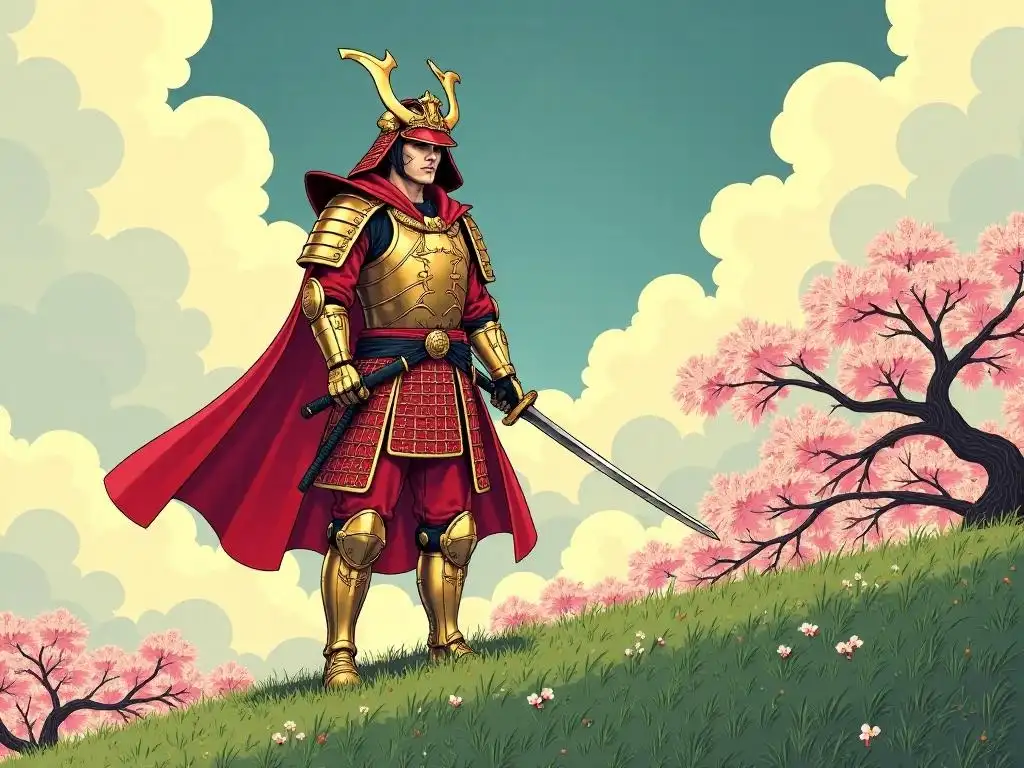
Welcome to Feudal Japan History, where we embark on an intriguing journey through the complex tapestry of Japan’s feudal era. In our featured article, "War and Peace: The Role of Daimyo in Japan's Feudal Conflicts," we unravel the profound influence of the daimyo—the powerful feudal lords who shaped the political landscape. What strategies did these leaders employ to navigate the turbulent waters of conflict and alliance?
Join us as we delve deeper into their role and discover how their decisions not only affected their domains but also forged the path of an entire nation. Prepare to explore a world where power, culture, and history intertwine!
The feudal era of Japan was a pivotal time characterized by a complex tapestry of power dynamics, warfare, and shifting allegiances. At the heart of this tumultuous landscape were the daimyo, powerful feudal lords who wielded significant influence over their domains and played crucial roles in both conflict and governance.
Understanding the Daimyo influence in feudal Japan not only sheds light on the political intricacies of the era but also reveals the cultural and societal implications of their leadership. This article aims to provide a comprehensive exploration of the daimyo's roles during various historical periods, examining how they shaped the course of Japanese history through their military engagements, political maneuvers, and economic strategies.
Introduction to Daimyo Influence in Feudal Japan
The term daimyo refers to the feudal lords who governed large territories in Japan from the 12th to the 19th centuries. These influential figures were not merely landowners; they were central players in Japan's political hierarchy, acting as both military leaders and local rulers. Their influence extended beyond governance to encompass cultural patronage and economic development, making them key actors in the fabric of feudal society. Understanding their role is essential for grasping the broader narrative of Japan's feudal conflicts and the transitions that led to the unification of the country.
Overview of the Feudal System in Japan
The Japanese feudal system was structured around a hierarchy that included the emperor, shogun, daimyo, samurai, and peasants. This system was characterized by:
- Loyalty and Vassalage: The daimyo swore allegiance to the shogun, while samurai pledged their loyalty to the daimyo.
- Land Ownership: Daimyo controlled vast tracts of land, which they governed through a network of loyal samurai.
- Military Obligations: In times of conflict, daimyo were responsible for raising and leading armies composed of samurai.
This intricate structure fostered a culture of loyalty and martial prowess, shaping the political landscape of feudal Japan.
Definition and Importance of Daimyo in the Political Landscape
The daimyo were critical figures in the evolution of Japan's political landscape. Their importance can be defined through several key aspects:
- Local Governance: They administered their domains, collected taxes, and maintained order, effectively functioning as regional rulers.
- Military Command: As commanders of samurai armies, they played vital roles in feudal conflicts, influencing the outcomes of numerous battles.
- Cultural Patronage: Many daimyo were also patrons of the arts and education, contributing to the cultural development of their regions.
The influence of the daimyo was profound, impacting not only military strategies but also the cultural and social fabric of their domains.
The Historical Context of Daimyo Power
To fully appreciate the influence of the daimyo, it is essential to examine the historical context of their power throughout different periods of feudal Japan.
The Rise of Daimyo During the Kamakura Period
The Kamakura Period (1185-1333) marked the emergence of the daimyo as significant political entities. During this time:
- Rise of the Samurai Class: The establishment of the Kamakura shogunate elevated the status of samurai, who became the primary military force for the daimyo.
- Land Grants: The shogunate granted land to loyal samurai, leading to the rise of powerful local lords who began to consolidate power in their respective regions.
This period laid the groundwork for the future dominance of the daimyo in Japanese politics.
The Role of Daimyo in the Muromachi Period
The Muromachi Period (1336-1573) witnessed further developments in daimyo influence, characterized by:
- Feudal Fragmentation: The weakening of the shogunate led to increased autonomy for the daimyo, resulting in regional conflicts.
- Political Alliances: Daimyo formed alliances through marriage and diplomacy, impacting the balance of power across Japan.
These dynamics highlighted the importance of strategic relationships among the daimyo as they contended for power and control.
The Impact of the Sengoku Period on Daimyo Influence
The Sengoku Period (1467-1603), often referred to as the "Warring States" period, marked a peak in daimyo influence due to:
- Intense Warfare: Continuous conflicts among daimyo led to significant military innovations and strategies.
- Unification Efforts: Prominent daimyo, such as Oda Nobunaga and Toyotomi Hideyoshi, sought to unify Japan, dramatically altering the political landscape.
During this volatile time, the daimyo's role as both military leaders and political strategists became increasingly pronounced, ultimately leading to the eventual unification of Japan under the Tokugawa shogunate.
The role of the daimyo in Japan's feudal conflicts was multifaceted and deeply intertwined with the historical developments of the era. Their influence not only shaped military outcomes but also laid the foundation for Japan's socio-political evolution.
The Political Dynamics Among Daimyo
The political landscape of feudal Japan was characterized by a complex web of power dynamics among the daimyo—feudal lords who wielded significant influence and control over their territories. These relationships were often marked by shifting alliances, rivalries, and a constant struggle for dominance. Power was not solely determined by land or military strength; instead, the interrelations between daimyo greatly shaped the socio-political climate of the time.
The daimyo were pivotal figures in the governance of Japan's provinces, acting as both military leaders and local rulers. Their influence extended beyond mere territorial control; they were integral to the political machinations of the time. The balance of power among daimyo was constantly in flux, influenced by factors such as military successes, economic prosperity, and strategic marriages. Understanding these dynamics is crucial to comprehending the broader picture of feudal Japan's history and the role of the daimyo within it.
Alliances and Rivalries: The Politics of Daimyo
Alliances among daimyo were often forged to strengthen military capabilities and consolidate power against common enemies. These alliances could be temporary or long-lasting, depending on the political landscape and the ambitions of the involved parties. The shifting nature of these alliances meant that loyalty was often uncertain and could change based on circumstances, such as a daimyo's military success or failure.
Rivalries were equally significant. Many daimyo sought to expand their domains at the expense of neighboring lords, leading to conflicts that could escalate into large-scale battles. The competition for resources, land, and prestige often resulted in feuds that would last generations. For instance, the rivalry between the Takeda and Uesugi clans during the 16th century exemplifies how personal grudges and political ambitions could intertwine, influencing the broader conflicts of the Sengoku period.
The Role of Marriage and Diplomacy in Strengthening Daimyo Power
Marriage alliances were a crucial strategy for the daimyo, serving both political and social purposes. By marrying into other powerful families, a daimyo could secure vital alliances, gain support, and enhance their legitimacy. These unions often helped in quelling potential conflicts and fostering cooperation among rival factions.
Diplomatic efforts were equally important. Daimyo employed skilled negotiators to broker deals, secure peace treaties, and establish trade agreements. These diplomatic maneuvers allowed them to strengthen their positions without direct military confrontation. The intricate dance of marriage and diplomacy underscored the importance of strategic relationships in maintaining power and stability within the feudal system.
Key Daimyo Figures and Their Influence on Feudal Japan
Several key figures emerged during Japan's feudal era, significantly shaping its history through their actions and decisions. One of the most notable was Oda Nobunaga, whose innovative military strategies and ruthless ambition led to the unification of a fractured Japan in the late 16th century. His approach to governance and warfare redefined the role of the daimyo and laid the groundwork for future leaders.
Another influential daimyo was Toyotomi Hideyoshi, Nobunaga's subordinate, who completed the unification process and implemented significant social reforms. Hideyoshi's policies, including the land survey and the involvement of the samurai class in governance, further solidified the power and influence of the daimyo.
Lastly, Tokugawa Ieyasu established the Tokugawa Shogunate, marking the beginning of the Edo period. His adept political maneuvering and consolidation of power among daimyo created a lasting structure that maintained relative peace for over two centuries. The legacy of these key figures illustrates the profound impact of individual daimyo on the course of Japan’s feudal history.
Military Role of Daimyo in Feudal Conflicts
The military role of the daimyo was paramount in the context of feudal Japan, where armed conflict and territorial disputes were commonplace. The daimyo were not just rulers; they were military leaders responsible for the defense of their domains and the projection of power. Their ability to command armies and engage in warfare was critical to their survival and success.
Daimyo often maintained large retinues of samurai, the warrior class that served as their military backbone. The loyalty of these samurai was not merely a matter of feudal obligation; it was deeply tied to personal honor, loyalty, and the promise of rewards for valor in battle.
The Samurai: Warriors of the Daimyo
The samurai were the elite warriors of feudal Japan, serving the daimyo with unwavering loyalty. Trained from a young age in the arts of combat, philosophy, and bushido (the way of the warrior), samurai were not only fighters but also held cultural significance as protectors of their lord's honor and reputation.
Each daimyo had their own samurai retinue, varying in size and capability, which they relied upon during conflicts. The relationship between a daimyo and their samurai was characterized by a code of loyalty and respect; samurai were expected to serve their daimyo faithfully, often placing their lives at risk in battle. This bond was crucial to the success of many military campaigns and the maintenance of the daimyo's power.
Strategies Employed by Daimyo in Warfare
Daimyo employed a variety of strategies in warfare, adapting to the changing dynamics of conflict throughout the feudal era. One of the most effective strategies was the use of terrain to their advantage, often utilizing the geography of their domains to fortify positions and ambush enemies.
Additionally, daimyo developed innovative tactics, such as the coordinated use of infantry and cavalry to execute flanking maneuvers. The integration of firearms in the late 16th century also marked a significant shift in warfare, with daimyo like Oda Nobunaga famously employing gunpowder weapons to great effect.
Logistics played a critical role as well; successful daimyo often ensured their armies were well-supplied, which was vital for maintaining morale and combat effectiveness. Overall, the strategic acumen of the daimyo in warfare significantly influenced the outcomes of conflicts and the territorial landscape of feudal Japan.
Notable Battles Involving Daimyo and Their Armies
Several notable battles during the feudal era highlight the military prowess and influence of the daimyo. The Battle of Okehazama in 1560 showcased Oda Nobunaga's tactical brilliance, where his forces achieved a surprising victory against a much larger army led by Imagawa Yoshimoto.
Another significant conflict was the Battle of Sekigahara in 1600, which marked the decisive turning point in the struggle for power among the daimyo. Tokugawa Ieyasu's victory solidified his control over Japan and led to the establishment of the Tokugawa Shogunate, fundamentally altering the political landscape.
Additionally, the Siege of Osaka in the early 17th century demonstrated the strategic importance of fortifications and siege warfare. The conflict between Tokugawa Ieyasu and Toyotomi Hideyori illustrated the intense rivalries among the daimyo and the lengths to which they would go to secure power. These battles not only exemplified the military capabilities of the daimyo but also their lasting impact on Japan’s historical trajectory.
Cultural Influence of Daimyo in Feudal Japan

The daimyo, as powerful feudal lords, played a crucial role in shaping the cultural landscape of Japan during the feudal era. Their influence extended beyond mere military and economic control, reaching into the realms of art, literature, and social practices. With their wealth and resources, daimyo became significant patrons of culture, supporting various artistic endeavors that have left a lasting imprint on Japanese heritage.
Daimyo often hosted elaborate courts where the arts flourished. This patronage led to the development of distinctive styles in painting, poetry, and theater, reflecting the unique identities of different clans. The cultural practices encouraged by the daimyo included the tea ceremony, Noh theater, and ink painting, which not only served as entertainment but also reinforced the values and philosophies of the time, such as Zen Buddhism and the samurai code of conduct.
Patronage of Arts and Culture by Daimyo
The patronage of the arts by daimyo was a significant aspect of their influence and legacy. Many daimyo commissioned skilled artisans to create works that showcased their power and sophistication. For example, the famous tea master Sen no Rikyū was supported by various daimyo, which led to the popularization of the tea ceremony as a refined cultural practice.
Moreover, the daimyo funded the construction of temples, shrines, and castles adorned with intricate art and architecture, which not only served functional purposes but also became symbols of their prestige. The architectural styles developed during this period, characterized by elegance and attention to detail, are still celebrated today.
The Impact of Daimyo on Local Governance and Society
Daimyo had a profound impact on local governance and society in feudal Japan. Each daimyo governed their domain with a degree of autonomy, implementing laws and policies that reflected their interests and those of their samurai retainers. This decentralized system allowed for diverse local customs and practices to flourish, contributing to the rich tapestry of regional cultures across Japan.
The relationship between the daimyo and their vassals was defined by loyalty and service, influencing social hierarchies and community structures. Daimyo often organized agricultural production and trade within their territories, establishing systems that benefited both the economy and the local populace. This dual role as both ruler and community leader solidified their position as central figures in the social fabric of feudal Japan.
The Legacy of Daimyo in Japanese Cultural Heritage
The legacy of the daimyo in Japanese cultural heritage is enduring and multifaceted. Their contributions to art and governance have been preserved in historical texts, museums, and cultural practices that continue to resonate in modern Japan. Festivals, rituals, and traditional crafts often trace their origins back to the patronage and influence of various daimyo.
Additionally, the historical narratives surrounding the daimyo, including tales of valor, loyalty, and conflict, have become integral to Japanese literature and cinema. The romanticized image of the daimyo and samurai has shaped national identity and cultural pride, contributing to the ongoing fascination with this period of history.
The Decline of Daimyo Power
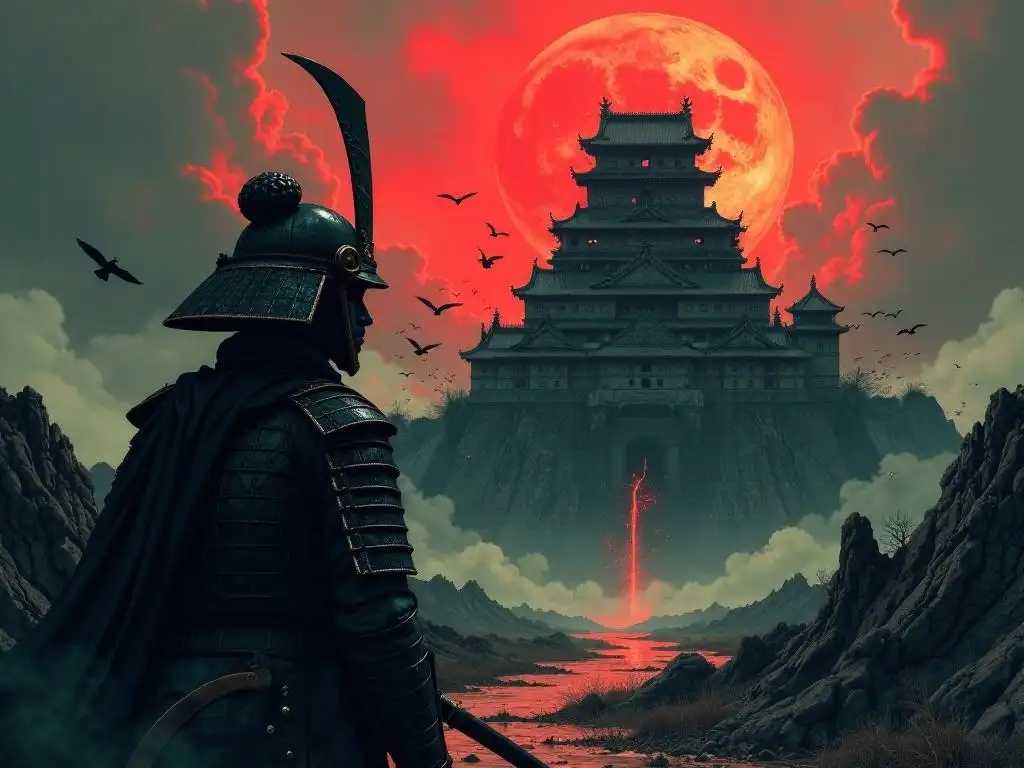
The decline of daimyo power marked a significant transition in Japanese history, as centralized authority began to overshadow feudal autonomy. This shift was influenced by various factors, including political, economic, and social changes that redefined the structure of governance in Japan.
Factors Leading to the Decline of Daimyo Influence
Several key factors contributed to the decline of daimyo influence. The rise of the centralized Tokugawa shogunate in the early 17th century significantly altered the power dynamics in Japan. The shogunate implemented policies that diminished the autonomy of the daimyo, such as the requirement for alternate attendance (sankin-kōtai), which forced them to spend time in Edo (modern Tokyo) and weakened their local power bases.
Additionally, the introduction of new economic practices and trade networks, along with the increasing influence of merchants, shifted the focus from land-based wealth to commercial prosperity. This economic transition undermined the traditional power structures that the daimyo had relied upon.
The Role of the Tokugawa Shogunate in Restructuring Power
The Tokugawa shogunate played a pivotal role in restructuring power in feudal Japan, effectively curbing the influence of the daimyo. By establishing a rigid class system and enforcing strict regulations, the shogunate sought to maintain peace and order throughout the country. The daimyo were compelled to adhere to these regulations, which centralized authority and reduced their capacity for independent governance.
Furthermore, the shogunate's policies encouraged the development of a national culture that transcended regional influences, fostering a sense of unity among the diverse domains. This shift towards a more cohesive societal structure diminished the daimyo's role as local rulers and cultural patrons.
The Meiji Restoration and Its Impact on Daimyo
The Meiji Restoration in 1868 marked the definitive end of the daimyo's power and the feudal system in Japan. This period of rapid modernization and reform led to the abolition of the han (domains) and the establishment of a centralized government. The former daimyo were stripped of their titles and privileges, and many were integrated into the new political structure as governors and bureaucrats.
The impact of the Meiji Restoration on the daimyo was profound; they had to adapt to a rapidly changing society that emphasized nationalism and modernization. While their traditional influence waned, the cultural and historical legacies they left behind continued to be celebrated and studied, forming an essential part of Japan's journey into the modern era.
Conclusion: The Lasting Impact of Daimyo on Japan's Political History
The influence of the daimyo in feudal Japan is a pivotal aspect of the country’s political history, shaping not only the structure of governance but also the cultural and social landscapes of the era. The daimyo, as powerful feudal lords, played a critical role in both war and peace, often acting as key players in the political dynamics that defined Japan from the 12th to the 19th centuries. Their ability to gather loyal samurai, manage vast territories, and engage in intricate alliances and rivalries significantly impacted the flow of power in Japan.
The legacy of the daimyo can be seen in the subsequent modernization of Japan during the Meiji Restoration, as many of their domains were transformed into modern prefectures. This historical evolution laid the groundwork for the centralized government of contemporary Japan, demonstrating how the actions and decisions of these feudal lords have echoed through the ages, influencing modern political structures.
Summary of Key Points on Daimyo Influence in Feudal Japan
- Feudal Structure: Daimyo were central to the feudal hierarchy, serving as intermediaries between the emperor and the common people, which established a clear social order.
- Military Power: They commanded armies of samurai, which allowed them to engage in territorial expansion and defend against rivals, illustrating their military significance.
- Political Alliances: The formation of alliances among daimyo was crucial in shaping political landscapes, often leading to conflicts that defined periods of Japanese history, such as the Sengoku period.
- Cultural Patronage: Daimyo influenced cultural development through patronage of the arts and religion, fostering a rich cultural heritage that persists today.
- Economic Control: Their control over agricultural production and trade routes allowed them to accumulate wealth and power, further entrenching their status within society.
Reflection on the Evolution of Power Dynamics in Japan
The evolution of power dynamics in Japan during the feudal era reflects a complex interplay between the daimyo, the samurai, and the central authority of the emperor. Initially, the emperor held significant power, but as regional lords gained military and economic strength, the balance shifted. The rise of the daimyo marked a transition from imperial rule to a decentralized feudal system, where local lords exerted control over their domains.
As conflicts escalated among the daimyo, especially during the Sengoku period, the need for unity and strategic alliances became evident. This led to the eventual rise of powerful figures like Oda Nobunaga and Toyotomi Hideyoshi, who sought to unify Japan under their rule. The Tokugawa shogunate ultimately established a more centralized government, but the historical influence of the daimyo persisted, as their practices and territorial divisions set the stage for modern governance in Japan.
References and Suggested Reading on Daimyo and Feudal Japan
Recommended Books and Articles
- "The Making of Modern Japan" by Marius B. Jansen: This comprehensive work details the transition from feudal Japan to modernity, with significant focus on the role of the daimyo.
- "Daimyo: The Japanese Feudal Lords" by David C. Gordon: An insightful exploration of the lives and influences of the daimyo, providing a deep understanding of their societal roles.
- "The Samurai and the Sacred" by Rachael Hanel: This book examines the relationship between samurai culture and the daimyo, emphasizing their intertwined destinies.
Academic Journals and Resources
- The Journal of Japanese Studies: A peer-reviewed journal that publishes articles on various aspects of Japanese history and culture, including studies on feudalism and the role of daimyo.
- Monumenta Nipponica: This journal features scholarly articles on Japanese history and society, often including discussions on the political influence of the daimyo.
- The Association for Asian Studies: This organization provides access to various resources and academic papers that cover topics related to Japanese feudal history and the daimyo's impact.
- Introduction to Daimyo Influence in Feudal Japan
- The Historical Context of Daimyo Power
- The Political Dynamics Among Daimyo
- Military Role of Daimyo in Feudal Conflicts
- Cultural Influence of Daimyo in Feudal Japan
- Patronage of Arts and Culture by Daimyo
- The Impact of Daimyo on Local Governance and Society
- The Legacy of Daimyo in Japanese Cultural Heritage
- The Decline of Daimyo Power
- Factors Leading to the Decline of Daimyo Influence
- The Role of the Tokugawa Shogunate in Restructuring Power
- The Meiji Restoration and Its Impact on Daimyo
- Conclusion: The Lasting Impact of Daimyo on Japan's Political History
- References and Suggested Reading on Daimyo and Feudal Japan
Frequently Asked Questions
What was the role of the Daimyo in feudal Japan?
The Daimyo were powerful feudal lords who governed large areas of land and held significant military and economic power, making them central figures in Japan's feudal conflicts.
How did Daimyo influence the political landscape of Japan?
Daimyo played a crucial role in shaping Japan’s political landscape by forming alliances and engaging in battles, which often determined the balance of power among rival clans during the feudal era.
What were the primary responsibilities of a Daimyo?
The primary responsibilities of a Daimyo included managing their territories, collecting taxes, maintaining order, and leading their samurai in military campaigns, which were essential for stability and control.
How did the Daimyo contribute to cultural developments in feudal Japan?
The Daimyo were patrons of the arts and education, fostering cultural developments such as tea ceremonies, Noh theater, and traditional crafts, which enriched Japanese culture during the feudal period.
What led to the decline of Daimyo power in Japan?
The decline of Daimyo power was largely due to the unification of Japan under the Tokugawa shogunate, which centralized authority and diminished the feudal lords' influence over their domains.
Final Reflection: The Enduring Legacy of Daimyo Influence in Feudal Japan
The intricate dynamics of power and conflict shaped by the daimyo in feudal Japan remain profoundly relevant today. As we navigate our own complex social and political landscapes, understanding the historical roles of these feudal lords illuminates the ways in which leadership, loyalty, and conflict resolution continue to influence modern governance and societal structures. The lessons drawn from their strategies and relationships can inspire contemporary leaders to foster unity and peace in an increasingly fragmented world.
Culture and society are often reflections of their historical contexts, and the impact of the daimyo extends far beyond the borders of their time. Their influence can be seen in Japan's rich tapestry of tradition, art, and governance, which still resonates today. As historian John W. Hall once said, The past is not dead; it is not even past.
This quote encapsulates the idea that the legacies of the daimyo and their feudal conflicts are woven into the very fabric of Japanese identity, reminding us that history is a living narrative that shapes our present and future.
As you reflect on the lessons of the daimyo's influence in feudal Japan, consider how these insights can be applied in your own life. What can you learn from their strategies of negotiation and alliance-building? Embrace the opportunity to cultivate understanding and collaboration in your community, drawing inspiration from the past to create a more harmonious future. The echoes of history call us to act with purpose and intention, reminding us that every individual has the power to influence the course of events in their own sphere.
Explore the Legacy of the Daimyo and Shape the Future of Historical Understanding!
Thank you for taking the time to dive into the intricate world of Japan's feudal conflicts and the pivotal role of the daimyo! Your interest is vital in preserving and appreciating this fascinating history. Now, let’s turn that curiosity into action!
Here are some engaging ways to deepen your connection to this topic:
- Join a local history group or participate in online forums to discuss the daimyo's influence on Japan's past and share your insights with fellow enthusiasts.
- Visit a museum that features samurai artifacts or exhibits on Japan's feudal era to experience this history firsthand.
- Create a blog post or engage in social media discussions to share what fascinates you most about the daimyo—your unique perspective could spark exciting conversations!
What aspect of the daimyo's role captivates you the most, and how do you think it influences Japan's cultural identity today?