
Artifacts of Trade: Rare Finds from Japan’s Exchanges with Korea and China

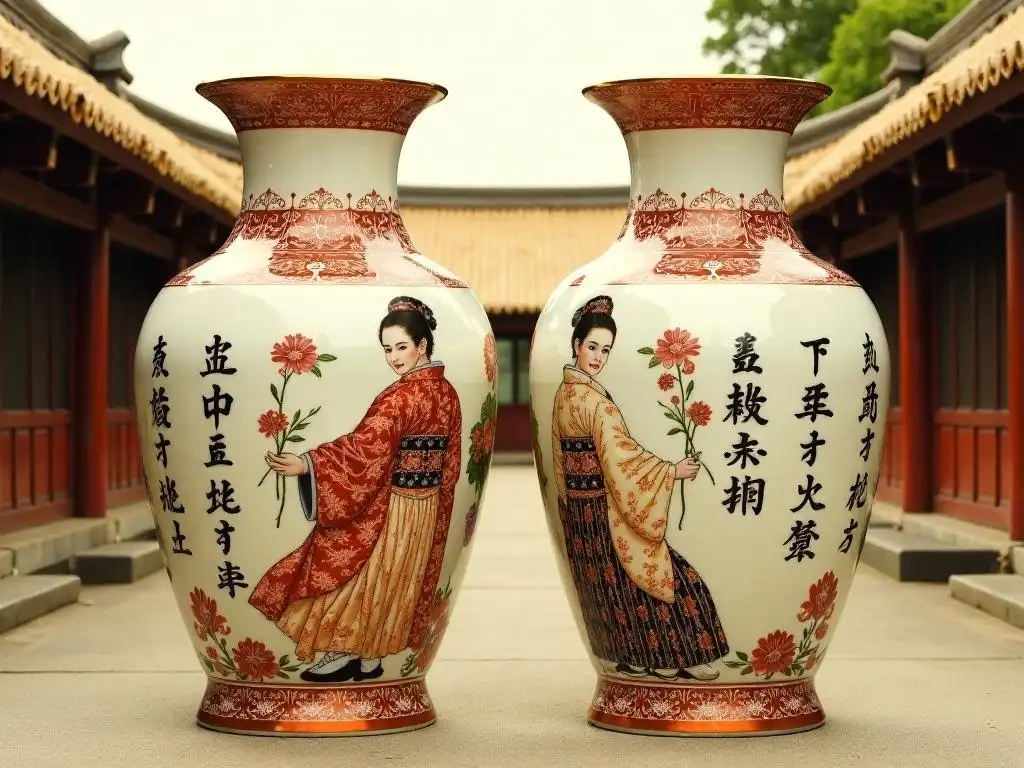
Welcome to Feudal Japan History, where we embark on a captivating journey through the rich tapestry of Japan's feudal era. In this enlightening space, we delve into the intricate historical, cultural, and societal threads that define this remarkable period. Today, we invite you to explore our featured article, "Artifacts of Trade: Rare Finds from Japan’s Exchanges with Korea and China," which unveils the fascinating history of Japanese trade artifacts.
What secrets do these rare finds hold about the relationships between nations? Prepare to be intrigued, as we uncover the stories behind these artifacts and their impact on Japan’s foreign relations. Let your curiosity guide you deeper into the world of feudal Japan!
Introduction to Japanese Trade Artifacts History
The history of Japanese trade artifacts is a fascinating window into the complex interactions that shaped Japan's feudal era, particularly through its exchanges with neighboring Korea and China. This period, marked by significant cultural and economic developments, saw an influx of goods, ideas, and technologies that profoundly influenced Japanese society. By examining these artifacts, we gain valuable insights into not only the material culture of the time but also the broader implications of trade on Japan's identity and relations with its continental neighbors.
In this article, we will explore the rich tapestry of Japanese trade artifacts, uncovering rare finds that tell the story of Japan’s exchanges with Korea and China. Through a detailed analysis of historical contexts, significant events, and the artifacts themselves, we aim to illuminate the intricate web of trade relations that defined this era.
Overview of Trade Relations in Feudal Japan
Trade relations during the feudal period of Japan were characterized by a dynamic exchange of goods and cultural practices, primarily influenced by the geographical proximity to Korea and China. The trade routes established during this time facilitated not just the exchange of commodities but also the flow of ideas, technologies, and artistic influences.
- Key Commodities Traded:
- Silk: Highly valued in Japan, silk from China became a symbol of status and luxury.
- Ceramics: Korean pottery, especially celadon, was sought after for its beauty and craftsmanship.
- Metalwork: Tools and weapons made from advanced metallurgical techniques were imported from both Korea and China.
These exchanges were not just economic; they were integral to the evolution of Japanese culture, influencing everything from aesthetics to social structures.
Importance of Artifacts in Understanding Cultural Exchange
Artifacts serve as tangible links to the past, offering invaluable insights into the cultural exchanges that occurred during the feudal era. They provide evidence of trade routes, social interactions, and the adaptations that took place as Japan engaged with its neighbors.
- Cultural Significance of Artifacts:
- They reveal the aesthetic values of the time, showcasing how external influences were assimilated into Japanese culture.
- They highlight the technological advancements introduced through trade, such as new agricultural tools and techniques.
- They reflect the social hierarchies and economic statuses of different regions within Japan based on the access to foreign goods.
By studying these artifacts, historians and archaeologists can reconstruct the narratives of cultural exchange, illustrating how trade shaped Japanese society in profound and lasting ways.
Historical Context of Trade with Korea and China
Understanding the historical context of trade with Korea and China requires an examination of the social, political, and economic landscapes of feudal Japan. This section will outline the significant factors that contributed to the flourishing trade relations during this era.
The Rise of Feudal Japan and External Trade
The rise of feudal Japan, particularly from the late 12th century onwards, was marked by the establishment of powerful clans and the emergence of a warrior elite. As these clans vied for power, their need for resources and alliances drove them to engage in trade with neighboring countries.
- Factors Influencing Trade:
- Political Alliances: Strategic marriages and alliances often opened trade routes.
- Military Needs: The demand for weapons and armor led to increased interactions with Korean and Chinese artisans.
- Cultural Exchange: The introduction of Buddhism and Confucianism from China enriched Japanese culture and facilitated trade relations.
The economic stability brought about by these trades allowed for the consolidation of power among the feudal lords, further entrenching the importance of external trade in Japan’s development.
Key Historical Events Influencing Trade Relations
Several pivotal events significantly influenced the trade relations between Japan, Korea, and China throughout the feudal era. These events not only shaped the dynamics of trade but also altered cultural exchanges and interactions.
- Notable Events Include:
- The Mongol Invasions: In the late 13th century, the failed invasions by the Mongol Empire impacted trade routes and relations.
- The Ashikaga Shogunate: Established in the 14th century, it fostered relationships with China through the Nanban trade.
- The Arrival of European Traders: In the 16th century, European contact brought new goods and ideas, further complicating trade dynamics.
Each of these events contributed to the evolving relationships and the flow of trade artifacts, which were often reflective of the socio-political climate of the time.
Comparison of Trade Practices Between Japan, Korea, and China
To fully appreciate the nature of trade in the feudal era, it is essential to compare the distinct practices and cultural implications of trade between Japan, Korea, and China. Each nation had its unique approach to trade, influenced by their respective cultures and economies.
- Trade Practices:
- Japan: Focused on the importation of luxury goods and technologies, while exporting unique products like swords and textiles.
- Korea: Acted as a conduit for Chinese goods to reach Japan, heavily influencing Japanese pottery and metallurgy.
- China: Dominated the trade network, exporting luxury items while importing raw materials and unique Japanese goods.
This comparative analysis highlights the interconnectedness of these nations and the significance of trade artifacts as reflections of cultural interchange and economic relationships during Japan's feudal period.
Types of Japanese Trade Artifacts
Japanese trade artifacts are diverse and provide significant insights into the historical exchanges between Japan and its neighboring countries, particularly Korea and China. These artifacts encompass various categories, each reflecting unique cultural influences and technological advancements that arose through trade. The most prominent types of trade artifacts include ceramics and pottery, textiles and clothing, metalwork and tools, and art and literature. Each category serves as a testament to Japan's adaptation and integration of foreign elements into its own culture, showcasing the dynamic interactions that shaped the nation throughout its feudal era.
Ceramics and Pottery: A Reflection of Cultural Influence
Ceramics and pottery represent one of the most significant aspects of trade artifacts, showcasing the intricate relationship between Japan and its trading partners. The introduction of Chinese celadon and Korean stoneware during the Heian and Kamakura periods profoundly influenced Japanese pottery styles. Japanese artisans began to adopt and adapt these techniques, leading to the creation of unique forms such as Raku and Imari ware.
The decorative elements found in these ceramics often feature motifs borrowed from nature and mythology, illustrating a blend of indigenous and foreign artistic traditions. For instance, the use of blue-and-white porcelain, which was popularized through trade with China, became a staple in Japanese households and reflects the aesthetic preferences of the time. The evolution of these ceramics not only highlights the artistic exchange but also sheds light on the social practices surrounding dining and ceremonial rituals in feudal Japan.
Textiles and Clothing: Trade in Fabrics and Fashion
The trade in textiles and clothing produced a notable impact on Japanese fashion, especially during the Edo period. Silk, a luxury fabric primarily sourced from China and Korea, became increasingly popular among the Japanese elite. The intricate designs and vibrant colors of imported textiles influenced local weaving techniques, resulting in the development of distinctive styles such as Nishijin-ori from Kyoto.
Additionally, the introduction of cotton fabrics from Korea revolutionized Japanese clothing, making it more accessible to the broader population. The combination of imported fabrics with native designs led to the emergence of unique garments, such as the kimono, which became a symbol of Japanese identity. As trade flourished, so did the exchange of fashion ideas, which not only transformed personal attire but also reflected broader societal changes regarding class and status.
Metalwork and Tools: The Craftsmanship of Japanese Artifacts
Metalwork and tools form another critical category of Japanese trade artifacts, showcasing the technological advancements brought about by interactions with Korea and China. The introduction of advanced metalworking techniques, such as bronze casting and iron smelting, greatly influenced Japanese craftsmanship. Artisans began to produce a variety of tools, weapons, and decorative items that demonstrated both functionality and artistry.
Notably, the production of samurai swords, or katana, benefited immensely from these techniques. The fusion of foreign and local methods led to the development of unique sword-making practices, producing blades renowned for their quality and sharpness. Furthermore, metal artifacts like coins, jewelry, and ceremonial objects reveal the economic exchange and cultural significance attached to these items, further emphasizing the importance of trade in shaping Japan's material culture.
Art and Literature: Cultural Exchange Through Creative Works
The realm of art and literature served as a powerful medium for cultural exchange during Japan's trade relations with Korea and China. The introduction of Chinese literary styles and philosophies significantly impacted Japanese literature, leading to the adoption of new poetic forms and narrative techniques. Works such as "The Tale of Genji" were influenced by Chinese aesthetics and themes, showcasing a blend of cultural sensibilities.
In visual arts, Japanese painters were inspired by Chinese landscape painting and Korean calligraphy, resulting in a distinctive fusion of styles that characterized the Edo period. The production of ukiyo-e woodblock prints, which often depicted scenes of daily life and nature, reflects the artistic exchange that occurred through trade. These creative works not only illustrate the influence of foreign cultures but also serve as a testament to Japan's ability to reinterpret and innovate upon these ideas, enriching its own cultural landscape.
Notable Japanese Trade Artifacts from Korea
Unique Items and Their Significance
Among the notable Japanese trade artifacts from Korea, several unique items stand out due to their significance and cultural impact. One such item is the celadon pottery, which was highly valued for its exquisite glaze and intricate designs. This type of pottery was not only functional but also served as a status symbol among the Japanese elite.
Another remarkable artifact is the silk textiles imported from Korea, which were often used in ceremonial garments and indicated social hierarchy. Additionally, Korean brassware, known for its durability and intricate craftsmanship, became popular in Japanese households, reflecting the appreciation for foreign artistry in daily life.
Case Studies of Rare Finds from Korea
Several case studies highlight the importance of Japanese trade artifacts from Korea. One prominent example is the discovery of a collection of celadon pieces in a burial site in Japan, dating back to the Kamakura period. These artifacts reveal not only the trade routes established by Japanese merchants but also the cultural significance attributed to these items in burial practices.
Another case involves the unearthed silk garments from the Edo period, which showcase the influence of Korean weaving techniques on Japanese fashion. These garments provide valuable insights into the social dynamics and aesthetic preferences of the time, illustrating how trade shaped everyday life in Japan.
Analysis of Cultural Exchange Reflected in Artifacts
The analysis of cultural exchange reflected in artifacts reveals a complex interplay between Japan, Korea, and China. The assimilation of foreign techniques and styles into Japanese craftsmanship demonstrates a process of selective adaptation, where Japanese artisans preserved their cultural identity while embracing new influences.
Artifacts such as pottery, textiles, and metalwork serve as tangible evidence of this exchange, illustrating how Japan was not merely a passive recipient of foreign goods but an active participant in a dynamic cultural dialogue. This cultural exchange facilitated the emergence of a unique Japanese identity that incorporated elements from its trading partners, ultimately enriching the nation's historical narrative and artistic heritage.
Notable Japanese Trade Artifacts from China
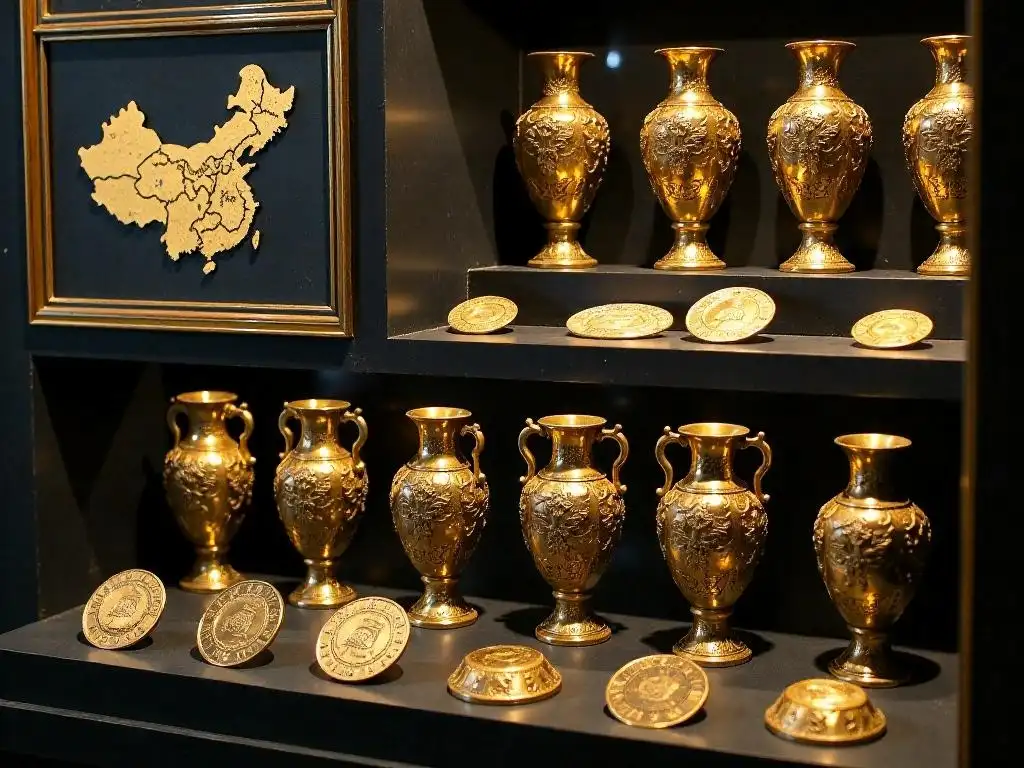
Japan's trade with China during the feudal era produced a wealth of artifacts that not only showcase the artistic craftsmanship of the time but also offer insights into the cultural exchanges that influenced Japanese society. Artifacts such as ceramics, textiles, and metalworks reveal the intricate connections between Japan and China, reflecting the adoption and adaptation of Chinese styles and technologies.
Distinct Artifacts and Their Historical Impact
Among the most notable artifacts traded from China to Japan are blue-and-white porcelain, silk textiles, and various metal objects. The introduction of Chinese ceramics, especially during the Ming dynasty, revolutionized Japanese pottery. The quality and aesthetic appeal of these porcelain pieces significantly influenced local artisans, leading to the development of unique Japanese styles such as Imari and Arita ware.
Silk, a highly sought-after commodity, transformed Japanese clothing and textile production. The luxurious texture and vibrant colors of Chinese silk created a standard for elegance in Japanese fashion. This trade not only enriched the material culture of Japan but also facilitated the spread of Chinese artistic techniques, which were integrated into traditional Japanese crafts.
Case Studies of Rare Finds from China
Several rare finds illustrate the profound impact of Chinese trade on Japanese culture:
- The Kinkaku-ji (Golden Pavilion): Originally constructed in the 14th century, this temple showcases architectural elements influenced by Chinese designs. Artifacts found within its grounds, including ceramics and art pieces, highlight the amalgamation of Chinese aesthetics in Japanese religious sites.
- The Shosoin Repository: This treasure house at Todai-ji Temple holds numerous artifacts from the Nara period, including rare Chinese silk garments and pottery. These items are crucial for understanding the sophisticated level of trade relations and the cultural exchanges between China and Japan.
- Chinese Bronze Mirrors: These artifacts, used for both practical and ceremonial purposes, were imported from China and became symbols of power and status among the Japanese elite. Their intricate designs often carried inscriptions that reflect the philosophical and spiritual beliefs of the time.
Influence of Chinese Culture on Japanese Artifacts
The influence of Chinese culture on Japanese artifacts extends beyond mere aesthetics. The adoption of Chinese calligraphy, painting techniques, and philosophies led to a unique synthesis of artistic expression. The Rimpa school of painting, for instance, drew heavily from Chinese landscape painting, integrating its principles while infusing a distinctly Japanese sensibility.
Moreover, the spread of Confucianism and Buddhism through these trade routes shaped societal values and artistic themes depicted in various artifacts. This cultural exchange fostered a sense of identity that intertwined with the broader currents of East Asian civilization, allowing Japan to carve out its own distinct cultural narrative while still acknowledging its Chinese heritage.
The Role of Trade Artifacts in Understanding Feudal Society
Trade artifacts serve as crucial historical documents that reveal the socio-economic dynamics of feudal Japan. They provide tangible evidence of the interactions between different cultures and the global networks in which Japan was integrated during the feudal period.
Social Implications of Trade Artifacts in Japan
The presence of trade artifacts in Japanese society underscores the class distinctions and social structures of the time. Items such as luxurious silk garments and intricate ceramics were often reserved for the nobility and wealthy merchants, reflecting their status in society. Conversely, everyday utilitarian objects, while less ornate, tell stories of the lives of common people and their access to foreign goods.
Moreover, trade artifacts often served as symbols of political power and cultural sophistication. The ability of a feudal lord to procure rare items from China or Korea could enhance their prestige and influence, highlighting the social stratifications that existed within feudal Japan.
Economic Impact of Trade with Korea and China
The economic impact of trade with Korea and China on Japan was profound. The influx of goods such as silver, textiles, and ceramics facilitated the growth of a vibrant marketplace, transforming local economies. Trade routes established during this period laid the groundwork for economic networks that would continue to evolve over centuries.
Additionally, the demand for Chinese goods stimulated domestic production, leading to innovations in Japanese crafts. The rivalry for access to these coveted artifacts often spurred diplomatic relations, leading to treaties and agreements that shaped Japan's foreign policy during the feudal era.
Cultural Identity and Heritage Through Artifacts
Trade artifacts are not merely historical objects; they embody the cultural identity and heritage of Japan. Each artifact tells a story of the interactions that shaped Japanese society, from the adoption of foreign techniques to the creation of hybrid art forms. The preservation of these artifacts allows contemporary society to connect with its past, fostering a sense of belonging and continuity.
Furthermore, the study of these artifacts contributes to a broader understanding of how Japan interacted with its neighbors and navigated its place in the world. As such, they remain vital to the ongoing discourse surrounding cultural heritage and identity in modern Japan, serving as a reminder of the rich tapestry woven from centuries of trade and exchange.
Preservation and Study of Trade Artifacts
The preservation and study of trade artifacts from Japan’s exchanges with Korea and China are crucial in understanding the historical interactions that shaped Japanese culture and society. These artifacts—ranging from ceramics and textiles to tools and coins—provide tangible evidence of the trade networks that flourished during various periods of feudal Japan. Their careful conservation ensures that future generations can access and learn from these significant pieces of history.
Artifacts are often subjected to various environmental and human factors that can lead to deterioration. To mitigate these risks, specialized techniques in conservation are employed, such as controlled climate storage, chemical treatments, and restoration practices. Researchers and conservators work collaboratively to analyze these items, utilizing advanced technologies like X-ray fluorescence (XRF) and infrared spectroscopy to uncover details about their composition and origins.
Importance of Conservation Efforts for Japanese Trade Artifacts
Conservation efforts play a vital role in preserving the integrity of Japanese trade artifacts for several reasons:
- Cultural Heritage: These artifacts are essential components of Japan's cultural heritage, representing the intersections of trade, art, and daily life during historical exchanges with neighboring countries.
- Historical Insight: By conserving these items, researchers can glean insights into the socio-economic conditions of the time, the technologies used in manufacturing, and the cultural influences exchanged between Japan, Korea, and China.
- Educational Value: Well-preserved artifacts serve as educational tools, enabling museums and institutions to create informative exhibitions that engage the public and promote understanding of Japan's historical trade practices.
- Scientific Research: Ongoing preservation work allows for continual study and research, leading to new discoveries about trade routes, materials, and cross-cultural connections.
Museums and Institutions: Guardians of History
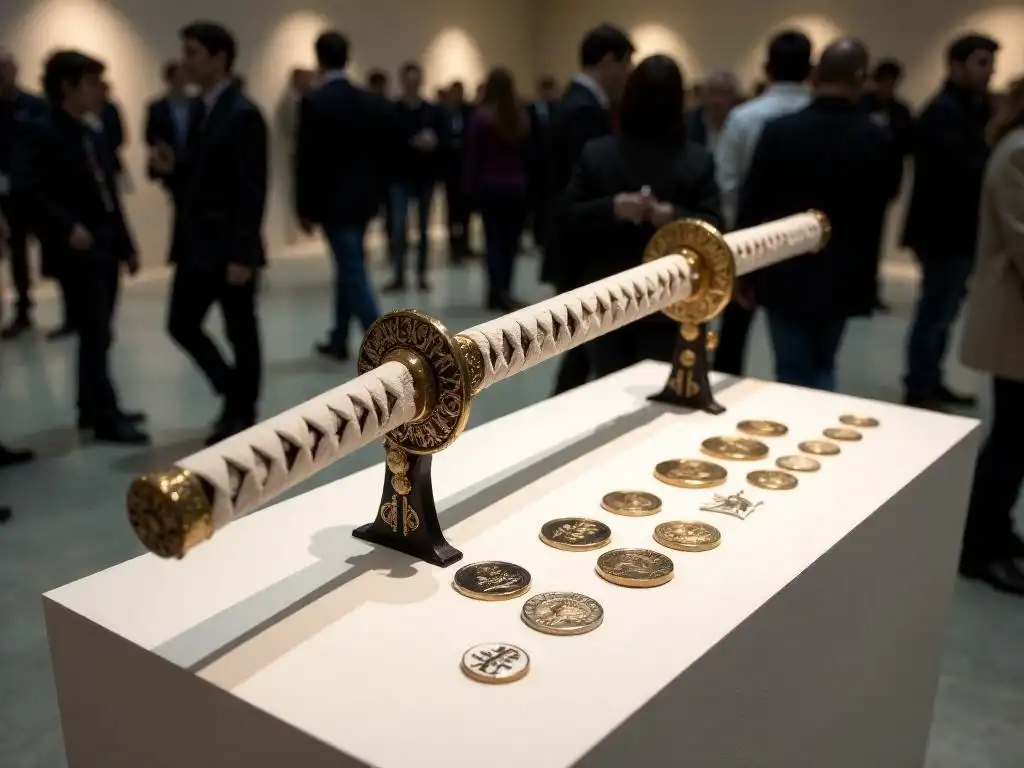
Museums and institutions are pivotal in safeguarding Japanese trade artifacts, acting as custodians of historical knowledge. Some of the most notable include:
- Tokyo National Museum: One of the largest museums in Japan, it houses a vast collection of artifacts, including those related to trade with Korea and China. Its commitment to research and public engagement makes it a leader in the field.
- Kyoto National Museum: Renowned for its focus on Japanese art and cultural exchanges, this institution plays a crucial role in preserving artifacts that illustrate Japan's trading history.
- The National Museum of Japanese History: With a collection that spans various epochs, this museum emphasizes the importance of historical context in understanding trade artifacts and their significance.
These institutions not only curate and display artifacts but also conduct research, organize educational programs, and collaborate with international scholars to enhance the understanding of Japan’s trade history.
Future Research Directions in Japanese Trade Artifacts History
The future of research on Japanese trade artifacts is promising, with several directions that scholars and institutions are likely to explore:
- Interdisciplinary Approaches: Combining archaeology, art history, and material science can yield more comprehensive insights into the artifacts' origins and craftsmanship.
- Technological Advancements: Innovations in imaging and analytical techniques will allow for deeper investigations into the materials and manufacturing processes used in trade artifacts.
- Global Context: As scholars increasingly place Japan’s trade artifacts within a broader global narrative, research is likely to expand to include comparative studies with trade artifacts from other regions.
- Public Engagement and Digital Archives: The creation of digital platforms that facilitate access to artifacts and their histories can enhance public engagement and foster a greater appreciation for Japan's rich trading heritage.
Conclusion: The Legacy of Japanese Trade Artifacts
The legacy of Japanese trade artifacts is profound, serving as a bridge connecting past and present. These artifacts not only reflect the economic exchanges between Japan, Korea, and China but also encapsulate the cultural dialogues that occurred through trade.
Summarizing the Impact of Trade on Japanese Culture
Trade has significantly impacted Japanese culture, influencing art, technology, and societal norms. The exchange of goods and ideas fostered innovation and adaptation, leading to the development of unique Japanese styles in pottery, textiles, and other crafts. The integration of foreign elements into local practices has enriched Japan's cultural tapestry, demonstrating the dynamic nature of cultural identity shaped by trade.
Reflection on the Importance of Artifacts in Historical Study
Artifacts are invaluable in historical study, providing concrete evidence of past civilizations and their interactions. They serve as primary sources that help historians piece together narratives of economic, social, and cultural developments. The examination of trade artifacts allows researchers to explore not just the items themselves, but also the broader implications of trade networks on the evolution of societies. Thus, their preservation and study remain essential for a comprehensive understanding of Japan's place in history.
References and Further Reading
The study of Japanese trade artifacts, particularly those resulting from exchanges with Korea and China, offers a fascinating glimpse into the rich tapestry of historical interactions in East Asia. To deepen your understanding, here are some suggested resources that cover various aspects of trade artifacts, their historical significance, and their cultural implications.
Suggested Books and Articles on Japanese Trade Artifacts
-
"The Silk Roads: A New History of the World" by Peter Frankopan
This comprehensive book provides a broad historical context regarding trade routes, including those facilitating exchanges between Japan, Korea, and China, emphasizing the importance of these interactions in shaping civilizations.
-
"Japan and the Culture of the Four Seasons: Nature, Literature, and the Arts" by Haruo Shirane
While primarily focused on cultural aspects, this book delves into how trade with neighboring countries influenced Japanese artistic expression, showcasing artifacts that reflect this exchange.
-
"The Art of Japanese Trade Ceramics" by John H. H. Smith
This text focuses specifically on ceramics, a significant trade artifact, detailing how styles and techniques were exchanged and adapted over centuries.
-
"Korean Influence on Japanese Culture" by Michael C. K. Lee
This article explores the impact of Korean artifacts on Japanese society, including trade interactions that led to the adoption of various cultural elements.
-
"Treasures of the Dragon: Chinese Art and Culture in Japan" by Shizuko M. Kawai
This book highlights the exchange of art and culture between China and Japan, emphasizing artifacts that were traded and their lasting influence on Japanese culture.
Online Resources for Exploring Japanese Trade History
-
National Museum of Japanese History
The museum's website offers a plethora of resources on Japanese history, including sections dedicated to trade artifacts. Virtual exhibitions provide a detailed view of items exchanged with Korea and China.
-
The British Museum: Japan Collection
The British Museum hosts an extensive collection of Japanese artifacts, many of which were acquired through trade. Their online database allows for exploration of specific items, including descriptions and historical context.
-
Asia Society: Online Exhibits and Articles
This platform provides access to various articles and exhibits focused on Asian art and culture, highlighting the impact of trade on Japanese society and its artifacts.
-
Japan National Tourism Organization (JNTO) - History Section
The JNTO offers insights into Japan’s historical trade relationships, including sections dedicated to artifacts and their significance in Japanese culture.
-
Google Arts & Culture: Japanese Art and Culture
This resource allows users to explore various aspects of Japanese art and artifacts, including those stemming from trade with Korea and China, through interactive exhibits and detailed narratives.
By engaging with these books and online resources, readers can gain a deeper appreciation for the complexities of Japanese trade artifacts and their historical significance in the context of Japan's relationships with its neighbors.
- Introduction to Japanese Trade Artifacts History
- Historical Context of Trade with Korea and China
- Types of Japanese Trade Artifacts
- Notable Japanese Trade Artifacts from Korea
- Notable Japanese Trade Artifacts from China
- The Role of Trade Artifacts in Understanding Feudal Society
- Preservation and Study of Trade Artifacts
- Importance of Conservation Efforts for Japanese Trade Artifacts
- Museums and Institutions: Guardians of History
- Future Research Directions in Japanese Trade Artifacts History
- Conclusion: The Legacy of Japanese Trade Artifacts
- References and Further Reading
Frequently Asked Questions
What are Japanese trade artifacts?
Japanese trade artifacts refer to historical items and objects that were exchanged during trade with other countries, particularly Korea and China. These artifacts offer insights into cultural exchanges and the economic relationships of the time.
Why are trade artifacts important in understanding feudal Japan?
Trade artifacts are crucial for understanding feudal Japan as they reveal the economic practices, cultural influences, and social structures of the era. They highlight how Japan interacted with neighboring countries and adapted foreign influences.
How did trade with Korea and China affect Japanese culture?
Trade with Korea and China introduced various cultural elements, including art, technology, and religion. These exchanges significantly shaped Japanese identity and led to the development of unique artistic styles and cultural practices.
What types of artifacts have been discovered from Japanese trade?
Artifacts include ceramics, textiles, jewelry, and tools that were traded or influenced by Korean and Chinese craftsmanship. Each item tells a story about the trade routes and the cultural significance of the exchanges.
Where can I learn more about Japanese trade artifacts history?
To explore more about Japanese trade artifacts history, visit the comprehensive resources available on the "Feudal Japan History" website, featuring expert-driven articles that delve into the historical, cultural, and societal aspects of the feudal era.
Final Reflection: The Enduring Legacy of Japanese Trade Artifacts
The history of Japanese trade artifacts is not just a tale of commerce; it is a vibrant tapestry woven with cultural exchanges that continue to shape our understanding of identity and heritage. Today, as we navigate an increasingly interconnected world, the significance of these artifacts transcends their physical form, reminding us of the intricate relationships that have existed between nations and peoples. The stories embedded in these rare finds serve as a powerful testament to the shared human experience, urging us to appreciate the past while fostering connections in the present.
Cultural artifacts are more than mere objects; they are the echoes of our ancestors, guiding us through the complexities of modern society. The influence of Japanese trade artifacts from exchanges with Korea and China can be seen in contemporary art, fashion, and design, where traditional motifs and techniques are reinterpreted and celebrated. As historian John W. Hall once said, “History is not just about the past; it is about understanding the present.” This perspective invites us to recognize how the legacies of trade continue to inform our cultural narratives and inspire new forms of creativity.
As we reflect on the importance of Japanese trade artifacts, I encourage you to consider how these historical treasures can inspire your own journey. Take a moment to explore the stories behind the objects that surround you, whether they are heirlooms, art pieces, or everyday items. By engaging with the past, we can cultivate a deeper appreciation for the diverse influences that shape our lives and communities. Let us honor the legacy of trade by embracing the connections it fosters and committing to a future where cultural exchange thrives.
Explore the Treasures of Cultural Exchange!
Thank you for taking the time to delve into the fascinating world of Japan's rare artifacts and their rich history of trade with Korea and China. You're now equipped with insights that can deepen your appreciation of these unique cultural treasures!
Now, it's time to take action and explore this wonderful heritage further:
- Dive deeper: Visit a local museum or an online gallery that showcases East Asian artifacts to experience these treasures firsthand.
- Share your thoughts: Write a blog post or a social media update about your favorite artifact from Japan, Korea, or China, and reflect on its significance to you.
- Join the conversation: Connect with fellow history enthusiasts in online forums or local groups. Share insights from this article and learn about their experiences and discoveries!
Which artifact from Japan's trading history resonates with you the most, and why do you believe it holds significance in today's context?