
Japan’s Perception of the West: Myths, Realities, and Misunderstandings

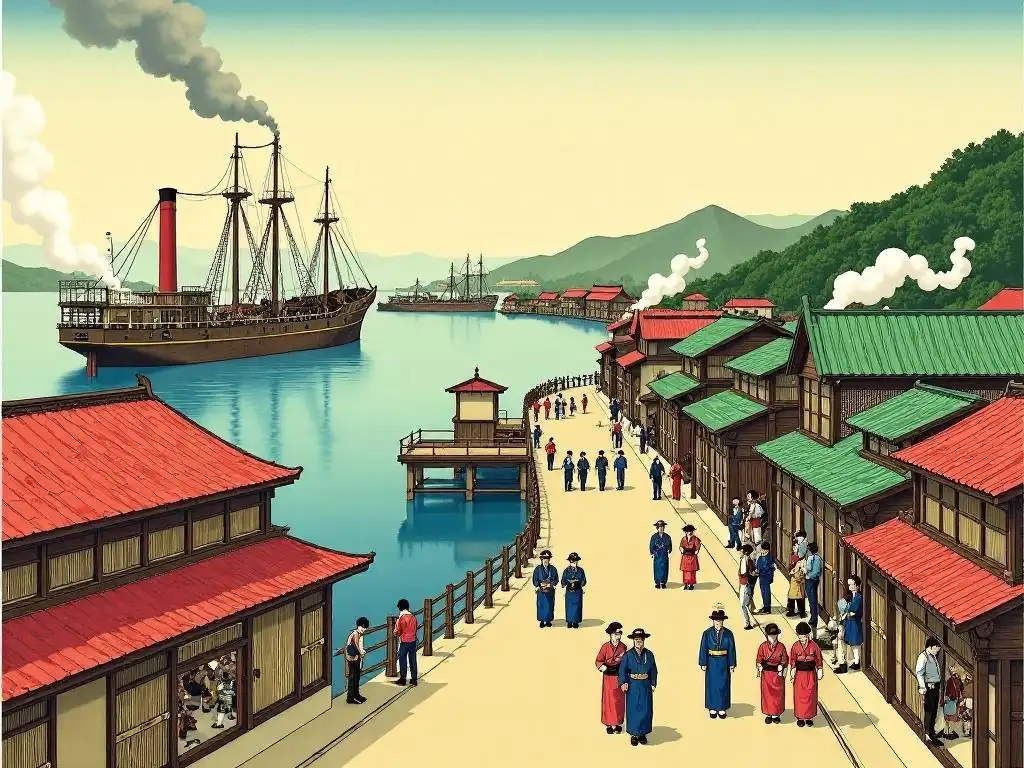
Welcome to Feudal Japan History, where we embark on a captivating journey through the intricate tapestry of Japan's feudal era. Here, we delve deep into the rich historical, cultural, and societal dynamics that shaped this fascinating period. In our featured article, "Japan’s Perception of the West: Myths, Realities, and Misunderstandings," we unravel the complex relationships that defined Japan's interactions with Western nations.
Are these perceptions rooted in truth, or are they mere shadows of misunderstanding? Join us as we explore these compelling narratives and more, inviting you to uncover the mysteries that lie within the pages of history. Your adventure into the past begins now!
Introduction to Japan-West Relations History
The history of Japan's relations with the West is a complex tapestry woven with threads of curiosity, conflict, and cultural exchange. From the initial encounters in the 16th century to the profound transformations during the Meiji Restoration, these interactions have significantly shaped Japan's national identity and its perception of foreign influence.
Understanding this history is essential for grasping not only the evolution of Japan's foreign relations but also the broader cultural implications that have arisen from these encounters. Throughout this exploration, we will delve into the myths, realities, and misunderstandings that have characterized Japan's perception of the West, revealing how these elements influenced political, social, and cultural dynamics over time.
Historical Overview of Japan-West Interactions
Japan's interactions with the West can be divided into distinct phases, each marked by varying degrees of openness and resistance. These phases reflect the shifting attitudes of Japanese society towards foreign cultures and ideas, as well as the broader geopolitical landscape of the times. Here, we will examine three pivotal periods that illustrate this complex relationship.
Early Contacts between Japan and the West
The earliest recorded interactions between Japan and the West occurred in the 16th century, primarily through Portuguese traders and missionaries. This initial contact was characterized by trade and cultural exchange, as Portuguese merchants introduced new goods and technologies, including firearms and Christianity. These interactions, however, were met with both fascination and apprehension.
- Key Points:
- Trade Opportunities: The influx of Western goods stimulated Japan's economy.
- Cultural Exchange: Introduction of Christianity led to a significant but contentious religious landscape.
- Resistance: The growing influence of Christianity prompted a backlash from Japanese authorities, leading to the persecution of Christians.
The Edo Period and Isolationism
Following a brief period of openness, Japan entered the Edo Period (1603-1868), marked by a strict policy of isolation known as sakoku. During this time, foreign contact was severely limited, with only a few Dutch and Chinese traders allowed limited access to certain ports.
- Isolationist Policies:
- Limited Foreign Influence: Japan aimed to preserve its culture and political stability by restricting foreign interactions.
- Cultural Myths: During this period, various myths about the West emerged, often exaggerating the dangers and moral decay supposedly inherent in foreign cultures.
Despite isolation, knowledge of Western advancements continued to seep into Japanese society, laying the groundwork for future transformations.
The Meiji Restoration and Opening Up
The Meiji Restoration in 1868 marked a turning point in Japan's history, as the nation sought to modernize and emerge as a global power. The forced opening of Japan by Commodore Perry's Black Ships in 1853 catalyzed this transformation, prompting the Japanese government to embrace Western technologies and ideas while striving to maintain its cultural identity.
- Major Developments:
- Rapid Modernization: Adoption of Western technologies in military, industry, and education.
- Cultural Reinterpretation: Japanese leaders began to selectively integrate Western practices while promoting a sense of national pride.
- New Perceptions: As Japan engaged more with the West, the myths and misunderstandings that previously dominated Japanese perceptions began to evolve, revealing a more nuanced understanding of Western nations.
Through these phases, Japan's perception of the West shifted dramatically, paving the way for a more complex interplay of admiration, caution, and adaptation that continues to influence Japan's foreign relations today.
Myths about Japan-West Relations
Japan-West relations have long been shrouded in myths that obscure the true nature of interactions between these two distinct cultures. One prevalent myth is the idea that Japan was entirely isolated from the West until the arrival of Commodore Perry in the mid-19th century.
While it is true that the Tokugawa shogunate imposed strict isolationist policies known as Sakoku, allowing only limited trade with the Dutch and Chinese, this does not mean that Japan lacked awareness of Western ideas or technologies. In fact, Japan had been absorbing and adapting foreign influences for centuries through various means, including trade and the study of Western texts.
Another common myth is that Japan completely rejected Western influences after the Meiji Restoration. In reality, Japan actively sought to modernize and incorporate Western technologies and practices to become a formidable power. The Meiji government embraced Western ideologies, educational systems, and military structures, transforming Japan into a modern nation-state. This willingness to engage with the West was not a rejection but rather a strategic adaptation to navigate the complexities of international relations.
Common Misconceptions about Japanese Culture
Misconceptions about Japanese culture often stem from oversimplified views. One of the most significant misconceptions is the stereotype of the Japanese as monolithic or homogenous in their cultural practices and beliefs. In truth, Japan's culture is rich and diverse, influenced by regional differences, historical events, and a blend of traditional and contemporary elements. For instance, the traditions of rural communities can be vastly different from those in urban areas like Tokyo or Osaka, showcasing a spectrum of lifestyles, beliefs, and practices.
Additionally, the notion that Japanese culture is entirely insular and resistant to change overlooks the dynamic nature of cultural exchange. Japanese artists, writers, and thinkers have historically drawn inspiration from various sources, including Western literature, art, and philosophy. This engagement with external influences has fostered unique Japanese expressions that integrate international elements while maintaining a distinct cultural identity.
Misunderstandings of Historical Events
Misunderstandings of key historical events further complicate the perception of Japan-West relations. The arrival of Commodore Perry in 1853 is often portrayed as a dramatic "opening" of Japan to the West, but this narrative simplifies a complex situation. While Perry's fleet did force Japan to abandon its isolationist policies, it is crucial to recognize that Japan was already in a state of internal change and modernization. The pressures of global trade and the need for reform were evident even before Perry's arrival.
Moreover, the portrayal of Japan's imperial expansion in the late 19th and early 20th centuries often lacks context. Many Western narratives frame Japan as an aggressor, ignoring the geopolitical climate that influenced its actions. Japan sought to establish itself as a regional power, partly in response to Western imperialism in Asia. This historical context is essential for a nuanced understanding of Japan-West relations and the motivations behind Japan's actions during this period.
Realities of Japan-West Relations
The realities of Japan-West relations are characterized by a complex interplay of cultural, economic, and political factors that have evolved over centuries. Contrary to the myths and misconceptions that often dominate discussions, the relationship is multifaceted and deeply rooted in shared histories and interactions.
The Complexity of Cultural Exchange
Cultural exchange between Japan and the West is a process marked by both admiration and critique. From the late 19th century onward, Japan became a significant recipient of Western cultural influences, leading to the adoption of various practices in art, architecture, and thought. Yet, this exchange was not one-sided. Japan has also contributed to global culture, influencing Western art movements, philosophy, and even cuisine. The popularity of Japanese aesthetics, such as Zen philosophy and ukiyo-e prints, exemplifies the mutual appreciation and exchange that has taken place over time.
Cultural exchange is also evident in contemporary interactions, where Japan continues to navigate its identity in a globalized world. The rise of J-pop, anime, and cuisine like sushi reflects a blend of traditional Japanese culture with global influences, showcasing how Japan actively shapes and reshapes its cultural narrative in response to Western perceptions.
Economic Interactions and Dependencies
Economic relations between Japan and the West have transitioned from early trade exchanges to complex interdependencies. Following Japan's modernization during the Meiji era, the country emerged as a significant industrial power, establishing itself as a key player in global markets. The post-World War II economic boom further solidified Japan's status, leading to robust trade relationships with Western nations, particularly the United States.
However, these economic interactions have not been without challenges. Issues such as trade imbalances, tariffs, and competition have sparked tensions, influencing political discourse in both Japan and the West. Understanding these economic realities is crucial for grasping the contemporary dynamics of Japan-West relations, as they continue to shape diplomatic strategies and cultural perceptions in an increasingly interconnected world.
Case Studies of Japan-West Misunderstandings
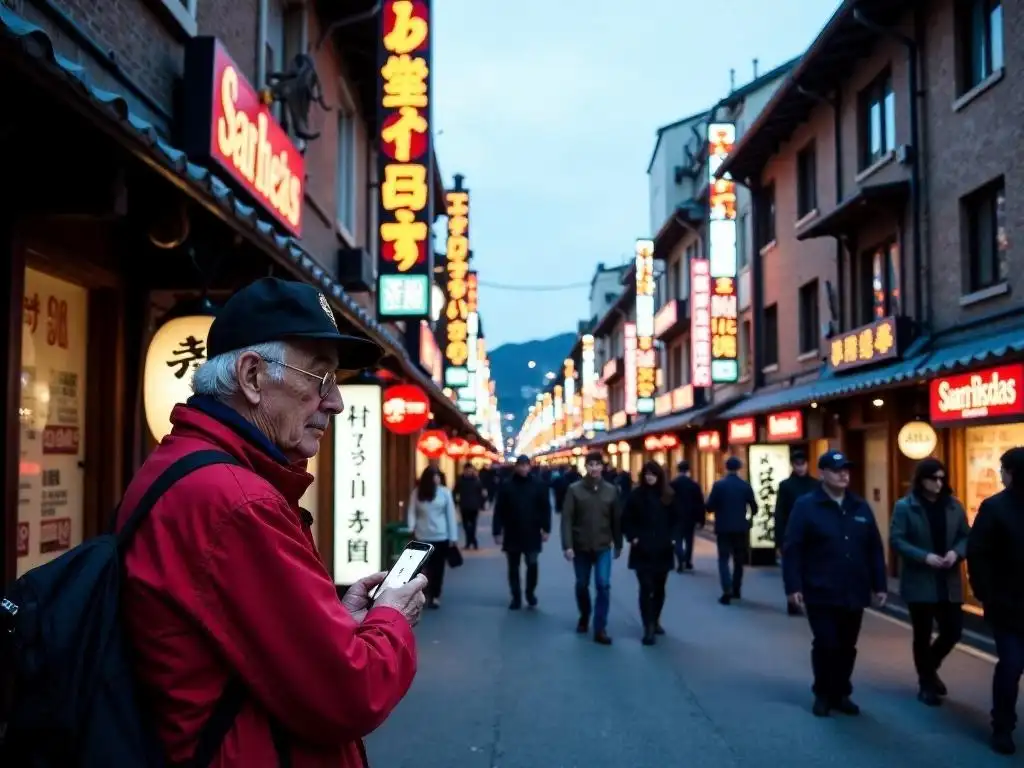
Japan's interactions with the West have been marked by a series of misunderstandings that have significantly shaped the relationship between these vastly different cultures. These case studies shed light on pivotal moments in history that illustrate the complexities of Japan-West relations.
The Commodore Perry Expedition
The arrival of Commodore Matthew Perry in 1853 marked a turning point in Japan's engagement with the West. Perry's mission aimed to open Japan to American trade, but the methods he employed were steeped in misunderstanding. The Japanese, who had largely isolated themselves since the early 17th century, viewed Perry's forceful display of power as both a threat and a curiosity.
- Cultural Clash: The Americans arrived with their expectations of diplomacy, unaware that Japan's rigid social structure and cultural norms were not conducive to such direct confrontations. The Japanese saw Perry's ships, with their smoke and iron, as symbols of Western aggression, leading to a perception that the West was both technologically advanced and culturally alien.
- Diplomatic Missteps: The Treaty of Kanagawa, signed in 1854, was a direct result of Perry's expedition. However, it was perceived by many Japanese as an imposition rather than a mutual agreement. This misunderstanding created a lasting impact on Japan's view of Western imperialism, fostering a sense of distrust that persisted for decades.
The Post-War Era and Rebuilding Relations
Following Japan's defeat in World War II, the relationship between Japan and the West, particularly the United States, entered a new phase marked by both cooperation and misunderstanding.
- Reconstruction and Occupation: The Allied occupation, led by General Douglas MacArthur, aimed to rebuild Japan’s political and economic systems. However, this was often seen by the Japanese as an infringement on their sovereignty. The imposition of Western democratic ideals clashed with traditional Japanese values, leading to friction as the Japanese struggled to reconcile these new concepts with their cultural identity.
- Cultural Exchange and Misinterpretation: The post-war era also saw an influx of Western culture into Japan, from music to fashion. While many Japanese embraced these influences, there was often a misunderstanding of the underlying values they represented. For instance, the concept of individualism, central to Western culture, sometimes conflicted with Japan's collective societal norms.
Conclusion: Bridging the Gap in Japan-West Perception
Understanding Japan's perception of the West requires a nuanced approach that acknowledges the historical roots of misunderstandings. By examining case studies like the Commodore Perry Expedition and the post-war era, it becomes evident that many perceptions are shaped by cultural differences, historical contexts, and the inherent challenges of communication across diverse societies.
To bridge the gap in Japan-West relations, fostering dialogue and promoting cultural exchange are essential. This includes:
- Education: Encouraging educational programs that explore both Japanese and Western histories could help dispel myths and foster mutual respect.
- Cultural Diplomacy: Initiatives that promote cultural understanding, such as art exhibitions, language exchanges, and collaborative projects, can enhance empathy and appreciation for each other’s backgrounds.
Ultimately, recognizing and addressing these misconceptions is crucial for building a more harmonious future in Japan-West relations. Through continued dialogue and understanding, the complexities of this relationship can be navigated more effectively, paving the way for a collaborative and respectful partnership.
References and Further Reading
To deepen your understanding of the complex history of Japan's interactions with the West, the following references and resources are invaluable for exploring the myths, realities, and misunderstandings that have shaped these relations over time.
Books
-
"Japan and the West: The Perception of the Other" by Peter D. Shiro
This book provides a thorough examination of how Japan has perceived the West throughout its history, detailing both cultural misunderstandings and political maneuvers that have influenced these perceptions.
-
"The Making of Modern Japan" by John W. Dower
Dower's work is crucial for anyone looking to understand the political and social transformations in Japan as it navigated its relationship with Western powers during the 19th and 20th centuries.
-
"Japan's Encounter with Christianity: The Early Protestant Movement in Japan" by John W. Kelley
This text explores the unique perspective of Japan's early interactions with Western Christianity, shedding light on cultural exchanges and their implications.
Articles
-
"The Myth of the Samurai in Western Culture" by R. Scott McCoy
This article analyzes how Western literature and media have romanticized the image of the samurai, contributing to misconceptions about Japanese culture and history.
-
"Cultural Misunderstandings: The West and Japan" by Haruki Murakami
Murakami delves into the cultural gaps that have historically existed between the West and Japan, offering insights on how these gaps have affected diplomatic relations.
Documentaries
-
"Japan: The Last Great Island"
This documentary explores Japan’s history, including its interactions with Western nations, featuring interviews with historians and on-site explorations.
-
"The Samurai: Behind the Blade"
This film provides a nuanced look at the samurai's role in Japanese society and how Western perceptions have shaped their legacy.
Online Resources
-
The National Diet Library of Japan
This digital library offers a wealth of documents and resources related to Japan's foreign relations history, including treaties, correspondence, and scholarly articles.
-
The Japan Times Archives
An extensive resource for historical articles and editorials that reflect on Japan's evolving relationship with the West over the decades.
Academic Journals
-
"Japan Forum"
This journal publishes articles on various aspects of Japanese culture, politics, and history, often focusing on Japan-West relations and the implications of these interactions.
-
"The Journal of Japanese Studies"
Featuring scholarly articles that cover a wide range of topics, including the historical context of Japan's foreign relations and its perceptions of the West.
These resources provide a robust foundation for anyone interested in exploring the intricate layers of Japan's relations with the West, from historical narratives to contemporary interpretations. By engaging with these texts, readers can gain a more nuanced understanding of the myths and realities that have defined these cross-cultural interactions.
- Introduction to Japan-West Relations History
- Historical Overview of Japan-West Interactions
- Myths about Japan-West Relations
- Realities of Japan-West Relations
- Case Studies of Japan-West Misunderstandings
- Conclusion: Bridging the Gap in Japan-West Perception
- References and Further Reading
- What were the main myths about the West that Japan held during the feudal era?
- How did Japan’s perception of the West change over time?
- What role did trade play in shaping Japan's views of the West?
- How did cultural exchanges impact Japan-West relations?
- What were some realities of Japan's relationship with the West during this period?
Frequently Asked Questions
What were the main myths about the West that Japan held during the feudal era?
During the feudal era, Japan believed many misconceptions about the West, including exaggerated notions of Western power and culture, often fueled by limited interaction and communication.
How did Japan’s perception of the West change over time?
Japan's perception evolved significantly, especially during the Meiji Restoration, where the nation transitioned from isolation to actively embracing Western influences in technology and culture.
What role did trade play in shaping Japan's views of the West?
Trade was crucial in altering Japan's views, as it allowed for direct interactions that challenged earlier stereotypes and facilitated a deeper understanding of Western societies.
How did cultural exchanges impact Japan-West relations?
Cultural exchanges, such as art, literature, and education, played a significant role in shaping a more nuanced view of the West, promoting appreciation and understanding beyond earlier misunderstandings.
What were some realities of Japan's relationship with the West during this period?
The realities included both collaboration and conflict, as Japan sought to balance its traditions with the demands of Western powers, leading to significant socio-political changes.
Final Reflection: Understanding Japan-West Relations Through Myths and Realities
In an era where globalization is reshaping cultural interactions, the exploration of Japan's perception of the West remains profoundly relevant. The historical narratives that have shaped these perceptions are not merely relics of the past; they continue to influence diplomatic relations, cultural exchanges, and societal attitudes today. The myths and misunderstandings that have arisen over centuries serve as both barriers and bridges in the ongoing dialogue between Japan and Western nations.
The intricate tapestry of Japan-West relations is woven with threads of admiration, skepticism, and complexity. As we navigate this cultural landscape, it becomes clear that our understanding of each other is often clouded by preconceived notions and stereotypes. The ongoing evolution of these perceptions is crucial for fostering mutual respect and collaboration. The greatest danger in times of turbulence is not the turbulence; it is to act with yesterday's logic.
– Peter Drucker. This quote encapsulates the need for a fresh perspective as we engage with the historical context of these relations.
As we reflect on the lessons from Japan's interactions with the West, let us challenge ourselves to dismantle the myths that persist in our own understanding. Consider how your perceptions of different cultures shape your interactions and relationships. By embracing a more nuanced view of Japan-West relations, we can contribute to a future where dialogue prevails over misunderstanding, and collaboration flourishes in the spirit of mutual respect. Take this opportunity to engage with diverse perspectives and foster connections that transcend borders.
Unveil the Truth: Engage with Japan’s Perception of the West!
Thank you for diving into this exploration of Japan’s views on the West! Your curiosity has equipped you with insights that can bridge cultural gaps and promote understanding. Now, let’s take that knowledge even further!
Here are some actionable steps you can take to deepen your understanding and engage with this fascinating topic:
- Join a cultural exchange program to experience firsthand the genuine interactions between Eastern and Western societies.
- Share your newfound knowledge! Discuss the myths and realities you’ve learned with friends or on social media to foster greater awareness.
- Explore local Japanese communities or cultural events in your area to witness how these perceptions manifest in everyday life.
What surprising beliefs about the West have you encountered in your journey of learning about Japan? Your insights could spark meaningful conversations!