
The Genpei War: A Study in Military Innovation and Warfare

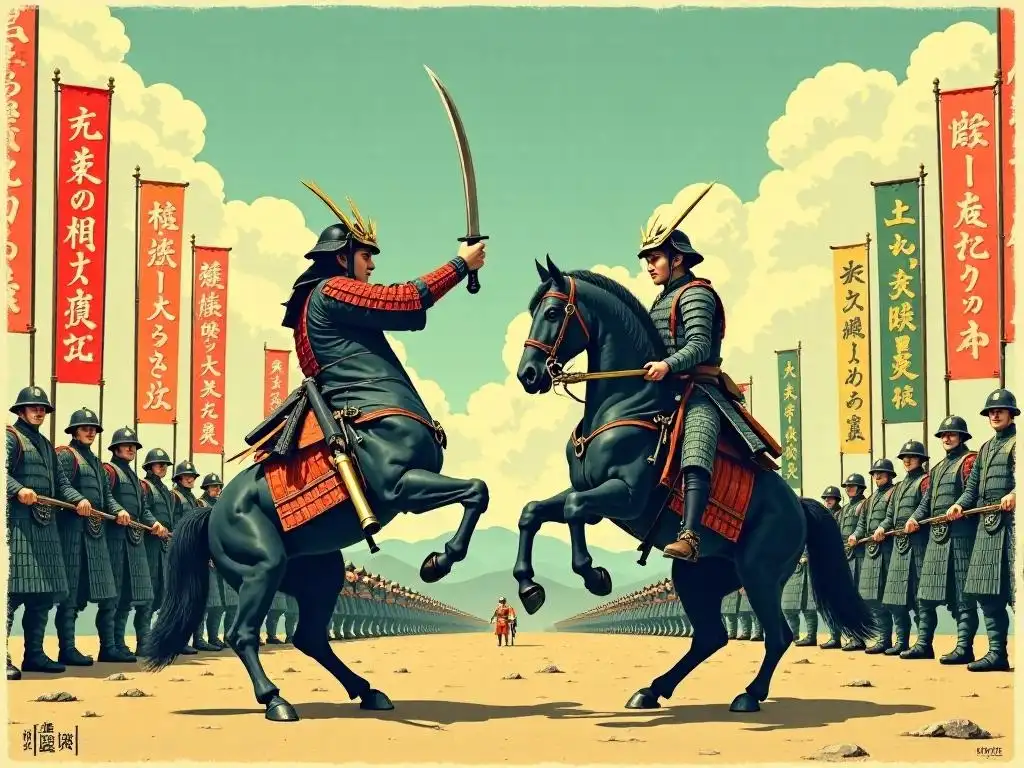
Welcome to Feudal Japan History, where we embark on an intriguing journey through the captivating world of Japan's feudal era. Here, you'll uncover the nuances of historical, cultural, and societal evolution that shaped a nation. Dive into our featured article, “The Genpei War: A Study in Military Innovation and Warfare,” and discover the strategic brilliance behind the Genpei War military strategies. What tactics turned the tide of battle, and how did they redefine warfare? Prepare to be captivated as you explore the depths of this transformative period in Japanese history!
The Genpei War, fought from 1180 to 1185, was a pivotal conflict that not only shaped the course of Japanese history but also marked a significant evolution in military strategies and warfare techniques of the era. This civil war between the Taira and Minamoto clans heralded the rise of the samurai class and set the stage for the establishment of the Kamakura shogunate.
As we delve into the complexities of this conflict, we will explore the innovative military strategies employed, the socio-political ramifications, and the key figures who played crucial roles in this transformative period of Japan's feudal history. By examining the Genpei War, we gain insight into how historical military innovations laid the groundwork for future conflicts and shaped Japanese culture.
Introduction to the Genpei War
Overview of the Genpei War
The Genpei War was a defining moment in Japanese history, characterized by intense battles and a fierce struggle for power. It was primarily fought between two powerful clans: the Taira, who had established dominance in the imperial court, and the Minamoto, who sought to overthrow them.
The war is not only significant for its military engagements but also for its cultural impact, influencing literature, art, and the concept of honor in samurai culture. Key battles such as the Battle of Dan-no-ura highlight the strategic innovations that emerged during this period, including naval warfare techniques and the use of guerilla tactics.
Historical Context of the Genpei War
The roots of the Genpei War can be traced back to the late Heian period, characterized by political intrigue and the erosion of imperial authority. The Taira clan had gained substantial power and influence, often at the expense of the Minamoto clan, leading to rising tensions. The conflict escalated as the Minamoto, led by figures such as Minamoto no Yoritomo, rallied support from disenchanted samurai and other clans.
This struggle for supremacy was reflective of broader themes in Japanese history, where power dynamics shifted between the imperial court and the military elite. The Genpei War not only signifies a turning point in this historical narrative but also lays the foundation for the samurai's role in governance and warfare.
Key Players in the Genpei War
The Taira Clan: Leadership and Military Tactics
The Taira clan, with its strong leadership under Taira no Kiyomori, was initially successful in consolidating power within the imperial court. Their military tactics included traditional samurai warfare, which emphasized strength in battle formations and direct confrontations. However, their reliance on established methods became a liability as the Minamoto adapted and innovated. The Taira's strategies also showcased their naval prowess, particularly during battles on the water, yet they struggled to counter the evolving tactics of their adversaries.
The Minamoto Clan: Strategies and Innovations
In contrast, the Minamoto clan, particularly under the leadership of Minamoto no Yoritomo and his brother Minamoto no Yoshitsune, embraced innovative military strategies that would ultimately lead to their victory. They effectively employed guerilla warfare tactics, leveraging knowledge of the terrain and the element of surprise. The Minamoto's adaptability to changing circumstances, along with their commitment to strategic alliances, marked a significant departure from traditional warfare, setting a precedent for future military conflicts in Japan. Their success in battles, such as the decisive Battle of Dan-no-ura, emphasized the importance of strategy and innovation in achieving military goals.
Genpei War Military Strategies
Overview of Military Strategies in the Genpei War
The Genpei War, fought from 1180 to 1185, marked a pivotal period in Japanese history characterized by intense rivalry between the Taira and Minamoto clans. This conflict was not just a tale of warriors but a showcase of innovative military strategies that evolved from earlier forms of warfare. Both clans adapted their tactics to leverage their strengths and exploit their enemies' weaknesses, leading to a dynamic battlefield environment.
The Minamoto clan, known for their agility and strategic acumen, often employed guerrilla warfare tactics that allowed them to engage the numerically superior Taira forces effectively. This included surprise attacks and ambushes, particularly in the mountainous terrains of Japan where mobility was key. On the other hand, the Taira clan, with a strong naval presence, utilized their dominance at sea to transport troops and supplies, thus projecting power across coastal regions.
The interplay of these strategies not only influenced the outcome of several key battles but also laid the groundwork for future military engagements in Japan, emphasizing the importance of adaptability and innovation in warfare.
Naval Tactics Used by the Taira Clan
The Taira clan's naval prowess was a cornerstone of their military strategy during the Genpei War. They effectively utilized their ships to establish control over vital waterways and coastal regions, allowing for rapid troop movement and supply lines that were crucial in sustaining their military campaigns.
One of the most significant naval confrontations was the Battle of Dan-no-ura in 1185, where the Taira fleet, well-equipped and strategically positioned, initially seemed poised for victory. The Taira's tactics included the use of large warships, which were heavily armed and could outmaneuver smaller vessels. They also employed formations that maximized their firepower while minimizing vulnerabilities.
However, their reliance on naval superiority ultimately became a double-edged sword. The Minamoto clan, leveraging their knowledge of the waters and employing strategic deception, was able to turn the tide against the Taira. The Taira’s defeat at Dan-no-ura showcased the vulnerabilities inherent in their naval tactics, highlighting the necessity of adaptability in military strategy.
Land Warfare Techniques of the Minamoto Clan
The Minamoto clan distinguished themselves on land through a combination of mobility, innovative tactics, and effective leadership. They often utilized smaller, more agile forces to conduct hit-and-run attacks, capitalizing on their ability to maneuver quickly across the battlefield. This approach allowed them to engage the Taira forces at opportune moments while avoiding direct confrontation with their larger army.
Key battles, such as the Siege of Nara and the Battle of Kurikara, demonstrated the Minamoto's adept use of terrain to their advantage. They would position their forces in strategic locations, employing ambush tactics that exploited the Taira's slower formations. Additionally, their leadership under figures like Minamoto no Yoritomo inspired loyalty and cohesion among their ranks, which was critical in times of adversity.
The Minamoto also incorporated psychological warfare into their strategies, spreading rumors and misinformation to demoralize the Taira. This multifaceted approach to land warfare not only facilitated their victories but also reshaped military tactics in Japan for generations to come.
The Role of Cavalry and Archers in Genpei Warfare
Cavalry and archers played vital roles in the military strategies employed during the Genpei War. The use of cavalry allowed both clans to execute rapid maneuvers and flank enemy formations, making them an essential component of battlefield tactics. The mobility provided by cavalry was particularly advantageous in the varied Japanese terrain, where speed and the ability to adapt to changing conditions were crucial.
Archers, equipped with longbows, offered ranged support that could disrupt enemy formations before close combat ensued. The effectiveness of archers was enhanced by the use of strategic positioning on elevated ground, allowing them to rain down arrows on approaching foes. The Minamoto, in particular, were known for their skilled archers who could shoot accurately while mounted, a tactic that proved decisive in several engagements.
The integration of cavalry charges and archery barrages created a layered defense that challenged the Taira's conventional approaches. This combination of mobility and ranged power exemplified the innovative military strategies that defined the Genpei War.
Technological Innovations During the Genpei War
Advancements in Weaponry
The Genpei War witnessed significant advancements in weaponry that transformed military engagements. Both clans developed and refined various weapons, including swords, spears, and bows, which were essential for their respective combat styles. The katana, known for its sharpness and durability, became a symbol of the samurai and was critical in the close-quarter battles that characterized the conflict.
Additionally, the introduction of new siege technologies, such as improved catapults and other projectile weapons, allowed for more effective assaults on fortified positions. These innovations changed the dynamics of warfare, enabling forces to breach defenses that were previously considered impregnable. The emphasis on weapon quality and innovation during this period laid the groundwork for Japan's future military developments.
The Impact of Siege Warfare on Military Strategies
Siege warfare became a prominent aspect of the Genpei War, particularly as both clans sought to control key fortifications. The Taira clan, for instance, fortified their positions to withstand assaults, leading to prolonged sieges that tested the endurance and resources of both sides.
The strategies employed during sieges included the use of encirclement, blockade, and the construction of siege engines. These tactics not only aimed to capture enemy strongholds but also to undermine the morale of the defending forces. The Minamoto clan's successful siege strategies against Taira strongholds showcased their ability to adapt and innovate under pressure.
The emphasis on siege warfare during the Genpei War influenced military strategies in Japan moving forward, highlighting the importance of fortifications and the need for specialized tactics to overcome entrenched defenses.
Use of Terrain and Fortifications in Battle Planning
The geographical landscape of Japan played a crucial role in the military strategies of the Genpei War. Both clans adeptly utilized the terrain to their advantage, choosing battle sites that favored their respective strengths. The Minamoto's familiarity with the mountainous regions allowed them to execute ambushes and surprise attacks effectively, while the Taira's naval strengths were leveraged along coastal areas.
Moreover, fortifications became central to battle planning, with both clans investing in building and reinforcing castles and strongholds. The strategic placement of these fortifications allowed for enhanced defense and served as logistical hubs for troop movements and supply lines. The integration of terrain analysis and fortification strategies marked a significant evolution in military planning during this period, setting a precedent for future conflicts in Japan.
Major Battles of the Genpei War
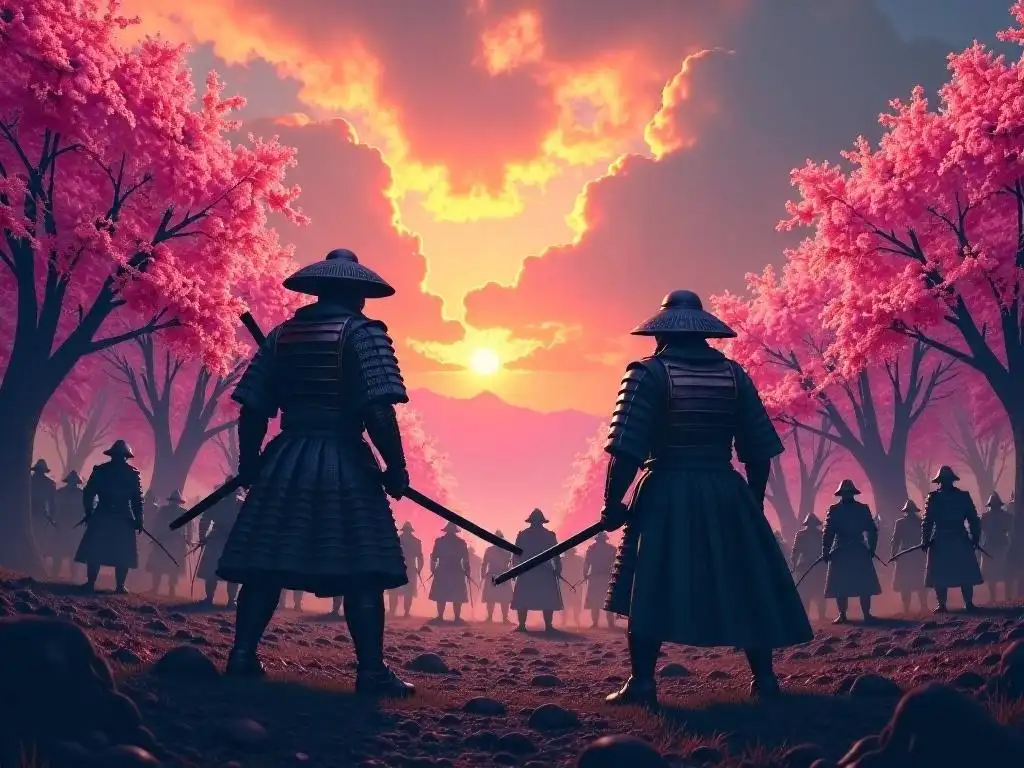
The Genpei War (1180-1185) was marked by significant battles that highlighted the evolving military strategies and technologies of the time, particularly as the conflict transitioned from land engagements to naval confrontations. Understanding the major battles of this era provides insight into the military innovations that shaped warfare in feudal Japan. Each battle not only had immediate tactical implications but also long-lasting effects on the political landscape and military culture of the country.
The Battle of Dan-no-ura: A Turning Point in Naval Warfare
The Battle of Dan-no-ura, fought in 1185, stands as a defining moment in the Genpei War and naval warfare history. This battle marked the decisive confrontation between the Minamoto and Taira clans, occurring in the straits off the coast of Shimonoseki. The Minamoto, commanded by Yoritomo's brother, Yoshitsune, showcased innovative naval tactics, including the use of smaller, more maneuverable ships against the Taira's larger vessels.
- Tactical Innovations: The Minamoto utilized a surprise attack strategy, employing swift ships to outmaneuver the Taira fleet. This included techniques like flanking maneuvers and coordinated strikes that exploited the Taira's heavier ships' limited mobility.
- Outcome: The Minamoto's victory at Dan-no-ura effectively ended Taira dominance and shifted the balance of power, leading to the eventual establishment of the Kamakura shogunate. The battle also demonstrated the growing importance of naval power in Japan, signaling a shift in military strategy that would influence subsequent conflicts.
The Battle of Ichi-no-Tani: Tactical Maneuvers and Outcomes
The Battle of Ichi-no-Tani, fought in 1184, was another critical engagement in the Genpei War. This battle took place in the mountains of present-day Hyōgo Prefecture and showcased the strategic acumen of both clans. The Minamoto forces, led by Yoshitsune, faced off against a fortified Taira position, making this battle a study in tactical ingenuity.
- Tactical Maneuvers: The Minamoto employed a strategy of surprise and deception. Yoshitsune orchestrated a night march, leading his troops to scale the cliffs overlooking the Taira camp. This high ground allowed for a sudden and effective assault on the Taira forces, who were caught off guard.
- Outcome: The Minamoto victory at Ichi-no-Tani not only demonstrated the effectiveness of guerrilla tactics but also reinforced Yoshitsune's reputation as a brilliant military strategist. This battle exemplified how terrain and clever maneuvering could outwit a numerically superior enemy.
The Role of Intelligence and Espionage in Key Battles
Intelligence and espionage played crucial roles in the outcomes of several key battles during the Genpei War. Both the Minamoto and Taira clans relied on spies and scouts to gather vital information about enemy movements and strategies.
- Use of Spies: Both clans employed informants to infiltrate enemy lines, gather intelligence about troop movements, and disrupt supply chains. This practice enabled commanders to make informed decisions about when and where to engage the enemy.
- Impact on Battle Outcomes: For instance, the Minamoto's successful ambush at Ichi-no-Tani was facilitated by accurate intelligence about the Taira’s movements. Conversely, the Taira's failure to anticipate the Minamoto's strategies often left them vulnerable and unprepared.
- Cultural Shift: The reliance on intelligence marked a shift in military strategy, emphasizing the importance of not just brute force but also cunning and strategic foresight in warfare.
Cultural Impact of Military Strategies in the Genpei War
The military strategies employed during the Genpei War had profound cultural implications, influencing Japanese martial culture and leaving a lasting legacy on military tactics in subsequent conflicts.
Influence on Japanese Martial Culture
The Genpei War catalyzed significant developments in Japanese martial culture, particularly in the samurai class. The conflict highlighted the necessity for adaptability and innovation in warfare, which became foundational principles in samurai training and ethics.
- Martial Arts Evolution: The strategies and tactics from the Genpei War contributed to the evolution of various martial arts, emphasizing skills such as archery, horseback riding, and close combat techniques. These arts became integral to the samurai code of conduct, or Bushido.
- Cultural Narratives: The tales of heroism and strategy from the Genpei War were immortalized in literature and theater, particularly in Noh and Kabuki performances, which romanticized the exploits of warriors like Yoshitsune and the valor of the samurai spirit.
The Legacy of Genpei War Military Tactics in Later Conflicts
The military tactics developed and refined during the Genpei War had a lasting impact on Japan’s future conflicts, shaping the nature of warfare in the centuries that followed.
- Influence on Future Generations: The principles of utilizing intelligence, innovative tactics, and effective use of terrain became standard practices in later battles, including those during the Mongol invasions and the Warring States period.
- Strategic Frameworks: The legacy of the Genpei War can be seen in the strategic frameworks adopted by subsequent military leaders, who learned from the successes and failures of their predecessors, integrating those lessons into their own campaigns.
The military strategies of the Genpei War not only influenced the outcomes of specific battles but also reshaped Japanese martial culture and left an indelible mark on the history of warfare in Japan.
Conclusion
The Genpei War stands as a pivotal moment in Japan's history, not only for its immediate outcomes but also for the lasting impact it had on military strategies and societal structures. This conflict, which unfolded between the Taira and Minamoto clans from 1180 to 1185, brought forth a series of military innovations that reshaped the way warfare was conducted in feudal Japan. The introduction of new tactics, weaponry, and the strategic use of the terrain demonstrated a shift in military thought that was crucial for the evolution of samurai warfare.
Summary of Military Innovations and Their Historical Significance
The military innovations that emerged during the Genpei War encompassed several key developments:
- Use of Cavalry: The Minamoto clan effectively utilized cavalry units, allowing for rapid movement and the ability to engage quickly in battle. This was a significant shift from the primarily infantry-based tactics of earlier periods.
- Naval Warfare: The conflict saw an increased importance of naval engagements, particularly with the Taira clan's dominance at sea. The Taira's ability to project power through naval forces exemplified the need for maritime strategies in securing supply lines and troop movements.
- Siege Tactics: The Minamoto's approach to sieges included both psychological and tactical elements. They were innovative in their use of diversionary tactics to weaken fortified positions held by the Taira, setting a precedent for future siege warfare.
- Adaptation of Weaponry: The war also saw advancements in weaponry, including the evolution of the longbow and the introduction of new types of swords and armor. These innovations not only enhanced individual combat effectiveness but also shaped the overall battlefield dynamics.
These military innovations were significant not only for their immediate effectiveness in the Genpei War but also for their influence on subsequent conflicts in Japan. The strategies developed during this period laid the groundwork for the samurai-led governance that would dominate Japan for centuries, culminating in the establishment of the Kamakura shogunate.
Final Thoughts on the Genpei War's Influence on Modern Japan
The Genpei War's influence extends beyond the battlefield and into the cultural and political realms of modern Japan. The conflict is often seen as a foundational moment in the formation of the samurai class, which would become synonymous with Japanese identity and culture. The themes of loyalty, honor, and the warrior ethos that emerged during this time continue to resonate within contemporary Japanese society.
Moreover, the military strategies and innovations from the Genpei War have not only informed historical military studies but have also been integrated into the narratives of Japanese nationalism and identity. The war is frequently referenced in literature, art, and modern media, reflecting its enduring legacy.
The Genpei War represents a critical juncture in Japan's historical narrative, wherein military innovation and strategic thought coalesced to create a lasting impact that can still be felt in Japan's cultural and military ethos today. The lessons learned from this conflict underscore the importance of adaptability and ingenuity in warfare, principles that remain relevant in the face of modern challenges.
- Introduction to the Genpei War
- Key Players in the Genpei War
- Genpei War Military Strategies
- Technological Innovations During the Genpei War
- Major Battles of the Genpei War
- Cultural Impact of Military Strategies in the Genpei War
- Conclusion
Frequently Asked Questions
What was the Genpei War?
The Genpei War (1180-1185) was a civil conflict in Japan between the Taira and Minamoto clans that ultimately led to the establishment of the Kamakura shogunate.
How did military strategies evolve during the Genpei War?
The Genpei War showcased military innovation, including the use of cavalry tactics and archery, which played a pivotal role in the shifting balance of power between clans.
What were the key battles of the Genpei War?
Key battles included the Battle of Dan-no-ura and the Battle of Ichinotani, where strategic maneuvering and leadership were critical to the success of the Minamoto clan.
How did the Genpei War impact Japanese society?
The war led to a significant shift in power dynamics, marking the end of aristocratic rule and the rise of the samurai class, fundamentally changing Japan’s social structure.
What are the lasting legacies of the Genpei War?
The Genpei War's military strategies and outcomes influenced Japanese warfare, political structures, and the cultural identity of the samurai, leaving a lasting legacy on Japan's history.
Final Reflection: The Lasting Legacy of the Genpei War's Military Strategies
The Genpei War stands as a pivotal moment in Japanese history, illustrating the profound impact of military innovation on warfare. As we examine the strategies employed during this conflict, we uncover not only the tactical advancements that shaped the outcome but also the enduring lessons that resonate in contemporary military thought. The ingenuity displayed by both the Taira and Minamoto clans serves as a reminder that the evolution of warfare is a continuous journey, one that is as relevant today as it was in the 12th century.
Cultural and social landscapes are often molded by the conflicts of the past, and the Genpei War is no exception. The strategies developed during this time laid the groundwork for future military engagements in Japan and beyond, influencing not only the art of war but also the very fabric of society. The adaptability and resourcefulness exhibited by the warriors of this era continue to inspire modern military leaders and historians alike. In war, the way is to avoid what is strong and to strike at what is weak.
– Sun Tzu. This timeless wisdom echoes through the ages, reminding us of the importance of strategic thinking and innovation in overcoming challenges.
As we reflect on the lessons of the Genpei War, let us consider how these military strategies can be applied to our own lives. Embrace the spirit of innovation and adaptability in your personal and professional endeavors. Whether facing challenges in your career, relationships, or personal growth, remember that the ability to rethink and re-strategize can lead to success. Take a moment to reflect on your own experiences and ask yourself: how can you harness the lessons of the past to forge a path forward in your own life?
Unleash Your Knowledge of the Genpei War!
Thank you for diving deep into the intriguing world of the Genpei War! You've uncovered valuable insights into the military innovations that shaped this pivotal period in Japanese history. Now, it's time to put that knowledge into action and further explore this captivating era.
Here are a few ways you can continue your journey:
- Explore deeper: Read more about the key figures and battles of the Genpei War to gain a comprehensive understanding of its impact on Japanese society and culture.
- Share insights: Discuss your discoveries with friends or on social media to spark engaging conversations about the evolution of warfare and its historical significance.
- Join a community: Connect with fellow history enthusiasts on forums or groups dedicated to Feudal Japan, sharing your thoughts and findings with others who share your passion.
What aspect of the Genpei War intrigues you the most, and in what ways do you think it has influenced modern Japanese culture?