
The Role of Martial Arts Schools in Feudal Japanese Society

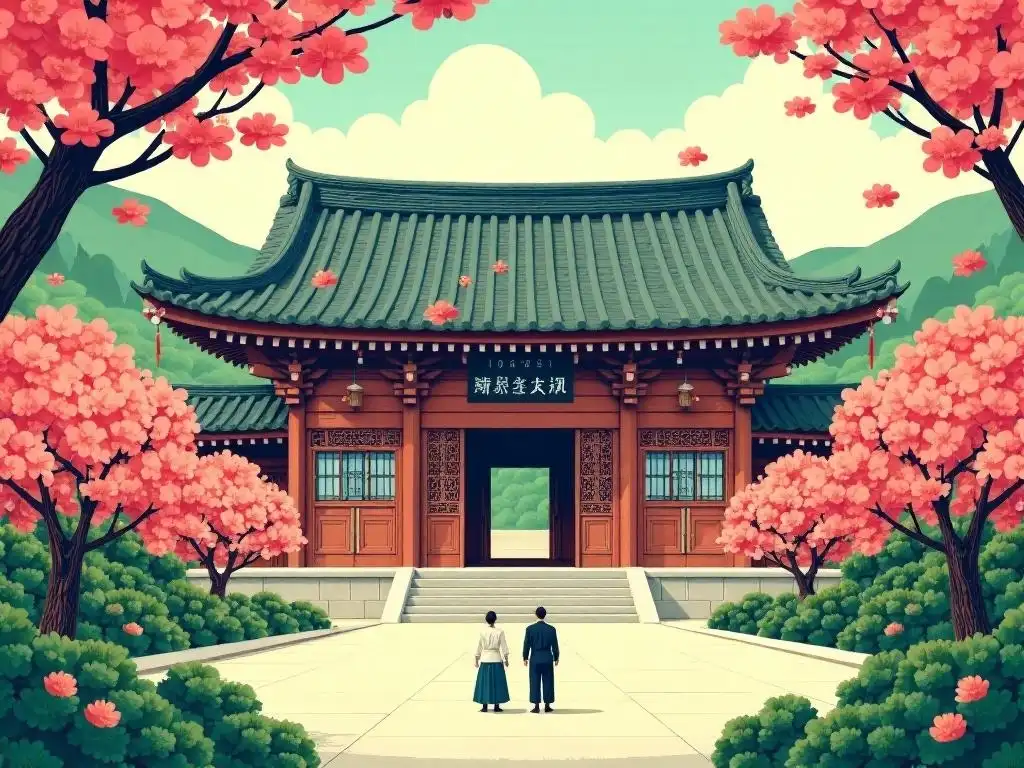
Welcome to Feudal Japan History, your gateway to an in-depth exploration of Japan's fascinating feudal era! Here, we delve into the intricate tapestry of historical, cultural, and societal aspects that shaped this remarkable period. In our featured article, “The Role of Martial Arts Schools in Feudal Japanese Society,” we uncover how these esteemed institutions not only trained warriors but also influenced the very fabric of life in feudal Japan. Prepare to embark on a journey that reveals the secrets and stories behind the martial arts that defined an era, sparking your curiosity and inviting you to uncover more!
Martial arts schools, or dojo, played a pivotal role in shaping the cultural and social fabric of feudal Japan. During this era, which spanned from the 12th to the 19th century, Japan was characterized by a decentralized political structure dominated by powerful samurai clans. In this turbulent environment, martial arts training became not only a means of physical preparation for battle but also a crucial aspect of education and social status.
The schools that emerged during this time were instrumental in preserving and transmitting martial knowledge, fostering discipline, and developing a code of honor among the samurai class. This article delves into the significance of martial arts schools in feudal Japanese society, examining their historical context, cultural importance, and lasting impact on modern martial arts.
Introduction to Martial Arts Schools in Feudal Japan
Martial arts schools in feudal Japan were more than just training facilities; they were vital institutions that contributed to the education of samurai warriors. These schools offered a structured environment where students could learn various combat techniques, philosophical principles, and ethical values central to the samurai way of life. Key components of martial arts education included:
- Physical Training: Mastery of weaponry and unarmed combat techniques.
- Mental Discipline: Cultivation of focus, resilience, and strategic thinking.
- Cultural Education: Understanding of the bushido code, arts, and literature.
The emergence of these schools was heavily influenced by the demands of warfare and the need for skilled fighters. As the samurai aristocracy rose to prominence, the establishment of dedicated martial arts institutions became essential for ensuring that their warriors were well-prepared to defend their lords and territories.
Historical Context of Feudal Japan's Martial Arts Schools
The historical backdrop of feudal Japan is critical to understanding the development and function of martial arts schools. The Heian period (794-1185) marked the beginning of the samurai's rise, but it was during the Kamakura period (1185-1333) that martial arts began to formalize into schools. This period was marked by:
- Warfare and Power Struggles: Constant battles among clans led to an increased focus on martial training.
- Development of Schools: Notable schools such as the Kashima Shinto-ryu and Katori Shinto-ryu emerged, each with its unique techniques and philosophies.
By the Muromachi period (1336-1573), martial arts schools had become more organized, with a clear structure and curriculum. These institutions laid the groundwork for the diverse martial arts styles that are practiced today. The Edo period (1603-1868) saw a further evolution, as peace settled over Japan, leading to a shift in focus from combat to self-discipline, cultural refinement, and the preservation of martial arts techniques.
Martial arts schools were integral to feudal Japanese society, providing the necessary training for warriors and shaping the social hierarchy. Their legacy continues to influence martial arts practices worldwide, making them a cornerstone of Japan's cultural heritage.
Types of Martial Arts Schools in Feudal Japan
The feudal era of Japan saw the emergence of various types of martial arts schools, each catering to different social classes and martial needs. These schools played a crucial role in shaping the martial traditions of Japan, deeply influencing both military training and cultural practices. The two primary categories of martial arts schools were Samurai Dojos and Commoner Training Centers.
Samurai Dojos: The Elite Training Grounds
Samurai Dojos served as the premier training facilities for the warrior class in feudal Japan. These elite training grounds were often located within the estates of powerful samurai or in designated areas of castles. The primary focus of these dojos was to prepare samurai for combat, emphasizing skills such as kenjutsu (swordsmanship), iaijutsu (quick-draw sword techniques), and other classical martial arts.
Training in a samurai dojo was rigorous and disciplined. Students, typically young samurai or those aspiring to join the ranks, would undergo extensive physical conditioning, weapon drills, and sparring exercises. The dojos were not only places of physical training but also centers for learning the Bushido code—an ethical framework that emphasized honor, loyalty, and respect.
The atmosphere in these dojos was strict, often overseen by a master instructor (sensei) who imparted not just martial skills but also life lessons and philosophical teachings. As a result, samurai dojos became vital institutions for cultivating the skills and values of Japan's elite warriors.
Commoner Training Centers: Accessibility of Martial Arts
In contrast to the exclusive samurai dojos, Commoner Training Centers emerged to make martial arts accessible to the broader population. These centers catered to farmers, merchants, and other non-samurai classes, reflecting the growing recognition of self-defense among common people.
While the training at these centers was less formal than in samurai dojos, they offered valuable instruction in practical techniques such as bojutsu (staff fighting), naginatajutsu (halberd techniques), and jujutsu (grappling). The curriculum was often adapted to the needs of the local community, focusing on survival and defense against banditry or other threats.
Commoner Training Centers also played a significant role in promoting physical fitness and community cohesion. They served as gathering places where individuals could learn skills that not only empowered them but also fostered a sense of camaraderie. In many instances, these centers were run by retired samurai or skilled practitioners who sought to share their knowledge and ensure that martial traditions persisted beyond the confines of the elite warrior class.
Curriculum and Training Methods in Martial Arts Schools
The curriculum and training methods employed in martial arts schools during feudal Japan were shaped by both the needs of the students and the philosophies of the martial arts themselves. Each school had its own unique approach, but several common elements can be identified across different types of institutions.
Traditional Techniques and Styles
The curriculum of martial arts schools in feudal Japan was rich in traditional techniques and styles, with a strong emphasis on mastering foundational skills before advancing to more complex maneuvers. Students would typically begin their training by learning basic stances, footwork, and strikes, gradually progressing to weapon handling and advanced combat scenarios.
In samurai dojos, the focus was often on classical martial arts such as:
- Kenjutsu: The art of swordsmanship, emphasizing techniques for drawing, cutting, and parrying with a katana.
- Bojutsu: The use of the long staff, teaching students how to utilize reach and leverage in combat.
- Naginatajutsu: Techniques for wielding the naginata, a polearm that combined slashing and thrusting attacks.
Training methods varied widely, from solo drills to paired sparring sessions, allowing students to apply techniques against live opponents. The integration of kata (pre-arranged forms) was also a significant aspect of training, enabling students to practice movements in a structured environment while developing mental focus and discipline.
Philosophy and Ethics in Martial Arts Education
Beyond physical techniques, martial arts schools in feudal Japan placed a strong emphasis on philosophy and ethics as integral components of martial training. The teachings often revolved around the principles of Bushido, which guided samurai behavior both on and off the battlefield.
Students were educated in the values of loyalty, honor, and respect, which were considered essential for personal development and social harmony. The sensei would instill these principles through discussions, anecdotes, and by embodying them in their own conduct.
Martial arts education was thus not solely about combat; it was also a pathway to cultivating moral character. This holistic approach to training helped shape not only skilled warriors but also responsible and ethical members of society, bridging the gap between martial prowess and social responsibility.
The role of martial arts schools in feudal Japan was multifaceted, encompassing rigorous training in combat techniques while fostering philosophical understanding and ethical conduct. These schools laid the groundwork for future generations, ensuring that martial arts continued to evolve and adapt within Japanese culture.
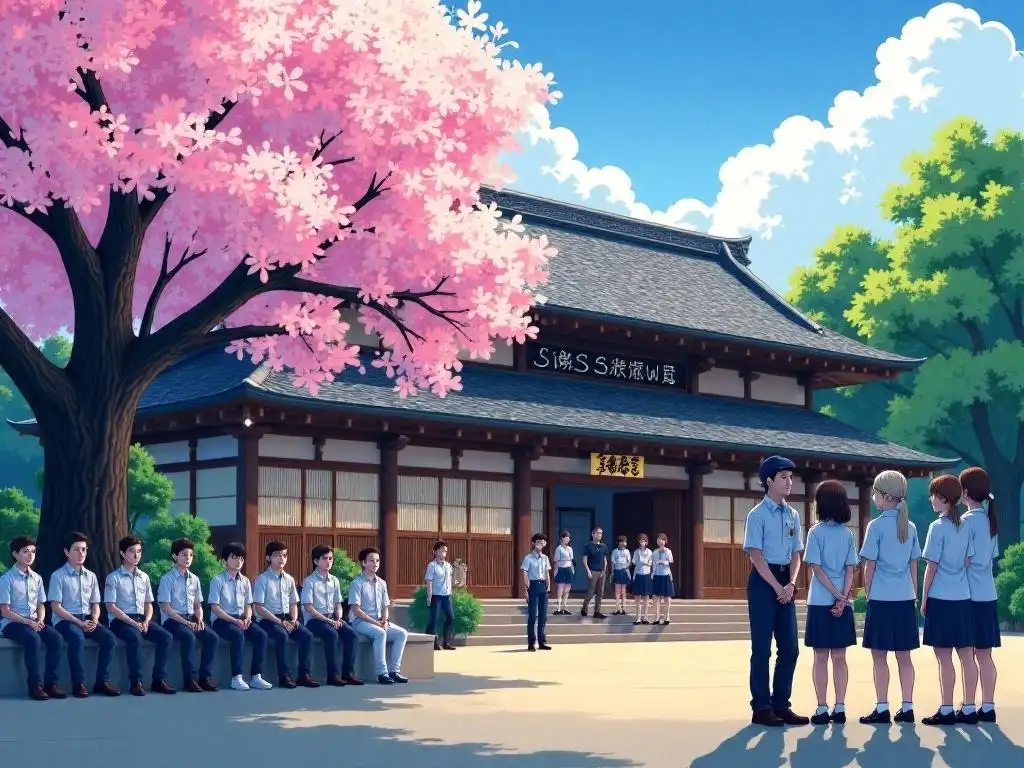
Martial arts schools in feudal Japan played a pivotal role in shaping social structures and cultural practices within society. These institutions served as more than mere training grounds for combat; they were vibrant centers for community engagement, education, and the promotion of values such as discipline, respect, and honor. As samurai warriors and aspiring fighters gathered to learn various styles and techniques, they forged bonds that transcended social classes and regional affiliations, creating a rich tapestry of camaraderie and mutual support among practitioners.
The influence of martial arts schools extended beyond the physical training of their students. They contributed to the establishment of social norms and codes of conduct that governed behavior both within and outside the dojo. Through rigorous training, students cultivated not only their martial skills but also virtues like perseverance and humility, which were integral to the samurai ethos. As a result, these schools became breeding grounds for the values that defined feudal Japanese society.
Building Community and Brotherhood
At the heart of martial arts schools was the sense of community and brotherhood they fostered among their members. Students from diverse backgrounds—ranging from low-ranking samurai to the peasantry—came together to learn, train, and grow. This egalitarian aspect was particularly significant in a society often marked by rigid class distinctions.
The atmosphere within these schools encouraged collaboration and mutual respect. Practitioners formed deep friendships, often referred to as dōjō-kai, which translated to "dojo community." This sense of belonging was critical for the mental and emotional well-being of students, allowing them to share experiences, challenges, and triumphs. Additionally, the schools often held events and competitions that brought together different factions, fostering inter-school rivalries that, while competitive, also promoted respect and camaraderie.
Influence on Warfare and Strategy
Martial arts schools were instrumental in the evolution of warfare and military strategy during feudal Japan. As various schools developed distinct fighting styles and techniques, they contributed to a broader understanding of combat that transcended mere physical prowess. Many schools emphasized strategy and tactics alongside martial techniques, instilling in their students the importance of mental acuity in battle.
The teachings from these schools were often adapted for real-world applications in the military. Samurai trained in different arts, such as Kenjutsu (swordsmanship), Sojutsu (spear fighting), and Iaijutsu (the art of drawing the sword), developed a comprehensive skill set that enhanced their effectiveness on the battlefield. Moreover, the philosophies derived from martial arts—such as the importance of timing, precision, and adaptability—became foundational elements in the samurai's approach to warfare.
The legacy of these martial arts schools can be seen in the way they influenced military commanders and strategy throughout Japan's feudal conflicts. Many renowned samurai leaders were themselves products of these schools, and their teachings shaped the tactics employed in numerous battles.
Conclusion: The Lasting Legacy of Martial Arts Schools in Feudal Japan
The martial arts schools of feudal Japan left an indelible mark on the nation's history, culture, and social fabric. Their impact extended far beyond the training of warriors; they were vital in shaping a sense of community, fostering brotherhood, and instilling values that resonated throughout Japanese society. The strategic insights and combat techniques developed within these schools not only influenced individual samurai but also had far-reaching effects on military practices and outcomes.
As Japan transitioned into the modern era, the principles and philosophies derived from these martial arts schools continued to resonate, influencing contemporary martial arts practices and cultural values. Today, the legacy of feudal martial arts schools is celebrated and preserved, serving as a testament to their fundamental role in the development of Japan's rich cultural heritage. The enduring spirit of these institutions can be seen in the dedication and discipline of modern martial artists, who continue to honor the traditions and teachings of their predecessors.
Recommended Resources for Further Exploration
To deepen your understanding of the role of martial arts schools in feudal Japan, there are several resources that provide valuable insights, historical context, and in-depth analysis. Here, we present a curated list of books, documentaries, and websites that delve into the multifaceted aspects of martial arts and their significance during this era.
Books
-
"Hagakure: The Book of the Samurai" by Yamamoto Tsunetomo
This classic text offers a fascinating glimpse into the philosophy and mindset of the samurai, shedding light on the cultural importance of martial arts training during the Edo period.
-
"The Art of War" by Sun Tzu
Although originally Chinese, this ancient military treatise had a profound influence on Japanese martial arts philosophy, emphasizing strategy and tactics applicable to samurai training.
-
"Bushido: The Soul of Japan" by Inazo Nitobe
This work explores the ethical code of the samurai, which was deeply intertwined with their martial arts training and practice.
-
"Samurai: The Story of a Warrior Tradition" by John Man
This book provides a comprehensive overview of the samurai warrior class, including the evolution of martial arts schools and their societal roles.
Documentaries
-
"The Samurai: A History of Japan's Warriors"
This documentary series examines the historical development of the samurai and their martial arts practices, featuring expert interviews and reenactments.
-
"Warriors of Honor: The Samurai"
A visually captivating exploration of the samurai's code and their martial arts techniques, this film highlights key figures and events that shaped the feudal era.
Websites
-
Japan-Guide.com
This comprehensive travel and culture website includes sections on Japanese history, including the evolution of martial arts schools and their cultural significance.
-
The Martial Arts History Museum
An online resource dedicated to the history of martial arts, this site features articles, timelines, and profiles of significant martial arts schools in Japan.
-
The Samurai Archives
A rich repository of articles and resources about samurai culture, including martial arts, providing historical context and scholarly analysis.
These resources will not only enhance your knowledge of martial arts schools in feudal Japan but also offer a broader understanding of the historical, cultural, and societal dynamics of this fascinating period. Engaging with these materials can provide valuable insights into how martial arts shaped the identity and values of Japanese society during the feudal era.
- Introduction to Martial Arts Schools in Feudal Japan
- Historical Context of Feudal Japan's Martial Arts Schools
- Types of Martial Arts Schools in Feudal Japan
- Curriculum and Training Methods in Martial Arts Schools
- The Social Impact of Martial Arts Schools
- Conclusion: The Lasting Legacy of Martial Arts Schools in Feudal Japan
- Recommended Resources for Further Exploration
- What was the significance of martial arts schools in feudal Japan?
- How did martial arts schools influence Japanese culture?
- Were martial arts schools accessible to everyone in feudal Japan?
- What types of martial arts were taught in feudal Japan?
- How did martial arts schools evolve after the feudal era?
Frequently Asked Questions
What was the significance of martial arts schools in feudal Japan?
Martial arts schools were essential for training samurai in combat skills and discipline, which were crucial for survival and success in a society defined by warfare and honor.
How did martial arts schools influence Japanese culture?
These schools played a vital role in shaping cultural values, promoting loyalty, honor, and self-discipline, which were fundamental principles of the samurai code, known as Bushido.
Were martial arts schools accessible to everyone in feudal Japan?
Access to martial arts schools was primarily limited to the samurai class. However, some schools did offer training to commoners, especially in skills useful for self-defense.
What types of martial arts were taught in feudal Japan?
Various forms of martial arts, such as kenjutsu (swordsmanship), judo, and kyudo (archery), were taught, each focusing on different weapons and combat techniques reflective of the societal needs of the time.
How did martial arts schools evolve after the feudal era?
After the feudal era, martial arts schools transitioned into more formalized systems, leading to the development of modern martial arts styles and organizations that continue to practice traditional techniques today.
Final Reflection: The Enduring Legacy of Martial Arts Schools in Feudal Japan
The influence of martial arts schools in feudal Japan extends far beyond their historical context; they are a testament to the resilience and adaptability of cultural traditions. In an era marked by conflict and the pursuit of honor, these institutions not only shaped skilled warriors but also fostered a sense of community and discipline that resonates in modern society. The lessons learned within these walls continue to inspire individuals today, reminding us of the importance of perseverance and respect in our own lives.
The cultural impact of martial arts schools in feudal Japan is profound and ongoing. These schools served as more than just training grounds; they were centers of philosophy and ethics, instilling values that transcended the battlefield. As we reflect on their legacy, we can see how they have influenced contemporary martial arts practices and philosophies worldwide. The ultimate aim of martial arts is not to defeat others, but to conquer oneself.
This quote encapsulates the essence of what these schools imparted—a journey of self-discovery and personal growth that remains relevant in our fast-paced world.
As we conclude this exploration, I invite you to reflect on the principles of discipline, honor, and community that martial arts schools embodied. Consider how these values can be integrated into your own life, whether through physical practice, personal development, or fostering connections with others. Embrace the spirit of the samurai and let the teachings of the past guide you toward a more meaningful and purposeful future.
Embrace the Legacy of Martial Arts in Feudal Japan!
Thank you for diving into the fascinating world of martial arts schools in feudal Japanese society! Your exploration today has revealed the rich cultural significance and training methodologies that shaped warriors throughout history. Now, it’s time to take that knowledge and put it into action!
Here’s how you can deepen your connection to this remarkable legacy:
- Join a local martial arts class to experience the discipline and techniques firsthand, fostering a deeper appreciation for this ancient art.
- Read about renowned samurai and their martial arts philosophies, expanding your understanding of how these practices influenced their lives and values.
- Share your insights! Engage in discussions with friends or participate in online forums, sparking conversations about the influence of martial arts in contemporary society.
What aspect of martial arts from feudal Japan resonates most with you, and how do you perceive its impact in today's world?