
The Art of the Short Story: Prose Forms in Feudal Japan


Welcome to Feudal Japan History, where we invite you to embark on a captivating journey through the intricate tapestry of Japan's feudal era. Delve into the world of short stories in feudal Japan, where prose intertwines with culture, history, and societal nuances. Our latest article, "The Art of the Short Story: Prose Forms in Feudal Japan," promises to unveil the rich narrative traditions that thrived during this fascinating period. Are you ready to uncover the hidden gems of storytelling that shaped a nation? Let your curiosity guide you as you explore the depths of our expert-driven insights!
Introduction to Short Stories in Feudal Japan
The art of storytelling has been an integral part of Japanese culture for centuries, with short stories playing a significant role in the literary landscape of feudal Japan. These prose forms, often rich in tradition and thematic depth, served not only as entertainment but also as a means of conveying moral lessons, cultural values, and societal norms.
As we delve into the world of short stories in feudal Japan, we will explore how these narratives reflect the complexities of the era, intertwining history, culture, and the evolution of literature. By examining various aspects of these prose forms, we aim to shed light on their significance and the unique perspectives they offer on Japanese life during this fascinating period.
Understanding the Importance of Short Stories in Japanese Literature
Short stories in feudal Japan were not merely a form of entertainment; they were a powerful vehicle for cultural expression. Often characterized by their brevity and poignant storytelling, these narratives encapsulated profound themes such as honor, love, and the transient nature of life—concepts deeply rooted in Japanese philosophy.
- Cultural Transmission: Short stories played a vital role in transmitting cultural values and historical lessons from one generation to another. They often reflected the societal norms and expectations of the time, providing insight into the lives of both commoners and the aristocracy.
- Literary Innovation: The feudal period saw the emergence of various prose forms, including tsukuri-monogatari (constructed tales) and kibyōshi (yellow-covered books), which laid the groundwork for modern Japanese literature. These innovations emphasized the importance of character development and narrative structure, influencing future generations of writers.
Overview of Feudal Japan's Historical Context
To fully appreciate the art of short stories in feudal Japan, it is essential to understand the historical backdrop of the period, which spanned from the 12th to the 19th centuries. This era was marked by significant political, social, and cultural transformations that shaped the storytelling tradition.
- Political Landscape: The rise of the samurai class and the establishment of feudalism created a new social hierarchy, profoundly affecting the themes and characters portrayed in literature.
- Cultural Flourishing: During periods such as the Heian and Edo, artistic expression flourished, leading to a rich literary heritage that included poetry, drama, and prose. The interplay between these genres enriched the narrative techniques used in short stories.
Historical Development of Short Stories
The evolution of short stories in feudal Japan can be traced through various influences and historical developments that contributed to their unique characteristics. Understanding these factors is crucial for appreciating the richness of this literary form.
Early Influences on Japanese Prose Forms
The origins of Japanese prose can be traced back to ancient oral traditions and early written works, which laid the foundation for the short story genre.
- Oral Storytelling Traditions: Before written prose emerged, storytelling was primarily an oral tradition, with tales passed down through generations. This practice contributed to the thematic and stylistic elements that would later characterize short stories.
- Chinese Literature Influence: The introduction of Chinese literature and philosophy significantly impacted Japanese prose forms. Concepts such as xuanwu (mystical elements) and wenxue (literature) inspired early Japanese writers to incorporate similar themes into their own narratives.
Key Historical Periods and Their Impact on Storytelling
Various historical periods in feudal Japan played a crucial role in shaping the development of short stories. Each era introduced distinct cultural and literary trends that influenced how stories were crafted and received.
- Heian Period (794-1185): This era is often regarded as the golden age of Japanese literature, marked by the creation of notable works like The Tale of Genji. The emphasis on aesthetics and emotional depth during this time laid the groundwork for future prose forms.
- Edo Period (1603-1868): The Edo period saw the rise of popular literature, including kibyōshi and narrative picture books, which catered to a broader audience. This democratization of literature allowed for greater experimentation with narrative styles and themes, ushering in a new era of short storytelling.
The art of short stories in feudal Japan is a testament to the rich cultural heritage and literary innovation of the time. By exploring the historical context and influences that shaped these narratives, we can gain a deeper understanding of their significance in Japanese literature and culture.
Characteristics of Short Stories in Feudal Japan
Short stories in feudal Japan, known as "monogatari", reflect a unique blend of narrative form, cultural context, and literary tradition. These stories often encapsulated the essence of human emotion, nature, and the societal norms of the time. One of the defining characteristics of these short stories is their brevity, allowing authors to convey profound meanings within a limited scope. This conciseness often led to a focus on a single moment or event, emphasizing emotional resonance over elaborate plots.
Another notable characteristic is the use of symbolism. Objects, characters, and settings frequently carry deeper meanings, inviting readers to engage in interpretation. Nature imagery is prevalent, with seasons and landscapes acting as metaphors for human experiences. Additionally, the structure of these narratives often adheres to traditional forms, such as the "haibun", which combines prose and poetry, reflecting the aesthetics of Japanese literary culture.
Narrative Techniques in Feudal Japanese Short Stories
Feudal Japanese short stories utilized various narrative techniques that enhanced their emotional and thematic depth. First-person narration is common, providing an intimate perspective that allows readers to connect deeply with the protagonist's thoughts and feelings. This technique fosters empathy and encourages exploration of the inner workings of characters' minds.
Frame narratives also appeared in these stories, where a main story encloses a series of shorter tales, adding layers of meaning and context. This technique allows for diverse perspectives and enriches the overall narrative.
Moreover, the use of dialogue serves to reveal character relationships and social dynamics. Authors often employed subtext in conversations, where what is left unsaid carries as much weight as the spoken word, reflecting the culture's emphasis on indirect communication.
Themes Commonly Explored in Short Stories
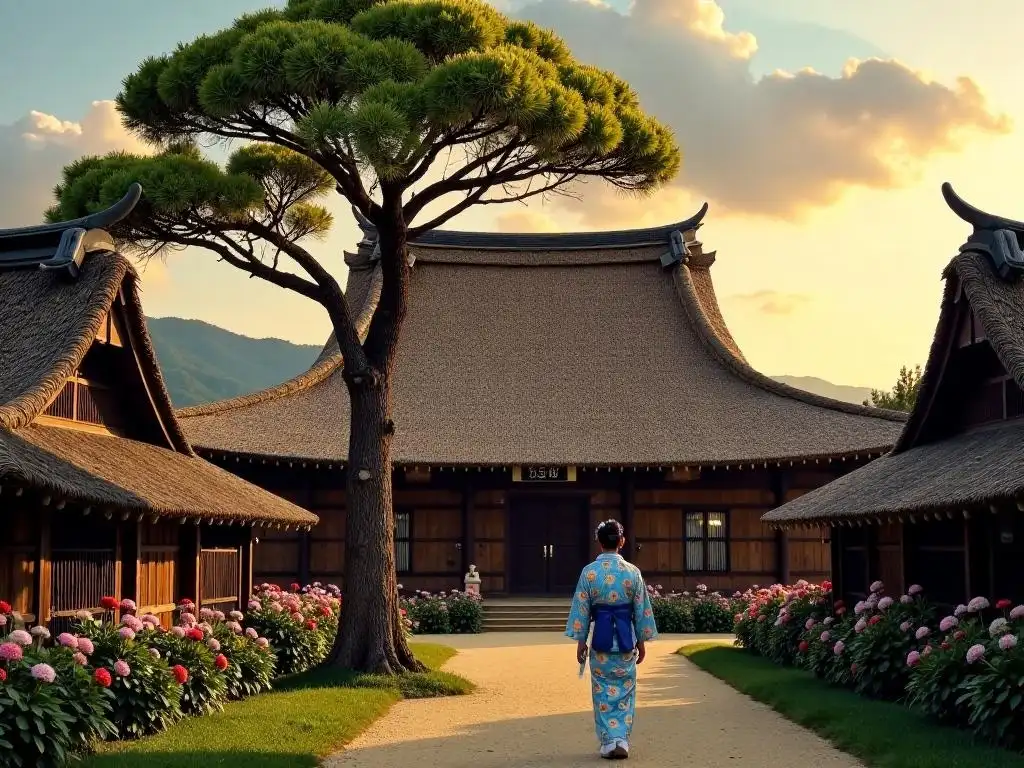
The themes explored in short stories during feudal Japan are diverse and often reflect the complexities of human existence. Love and loss are recurrent motifs, encapsulating the fleeting nature of relationships and the inevitable sorrow that accompanies them. Stories frequently depict the tension between personal desires and societal obligations, illustrating the struggle for individual agency within rigid social structures.
Another significant theme is the transience of life, a reflection of the Buddhist philosophy prevalent in Japanese culture. This theme often manifests through seasonal imagery, symbolizing the cycle of life and death. Nature itself is frequently a character, highlighting the connection between humanity and the natural world.
Additionally, social hierarchy and class struggle are common themes, showcasing the lives of samurai, merchants, and peasants. These narratives often critique or reflect upon the established social order, providing insights into the values and dilemmas of feudal society.
Language and Style: A Distinctive Prose Form
The language and style of short stories in feudal Japan are marked by lyricism and elegance. Authors often employed arhaic Japanese, which adds a layer of historical authenticity and aesthetic beauty. The use of alliteration and assonance creates a musical quality, enhancing the reader's engagement with the text.
Imagery plays a crucial role in the prose, with vivid descriptions that evoke strong sensory experiences. Writers utilized metaphors and similes to draw connections between the narrative and the larger world, deepening the resonance of their themes.
Moreover, the integration of poetic elements, such as haiku or tanka, within prose demonstrates a distinctive feature of this literary form. This blending of poetry and prose allows for a multifaceted reading experience, enriching the narrative's emotional landscape.
Feudal Japan produced an array of notable works and authors who left a lasting impact on Japanese literature. One of the most significant figures is Murasaki Shikibu, best known for "The Tale of Genji," which, although longer than a typical short story, influenced the shorter forms with its intricate character development and emotional depth.
Another important author is Sei Shonagon, whose collection of essays and lists, "The Pillow Book," showcases the art of brevity and wit, serving as a precursor to the modern short story.
Additionally, Kankinshu, a collection of short tales, exemplifies the narrative techniques and themes prevalent during the era, with stories that explore love, nature, and the human condition.
Influential Short Stories from Feudal Japan
Several short stories from feudal Japan have gained recognition for their artistic merit and cultural significance. One such tale is "The Grateful Crane," a poignant story about sacrifice and the bond between humans and nature. This narrative highlights themes of gratitude and the consequences of selfishness.
Another influential work is "The Tale of the Bamboo Cutter," often considered the oldest extant Japanese folktale. This story intertwines themes of beauty, loss, and the supernatural, reflecting the complexities of love and fate.
Additionally, "The Tale of the Heike," while primarily a historical narrative, includes short stories that delve into the lives of samurai and their struggles, making significant contributions to the genre.
Key Figures in Feudal Japanese Literature

Prominent figures in feudal Japanese literature have shaped the landscape of short stories and narrative forms. Murasaki Shikibu and Sei Shonagon stand out as pioneering women writers whose works have transcended time, influencing countless authors and genres.
Other notable figures include Nara Period poets like Kakinomoto no Hitomaro, whose lyrical poetry often served as inspiration for narrative forms, and Tsurayuki, whose writings contributed to the development of waka and haiku, integrating poetic elements into prose.
Moreover, Yoshida Kenko, known for his essays in "Tsurezuregusa," provided insights into the human experience, blending personal reflection with storytelling, further enriching the short story tradition.
Case Studies of Renowned Short Stories
Examining case studies of renowned short stories reveals the intricate artistry involved in their creation. For instance, "The Grateful Crane" presents a complex interplay between characters and themes, showcasing the moral dilemmas faced by the protagonist. The simple yet profound narrative structure allows readers to reflect on the deeper meanings of gratitude and sacrifice.
Another case study is "The Tale of the Bamboo Cutter," which encapsulates the essence of Japanese folklore. The story's incorporation of supernatural elements alongside human emotions invites readers to explore the boundaries between reality and fantasy.
Finally, "The Tale of the Heike" serves as a rich historical document, revealing the lives of samurai amidst the backdrop of war. Through its episodic nature and varied perspectives, it highlights the diversity of human experience and the complexities of loyalty, honor, and fate.
Cultural Significance of Short Stories
Short stories in feudal Japan played a pivotal role in shaping the cultural landscape of the era. They served not only as a form of entertainment but also as a means of cultural transmission, encapsulating the values, beliefs, and practices of Japanese society. In a time when literacy was not widespread, these narratives often bridged the gap between the educated elite and the common folk, fostering a shared cultural heritage. The brevity of short stories allowed for quick dissemination and retention of moral lessons and societal norms, making them accessible to a broader audience.
The themes explored in these stories often mirrored the complexities of human emotions and social interactions, allowing writers to delve into the human condition in a manner that resonated deeply with readers. The significance of short stories extended beyond mere storytelling; they were instruments of reflection and introspection, prompting readers to contemplate their own lives and the world around them. As a result, short stories became a vital component of literary education in feudal Japan, influencing generations of writers and thinkers.
The Role of Short Stories in Feudal Japanese Society
In feudal Japan, short stories served various roles that were integral to the fabric of society. They were often used in educational contexts, teaching moral lessons and social etiquette. Schools and temples would employ these narratives to impart wisdom, with stories featuring protagonists who faced moral dilemmas, thereby encouraging the youth to reflect on their own choices.
Additionally, short stories were a means of entertainment during gatherings and festivals. Storytellers, known as "rakugo" performers, captivated audiences with their engaging narratives, often incorporating humor and satire. This oral tradition provided a communal experience, reinforcing social bonds and cultural identity.
Furthermore, short stories often reflected the political and social realities of the time, providing commentary on the samurai class, power dynamics, and the lives of commoners. They acted as a mirror to society, allowing individuals to engage with contemporary issues through the lens of fiction.
Short Stories as Reflections of Cultural Values and Beliefs
The short stories of feudal Japan encapsulated the cultural values and beliefs that defined the era. Many narratives emphasized the importance of "wa" (harmony), "giri" (duty), and "ninjo" (human emotion), which were central to the samurai code of conduct and societal expectations. These themes promoted adherence to social hierarchies and the importance of personal responsibility.
Moreover, short stories often incorporated elements of Shinto and Buddhist philosophy, reflecting the spiritual beliefs of the time. Tales of supernatural beings, moral lessons involving karma, and the transient nature of life were common, serving to connect readers with deeper existential questions.
In essence, these stories were not merely entertainment; they were vehicles for cultural transmission, preserving and articulating the values that shaped Japanese identity. As such, they played a crucial role in maintaining continuity of thought and tradition across generations.
The Impact of Short Stories on Japanese Art and Aesthetics
Short stories in feudal Japan significantly influenced various art forms, particularly painting, theater, and calligraphy. The vivid imagery and emotional depth found within these narratives inspired artists to visualize scenes, leading to the creation of iconic paintings that depicted stories and characters. For example, the famous "Tale of Genji", though longer than a short story, was often distilled into single scenes that captured its essence, reflecting the aesthetics of the period.
In theater, short stories provided rich material for Noh and Kabuki performances, where narratives were adapted into dramatic forms. The emphasis on character, emotion, and moral dilemmas in these stories translated seamlessly into the theatrical arts, enhancing the emotional engagement of the audience.
Additionally, the practice of calligraphy was deeply intertwined with storytelling. The elegance of written characters was often used to convey the beauty of the language, with short stories serving as a medium for showcasing skilled penmanship. This aesthetic appreciation for language further enhanced the cultural significance of short stories, intertwining literature with visual art.
Comparison of Short Stories and Other Literary Forms

Short stories in feudal Japan coexisted with other literary forms, each serving distinct purposes and audiences. Understanding their unique characteristics highlights their significance within the broader literary landscape.
Short Stories vs. Novels in Feudal Japan
While novels like "The Tale of Genji" are renowned for their length and complexity, short stories offered a more concise and focused exploration of themes. Unlike novels, which could span multiple characters and intricate plots, short stories were limited in scope, allowing for a concentrated examination of a single idea or moral lesson.
This brevity made short stories particularly appealing in an era where time for reading was often constrained. They provided immediate gratification and were easily consumable, making them a popular choice among a diverse audience. Furthermore, the simplicity and clarity of short stories often allowed them to convey profound truths in a straightforward manner, distinguishing them from the elaborate narratives of novels.
The Relationship Between Poetry and Short Stories
The relationship between poetry and short stories in feudal Japan is a testament to the fluidity of literary forms during this period. Both mediums shared common themes and often intertwined in their use of imagery and emotional expression. Short stories frequently incorporated poetic elements, using verse to enhance the narrative flow and emotional depth.
Moreover, many short stories were inspired by or adapted from traditional poetry, such as haiku and tanka. The concise nature of these poetic forms complemented the brevity of short stories, allowing for a seamless blend that enriched the storytelling experience. This interplay underscored the aesthetic values of the time, where language and art were deeply interconnected.
Oral Tradition and Its Influence on Prose Forms
The oral tradition played a crucial role in shaping the development of short stories in feudal Japan. Storytelling was a communal activity, with tales passed down through generations, often evolving with each retelling. This oral heritage provided a rich reservoir of narratives, which later influenced written prose forms.
The rhythm and cadence of spoken language found its way into written short stories, creating a unique narrative style that resonated with both the ear and the eye. The influence of oral tradition is evident in the use of repetitive structures, catchphrases, and vivid characterizations that are hallmarks of short stories from this era.
Additionally, the oral tradition fostered a sense of community among listeners, making stories a shared experience that transcended social classes. This inclusivity ensured that the values and lessons embedded in these tales reached a broad audience, further solidifying their importance within Japanese culture.
Conclusion
The exploration of short stories in feudal Japan reveals a rich tapestry of cultural expressions and literary evolution. This era, marked by distinctive prose forms, not only reflects the societal values and philosophical underpinnings of its time but also serves as a precursor to modern Japanese literature. The interplay between storytelling traditions and historical contexts shaped the development of narratives that are both poignant and profound. As we look back at this artistic heritage, it becomes evident that the short story is not merely a literary form but a vessel of cultural identity and continuity.
Summary of the Evolution of Short Stories in Feudal Japan
The evolution of short stories in feudal Japan can be traced through various literary forms, beginning with the Nara and Heian periods, where tales like The Tale of Genji laid the groundwork for narrative complexity. During the Kamakura and Muromachi periods, the emergence of sekai (worlds) in stories allowed for diverse character explorations and social commentary.
The Edo period further revolutionized the genre with the rise of ukiyo-zōshi (floating world tales), characterized by their focus on the lives of common people, often laced with humor and satire. This period's emphasis on accessibility and entertainment marked a significant shift, making short stories an essential part of popular culture.
The Enduring Legacy of Feudal Japanese Short Stories in Modern Literature
The legacy of feudal Japanese short stories continues to resonate in contemporary literature, influencing both Japanese and international writers. Themes of ephemeral beauty, the human condition, and moral dilemmas found in these narratives are echoed in modern storytelling. Authors such as Haruki Murakami and Banana Yoshimoto draw upon the past, weaving elements of traditional storytelling into their works, thereby keeping the essence of feudal narratives alive.
Additionally, the structure and brevity of these short stories have inspired a global appreciation for the form, influencing literary movements worldwide. The enduring nature of these stories underscores their significance as a bridge between historical context and modern literary expression.
Further Reading and Resources
For those interested in delving deeper into the realm of short stories in feudal Japan, a variety of resources are available to enhance understanding and appreciation of this literary tradition.
Recommended Books on Short Stories in Feudal Japan
- "The Tale of Genji" by Murasaki Shikibu - Often cited as the world's first novel, this text provides invaluable insight into the narrative styles of the Heian period.
- "Konjaku Monogatari" (Tales of Times Now Past) - A collection of short stories from the late Heian period that illustrates the diverse storytelling techniques of the time.
- "Ukiyo-e: The Floating World" by Richard Lane: - A study that connects the visual arts of the Edo period with its literature, providing context for the short stories of that era.
- "Japanese Literature: An Introduction for Western Readers" by Donald Keene: - This book offers a comprehensive overview of significant works, including short stories from feudal Japan.
Academic Journals and Articles for In-Depth Study
- "Japan Review" - This journal publishes scholarly articles on various aspects of Japanese culture, including literature, providing critical insights into short stories.
- "The Journal of Asian Studies" - Featuring articles that explore historical and literary themes, this journal often includes studies on the evolution of prose forms in Japan.
- "Monumenta Nipponica" - A journal dedicated to Japanese studies, it offers in-depth analysis and discussions surrounding historical narratives and literary forms.
- "The Journal of Japanese Studies" - This is another key resource for scholarly articles that delve into the nuances of Japanese literature, including short stories from the feudal era.
These resources are essential for anyone wishing to gain a deeper understanding of the rich literary heritage of feudal Japan and its impact on contemporary literature.
- Introduction to Short Stories in Feudal Japan
- Historical Development of Short Stories
- Characteristics of Short Stories in Feudal Japan
- Narrative Techniques in Feudal Japanese Short Stories
- Themes Commonly Explored in Short Stories
- Language and Style: A Distinctive Prose Form
- Notable Works and Authors
- Influential Short Stories from Feudal Japan
- Key Figures in Feudal Japanese Literature
- Case Studies of Renowned Short Stories
- Cultural Significance of Short Stories
- Comparison of Short Stories and Other Literary Forms
- Conclusion
- Further Reading and Resources
- What are the main characteristics of short stories in feudal Japan?
- Who were the prominent authors of short stories during this period?
- How did the social structure of feudal Japan influence storytelling?
- What role did oral storytelling play in feudal Japan?
- Can you recommend any short stories from feudal Japan?
Frequently Asked Questions
What are the main characteristics of short stories in feudal Japan?
Short stories in feudal Japan often featured elements of nature, supernatural themes, and moral lessons, reflecting the cultural values and societal norms of the time.
Notable authors included Murasaki Shikibu and Sei Shonagon, whose works exemplified the literary sophistication and aesthetic beauty of the era.
The hierarchical society of feudal Japan shaped narratives, often focusing on themes of loyalty, honor, and the struggles of samurai and peasants, mirroring the class dynamics of the time.
What role did oral storytelling play in feudal Japan?
Oral storytelling was crucial in preserving culture and traditions, allowing stories to be passed down through generations, often evolving with each retelling to reflect changing societal values.
Can you recommend any short stories from feudal Japan?
Some recommended works include "The Tale of Genji" and "The Pillow Book," which, while longer narratives, contain short story elements and offer rich insights into the cultural landscape of feudal Japan.
Final Reflection: The Enduring Legacy of Short Stories in Feudal Japan
The intricate art of short stories in feudal Japan continues to resonate profoundly in our contemporary world, reminding us that storytelling transcends time and culture. As we explore the rich tapestry of these narratives, we uncover not only the creativity of past authors but also the universal themes that connect us all—love, loss, honor, and the human experience. The beauty of these stories lies in their ability to evoke emotions and provoke thought, making them as relevant today as they were centuries ago.
The influence of short stories from feudal Japan on modern literature and culture is undeniable. These narratives have shaped our understanding of storytelling, inspiring countless writers and artists across the globe. The themes and techniques employed in these works invite us to reflect on our own lives and the stories we tell. As noted by literary scholar Haruki Murakami, In the end, we are all stories. The stories we tell ourselves shape our reality.
This observation underscores the importance of narrative in our lives and highlights how the short stories of feudal Japan continue to inform our cultural landscape.
As we conclude this exploration, I invite you to reflect on the power of storytelling in your own life. Consider how the themes and lessons from these short stories can inspire you to craft your own narrative, whether through writing, art, or simply sharing your experiences with others. Embrace the art of storytelling, for it is through our stories that we connect, heal, and understand the world around us. Let the legacy of short stories in feudal Japan guide you as you embark on your own journey of expression and creativity.
Unleash Your Inner Storyteller Today!
Thank you for diving into the enchanting world of short stories from feudal Japan! We hope you found inspiration and insight into the rich prose forms that shaped this remarkable culture. Now, let’s take your newfound knowledge and put it into action.
Here are a few exciting steps you can take to deepen your exploration of this fascinating era:
- Start writing your own short story inspired by the themes and style of feudal Japan. Let your imagination breathe life into tales of honor, love, and adventure!
- Join or create a writing group where you can share your stories and receive valuable feedback from fellow writers.
- Delve deeper into the cultural context by exploring various resources and engaging with others in discussion forums. Sharing ideas can lead to a richer understanding and enhanced creativity!
What story will you craft that captures the essence of feudal Japan? We would love to hear your thoughts in the comments!