
The Rise of the Samurai Class: Myth vs. Reality in Historical Narratives

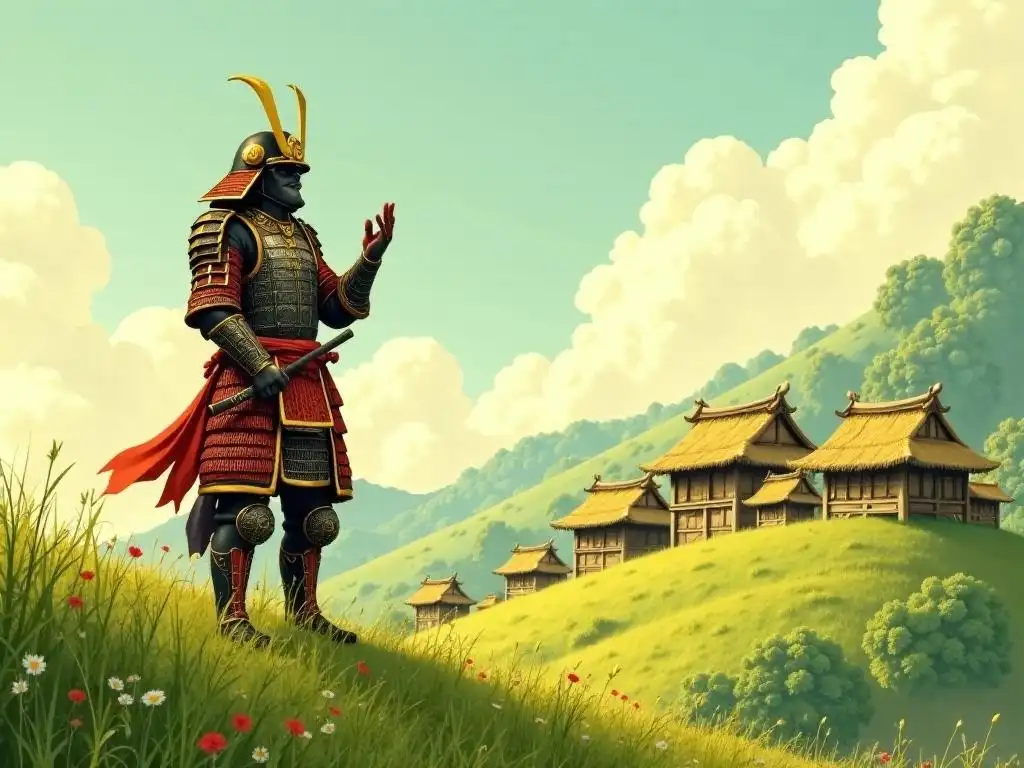
Welcome to Feudal Japan History, where we embark on a captivating journey through the intricate tapestry of Japan's feudal era. In our featured article, “The Rise of the Samurai Class: Myth vs. Reality in Historical Narratives,” we delve deep into the fascinating world of the samurai class, unraveling the truths and myths that have shaped their legacy.
Discover how these legendary warriors navigated the complexities of political power and societal expectations, and prepare to challenge your understanding of history. Join us as we explore the rich cultural and historical narratives that define this remarkable period in Japan’s past—your adventure awaits!
Introduction to the Samurai Class Historical Narratives
The samurai class stands as one of the most iconic symbols of feudal Japan, often romanticized in popular culture and historical narratives. However, the true origins, evolution, and impact of the samurai extend far beyond the myths that have permeated these stories. This article delves into the intricate realities behind the samurai class, dissecting historical narratives that have shaped our understanding of these warriors. By examining both myth and fact, we aim to provide a comprehensive exploration of how the samurai emerged as a powerful social class in Japan and the significant events that influenced their development.
Overview of the Samurai Class in Feudal Japan
The samurai, known for their code of honor and martial prowess, were not merely warriors; they represented a distinct societal class that played a crucial role in the political and cultural landscape of Japan. Emerging in the late Heian period (794-1185), the samurai were initially employed as military retainers for noble families, tasked with protecting their lands and interests. Over time, their influence expanded, leading to the establishment of a feudal system where loyalty and service became paramount.
Key characteristics of the samurai class include:
- Bushido: The "way of the warrior," a code emphasizing loyalty, honor, and martial skill.
- Land Ownership: Many samurai became landowners, which solidified their status in society.
- Cultural Contributions: The samurai were not only warriors but also patrons of the arts, influencing literature, tea ceremonies, and more.
Importance of Historical Narratives in Understanding the Samurai
Historical narratives serve as lenses through which we interpret the past. They help us understand the complexities of the samurai's role in society, but they can also perpetuate myths that distort reality. By critically analyzing these narratives, we can separate fact from fiction and gain a clearer picture of how the samurai class functioned within feudal Japan.
The portrayal of samurai in literature and film often emphasizes their romanticized virtues while glossing over the brutal realities of their existence. Understanding these narratives is essential for appreciating the true legacy of the samurai and their impact on Japanese history.
Historical Context of the Samurai Class
Origins of the Samurai Class in Japanese Society
The origins of the samurai class can be traced back to the late 8th and early 9th centuries, during a time when Japan was transitioning from a centralized government to a more decentralized feudal system. As the imperial court struggled to maintain control over distant provinces, local clans began to rise in power.
The early samurai were primarily composed of:
- Peasant Warriors: Farmers who took up arms to defend their lands.
- Noble Retainers: Warriors serving wealthy landowners, providing protection and military support.
This shift marked the beginning of a new social hierarchy where military prowess became a key determinant of power and status.
The Evolution of the Samurai Role Throughout the Feudal Era
As Japan entered the Kamakura period (1185-1333), the samurai class solidified its position within society. The establishment of the shogunate system marked a significant transformation, as samurai became the ruling elite, wielding both military and political authority.
Throughout the feudal era, the samurai experience evolved in response to various socio-political changes, including:
- Rise of the Shogunates: The Kamakura, Ashikaga, and Tokugawa shogunates played pivotal roles in shaping samurai identity and governance.
- Civil Wars and Unification: Internal conflicts, such as the Genpei War and the Sengoku period, forced samurai to adapt militarily and politically, leading to their eventual unification under the Tokugawa shogunate.
Key Historical Events Influencing Samurai Development
Several significant events profoundly influenced the samurai class and its trajectory within Japanese history:
- The Genpei War (1180-1185): This conflict between the Taira and Minamoto clans established the foundation for the samurai's rise to power.
- The Mongol Invasions (1274 and 1281): The samurai's defense against these invasions solidified their status as protectors of Japan.
- The Sengoku Period (1467-1603): A time of constant warfare and political fragmentation that led to the emergence of powerful daimyos and the evolution of samurai warfare.
By understanding these historical contexts and events, we can better appreciate the complexities of the samurai class historical narratives that have shaped our modern perceptions of this iconic warrior class.
Myths Surrounding the Samurai Class
The samurai class has often been embellished with myths that shape our understanding of their role in feudal Japan. These narratives, while captivating, frequently distort the reality of their lives, values, and societal contributions. The romanticism surrounding the samurai can lead to misconceptions that overshadow the complexities of their existence. Understanding these myths is crucial for a more accurate portrayal of the samurai's historical significance.
The Romanticized Image of the Samurai in Popular Culture
In popular culture, samurai are typically depicted as noble warriors, embodying ideals of honor and loyalty. Movies, novels, and anime often portray them clad in elaborate armor, engaging in epic duels, or following a strict code of bushido. However, this romanticized image overlooks several critical aspects:
- Simplified Characters: Many portrayals simplify samurai characters into archetypes, ignoring the diversity within the class. Not all samurai adhered to the same values or lived by the same codes.
- Exaggerated Feats: Stories often exaggerate the prowess and invincibility of samurai, creating legends that are not always grounded in historical fact.
- Isolation from Reality: These portrayals often detach samurai from the broader societal and political contexts in which they operated, neglecting the complexities of their lives and decisions.
Misconceptions About Samurai Codes and Ethics
The bushido code, often idealized as a strict ethical guideline for samurai, has been misunderstood in various ways. While bushido certainly existed, its interpretation and application varied significantly among samurai:
- Inconsistency: The principles of bushido were not universally accepted or practiced. Different clans and regions had their own variations, leading to inconsistencies in how ethics were applied.
- Historical Evolution: The concept of bushido evolved over time, particularly as samurai transitioned from warriors to bureaucrats. The modern interpretation is often a post-Meiji Restoration construct rather than a reflection of historical practices.
- Diverse Motivations: Samurai were motivated by various factors, including personal ambition, loyalty to their lords, and economic gain, which complicates the moral narrative often associated with them.
The Samurai as Noble Warriors: Fact or Fiction?
The portrayal of samurai as noble warriors is another narrative that merits scrutiny. While many samurai did uphold values of loyalty and honor, the reality was often more complicated:
- Political Intrigue: Many samurai were involved in political machinations, betrayal, and power struggles. Their allegiance was often more to their own ambitions than to an abstract concept of honor.
- Violence and Warfare: The samurai class was deeply entrenched in violence, and their rise was marked by brutal conflicts, including civil wars and invasions. This violence often overshadowed the noble ideals attributed to them.
- Social Mobility: Some samurai came from commoner backgrounds, and their ascent to power was more about opportunity and skill than inherent nobility.
Realities of Samurai Life
The realities of samurai life were shaped by a myriad of factors, including their daily routines, social structures, and economic conditions. Exploring these aspects provides a more nuanced understanding of what it meant to be a samurai in feudal Japan.
Daily Life of the Samurai: Beyond the Sword
While samurai are often celebrated for their martial skills, their daily lives encompassed much more than warfare:
- Training and Practice: Regular training in martial arts was essential, but samurai also engaged in cultural pursuits such as poetry, calligraphy, and tea ceremonies, reflecting a balance between martial and intellectual pursuits.
- Administrative Duties: As landholders, many samurai were responsible for governance, including tax collection, land management, and maintaining public order. Their roles often required a blend of military and administrative skills.
- Family Life: Samurai families valued lineage and often arranged marriages to strengthen alliances. The responsibilities of maintaining a household and raising children were significant aspects of their lives.
Social Hierarchy and the Status of the Samurai Class
The samurai class occupied a distinct position within the feudal hierarchy, heavily influencing their status and roles in society:
- Feudal Structure: The samurai were situated below the nobility (daimyō) but above the commoners, creating a clear social stratification that defined their privileges and responsibilities.
- Loyalty and Service: Loyalty to their lord was paramount, and samurai were often bound by feudal contracts that dictated their service in exchange for land and protection.
- Declining Power: The status of samurai began to decline during the Edo period as the peace established by Tokugawa Ieyasu reduced the need for military service, transforming many samurai into bureaucrats without the historical significance they once held.
Economic Aspects of Samurai Life: Wealth, Land, and Power
The economic realities of samurai life were intricately tied to their social status and power dynamics within feudal Japan:
- Land Ownership: Wealth among samurai was primarily derived from land ownership. The more land a samurai controlled, the greater their power and influence in the local economy.
- Income Sources: Samurai income often came from the production of rice, which was the primary currency in feudal Japan. They also engaged in various business ventures to supplement their income, especially during times of peace.
- Economic Disparities: Not all samurai were wealthy; there were significant disparities within the class. Lower-ranking samurai often struggled economically, reflecting the complexities of their social standing.
Through a careful examination of these aspects, we can better understand the multi-faceted lives of samurai, shedding light on both the myths and realities surrounding this iconic class in Japanese history.
The Role of Samurai in Political History
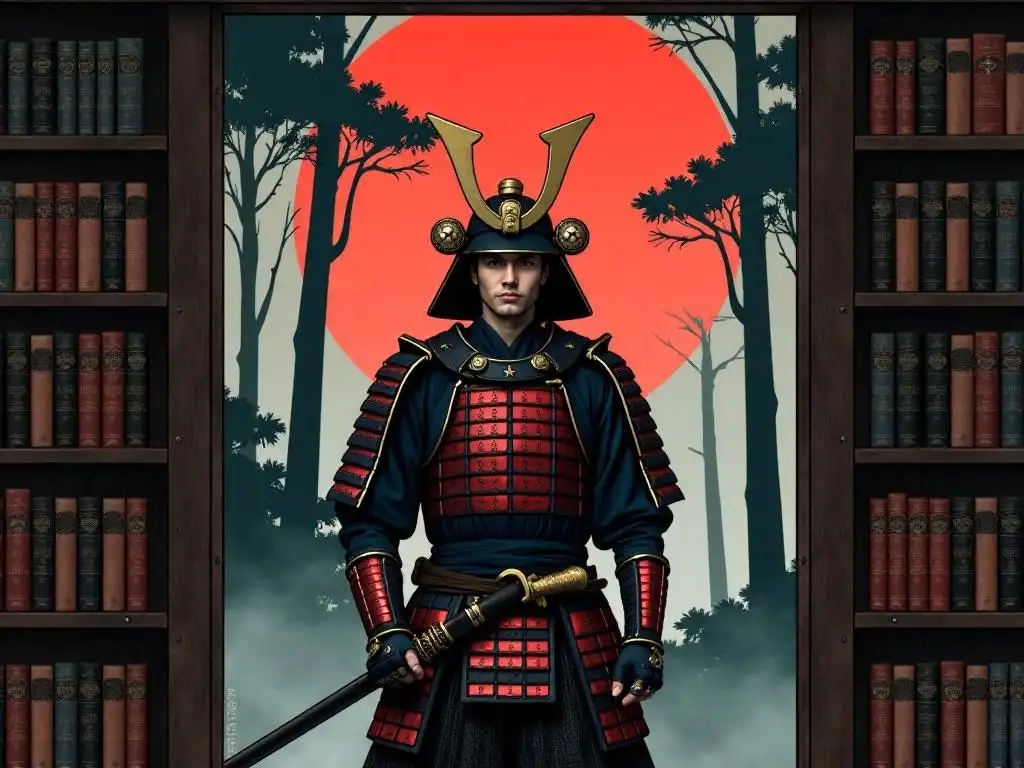
The samurai class played a pivotal role in shaping the political landscape of feudal Japan. Emerging during the Heian period (794-1185), samurai were originally provincial warriors serving the aristocratic families. As the political structure evolved, particularly during the Kamakura (1185-1333) and Muromachi (1336-1573) periods, samurai transitioned from mere warriors to influential political figures, often serving as military leaders and advisors. The establishment of the shogunate system marked a significant shift, where the samurai not only fought on the battlefield but also governed lands, collected taxes, and enforced law, essentially becoming the backbone of feudal governance.
Influence of the Samurai Class on Feudal Politics
The influence of the samurai class on feudal politics was instrumental in the consolidation of power among the ruling elite. Samurai were granted land in exchange for military service, which created a system of loyalty and obligation. This relationship fostered a hierarchical structure wherein samurai served their lords (daimyōs), who in turn pledged allegiance to the shōgun.
This framework allowed for a relatively stable political system, albeit one rife with conflicts and power struggles among rival factions. The samurai's ability to wield military force often translated into political power, as seen during the Sengoku period (1467-1615), when local lords vied for dominance.
Samurai Loyalty and Its Impact on Governance
Loyalty was a defining characteristic of the samurai ethos, encapsulated in the concept of bushidō, or the way of the warrior. This code emphasized loyalty to one's lord, honor, and personal sacrifice. Such loyalty had profound implications for governance, as samurai were expected to uphold their lord's interests above all else. This often led to a governance style that prioritized personal loyalty over meritocracy, which could result in nepotism and corruption. However, it also fostered a sense of stability as samurai were willing to fight and die for their lords, reinforcing the social order of feudal Japan.
Decline of the Samurai Class and the Meiji Restoration
The decline of the samurai class began in the late Edo period (1603-1868) as Japan faced internal and external pressures for modernization. The arrival of Commodore Perry in 1853 and the subsequent opening of Japan to Western trade challenged the traditional samurai way of life.
The Meiji Restoration in 1868 marked the definitive end of the samurai's political power, as the new government sought to modernize Japan by abolishing the feudal system and disbanding the samurai class. This transition was not merely political but also cultural, as the samurai's values were replaced with a focus on industrialization and modernization, leading to the eventual dissolution of their social status.
Comparative Analysis of Myths and Realities
The narrative surrounding the samurai class is often a blend of romanticism and historical fact. Myths surrounding samurai focus on ideals of honor, bravery, and a noble warrior code. However, a closer examination reveals a more complex reality, where the samurai were not only warriors but also political actors with varying degrees of loyalty and effectiveness.
Contrasting Romanticized Narratives with Historical Evidence
Romanticized narratives often portray samurai as noble warriors living by a strict code of honor, highlighting their martial prowess and loyalty. However, historical evidence paints a more nuanced picture. While many samurai did embody these ideals, there were also instances of betrayal, political maneuvering, and violence that contradict the heroism often depicted in popular media. Historical accounts reveal that samurai were frequently involved in power struggles, assassinations, and feuds, suggesting that their lives were as much about political intrigue as they were about martial glory.
The Samurai Class in Historical Texts vs. Popular Media
While historical texts provide a more grounded perspective on the samurai, popular media often exaggerates their attributes for dramatic effect. Films and literature tend to emphasize the romantic aspects of samurai life, such as loyalty and honor, while downplaying the complexities of their political roles. For example, the portrayal of samurai in movies like "The Last Samurai" often reflects Western interpretations of the samurai ethos, which can overshadow the realities of their governance and social obligations in feudal Japan. This dichotomy between historical accounts and popular media representations contributes to the ongoing mythologization of the samurai class.
Case Studies: Documented Accounts of Samurai Life and Warfare
To gain a clearer understanding of samurai life and warfare, examining documented accounts is essential. One notable case study is the Bun'ei War (1180-1185), which highlights the samurai's role in the Genpei War, a conflict between the Taira and Minamoto clans. Chronicles from this period reveal the strategic thinking and brutal realities of samurai warfare, contrasting sharply with the romanticized notions of honor and valor.
Another example can be found in the writings of Yamamoto Tsunetomo, whose text Hagakure provides insight into the samurai mentality, emphasizing loyalty and the acceptance of death. These case studies illustrate the complexities of samurai life, revealing a dichotomy between their idealized image and the harsh realities they faced on the battlefield and in governance.
Conclusion: Understanding the Samurai Class Historical Narratives
The narrative surrounding the rise of the samurai class in Japan is a fascinating blend of fact and fiction. As we have explored, the samurai were not merely a monolithic warrior class but a complex social group whose identity evolved over centuries. Understanding the nuances of their historical narratives requires a critical examination of both the myths that have arisen around them and the realities of their social, political, and cultural roles.
By analyzing the historical context and the societal changes that influenced the samurai, we can better appreciate their contributions to Japanese history. This understanding is vital not only for historians but also for those interested in the broader implications of how history is remembered and interpreted.
The Importance of Distinguishing Myth from Reality
Distinguishing myth from reality in historical narratives is crucial for several reasons. Firstly, it shapes our understanding of cultural heritage. The samurai have become symbols of honor, loyalty, and martial prowess in popular culture, often depicted in film and literature in ways that exaggerate or idealize their characteristics. This glorification can obscure the more complex truths about their lives, including the political machinations and social hierarchies that defined their existence.
Moreover, recognizing the myths allows us to address misconceptions. For instance, the belief that all samurai adhered strictly to the bushido code is an oversimplification. In reality, personal and political motives often influenced samurai behavior, leading to actions that contradict the idealized version of their ethics. By clarifying these distinctions, we contribute to a more accurate and nuanced understanding of Japan's feudal history.
Implications for Modern Interpretations of Samurai History
The modern interpretations of samurai history carry significant implications for how we view not only Japan's past but also the broader themes of war and peace, honor, and duty in society. As contemporary scholars and enthusiasts engage with samurai history, they do so with an awareness of the constructed nature of these narratives.
This critical perspective encourages a more inclusive approach to history that honors various viewpoints and experiences, including those of the lower classes and women, who often remain overlooked in samurai-focused narratives. Furthermore, it prompts discussions about how these historical figures can inform contemporary values and ethics, challenging us to reconsider our own interpretations of honor and loyalty in a modern context.
References and Further Reading
A wealth of resources exists for those interested in delving deeper into the historical narratives surrounding the samurai class. Below are some key texts and resources that can enhance understanding of this complex period in Japanese history.
Key Texts on Samurai Class Historical Narratives
- "Hired Swords: The Rise of the Samurai Class" by Stephen Turnbull: This book provides an insightful overview of the samurai's evolution from warriors to influential figures in feudal Japan.
- "Bushido: The Soul of Japan" by Inazo Nitobe: Written in the early 20th century, this text explores the philosophical underpinnings of the samurai code and its cultural significance.
- "Samurai, Warfare and the State in Early Medieval Japan" by Karl Friday: This work examines the political and military roles of samurai during the Heian and Kamakura periods, offering a scholarly perspective on their historical impact.
Recommended Resources for Exploring Feudal Japan History
- The Japan Times: Offers articles and essays discussing various aspects of Japanese history, including detailed analyses of the samurai class.
- The National Museum of Japanese History: A rich resource for artifacts, documents, and exhibitions that provide insights into the life and times of the samurai.
- Online Courses and Lectures: Platforms like Coursera and edX often feature courses on Japanese history, including specific modules dedicated to the samurai and their societal roles.
By engaging with these texts and resources, readers can gain a more comprehensive understanding of the samurai class's historical narratives, enriching their appreciation of Japan's feudal era.
- Introduction to the Samurai Class Historical Narratives
- Historical Context of the Samurai Class
- Myths Surrounding the Samurai Class
- Realities of Samurai Life
- The Role of Samurai in Political History
- Comparative Analysis of Myths and Realities
- Conclusion: Understanding the Samurai Class Historical Narratives
- References and Further Reading
- What is the primary focus of the article "The Rise of the Samurai Class: Myth vs. Reality in Historical Narratives"?
- How does the article differentiate between myth and reality concerning the Samurai?
- Why is understanding the Samurai class important in the context of feudal Japan?
- Does the article provide insights into the cultural aspects of the Samurai class?
- What sources does the article reference to support its claims?
Frequently Asked Questions
What is the primary focus of the article "The Rise of the Samurai Class: Myth vs. Reality in Historical Narratives"?
The article focuses on the historical narratives surrounding the Samurai class, examining the myths and realities that have shaped their portrayal in history.
How does the article differentiate between myth and reality concerning the Samurai?
The article analyzes various sources and historical accounts to clarify the distinctions between romanticized depictions of the Samurai and their actual social roles and functions in feudal Japan.
Why is understanding the Samurai class important in the context of feudal Japan?
Understanding the Samurai class is crucial as they played a significant role in the political, military, and cultural landscape of feudal Japan, influencing its societal structures.
Does the article provide insights into the cultural aspects of the Samurai class?
Yes, the article explores the cultural contributions of the Samurai, including their impact on art, literature, and philosophy, highlighting their enduring legacy in Japanese culture.
What sources does the article reference to support its claims?
The article references a range of historical texts, scholarly works, and expert analyses that provide a comprehensive understanding of the Samurai class and their historical narratives.
Final Reflection: The Enduring Legacy of the Samurai Class in Historical Narratives
The exploration of the samurai class reveals not only the complexities of their historical existence but also their profound relevance in today's cultural narratives. As we dissect the myths and realities surrounding this iconic warrior class, we uncover how their stories continue to shape our understanding of honor, duty, and identity. The samurai are not just relics of the past; they are symbols that resonate with contemporary discussions about power and morality.
Culturally, the samurai class has left an indelible mark on literature, film, and art, influencing how societies perceive heroism and sacrifice. The dichotomy between the romanticized image of the samurai and the often harsh realities of their lives invites us to reflect on the narratives we embrace.
As the historian John W. Dower aptly stated, “The samurai are a mirror reflecting the hopes and fears of the society that creates them.” This observation underscores the ongoing influence of samurai narratives in shaping our collective consciousness, reminding us that history is not merely a record of events but a canvas for cultural expression.
As we move forward, I invite you to reflect on the lessons embedded in the samurai's journey. Consider how the themes of honor, resilience, and the quest for identity manifest in your own life. Engage with the historical narratives of the samurai not just as stories of the past, but as frameworks that can inspire personal growth and understanding in our modern world. Embrace the complexity of these narratives, and let them guide you in navigating your own path with courage and integrity.
Unveil the Real Stories of the Samurai!
Thank you for diving into the rich tapestry of the Samurai class with us! We hope you gained valuable insights into the intriguing myths and truths that shape our understanding of these legendary warriors. Now, let's take that curiosity further and transform it into action.
Here are some next steps to deepen your exploration of Samurai history:
- Dive deeper into the fascinating world of the Samurai by researching a specific historical figure that captured your interest.
- Join the conversation on our forum and share your thoughts or newfound insights about Samurai culture with fellow history enthusiasts.
- Explore interactive resources or documentaries available on our site for an engaging experience that vividly brings the Samurai era to life.
What aspect of Samurai culture challenges your existing beliefs about history? We’d love to hear your thoughts!