
The Hidden Influence of Women in the Unification of Japan's Feudal Society

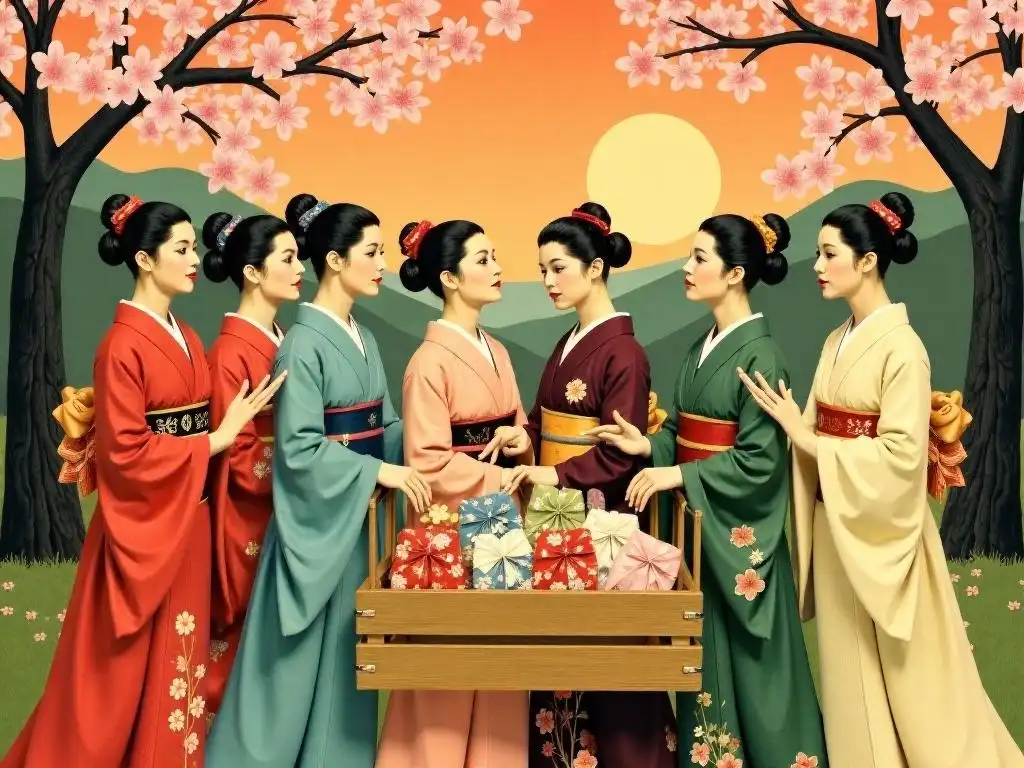
Welcome to Feudal Japan History, where the tapestry of Japan's past is woven with intricate threads of culture, society, and politics. In our featured article, "The Hidden Influence of Women in the Unification of Japan's Feudal Society," we delve into the often-overlooked roles that women played during this transformative era. Discover how their contributions shaped the very foundations of feudal Japan and challenge your understanding of gender dynamics in a time defined by samurai and shoguns.
Prepare to embark on a journey that uncovers the powerful yet subtle forces at work in history—one that will leave you questioning what you thought you knew. Continue reading to unveil the stories that deserve to be told!
Introduction to Women in Japan's Feudal Society
The narrative of Japan's feudal society is often dominated by the tales of samurai, warlords, and epic battles, leaving a significant yet often overlooked aspect in the shadows: the role of women. While much attention is given to the male figures who shaped the political landscape, women played a crucial role in the unification of Japan's feudal society, influencing not only familial ties but also political dynamics and cultural developments.
This article sheds light on the multifaceted contributions of women during this pivotal era, exploring their historical significance and how their influence extended beyond the domestic sphere to impact the broader socio-political fabric of feudal Japan.
Overview of the Feudal Era in Japan
The feudal era in Japan, spanning from the late 12th century to the 19th century, was characterized by a decentralized political structure, where power was held by a series of regional lords, known as daimyo. During this time, Japan saw the rise of the samurai class, the establishment of shogunates, and a complex interplay of loyalty and warfare.
The unification of Japan, particularly during the late 16th century, was marked by significant figures such as Oda Nobunaga, Toyotomi Hideyoshi, and Tokugawa Ieyasu, who sought to consolidate power and establish a stable government. However, beneath these overt political maneuvers, the roles and contributions of women were integral to the establishment and maintenance of alliances and power structures.
Importance of Women in Historical Context
Understanding the role of women in feudal Japan requires a recognition of their significance in various aspects of life, including family, economy, and politics. Women were not merely passive figures; they were active participants in the socio-political landscape, often wielding influence through marriage, diplomacy, and their roles as caretakers of family legacies. Their contributions extended to managing estates, negotiating alliances, and supporting their husbands in governance. By examining the multifaceted roles of women, we can gain a deeper appreciation for their impact on Japan's historical trajectory.
The Role of Women in Political Dynamics
The political dynamics of feudal Japan were complex, with women often acting as key players in the power struggles of their time. Their influence can be seen in several critical areas, from direct involvement in political affairs to the strategic use of marriage as a tool for unification and power consolidation.
Women as Political Influencers in Feudal Japan
Women like Hojo Masako, the daughter of the powerful Hojo clan, exemplified the capacity for women to influence political outcomes. Masako not only played a vital role in her family's governance but also became a significant figure in the Kamakura shogunate. Women often served as advisors, strategists, and even military leaders, demonstrating that their voices were heard in the halls of power.
Case Studies of Prominent Women in Political Affairs
Several notable women throughout Japan's feudal history made indelible marks on the political landscape. For instance, Tomoe Gozen, a legendary female warrior, fought alongside her husband during the Genpei War, illustrating the martial prowess and agency of women in this era. Similarly, Miyamoto Musashi's mother, who raised him with a strong sense of discipline and strategy, played a crucial role in shaping his future as a legendary swordsman.
The Impact of Marriage Alliances on Power Structures
Marriage alliances were a fundamental aspect of feudal politics, and women often acted as pivotal links between powerful families. Through strategic marriages, women could forge alliances that strengthened political ties and ensured stability. For example, the marriage of Oda Nobunaga's daughter to Tokugawa Ieyasu's son was instrumental in securing peace between their factions, showcasing how women’s roles in family unions were crucial to the unification of Japan.
The influence of women in Japan's feudal society is not just a footnote in history; it is a vital component of the narrative that shaped the nation. By recognizing and exploring their contributions, we can gain a nuanced understanding of the forces that drove the unification of Japan and the societal structures that emerged during this transformative period.
Cultural Contributions of Women in Feudal Society
Women played a pivotal role in shaping the cultural landscape of feudal Japan, contributing significantly to various artistic and literary expressions. Their influence is often overlooked, yet it is evident in the realms of literature, art, and spirituality. While the societal structure of feudal Japan was predominantly patriarchal, women found ways to express their creativity and agency, leaving a lasting imprint on Japanese culture.
Cultural contributions made by women can be observed in the flourishing of literature during the Heian period, where female writers such as Murasaki Shikibu and Sei Shonagon produced works that are still celebrated today. Their narratives not only reflect the lives and emotions of women but also provide insights into the courtly society of the time. Furthermore, women were also involved in traditional crafts, such as weaving and pottery, which were essential to the domestic economy and cultural identity.
The arts in feudal Japan were enriched by women's participation in various forms of performance, including music and dance. They played a crucial role in religious ceremonies and festivals, where their talents enhanced communal celebrations and preserved cultural traditions. Thus, the contributions of women in feudal society were integral to the development and continuity of Japanese culture.
Women in the Arts and Literature of Feudal Japan
During the feudal era, women were prominent figures in the arts and literature, often serving as the primary creators of notable works. The Heian period, in particular, marked a golden age for female authorship, as women like Murasaki Shikibu wrote "The Tale of Genji," which is regarded as the world's first novel. This work, along with others from female authors, explored themes of love, nature, and the human condition, often from a distinctly female perspective.
Moreover, women in the upper echelons of society were educated in the arts, including poetry and calligraphy, allowing them to engage in intellectual and artistic exchanges. Their writings often addressed the complexities of court life, providing insights into the emotions and experiences of women in a male-dominated society.
In addition to literature, women contributed to the visual arts, engaging in painting and textile arts. Notable examples include the intricate designs of kimono fabrics and the development of ukiyo-e woodblock prints, where women were often depicted as subjects and creators. Their artistic expressions not only reflected personal experiences but also shaped broader cultural narratives.
The Role of Women in Religious Practices and Spiritual Life
Women in feudal Japan held significant roles in religious practices and spiritual life, often serving as mediators between the divine and the community. Many women were involved in Shinto shrines and Buddhist temples as priestesses, where they performed rituals and maintained sacred spaces. Their presence in religious institutions provided them with an avenue for influence and authority, albeit within the confines of spiritual roles.
In addition to formal religious roles, women were also central to household religious practices. They were responsible for maintaining family shrines and conducting rituals that honored ancestral spirits. This domestic spirituality reinforced women's roles as caretakers of cultural traditions and family history, highlighting their importance in sustaining community values.
Moreover, women's participation in spiritual life often intersected with social and political dimensions. Many female figures, such as the legendary priestess Himiko, wielded significant power and influence in their communities, showcasing how women's roles in religious spheres could extend into leadership and governance.
Influence of Women on Education and Knowledge Transmission
Women in feudal Japan played a vital role in the transmission of knowledge and education, particularly within the family structure. Their responsibilities included teaching children, particularly daughters, the skills necessary for domestic life, including literacy, sewing, and etiquette. This informal education was essential for perpetuating cultural practices and ensuring the continuity of knowledge across generations.
In aristocratic households, women had access to education that enabled them to engage in intellectual discussions and the arts. They often participated in literary gatherings, where poetry and storytelling were shared, contributing to a vibrant intellectual community. These gatherings not only fostered creativity but also allowed women to assert their presence in the cultural discourse of the time.
Moreover, women contributed to the preservation of historical texts and documents, ensuring that vital information about feudal society was passed down. Their roles as scribes and caretakers of family records underscored their importance in maintaining the historical narrative of Japan, demonstrating that their influence extended beyond the domestic sphere into the realms of education and scholarship.
The social structure of feudal Japan was characterized by a strict hierarchy, which significantly influenced the status and roles of women within society. While women could achieve a degree of authority and agency, their positions were often dictated by their familial ties and social class. Understanding these dynamics is crucial to appreciating the complexities of women's roles in feudal Japan.
Hierarchical Position of Women in Feudal Japan
Women’s status in feudal Japan varied widely depending on their social class and family ties. In the noble classes, women enjoyed certain privileges, such as education and access to cultural pursuits, but they were still bound by the constraints of marriage and motherhood. Their primary roles were often defined by their relationships to men, and they were expected to bear heirs to continue family lineages.
In contrast, peasant women faced harsher realities. Their contributions were vital to agricultural production and family sustenance, yet they had limited rights and freedoms. Peasant women worked alongside men in the fields and were responsible for household management and child-rearing, often shouldering the burden of labor without formal recognition.
Despite these disparities, women across classes exhibited resilience and adaptability. Many women, particularly in rural communities, found ways to influence their families and communities through informal networks, asserting their agency within the constraints of their social positions.
Differences in Status among Aristocratic and Peasant Women
The status of women in feudal Japan was not monolithic; it varied significantly between aristocratic and peasant women. Aristocratic women had access to education, cultural activities, and social gatherings, allowing them to cultivate artistic and intellectual pursuits. Their marriages were often strategic, aimed at strengthening alliances between powerful families, which provided them with a degree of influence in political matters.
Conversely, peasant women, while essential to agricultural and domestic life, faced greater hardships and fewer opportunities. Their roles were labor-intensive, and they often lacked access to education or cultural pursuits. Despite this, peasant women played a crucial role in community life, organizing festivals, rituals, and communal activities that fostered social cohesion.
The differences in status also manifested in legal rights. While aristocratic women could inherit property and engage in some forms of social and political life, peasant women had limited rights regarding ownership and inheritance. This disparity highlights the complexities of women's experiences in feudal society, shaped by class, geography, and circumstance.
Women’s Roles in Family and Community Life
Women in feudal Japan were integral to family and community life, assuming responsibilities that were crucial for social stability and continuity. In the family unit, women were often seen as the primary caregivers, responsible for nurturing children and maintaining the household. Their influence extended beyond domestic duties, as they played a key role in the moral and cultural education of the next generation.
In community life, women participated in various social and cultural activities. They were often involved in organizing local festivals and rituals, fostering community spirit and cooperation. Women's roles in these events not only reinforced social bonds but also allowed them to assert their influence within the community.
Moreover, women often acted as mediators in familial disputes and served as emotional support for family members. Their ability to navigate complex social dynamics made them vital contributors to the cohesion and functioning of both family and community, emphasizing their importance in the social fabric of feudal Japan.
Women's Resistance and Agency
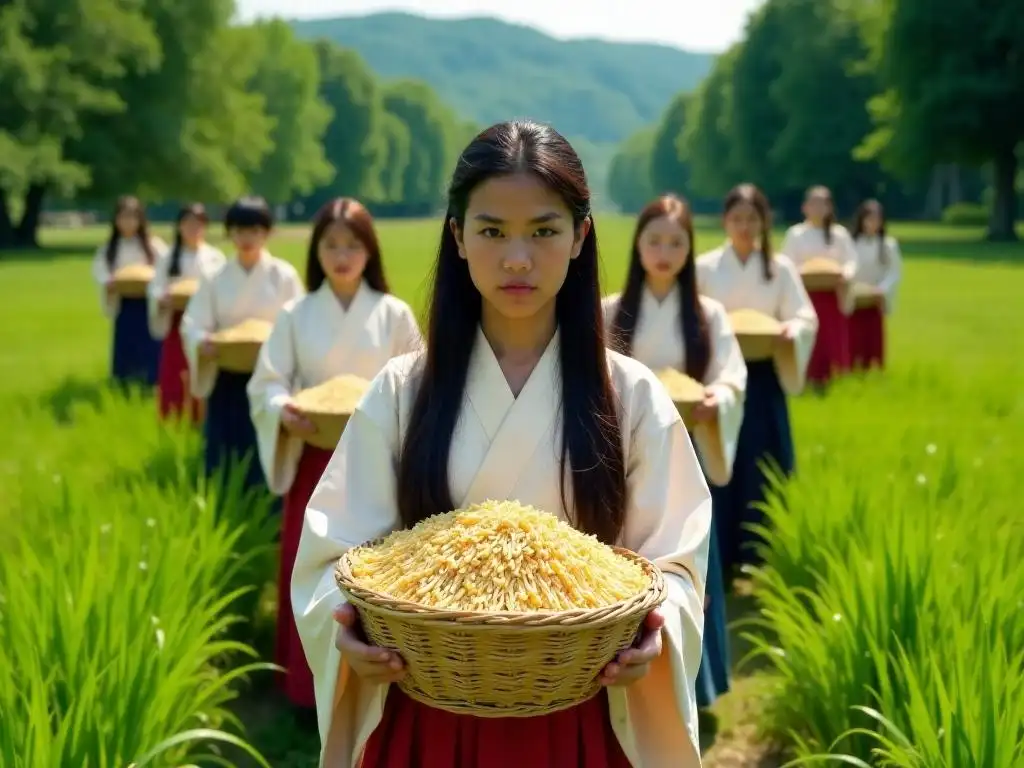
In feudal Japan, the societal structure was predominantly patriarchal, yet women found ways to exert agency and resist the limitations imposed upon them. This resistance manifested in various forms, from subtle forms of defiance in their households to more overt actions that challenged the established norms. Women played crucial roles in their families and communities, often managing estates and businesses in the absence of their male counterparts. This autonomy allowed them to influence decisions that affected their lives and those of their families.
Moreover, certain women became notable figures in the realms of politics and culture, using their positions to advocate for change. The presence of female warriors, such as the Onna-bugeisha, exemplifies women's resilience and capability to take up arms when necessary. Their involvement in battles not only highlighted their physical strength but also their strategic minds and leadership qualities. Thus, the agency of women in feudal Japan was complex, rooted in both resistance and adaptation to the prevailing societal expectations.
Examples of Women's Resistance in Feudal Japan
Throughout Japan's feudal history, numerous women displayed remarkable resilience and defiance against the constraints of their society. One notable example is Tomoe Gozen, a legendary female samurai who fought alongside her husband during the Genpei War (1180-1185). Her valor and martial skills have made her a symbol of female strength and resistance in Japanese culture.
Another striking instance is the role of women in the Ise Province, where they participated in the cult of the deity Amaterasu, asserting their influence over religious practices and local governance. These women often acted as priestesses and custodians of sacred spaces, which allowed them to wield significant power within their communities.
Additionally, during periods of civil strife, women often took on the responsibilities of managing estates. For instance, during the Sengoku period, many widows and daughters of samurai would assume control of their family lands, demonstrating both resilience and resourcefulness in a time of chaos. This direct involvement in financial and social matters showcases their ability to navigate and sometimes subvert the patriarchal structures of their time.
The Role of Women in Social Movements and Changes
Women in feudal Japan were not only passive participants in societal changes; they actively contributed to social movements and the evolution of cultural norms. As the country transitioned from the medieval to the early modern period, women began to assert their presence in various social arenas, including religion, education, and the arts.
Religious movements, such as the rise of new Buddhist sects, often included women as pivotal figures. They engaged in preaching and community organization, helping to shape the spiritual landscape of their time. Notably, the Nichiren sect saw the involvement of women who played significant roles in its propagation and teachings.
In addition, the Edo period (1603-1868) marked a time of increased literacy among women, especially in merchant families. This shift allowed women to engage in cultural production, leading to the creation of literary works and artistic expressions that challenged traditional notions of femininity and authority.
Women's involvement in these movements not only facilitated their own empowerment but also contributed to broader societal changes that laid the groundwork for future generations. Their actions highlighted the interconnectedness of gender and social dynamics during Japan's feudal era.
Empowerment through Traditional Practices and Skills
Women in feudal Japan often derived empowerment from traditional practices and skills that were integral to their roles in society. Craftsmanship, particularly in textiles and weaving, allowed women to contribute economically to their households. This not only provided them with a measure of financial independence but also fostered a sense of identity and pride in their contributions.
Moreover, the practice of tea ceremonies and other cultural rituals provided women with spaces to cultivate relationships and assert their influence within their communities. These gatherings were not merely social; they served as platforms for negotiation and the exchange of ideas, enabling women to impact societal dynamics subtly.
In addition, traditional medicine and healing practices were often in the purview of women, allowing them to become respected figures in their communities. Their knowledge of herbal remedies and caregiving roles positioned them as essential contributors to the health and well-being of their families and neighbors. This empowerment through traditional practices was a form of resistance that underscored women's vital roles in the fabric of feudal society.
The Legacy of Women in Japan's Unification Process
The unification of Japan in the late 16th and early 17th centuries was not solely a male-dominated endeavor; women played crucial roles that have often been overlooked. Their contributions, whether through direct involvement or support roles, were significant in shaping the political landscape of the era.
Lasting Impact of Women on Japan's Political Landscape
The influence of women during the unification period extended beyond their immediate actions. Women like Hojo Masako, who was influential during the Kamakura shogunate, exemplified how women could wield power behind the scenes. As the wife of Minamoto no Yoritomo, Masako played a vital role in the establishment and consolidation of the shogunate, effectively influencing political decisions and outcomes.
Moreover, the alliances formed through marriages between powerful families often involved women who acted as intermediaries, fostering peace and cooperation between rival factions. This strategic use of marriage underscores the significant diplomatic roles women played in shaping political alliances that were crucial for the unification of Japan.
The Evolution of Women's Roles Post-Unification
Following the unification of Japan, the roles of women began to evolve in response to the changing political and social landscape. While the Tokugawa shogunate (1603-1868) imposed stricter social hierarchies, women still found avenues for influence within the household and community.
During this period, women's education expanded, particularly among the merchant class, leading to increased literacy rates. This shift allowed women to participate more actively in cultural and economic spheres, influencing the arts, literature, and even early forms of activism.
Additionally, the emergence of the ukiyo-e art movement featured women as both subjects and creators, which reflected their growing presence in the cultural arena. These developments indicated a transformation in women's roles, as they began to carve out spaces for themselves within the constraints of a still patriarchal society.
Contemporary Reflections on Women's Influence in History
Today, the legacy of women in Japan's feudal society is increasingly recognized and celebrated. Scholars and historians are actively uncovering the stories of women's contributions to the unification process and their impact on the political landscape. This reevaluation is crucial in understanding the complexities of Japan's history and the multifaceted roles women played.
In contemporary society, there is a growing movement to explore and acknowledge women's historical influence, leading to increased representation in educational curricula and public discourse. This shift not only honors the past but also inspires future generations to recognize the importance of diverse perspectives in understanding history.
As discussions on gender equality and women's rights continue to evolve, reflecting on the historical contributions of women in feudal Japan serves as a reminder of their resilience and agency. The stories of these women are not just remnants of the past but are essential narratives that shape the present and future landscape of Japan.
Conclusion: Reassessing Women's Contributions in Feudal Japan
The role of women in Japan's feudal society is often overshadowed by their male counterparts, yet their contributions were vital in the unification and stabilization of this complex era. Women were not merely passive figures; they were active participants in political, social, and economic spheres. From influential figures like Hojo Masako, who played a crucial role in the Kamakura shogunate, to the everyday lives of women who managed households and contributed to agricultural production, their impacts are significant and multi-faceted.
Through their involvement in family lineage, marriage alliances, and even warfare, women helped shape the power dynamics of feudal Japan. This reassessment prompts us to reconsider the narratives that have historically marginalized their contributions, highlighting the necessity of including women's perspectives in our understanding of this period.
Summary of Key Points on Women’s Influence
- Political Influence: Women like Hojo Masako wielded considerable power, influencing decisions within the shogunate and acting as regents.
- Economic Contributions: Women were integral to the agricultural economy, often managing farms and ensuring food production during times of strife.
- Cultural Impact: Women contributed to the arts, literature, and spirituality, influencing the cultural landscape of feudal Japan.
- Social Structures: Marriage and family were central to political alliances, with women often acting as key players in these arrangements.
Recognizing these aspects allows for a more nuanced and inclusive understanding of Japan's feudal society, revealing the crucial roles women played in shaping the historical narrative.
The Importance of Recognizing Women’s Roles in Historical Narratives
Acknowledging the roles of women in historical narratives is essential for a comprehensive understanding of any society. In the context of Japan’s feudal era, recognizing women's contributions not only rectifies historical biases but also enriches our understanding of societal structures.
By incorporating women's perspectives and roles in the narrative, historians can provide a more holistic view of the past. This approach challenges the traditional male-centric narratives and emphasizes the diverse experiences that shaped feudal Japan. Additionally, it serves as a reminder of the complexities of gender dynamics throughout history, encouraging modern discussions about women's rights and representation.
References and Further Reading
Suggested Books and Articles on Women in Japan's Feudal Society
- "Women in the Samurai Era" by Liza Dalby - This book explores the lives of women during the samurai era, detailing their roles and contributions.
- "The Role of Women in the Formation of the Japanese State" by Patricia J. Hilden - A scholarly article that examines women's political and social roles in early Japan.
- "Women and Power in the Japanese Feudal System" by Michael W. F. Hinkson - This work analyzes the influence of women within the feudal hierarchy and their impact on power dynamics.
Links to Academic Journals and Research on Feudal Japan
- The Journal of Japanese Studies - A leading academic journal that publishes research on various aspects of Japanese culture, including women's studies in historical contexts.
- Monumenta Nipponica - This journal features articles on Japanese history, culture, and society, often including studies related to women's roles in feudal Japan.
- Asian Studies Review - Offers insights into the socio-political context of Asia, with articles addressing women's contributions and experiences throughout history.
These resources provide valuable information for those interested in the critical yet often overlooked influence of women in Japan's feudal society.
- Introduction to Women in Japan's Feudal Society
- The Role of Women in Political Dynamics
- Cultural Contributions of Women in Feudal Society
- Social Structures and Women's Status
- Women's Resistance and Agency
- The Legacy of Women in Japan's Unification Process
- Conclusion: Reassessing Women's Contributions in Feudal Japan
- References and Further Reading
- What role did women play in Japan's feudal society?
- Were women allowed to own property in feudal Japan?
- How did the status of women change over the course of the feudal era?
- Did women participate in any military activities during the feudal period?
- What cultural contributions did women make during the feudal era?
Frequently Asked Questions
What role did women play in Japan's feudal society?
Women in Japan's feudal society held significant roles, often managing households and showing resilience in times of conflict, influencing family and clan dynamics.
Were women allowed to own property in feudal Japan?
Yes, women could own property in feudal Japan, which was a notable aspect of their status, particularly among the samurai class and wealthy merchants.
How did the status of women change over the course of the feudal era?
The status of women fluctuated throughout the feudal era, with initial empowerment in inheritance and management roles, but later facing restrictions as patriarchal norms intensified.
Did women participate in any military activities during the feudal period?
Some women, especially from samurai families, participated in military activities, often trained in weapons to defend their homes and families during conflicts.
What cultural contributions did women make during the feudal era?
Women contributed significantly to cultural life, engaging in arts like literature, tea ceremonies, and textiles, which shaped Japanese cultural identity during the feudal period.
Final Reflection: The Unseen Power of Women in Japan's Feudal Society
The exploration of women's roles in Japan's feudal society reveals a profound truth: their influence was not merely peripheral but rather a cornerstone of social cohesion and cultural evolution. Today, as we navigate a world still grappling with gender dynamics and inequality, understanding the historical significance of women’s contributions can inspire a more equitable future. The stories of these women remind us that their impact was not just hidden in the shadows of history but vital in shaping the very fabric of society.
Clearly, the legacy of women in Japan's feudal society continues to resonate in our cultural and social landscapes. Their resilience and strategic influence serve as a testament to the strength that often goes unrecognized. As we reflect on this, we can recall the words of historian Joan Wallach Scott: Gender is a primary way of signifying relationships of power.
This insight underscores the importance of acknowledging women's roles in history, as it allows us to understand the complexities of power dynamics that persist today.
As we conclude this exploration, I invite you to reflect on the lessons learned from the hidden narratives of women in Japan's feudal society. Consider how their stories of strength and agency can inspire you to recognize and amplify the voices of women in your own life and community. By embracing this understanding, we can contribute to a more inclusive narrative that honors the past while actively shaping a future where every voice is valued and heard.
Embrace the Legacy: Honor Women's Impact in Feudal Japan!
Thank you for diving into the fascinating world of the hidden influence of women in Japan's feudal society! You've uncovered the profound roles they played in shaping history and fostering unity. Now, let’s take a moment to honor this legacy by taking action that celebrates their contributions.
Here are a few practical steps you can take:
- Explore local history museums or exhibits that highlight women's roles in feudal Japan, and share what you learn with your friends.
- Join or initiate a discussion group focused on women's impact throughout history—what can we learn from their stories?
- Disseminate this article within your community to ignite conversations about how women's contributions have shaped societies, not only in Japan but around the globe.
Which aspect of women's influence in Japanese history resonates most with you, and how can we amplify their voices in today's world?