
The Art of Bon Odori: Dance and Tradition in Japan's Summer Festivals

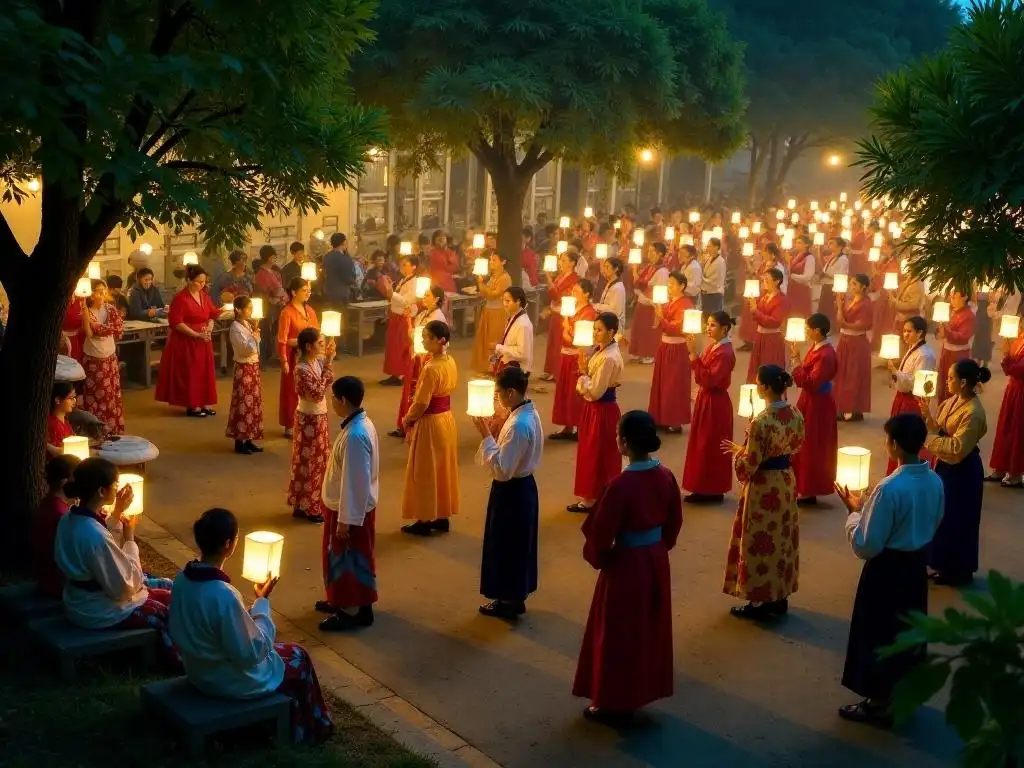
Welcome to Feudal Japan History, where we invite you to embark on a mesmerizing journey through Japan’s captivating feudal era. Dive deep into the rich tapestry of cultural and societal traditions that shaped this remarkable period. Our featured article, "The Art of Bon Odori: Dance and Tradition in Japan's Summer Festivals," unveils the enchanting world of Bon Odori dance traditions—a celebration that dances through time and community.
What are the stories woven into each movement? What secrets do these vibrant festivals hold? Join us as we explore these questions and more, igniting your curiosity and inspiring your next adventure in Japan.
Introduction to Bon Odori Dance Traditions
Bon Odori, a vibrant and captivating dance tradition, forms a cornerstone of Japan's summer festivals, celebrating the Obon period—a time to honor and remember ancestors. This engaging and communal dance is not only a form of entertainment but also a profound expression of cultural heritage that connects generations. As people gather in local communities, the rhythmic movements and lively music of Bon Odori foster a sense of unity and belonging, making it a cherished feature of Japanese summer festivities.
This article delves into the intricate layers of Bon Odori dance traditions, exploring its historical roots, cultural significance, and the unique role it plays in celebrating Japanese identity during the hot summer months. From the colorful yukata garments worn by participants to the joyful atmosphere that envelops each festival, Bon Odori represents a fusion of history, artistry, and communal spirit.
Historical Background of Bon Odori
The origins of Bon Odori can be traced back to the Obon festival, which has been celebrated in Japan for centuries, with roots in Buddhist traditions. Initially, this festival was a time for families to reunite and pay respects to their deceased relatives, reflecting Japan's deep-seated beliefs in ancestor worship. Over time, the dance evolved as a way to express gratitude and joy for the return of ancestral spirits, with various regions developing their own distinct styles and music.
- Key Historical Points:
- Ancient Origins: Bon Odori is believed to have originated in the 13th century, with influences from the Buddhist custom of the "Bon" ceremony.
- Regional Variations: Different regions of Japan have cultivated unique Bon Odori styles, showcasing local music, dance moves, and costumes. For example, the "Tokushima Bon Dance" is characterized by its lively movements, while the "Kawagoe Bon Dance" incorporates fan dances.
- Modern Adaptations: Today, Bon Odori has adapted to contemporary contexts, blending traditional elements with modern influences, making it accessible to new generations and even international audiences.
Through its transformation over the years, Bon Odori has not only preserved its historical essence but has also become a symbol of Japanese cultural resilience and creativity.
The Cultural Significance of Bon Odori in Summer Festivals
Bon Odori plays a vital role in Japan's summer festivals, transcending mere performance to serve as a vital cultural expression. It fosters community bonding, promotes cultural continuity, and provides an opportunity for people to embrace their heritage.
- Community and Togetherness:
- Bon Odori encourages participation across all ages, creating an inclusive environment where families and friends come together to dance and celebrate.
- The communal aspect reinforces social ties, fostering a sense of belonging and shared identity within the community.
- Preservation of Tradition:
- By participating in Bon Odori, individuals contribute to the preservation of cultural practices that might otherwise fade away, ensuring that future generations can experience and appreciate these traditions.
- Festivals often serve as educational platforms, where attendees can learn about the history, significance, and variations of Bon Odori.
- Joy and Celebration:
- The lively atmosphere of Bon Odori dances, characterized by upbeat music and colorful attire, embodies the spirit of summer and the joy of life.
- These celebrations serve as a reminder of the importance of cherishing moments with loved ones and honoring one's heritage.
Bon Odori dance traditions are a rich tapestry woven into the fabric of Japan's summer festivals, reflecting the nation's history, cultural diversity, and enduring spirit of community. The art of Bon Odori is not merely about dance; it is a celebration of life, memory, and connection that continues to resonate with people of all backgrounds.
Variations of Bon Odori Dance Traditions Across Japan
Bon Odori dance traditions exhibit remarkable regional diversity, reflecting the unique cultural heritage of various prefectures in Japan. While the core elements of Bon Odori, which celebrate the Obon festival and honor ancestral spirits, remain constant, the styles, music, and choreography can change significantly from one region to another.
- Kanto Region: In areas such as Tokyo and Chiba, the dances often feature lively, upbeat rhythms and simple, repetitive movements that are easy for participants of all ages to follow. The music typically includes traditional instruments like the shamisen and taiko drums, creating an energetic atmosphere.
- Kansai Region: Conversely, in cities like Kyoto and Osaka, Bon Odori dances may be more intricate, with graceful movements inspired by classical Japanese performing arts. The choreography often incorporates elements of kabuki and other traditional dance forms, making it a visual feast for spectators.
- Okinawa: The Bon Odori in Okinawa, known as "Okinawa Bon," is influenced by the island's distinct cultural background. The dances here are characterized by slower, more fluid movements that reflect the local music, which often features unique instruments such as the sanshin. This variation emphasizes the spiritual connection to ancestors while also celebrating the island's vibrant culture.
- Hokkaido: In the northernmost prefecture, the Bon Odori dances often have a folk flavor, with lively steps that showcase the region's agricultural roots. The use of local songs and dances that celebrate the harvest is a hallmark of Hokkaido's Bon festivities.
Each variation of Bon Odori not only showcases the diversity of Japanese culture but also fosters a sense of community as locals come together to celebrate their unique traditions.
The Steps and Movements of Bon Odori
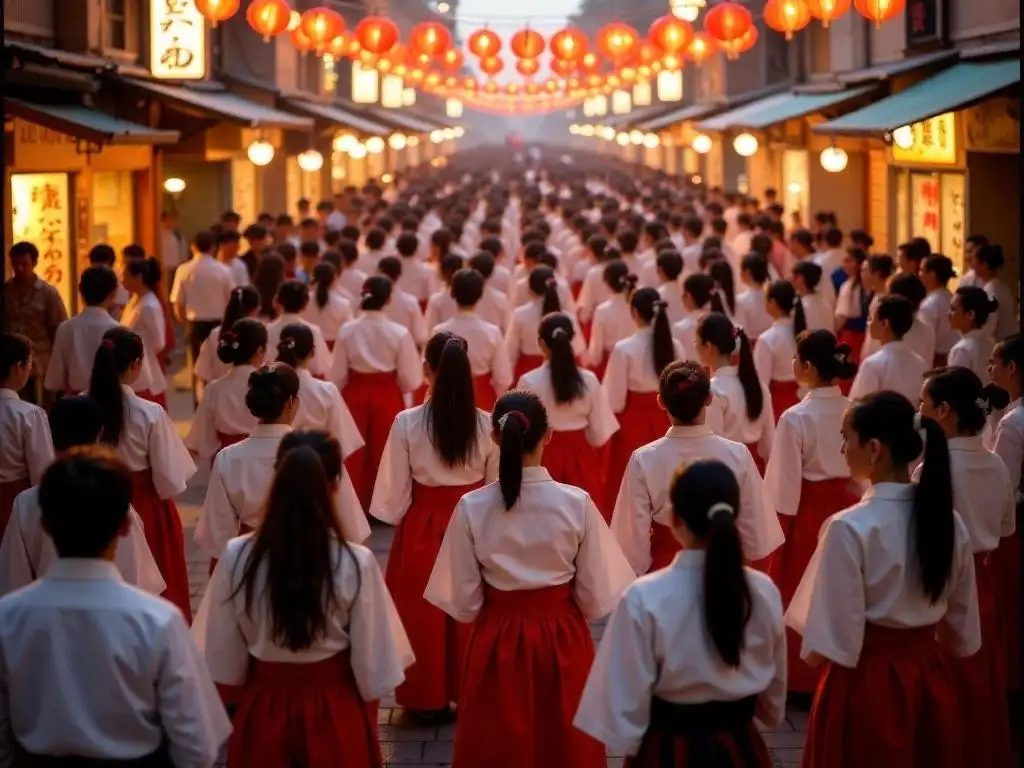
The steps and movements of Bon Odori are designed to be inclusive, allowing participants of all ages and skill levels to join in the festivities. Typically, the dances involve simple, repetitive steps that can be easily learned in a short time. Here are some key elements:
- Basic Steps: The fundamental movements consist of side-to-side swaying, clapping hands, and circular arm motions. These basic steps are often repeated throughout the dance, creating a hypnotic rhythm that encourages participation.
- Formation: Dancers usually form a circle or a line around a central focal point, often a yagura (a raised platform where musicians perform). This formation fosters a sense of unity and communal celebration.
- Variations: While the basic steps remain consistent, regional variations may introduce unique movements that reflect local traditions. For example, some dances might incorporate more elaborate footwork or specific gestures that tell a story or convey a message.
- Musical Accompaniment: The music accompanying Bon Odori dances is integral to the experience. Traditionally, it features folk songs that evoke nostalgia and warmth, encouraging dancers to express themselves freely. The tempo of the music often dictates the pacing of the movements, creating a harmonious flow between dance and rhythm.
Overall, the steps and movements of Bon Odori are designed to be accessible, making it a beloved ritual that invites everyone to participate in honoring their ancestors and celebrating life.
Costumes and Attire in Bon Odori
Costumes worn during Bon Odori are an essential aspect of the festival, reflecting both tradition and local culture. The attire not only enhances the visual appeal of the dances but also connects the dancers to their heritage. Here are some common elements of Bon Odori attire:
- Yukata: The most recognizable outfit for Bon Odori is the yukata, a lightweight cotton kimono typically worn during summer festivals. The yukata is available in various colors and patterns, often featuring floral or seasonal designs. Its comfortable fit allows for ease of movement, making it ideal for dancing.
- Obi: The yukata is usually paired with an obi, a wide sash that is tied around the waist. The style and tying method of the obi can vary, with some dancers opting for more elaborate knots, showcasing their creativity and personal style.
- Geta: Footwear also plays a role in the overall attire, with many participants choosing to wear geta, traditional wooden sandals. Geta are designed to elevate the wearer above the ground, preventing the yukata from dragging and allowing for more fluid movements during dance.
- Accessories: Dancers often add personal touches to their costumes with accessories such as hair ornaments, fans, and decorative obijime (obi cords). These items not only enhance the aesthetic appeal but also allow individuals to express their personal style and creativity.
By donning traditional attire, participants in Bon Odori not only celebrate the festival but also pay homage to the rich cultural history of Japan. The costumes serve as a visual representation of the spirit of the festival, bringing together generations and fostering a sense of community.
Bon Odori Festivals in Modern Japan
Bon Odori festivals remain a vibrant part of Japanese summer culture, celebrated throughout the country during the Bon season, typically in mid-August. These festivals serve not only as a tribute to ancestors but also as a community gathering, bringing people together to celebrate life and culture.
In modern Japan, Bon Odori festivals are characterized by lively dance performances, traditional attire, and festive atmospheres. Cities such as Tokyo, Kyoto, and Osaka host large-scale events, attracting both locals and tourists. Each region boasts its unique style of Bon Odori, with different dances and music reflecting local traditions. For instance, the Awa Odori in Tokushima Prefecture is famous for its energetic dances and has gained popularity well beyond its local roots.
The festivals often feature food stalls selling local delicacies, games, and exhibitions of traditional crafts, creating a festive environment where participants can immerse themselves in cultural experiences. The sense of community during these events is palpable, as people of all ages join together—dancing, singing, and celebrating in an atmosphere filled with joy and remembrance.
The Role of Music in Bon Odori Dance Traditions
Music is a cornerstone of Bon Odori dance traditions, guiding the rhythm and enhancing the overall experience. Traditionally, the music is played using a variety of instruments, including taiko drums, shamisen (a three-stringed instrument), and flutes. These instruments create a lively backdrop for the dancers, encouraging participation and engagement from the audience.
The melodies associated with Bon Odori are often simple and repetitive, designed to be easily learned by participants. This accessibility allows even those unfamiliar with the dances to join in, fostering a sense of inclusivity. Each Bon Odori song has its own dance movements, which are typically passed down through generations, reflecting the history and cultural identity of the community.
Additionally, the lyrics of the songs often tell stories related to the Bon festival, celebrating nature, love, and the spirits of ancestors. This connection between music and narrative enriches the cultural significance of the dance, making it not just a performance, but a living expression of tradition and memory.
How to Experience Bon Odori Dance Traditions
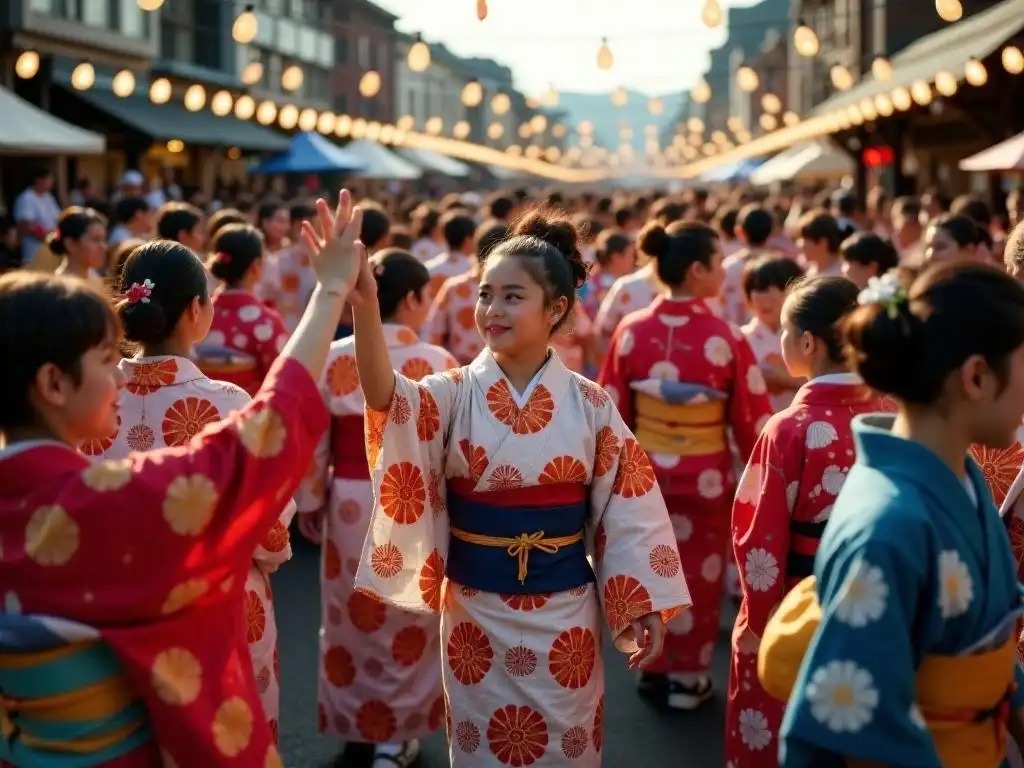
Experiencing Bon Odori dance traditions is a must for anyone visiting Japan during the summer months. Here are some tips to fully immerse yourself in this cultural event:
- Attend Local Festivals: Research and find local Bon Odori festivals happening during your visit. Major cities often have multiple events, so you can choose one that fits your schedule.
- Dress Appropriately: Wearing traditional yukata (summer kimono) enhances the experience. Many festivals offer rental services for yukata, allowing you to blend in with the locals and feel the spirit of the event.
- Participate in the Dance: Don’t hesitate to join in the dancing! Most festivals welcome newcomers, and local participants are usually eager to teach you the steps. The dances are often easy to learn and are designed to be fun and inclusive.
- Enjoy the Food and Activities: Beyond the dance, indulge in local street food and participate in festival games. This adds to the festive atmosphere and allows you to engage more deeply with the culture.
- Learn the History: Taking time to understand the significance of Bon Odori will enhance your experience. Many festivals provide information booths or pamphlets that explain the traditions and history behind the dances.
By embracing these aspects, you can create lasting memories of Bon Odori and gain a deeper appreciation for the rich cultural tapestry of Japan’s summer festivals.
Conclusion: Embracing the Spirit of Bon Odori
The Bon Odori dance traditions serve as a captivating reflection of Japan's rich cultural heritage. Rooted in the age-old practice of honoring ancestral spirits, these lively festivities create a vibrant atmosphere that brings communities together. Participants, young and old, don traditional yukata, joining hands in rhythmic movements that echo the spirit of togetherness, celebration, and remembrance.
As summer nights fill with music and laughter, Bon Odori fosters a sense of belonging and continuity within Japanese society. Each dance step is not merely a performance but a heartfelt expression of gratitude to ancestors, encapsulating centuries of tradition and familial bonds. The art of Bon Odori is not just about the dance; it's a reminder of the importance of community, family, and cultural identity.
Through the preservation and practice of Bon Odori, younger generations are encouraged to engage with their heritage, ensuring that this beautiful tradition endures. By participating in these festivals, both locals and visitors can experience the joy and reverence embodied in Bon Odori, making it a truly enriching aspect of Japan's summer celebrations.
Additional Resources
For those interested in delving deeper into the Bon Odori dance traditions and related cultural practices, consider exploring the following resources:
- Books:
- "The Art of Japanese Dance" by Yoko Kato
- "Festivals of Japan" by Karen K. K. Wong
- Documentaries:
- "Japan's Summer Festivals: A Cultural Journey" – This documentary provides an insightful look into various summer festivals, including Bon Odori.
- "Dancing with the Spirits: The Traditions of Bon Odori" – A film that captures the essence and history of the dance.
- Websites:
- Associations dedicated to traditional Japanese culture often provide information on upcoming Bon Odori festivals and instructional content on the dances.
- Local tourism boards frequently list cultural events, including Bon Odori, allowing visitors to plan their summer travels around these vibrant celebrations.
Engaging with these resources will provide a broader understanding of the significance of Bon Odori and its role in Japanese culture, as well as practical insights for those wishing to participate in or witness these enchanting summer festivities.
- Introduction to Bon Odori Dance Traditions
- Historical Background of Bon Odori
- The Cultural Significance of Bon Odori in Summer Festivals
- Variations of Bon Odori Dance Traditions Across Japan
- The Steps and Movements of Bon Odori
- Costumes and Attire in Bon Odori
- Bon Odori Festivals in Modern Japan
- The Role of Music in Bon Odori Dance Traditions
- How to Experience Bon Odori Dance Traditions
- Conclusion: Embracing the Spirit of Bon Odori
- Additional Resources
Frequently Asked Questions
What is Bon Odori?
Bon Odori is a traditional Japanese dance performed during the Obon festival, celebrating the spirits of ancestors. It combines music, dance, and community, creating a joyful atmosphere.
When is Bon Odori celebrated?
Bon Odori is celebrated during the Obon season, which typically occurs in August in most regions of Japan. This festival honors deceased ancestors and includes various dance performances.
What are the main features of Bon Odori dances?
Bon Odori dances are characterized by simple, repetitive movements that can be easily learned by participants. The dances often reflect regional styles and are accompanied by traditional music, enhancing their cultural significance.
How do communities participate in Bon Odori?
Communities come together to participate in Bon Odori by organizing festivals, where locals and visitors alike can join in the dance. This fosters a sense of unity and reverence for ancestral spirits.
What is the cultural significance of Bon Odori?
Bon Odori plays a crucial role in preserving Japanese traditions and fostering community bonds. It serves as a reminder of familial ties and the importance of honoring ancestral heritage during summer festivities.
Final Reflection: Embracing the Spirit of Bon Odori Dance Traditions
The art of Bon Odori dance traditions is not merely a celebration of the past; it is a vibrant expression of community and cultural identity that resonates deeply in today's world. As we navigate an increasingly globalized society, the significance of preserving and sharing such traditions becomes ever more crucial. Bon Odori serves as a reminder of our roots, connecting generations through rhythm and movement, and highlighting the importance of cultural heritage in fostering unity and understanding among diverse communities.
The influence of Bon Odori extends beyond the confines of summer festivals, shaping the cultural landscape of Japan and inspiring people worldwide. This dance tradition embodies the essence of remembrance and gratitude, inviting participants to honor their ancestors while celebrating life. As the renowned Japanese poet Matsuo Bashō once said, “Every day is a journey, and the journey itself is home.” This quote encapsulates the spirit of Bon Odori, as it encourages us to find solace and belonging in our shared experiences, even as we face the challenges of modern life.
As you reflect on the beauty and significance of Bon Odori, I invite you to consider how you can incorporate the lessons of this dance tradition into your own life. Embrace the rhythms of your culture, engage with your community, and honor the connections that bind us all. Let the spirit of Bon Odori inspire you to celebrate your heritage and foster a sense of belonging, reminding us that through dance and tradition, we can create a more harmonious world together.
Embrace the Spirit of Bon Odori: Dance into Tradition!
Thank you for diving into the captivating world of Bon Odori with us! We hope you've discovered the rich history and vibrant energy that this traditional Japanese dance brings to summer festivals. Now, it’s your turn to carry this spirit forward and celebrate the art of Bon Odori in your own unique way!
Here’s how you can connect further:
- Join a local Bon Odori event! Search for summer festivals in your area and experience the dance firsthand. Don’t just watch—participate and immerse yourself in the culture!
- Share your experience. If you’ve danced Bon Odori before, take a moment to share photos or stories on social media to inspire others!
- Explore the music. Create a playlist featuring traditional Bon Odori songs, or learn a few dance steps to practice with friends or family.
What will you do to keep the rhythm of Bon Odori alive in your community? Let us know in the comments below!