
The Samurai Code: Bushido and Its Influence During the Tokugawa Era


Welcome to Feudal Japan History, where we embark on a fascinating journey through the intricate tapestry of Japan's feudal era. Here, we delve deep into the rich historical, cultural, and societal aspects that defined this remarkable period. In our featured article, “The Samurai Code: Bushido and Its Influence During the Tokugawa Era,” we unravel the profound impact of Bushido on the political landscape of the Tokugawa shogunate.
What secrets lie within the samurai code that shaped Japan's social structure and governance? Join us as we uncover the layers of history and reveal how the ideals of Bushido continue to resonate today. Dive in and discover the legacy that still influences modern Japan!
Introduction to Bushido and Its Significance
The concept of Bushido—the way of the warrior—is one of the most influential and enduring legacies of feudal Japan. Emerging during the Kamakura period and crystallizing during the Tokugawa era, Bushido encompassed a code of conduct that defined the moral and ethical framework for samurai warriors. This code not only dictated the behavior of samurai in battle but also shaped their roles as leaders and protectors of the Japanese society.
Understanding the intricacies of Bushido and its profound influence during the Tokugawa period is essential for grasping the broader historical, cultural, and societal dynamics of Japan at that time. This article will delve into the essence of Bushido, its historical roots, and its pivotal role in shaping the Tokugawa Shogunate's political landscape and societal structure.
What is Bushido?
Bushido is characterized by a set of principles that emphasize virtues such as loyalty, honor, bravery, and self-discipline. It served as a guiding philosophy for samurai, influencing their actions both on and off the battlefield. The core tenets of Bushido can be summarized as follows:
- Loyalty: Absolute allegiance to one's lord and family.
- Honor: Upholding a reputation for integrity and respect.
- Courage: The willingness to face danger and adversity.
- Compassion: Showing kindness and benevolence to others.
- Self-Discipline: Maintaining control over one's emotions and actions.
Each of these principles shaped the identity of the samurai and dictated their interactions with both their peers and the broader society.
Historical Context of Bushido in Feudal Japan
Bushido emerged against a backdrop of constant warfare and shifting allegiances during the feudal era of Japan. Initially, it was a practical code that evolved from the necessity of survival in a tumultuous political environment. As the samurai class solidified its power, particularly during the Kamakura and Muromachi periods, Bushido began to take on a more philosophical dimension.
By the time of the Tokugawa Shogunate (1603-1868), Bushido had become deeply embedded in the social fabric of Japan, influencing not only samurai but also the common populace. The Tokugawa era, characterized by relative peace and stability, allowed for the further development of Bushido ideals, which became a means of social control and cultural identity.
The Tokugawa Era: An Overview
The Tokugawa Shogunate marked a significant turning point in Japanese history, characterized by over 250 years of peace, stability, and isolation from foreign influences. This era fostered a unique environment in which the principles of Bushido were not only maintained but also institutionalized within the samurai class and society at large. Understanding the key characteristics of this period is essential to grasping the full impact of Bushido on Japanese culture and governance.
Key Characteristics of the Tokugawa Shogunate
The Tokugawa Shogunate, founded by Tokugawa Ieyasu, established a centralized feudal system that emphasized strict social hierarchy and order. Key characteristics include:
- Centralized Power: The shogunate maintained strict control over the daimyō (feudal lords) to prevent uprisings and ensure loyalty.
- Social Stratification: Society was organized into a rigid caste system, with samurai at the top, followed by farmers, artisans, and merchants.
- Cultural Flourishing: The period saw a flourishing of arts, literature, and philosophy, with Bushido influencing various cultural expressions.
Political Landscape During the Tokugawa Period
The political landscape of the Tokugawa era was marked by a delicate balance of power, where the shogunate exercised authority while allowing some degree of autonomy to regional daimyō. This structure created an environment where the principles of Bushido could thrive, as loyalty to the shogunate became paramount. The influence of Bushido during this period can be seen in various aspects of governance, military strategy, and social relations, reinforcing the importance of honor and duty within the samurai class.
The study of Bushido and its influence during the Tokugawa era provides invaluable insights into the interplay between culture, politics, and society in feudal Japan. Understanding this relationship not only enriches our knowledge of history but also illuminates the enduring legacy of the samurai code in contemporary Japanese culture.
The Core Principles of Bushido
Bushido, often translated as "the way of the warrior," encapsulates a set of ethical principles that guided the samurai during the feudal period in Japan, particularly during the Tokugawa era (1603-1868). At its core, Bushido emphasizes virtues such as loyalty, honor, courage, and self-discipline. These principles not only shaped the personal conduct of samurai but also influenced the broader societal values of the time.
- Loyalty: Loyalty to one's lord was paramount. Samurai were expected to serve their daimyo (feudal lord) with unwavering fidelity, often placing their lord's interests above their own lives. This unwavering loyalty fostered a deep sense of duty and commitment, creating a stable and hierarchical social structure.
- Honor: Honor was crucial in samurai culture. Maintaining personal and family honor was of utmost importance, often dictating one's actions and decisions. A samurai's reputation could be tarnished easily, leading to a loss of status and respect.
- Courage: Courage was not merely the absence of fear but the ability to confront and overcome it. Samurai were trained to face danger head-on, whether in battle or in daily life, reflecting their commitment to their code.
- Self-Discipline: The practice of self-discipline allowed samurai to cultivate mental and physical rigor. This principle extended to all areas of life, including martial arts, studying the arts, and maintaining a balanced lifestyle.
These core principles of Bushido formed the backbone of samurai ethics, influencing their interactions with other classes and their role within society.
Honor and Loyalty in Bushido
Honor and loyalty are foundational elements of Bushido that shaped the samurai's identity and duties. The samurai's loyalty to their lord was not only a personal commitment but also a reflection of their honor. This relationship was reciprocal; while samurai pledged loyalty, lords were expected to protect and provide for their retainers.
Honor dictated the samurai's actions in both life and death. A samurai who failed in his duties or brought shame upon himself was often required to commit seppuku (ritual suicide) to restore honor. This extreme measure underscores the importance placed on personal and familial reputation in samurai culture.
Moreover, loyalty extended beyond the samurai-daimyo relationship. It fostered a sense of camaraderie among samurai, creating bonds that transcended social hierarchies. These relationships were marked by mutual respect and obligations, reinforcing the societal structure of the Tokugawa era.
Courage and Self-Discipline: The Pillars of Samurai Ethics
Courage and self-discipline are considered the twin pillars of samurai ethics, forming an integral part of the Bushido code. Courage allowed samurai to confront challenges and adversities with resolute determination. This valor was not just in battle; it extended to moral courage, where samurai were expected to stand up for what was right, even in the face of personal risk.
Self-discipline, on the other hand, was essential for mastering the martial skills and arts that defined the samurai. It involved rigorous training and a commitment to continual improvement, both physically and mentally. Samurai often engaged in various disciplines, including Zen Buddhism, calligraphy, and the tea ceremony, as a means to cultivate self-control and mindfulness.
These two principles worked in harmony, allowing samurai to navigate the complexities of their roles during the Tokugawa era, where peace was often maintained through strict social order rather than warfare. The cultivation of courage and self-discipline thus reinforced their position as elite warriors and respected members of society.
The Influence of Bushido in the Tokugawa Era
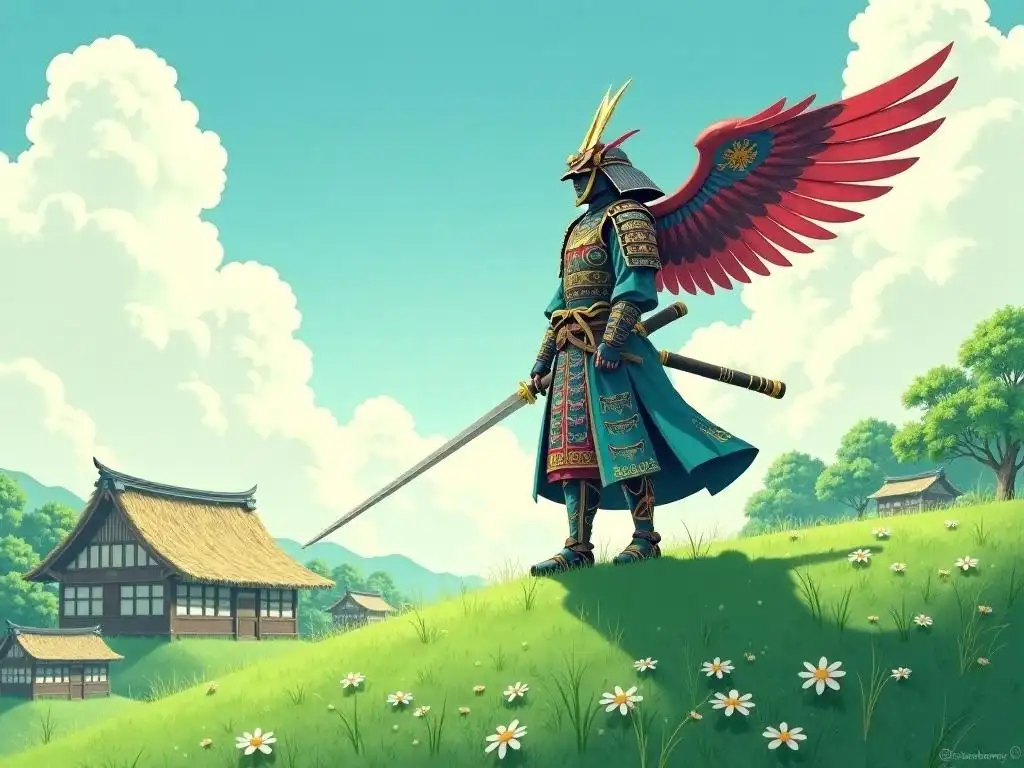
The influence of Bushido during the Tokugawa era was profound, shaping not only the samurai class but also the entire socio-political landscape of Japan. As the Tokugawa shogunate brought about a long period of stability and peace, the principles of Bushido adapted to a more peaceful society while still retaining their core values.
How Bushido Shaped Samurai Identity
Bushido played a crucial role in defining samurai identity during the Tokugawa era. As Japan transitioned from a war-torn landscape to a period of relative peace, the samurai adapted their warrior ethos to fit their new roles as administrators and peacekeepers. The principles of Bushido became a means of self-identity, distinguishing samurai from other classes within the rigid social hierarchy.
The ideals of honor and loyalty continued to resonate deeply within the samurai class, as they were often called upon to serve the shogunate in maintaining order and governance. The samurai’s commitment to Bushido imbued them with a sense of purpose, as they navigated their responsibilities in a more bureaucratic society.
Additionally, the cultural aspects of Bushido, such as the appreciation for arts, literature, and philosophy, flourished during this time, helping to shape the broader cultural milieu of Japan. The samurai's embrace of these elements contributed to the development of a unique Japanese identity that valued both martial prowess and intellectual achievement.
The Role of Bushido in Governance and Society
Bushido had a significant impact on governance and societal norms during the Tokugawa era. The samurai, as the ruling class, were tasked with enforcing the laws and maintaining order under the shogunate's centralized authority. Their adherence to Bushido principles ensured that they conducted themselves with integrity and honor, which was crucial for maintaining public trust and stability.
The influence of Bushido extended to the general populace as well. The samurai's ethical code began to permeate through all levels of society, promoting values such as respect, duty, and community over individualism. This helped to cultivate a sense of unity among the various classes, fostering social cohesion in a time of relative peace.
Moreover, the principles of Bushido were often invoked to justify the samurai's authority and responsibilities, reinforcing their status as both warriors and administrators. The ethical framework provided by Bushido allowed for a moral justification of their role in society, ensuring that their governance was viewed as legitimate and honorable.
The influence of Bushido during the Tokugawa era was profound, shaping the samurai identity and contributing to the governance and social structure of Japan in a time marked by stability and cultural development.
Bushido and the Samurai Class
Bushido, often referred to as “the way of the warrior,” is a code of conduct that governed the actions and beliefs of the samurai class in feudal Japan. This ethical framework emphasized virtues such as loyalty, honor, courage, and discipline. During the Tokugawa era (1603-1868), the samurai were not only elite warriors but also held a significant social status within the rigid caste system of Japan. Bushido served as a guiding principle, shaping the samurai's identity and their role within society.
As the Tokugawa Shogunate established relative peace and stability, the samurai transitioned from being frontline warriors to bureaucratic administrators. Despite this shift, the essence of Bushido remained influential, instilling a sense of duty and moral responsibility in samurai conduct. This period saw the codification of samurai ideals, which became deeply ingrained in the social fabric, influencing not just the samurai class but also the broader population.
The Status of Samurai During the Tokugawa Period
The Tokugawa period marked a significant transformation in the status of the samurai. Initially, samurai were primarily warriors engaged in constant battles for territorial control. However, with the establishment of the Tokugawa Shogunate and the ensuing peace, their role evolved dramatically. Many samurai became administrators, managing the affairs of their lords and performing government duties.
This transition had profound implications for their social status. Samurai were elevated to the top of the social hierarchy, enjoying privileges such as the right to bear arms and receive stipends from their lords. However, the peace also led to economic challenges, as many samurai struggled to maintain their status in a society that demanded less martial prowess and more administrative skill. In response, the samurai increasingly turned to Bushido as a means of preserving their dignity and honor, emphasizing their commitment to loyalty and service despite the changing landscape.
The Impact of Bushido on Samurai Culture and Practices
Bushido significantly influenced samurai culture and practices, instilling a sense of discipline and ethical behavior that permeated all aspects of their lives. The principles of Bushido dictated not only martial conduct but also personal behavior, fostering a culture that valued honor above all. This commitment to Bushido manifested in various practices, including the ritual of seppuku (ritual suicide), which was seen as a means of preserving honor in the face of defeat or disgrace.
Furthermore, Bushido encouraged the pursuit of knowledge and the arts, leading many samurai to engage in poetry, calligraphy, and the study of philosophy. This holistic approach to life meant that samurai were not merely warriors but also cultured individuals who valued education and personal development. The influence of Bushido during the Tokugawa era thus created a distinct samurai identity characterized by a harmonious balance between martial skill and cultural refinement.
Bushido’s Reflection in Arts and Literature
Bushido's principles and ideals found profound expression in various forms of art and literature during the Tokugawa era. The samurai code, with its emphasis on honor, loyalty, and sacrifice, served as a rich theme for artistic exploration. Artists and writers sought to capture the essence of Bushido, creating works that celebrated the values and struggles of the samurai.
Literature and Poetry: Capturing the Essence of Bushido
Literature and poetry played a pivotal role in articulating the ideals of Bushido. Notable works from this period often revolved around the themes of loyalty, sacrifice, and valor. The tales of legendary samurai, such as the “47 Ronin,” exemplified the Bushido code, illustrating the virtues of loyalty and honor through the story of a group of samurai who avenged their fallen master.
Poetry, particularly haiku and renga, also reflected the samurai's connection to nature and the transience of life, aligning with the Bushido ethos. The works of poets like Matsuo Bashō became intertwined with the samurai’s worldview, emphasizing the beauty of simplicity and the importance of living in accordance with one's principles. This literary landscape not only immortalized the samurai's ideals but also inspired future generations to uphold the values of Bushido.
Visual Arts and the Representation of Samurai Ideals
Visual arts during the Tokugawa period also mirrored the influence of Bushido. Ukiyo-e woodblock prints, for instance, often depicted samurai in heroic poses, showcasing their martial skills and noble demeanor. Artists such as Katsushika Hokusai and Utagawa Kuniyoshi created iconic images that celebrated the samurai's bravery and adherence to the Bushido code.
Moreover, the samurai's relationship with their weapons, particularly the katana, was often highlighted in these artworks. The katana became a symbol of honor and status, representing the samurai's commitment to Bushido. Through both subtle and grand artistic expressions, the visual arts conveyed the ideals of Bushido, preserving the legacy of the samurai class and their enduring influence on Japanese culture.
The Decline of Bushido: Factors and Consequences
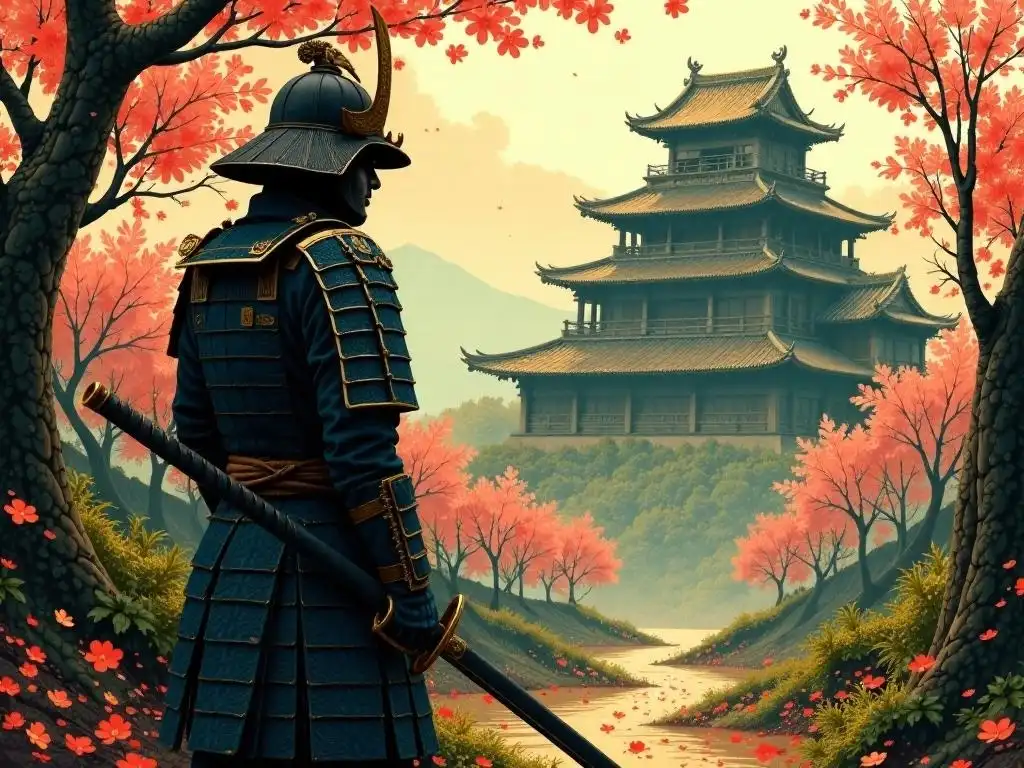
The decline of Bushido during the late Tokugawa era was influenced by multiple interconnected factors. One significant factor was the peaceful environment established by the Tokugawa Shogunate, which minimized the need for a warrior class. With a reduction in military conflicts and a shift towards commerce and trade, the samurai found their traditional roles diminished. The emphasis on loyalty and martial prowess began to fade as samurai were increasingly incorporated into the bureaucratic apparatus of the state.
Additionally, the arrival of Western influences played a crucial role in the erosion of Bushido. The Meiji Restoration in 1868 marked a pivotal transition as Japan opened its doors to Western ideas and technologies. The adoption of Western military practices and educational systems further diluted the samurai's unique cultural identity. This shift not only affected the samurai class but also led to a broader societal change in Japan, prioritizing modernity and industrialization over feudal loyalty and honor.
The consequences of this decline were profound. The samurai, once viewed as the epitome of honor and virtue, faced an identity crisis as they struggled to adapt to a rapidly changing society. The disbandment of the samurai class in the aftermath of the Meiji Restoration led to the loss of their traditional privileges and the values enshrined in Bushido, ultimately transforming Japan's social fabric.
Transition from Feudalism to Modernity
The transition from feudalism to modernity in Japan was characterized by a series of socio-political changes that significantly impacted the samurai class and the principles of Bushido. The Tokugawa era, while stable, was fundamentally a feudal system where land was held by daimyōs and samurai served as their retainers. However, as Japan began to modernize, the rigid structures of feudalism became increasingly untenable.
The Meiji Restoration initiated a transformation of Japan's political landscape. The abolition of the feudal system in 1869 marked a crucial turning point. Samurai were stripped of their privileges, and the government sought to create a conscript army, which diminished the traditional role of the samurai as warriors. This shift not only led to the disbandment of samurai clans but also prompted a re-evaluation of Bushido principles, which were no longer applicable in a militarized, modern state.
Furthermore, the introduction of Western educational systems and philosophies challenged the traditional values upheld by Bushido. New ideologies emerged, emphasizing individualism and capitalism over the collective loyalty and honor that defined the samurai way of life. This transition was critical in shaping modern Japanese identity, as the remnants of Bushido were reinterpreted to fit a rapidly evolving society.
The Erosion of Samurai Values in Contemporary Japan
In contemporary Japan, the values associated with Bushido have undergone significant erosion as modern societal norms have shifted towards a more globalized and capitalist framework. While the principles of honor, loyalty, and discipline remain part of Japan's cultural heritage, their application in everyday life has transformed dramatically.
The rapid economic development post-World War II and the global integration of Japan have led to a focus on efficiency and productivity, often at the expense of traditional values. In this environment, the samurai ideals of personal sacrifice and loyalty to one's lord are less emphasized, with individual success and corporate loyalty taking precedence. This shift has resulted in a culture that values achievement and material success over the moral and ethical considerations that Bushido once embodied.
Moreover, the romanticization of the samurai in popular culture has led to a superficial understanding of Bushido. Films, literature, and anime often portray samurai as heroic figures, yet these representations frequently ignore the complexities and responsibilities that came with the samurai code. As a result, the genuine principles of Bushido risk being lost in translation, replaced by idealized versions that lack the depth and historical context of the original ethos.
Lasting Legacy of Bushido Beyond the Tokugawa Era
Bushido, despite its decline during the Tokugawa era, has left an indelible mark on Japanese culture and society. Its principles continue to resonate, influencing various aspects of modern life and shaping Japan's identity.
Influence on Modern Japanese Culture and Ethics
The legacy of Bushido can be observed in various facets of modern Japanese culture and ethics. The emphasis on discipline, respect, and loyalty persists in contemporary Japanese business practices and interpersonal relationships. Concepts derived from Bushido, such as giri (duty) and on (gratitude), can still be seen in the way individuals navigate social obligations and professional environments.
Bushido's influence is also evident in Japan's martial arts, which often emphasize not only physical prowess but also mental discipline and ethical conduct. Traditional arts such as Kendo and Iaido incorporate the samurai spirit, teaching practitioners about respect, humility, and self-control—values that align closely with the Bushido code.
Moreover, the resurgence of interest in traditional culture has led to a revival of Bushido principles in educational settings. Schools and organizations increasingly emphasize character development, integrating Samurai ethics into programs that promote leadership and moral integrity among the youth.
Bushido in Global Context: Lessons from the Samurai Code
The lessons derived from Bushido extend beyond Japan, offering valuable insights into leadership and ethics on a global scale. The principles of loyalty, honor, and self-discipline can resonate with various cultures and resonate within diverse leadership frameworks.
In a globalized world, where ethical dilemmas and challenges abound, the samurai code serves as a reminder of the importance of integrity and moral responsibility. Businesses and leaders can learn from the commitment to duty and the willingness to put the collective good above personal gain, values that are crucial in fostering trust and collaboration.
Furthermore, the emphasis on continuous self-improvement inherent in Bushido can inspire individuals and organizations alike to strive for excellence and resilience in the face of adversity. By integrating these timeless principles into modern contexts, a broader understanding of ethics and leadership can emerge, bridging cultural divides and fostering a greater sense of shared humanity.
While the historical context of Bushido may have evolved, its core values continue to inform and shape contemporary Japanese society and beyond, offering lessons that remain relevant in today's world.
Conclusion: The Enduring Impact of Bushido on Japanese Society
The influence of Bushido during the Tokugawa era remains a significant aspect of Japanese culture and society. This ethical code, which emphasized virtues such as loyalty, honor, and courage, shaped not only the behavior of the samurai class but also permeated broader societal values. The Tokugawa period, marked by relative peace and stability, allowed Bushido to evolve from a warrior's code into a guiding principle for the emerging merchant and artisan classes. The principles of Bushido fostered a sense of community, discipline, and respect that became foundational to Japanese identity.
Moreover, the teachings of Bushido were not confined to the battlefield; they found their way into various aspects of Japanese life, influencing art, literature, and even business practices. This cultural integration helped to cultivate a national ethos that valued harmony, respect for tradition, and social responsibility. As Japan transitioned into the modern era, the remnants of Bushido continued to resonate, impacting everything from martial arts to contemporary ethical frameworks in business and governance.
Summary of Bushido's Influence During the Tokugawa Era
During the Tokugawa era, Bushido played a crucial role in shaping the social structure and governance of Japan. The samurai, as the ruling class, adhered to the principles of Bushido, which dictated their conduct and responsibilities. This adherence fostered a sense of loyalty to their lords and a commitment to serve the greater good, which was essential for maintaining order in a largely feudal society.
Key aspects of Bushido that influenced the Tokugawa period include:
- Loyalty and Honor: Samurai were expected to exhibit unwavering loyalty to their daimyō (feudal lords) and uphold their honor in all circumstances. This loyalty was paramount in a time when political alliances could shift rapidly.
- Discipline and Self-Control: The rigorous training and self-discipline required of samurai helped to create a culture of respect and order. This discipline extended beyond the samurai class, influencing societal norms and expectations.
- Cultural Patronage: As peace reigned, samurai turned to the arts, promoting literature, poetry, and martial arts that reflected Bushido values. This cultural flourishing created a rich tapestry of Japanese heritage that celebrated these ideals.
The Tokugawa period's emphasis on stability and hierarchy allowed Bushido to be internalized within Japanese society, affecting various classes and reinforcing the importance of ethical conduct.
Final Thoughts on the Relevance of Samurai Values Today
The values enshrined in Bushido continue to resonate in modern Japanese society, often manifesting in business ethics, personal conduct, and cultural practices. Concepts such as loyalty, respect for hierarchy, and the pursuit of excellence are still prevalent in contemporary Japanese life. The spirit of Bushido is evident in the work ethic of many Japanese, where dedication and commitment are highly esteemed.
In a globalized world, the relevance of samurai values can also be observed in various fields, including martial arts, where the principles of honor and respect are taught alongside physical techniques. Furthermore, Bushido's emphasis on self-discipline and moral integrity resonates with individuals seeking personal growth and ethical living.
As Japan continues to navigate the complexities of modernity while honoring its rich heritage, the influence of Bushido remains a vital thread in the fabric of Japanese culture, serving as a reminder of the values that shaped the nation during the Tokugawa era and beyond.
- Introduction to Bushido and Its Significance
- The Tokugawa Era: An Overview
- The Core Principles of Bushido
- The Influence of Bushido in the Tokugawa Era
- Bushido and the Samurai Class
- Bushido’s Reflection in Arts and Literature
- The Decline of Bushido: Factors and Consequences
- Lasting Legacy of Bushido Beyond the Tokugawa Era
- Conclusion: The Enduring Impact of Bushido on Japanese Society
Frequently Asked Questions
What is Bushido?
Bushido is the samurai code of ethics that emphasizes values such as loyalty, honor, and personal courage. It guided the behavior and decisions of samurai warriors during feudal Japan.
How did Bushido influence the Tokugawa era?
During the Tokugawa era, Bushido reinforced the social hierarchy and stability, shaping the conduct of samurai and their relationships with the ruling class, which contributed to a peaceful society.
What are the key principles of Bushido?
The key principles of Bushido include loyalty, honor, self-discipline, and compassion. These values were essential for maintaining the samurai's role in feudal Japan.
How did the Tokugawa shogunate implement Bushido?
The Tokugawa shogunate institutionalized Bushido by promoting samurai education and ethics, ensuring that the samurai class upheld these values to maintain order and peace in society.
What role did Bushido play in modern Japanese culture?
Bushido has significantly influenced modern Japanese culture, instilling a sense of discipline and respect that persists today in various aspects of life, including martial arts and business practices.
Final Reflection: The Enduring Legacy of Bushido in the Tokugawa Era
The principles of Bushido, deeply rooted in honor, loyalty, and discipline, continue to resonate in today's society, highlighting the timeless nature of these values. As we navigate a world often fraught with moral ambiguity, the teachings of the Samurai serve as a guiding light, reminding us of the importance of integrity and commitment to one’s principles. The influence of Bushido during the Tokugawa Era not only shaped the samurai class but also laid the groundwork for ethical conduct that transcends time and culture.
The impact of Bushido on the social and cultural landscape of the Tokugawa Era is profound and far-reaching. It fostered a sense of identity and purpose among the samurai, which in turn influenced the broader society, instilling values that are still relevant today. The echoes of Bushido can be seen in modern concepts of leadership and personal responsibility. The ultimate aim of the martial arts is not having to use them.
This quote encapsulates the essence of Bushido, emphasizing that true strength lies not in aggression but in the wisdom of restraint and the pursuit of peace.
As you reflect on the lessons of Bushido, consider how these principles can be integrated into your own life. Embrace the spirit of loyalty, honor, and self-discipline in your daily actions. Let the teachings of the samurai inspire you to cultivate a life of purpose and integrity, reminding you that the values we uphold today can shape the future for generations to come. Take a moment to ponder: how can you embody the essence of Bushido in your own journey?
Embrace the Spirit of Bushido Today!
Thank you for exploring the rich history of the Samurai Code and the profound influence of Bushido during the Tokugawa Era. Your curiosity not only honors this ancient tradition but also highlights values that remain relevant in our modern lives. Now, let's take the next step in applying these principles to enrich our everyday experiences.
Here’s how you can start embracing the spirit of Bushido:
- Reflect on Your Values: Take a moment to identify a personal value that aligns with Bushido—such as integrity, courage, or loyalty—and commit to embodying it in your daily actions.
- Join a Discussion Group: Connect with others who share your interest in Samurai culture and philosophy. Engaging in conversations can deepen your understanding and encourage shared insights.
- Share Your Insights: Write a blog post or social media update about how the Samurai Code inspires you. Encourage your friends to explore this captivating topic as well!
What aspect of Bushido resonates most with you, and how will you implement it in your life today?