
The Evolution of Samurai Armor: Symbolism and Status in Feudal Japan

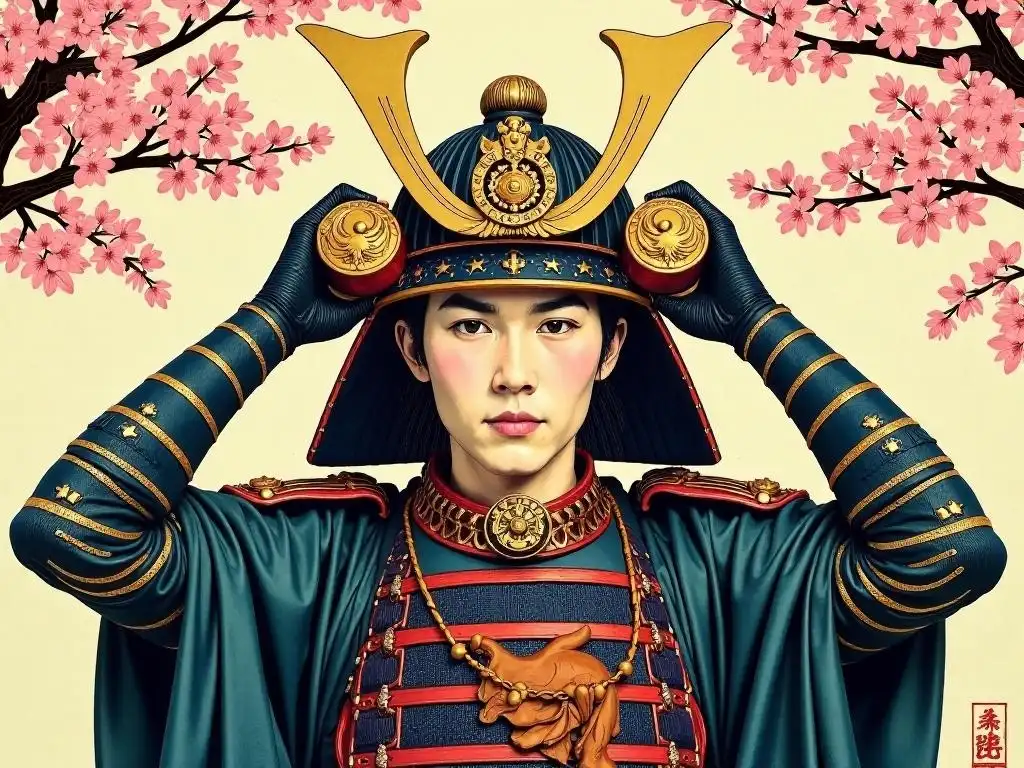
Welcome to Feudal Japan History, where we embark on a captivating journey through the rich tapestry of Japan’s feudal era. Here, we delve into the intricate layers of historical, cultural, and societal aspects that defined this fascinating time. In our featured article, “The Evolution of Samurai Armor: Symbolism and Status in Feudal Japan,” we uncover the profound meanings behind the armor worn by these legendary warriors.
What do the intricate designs and materials reveal about their status and identity? Join us as we explore the compelling stories and symbolism woven into the fabric of samurai armor, inviting you to dive deeper into the enigma of feudal Japan.
Introduction to Samurai Armor in Feudal Japan
The evolution of samurai armor is a fascinating reflection of the cultural, societal, and political dynamics of feudal Japan. This intricate armor not only served as protection in battle but also embodied the status, values, and identity of the samurai class. As we delve into the symbolism and significance of samurai armor, we will uncover how it evolved in tandem with the rise of the samurai, and how these changes mirrored the shifting landscape of Japanese society. Understanding the nuances of samurai armor provides insights into the warrior code, aesthetics, and the socio-political structures that defined feudal Japan.
Historical Context of Samurai Armor
To fully appreciate the significance of samurai armor, it is essential to explore its historical context. The development of this iconic attire is intertwined with the rise of the samurai class, which emerged during the late Heian period (794-1185) and solidified its power through the Kamakura period (1185-1333).
Origins of Samurai Armor in Early Japan
The origins of samurai armor can be traced back to ancient Japan, when warriors first donned protective gear made from leather and simple textiles. Early forms of armor, known as "yoroi," were designed to offer mobility while providing basic protection. As the need for more durable and effective armor grew, these designs evolved, incorporating materials such as iron and silk.
- Key Features of Early Armor:
- Made from leather and textiles
- Minimal protection
- Emphasis on mobility
The transition from rudimentary protective gear to more sophisticated armor showcases the technological advancements and the cultural importance of warfare in early Japanese society.
The Rise of the Samurai Class and Armor Development
As the samurai class rose to prominence during the Kamakura period, so too did the complexity and symbolism of their armor. The armor not only served practical purposes in battle but also became a canvas for expressing individual identity and social status.
- Evolution of Armor Design:
- Introduction of the "kabuto" (helmet) and "dō" (chest armor)
- Use of elaborate designs and family crests
- Symbolism of colors and materials used
Samurai armor became emblematic of the warrior's rank, loyalty, and accomplishments, showcasing the intricate relationship between armor and the samurai's societal role. This transformation marked a significant period in Japanese history, where the armor not only protected but also conveyed power and prestige.
In the following sections, we will further explore the intricacies of samurai armor, its symbolism, and its impact on the identity of the samurai class in feudal Japan.
Key Features of Samurai Armor
Samurai armor, known as yoroi, is an emblematic artifact of feudal Japan, characterized by its intricate craftsmanship and practical design. One of the most notable features is its layered construction, which typically includes a combination of metal, leather, and textile materials. This layering serves to provide both protection and flexibility, allowing samurai warriors to move effectively in battle while being safeguarded against strikes.
Another key feature is the distinct helmet, or kabuto, which often includes elaborate crests or ornaments that could signify a warrior's clan or personal achievements. These helmets not only offered head protection but also served as a psychological tool in warfare, intimidating opponents with their imposing designs.
The flexible segments of armor, known as kusazuri, hang from the main body of the armor, allowing for greater mobility while offering vital protection for the lower body. Additionally, the color and style of the armor often held significance; for instance, certain colors were reserved for specific clans or signified rank within the samurai hierarchy. Ultimately, samurai armor was not merely functional but also a reflection of the wearer's identity and status.
Materials Used in Samurai Armor
The materials used in the construction of samurai armor were carefully selected to balance protection, weight, and flexibility. Traditionally, armor was crafted from the following materials:
- Iron: The primary metal used, iron plates were often lacquered to protect against rust. These plates were shaped and layered to absorb and deflect blows effectively.
- Leather: Often used in conjunction with iron, leather provided both comfort and flexibility. It was used in areas that required a greater range of movement, such as the shoulder and arm sections.
- Silk and Cotton: These textiles were essential for the lacing and binding of the armor pieces. Additionally, they were often used to create undergarments or padding, which helped absorb shocks during combat.
- Lacquer: Beyond its protective qualities, lacquer served an aesthetic purpose, allowing armor to be beautifully decorated and providing a waterproof finish.
The combination of these materials showcased not only the technological advancements of the time but also the artistic sensibilities of the samurai culture.
Design Elements and Their Symbolic Meanings
The design of samurai armor was imbued with symbolic meanings that extended beyond mere functionality. Some key design elements include:
- Crests and Emblems: Many samurai armor pieces featured crests known as mon, representing the warrior’s family or clan. These symbols served as a form of identification on the battlefield and fostered a sense of loyalty and pride.
- Color Schemes: Specific colors often held traditional meanings; for instance, red was associated with bravery, while black could signify mystery and power. The choice of color not only reflected the samurai's personality but also their social status.
- Intricate Patterns: Decorative patterns on armor could convey messages about the wearer’s values or accomplishments, such as achievements in battle or honors received from the shogunate.
- Shape and Structure: The overall silhouette of the armor could also indicate rank and role within the samurai hierarchy. For example, higher-ranking samurai often wore more elaborate and larger armor designs, symbolizing their elevated status.
These design elements contributed to the armor's dual role as a protective gear and a representation of the samurai's identity and values within the feudal society.
The Role of Samurai Armor in Feudal Society
Samurai armor played a crucial role in the sociopolitical landscape of feudal Japan, impacting both the identity of the samurai class and their function within society.
Armor as a Status Symbol
In feudal Japan, armor was not just a means of protection; it was a significant status symbol that communicated power and prestige. The quality, design, and embellishments of a samurai's armor often indicated their rank and wealth. Elaborately designed armor with intricate craftsmanship was reserved for high-ranking samurai, while lower-ranking warriors wore simpler versions.
Additionally, the act of donning armor was a ceremonial affair, often accompanied by rituals that reinforced the samurai's duty and honor. This connection between armor and status created a culture where appearance and symbolism were integral to a samurai's identity, reinforcing social hierarchies within the warrior class.
The Functionality of Samurai Armor in Warfare
Beyond its symbolic importance, samurai armor was designed with functionality in mind, reflecting the harsh realities of warfare during the feudal era. The armor was specifically developed to withstand various combat scenarios, including close-quarters fighting and mounted warfare.
- Protection: The layered construction of armor provided substantial protection against swords, arrows, and other weapons of the time.
- Mobility: The design allowed for agility, enabling samurai to perform acrobatic maneuvers and engage effectively in battle.
- Adaptability: Many pieces of armor were designed to be adjustable, allowing for changes in fit and comfort depending on the wearer’s needs.
- Psychological Warfare: The intimidating appearance of a samurai clad in ornate armor could demoralize opponents even before the battle commenced.
Ultimately, samurai armor was a critical element of warfare in feudal Japan, balancing the need for protection with the necessity of mobility and psychological impact on the battlefield.
The Symbolism of Samurai Armor
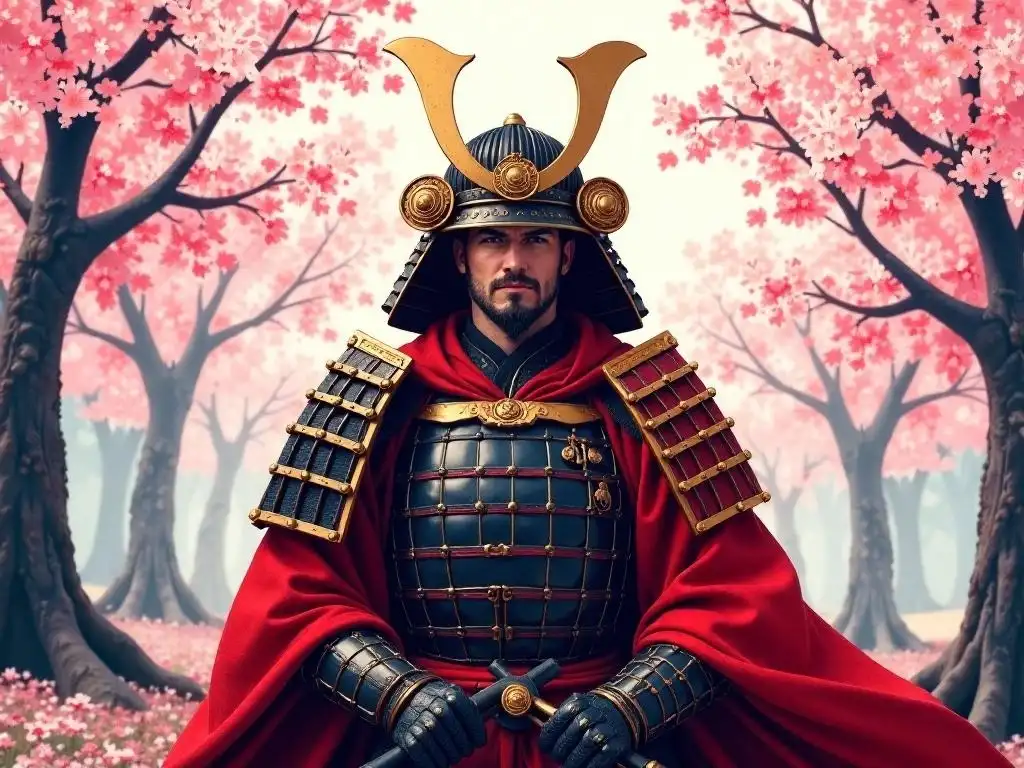
Samurai armor, known as "yoroi," transcended its primary function of protection in battle, embodying deep symbolism and social status within feudal Japan. Its design, materials, and colors were carefully chosen not only for practical purposes but also to reflect the identity, values, and beliefs of the samurai class. As the samurai evolved from mere warriors to esteemed members of the ruling elite, their armor became a visual representation of their honor, loyalty, and martial prowess.
The evolution of samurai armor mirrored the changing dynamics of Japanese society, particularly during the Kamakura (1185–1333) and Muromachi (1336–1573) periods. Different styles and techniques emerged, each carrying distinct connotations that conveyed the samurai's rank and allegiance. For instance, the use of elaborate crests (mon) and intricate designs symbolized family lineage and the samurai's dedication to their clan. Consequently, samurai armor became a vital aspect of their identity, reflecting not only personal status but also the broader cultural heritage of Japan.
Spiritual and Cultural Significance
The spiritual dimensions of samurai armor are rooted in the belief systems of the time, particularly Shintoism and Buddhism. Many samurai believed that their armor offered divine protection in battle, embodying the spirit of the warrior. This belief is reflected in the incorporation of amulets and talismans into the armor, which were thought to ward off evil spirits and bring good fortune. The act of donning armor was almost ritualistic, transforming the samurai into a vessel of honor and duty, ready to face the challenges of combat.
Moreover, the colors and materials used in armor also held significance. For instance, the use of black lacquer was associated with strength and durability, while vibrant colors like red symbolized courage and valor. The intricate designs often depicted mythical creatures and symbols, such as dragons and tigers, intended to invoke bravery and power. This spiritual and cultural significance imbued the armor with a sense of purpose beyond mere physical defense, elevating it to a symbol of the samurai's commitment to their ideals and way of life.
Armor in Art and Literature
Samurai armor has been a prominent subject in various forms of art and literature throughout Japanese history. In traditional paintings, armor is often depicted alongside heroic figures, showcasing the virtues of bravery and honor associated with the samurai. These artworks serve not only as historical records but also as cultural narratives that reinforce the samurai's esteemed status in society.
In literature, samurai armor is frequently referenced in classic tales, such as "The Tale of the Heike," which chronicles the rise and fall of the Taira clan. The armor symbolizes the samurai's unwavering loyalty, with characters often portrayed as noble warriors who are willing to sacrifice themselves for their lord. Such depictions have contributed to the romanticized image of the samurai, embedding their armor in the collective consciousness of Japanese culture.
The influence of samurai armor extends beyond Japan, inspiring global perceptions of the samurai ethos. Movies, anime, and literature have drawn on the rich symbolism associated with samurai armor, perpetuating its legacy as a powerful emblem of honor, duty, and martial skill.
Conclusion: The Lasting Legacy of Samurai Armor
The legacy of samurai armor persists in contemporary culture, serving as a potent symbol of Japan's feudal past. Its intricate designs and rich symbolism continue to fascinate historians, collectors, and enthusiasts alike. Today, samurai armor is not only a subject of historical study but also a source of inspiration in art, fashion, and popular culture.
Modern interpretations of samurai armor often emphasize its aesthetic qualities while exploring the deeper meanings behind its design. Exhibitions and festivals celebrating samurai heritage showcase the armor's craftsmanship and historical significance, allowing new generations to appreciate the artistry and cultural depth it represents.
As a testament to the values of honor, loyalty, and courage, samurai armor remains an enduring icon of feudal Japan. Its evolution reflects the transformation of the samurai class and their integral role in shaping Japanese history, ensuring that the symbolism of samurai armor will continue to resonate for years to come.
Additional Resources on Samurai Armor and Feudal Japan
To deepen your understanding of samurai armor and its significance during the feudal era in Japan, consider exploring the following resources:
Books
- "Samurai Armor: The Japanese Warrior's Battle Gear" by David O. McNally
- This book provides a detailed examination of the design, materials, and craftsmanship involved in samurai armor, along with illustrations that showcase various styles across different periods.
- "The Samurai: A Military History" by Stephen Turnbull
- Turnbull offers a comprehensive overview of the samurai class, detailing their evolution, military strategies, and the role armor played in their identity and status.
- "Japanese Armor: The History of Samurai Armor and Arms" by John M. McCullough
- This resource dives into the historical context of samurai armor, explaining its evolution and what different styles and symbols represented throughout the feudal period.
Documentaries and Films
- "The Samurai: A History"
- This documentary series explores the lives of samurai warriors, their battles, and the evolution of their gear, providing visual insights into the significance of armor in Japanese culture.
- "Hara-Kiri: Death of a Samurai"
- A film that, while dramatized, offers a glimpse into the life and honor codes of samurai, emphasizing the importance of their armor and weaponry as symbols of status and identity.
Museums and Exhibitions
- The Tokyo National Museum
- Home to an extensive collection of samurai armor and artifacts, the museum offers exhibitions that highlight the artistry and significance of these pieces, along with detailed descriptions of their historical context.
- The Samurai and the Sword Exhibition at the British Museum
- This traveling exhibition features a variety of samurai armor and weapons, showcasing their craftsmanship and the symbolism behind their designs.
Online Resources
- The Metropolitan Museum of Art’s Timeline of Art History
- This resource includes articles and images related to Japanese armor, providing a timeline that contextualizes the armor within the broader narrative of Japanese history.
- The Samurai Archives
- An online database that offers articles, forums, and discussions centered around samurai history, including detailed analyses of armor, weapons, and their cultural significance.
Academic Journals
- "The Journal of Japanese Studies"
- This peer-reviewed journal often includes articles focused on the cultural and historical aspects of the samurai, including studies specifically about armor and its symbolism.
- "Japan Review"
- Another academic journal that publishes research on various aspects of Japanese history and culture, featuring articles on samurai armor and its role in feudal society.
By engaging with these resources, you can gain a richer perspective on the intricate relationship between samurai armor, symbolism, and status during Japan's feudal era, enhancing your knowledge of this fascinating historical period.
- Introduction to Samurai Armor in Feudal Japan
- Historical Context of Samurai Armor
- Key Features of Samurai Armor
- The Role of Samurai Armor in Feudal Society
- The Symbolism of Samurai Armor
- Conclusion: The Lasting Legacy of Samurai Armor
- Additional Resources on Samurai Armor and Feudal Japan
Frequently Asked Questions
What is the significance of samurai armor in feudal Japan?
Samurai armor was not only a protective gear but also a symbol of status and warrior identity. It reflected the owner's rank, clan affiliation, and individual achievements.
How did samurai armor evolve over time?
The evolution of samurai armor was influenced by changes in warfare tactics, materials, and artistic styles, leading to a variety of designs that represented different historical periods and regions in Japan.
What do the colors and designs of samurai armor represent?
The colors and designs of samurai armor often conveyed symbolism related to loyalty, strength, and the warrior's clan. Specific patterns could also signify a samurai's achievements or status within the hierarchy.
A samurai's social status determined the quality and style of their armor. Higher-ranking samurai wore more ornate, expensive armor, while lower-ranked warriors had simpler designs that prioritized functionality over aesthetics.
In what ways does samurai armor reflect Japan's cultural values?
Samurai armor embodies the Bushido code and ideals of honor, bravery, and loyalty. Its intricate designs and symbolism illustrate the deep-rooted cultural values cherished by the samurai class throughout feudal Japan.
Final Reflection: The Enduring Legacy of Samurai Armor Symbolism
The intricate world of samurai armor symbolism in feudal Japan serves as a powerful reminder of how historical artifacts can transcend time and continue to resonate in contemporary society. As we explore the evolution of samurai armor, we uncover not just the craftsmanship and artistry involved, but also the profound significance it held in defining status, identity, and honor among the samurai class. The legacy of these warriors and their armor remains relevant today, as we seek to understand the values and ideals that shaped a culture steeped in tradition and respect.
The influence of samurai armor extends beyond mere aesthetics; it has woven itself into the cultural fabric of Japan and continues to inspire modern interpretations of honor and loyalty. As we reflect on the samurai's code of conduct, we recognize that the principles of bushido—courage, integrity, and respect—still resonate in our lives. The true measure of a samurai is not in the sword he wields, but in the honor he upholds.
This quote encapsulates the essence of the samurai spirit, reminding us that the symbolism of armor is not just about protection in battle, but also about the values we carry into our daily lives.
As we conclude this exploration of samurai armor and its symbolism, I invite you to reflect on how these lessons can be applied in your own life. Consider the values that guide your decisions and actions, and how you can embody the spirit of the samurai in your pursuit of honor and integrity. Let the legacy of the samurai inspire you to forge your own path, embracing the ideals that resonate with your personal journey. In a world that often challenges our principles, may we all strive to wear our own armor of values with pride.
Unveil the Rich Legacy of Samurai Armor!
Thank you for exploring the fascinating world of samurai armor with us! You've gained meaningful insights into how these remarkable pieces reflect the status and symbolism of feudal Japan. Now, it’s time to take that knowledge further and dive deeper into this rich history!
Here are some exciting actions you can take:
- Join a local workshop or online class that focuses on traditional Japanese armor-making techniques.
- Share your newfound knowledge with friends and family by organizing a discussion or mini-exhibition about samurai culture.
- Explore more! Visit a nearby museum that features samurai armor and artifacts to see these historical pieces up close.
What aspect of samurai armor resonates with you the most? Consider why it continues to be a powerful symbol of Japanese heritage today.