
Shogunate Education: The Role of Learning in Political and Social Hierarchies


Welcome to Feudal Japan History, where we embark on a captivating journey through the intricate tapestry of Japan’s feudal era. Dive deep into the shogunate education system, a pivotal aspect that shaped not only political hierarchies but also the societal norms of the time. What role did learning play in this complex structure? How did it influence the lives of samurai, farmers, and merchants alike? As you explore our expert-driven articles, prepare to uncover the layers of knowledge that defined an era, sparking your curiosity to learn more about the fascinating interplay between education and power in feudal Japan.
The education system during Japan's feudal era was intricately linked to the political and social hierarchies of the time. The shogunate, as the de facto military government, played a crucial role in shaping the educational landscape, which was not just about imparting knowledge but also about reinforcing the existing power structures.
This comprehensive exploration delves into how education was utilized as a tool for maintaining control, fostering loyalty, and enhancing the skills necessary for governance and military prowess. By examining the various educational practices, institutions, and philosophies that emerged during this period, we can gain insight into how learning influenced the political dynamics and social stratification of feudal Japan.
The Structure of the Feudal Japan Education System
The education system in feudal Japan was multifaceted, reflecting the complex hierarchy of society. There were distinct educational pathways for different social classes, primarily the samurai, farmers, and merchants.
- Samurai Education:
- Focused on military strategy, martial arts, and Confucian principles.
- Samurai were often educated in han schools, where they learned governance and ethics.
- Peasant Education:
- Primarily centered around agrarian skills and basic literacy.
- Some villages established schools, but access was limited.
- Merchant Education:
- Emphasized practical skills, such as mathematics and literacy, to manage trade and commerce.
- Wealthier merchants could afford private tutors, leading to a rise in educational attainment.
The Influence of Confucianism on Education
Confucianism significantly impacted the educational philosophies of feudal Japan, particularly during the Tokugawa shogunate. This ideology emphasized moral integrity, social harmony, and respect for authority, which aligned perfectly with the hierarchical nature of feudal society.
- Confucian Academies:
- Established to educate samurai in moral philosophy and ethics.
- Produced influential scholars who shaped political thought.
- Curriculum Focus:
- Included the study of classical texts, history, and ethics.
- Aimed to cultivate a sense of duty and loyalty to the shogunate.
The Role of Learning in Governance
Education was not merely an academic pursuit but a vital component of governance in feudal Japan. The shogunate relied on a well-educated class of advisors and bureaucrats to maintain order and administer the realm.
- Training for Officials:
- Many government officials were selected based on their educational background.
- Success in exams was necessary for securing positions within the administration.
- Impact on Social Mobility:
- While the class structure was rigid, education provided limited opportunities for upward mobility.
- Exceptional scholars could rise through the ranks, influencing policies and governance.
Conclusion: The Enduring Legacy of Shogunate Education
The feudal Japan education system, shaped by the needs of the shogunate, left a lasting legacy that influenced modern Japanese education. Understanding its complexities offers valuable insights into how education has historically functioned as a means of social control and political power. As we explore the intricacies of this system, we will uncover the profound connection between learning, governance, and society in feudal Japan.
- The Structure of the Feudal Japan Education System
- The Influence of Confucianism on Education
- The Role of Learning in Governance
- Conclusion: The Enduring Legacy of Shogunate Education
Introduction to the Feudal Japan Education System
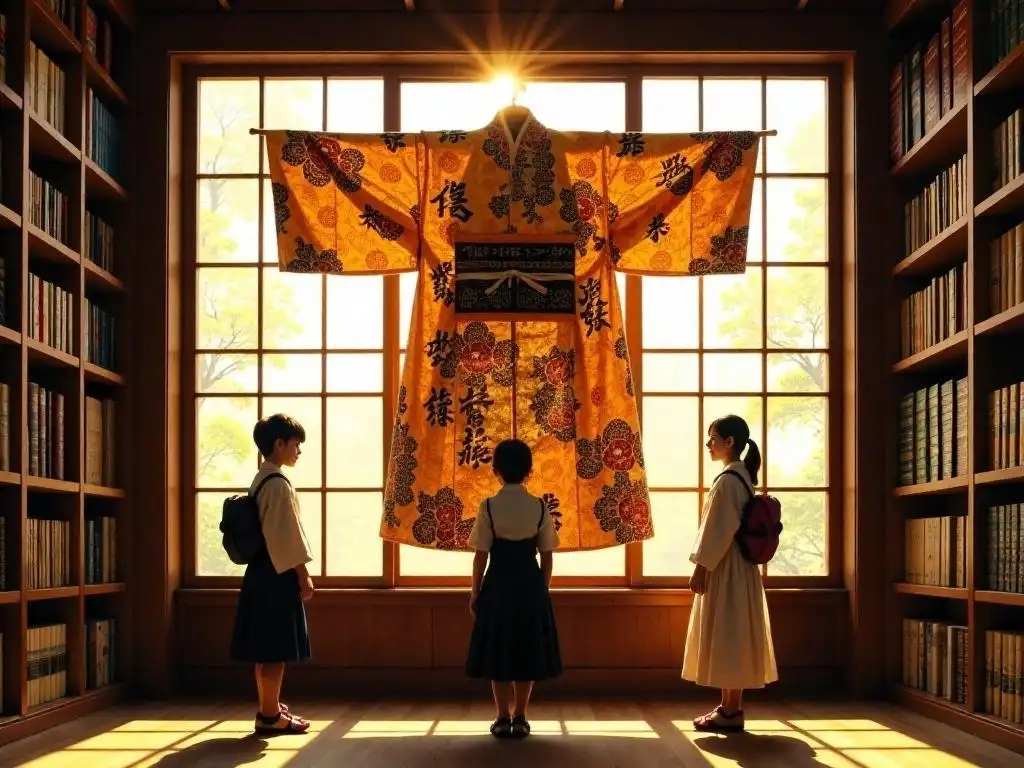
The education system during feudal Japan was intricately tied to its political and social hierarchies. As the shogunate established its authority, the need for a structured educational framework emerged to reinforce the ruling class's values, ensure loyalty, and cultivate a skilled bureaucracy. This system, while rigid and hierarchical, played a pivotal role in maintaining the social order and promoting the ideological underpinnings of the shogunate.
Overview of Feudal Japan and Its Political Context
Feudal Japan, spanning from the late 12th century to the mid-19th century, was characterized by a decentralized political structure dominated by a class of military nobility known as the samurai. The shogunate, a form of military government, held significant power, often overshadowing the emperor's influence. During this period, the political landscape was marked by:
- Samurai Class: The samurai were not only warriors but also landowners and administrators. Their education focused on skills pertinent to military strategy, governance, and moral conduct.
- Daimyo Influence: Regional lords, or daimyo, controlled vast territories and maintained their own educational institutions to train their vassals. This regional variability led to a diverse educational landscape across Japan.
- Confucian Ideals: The introduction of Confucianism influenced the education system, promoting values such as loyalty, filial piety, and respect for authority. Confucian scholars often served as educators for the ruling class.
The political context of feudal Japan necessitated an education system that would not only prepare the samurai for warfare but also instill a sense of duty and governance, ensuring the shogunate's stability and control.
Significance of Education in the Shogunate Era
Education during the shogunate era was crucial for several reasons:
- Cultivating Loyalty and Morality: The education system was designed to instill loyalty to the shogunate and moral integrity. Samurai were taught the bushido code, which emphasized honor, discipline, and loyalty to their lords.
- Administrative Efficiency: As the shogunate expanded, the need for a well-trained bureaucracy became evident. Education was essential in developing officials capable of managing tax systems, legal codes, and local governance.
- Cultural Transmission: Education also served as a vehicle for cultural preservation and transmission. Literary works, historical texts, and classical philosophy were taught to the elite, reinforcing cultural identity and continuity.
- Social Mobility: While the system was predominantly hierarchical, certain avenues for social mobility existed through education. Individuals from lower classes could gain access to learning, particularly in the form of scholarship programs sponsored by the daimyo, allowing for some upward mobility based on merit.
- Adaptation and Innovation: The education system adapted over time to include new ideas and technologies, especially during the late shogunate period. This adaptability facilitated the introduction of Western knowledge and practices, which would later influence Japan's modernization.
The feudal Japan education system was not merely a means of imparting knowledge; it was a fundamental component of the political and social structure that upheld the shogunate's authority and shaped the identity of the samurai class. The legacy of this educational framework continues to influence Japan's cultural and educational ethos today.
The Structure of the Feudal Japan Education System
The feudal Japan education system was intricately tied to the socio-political hierarchy of the time. Education was not merely a means of acquiring knowledge but a tool of social stratification that reinforced the existing power dynamics. At the helm of this system were various institutions that catered to different classes within society, ensuring that education was both a privilege and a necessity for those who would navigate the complexities of feudal life.
Main Institutions of Learning in Feudal Japan
Education in feudal Japan was characterized by a blend of religious, military, and practical teachings, with several key institutions playing pivotal roles in shaping the intellectual landscape of the period.
Temples and Monasteries as Educational Centers
Temples and monasteries served as the foremost centers of learning during the feudal era. They were not only places of worship but also hubs for education, where monks and priests disseminated knowledge.
- Buddhist Temples: These institutions emphasized religious studies, philosophy, and ethics. Monks taught both the sacred texts and practical skills, such as medicine and agriculture, to monks and laypeople alike.
- Confucian Academies: With the influence of Confucianism, these academies emerged as vital centers for learning moral philosophy, governance, and ethics. They catered primarily to the samurai class, instilling values that emphasized loyalty, duty, and respect for authority.
“The temple was a sanctuary of knowledge, as much as it was a sanctuary of the soul.”
Samurai Schools and Their Curriculum
Samurai schools (or hankō) were established to provide education specifically tailored for the warrior class. These institutions focused on both martial and scholarly education.
- Martial Arts Training: The curriculum included various forms of martial arts, strategy, and battlefield tactics. This practical education prepared samurai not only for warfare but also for positions of leadership.
- Literature and Philosophy: In addition to physical training, samurai were educated in classic literature, poetry, and the principles of Confucianism. This dual focus helped develop well-rounded warriors who could engage in both combat and governance.
| Institution Type | Focus Areas | Primary Audience |
|---|---|---|
| Buddhist Temples | Religious studies, philosophy, agriculture | Monks, Laypeople |
| Confucian Academies | Governance, ethics, moral philosophy | Samurai |
| Samurai Schools | Martial arts, literature, strategy | Samurai |
Role of Family in Education During the Shogunate
Family played a crucial role in the feudal Japan education system, especially concerning the upbringing of samurai children. The family unit was often the first educational environment, where values and skills were imparted.
- Parental Guidance: Fathers typically took on the role of primary educators, teaching their sons the ways of the samurai, including combat skills and the ethical framework of bushido (the way of the warrior). Mothers educated daughters in domestic skills, as well as moral teachings about loyalty and family honor.
- Clan Schools: Some prominent samurai clans established their own schools, where families could send their children for a more formal education. These schools often taught the family’s unique traditions and values, further solidifying clan loyalty and identity.
“Education in feudal Japan was not just about knowledge; it was about nurturing the very fabric of society.”
The feudal Japan education system was a complex interplay of institutions, family roles, and societal needs. It served to perpetuate the hierarchical structure of feudal society while providing necessary skills and knowledge to its members, ultimately shaping the political and cultural landscape of the era.
The Content of Education in Feudal Japan

Core Subjects Taught in the Shogunate Education System
The education system in feudal Japan was meticulously structured, primarily designed to serve the needs of the ruling classes, especially the samurai. This system emphasized a blend of practical skills and moral teachings, which were deemed essential for maintaining order and authority within the hierarchical society.
Confucianism and Its Influence on Moral Education
Confucianism played a pivotal role in shaping the moral framework of the samurai class. Rooted in the teachings of Confucius, this philosophy emphasized virtues such as loyalty, filial piety, and righteousness. The education system integrated these values into its curriculum, aimed at cultivating not only knowledgeable leaders but also ethical individuals who could uphold the societal order.
- Key Aspects of Confucian Education:
- Moral Development: Students were taught to reflect on their actions and the consequences they had on family and society.
- Rituals and Etiquette: Emphasis was placed on proper conduct, which was crucial in maintaining social harmony.
- Historical Studies: Learning about historical figures and events reinforced the moral lessons derived from Confucian teachings.
This moral education was not only theoretical but also practical, as samurai were often expected to embody these principles in their everyday lives and decisions.
Military Strategy and Tactics for Samurai
Given the samurai's role as warriors, military education was a cornerstone of the feudal Japan education system. Training focused on various aspects of warfare, strategy, and tactics, ensuring that samurai were not only skilled in martial arts but also adept at leadership in battle.
- Key Components of Military Education:
- Strategic Planning: Students learned to devise battle plans and understand the dynamics of warfare, including terrain and troop movements.
- Martial Arts Training: Physical prowess was developed through rigorous training in disciplines such as kenjutsu (swordsmanship) and kyujutsu (archery).
- Historical Battles: Studying past conflicts provided insights into successful strategies and mistakes to avoid.
This comprehensive military education prepared samurai for both individual combat and larger military campaigns, reinforcing their status as elite warriors.
Arts and Literature in Samurai Culture
The education of samurai was not solely focused on warfare; it also encompassed the arts and literature, which played a significant role in their cultural identity. The integration of artistic pursuits helped to cultivate well-rounded individuals who appreciated beauty and creativity.
- Importance of Arts and Literature:
- Poetry and Calligraphy: Samurai were encouraged to engage in poetry, particularly haiku, and to master calligraphy as a form of self-expression and refinement.
- Tea Ceremony and Aesthetics: The practice of the tea ceremony, known as chanoyu, was an essential aspect of samurai culture, emphasizing harmony, respect, and tranquility.
- Literary Works: Reading classical literature, such as "The Tale of Genji," enriched samurai education and provided moral and philosophical insights.
This focus on the arts served to balance the warrior ethos, allowing samurai to express their emotions and thoughts through creative outlets.
The Importance of Language and Calligraphy
Language and calligraphy were fundamental components of the feudal Japan education system, particularly for samurai and the ruling elite. Mastery of language was seen as essential for effective communication, governance, and cultural appreciation.
- Key Features of Language Education:
- Classical Japanese Literature: Students studied classical texts, which not only improved their language skills but also deepened their understanding of cultural heritage.
- Calligraphy as a Discipline: Calligraphy was considered an art form and a means of self-discipline, reflecting the character and refinement of the individual.
- Diplomatic Skills: Proficiency in language was critical for samurai involved in diplomatic missions, as they often had to negotiate and communicate with other clans and foreign entities.
In essence, the emphasis on language and calligraphy within the feudal Japan education system underscored the interconnectedness of knowledge, governance, and culture, reinforcing the samurai's role as both warriors and cultured individuals.
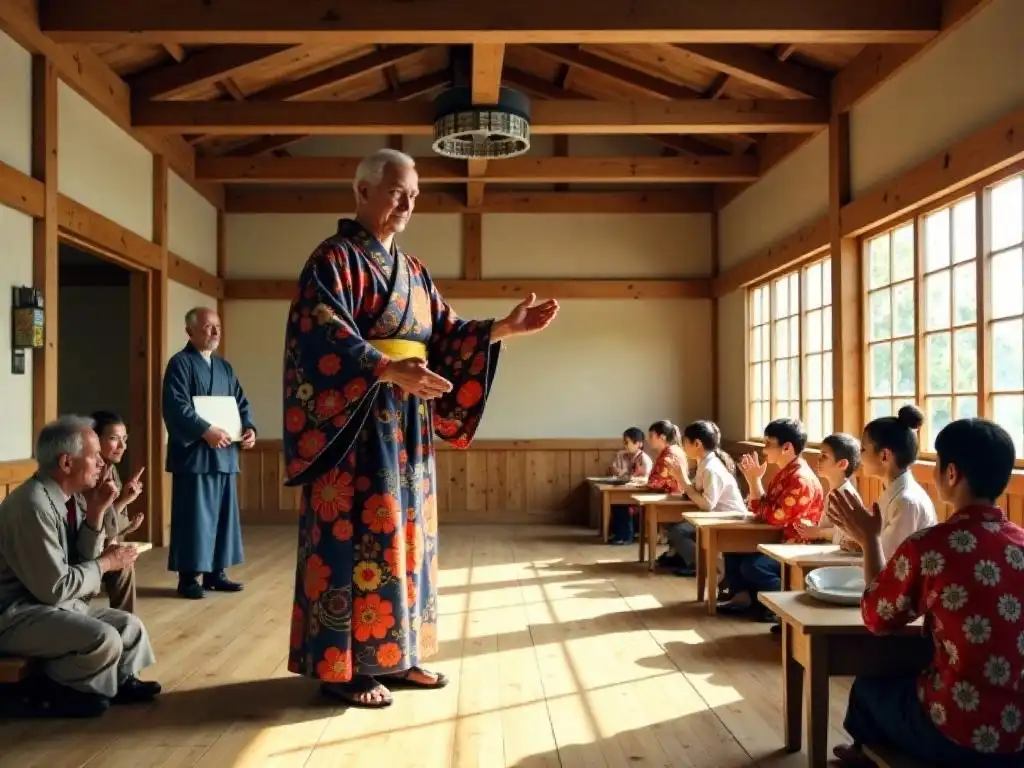
The feudal Japan education system was intricately linked to the social hierarchy that characterized the era. Education was not uniformly accessible; rather, it was shaped by one's social class. This stratified approach to education reflected the broader societal values of feudal Japan, where status and privilege dictated opportunities for learning.
Education in feudal Japan was primarily a privilege of the upper classes, particularly the samurai. The various social classes had distinct educational opportunities and limitations, which can be summarized as follows:
- Samurai Class:
- The samurai were expected to be educated not only in martial skills but also in the arts, literature, and philosophy. They attended specialized schools and had access to tutors.
- Farmers and Artisans:
- While primarily focused on practical skills, this class had limited access to formal education. However, some villages established rudimentary schools (terakoya) to teach reading, writing, and arithmetic to children of farmers and artisans.
- Merchants:
- Merchants, despite being viewed lower in the social hierarchy, often pursued education for practical business understanding. They created their own informal learning environments, focusing on trade skills and financial literacy.
- Outcasts:
- Those in the lowest social strata, like the burakumin, typically received no formal education and were often excluded from mainstream society.
The Role of the Samurai Class in Education
The samurai class played a pivotal role in shaping the educational landscape of feudal Japan. Their education was multifaceted, encompassing:
- Military Training:
- A significant portion of their education revolved around martial arts, strategy, and weaponry. This training was critical for maintaining their status as warriors.
- Literature and Philosophy:
- Samurai were encouraged to pursue studies in classical texts, Confucianism, and Zen Buddhism, which fostered a sense of moral duty and philosophical understanding. Notable texts included "The Book of Five Rings" by Miyamoto Musashi, which emphasized strategy both in combat and life.
- Cultural Arts:
- A well-rounded samurai was also expected to engage in cultural pursuits, such as poetry, calligraphy, and tea ceremony, reflecting the importance of aesthetics and refinement in their education.
This comprehensive education served to reinforce their position in society, blending martial prowess with intellectual and cultural sophistication.
The Education of Peasants and Commoners
The education of peasants and commoners was markedly different from that of the samurai, focusing primarily on practical skills necessary for daily life and work. Key features included:
- Terakoya Schools:
- Emerging during the Edo period, terakoya were informal schools established mainly in cities and towns. They taught basic literacy, numeracy, and moral education. Attendance was often determined by the local community's wealth and commitment to education.
- Vocational Training:
- Education for commoners was largely vocational. Children learned trades from their parents, ensuring the transmission of skills necessary for agricultural work, craftsmanship, and commerce.
- Limited Access to Higher Learning:
- Higher education, such as the study of Confucian texts, was generally inaccessible to the lower classes, reinforcing the social divide. Some exceptional cases existed where talented individuals from lower classes could gain patronage and elevate their status through education.
Gender Roles in Education During the Shogunate
Gender roles in feudal Japan significantly influenced educational opportunities. While men predominantly received formal education, women's education was limited and often dictated by societal expectations.
Education for Women in Feudal Japan
Women in feudal Japan had a confined role within the educational system, but there were notable aspects to their learning:
- Domestic Education:
- Education for women primarily focused on skills relevant to managing a household, such as cooking, weaving, and child-rearing.
- Literacy and Cultural Education:
- Some women, especially those from the samurai or merchant classes, were taught to read and write. They often studied poetry and literature, which was deemed appropriate for their societal role. Notable female figures, like Murasaki Shikibu, author of "The Tale of Genji," showcased that women could contribute significantly to Japan's literary heritage.
- Religious and Spiritual Learning:
- Education also included religious instruction, where women learned about Shinto and Buddhist practices. This knowledge was essential for fulfilling their roles within the family and community.
While women's education in feudal Japan was limited compared to men's, it played an essential role in shaping their contributions to society, culture, and the family unit.
The Impact of Education on Political Structures
How Education Shaped Political Leaders of the Shogunate
In feudal Japan, education played a pivotal role in shaping the political leaders of the shogunate. The educational system was primarily influenced by Confucian ideals, which emphasized the importance of moral integrity, discipline, and the cultivation of knowledge. This framework was not merely theoretical; it was essential for the effective governance of the daimyo (feudal lords) and their samurai retainers.
The samurai class, in particular, was encouraged to pursue a rigorous education. They were trained in various disciplines, including:
- Military strategy: Understanding tactics and battlefield maneuvers.
- Calligraphy and poetry: Fostering a sense of aesthetics and cultural appreciation.
- Philosophy and ethics: Instilling values of loyalty and duty.
This multifaceted educational approach ensured that political leaders were not only skilled warriors but also cultured individuals capable of making informed decisions. For instance, influential leaders like Tokugawa Ieyasu emphasized the importance of education within their domains, leading to the establishment of han schools (domain schools) that promoted learning among the samurai and commoners alike.
These educational institutions became breeding grounds for future leaders, who were groomed to understand both the intricacies of governance and the expectations of their social roles. As such, the education system was instrumental in creating a class of informed leaders who could effectively navigate the complex political landscape of feudal Japan.
The Relationship Between Knowledge and Power in Feudal Japan
In the hierarchical society of feudal Japan, knowledge was intricately tied to power. The shogunate recognized that a well-educated populace could bolster its authority and stability. Thus, the feudal Japan education system was designed to reinforce existing power structures while also preparing individuals for roles within those structures.
The daimyo and the samurai, as the ruling elite, understood that education was a means of maintaining control. By educating their subjects—particularly the samurai—they ensured loyalty and effectiveness in governance. The bushido code, which outlined the ethical framework for samurai behavior, was taught alongside practical skills, thus merging moral teachings with political utility.
Moreover, the dissemination of knowledge was selective. Access to education often depended on one's social status. The elite had access to higher education and philosophical texts, while commoners received basic literacy and numeracy skills. This stratification served to reinforce the social hierarchy, where knowledge became a privilege of the upper classes.
| Social Class | Type of Education | Purpose |
|---|---|---|
| Samurai | Advanced studies (military, arts) | Leadership and governance |
| Daimyo | Political philosophy, strategy | Control and administration of domains |
| Commoners | Basic literacy | Compliance and basic civic duties |
The intertwining of knowledge and power is further exemplified by the role of Confucian scholars, who acted as advisors to the shogunate. Their expertise in ethics and governance was utilized to shape policies and maintain order. In this way, the education system not only facilitated individual advancement but also served as a tool for the ruling class to solidify their power.
The feudal Japan education system was a critical component of the political and social hierarchies, shaping leaders and reinforcing the power dynamic that characterized this historical period. Through a structured approach to learning, the shogunate ensured that knowledge remained a key element in the governance and stability of feudal Japan.
The Evolution of the Education System Post-Shogunate

Transition from Feudal Education to Modern Systems
The transition from the feudal Japan education system to modern educational frameworks marks a significant shift in the way knowledge was perceived and disseminated. During the shogunate period, education was primarily governed by a rigid hierarchical structure, where learning was restricted to certain social classes, particularly the samurai and the elite. The emphasis was on Confucian principles, martial arts, and practical skills necessary for governance and warfare.
With the Meiji Restoration in 1868, Japan underwent profound changes that laid the groundwork for a modern education system. The new government recognized the importance of education as a means to strengthen the nation. As a result, the Education System Order of 1872 was introduced, establishing a compulsory education system aimed at promoting literacy and basic skills among all social classes. This shift was crucial in dismantling the previous feudal structures that limited educational access.
Key features of this transition included:
- Universal Education: The establishment of compulsory schooling for both boys and girls, which was a radical departure from the exclusive nature of feudal education.
- Curriculum Reform: The introduction of a more diverse curriculum that included science, mathematics, and foreign languages, moving away from the traditional focus on Confucian texts.
- Teacher Training: The creation of normal schools to train teachers, ensuring that educational standards were maintained across the rapidly expanding school system.
The transformation was not instantaneous; it took decades for the new educational policies to permeate through society. Various challenges arose, including resistance from traditionalists who valued the old ways, but the overall trend was towards greater inclusivity and modernization.
Lasting Influences of Shogunate Education on Contemporary Japan
The legacy of the feudal Japan education system can still be traced in various aspects of contemporary Japanese society. While the structures of education have evolved, certain principles and practices from the shogunate era continue to shape Japan's approach to learning and social hierarchy.
- Respect for Authority: The hierarchical nature of feudal education instilled a deep respect for authority figures, which persists in today's educational settings. Teachers are often viewed as figures of respect and authority, and this cultural norm influences student-teacher relations.
- Discipline and Rigor: The emphasis on discipline in the feudal education system laid the groundwork for the rigorous academic environment found in modern Japanese schools. Students are encouraged to work diligently, reflecting the values of perseverance and dedication that were emphasized during the shogunate.
- Moral Education: The shogunate system integrated moral and ethical teachings based on Confucian values, a practice that continues in today's curriculum through subjects focused on moral education. This aspect aims to cultivate a sense of duty and responsibility among students.
- Social Stratification: While modern Japan promotes equality in education, remnants of social stratification from the feudal era can still be observed. For instance, prestigious schools often serve as gatekeepers for elite universities, echoing the educational disparities of the past.
While the education system in Japan has undergone significant transformations since the shogunate, the historical foundations laid during that era continue to resonate in contemporary practices and cultural values. The interplay between historical influences and modern educational reforms illustrates how deeply embedded the feudal Japan education system remains in shaping Japan's identity.
Conclusion: The Enduring Legacy of Shogunate Education
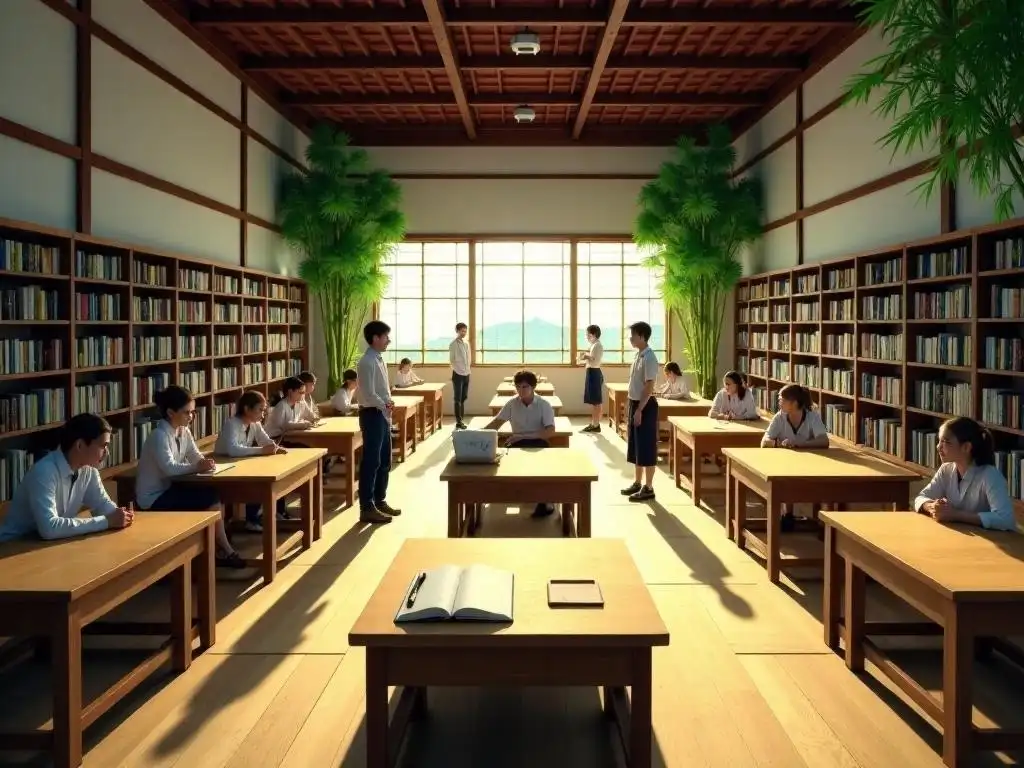
Summary of Key Points on the Feudal Japan Education System
The feudal Japan education system was intricately linked to the political and social hierarchies of the era, shaping not only individual lives but also the very fabric of society. Key points of this educational framework include:
- Confucian Influence: The Confucian ideals that permeated the education system emphasized moral integrity, loyalty, and respect for authority. This philosophical approach served to reinforce the values of the ruling class and foster obedience among the populace.
- Samurai Training: The samurai class underwent rigorous training that combined martial skills with scholarly pursuits. Not only did they learn the arts of war, but they were also educated in literature, philosophy, and governance, producing well-rounded leaders.
- Rural Education Initiatives: While urban centers like Edo boasted formal schools, rural areas relied on temple education and local scholars. This decentralized approach helped in the dissemination of knowledge across various strata of society.
- Role of the Tokugawa Shogunate: The Tokugawa Shogunate established a formalized education system that included the creation of domain schools (han schools) which aimed to educate the sons of samurai and commoners alike, thus promoting loyalty and social stability.
- Gender Disparities: Education during this period was predominantly male-focused, with limited access for women, although some noble women received education geared towards managing households and influencing family alliances.
The feudal Japan education system was a vital tool for reinforcing the hierarchical structures of the shogunate, ensuring that the values and skills necessary for governance and control were instilled in the ruling classes while providing basic education to the broader populace.
Reflection on the Role of Learning in Shaping Society and Politics
The role of learning in feudal Japan was profound, serving as a cornerstone for both societal structure and political power. Education was not merely about acquiring knowledge; it was a mechanism for instilling loyalty, promoting social order, and preparing individuals for their roles within the rigid hierarchy of feudal society.
- Political Stability: By emphasizing Confucian teachings, the education system cultivated a sense of duty and loyalty among the samurai and commoners. This alignment of personal values with political objectives helped maintain the shogunate's power over centuries.
- Social Mobility: Although the system was largely static, education offered limited pathways for social mobility, especially for those who excelled in studies. Success in education could lead to positions of influence, thus creating a dynamic within the rigid feudal structure.
- Cultural Transmission: The education system acted as a vessel for cultural transmission, preserving and promoting Japanese traditions, literature, and arts. This preservation was crucial as it fostered a sense of identity and continuity amidst the ever-changing political landscape.
- Ideological Control: The shogunate recognized the power of education in shaping ideologies. By controlling the curriculum and focusing on specific teachings, the ruling class ensured that the populace remained aligned with their governance.
In essence, the feudal Japan education system played a pivotal role in shaping both society and politics, embedding values that supported the shogunate's authority while influencing the lives of individuals across different classes. The legacy of this educational framework continues to resonate in contemporary discussions on governance, societal roles, and cultural identity in Japan.
References and Further Reading on Feudal Japan Education System
Recommended Books and Articles for In-Depth Understanding
- "Education in Japan: A Historical Perspective" by James J. Shevitz
- This book offers an extensive overview of the evolution of education in Japan, with a dedicated section on the feudal era. It discusses how education was influenced by political structures and societal needs during the shogunate.
- "The Samurai and the Sacred" by Paul Varley
- Varley delves into the cultural aspects of samurai education, emphasizing the role of Zen Buddhism and Confucianism in shaping the moral and ethical frameworks that guided the samurai class.
- "Shogun: The Life of Tokugawa Ieyasu" by John Man
- While primarily a biography, this work highlights the educational reforms implemented by Tokugawa Ieyasu and how they established a foundation for the feudal Japan education system, influencing future generations.
- "The Confucianization of Japan: A Historical Overview" by J. M. Breen
- This article provides insights into the impact of Confucian ideals on the education system during the feudal period, detailing how these philosophies shaped societal hierarchies and governance.
- "Learning and the Samurai: The Role of Education in Feudal Japan" by Yoko Koma
- This academic paper focuses explicitly on the educational practices among the samurai, discussing the balance between martial training and scholarly pursuits.
Online Resources for Exploring Shogunate Education Further
-
National Diet Library of Japan: Educational Resources
A treasure trove of digital archives and documents related to the history of education in Japan, including significant texts from the feudal period.
National Diet Library -
The Asia-Pacific Journal: Japan Focus
This online journal features a plethora of articles that explore various aspects of Japanese history, including educational structures during the shogunate.
Asia-Pacific Journal -
Japan Society: Education in Japan
Offers a wide range of resources and articles dedicated to understanding the historical context of education in Japan, with a focus on feudal systems.
Japan Society -
The Tokugawa Institute
An organization dedicated to the study of the Tokugawa shogunate, with numerous publications and resources focusing on the educational reforms and practices of the time.
Tokugawa Institute -
YouTube: "Feudal Japan - The Samurai and Education"
A documentary-style video that presents a visual overview of the education system during the feudal era, including interviews with historians and educators.
YouTube Link - Feudal Japan (search for the title)
By delving into these resources, readers can gain a comprehensive understanding of the feudal Japan education system and its influence on the political and social hierarchies of the era.
Frequently Asked Questions
What was the primary focus of the feudal Japan education system?
The feudal Japan education system primarily emphasized Confucian values, which influenced the training of samurai and the governance of society, reflecting the political and social hierarchies of the era.
How did the Shogunate influence education during feudal Japan?
The Shogunate played a crucial role in shaping the education system by establishing formal schools and promoting literacy among samurai, thereby reinforcing their political authority and social status.
What subjects were taught in feudal Japan schools?
Schools in feudal Japan taught subjects like literature, history, martial arts, and ethical teachings of Confucianism, which were vital for maintaining the social order and preparing students for roles in society.
Who were the primary educators in feudal Japan?
Scholars and samurai often served as educators in feudal Japan, imparting knowledge through oral traditions and formal teachings to ensure that the values of the Shogunate were preserved.
The education system in feudal Japan largely limited social mobility, as access to education was primarily reserved for the samurai class, thus reinforcing existing social hierarchies and power dynamics.
Final Reflection: The Enduring Legacy of Feudal Japan's Education System
The intricate relationship between education and power in feudal Japan remains profoundly relevant today, as it underscores the pivotal role that learning plays in shaping societal structures. In a world where knowledge continues to be a key determinant of social mobility and political influence, the lessons drawn from the shogunate education system remind us that education is not merely a tool for personal advancement but a foundational element that can either reinforce or challenge existing hierarchies.
Clearly, the educational practices of feudal Japan have left an indelible mark on our cultural and social landscapes. The emphasis on Confucian values and the cultivation of loyalty and discipline within the samurai class not only shaped the elite but also influenced the broader populace. As we reflect on this historical paradigm, we can see echoes of these dynamics in contemporary discussions about access to education and the importance of equitable learning opportunities. Education is the most powerful weapon which you can use to change the world.
— Nelson Mandela. This quote resonates deeply as we consider how the legacy of feudal Japan’s education system continues to inform our understanding of education as a means of empowerment and societal transformation.
As we move forward, I invite you to reflect on the lessons of the past and consider how they apply to your own life and community. How can you leverage the power of education to foster inclusivity and challenge existing social hierarchies? Embrace the opportunity to learn not just for personal gain, but as a means to uplift others and contribute to a more equitable society. The journey of education is ongoing; let us commit to making it a force for positive change, inspired by the rich history of learning in feudal Japan.
Empower Yourself Through Education!
Thank you for exploring the fascinating world of Shogunate Education and its profound influence on political and social hierarchies in feudal Japan. By delving into this vital theme, you’ve gained valuable insights into how education shaped society. Now, it’s time to carry that knowledge forward!
Here’s how you can make an impact:
- Dive deeper into the history of Japanese education by reading related articles on our website. Expand your understanding and share it with others!
- Join a discussion group or forum dedicated to historical topics. Collaborating with like-minded individuals can spark new ideas and enhance your appreciation for history.
- Share this article on your social media or with friends who are interested in history. Every conversation about the past helps keep it alive!
What aspect of Shogunate education intrigues you the most, and how can you apply its lessons to today’s learning environments? Let's discuss!