
How the Genpei War Influenced Japanese Martial Arts

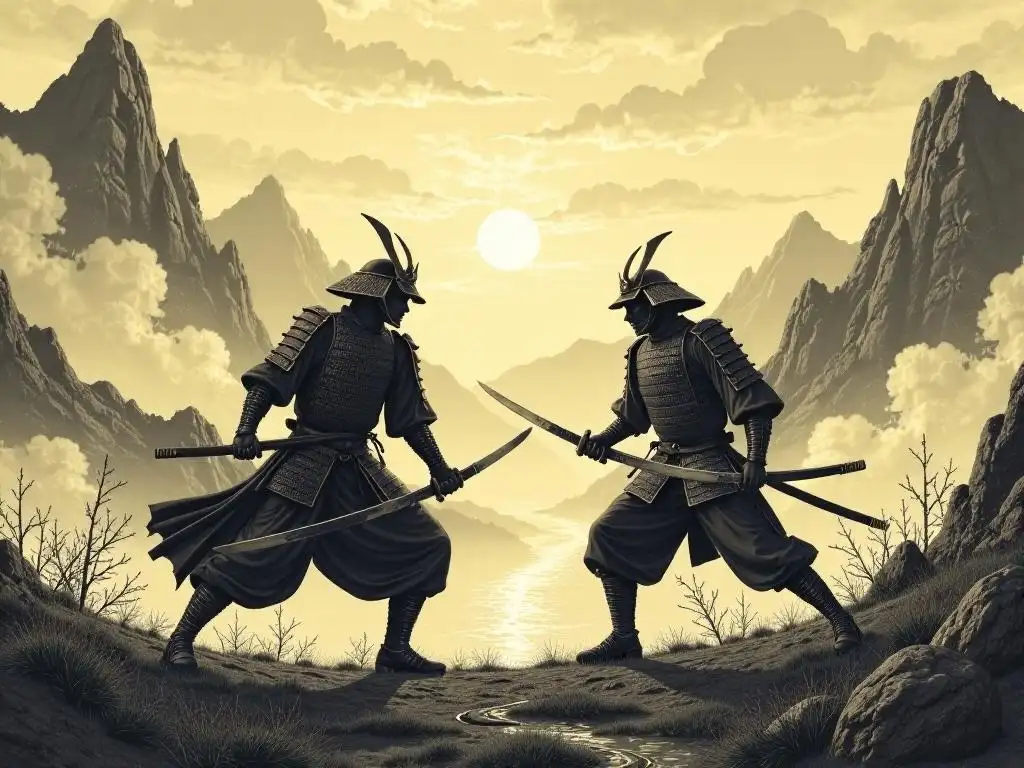
Welcome to Feudal Japan History, where the echoes of the past resonate through the rich tapestry of Japan's feudal era. Here, we delve deep into the captivating world of historical events, cultural shifts, and societal transformations that shaped a nation. In our featured article, we unravel the profound impact of the Genpei War on martial arts, revealing how this pivotal conflict not only altered the course of history but also forged the very foundations of Japan's martial traditions.
Prepare to embark on an enlightening journey that will spark your curiosity and deepen your understanding of this fascinating period. Are you ready to discover the intricate connections between warfare and the art of combat? Dive in and explore with us!
- Introduction to the Genpei War and Its Significance
- Historical Context of the Genpei War
- Evolution of Martial Arts During the Genpei War
- The Genpei War's Influence on Martial Arts Styles
- Legacy of the Genpei War on Modern Martial Arts
- Conclusion: The Lasting Impact of the Genpei War on Martial Arts
- References
- Frequently Asked Questions
- Final Reflection: The Enduring Legacy of the Genpei War on Martial Arts
- Unleash Your Inner Warrior: Explore the Legacy of the Genpei War!
Introduction to the Genpei War and Its Significance
The Genpei War, a pivotal conflict that erupted between the Taira and Minamoto clans from 1180 to 1185, marked a significant turning point in Japanese history. This war not only led to the establishment of the Kamakura shogunate but also laid the groundwork for the evolution of Japanese martial arts.
As samurai warriors engaged in fierce battles, their techniques and strategies became refined, leading to the development of various martial disciplines that would shape Japan's martial culture for centuries to come. Understanding the Genpei War is crucial for appreciating the rich tapestry of Japan's feudal era, where honor, combat skills, and the warrior ethos played central roles in society.
Overview of the Genpei War
The Genpei War was characterized by intense rivalry and conflict between two of Japan's most powerful clans, the Taira (Heike) and the Minamoto (Genji). Rooted in political intrigue and a struggle for power, this war was not merely a battle for dominance but a clash of ideologies, loyalty, and cultural identity. Key battles, such as the Battle of Dan-no-ura, showcased the tactical prowess of the samurai and the significant role of naval warfare, emphasizing the diverse strategies employed in this era.
- Key Events of the War:
- Battle of Uji (1180): The initial clash that set the stage for a protracted conflict.
- Battle of Kurikara (1183): A decisive victory for the Minamoto that shifted the war's momentum.
- Battle of Dan-no-ura (1185): The final confrontation that led to the Taira's downfall.
The war's outcome not only redefined the political landscape of Japan but also transformed the samurai class's role within society, transitioning them from mere warriors to influential leaders and governors.
Importance of the War in Japanese History
The Genpei War is regarded as a foundational event in Japanese history, marking the end of the Heian period and ushering in the Kamakura period. The conflict's resolution brought about a new governance structure that emphasized military power and the samurai code of ethics, known as Bushido. This transition had profound implications for Japanese society, influencing not only politics but also culture and social structures.
- Significant Historical Outcomes:
- Establishment of the Kamakura shogunate, which centralized power in the hands of the samurai.
- The evolution of martial traditions and the codification of combat techniques.
- The creation of a new class of warrior leaders who would shape Japan's future.
As the samurai emerged as the ruling class, their values and martial practices became ingrained in Japanese culture, influencing everything from governance to the arts.
Aim of the Article: Exploring the Genpei War Impact on Martial Arts
This article aims to delve deeply into how the Genpei War influenced the development of Japanese martial arts, exploring the techniques, philosophies, and practices that emerged from this tumultuous period. By examining the interplay between warfare and martial arts, we will provide insight into how the conflict shaped the training, mindset, and ethical considerations of samurai warriors.
- Key Areas of Exploration:
- The evolution of combat techniques during the Genpei War.
- The impact of samurai culture on martial arts traditions.
- Lasting influences on modern martial arts practices in Japan.
Through this exploration, we will uncover the profound legacy of the Genpei War, not just as a historical event but as a cornerstone of Japan's rich martial heritage.
Historical Context of the Genpei War
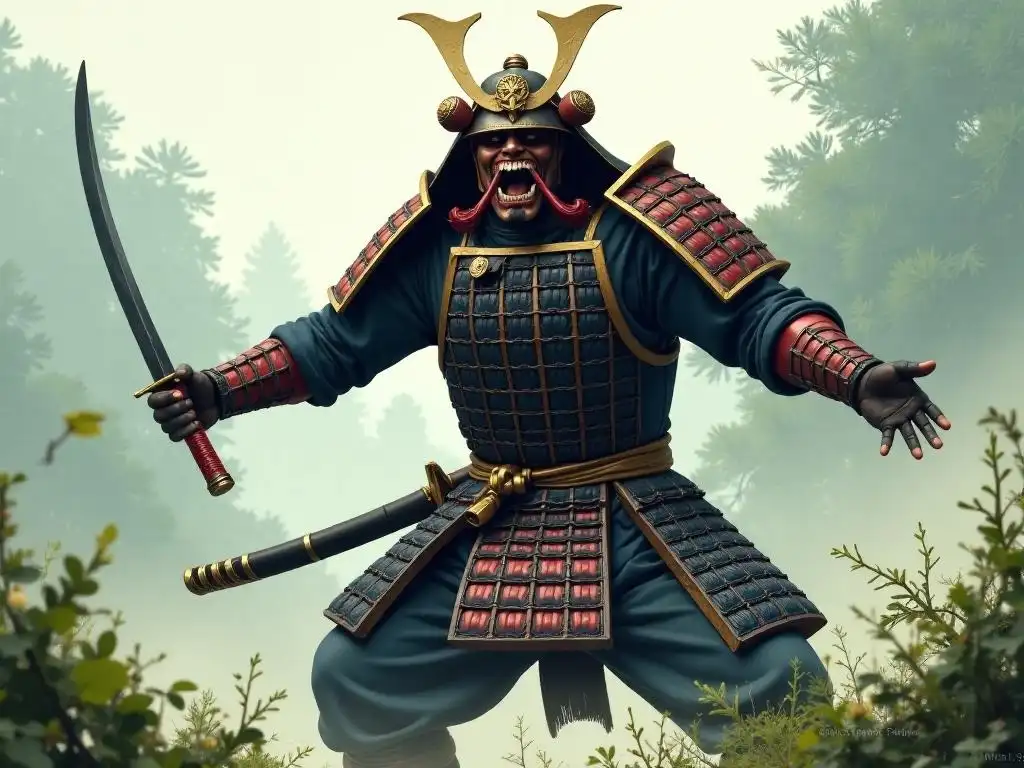
The Genpei War (1180–1185) was a pivotal conflict in Japanese history, marking a significant transition from the classical Heian period to the feudal era. This war was not merely a clash of swords but a culmination of longstanding political and social tensions within feudal Japan. The roots of the conflict can be traced back to the complex relationships among powerful clans, shifts in imperial authority, and the emergence of a warrior class known as the samurai.
The backdrop of the Genpei War is essential for understanding its impact on martial arts. During the Heian period, the imperial court held significant power, but its influence began to wane as regional clans gained strength. The Taira and Minamoto clans emerged as dominant forces, each vying for control and favor from the imperial court. This struggle for power not only led to battles but also laid the foundation for martial traditions that would shape Japanese culture for centuries.
The Political Landscape of Feudal Japan
The political landscape of feudal Japan during the late 12th century was characterized by a feudal system in which loyalty and military service were exchanged for land and protection. The emperor, while still a symbolic figure, had limited practical power, and real authority often resided with the shōguns and the samurai class.
-
Feudal Hierarchies:
- Emperor: The spiritual leader and figurehead of Japan.
- Shōgun: The military dictator who wielded actual power; the position became hereditary.
- Daimyō: Powerful lords who controlled vast lands and had their own armies of samurai.
- Samurai: The warrior class that served the daimyō, adhering to a strict code of conduct (bushidō).
-
Impact of the Taira and Minamoto Clans:
The Taira clan, known for its naval power and connections to the imperial court, and the Minamoto clan, famed for their martial prowess and strategic acumen, were central figures in this turbulent political environment. Their rivalry not only sparked the Genpei War but also established patterns of loyalty and conflict that would define the samurai ethos.
-
Emergence of the Samurai:
The war catalyzed the rise of the samurai as a distinct social class, transitioning from mere warriors to influential political players. The samurai's role evolved from that of simple soldiers to strategic leaders, establishing a code of honor that would influence Japanese martial arts.
Key Players: The Taira and Minamoto Clans
The Taira and Minamoto clans were not just adversaries in battle; they represented contrasting philosophies and styles of warfare that would leave a lasting legacy on martial arts.
-
Taira Clan:
The Taira, led by Taira no Kiyomori, was known for its political alliances and naval strength. Their approach to warfare often emphasized the use of strategy and tactics over brute force.
-
Minamoto Clan:
In contrast, the Minamoto, particularly under the leadership of Minamoto no Yoritomo and his brother Minamoto no Yoshitsune, embraced a more aggressive and direct style of combat. Their emphasis on individual martial prowess and battlefield strategy would influence the training and techniques of future samurai.
The conflict highlighted the importance of adaptability in warfare, as both clans had to innovate their tactics and strategies to respond to each other’s strengths and weaknesses.
Major Battles and Turning Points of the Genpei War
The Genpei War consisted of several key battles that not only determined the fate of the Taira and Minamoto clans but also significantly influenced the evolution of martial arts in Japan.
-
Battle of Dan-no-ura (1185):
- This naval battle is often regarded as the war's climax. The Minamoto's victory here was decisive, leading to the downfall of the Taira clan.
- The tactics employed during this battle, including the use of archery and naval formations, became fundamental in shaping martial strategies.
-
Battle of Kurikara (1183):
- A pivotal land battle that showcased the Minamoto’s strategic ingenuity, where they used the terrain to their advantage against the Taira forces.
- The victory further solidified the Minamoto's reputation as formidable warriors and leaders.
-
Impact on Martial Arts:
Each battle of the Genpei War contributed to the codification of martial techniques and strategies. The samurai began to formalize their training, leading to the development of various martial arts disciplines that would be passed down through generations.
The Genpei War was instrumental in shaping the political and martial landscape of Japan, establishing the samurai as a powerful class, and influencing the evolution of martial arts that would endure through centuries. The legacies of the Taira and Minamoto clans continue to resonate in Japanese culture, highlighting the profound impact of this historical conflict.
Evolution of Martial Arts During the Genpei War
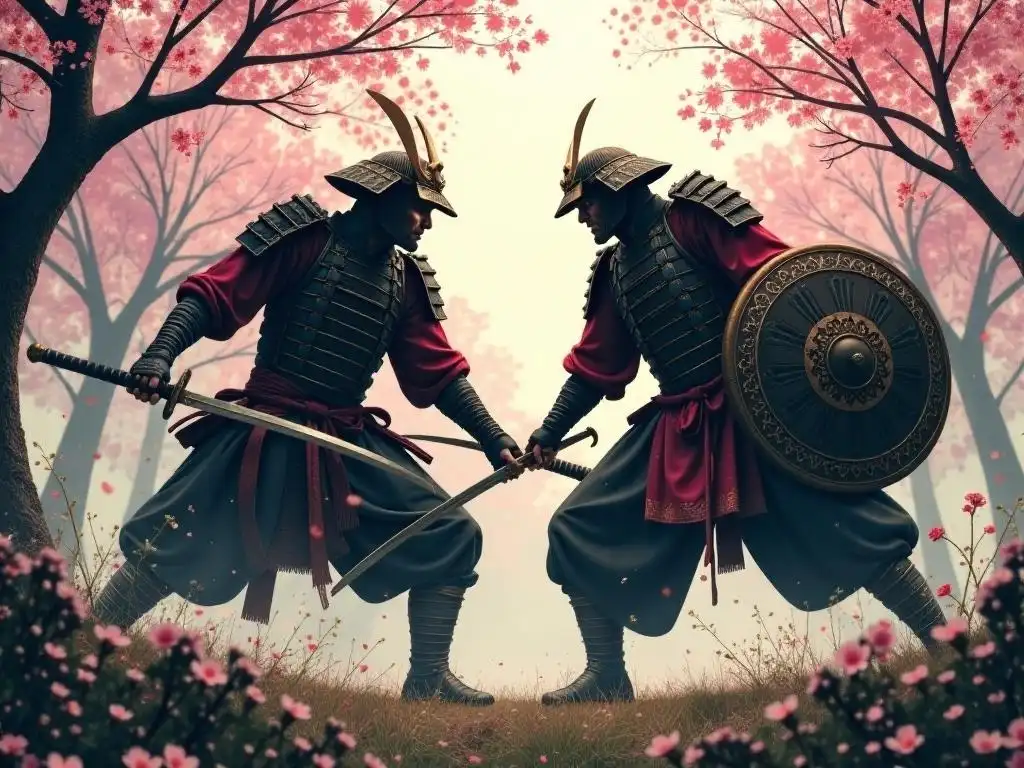
The State of Japanese Martial Arts Before the War
Before the onset of the Genpei War (1180-1185), Japanese martial arts were primarily influenced by the need for self-defense and military training. The samurai class, which was emerging as the ruling elite, practiced various forms of combat that included swordsmanship, archery, and horseback riding. The martial arts landscape was characterized by a few key aspects:
- Influence of Chinese Martial Arts: The introduction of Chinese martial arts in Japan during the Heian period (794-1185) played a significant role in shaping the techniques that would later evolve into distinctly Japanese styles. Concepts such as discipline, strategy, and the philosophical underpinnings of martial arts began to take root.
- Emphasis on Individual Combat: Prior to the Genpei War, martial arts training focused heavily on individual skill. Techniques were often practiced in isolation, with a strong emphasis on personal prowess and the mastery of weapons, particularly the katana.
- Lack of Formalized Schools: While there were certainly skilled practitioners, the absence of organized schools meant that knowledge was often passed down through informal mentorship. This led to a wide variety of styles and techniques, often dependent on regional variations and the personal preferences of the instructors.
- Cultural Context: The martial practices were deeply intertwined with the cultural context of the time, where poetry, calligraphy, and other art forms were equally valued. This holistic approach to training fostered a warrior spirit that appreciated both the physical and artistic aspects of martial life.
As the Genpei War approached, the need for more systematic and strategic combat training became evident, setting the stage for significant transformations in martial arts.
Changes in Martial Techniques and Strategies
The Genpei War marked a pivotal shift in martial arts, both in technique and strategy, largely driven by the demands of prolonged warfare. Key changes included:
- Adoption of Group Tactics: Unlike earlier individualistic approaches, the Genpei War necessitated coordinated efforts among warriors. This led to the development of group tactics, where formations and strategies were vital to the success of battles. The samurai learned to operate as units, which influenced subsequent training methods.
- Integration of Horseback Combat: The use of cavalry became more pronounced. The samurai refined techniques for fighting on horseback, leading to the development of mounted archery and the use of the katana while riding. This not only enhanced mobility on the battlefield but also required specialized training to master these skills.
- Emphasis on Deception and Strategy: The political intrigue surrounding the Genpei War necessitated a greater focus on strategy and deception. Samurai began to incorporate feints, ambush tactics, and psychological warfare into their combat repertoires. This shift was a significant evolution from the straightforward combat methods of earlier times.
- Development of New Weapons and Techniques: The chaos of war also led to experimentation with different weapons and techniques. The introduction of the tachi (a precursor to the katana) as a primary weapon, along with enhanced training in the use of polearms and bows, reflected the changing dynamics of warfare.
The transformations initiated during the Genpei War laid the groundwork for subsequent generations of martial artists, influencing not only combat techniques but also the philosophy underlying Japanese martial arts.
The Role of Samurai in the Development of Martial Arts
The samurai played a crucial role in the evolution of martial arts during and after the Genpei War. As the elite warrior class, their practices and philosophies significantly shaped the martial landscape of Japan:
- Codification of Techniques: The experiences gained during the Genpei War led to the codification of various martial techniques. Influential samurai began documenting their training methods, creating manuals that would serve as foundational texts for future martial artists. This period saw the birth of the first formalized schools of martial arts.
- Cultural Symbolism: The samurai became symbols of honor, loyalty, and martial prowess. Their way of life, known as Bushido, emphasized virtues such as courage, respect, and integrity. This cultural ethos became integral to the practice of martial arts, influencing not just the techniques but also the mindset of practitioners.
- Mentorship and Lineage: As the samurai class solidified its power in the post-war period, the tradition of mentorship became more formalized. Experienced samurai took on apprentices, ensuring the transmission of knowledge and techniques across generations. This lineage system would become a hallmark of Japanese martial arts.
- Integration of Spirituality: The samurai's engagement in Zen Buddhism and Shinto practices introduced a spiritual dimension to martial arts. Meditation and mindfulness became essential components of training, encouraging practitioners to cultivate not just physical skills, but also mental and spiritual discipline.
The Genpei War was a transformative period for Japanese martial arts, driven by the evolving needs of warfare and the samurai's central role in shaping these developments. The impact of the Genpei War on martial arts is a testament to the dynamic interplay between conflict, culture, and the evolution of combat skills in Japan.
The Genpei War's Influence on Martial Arts Styles
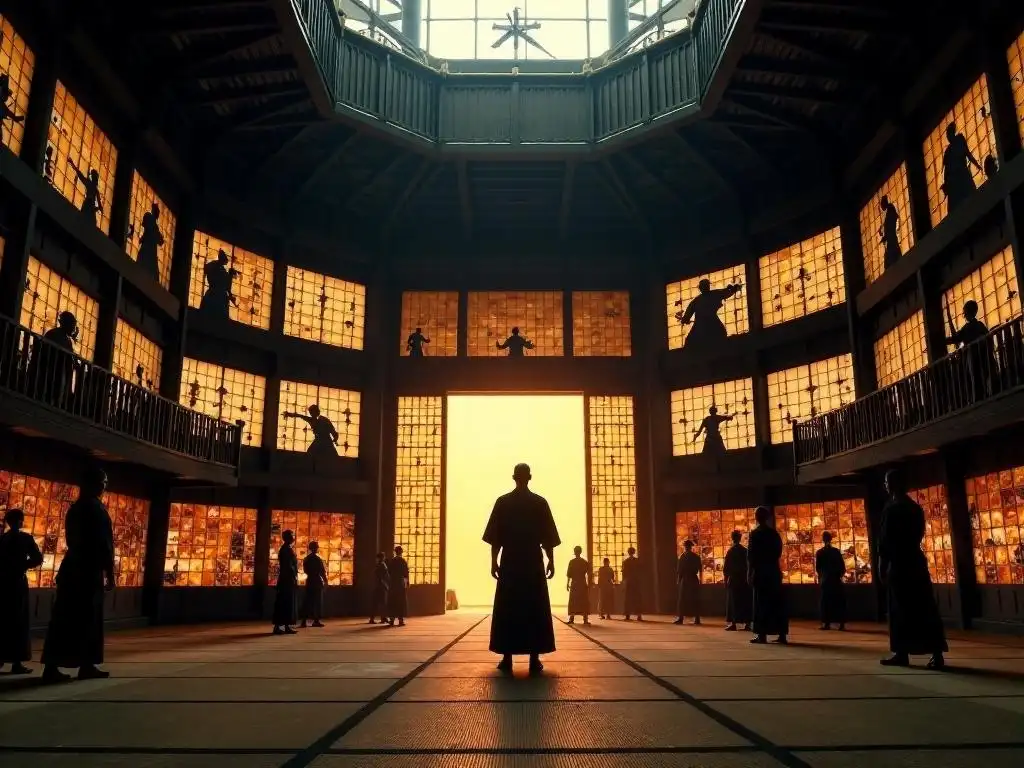
The Genpei War (1180-1185) was a pivotal conflict in Japanese history that not only shaped the political landscape but also significantly influenced the development of martial arts in Japan. This period marked the transition from a predominantly clan-based society to one characterized by the rise of the samurai class and the establishment of the Kamakura shogunate. This shift laid the groundwork for the evolution of various martial arts styles, incorporating new techniques, philosophies, and training methodologies.
Emergence of New Martial Arts Schools and Techniques
As the Genpei War unfolded, the necessity for effective combat training became paramount, leading to the emergence of new martial arts schools. The conflict highlighted the importance of adaptability and innovation in combat, resulting in the development of unique techniques tailored for warfare.
- Niten Ichi-ryū: Founded by the legendary swordsman Miyamoto Musashi, this school emphasized the use of two swords simultaneously, a technique that gained prominence due to the close-quarters combat witnessed during the Genpei War.
- Kashima Shinto-ryū: This school focused on the integration of strategy and spiritual discipline, reflecting the need for warriors to cultivate not only physical prowess but also mental clarity during battle.
The strategies and techniques developed during the Genpei War were documented in various texts, which served as foundational resources for future martial arts practitioners. One notable example is the “Book of Five Rings” by Musashi, which encapsulates the essence of martial strategy that emerged from this era.
Integration of Zen Philosophy into Martial Arts
The Genpei War also coincided with the rise of Zen Buddhism in Japan, which profoundly influenced martial arts practices. The philosophy of Zen emphasized mindfulness, focus, and the importance of one's mental state in combat.
- Mindfulness in Training: Techniques such as zazen (seated meditation) became integral to martial arts training, allowing practitioners to cultivate a calm and focused mind. This practice enabled warriors to enter a state of heightened awareness, crucial for survival on the battlefield.
- Spiritual Discipline: The integration of Zen philosophy encouraged martial artists to view combat not merely as a physical confrontation but as a path to self-discovery and enlightenment. This perspective fostered a deeper connection between the practitioner and their art, promoting a holistic approach to martial training.
The synergy between martial arts and Zen philosophy led to the establishment of schools that emphasized mental discipline alongside physical training, creating a legacy that continues to influence martial arts today.
Cross-Influences Between Different Martial Traditions
The Genpei War facilitated interactions among various martial traditions, leading to a cross-pollination of techniques and philosophies. Different clans and their warriors, engaged in combat, often exchanged knowledge and skills, which enriched their respective martial practices.
- Sōjutsu and Kenjutsu: The incorporation of spear techniques ( sōjutsu) with swordsmanship ( kenjutsu) became increasingly common as warriors sought to enhance their effectiveness in battle. The adaptability of these styles allowed for a more versatile approach to combat, as practitioners learned to seamlessly transition between weapons.
- Influence of Chinese Martial Arts: The influx of Chinese martial arts during this period also played a role in shaping Japanese martial traditions. Techniques and philosophies from Chinese styles were absorbed and integrated into the practices of samurai, resulting in a uniquely Japanese martial arts identity.
This blending of traditions led to the establishment of comprehensive training regimens that included a variety of weapons and techniques, ensuring that martial arts continued to evolve in response to the changing dynamics of warfare.
The Genpei War significantly impacted the trajectory of Japanese martial arts, fostering innovation, integrating philosophical elements, and promoting cross-cultural exchanges. The legacy of this period is evident in the diverse martial arts practices that continue to thrive in Japan and around the world today.
Legacy of the Genpei War on Modern Martial Arts
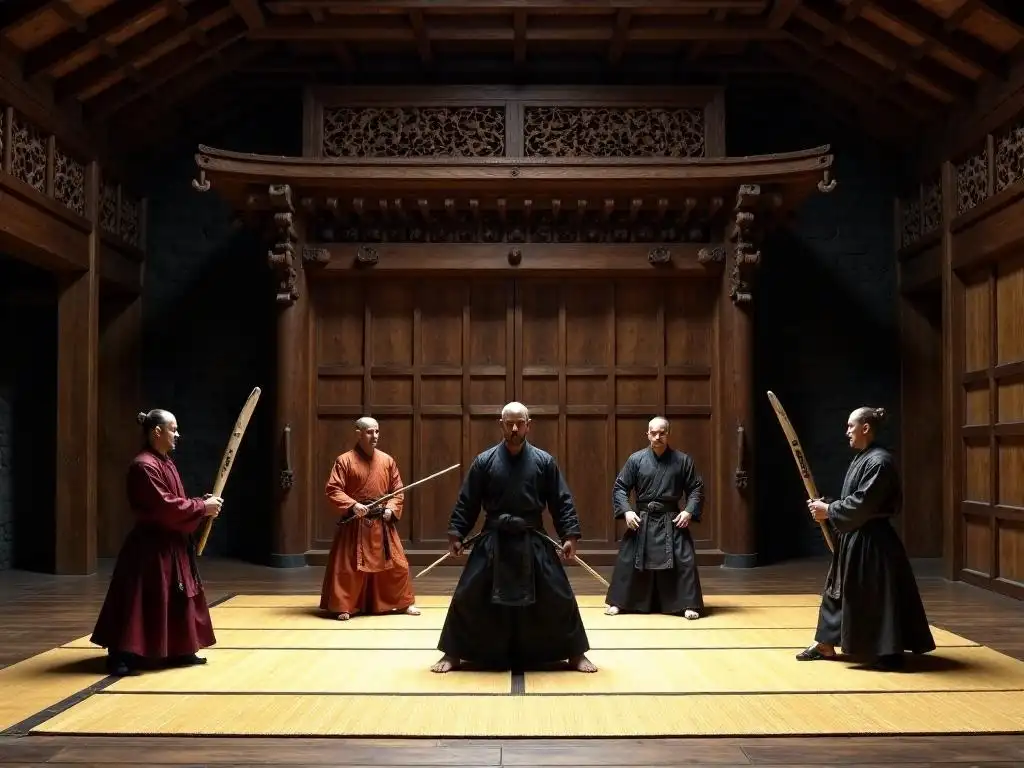
The Genpei War, fought between the Taira and Minamoto clans from 1180 to 1185, not only marked a significant shift in the political landscape of Japan but also had a profound impact on the evolution of martial arts. The techniques, strategies, and philosophies developed during this tumultuous period laid the foundation for the martial practices that would emerge in the centuries to follow. Understanding this legacy is crucial for appreciating the complexities of contemporary Japanese martial arts.
How the Genpei War Shaped Samurai Training Methods
The Genpei War was pivotal in transforming the training methods of samurai. Before this conflict, samurai training primarily focused on individual combat skills, often emphasizing the use of weapons like the katana. However, the realities of war necessitated a more integrated approach to martial training.
- Strategic Combat Training: The need for effective battlefield strategies led to the incorporation of tactical formations and group tactics into samurai training. This shift emphasized coordination among warriors and the importance of unit cohesion, which was critical in large-scale battles like those witnessed during the Genpei War.
- Introduction of New Weaponry: The war also saw the introduction and refinement of various weapons, such as the naginata and the yumi (longbow). Samurai had to adapt their training to include these new weapons, leading to a diversification of combat styles and techniques.
- Emphasis on Psychological Preparedness: The psychological toll of the war highlighted the need for mental fortitude. Training regimens began to include aspects of mental conditioning, focusing on discipline, focus, and resilience, which became integral to samurai culture.
This evolution in training methods not only improved the effectiveness of samurai on the battlefield but also set the stage for the training philosophies that would influence future generations of martial artists.
The Impact on Contemporary Japanese Martial Arts
The legacy of the Genpei War extends into modern martial arts, where its influence can still be observed in various practices.
- Kendo: The modern practice of Kendo, which translates to "the way of the sword," is steeped in the techniques and philosophies developed during the Genpei War. Kendo practitioners utilize movements and strategies that echo the martial tactics of samurai during this era.
- Iaido: The art of Iaido, which focuses on the smooth, controlled movements of drawing the sword, directly relates to the combat styles refined through the experiences of the Genpei War. Practitioners often embody the same principles of precision and mental clarity that were essential for survival in battle.
- Bujutsu and Gendai Goshin Jutsu: Various forms of Bujutsu, the traditional Japanese martial arts, have roots in the techniques honed during the Genpei War. The focus on self-defense and practical combat reflects the samurai's necessity to adapt to changing conditions on the battlefield.
The impact of the Genpei War on these contemporary martial arts illustrates the enduring legacy of this historical conflict, shaping not only the physical techniques but also the philosophical underpinnings of martial practice today.
Preservation of Historical Techniques in Modern Practice
Modern martial arts practitioners often seek to preserve and revive techniques from historical periods, including the Genpei War. Various organizations and schools are dedicated to maintaining the authenticity of these practices, ensuring that the legacy endures:
- Historical Reenactment Schools: There are martial arts schools focused on historical reenactment, which teach techniques that were used during the Genpei War. These schools often employ traditional weapons and combat styles, fostering a deeper understanding of samurai warfare.
- Documentation and Research: Scholars and martial artists are increasingly documenting historical techniques through research. This effort not only preserves knowledge but also allows practitioners to study and integrate these techniques into their training.
- Cultural Festivals and Competitions: Events that celebrate the martial heritage of Japan often feature demonstrations of techniques from the Genpei War, allowing modern practitioners to connect with their historical roots. These events serve as both a celebration of culture and a means of education for new generations.
Through these efforts, the historical techniques from the Genpei War continue to be practiced and appreciated in modern martial arts, ensuring that the skills and philosophies of the samurai remain relevant in today's society.
Conclusion: The Lasting Impact of the Genpei War on Martial Arts
Summary of Key Points
The Genpei War, fought between the Taira and Minamoto clans from 1180 to 1185, had profound implications not only for Japan's political landscape but also for the evolution of its martial arts. Key points regarding its impact include:
- Rise of the Samurai Class: The war catalyzed the ascendance of the samurai, who became the primary military class in Japan. This shift led to the development of distinct martial arts tailored to their needs and battlefield tactics.
- Integration of Techniques: As different clans battled, they exchanged techniques, strategies, and weaponry. This blending of martial practices contributed to the diversification and refinement of martial arts styles that we see today.
- Cultural Codification: The aftermath of the Genpei War saw the establishment of a warrior code, which emphasized skill, honor, and discipline in martial training. This code not only influenced the conduct of samurai but also laid the groundwork for future martial arts philosophies.
The Importance of Understanding Historical Context in Martial Arts
Understanding the historical context of martial arts is crucial for a comprehensive appreciation of their evolution. The Genpei War serves as a pivotal moment in this history, illuminating how socio-political factors shape martial practices. Key considerations include:
- Cultural Significance: The Genpei War is not just a military conflict but a reflection of the values and beliefs of the time. The samurai's role as both warrior and custodian of culture highlights how martial arts serve as a vessel for broader societal themes.
- Evolution of Techniques: Knowledge of the Genpei War allows martial artists and historians to trace the lineage of various techniques back to their origins. Understanding how certain maneuvers were developed in response to specific battlefield scenarios can enhance training and strategy.
- Martial Arts as Historical Narrative: The stories and legends surrounding the Genpei War are often intertwined with martial arts training. By studying these narratives, practitioners gain insight into the motivations and philosophies that underpin their martial practices.
Final Thoughts on the Genpei War Impact on Martial Arts
The Genpei War significantly influenced the trajectory of Japanese martial arts, establishing a rich tapestry of techniques, philosophies, and cultural narratives. This historical conflict not only shaped the martial practices of the time but continues to resonate in modern interpretations of martial arts. As practitioners engage with these traditions today, they are not merely learning a physical discipline; they are participating in a legacy that spans centuries.
Recognizing the Genpei War's impact on martial arts provides a deeper understanding of the practices we see today. The lessons learned from the battlefield echo in training halls, reminding us that martial arts are as much about history and culture as they are about physical skill. Embracing this historical perspective enriches the practice and honors the legacy of those who fought and trained in the aftermath of the Genpei War.
References
Suggested Readings on the Genpei War and Martial Arts
The Genpei War (1180-1185) was not only a pivotal conflict in Japanese history but also a significant catalyst for the development of martial arts in Japan. Understanding the nuances of this era can enhance our comprehension of how the war shaped martial practices. Here are some suggested readings that provide insights into the Genpei War and its influence on martial arts:
-
"The Samurai: A Military History" by Stephen Turnbull
This book offers a comprehensive overview of the samurai class and the military strategies employed during the Genpei War. It delves into how these strategies laid the groundwork for future martial arts techniques.
-
"Genpei: The War of the Minamoto and Taira" by David E. Jones
A detailed narrative of the Genpei War, this text examines the social and political dynamics of the period, along with its direct impact on the evolution of martial combat styles.
-
"Bujutsu: The Martial Arts of Japan" by Donn F. Draeger
This work explores various forms of martial arts that developed in feudal Japan, highlighting the connection between historical events like the Genpei War and the evolution of fighting techniques.
-
"Hagakure: The Book of the Samurai" by Yamamoto Tsunetomo
Although written after the Genpei War, this text reflects the bushido code that emerged from the ideals formed during and after the conflict, illustrating the philosophical underpinnings that influenced martial arts.
Key Historical Texts and Sources on Japanese Martial Culture
To further delve into the martial culture of Japan during and after the Genpei War, several historical texts serve as invaluable resources. These texts not only document the martial practices of the time but also provide context for their development.
-
"The Book of Five Rings" by Miyamoto Musashi
Written by one of Japan's most famous swordsmen, this classic text focuses on strategy and technique, reflecting the martial philosophies that were influenced by the conflicts of the past, including the Genpei War.
-
"The Art of War" by Sun Tzu (translated and adapted for Japan)
While originally a Chinese text, its principles were adopted and adapted by samurai, influencing their approach to warfare and martial training during the Genpei War and beyond.
-
"The Chronicles of Japan" (Nihon Shoki)
This historical record provides insights into the sociopolitical landscape of Japan during the Genpei War, detailing martial engagements and the warriors involved, which shaped subsequent martial traditions.
-
"The Tale of the Heike"
This epic account of the Genpei War narrates the valor and martial prowess of the warriors involved, highlighting key battles and their impact on the formation of martial arts in Japan.
By examining these readings and texts, one can gain a deeper understanding of the profound Genpei War impact on martial arts, revealing how historical events shaped the evolution of combat techniques and philosophies that persist in modern martial practices.
Frequently Asked Questions
What was the Genpei War?
The Genpei War (1180-1185) was a civil conflict between the Taira and Minamoto clans in Japan, marking the transition from classical to feudal society.
How did the Genpei War impact martial arts?
The war significantly shaped Japanese martial arts by fostering new strategies, techniques, and the samurai ethos, as combatants sought to gain an edge over their rivals.
What are some martial arts that evolved due to the Genpei War?
Martial arts such as Kenjutsu (swordsmanship) and Bojutsu (staff techniques) saw advancements during the war, as the need for effective combat training became crucial for samurai.
Did the Genpei War affect samurai culture?
Yes, the Genpei War deeply influenced samurai culture, embedding values of loyalty, honor, and bravery into martial practices and the broader societal framework.
How is the legacy of the Genpei War reflected in modern martial arts?
The legacy of the Genpei War persists in modern Japanese martial arts, where traditions, philosophies, and techniques from that era continue to be taught and revered.
Final Reflection: The Enduring Legacy of the Genpei War on Martial Arts
The Genpei War's impact on martial arts is not merely a historical footnote; it is a profound narrative that continues to shape the ethos of Japanese martial arts today. As we explore the intricate relationship between this pivotal conflict and the evolution of martial disciplines, we uncover a tapestry woven with themes of honor, strategy, and resilience. The lessons learned from the Genpei War resonate through time, reminding us that the spirit of martial arts is as much about personal growth and discipline as it is about combat.
The cultural and social landscape of Japan has been indelibly marked by the Genpei War, influencing not only martial arts but also the broader spectrum of Japanese identity. The principles of strategy, loyalty, and the warrior's code that emerged from this era continue to inform practitioners and enthusiasts alike. Martial arts is not about the victory over others, but the victory over oneself.
This quote encapsulates the ongoing influence of the Genpei War, as modern martial artists draw upon the historical narratives of their predecessors to cultivate both physical prowess and inner strength.
As we reflect on the lessons of the Genpei War, I invite you to consider how these teachings can be applied in your own life. Whether you are a martial artist or someone seeking personal development, let the spirit of resilience and honor guide your journey.
Embrace the challenges you face as opportunities for growth, and remember that the true essence of martial arts lies not just in the techniques learned but in the character forged through practice and perseverance. Let us carry forward the legacy of the Genpei War, honoring the past while shaping a future filled with strength and integrity.
Unleash Your Inner Warrior: Explore the Legacy of the Genpei War!
Thank you for diving into the fascinating influence of the Genpei War on Japanese martial arts! We hope you gained valuable insights into how this pivotal conflict shaped fighting styles and philosophies that still resonate today. Now it’s time to take that knowledge and ignite your journey in martial arts or historical exploration.
Here’s how you can continue your adventure:
- Join a local martial arts class that focuses on traditional Japanese styles, and feel the impact of the Genpei War firsthand!
- Share this article with friends or fellow enthusiasts to spark conversations about the deep connections between history and modern practices.
- Explore more by reading about other influential events in Japan’s history to broaden your understanding of its rich martial arts lineage.
How do you think the lessons learned from the Genpei War can be applied in today’s martial arts practices? Let's discuss!