
Navigating Waters: The Role of the Korean Peninsula in Japan’s Maritime Trade Routes

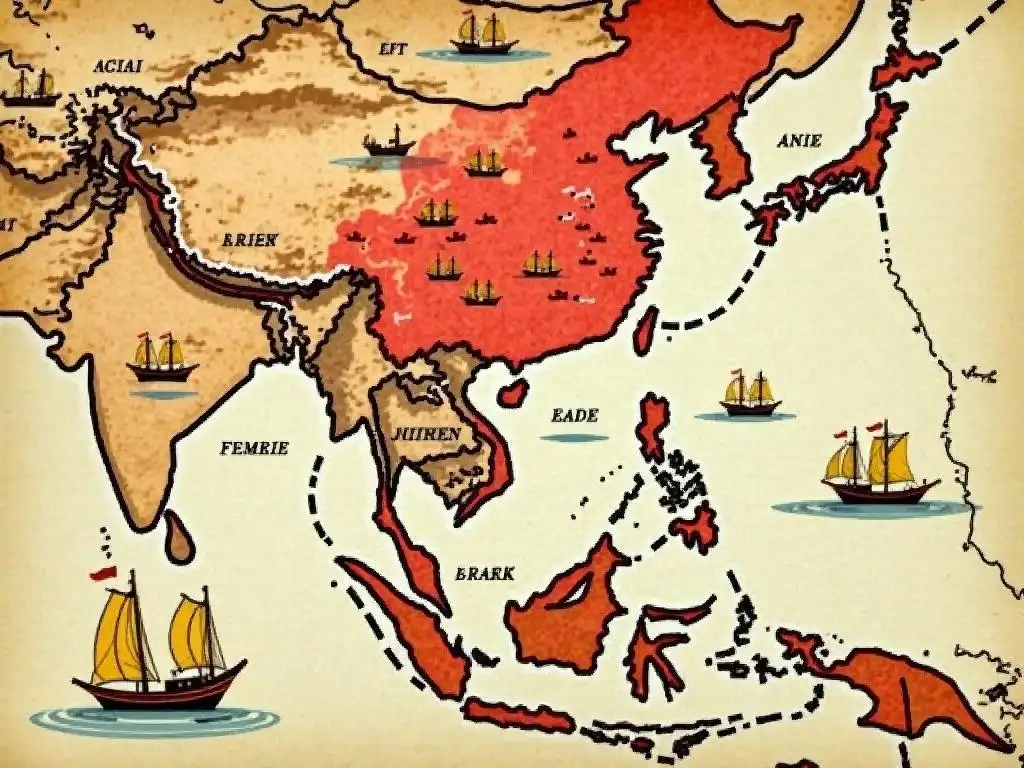
Welcome to Feudal Japan History, where we embark on a comprehensive exploration of Japan’s fascinating feudal era. Dive into the intricate web of historical, cultural, and societal aspects that shaped this remarkable period. In our featured article, "Navigating Waters: The Role of the Korean Peninsula in Japan’s Maritime Trade Routes," we unravel the significant impact of maritime trade on Japan’s relations with its neighbors.
What secrets lie beneath the waves that connected these two regions? Join us as we navigate through time, revealing the rich tapestry of foreign relations that defined an era. Your journey into the depths of history begins here!
Introduction to Japan's Maritime Trade
Japan's feudal era, marked by its intricate socio-political structures and vibrant cultural exchanges, was heavily influenced by maritime trade. The Korean Peninsula played a pivotal role in shaping Japan's trade routes, connecting the archipelago with the broader East Asian maritime network.
This article delves into the significance of the Korean Peninsula in Japan’s maritime trade, exploring how these interactions facilitated not only economic prosperity but also cultural exchanges that enriched both regions. As we navigate through this historical landscape, we will uncover the depths of Japan’s reliance on its maritime connections, particularly with Korea, which served as a crucial conduit for trade and diplomacy.
Overview of Maritime Trade in Feudal Japan
During the feudal period, Japan's economy was significantly bolstered by maritime trade. The islands were not isolated; instead, they were part of a vibrant trade network that spanned the seas of East Asia. Key aspects of this trade included:
- Exchange of Goods: Japan exported items like silk, ceramics, and rice, while importing essential goods such as metals, textiles, and spices from Korea and beyond.
- Cultural Influences: Maritime trade also brought cultural exchanges, introducing new ideas, technologies, and practices that would shape Japanese society.
- Political Alliances: Trade often facilitated political relationships, as leaders sought to establish alliances through economic cooperation.
Through these interactions, Japan was able to leverage its geographical position and resources to develop a thriving trade system that connected it with the Korean Peninsula and other regional powers.
Importance of Trade Routes in East Asia
The maritime trade routes of East Asia are among the most significant in history, serving as lifelines for economic and cultural exchange. The Korean Peninsula was strategically located along these routes, acting as a bridge between Japan, China, and other parts of Asia. Key highlights of the importance of these trade routes include:
- Economic Interdependence: The economies of Japan and Korea became intertwined, with both nations relying on each other for various resources and goods.
- Cultural Syncretism: The flow of ideas and cultural practices resulted in a rich tapestry of shared heritage, influencing art, religion, and societal norms.
- Technological Advancements: Maritime trade facilitated the exchange of technologies, such as shipbuilding techniques and navigational tools, which were crucial for enhancing trade efficiency.
These factors underscore the pivotal role of the Korean Peninsula in Japan’s maritime trade, illustrating how geography and trade networks shaped the interactions between these two regions.
Historical Context of the Korean Peninsula and Japan
Early Relations between Korea and Japan
The historical relationship between Korea and Japan dates back to ancient times, characterized by both trade and conflict. Early interactions were largely driven by:
- Trade Exchanges: The initial contact involved the exchange of goods, with both nations benefiting from the trade of local resources.
- Cultural Influences: The spread of Buddhism from Korea to Japan, along with various cultural practices, marked a significant chapter in their early relations.
- Military Conflicts: While trade flourished, there were also periods of rivalry, particularly during the Yamato period, where territorial disputes arose.
These early relations set the stage for a complex interplay of cooperation and competition, shaping the maritime dynamics of the region.
The Influence of Geography on Trade Dynamics
The geographical features of both the Korean Peninsula and Japan significantly influenced their trade dynamics. Considerations include:
- Proximity: The relatively short distance between the two regions allowed for frequent maritime exchanges, fostering economic ties.
- Natural Harbors: The presence of natural harbors facilitated the docking of ships, making it easier for traders to conduct business.
- Navigational Challenges: While the seas provided opportunities for trade, they also posed challenges, as typhoons and rough waters tested the resilience and ingenuity of seafarers.
Understanding these geographical influences is crucial in comprehending how the Korean Peninsula became an essential player in Japan's maritime trade routes, shaping the historical narrative of their interrelationship.
The Korean Peninsula's Strategic Position
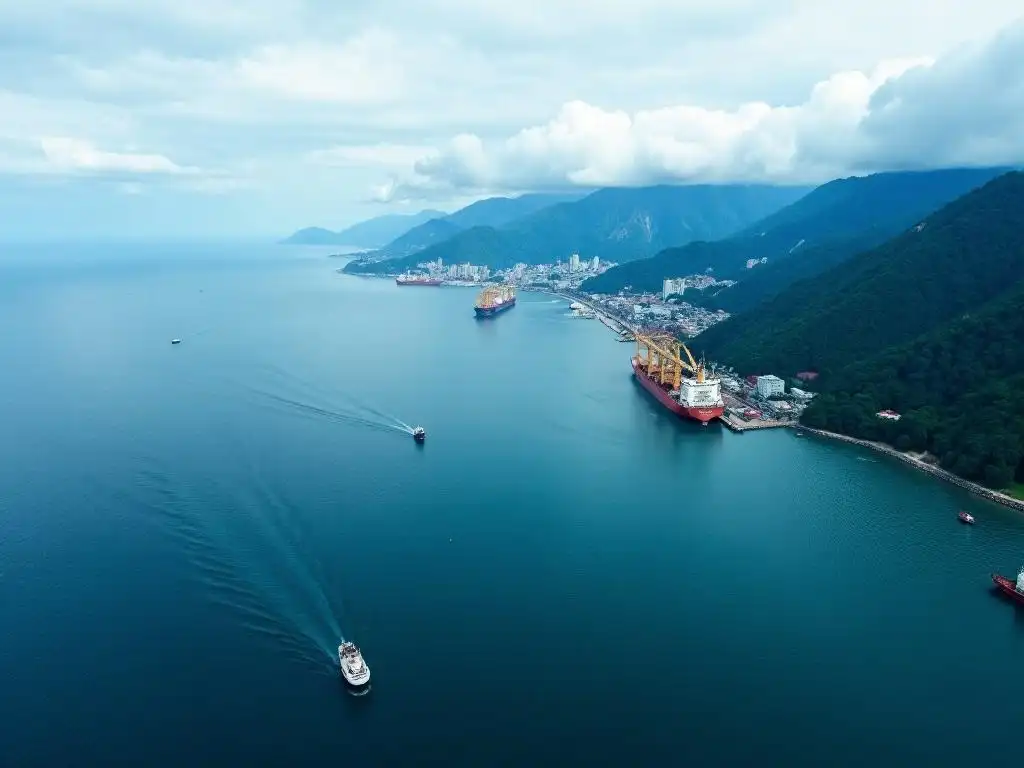
The Korean Peninsula has played a pivotal role in the maritime trade routes connecting Japan to the Asian continent, particularly during the feudal era. Its unique geographic location, situated between the Sea of Japan and the Yellow Sea, allows for relatively short maritime passages to Japan. This strategic positioning not only facilitated trade but also made the peninsula an essential hub for cultural and political exchanges between Japan, China, and Korea.
Historically, the Korean Peninsula served as a bridge for merchants and traders engaging in commerce across the region. The currents and winds in the surrounding seas often favored navigation, enhancing the efficiency and safety of maritime voyages. This accessibility made the peninsula a vital point for both the Japanese and Korean economies, driving the development of trade networks that would have lasting impacts on cultural interactions and economic prosperity.
Geographic Features Facilitating Maritime Trade
The geographic features of the Korean Peninsula significantly contributed to its role in maritime trade. Notably, the coastlines are punctuated by numerous natural harbors, which provided safe anchorage for ships. These harbors were crucial for loading and unloading cargo, allowing for efficient trade operations. Some notable geographic features include:
- Narrow Straits: The straits between the Korean Peninsula and Japan, such as the Tsushima Strait, are relatively narrow, facilitating faster maritime transit.
- Coastal Topography: The varied coastal landscape includes many bays and inlets, which helped protect vessels from harsh weather conditions.
- Proximity to Islands: The nearby islands, including Tsushima, served as stopping points and trading posts, further enhancing the maritime trade routes.
These geographic advantages not only supported the economic activities of the region but also allowed for the exchange of ideas, culture, and technology, which were integral to Japan's development during the feudal period.
Ports and Key Locations on the Korean Peninsula
Several ports and locations on the Korean Peninsula were crucial to the maritime trade with Japan. Among these, the following stand out:
- Busan: As one of the largest ports in South Korea, Busan historically served as a major trading hub, facilitating the movement of goods between Korea and Japan.
- Incheon: Located near Seoul, Incheon was another vital port for trade, particularly during the Goryeo and Joseon dynasties.
- Wonsan: This port city on the eastern coast of Korea was known for its strategic significance in trade, serving as a gateway for Japanese merchants.
- Tongyeong: Historically important for its shipbuilding industry, Tongyeong played a key role in maritime trade routes during the feudal era.
These ports not only supported the movement of goods but also served as cultural exchange points, enabling interactions that shaped the historical narratives of both Japan and Korea.
The Significance of the Korean Peninsula in Japan's Trade Routes
The Korean Peninsula was indispensable to Japan’s maritime trade routes, profoundly influencing Japan’s economic and cultural landscape during the feudal period. The trade relationships established with Korea allowed Japan to access a wealth of resources and goods that were not readily available domestically.
Korea acted as a conduit for goods from the Asian mainland, enriching Japan's markets with a variety of trade items. This relationship fostered a dependent yet mutually beneficial partnership that would evolve over centuries, impacting diplomatic relations and cultural exchanges.
Major Trade Goods Exchanged between Korea and Japan
The trade between Korea and Japan was characterized by the exchange of several key goods, which played significant roles in both economies. These included:
- Silk and Textiles: Korea was known for its silk production, which was highly sought after in Japan for clothing and ceremonial purposes.
- Metal Goods: Iron tools and weapons were imported from Korea, which were crucial for agricultural development and military strength in Japan.
- Ceramics: Korean pottery and ceramics were valued in Japan for their quality and artistry, leading to cultural exchanges in artistic techniques.
- Grains and Agricultural Products: Korea exported rice and other grains, which were essential for food security in Japan.
These goods not only fulfilled practical needs but also fostered deeper cultural ties, as the exchange of products often led to the exchange of ideas and traditions.
The Role of the Korean Peninsula in Regional Trade Networks
In the broader context of regional trade networks, the Korean Peninsula served as a vital link between Japan and other prominent trade partners, including China and Southeast Asia. The peninsula's strategic location made it an essential node in the maritime trade routes that connected these regions.
Through its ports, Korea facilitated the import and export of various goods, connecting Japan to the broader continental trade systems. This integration allowed for the sharing of technologies, agricultural practices, and cultural elements across East Asia. The interactions prompted by maritime trade also influenced political relations, as trading partnerships often evolved into alliances or conflicts, shaping the historical trajectory of the region.
Overall, the Korean Peninsula's role in Japan's maritime trade routes exemplifies the interconnectedness of East Asian economies during the feudal era, highlighting the significance of trade in fostering relationships that transcended borders and cultures.
Cultural Exchanges through Maritime Trade
The maritime trade between the Korean Peninsula and Japan played a pivotal role in shaping the cultural landscape of both regions throughout history. As merchant ships traversed the waters between Korea and Japan, they facilitated not only the exchange of goods but also the sharing of cultural practices, beliefs, and technologies. This interaction fostered a rich tapestry of influences that would define various aspects of Japanese society.
Trade routes served as conduits for the dissemination of cultural elements, including language, religion, and artistic styles. Merchants and travelers became cultural ambassadors, bringing with them unique traditions and customs that were absorbed into Japanese culture. From culinary practices to religious beliefs, the impact of these exchanges was profound, leading to a more cosmopolitan society in Japan.
The Impact of Trade on Japanese Culture
The influx of goods and ideas through maritime trade significantly influenced many facets of Japanese culture. For instance, the introduction of Korean ceramics and textiles brought new aesthetics that were embraced by Japanese artisans. The aesthetic appreciation for intricate designs and craftsmanship can be traced back to these early exchanges, which laid the groundwork for Japan's own artisanal traditions.
Moreover, the trade routes also facilitated the spread of Buddhism from Korea to Japan, altering the spiritual landscape of the islands. This religious exchange not only transformed Japanese spiritual practices but also inspired the development of unique architectural styles, sculpture, and painting, reflecting the syncretism of Korean and Japanese influences.
Exchange of Ideas, Art, and Technology between Korea and Japan
The maritime trade between Korea and Japan was not solely about physical goods; it also involved the exchange of ideas and technologies. Innovations in agriculture, such as advanced rice cultivation techniques and new methods of irrigation, were shared and adapted by Japanese farmers, leading to improved productivity and agricultural stability.
Artistic exchanges also flourished, with Korean influences evident in early Japanese pottery and textile design. For instance, the famous Haji ware and other pottery styles owe a debt to techniques brought over from the Korean Peninsula. This blend of artistic traditions resulted in the development of distinct Japanese styles that retained elements of Korean craftsmanship while evolving into something uniquely Japanese.
Challenges and Conflicts in Maritime Trade
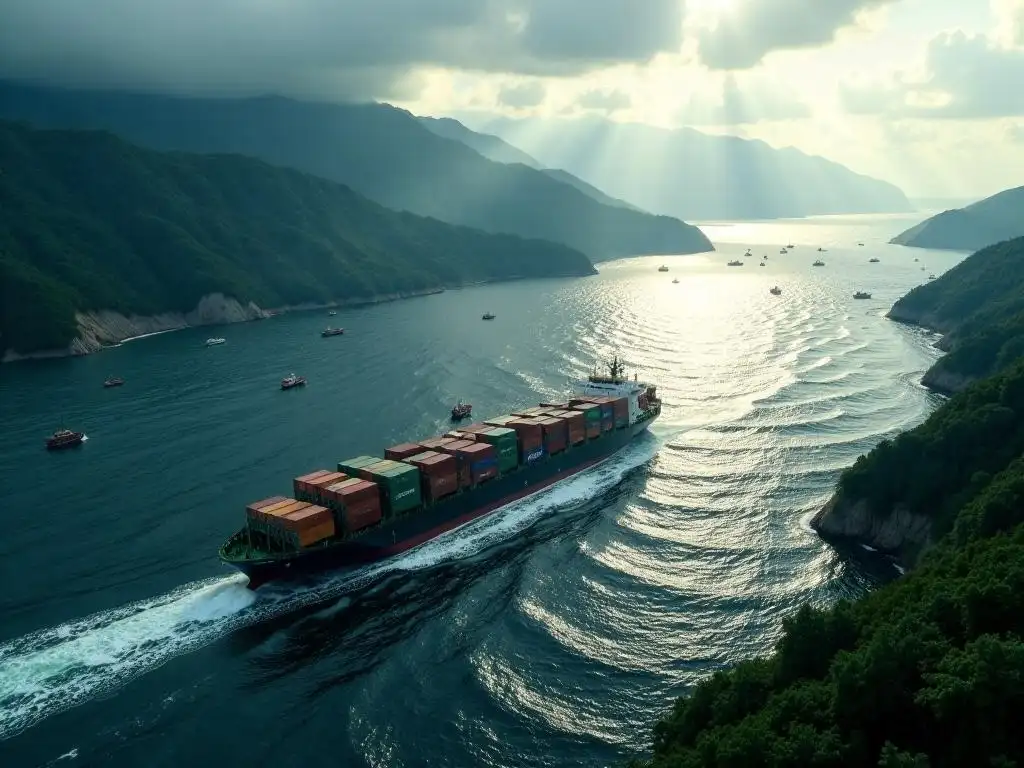
Despite the flourishing trade relations, the maritime routes between Korea and Japan were fraught with challenges and conflicts that often hindered the smooth exchange of goods and culture. These issues stemmed from a variety of factors, including political tensions and environmental conditions.
Historical Conflicts Affecting Trade Routes
Throughout history, geopolitical tensions frequently disrupted maritime trade between Korea and Japan. Notable conflicts such as the Imjin War (Japanese invasions of Korea) in the late 16th century severely strained relations and led to significant disruptions in trade routes. During this period, the once-bustling maritime exchanges were severely curtailed due to the instability caused by military engagements.
Additionally, historical rivalries and territorial disputes often complicated trading relationships. The need for security and control over vital sea lanes led to the establishment of fortified coastal defenses and military presences, which in turn affected the free flow of trade.
Navigational Challenges in the Waters Surrounding the Korean Peninsula
Navigating the treacherous waters surrounding the Korean Peninsula posed another significant challenge for maritime traders. The region is known for its unpredictable weather patterns, including typhoons and strong currents, which could jeopardize voyages and lead to catastrophic losses.
Moreover, the coastal geography, characterized by rocky outcrops and shallow waters, made navigation particularly hazardous. Mariners had to possess extensive knowledge of the local waters and employ skilled seamanship to avoid disasters. This necessitated the development of sophisticated navigational techniques and instruments, which were gradually refined through trial and error over centuries of trade.
The Evolution of Japan-Korea Maritime Relations
The maritime relationship between Japan and the Korean Peninsula has evolved significantly from ancient times through to the feudal era. Initially, trade was informal and often conducted through local fishermen and merchants who navigated the narrow straits separating the two lands. This early interaction was characterized by cultural exchanges and the sharing of resources, with Japanese traders seeking goods such as textiles, metals, and ceramics from Korea.
As Japan entered its feudal era, the relationship became more structured. The rise of powerful clans in Japan, such as the Yamato and later the Minamoto, saw increased demand for Korean products, which were highly valued for their quality and craftsmanship. Japan began to establish formal diplomatic and trade missions, leading to more organized maritime routes that facilitated the exchange of not only goods but also ideas, technology, and culture. The introduction of Buddhism and Chinese characters into Japan are notable examples of cultural transfers that occurred through these maritime exchanges.
By the late medieval period, the trade dynamics shifted again due to the changing political landscapes in both regions. The Joseon Dynasty in Korea implemented policies that regulated foreign trade more strictly, which affected how Japanese merchants operated. Despite these challenges, the Korean Peninsula remained a crucial hub for Japanese maritime trade, connecting Japan to larger trade networks that included China and Southeast Asia.
Changes in Trade Patterns over Time
Over the centuries, trade patterns between Japan and Korea reflected broader geopolitical changes. In the early periods, trade was predominantly bilateral, with both nations exchanging goods directly. However, as Japan's maritime capabilities improved, particularly during the Kamakura period (1185-1333), Japanese traders began to venture further afield, leading to a diversification of trade partners.
During the Muromachi period (1336-1573), the establishment of the Nanban trade routes introduced European influences, causing Japanese merchants to prioritize trade with the West. Nevertheless, Korean goods remained sought after, particularly in the form of ceramics and textiles. The imposition of the "Three Ports" trade policy by the Joseon Dynasty in the 15th century restricted Japanese trading activities, compelling Japan to adapt its maritime strategies and seek alternative routes.
The rise of the Sengoku period (1467-1603) further complicated these dynamics, as Japan’s internal conflicts led to the fragmentation of trade networks. However, the unification under the Tokugawa shogunate (1603-1868) saw a resurgence in organized trade with Korea. The shogunate established the Tsushima Domain as a key player in mediating trade, creating a more stable and regulated maritime exchange.
Conclusion: The Lasting Impact of Maritime Trade on Japan-Korea Relations
Maritime trade has had a profound and lasting impact on Japan-Korea relations, shaping not only economic interactions but also cultural and political ties. The exchanges facilitated by these maritime routes have fostered a complex relationship, characterized by cooperation, competition, and conflict at various points in history. This intricate web of connections has created a shared heritage that continues to influence both nations today.
Summary of Key Points on Korean Peninsula Japan Maritime Trade
- Early Interactions: Informal trade began with fishermen and merchants, focusing on resource exchange.
- Cultural Exchange: Significant cultural influences, including Buddhism and technology, were shared through maritime interactions.
- Political Changes: The rise of the Joseon Dynasty and the Tokugawa shogunate influenced the structure and regulation of trade.
- Adaptation and Resilience: Both nations adapted to changing geopolitical landscapes, maintaining trade despite restrictions.
Future Implications for Maritime Trade in East Asia
As the geopolitical climate in East Asia continues to evolve, the historical maritime trade routes between Japan and Korea may see a resurgence. With increasing economic interdependence among East Asian nations, there is potential for revitalizing these ancient trade connections. Enhanced maritime cooperation could facilitate greater trade volumes, promote cultural exchanges, and strengthen diplomatic ties. Moreover, the historical context of Japan-Korea maritime interactions provides valuable insights into current trade negotiations and regional stability, suggesting that understanding the past is crucial for navigating future challenges in East Asian maritime trade.
- Introduction to Japan's Maritime Trade
- Overview of Maritime Trade in Feudal Japan
- Importance of Trade Routes in East Asia
- Historical Context of the Korean Peninsula and Japan
- The Korean Peninsula's Strategic Position
- The Significance of the Korean Peninsula in Japan's Trade Routes
- Cultural Exchanges through Maritime Trade
- Challenges and Conflicts in Maritime Trade
- The Evolution of Japan-Korea Maritime Relations
- Conclusion: The Lasting Impact of Maritime Trade on Japan-Korea Relations
- What was the significance of the Korean Peninsula in Japan's maritime trade?
- How did maritime trade impact the cultural exchange between Japan and Korea?
- What types of goods were commonly traded between Japan and the Korean Peninsula?
- How did the political landscape affect trade routes during feudal Japan?
- Were there any notable historical events related to maritime trade between Japan and Korea?
Frequently Asked Questions
What was the significance of the Korean Peninsula in Japan's maritime trade?
The Korean Peninsula served as a crucial trade route, facilitating the exchange of goods and cultural influences between Japan and other regions.
How did maritime trade impact the cultural exchange between Japan and Korea?
Maritime trade enabled significant cultural exchange, with the movement of art, technology, and ideas that enriched both societies throughout the feudal era.
What types of goods were commonly traded between Japan and the Korean Peninsula?
Prominent traded goods included silk, ceramics, and metals, which were highly valued in both regions and played a vital role in their economic interactions.
How did the political landscape affect trade routes during feudal Japan?
The political landscape, including alliances and conflicts, significantly influenced trade routes, often dictating the safety and accessibility of maritime pathways between Japan and the Korean Peninsula.
Yes, events such as the Imjin War impacted trade relations, leading to shifts in power dynamics and influencing future maritime routes and trade practices.
Final Reflection: The Korean Peninsula's Enduring Influence on Japan's Maritime Trade
The intricate relationship between the Korean Peninsula and Japan's maritime trade routes remains profoundly relevant today, as global trade dynamics continue to evolve. The historical ties and geopolitical significance of this region shape not only economic interactions but also cultural exchanges that resonate through time. As we navigate the complexities of modern trade, it becomes increasingly clear that understanding these maritime pathways is essential for fostering cooperation and stability in East Asia.
The ongoing influence of the Korean Peninsula on Japan's maritime trade is a testament to the interconnectedness of our global economy. This relationship has been pivotal in shaping not just trade policies but also cultural identities across the region. As we reflect on this dynamic, we are reminded of the words of the renowned historian, “History is not just about the past; it is a lens through which we understand our present.” > This quote encapsulates the importance of recognizing how historical trade routes continue to inform contemporary practices and relationships.
As we look to the future, I invite you to consider the lessons learned from the maritime trade between the Korean Peninsula and Japan. How can we apply this understanding to foster better international relations and economic partnerships today?
Reflect on your own role in this interconnected world—whether as a consumer, a professional, or a global citizen—and think about how you can contribute to a more collaborative and harmonious trade environment. Embrace the opportunity to learn from history and engage with the complexities of our maritime world, for it is through this engagement that we can navigate the waters of tomorrow with wisdom and foresight.
Embark on a Journey to Enhance Your Understanding!
Thank you for diving into the intricate world of maritime trade routes around the Korean Peninsula! Your interest in this topic not only broadens your historical knowledge but also illuminates the rich connections that shaped Japan's trade dynamics. Now, let’s keep that momentum going!
Here are some exciting ways you can further explore this fascinating subject:
- Dive Deeper: Research the historical significance of specific trade goods exchanged between Korea and Japan. Consider creating a visual map of these trade routes to gain a clearer understanding.
- Join the Conversation: Share your insights on social media or within our community forum! Discuss how these routes influenced cultural exchanges and relationships between the two nations.
- Expand Your Horizons: Investigate the maritime strategies of other historical trade networks. What similarities and differences do you notice when compared to those of Japan and Korea?
What newfound connections or insights have you discovered about the maritime routes that shaped Japan’s history? We invite you to share your thoughts below!