
Navigating Cultural Exchanges: How Trade Transformed Japanese Festivals and Traditions

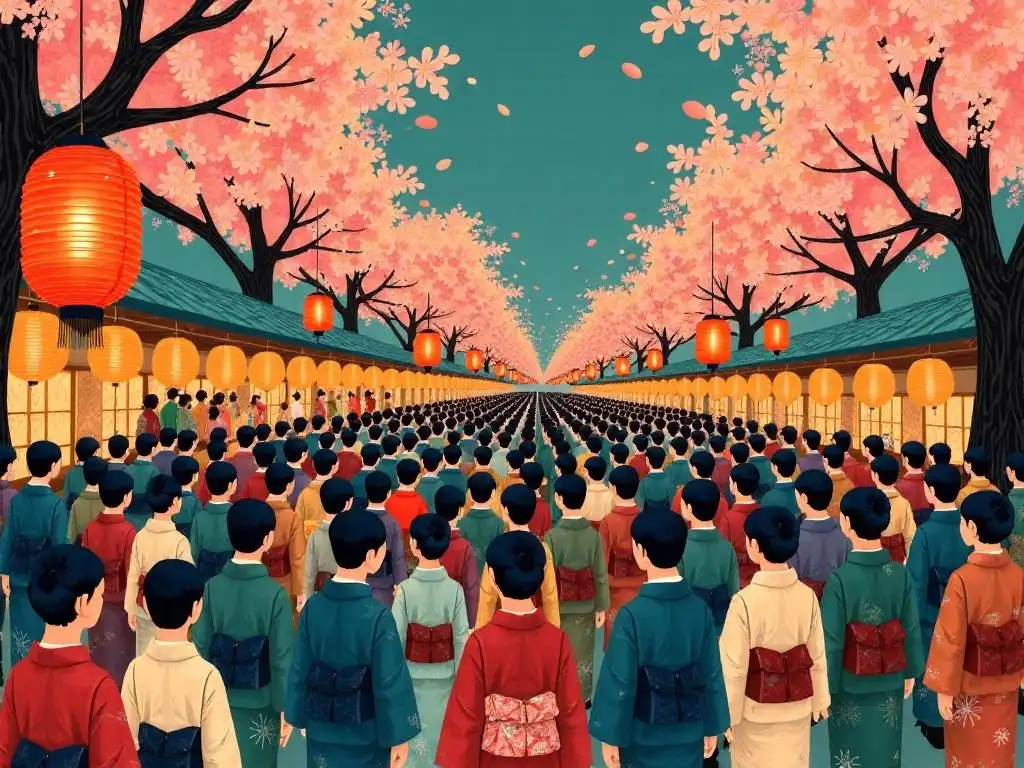
Welcome to Feudal Japan History, where we embark on a captivating journey through the rich tapestry of Japan’s feudal era. Dive deep into the intricate world of Japanese festivals and their profound connection to trade history. In our featured article, "Navigating Cultural Exchanges: How Trade Transformed Japanese Festivals and Traditions," you'll uncover how the currents of foreign relations shaped vibrant traditions that still resonate today. Prepare to be intrigued as we unravel the threads of history that bind culture and commerce, inviting you to explore the dynamic interplay between celebration and trade that has defined Japan for centuries.
- Introduction to Japanese Festivals and Trade History
- Historical Context of Trade with Korea and China
- The Impact of Trade on Japanese Festivals
- Transformation of Traditional Japanese Festivals
- Celebrating Cultural Diversity through Festivals
- Preservation of Japanese Identity Amidst Cultural Exchanges
- Conclusion: The Lasting Legacy of Trade on Japanese Festivals
- Additional Resources on Japanese Festivals and Trade History
-
Frequently Asked Questions
- What are the main influences on Japanese festivals during the feudal era?
- How did trade affect the development of Japanese festivals?
- Can you provide examples of festivals that were impacted by trade?
- What role did merchants play in Japanese festivals?
- How did Japanese festivals reflect societal changes during feudal times?
- Final Reflection: The Enduring Legacy of Trade in Japanese Festivals
- Embrace the Spirit of Cultural Exchange!
Introduction to Japanese Festivals and Trade History
The rich tapestry of Japanese festivals, known as matsuri, is deeply intertwined with the nation’s historical trade relationships, particularly during the feudal era. As Japan engaged in trade with neighboring countries like Korea and China, these interactions catalyzed a remarkable transformation in cultural practices and social customs.
This article delves into the intricate ways in which trade influenced the evolution of Japanese festivals, showcasing the diverse traditions that emerged from these exchanges. By examining the historical context and the significance of cultural interactions, we can better understand how Japanese festivals reflect a unique blend of indigenous practices and foreign influences, ultimately shaping the identity of Japan during its feudal period.
Overview of Cultural Exchanges in Feudal Japan
During the feudal period, Japan experienced a series of significant cultural exchanges driven by trade and diplomacy with neighboring countries. The Sui and Tang Dynasties of China and the Three Kingdoms of Korea were vital in introducing various cultural elements, including religion, art, and technology. These exchanges were not merely transactional; they facilitated a deeper understanding of foreign customs and traditions, which were gradually assimilated into Japanese society.
- Cultural Influences: Key imports from China and Korea included:
- Religious Practices: The introduction of Buddhism had a profound impact on Japanese spirituality and festival observance.
- Art and Aesthetics: The aesthetics of Chinese art influenced Japanese pottery, painting, and architecture, which later found expression in festival decorations.
- Food and Agriculture: Trade brought new agricultural techniques and food items, enriching the culinary aspects of festivals.
This blending of cultural elements laid the groundwork for the development of unique Japanese festivals, each infused with influences from its trading partners.
Importance of Trade in Shaping Japanese Festivals
Trade was a pivotal factor in the evolution of Japanese festivals, as it introduced new ideas, materials, and practices that would eventually become integral to Japanese cultural identity.
- Economic Impact: The wealth generated from trade allowed for the funding of extravagant festivals, enhancing their scale and significance. This financial boost also led to:
- Increased Participation: As more people engaged in trade, community involvement in festivals grew, fostering a sense of unity and shared cultural identity.
- Diverse Offerings: Markets that emerged around festivals showcased goods from various regions, creating a vibrant atmosphere where local and foreign products coexisted.
- Cultural Significance: Festivals became a means of celebrating not only local traditions but also the influence of foreign cultures. This is evident in:
- Seasonal Festivals: Many festivals align with agricultural cycles, incorporating elements from trade, such as new crops or cooking methods introduced through trade routes.
- Artistic Expressions: The artistic displays during festivals often reflect foreign techniques, particularly in performance arts and crafts, weaving a narrative of cultural exchange.
The trade history of Japan serves as a crucial lens through which we can understand the evolution of its festivals and traditions. By examining how these cultural exchanges shaped the practices and celebrations of the time, we gain insight into the dynamic interplay between commerce and culture in feudal Japan.
Historical Context of Trade with Korea and China
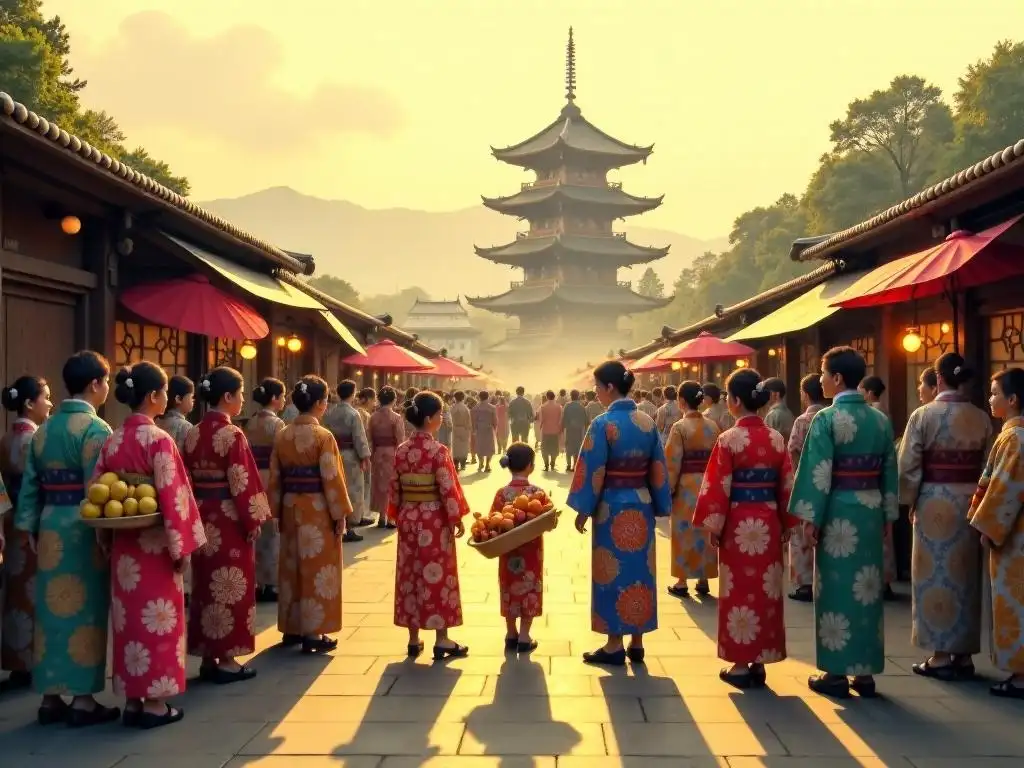
The Rise of Trade Routes in the Feudal Era
During Japan's feudal era, particularly from the 12th to the 16th century, trade routes with Korea and China began to flourish, significantly shaping the socio-economic landscape of Japan. This growth in trade was not merely an economic phenomenon; it also facilitated cultural exchanges that would influence Japanese festivals and traditions.
The establishment of maritime routes, particularly during the Kamakura (1185-1333) and Muromachi (1336-1573) periods, played a pivotal role in connecting Japan to the Asian continent. Merchant ships, often referred to as "sampans," carried goods such as silk, ceramics, and spices from China and Korea to Japanese ports. Conversely, Japan exported its unique products like swords, lacquerware, and textiles.
Key Trade Ports
- Kamakura: As a capital city during the Kamakura period, this port became a bustling hub for trade, attracting merchants from Korea and China.
- Nagasaki: Established as a prominent trading post, Nagasaki became a gateway for international trade, especially during the Edo period (1603-1868).
- Osaka: Known as the "nation's kitchen," Osaka’s strategic location enabled it to become a center for the distribution of goods.
To illustrate the impact of these trade routes, a table detailing key exports and imports during the feudal era can provide further insight:
| Imports from Korea and China | Exports to Korea and China |
|---|---|
| Silk | Swords |
| Ceramics | Lacquerware |
| Spices | Textiles |
| Medicine | Fish |
The interaction between Japanese traders and their counterparts from Korea and China led to the adoption and adaptation of cultural elements, which ultimately enriched Japanese festivals. For instance, the influence of Chinese New Year traditions can be seen in the Japanese "Seollal", a festival that celebrates the lunar new year.
Key Historical Events Influencing Trade Relations
Several key events throughout Japanese history significantly influenced trade relations with Korea and China, shaping the cultural exchanges that emerged during the feudal era.
- The Mongol Invasions (1274 and 1281): These invasions disrupted trade, leading to a temporary decline in relations with both Korea and China. However, the eventual repulsion of the Mongol forces by the Japanese, aided by typhoons known as "kamikaze," fostered a sense of national identity and resilience, ultimately revitalizing trade in the subsequent years.
- The Tribute System: During the Muromachi period, Japan engaged in a tribute system with the Ming Dynasty in China. This system allowed for the exchange of goods and cultural practices. The tributary missions led to the introduction of Chinese festivals, which were adapted into local traditions, creating a unique blend of practices observed in various Japanese festivities.
- The Sakoku Policy (1635): Although primarily known for isolating Japan from the outside world, the Sakoku policy did not completely sever trade ties with Korea and China. Limited trade was still permitted, particularly in Nagasaki, where the Dutch and Chinese were allowed to operate. This selective engagement maintained cultural exchanges that influenced Japanese festivals, such as the incorporation of lantern festivals derived from Chinese customs.
The historical context of trade with Korea and China during the feudal era laid the groundwork for a rich tapestry of cultural exchanges. The transformation of Japanese festivals and traditions can be traced back to these intricate trade relationships, highlighting the significance of Japanese festivals trade history in understanding Japan's cultural evolution.
The Impact of Trade on Japanese Festivals
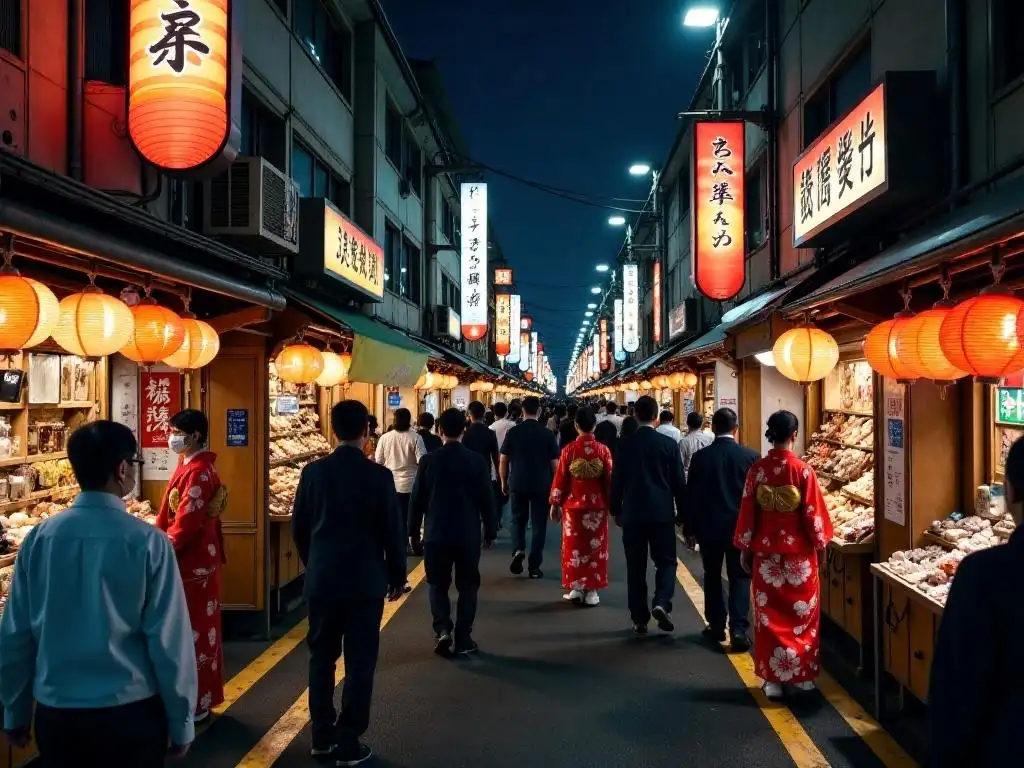
Trade has played a pivotal role in shaping the cultural landscape of Japan, particularly during the feudal era. As merchants traveled across the seas, they brought not only goods but also ideas, customs, and traditions that would find their way into Japanese society. This cultural exchange profoundly influenced Japanese festivals, leading to the incorporation of foreign elements that enriched the local celebrations. The history of trade with neighboring countries, especially Korea and China, showcases how these interactions transformed the nature of Japanese festivities.
Introduction of Foreign Elements into Japanese Traditions
The introduction of foreign elements into Japanese traditions can be traced back to various periods of intense trade with neighboring nations. The Silk Road and maritime routes were essential conduits for cultural exchange, and as traders came into contact with Japan, they brought with them unique customs that would blend with indigenous practices.
- Buddhism and Festivals: The arrival of Buddhism from China, which was facilitated by trade, led to the establishment of numerous festivals centered around Buddhist teachings and practices. For instance, the Obon festival, originally a Buddhist observance to honor deceased ancestors, incorporated elements from Chinese customs, such as lantern lighting.
- Seasonal Celebrations from China: The Chinese New Year, celebrated with vibrant parades, dragon dances, and various rituals, influenced how Japanese New Year celebrations evolved. The incorporation of such practices can be seen in the way Japanese people began to mark the New Year with specific foods, decorations, and festivities that echoed their Chinese counterparts.
- Korean Influences: Trade with Korea also introduced new agricultural practices and seasonal festivities. The Korean Chuseok harvest festival, for instance, inspired similar harvest celebrations in Japan, rooted in the respect for nature and the bounty of the earth.
This blending of cultural practices through trade not only diversified the festivals but also fostered a sense of community and shared identity among the people of Japan.
Case Study: The Influence of Chinese Festivals on Japanese Celebrations
The influence of Chinese festivals on Japanese celebrations can be observed through several key examples that highlight the depth of cultural exchange:
- The Lantern Festival:
- In China, the Lantern Festival marks the end of the Lunar New Year celebrations, featuring colorful lantern displays and various festivities. This tradition was embraced in Japan, where it evolved into the Toro Nagashi festival, where floating lanterns are released on rivers to honor the spirits of the deceased, symbolizing the connection between the living and the dead.
- The Moon Viewing Festival (Tsukimi):
- Originally inspired by the Chinese Mid-Autumn Festival, Tsukimi celebrates the beauty of the full moon. Japanese customs around this festival include offering rice dumplings, seasonal fruits, and decorating with pampas grass, which reflects the influence of Chinese lunar celebrations.
- The New Year (Shogatsu):
- The Japanese New Year, or Shogatsu, incorporates several customs derived from Chinese traditions, such as the use of special foods like mochi and the practice of visiting shrines to pray for good fortune. The emphasis on family reunions and festive meals echoes the spirit of Chinese New Year celebrations.
- Processions and Parades:
- Chinese festivals often feature elaborate processions and parades, which have been mirrored in Japanese celebrations. For example, the Gion Matsuri in Kyoto, known for its grand floats and traditional attire, showcases the influence of similar Chinese ceremonies, reflecting a blend of local and foreign traditions.
Through these examples, it is evident that the trade history between Japan and China significantly impacted the evolution of Japanese festivals. The continuous exchange of ideas and practices not only shaped the way festivals were celebrated but also reinforced the cultural ties that existed across borders during the feudal era. This rich tapestry of influences highlights the dynamic nature of cultural evolution in Japan, driven by the forces of trade and interaction with neighboring countries.
Transformation of Traditional Japanese Festivals
The transformation of traditional Japanese festivals during the feudal era is a fascinating testament to the influence of trade, particularly with neighboring countries like Korea and China. As merchants and traders engaged in exchanges, they not only brought goods but also cultural practices that reshaped the landscape of Japanese celebrations.
Changes in Rituals and Customs Due to Trade
The introduction of different cultural elements through trade led to significant changes in rituals and customs associated with Japanese festivals. One notable example is the incorporation of Buddhist practices from China, which permeated various festivals. As Buddhism spread, festivals such as Obon evolved to honor the spirits of ancestors, blending indigenous Shinto beliefs with Buddhist rituals.
Key Changes in Customs:
- Influence of Chinese Festivals: The Chinese New Year and its associated customs, such as dragon dances and lantern festivals, found their way into Japanese celebrations. These elements were adapted to fit local contexts, enriching the cultural tapestry of Japanese festivities.
- Seasonal Celebrations: The concept of seasonal festivals, emphasized in Chinese culture, inspired Japanese festivals to align more closely with agricultural cycles. Festivals like Tanabata, celebrating the meeting of the weaver and the cowherd, were influenced by the Chinese Qixi Festival, marking a significant shift in the timing and themes of celebrations.
- Integration of New Rituals: Trade introduced various new rituals, such as the Kagura dance, which became popular in Shinto festivals. These dances often incorporated storytelling elements from imported tales, showcasing an amalgamation of cultural narratives.
The dynamic interplay between imported traditions and indigenous customs illustrates how trade facilitated a cultural exchange that transformed the fabric of Japanese society during the feudal era.
The Role of Imported Goods in Japanese Festivals
Imported goods played a crucial role in the evolution of Japanese festivals, serving not only as material offerings but also as symbols of wealth and cultural exchange. The arrival of goods from Korea and China transformed how festivals were celebrated and experienced.
Significant Imported Goods:
- Textiles and Costumes: Luxurious fabrics and intricate garments from China became integral to festival attire. The adoption of silk kimonos, adorned with vibrant colors and patterns, reflected the influence of trade on the visual aspects of celebrations.
- Food and Offerings: Trade routes facilitated the introduction of new food items, such as rice, fruits, and spices, which became staples in festival offerings. The incorporation of these foods into rituals enhanced the sensory experience of festivals, leading to more elaborate feasts.
- Art and Decorations: Imported art forms, including ceramics and paper crafts, were utilized in festival decorations. The use of paper lanterns, inspired by Chinese traditions, became a hallmark of Japanese festivals, illuminating the night with vibrant colors and intricate designs.
Impact on Festival Dynamics:
- Economic Boost: The demand for imported goods sparked local economies, as artisans began to create festival-related items that fused traditional Japanese craftsmanship with foreign influences. This economic boost was evident in the bustling markets that sprung up around festival times.
- Cultural Identity: The blending of imported goods with local traditions fostered a unique cultural identity, where Japanese festivals became a reflection of both indigenous and foreign elements. This duality enriched the narrative of Japanese festivals, making them vibrant celebrations of cultural hybridity.
The role of trade in shaping Japanese festivals was profound, leading to a rich tapestry of rituals, customs, and visual expressions that continue to evolve today. By examining these transformations, we gain insight into how Japan's feudal past was marked by a vibrant exchange of ideas and cultural practices, forever altering the landscape of its traditions.
Celebrating Cultural Diversity through Festivals
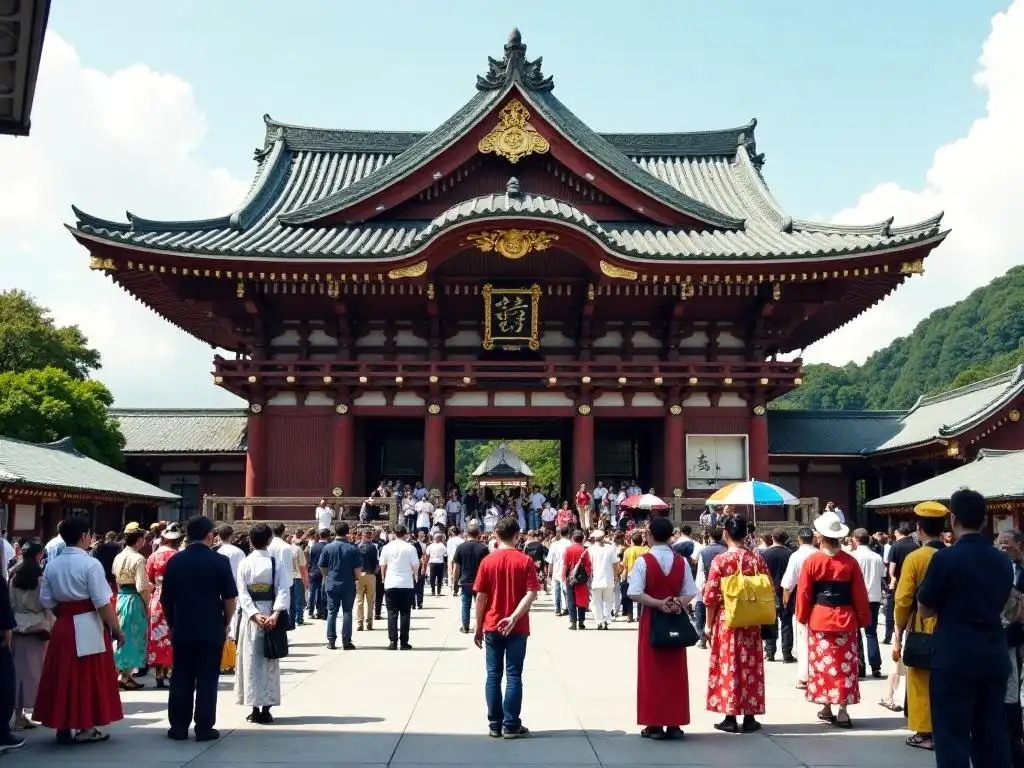
Japanese festivals, or matsuri, have long served as vibrant expressions of cultural identity and community spirit. Throughout the feudal era, the exchange of goods, ideas, and customs with neighboring countries, particularly Korea and China, played a crucial role in shaping these celebrations. As trade routes flourished, so too did the diversity of influences that permeated Japanese culture, leading to a rich tapestry of traditions that reflected this blend.
The significance of festivals in Japan extends beyond mere celebration; they are a manifestation of the country's history, values, and the harmony between nature and society. The interactions with foreign cultures introduced new elements to these festivals, enriching them and allowing Japan to cultivate a unique cultural identity while simultaneously embracing external influences.
How Trade Fostered Cultural Exchange and Understanding
Trade with Korea and China was instrumental in facilitating cultural exchanges that significantly impacted Japanese festivals. The introduction of new materials, artistic techniques, and religious practices transformed the way festivals were celebrated across the archipelago.
- Introduction of New Rituals and Practices:
- Buddhism: With the arrival of Buddhism from Korea in the 6th century, many Japanese festivals incorporated Buddhist rituals, leading to the creation of festivals such as Obon, which honors the spirits of ancestors. This integration of spiritual beliefs illustrates how trade not only facilitated the exchange of goods but also ideas that shaped religious practices in Japan.
- Chinese Influences: The influence of Chinese culture can be seen in the incorporation of Tanabata, which celebrates the meeting of deities Orihime and Hikoboshi. This festival, celebrated on the seventh day of the seventh month, showcases the blend of mythology and folklore that trade helped to facilitate.
- Artistic and Craft Innovations:
- The trade of textiles and materials introduced new crafting techniques and artistic styles. Matsuri attire, such as beautifully woven kimono fabrics, often reflects patterns and designs that have their origins in Chinese and Korean artistry.
- The use of lanterns during festivals, which can be traced back to Chinese customs, has become a quintessential aspect of celebrations like the Mikoshi parades, where portable shrines are carried through the streets.
- Culinary Exchange:
- Festivals also became a platform for culinary exchange, with trade introducing new ingredients and cooking techniques. For instance, the incorporation of noodles, which were influenced by Chinese cuisine, has led to the development of unique Japanese festival foods, such as yakisoba and soba served during various celebrations.
Examples of Festivals that Showcase Cultural Blending
The following festivals illustrate the profound impact of trade on Japanese cultural practices, highlighting how they embody elements from both domestic and foreign traditions:
| Festival Name | Origin/Influence | Key Features |
|---|---|---|
| Tanabata | Chinese | Celebrated with colorful decorations and wishes written on tanzaku (small strips of paper). |
| Obon | Buddhist (Korean) | Involves dances ( bon odori), offerings, and rituals to honor deceased ancestors. |
| Aoi Matsuri | Ancient Shinto | Features a procession that showcases the influence of Chinese ceremonial practices. |
| Gion Matsuri | Chinese | Includes floats and processions influenced by the trade of goods and ideas from the continent. |
| Danjiri Matsuri | Local Japanese Roots | Incorporates dynamic floats and has been influenced by the trade of design techniques. |
These examples reflect a vibrant history of cultural exchange, revealing how trade not only facilitated the movement of goods but also served as a catalyst for the evolution of Japanese festivals. Each celebration stands as a testament to the rich history of interactions between Japan and its neighbors, showcasing a blend of traditions that continue to thrive today.
The interplay of trade and cultural exchange during Japan's feudal era significantly enriched its festivals, allowing them to evolve into dynamic expressions of cultural diversity and understanding. The legacy of these exchanges is evident in the ongoing celebration of these traditions, demonstrating that the history of Japanese festivals is as much about the past as it is about the continued dialogue between cultures.
Preservation of Japanese Identity Amidst Cultural Exchanges
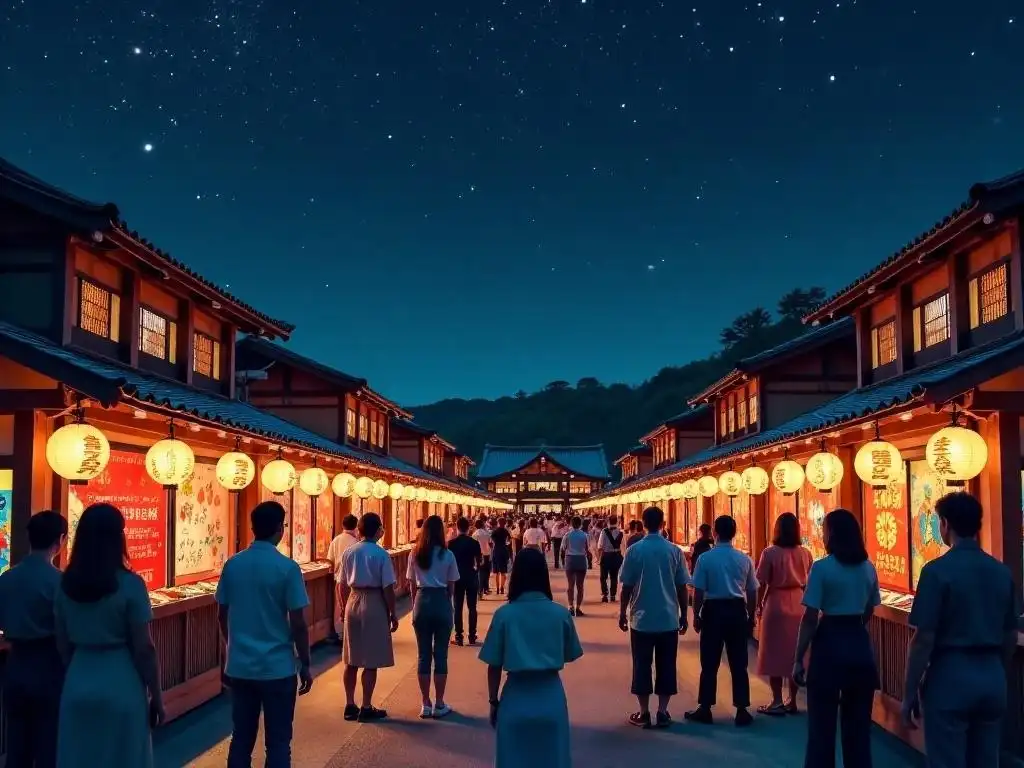
The preservation of Japanese identity during periods of cultural exchange, particularly through trade with Korea and China, is a multifaceted process that highlights the resilience and adaptability of Japanese traditions. The intricate web of interactions between these cultures served as a foundation for the evolution of Japanese festivals and customs, ensuring that while influences were absorbed, the core elements of Japanese identity remained intact.
Balancing Tradition and Innovation in Festivals
Japanese festivals, or matsuri, have historically been sites for the convergence of tradition and innovation. As trade routes opened up, particularly with Korea and China, new ideas, goods, and customs began to permeate Japanese society. This, however, did not mean the outright replacement of existing traditions. Instead, a fascinating process of synthesis took place, allowing for the integration of foreign elements while retaining the essence of Japanese culture.
- Integration of Foreign Goods:
- The introduction of new agricultural products and textile techniques from Korea and China led to changes in festival celebrations. For instance, rice, a staple in Japanese culture, saw variations in its preparation and presentation during harvest festivals, influenced by foreign cooking methods.
- The use of silk brought by trade enhanced the visual aesthetics of traditional garments worn during festivals, merging local styles with imported textiles.
- Adoption of Rituals and Practices:
- Certain rituals from Chinese festivals, such as lantern lighting, were adapted into Japanese celebrations like the Obon, which honors ancestral spirits. This adaptation showcases how Japanese festivals embraced new practices, enriching their significance without losing their foundational beliefs.
- Festivals such as Tanabata, originally inspired by the Chinese Qixi Festival, evolved in Japan with unique customs and narratives, reflecting a blend of influences.
- Cultural Exchange and Local Identity:
- As traders and travelers brought new ideas, local communities began to reinterpret their festivals to include elements from abroad. This led to the emergence of hybrid festivals, where traditional Japanese motifs coexisted with new influences, creating a dynamic cultural landscape.
- An example is the Kanda Matsuri, which incorporated various elements from Chinese ceremonial practices while emphasizing local Shinto beliefs, demonstrating the coexistence of different cultural threads.
The Role of Festivals in Maintaining Japanese Heritage
Festivals in Japan serve as more than mere celebrations; they are vital expressions of cultural heritage and identity. Throughout the feudal era, the significance of these festivals was amplified by the influx of foreign influences, which ultimately played a crucial role in their preservation.
- Cultural Memory and Collective Identity:
- Festivals act as a collective memory bank, where communities gather to celebrate their history, beliefs, and values. The incorporation of foreign elements often revitalized these festivals, ensuring they remained relevant to contemporary society while honoring their roots.
- Events such as the Gion Matsuri in Kyoto showcase how historical narratives are interwoven with trade history, reflecting the city's growth as a trading hub while celebrating local deities and traditions.
- Education and Transmission of Values:
- Festivals provide an educational platform through which values and traditions are transmitted across generations. The blending of foreign influences encourages curiosity and respect for diversity, fostering a deeper appreciation for Japan's unique cultural heritage.
- By participating in festivals that incorporate both indigenous and foreign elements, younger generations gain insights into their cultural identity and the broader historical context of Japan's relations with its neighbors.
- Resilience and Adaptation:
- The ability of Japanese festivals to incorporate elements from trade reflects a broader theme of resilience and adaptation within Japanese society. As trade routes expanded, so did the willingness of communities to embrace and reinterpret foreign influences while maintaining their cultural integrity.
- This adaptability is evident in the ongoing evolution of festivals, where modern elements are often integrated, ensuring that these events remain vibrant and relevant in contemporary Japan.
The preservation of Japanese identity amidst cultural exchanges is a testament to the dynamic nature of Japanese festivals. The balance between tradition and innovation, along with the role of these celebrations in maintaining heritage, highlights how trade has not only transformed but also enriched Japan’s cultural landscape. As we navigate the rich tapestry of Japanese festivals, it is essential to recognize the historical significance of trade with Korea and China and its lasting impact on Japan's cultural identity.
Conclusion: The Lasting Legacy of Trade on Japanese Festivals
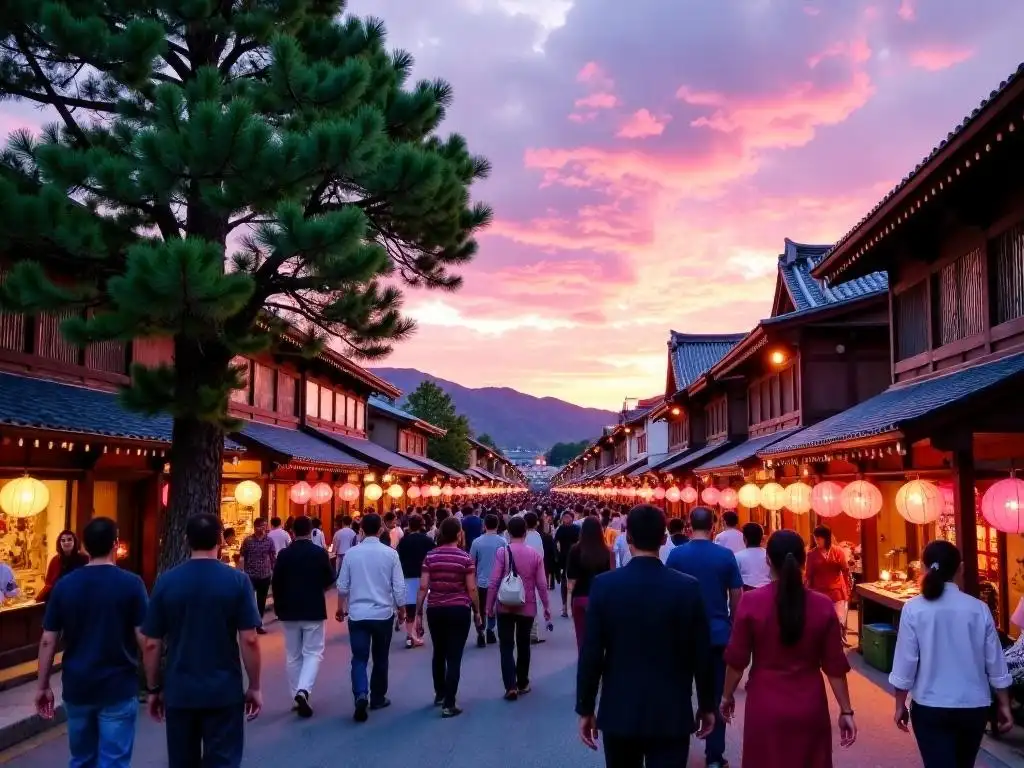
The intricate relationship between trade and cultural exchange has left an indelible mark on Japanese festivals throughout history. As merchants from Korea and China brought new goods, ideas, and practices, they inadvertently shaped the very fabric of Japan’s cultural identity. The festivals we celebrate today, often a medley of local traditions and foreign influences, illustrate the dynamic evolution of Japanese society in response to external interactions.
Reflection on the Evolution of Festivals through Trade History
Japanese festivals have historically served as more than mere celebrations; they are a testament to the evolving identity of Japan as influenced by trade. The introduction of new agricultural products and crafts from neighboring countries transformed not only the economy but also the ritualistic practices associated with seasonal celebrations.
- Adaptation of Rituals: Many festivals incorporated elements from Chinese and Korean traditions. For instance, the Tanabata Festival, originally a Chinese celebration, showcases the exchange of cultural customs, where the Japanese adopted and adapted the festival to celebrate the meeting of the deities Orihime and Hikoboshi.
- Economic Influence: The influx of trade goods enriched local festivals. The use of silk and spices, introduced through trade routes, became central to many traditional ceremonies, enhancing their visual and sensory appeal. For example, the Gion Matsuri in Kyoto evolved through the acquisition of luxurious textiles, transforming its attire and decorations.
- Cultural Synthesis: Festivals such as Obon, which honors deceased ancestors, highlight the blend of indigenous beliefs with foreign practices. The incorporation of lanterns, influenced by Chinese customs, illustrates how trade interactions facilitated a fusion of ideas that enriched Japan's spiritual and cultural landscape.
The historical tapestry woven through trade illustrates how Japanese festivals are a reflection of societal values, adapting and evolving through centuries of cultural exchanges.
Future Implications for Japanese Cultural Practices
As we look forward, the legacy of trade on Japanese festivals continues to manifest in various ways, suggesting several implications for future cultural practices:
- Globalization and Modern Influences: In an increasingly globalized world, modern Japanese festivals may continue to incorporate elements from international cultures. This could lead to a richer, more diverse festival environment, attracting tourism and fostering cross-cultural dialogue.
- Preservation vs. Innovation: While it is essential to honor the traditional roots of Japanese festivals, there may be a tension between preservation and the embrace of new influences. Balancing these aspects will be crucial in maintaining the integrity of cultural heritage while allowing for innovation.
- Sustainability Practices: As awareness of environmental issues grows, the incorporation of sustainable practices into festival planning may emerge as a new trend. This evolution could mirror past adaptations where trade influenced the materials and processes used in festival celebrations.
The interplay between trade and Japanese festivals is a profound narrative of cultural evolution. As these traditions continue to develop, they will remain a vivid reflection of both historical exchanges and contemporary influences, ever adapting to the changing landscape of Japanese society.
Additional Resources on Japanese Festivals and Trade History
Recommended Readings and References on Trade Influences
To gain a deeper understanding of how trade shaped Japanese festivals and traditions, the following books and scholarly articles provide invaluable insights:
-
"The Influence of Trade on Japanese Culture" by Michael A. Schreiber
This comprehensive work explores the various trade routes that connected Japan to China and Korea and how these interactions influenced cultural practices, including festivals.
-
"Festivals of Japan: Cultural Exchanges and Traditions" edited by Haruki Tanaka
This anthology offers a curated selection of essays that detail the evolution of Japanese festivals, emphasizing the impact of Asian trade relationships.
-
"Japan and the Silk Road: Cultural Exchange and Trade" by Eiko Yamamoto
Focusing on the Silk Road's influence, this book delves into how trade routes facilitated not only economic exchanges but also the sharing of cultural traditions through festivals.
-
Journal of Asian Studies
Articles from this peer-reviewed journal often cover topics related to the impact of trade on cultural practices in Japan, making it a rich resource for researchers.
-
"A History of Japanese Festivals" by Kenji Takahashi
This detailed examination of Japan's festival history outlines how international trade has shaped local customs, offering case studies from various regions.
Suggested Documentaries and Visual Media on Japanese Festivals
Visual media can provide a unique perspective on the cultural exchanges that have shaped Japanese festivals. Here are some recommended documentaries and programs:
-
"The Colors of Japan: Festivals and Traditions"
This documentary showcases various Japanese festivals, highlighting their origins and the influence of trade with neighboring countries.
-
"Cultural Crossroads: The Silk Road and Japan"
This visual exploration traces the historical Silk Road and its impact on Japanese culture, including the dissemination of festival traditions.
-
"Festivals of the World: Japan"
A captivating series that delves into specific festivals, examining how trade has influenced their evolution and significance in contemporary society.
-
YouTube Channel: Japanology
This channel features episodes that discuss various aspects of Japanese culture, including the impact of trade on festivals, through interviews with experts and on-site footage.
-
"Transcultural Japan: Festivals Through Time"
A documentary that captures the essence of Japanese festivals, emphasizing the cross-cultural influences that have shaped their current forms.
By exploring these resources, readers can further appreciate the intricate relationship between trade and the evolution of Japanese festivals, enriching their understanding of this fascinating aspect of cultural history.
Frequently Asked Questions
What are the main influences on Japanese festivals during the feudal era?
Japanese festivals were significantly influenced by trade interactions with neighboring countries, which introduced new cultural elements and practices that enriched local traditions.
How did trade affect the development of Japanese festivals?
Trade allowed for the exchange of ideas, goods, and customs, leading to the integration of foreign influences into traditional celebrations, thus transforming their significance and practices.
Can you provide examples of festivals that were impacted by trade?
Festivals like Gion Matsuri in Kyoto and Tanabata showcase elements that evolved due to cultural exchanges, incorporating foreign customs and celebrating diverse influences over time.
What role did merchants play in Japanese festivals?
Merchants were pivotal as they not only facilitated trade but also sponsored festivals, promoting economic growth and cultural exchange, thereby enhancing the vibrancy of local celebrations.
How did Japanese festivals reflect societal changes during feudal times?
As societal structures evolved due to trade, festivals adapted to reflect new social dynamics and values, serving as a medium to celebrate both local heritage and global influences.
Final Reflection: The Enduring Legacy of Trade in Japanese Festivals
As we explore the intricate tapestry of Japanese festivals and their evolution through trade, it becomes evident that these cultural celebrations are not merely relics of the past but vibrant reflections of our interconnected world today. The historical exchanges that shaped these traditions remind us that culture is dynamic and ever-evolving, influenced by the currents of trade and interaction. In a world that often feels divided, the shared heritage found in these festivals serves as a powerful reminder of our common humanity.
The influence of trade on Japanese festivals has left an indelible mark on the cultural landscape, fostering a spirit of inclusivity and adaptation. These festivals are not just events; they are living narratives that encapsulate the stories of countless interactions between different peoples and traditions. As we witness the ongoing evolution of these celebrations, we are reminded of the words of cultural anthropologist Edward Said: The exchange of ideas and cultures is the lifeblood of human existence.
This underscores the importance of embracing cultural exchanges as a means to enrich our understanding of one another and celebrate our shared experiences.
As we reflect on the lessons learned from the history of Japanese festivals and trade, I invite you to consider how you can engage with and celebrate the diverse cultures around you. Take a moment to explore the festivals in your own community, learn about their origins, and appreciate the stories they tell. By actively participating in cultural exchanges, we can contribute to a more inclusive and harmonious society, ensuring that the legacy of trade and tradition continues to thrive for generations to come.
Embrace the Spirit of Cultural Exchange!
Thank you for exploring the fascinating world of Japanese festivals and the impact of trade on their traditions. Your journey through history enriches our understanding of how cultures blend and evolve. Now, it's time to take what you've learned and dive deeper into this vibrant tapestry of cultural exchange!
Here are some ways you can continue your exploration:
- Participate in Traditional Festivals: Seek out local cultural festivals that celebrate Japanese traditions and immerse yourself in the experience. Bring a friend or family member along to share the joy!
- Discover Related Literature: Read books and articles about Japanese history and cultural exchanges to further expand your knowledge. Don’t forget to check our recommendations on the history of Feudal Japan!
- Engage with Our Community: Share your thoughts on social media or in the comments below. Start a conversation about how trade continues to shape cultures today!
What cultural tradition would you like to see explored in a future article? Your input could inspire our next deep dive!