
Commodore Perry's Expedition: The Catalyst for Japan's Modernization

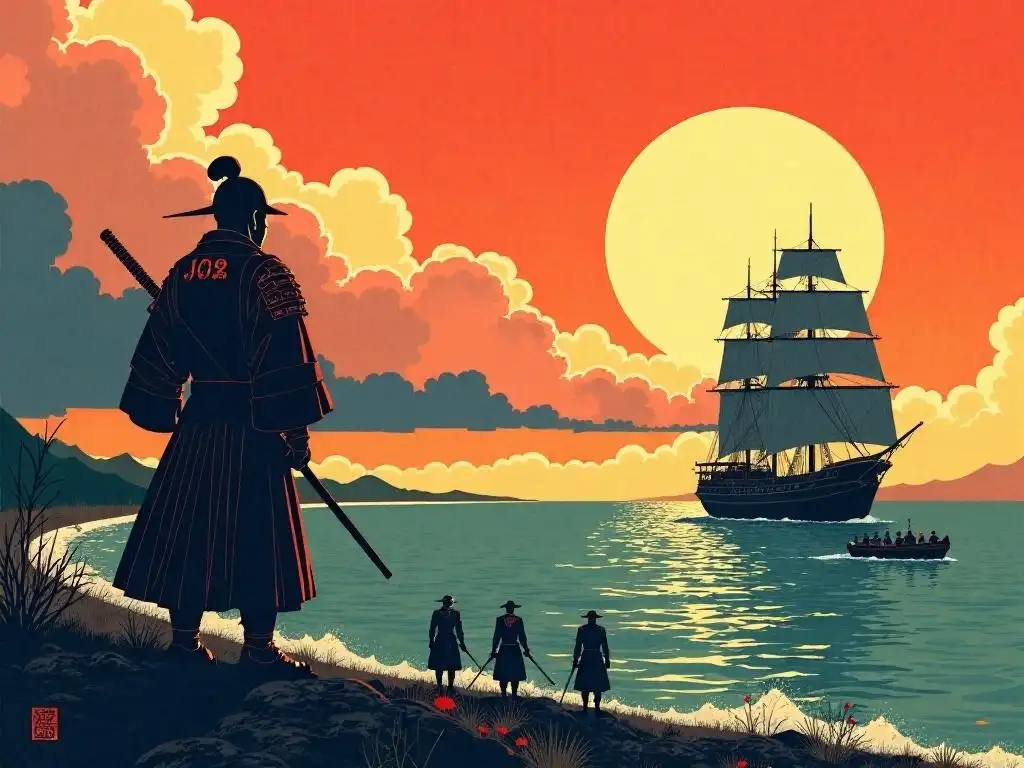
Welcome to Feudal Japan History, where we embark on a fascinating journey through the intricacies of Japan's feudal era. In our featured article, "Commodore Perry's Expedition: The Catalyst for Japan's Modernization," we delve into the profound influence of Commodore Perry's arrival on Japan's path to modernization. What shifts in foreign relations did his expedition ignite, and how did they reshape a nation steeped in tradition? Join us as we unravel the complexities of this pivotal moment in history and explore the myriad ways it transformed Japanese society. Your adventure into the depths of feudal Japan begins here!
The arrival of Commodore Matthew Perry in Japan in 1853 marked a pivotal moment in the nation’s history, serving as a catalyst for profound transformation during the Meiji Restoration. This expedition not only opened Japan to the outside world but also initiated a series of events that led to significant modernization across various sectors, including military, technological, and cultural.
Understanding the impact of Commodore Perry on Japan's modernization requires a comprehensive exploration of the historical context, the nature of his mission, and the immediate reactions from Japanese authorities. This article delves into these aspects to reveal how Perry's expedition fundamentally altered Japan’s trajectory and set the stage for its evolution into a modern nation.
Introduction to Commodore Perry's Expedition
Overview of Commodore Perry and His Mission
Commodore Matthew Perry, an officer in the United States Navy, is best known for his role in establishing diplomatic relations between Japan and the United States. His mission was driven by the necessity of securing safe harbors for American whaling ships and facilitating trade in the Pacific region. Perry's expedition consisted of a fleet of four warships, known as the "Black Ships," which showcased the technological advancements of Western naval power. His approach combined diplomacy with a show of force, illustrating the stark contrast between Japan's isolationist policies and the burgeoning global trade dynamics of the mid-19th century.
Historical Context: Japan Before Perry's Arrival
Before Perry's arrival, Japan had maintained a policy of sakoku, or national isolation, for over two centuries. This policy restricted foreign influence and trade, confining interactions primarily to the Dutch and Chinese. The Tokugawa shogunate, which ruled Japan, feared that foreign encroachment would disrupt the social order and traditional values. As a result, Japan was largely insulated from Western technological and cultural advancements, creating a stark divide between Japanese society and the rapidly industrializing world beyond its shores. This context set the stage for the dramatic changes that Perry's expedition would herald.
The Arrival of Commodore Perry in Japan
Commodore Perry's Fleet and Technological Advancements
In July 1853, Commodore Perry's fleet arrived in Edo Bay, presenting a formidable sight that caught the attention of Japanese observers. The ships were equipped with steam engines, advanced artillery, and other modern technologies that dwarfed the traditional Japanese vessels. This demonstration of technological superiority was crucial in persuading Japanese officials of the need to engage with the outside world. Perry's fleet not only represented military power but also embodied the scientific and industrial advancements that were reshaping global dynamics.
Initial Reactions from Japanese Authorities
Initial reactions from Japanese authorities were mixed, ranging from intrigue to apprehension. The shogunate was caught off guard by Perry's unexpected arrival, and there was considerable debate among officials about how to respond. Some advocated for a confrontational stance, while others recognized the inevitability of engaging with foreign powers.
This tension ultimately culminated in the signing of the Treaty of Kanagawa in 1854, which opened Japanese ports to American ships and marked the beginning of Japan’s gradual integration into the global community. The implications of this treaty would reverberate through Japanese society, laying the groundwork for modernization and significant socio-political changes in the years to follow.
Commodore Perry's Japan Modernization Impact
Commodore Matthew Perry's expedition to Japan in 1853 is often regarded as a pivotal moment in the nation's history, marking the transition from a feudal society to a modern state. His arrival, with a show of military might and diplomacy, forced Japan to reassess its isolationist policies. The impact of Perry's expedition extended beyond mere foreign relations; it initiated profound transformations in Japan's economy, society, and governance, laying the groundwork for rapid modernization.
The Treaty of Kanagawa: An Overview
The Treaty of Kanagawa, signed in 1854, was a direct outcome of Perry's expedition, establishing formal diplomatic relations between the United States and Japan. This treaty ended over two centuries of Japan's self-imposed isolation, known as sakoku, and opened two ports—Shimoda and Hakodate—to American ships. The agreement was significant not only for its immediate economic implications but also for its role in setting the stage for subsequent treaties with other Western nations. The treaty included provisions for the protection of shipwrecked sailors and limited trade, which, although unequal, began to integrate Japan into the global economy.
Economic Implications of Perry's Expedition on Japan
Perry's expedition catalyzed significant economic changes in Japan. The opening of ports allowed for increased trade with the West, introducing new goods and technologies. This influx of foreign trade stimulated local economies and encouraged the emergence of new industries.
Furthermore, Japan began to adopt Western manufacturing techniques and infrastructure, leading to the establishment of railways and telegraph lines. As a result, the economy diversified beyond agriculture, paving the way for industrialization in the late 19th century. The economic transformation was not without challenges, as it disrupted traditional markets and practices, but it ultimately contributed to Japan's emergence as a modern economic power.
Social and Political Changes Following Perry's Arrival
The arrival of Perry and the subsequent treaty led to profound social and political changes in Japan. The ruling Tokugawa shogunate, which had maintained isolationist policies, faced internal dissent as various factions pushed for reform. This unrest culminated in the Meiji Restoration of 1868, which restored imperial rule and initiated sweeping reforms across the nation. Socially, the exposure to Western ideas and technologies prompted a reevaluation of traditional Japanese culture and values. Educational reforms were implemented, emphasizing science and technology, which helped cultivate a more informed populace ready to embrace modernization.
The Catalyst for Japan's Rapid Modernization
Commodore Perry's expedition served as a catalyst for Japan's rapid modernization, igniting changes that would reshape the nation in the following decades. This modernization was characterized by the adoption of Western technologies, reforms in governance, and cultural exchanges that would redefine Japanese society.
Adoption of Western Technology and Practices
Following Perry's expedition, Japan quickly recognized the need to adopt Western technology and practices to compete on the global stage. The Meiji government actively sought to modernize its military by incorporating Western military techniques and equipment, leading to the establishment of a conscript army. Additionally, the introduction of steamships, railways, and telegraphs revolutionized transportation and communication, facilitating not only trade but also national integration. This rapid technological adoption was crucial in transforming Japan into a formidable industrial power.
Influence on Japanese Governance and Military Reforms
Perry's arrival prompted significant reforms in Japanese governance. The Meiji Restoration dismantled the feudal system and centralized political power, allowing for the creation of a modern state apparatus. The new government sought to learn from Western political systems, adopting constitutional frameworks and legal codes influenced by European models. Military reforms were particularly pronounced, with the establishment of a modern navy and army that would later play critical roles in Japan's imperial ambitions.
Cultural Exchanges: Western Ideas and Japanese Society
The cultural exchanges that followed Perry's expedition had a lasting impact on Japanese society. Exposure to Western literature, philosophy, and art stimulated intellectual movements within Japan, leading to a period of cultural renaissance known as the "Meiji Enlightenment." This era saw the blending of Western ideas with traditional Japanese culture, as artists, writers, and thinkers sought to reconcile the two influences. The introduction of new concepts such as democracy, individual rights, and scientific inquiry began to reshape societal norms and values, fostering a spirit of innovation and progress that characterized Japan's rapid modernization.
Long-term Effects of Commodore Perry's Expedition
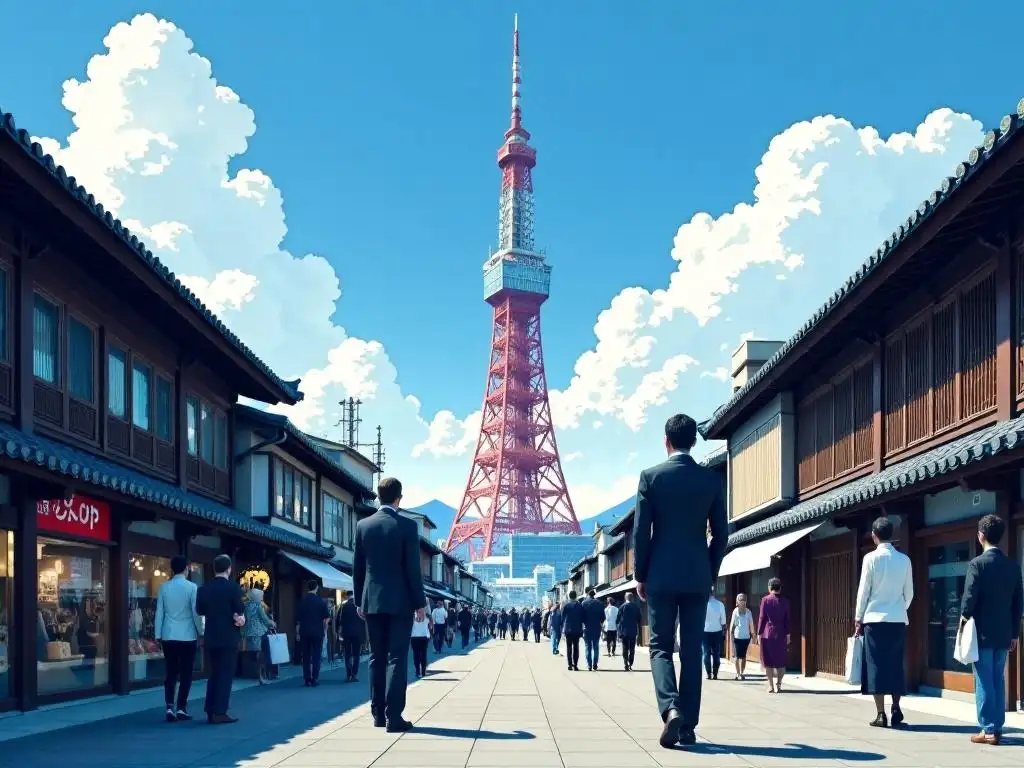
Commodore Matthew Perry's expedition to Japan in 1853-1854 set in motion a series of profound changes that would ultimately transform Japan from a secluded feudal society into a modern state. The immediate effects included the signing of the Treaty of Kanagawa in 1854, which opened Japanese ports to American trade. However, the long-term consequences were even more significant, as they catalyzed Japan's leap into modernization. The influx of Western ideas and technologies led to the dismantling of the feudal system, the establishment of a centralized government, and the adoption of Western legal, educational, and military systems.
The exposure to foreign cultures and practices also encouraged a sense of nationalism among the Japanese populace. This awakening played a crucial role in the subsequent Meiji Restoration, which aimed to consolidate power and modernize the nation. Furthermore, the changes initiated by Perry's expedition set a precedent for Japan's interactions with other Western powers, ultimately allowing Japan to emerge as a formidable player on the global stage.
The Meiji Restoration: A Direct Outcome
The Meiji Restoration of 1868 is widely regarded as a direct consequence of Commodore Perry's expedition. This period marked a radical transformation in Japan's political, social, and economic structures. The restoration of imperial rule under Emperor Meiji signified the end of the Tokugawa shogunate, which had ruled Japan for over 250 years.
During the Meiji era, Japan embarked on an aggressive program of modernization, adopting Western technologies and systems. The government implemented sweeping reforms across various sectors:
- Political Reforms: Establishment of a constitutional monarchy, replacing the feudal system with a centralized government.
- Economic Changes: Industrialization initiatives led to the development of railroads, factories, and a modern banking system.
- Educational Reform: The introduction of compulsory education and Western-style universities facilitated a more informed citizenry.
- Military Modernization: Japan created a conscript army and adopted Western military practices, which would later be pivotal during conflicts such as the Sino-Japanese War and Russo-Japanese War.
These reforms not only modernized Japan but also set the stage for its emergence as a global power by the early 20th century.
Commodore Perry's Legacy in Japan’s Modernization
Commodore Perry's legacy is deeply intertwined with Japan's modernization journey. His expeditions are often credited with initiating a period of introspection and urgency among Japanese leaders regarding the need for reform. Recognizing the technological and military superiority of the West, Japan’s leaders understood that failure to modernize could lead to colonization or subjugation.
Perry's approach, characterized by a blend of diplomacy and intimidation, highlighted the necessity for Japan to engage with the outside world. His expeditions prompted Japan to evaluate its own capabilities and to adopt measures that would enhance its sovereignty. The reforms initiated during the Meiji period, inspired by Perry's actions, laid the foundation for Japan's rapid industrialization and its eventual status as a modern nation-state.
Comparative Analysis: Japan’s Response vs. Other Asian Nations
Japan's response to Western imperialism under Commodore Perry's influence can be contrasted with that of other Asian nations during the same period. Unlike China, which faced the Opium Wars and subsequently succumbed to foreign dominance, Japan took proactive measures to assert its sovereignty.
- China: The Qing dynasty’s inability to effectively modernize and respond to Western pressures led to a series of humiliating defeats and the eventual fall of the dynasty.
- Siam (Thailand): While Siam managed to maintain its independence through diplomacy and selective modernization, its efforts were less comprehensive compared to Japan's.
- Korea: Korea became a battleground for foreign powers, ultimately leading to its annexation by Japan in 1910.
Japan’s swift modernization and military reforms enabled it to not only resist colonization but to emerge as an imperial power itself, defeating China in 1895 and Russia in 1905. This stark contrast in responses illustrates how Commodore Perry's expedition catalyzed a unique path for Japan that diverged significantly from its neighbors.
Conclusion: Commodore Perry and Japan's Transformation
The arrival of Commodore Perry and his subsequent expeditions were pivotal moments in Japan's history, triggering a profound transformation that reshaped the nation. His actions were not merely about opening trade; they were about awakening a sense of urgency within Japan to modernize and adapt to the changing dynamics of the world.
Summary of Commodore Perry's Japan Modernization Impact
Commodore Perry's expedition had far-reaching impacts on Japan’s modernization. It catalyzed the end of the feudal system and initiated the Meiji Restoration, leading to extensive political, social, and economic reforms. Japan’s ability to rapidly adopt Western ideas and technologies positioned it as a formidable nation in the global arena, ultimately transforming its societal structure and international standing.
Reflecting on the Cultural and Historical Significance
The cultural and historical significance of Commodore Perry’s expedition extends beyond mere political and economic changes. It symbolizes a turning point in Japan's engagement with the world and highlights the challenges faced by nations in adapting to external pressures. Perry's legacy serves as a reminder of the complexities of globalization and modernization, illustrating how a single event can reshape a nation's trajectory and identity in profound ways. The lessons learned from this period continue to resonate in Japan's contemporary society and its interactions on the global stage.
References
The impact of Commodore Perry's expedition on Japan's modernization is a subject of extensive scholarly research. Below is a curated list of references that provide valuable insights into this transformative period in Japanese history.
Suggested Reading on Commodore Perry and Japan's Modernization
-
"Commodore Perry in the Land of the Shogun" by Rhoda Blumberg
This book offers a detailed narrative of Commodore Perry's journey to Japan, emphasizing the cultural encounters and diplomatic negotiations that ensued. It provides a vivid portrayal of the era and the personalities involved in this pivotal moment.
-
"The Opening of Japan: Commodore Perry and the Treaty of Kanagawa" by William B. McAllister
McAllister examines the strategic goals behind Perry's expedition and the subsequent treaty that opened Japan to foreign trade. The book contextualizes the broader geopolitical implications of Perry's arrival.
-
"Japan's Response to the West: A Study of the Perry Expedition" by David A. Dilworth
This scholarly work analyzes Japan's reaction to Western encroachment, focusing on the social, political, and economic changes that Perry's expedition catalyzed.
-
"The United States and Japan: A History from the 1790s to the Present" by John W. Dower
Dower provides a comprehensive overview of the U.S.-Japan relationship, with specific chapters dedicated to Perry’s expedition, the ensuing modernization, and its lasting impacts on both nations.
Additional Resources on Japan's Feudal Era and Foreign Relations
-
"The Cambridge History of Japan: Volume 5, The Nineteenth Century" edited by John W. Hall
This volume offers an in-depth analysis of Japan’s transformation during the 19th century, including the effects of foreign relations and modernization efforts initiated by Perry's expedition.
-
"Japan: A Modern History" by James L. McClain
McClain's work examines Japan's evolution from the feudal system to a modern state, including the critical role of foreign interactions and the changing dynamics of power.
-
"Feudal Japan: The History of the Samurai and the Shogunate" by Charles River Editors
This resource provides an overview of Japan's feudal era, detailing the social structures, military conflict, and eventual decline of feudalism that set the stage for modernization.
-
"The History of Japan" by Louis G. Perez
Perez outlines Japan's historical narrative, including the impact of foreign relations during the feudal period and the subsequent transformation into a modern nation.
These readings will deepen the understanding of Commodore Perry's expedition and its profound influence on Japan's path toward modernization, as well as provide context on the broader historical landscape of feudal Japan and its foreign relations.
- Introduction to Commodore Perry's Expedition
- The Arrival of Commodore Perry in Japan
- Commodore Perry's Japan Modernization Impact
- The Catalyst for Japan's Rapid Modernization
- Long-term Effects of Commodore Perry's Expedition
- Conclusion: Commodore Perry and Japan's Transformation
- References
Frequently Asked Questions
What was Commodore Perry's role in Japan's modernization?
Commodore Perry's expedition in 1853 forced Japan to open its ports to the West, leading to significant political and economic changes that initiated the country's modernization.
How did Perry's arrival affect Japanese society?
Perry's arrival marked the end of isolation for Japan, prompting societal transformations that embraced Western technology and ideas, ultimately reshaping Japanese culture.
What were the long-term impacts of Perry's expedition on Japan?
The long-term impacts included the emergence of a modern state, the decline of the feudal system, and the rise of industrialization, which positioned Japan as a global power.
Did Commodore Perry face resistance during his expedition?
Yes, Perry faced initial resistance from Japanese officials who were wary of foreign influence, but his display of military might ultimately led to negotiations.
How is Commodore Perry viewed in modern Japan?
In modern Japan, Perry is often seen as a controversial figure; while he is credited with kickstarting modernization, his methods are sometimes viewed as imperialist and coercive.
Final Reflection: The Lasting Impact of Commodore Perry's Expedition on Japan's Modernization
Commodore Perry's expedition was not just a pivotal moment in Japan's history; it was a catalyst for transformation that reverberates through time. The opening of Japan to the West marked the beginning of a profound shift in its societal, political, and economic structures, leading to the rapid modernization that would define the nation in the years to come. Today, as we witness globalization and cultural exchanges shaping our world, the lessons from Perry's expedition remind us of the power of engagement and the importance of adaptability in the face of change.
The influence of Perry's expedition continues to resonate in contemporary Japan and beyond, as it serves as a reminder of how external forces can propel a nation towards progress. The modernization that followed was not merely a response to Western pressure but a conscious choice by Japan to embrace change while preserving its unique identity. As historian John W. Dower noted, Japan's transformation was a complex interplay of resistance and adaptation, a dance between tradition and modernity.
This ongoing dialogue between the past and present is crucial in understanding how nations evolve in a global context.
As we reflect on the significance of Commodore Perry's expedition, let us consider how we can apply these lessons to our own lives. In a world that is increasingly interconnected, we are called to embrace change while honoring our roots. Take a moment to think about how you can engage with the world around you—whether through learning about different cultures, advocating for innovation, or fostering dialogue in your community. The spirit of modernization that Perry ignited in Japan can inspire us all to seek growth and understanding in our personal and collective journeys.
Embrace the Legacy: Take Action Today!
Thank you for diving into the fascinating world of Commodore Perry's expedition and its profound impact on Japan's journey to modernization. You've explored how pivotal moments can shape history, and now it's time to reflect that understanding in your own life!
Here are a few actions you can take to engage further with this topic and inspire others:
- Expand your knowledge: Read more about Japan’s Meiji Restoration and its subsequent transformations by exploring our extensive library of articles.
- Join the conversation: Share this article on your social media platforms to spark discussions about historical events that continue to shape our world today.
- Create a deeper connection: Visit local museums or exhibitions dedicated to Japanese history to gain firsthand insights and broaden your perspective on cultural evolution.
What insights from Japan’s modernization history resonate most with your own experiences of change and growth? **We encourage you to share your thoughts below! **