
The Last of the Samurai: How Perry's Arrival Affected Japanese Society

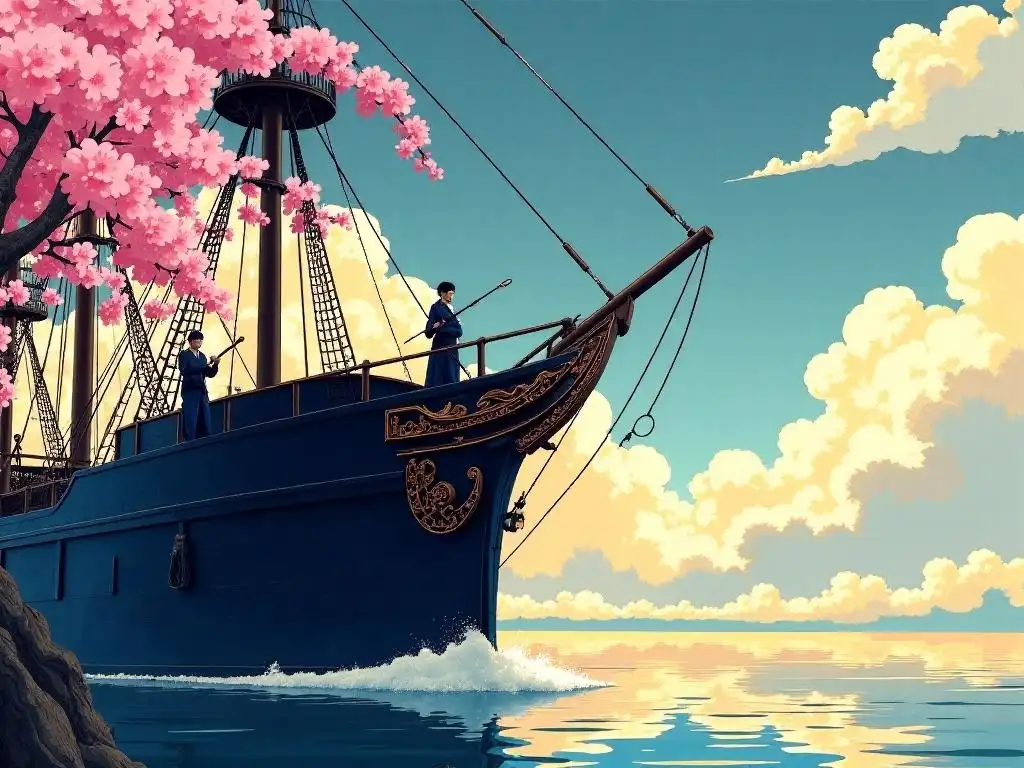
Welcome to Feudal Japan History, where we invite you to embark on a captivating journey through the rich tapestry of Japan’s feudal era. In our featured article, “The Last of the Samurai: How Perry's Arrival Affected Japanese Society,” we unravel the profound impact of Perry's arrival on Japan, exploring how this pivotal moment reshaped the nation’s trajectory. As you delve deeper into the intricate threads of historical, cultural, and societal change, prepare to uncover the layers of transformation that defined a generation.
Join us in exploring a world where tradition clashed with modernity, and discover the echoes of this significant event that still resonate today. Your adventure into the past begins here!
Introduction to Perry's Arrival in Japan
The arrival of Commodore Matthew Perry in Japan in 1853 marked a pivotal moment in the nation’s history, serving as a catalyst for profound changes in Japanese society, governance, and international relations. This event not only ended Japan's two centuries of self-imposed isolation but also set the stage for the rapid modernization that would follow in the late 19th century.
Understanding the impact of Perry's arrival on Japan requires a deep dive into the historical context of the time, the reactions it provoked, and the long-term consequences that reshaped Japanese identity and its position in the world. This exploration will illuminate how Perry's expedition influenced the last stand of the samurai and initiated a transformative era in Japanese history.
Overview of Commodore Perry's Expedition
Commodore Perry led a naval expedition to Japan with the primary goal of opening up trade between the United States and Japan, which had been largely closed off to foreign influence since the early 17th century. His fleet, known as the "Black Ships" due to their blackened hulls, arrived in Tokyo Bay on July 8, 1853, creating a striking contrast against the traditional backdrop of Japanese society. Perry's diplomatic mission was backed by the threat of military force, which ultimately pressured Japanese officials to consider engaging with the outside world.
- Key Objectives of Perry's Mission:
- Establishing trade relations.
- Ensuring the safety of shipwrecked American sailors.
- Opening Japanese ports to American vessels.
- The Composition of Perry's Fleet:
- Four warships, including the steam-powered frigate USS Mississippi.
- A contingent of over 300 sailors and marines.
Historical Context: Japan Before Perry's Arrival
Before Perry's expedition, Japan was governed by the Tokugawa shogunate, which upheld a strict policy of isolation known as sakoku. This policy restricted foreign influence and limited trade primarily to the Dutch and Chinese at the port of Nagasaki. The samurai class held significant power, and the society was organized in a rigid hierarchy, which included:
- Shogun: The military leader.
- Daimyo: Feudal lords who ruled over regions.
- Samurai: Warrior class serving the daimyo.
Japan's isolationist policies created a unique cultural environment but also left the nation technologically behind the rapidly industrializing Western nations.
Significance of 1853 in Japanese History
The year 1853 is often considered a watershed moment in Japanese history due to the convergence of various factors that led to monumental changes. Perry's arrival not only signaled the end of Japan’s isolation but also exposed the limitations of the Tokugawa government’s policies. This year is significant for several reasons:
- End of Isolation: The forced opening of Japan to foreign trade and interaction marked a departure from centuries of isolation.
- Stirrings of Modernization: The shock of Western technology and military strength prompted calls for modernization among Japanese leaders and intellectuals.
- Challenges to the Shogunate: The inability to effectively respond to Perry's demands weakened the Tokugawa shogunate, leading to internal dissent and ultimately contributing to its downfall.
The Impact of Perry's Arrival on Japan
Perry's arrival had immediate and far-reaching effects on Japanese society, politics, and culture, setting in motion a series of events that would forever alter the course of the nation.
Immediate Reactions to Commodore Perry's Fleet
The initial reaction to Perry's fleet was one of shock and confusion among Japanese officials and the general populace. The sight of steam-powered ships and the presence of foreign military personnel challenged long-held beliefs about Japan's superiority and self-sufficiency.
- Official Responses:
- The Tokugawa shogunate was divided, with some factions advocating for a hardline response to repel foreign influence, while others recognized the necessity of engaging with the West.
- Public Sentiment:
- Among the samurai and common people, feelings ranged from fear of foreign domination to curiosity about Western technology and culture.
The arrival of Perry not only disrupted the existing social order but also ignited a national debate about Japan's future direction, ultimately leading to the Meiji Restoration and the modernization of the nation.
Transformation of Japanese Society Post-Perry
The arrival of Commodore Matthew Perry in 1853 marked a pivotal moment in Japanese history, leading to profound transformations across various facets of society. As Japan opened its doors to the outside world after over two centuries of isolation under the Tokugawa shogunate, the ensuing changes reshaped its political, social, and economic landscapes. The impact of Perry's arrival on Japan was not merely a matter of foreign influence; it catalyzed a series of internal reevaluations and adaptations that would lay the groundwork for the modern nation-state.
Changes in Political Structure and Governance
The immediate consequence of Perry's arrival was the erosion of the Tokugawa shogunate's power. Faced with the threat of military force and the demand for trade, the shogunate was compelled to sign the Treaty of Kanagawa in 1854, which effectively ended Japan's isolationist policy. This treaty allowed for the establishment of foreign consulates and opened two ports, leading to increased foreign presence in Japan. The pressure from Western powers prompted internal dissent and unrest, leading to the rise of the Sonnō jōi movement, which advocated for revere the emperor and expel the barbarians.
As a result, the political structure began to shift from feudal governance towards a more centralized state. The Meiji Restoration in 1868 marked the official end of the shogunate, restoring power to the emperor and initiating a series of reforms aimed at modernizing Japan. This transformation included the abolition of the feudal class system and the establishment of a constitutional government, reflecting the influence of Western political ideals. The impact of Perry's arrival on Japan thus acted as a catalyst for a significant overhaul of its governance, leading to a more unified and modern political entity.
Social Changes Influenced by Western Ideals
The exposure to Western culture and ideas spurred significant social changes within Japan. As foreign trade and interaction increased, so did the influence of Western lifestyles, technologies, and philosophies. The Japanese elite began to adopt Western fashions, customs, and education systems, leading to a cultural shift that permeated various levels of society.
Education reforms were particularly notable, as Japan sought to modernize its educational system to compete with Western nations. The establishment of new schools and universities emphasized science, technology, and democratic principles, fostering a generation that would play a crucial role in Japan's modernization efforts. This shift in educational focus not only changed the way knowledge was disseminated but also altered societal values, promoting ideas of individualism and meritocracy.
Furthermore, the arrival of Western ideas challenged traditional Confucian values that had long governed Japanese society, leading to the questioning of samurai privileges and roles. As the rigid class structures began to dissolve, the samurai class found itself in a precarious position, ultimately leading to their decline. The impact of Perry's arrival thus reverberated through the social fabric of Japan, paving the way for a new cultural identity that integrated both traditional and Western elements.
Economic Effects of Commodore Perry's Arrival
The economic repercussions of Commodore Perry's arrival were both immediate and far-reaching, transforming Japan from a closed agrarian society into an active participant in global trade. The pressure to engage with Western economies necessitated significant adjustments in Japan's economic practices and policies, leading to a modernization that would propel the country into the industrial age.
Opening of Japanese Ports to Foreign Trade
The Treaty of Kanagawa opened the ports of Yokohama and Shimoda to American vessels, marking the beginning of Japan's integration into the global economy. This opening led to a surge in trade and commerce, allowing Japan to import foreign goods, technology, and ideas. The influx of Western manufactured products and the establishment of foreign trade networks significantly impacted local industries, prompting both competition and collaboration.
As foreign merchants established a presence in Japan, domestic producers were compelled to innovate and adapt to the changing market dynamics. This interaction not only diversified Japan's economy but also laid the groundwork for the development of a more sophisticated industrial base. The emergence of new industries, such as textiles and shipbuilding, was influenced by the need to meet both domestic and international demands, showcasing the direct impact of Perry's arrival on Japan's economic landscape.
Long-term Economic Transformations
The long-term economic transformations initiated by Perry's arrival can be seen in the rapid industrialization that followed in the subsequent decades. The Meiji government recognized the necessity of adopting Western technologies and industrial practices to strengthen the nation. This resulted in significant investment in infrastructure, including railroads, telegraph lines, and modern factories.
By the late 19th century, Japan had transitioned from a primarily agrarian economy to one characterized by industrial output and urbanization. The rise of zaibatsu, or large industrial conglomerates, exemplified this transformation, as they played a crucial role in driving economic growth and modernization. Furthermore, Japan began to export its manufactured goods, establishing itself as a competitive player in the international market.
The impact of Perry's arrival on Japan was profound and multifaceted, triggering political, social, and economic changes that would shape the nation’s trajectory for decades to come. The transformation initiated by this encounter with the West laid the foundation for Japan's emergence as a modern state, demonstrating the lasting legacy of this historic event.
Cultural Exchanges Following Perry's Arrival
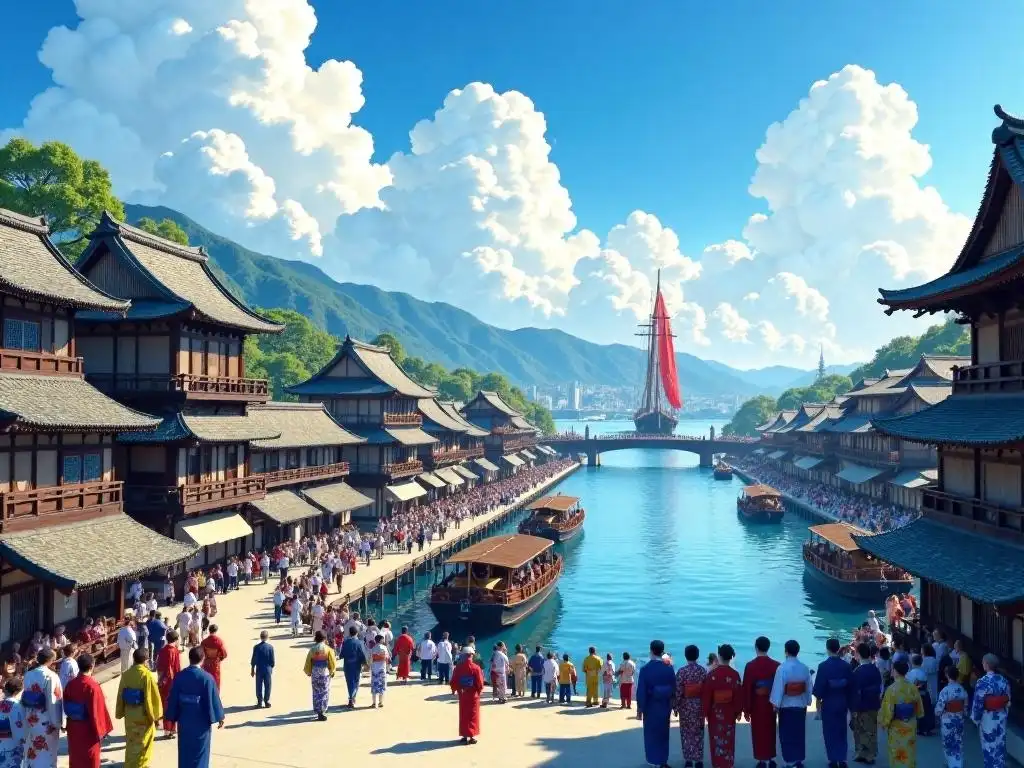
The arrival of Commodore Matthew Perry in 1853 marked a significant turning point in Japanese history, ushering in an era of cultural exchange that would profoundly shape Japanese society. As Japan opened its doors to the West after centuries of isolation under the Tokugawa shogunate, the influx of foreign ideas, art, and literature began to challenge traditional Japanese norms and practices. This cultural exchange was not merely a transfer of knowledge; it sparked a dynamic interaction between Eastern and Western philosophies, aesthetics, and technologies.
The resulting blend of cultures not only influenced art and literature but also permeated other aspects of daily life in Japan, leading to a re-evaluation of identity and values during a crucial period of modernization. The cultural impact of Perry's arrival can be seen in various forms, from the adoption of Western artistic techniques to the integration of foreign literary styles, all of which contributed to the transformation of Japan into a modern nation-state.
Introduction of Western Art and Literature
The introduction of Western art and literature to Japan had a profound impact on the traditional aesthetic sensibilities of the nation. Prior to Perry’s arrival, Japanese art was characterized by its unique styles, such as ukiyo-e (woodblock printing) and traditional ink painting. However, with the opening of Japan, Western artistic techniques began to influence local artists, leading to the emergence of new genres and styles.
- Adaptation of Techniques: Japanese artists started incorporating Western methods such as perspective, shading, and oil painting into their works. This fusion created a new artistic movement known as Yōga, which blended Western styles with Japanese themes.
- Literary Influence: Western literature also made its way into Japan, inspiring a new generation of writers. Works by authors like Victor Hugo and Charles Dickens were translated, leading to a transformation in narrative styles and themes in Japanese literature.
- Art Exhibitions: International exhibitions showcased Japanese art to the world, while also exposing Japanese artists to global art movements. The Exposition Universelle in Paris (1867) is a notable example where Japanese art gained international acclaim.
This cross-pollination of art and literature not only enriched Japanese cultural landscapes but also fostered a sense of curiosity and exploration among its people, igniting a period of artistic innovation.
Influence on Japanese Martial Traditions
The impact of Perry's arrival extended beyond art and literature; it also reshaped traditional Japanese martial practices. As Japan opened up to the West, the country's martial traditions encountered foreign influences that prompted a reevaluation of combat techniques and philosophies.
- Integration of Western Martial Arts: With the arrival of foreign military advisors and instructors, Japanese martial arts began to incorporate Western fighting techniques, particularly in the areas of fencing and military strategy. This led to the development of new martial arts styles that blended traditional Japanese methods with Western approaches.
- Professionalization of Martial Arts: The need for modernization and military preparedness resulted in the professionalization of training in martial arts, including the establishment of formal schools and academies. This shifted the focus from individual mastery of skills to systematic training and discipline.
- Cultural Symbolism: While Western influences were integrated, the samurai class sought to maintain the essence of their traditions, leading to a unique synthesis of old and new. The traditional bushido (the way of the warrior) began to evolve, reflecting both the heritage of the samurai and the practicalities of modern warfare.
This transformation of martial traditions illustrates how Perry's arrival catalyzed not just an exchange of ideas but also a fundamental shift in how martial practices were perceived and taught in Japan.
The Legacy of Perry's Arrival on Japan
The legacy of Commodore Perry's arrival is multifaceted, with lasting effects on Japan's national identity and societal structures. The encounter with the West acted as a catalyst for profound changes that would shape the course of Japanese history and culture for generations.
Lasting Effects on Japanese National Identity
Perry's arrival and the subsequent opening of Japan to the world instigated a complex evolution of national identity. The clash between Western and Japanese values prompted a re-examination of what it meant to be Japanese in a rapidly changing world.
- Modernization and Nationalism: The necessity to modernize in the face of Western imperialism fostered a sense of nationalism among the Japanese. This led to movements that sought to reclaim cultural pride while embracing modernization, ultimately culminating in the Meiji Restoration of 1868.
- Cultural Synthesis: As Japan integrated Western influences, a new national identity emerged that celebrated both traditional Japanese culture and the innovations brought by the West. This duality became a defining characteristic of modern Japanese identity.
- Global Engagement: The legacy of Perry's arrival also set the stage for Japan's active engagement with the international community, reshaping its role on the global stage. Japan transitioned from a feudal society to a significant player in international relations, as evidenced by its participation in treaties and diplomacy.
This redefined national identity has had a profound impact on Japan's trajectory, influencing its culture, politics, and global interactions.
Reflection on the Samurai Class in Modern Japan
The samurai class, once the backbone of Japanese society, underwent significant transformations following Perry's arrival. As Japan modernized, the status and roles of the samurai evolved dramatically, reflecting broader societal changes.
- Abolition of the Samurai Class: The Meiji Restoration led to the dissolution of the samurai class and the end of their privileges. The government sought to modernize the military by adopting conscription, thus rendering the samurai's traditional role obsolete.
- Cultural Legacy: Despite their dissolution, the samurai's ideals and values continued to resonate within Japanese culture. Concepts such as loyalty, honor, and discipline became embedded in the national ethos and influenced modern Japanese society.
- Symbolism in Contemporary Japan: Today, the samurai remains a powerful symbol of Japanese identity and cultural heritage. Representations of samurai in popular culture, literature, and media reflect a romanticized view of this warrior class, serving as a reminder of Japan's feudal past while also contributing to its unique national narrative.
This reflection on the samurai class illustrates how the changes initiated by Perry's arrival reverberated through time, shaping not only the structure of society but also the cultural consciousness of modern Japan.
Conclusion: Assessing the Impact of Perry's Arrival on Japan
The arrival of Commodore Matthew Perry in 1853 marked a significant turning point in Japanese history, catalyzing a series of profound changes that reshaped Japanese society and its place in the world. This encounter with the United States initiated a shift from centuries of isolation, prompting Japan to re-evaluate its foreign relations and internal structures. The impact of Perry's arrival can be viewed through various lenses, including social, economic, and political dimensions, which collectively contributed to the end of the feudal era and laid the groundwork for modernization.
Summary of Key Changes in Society
- End of Sakoku (Isolation Policy): Perry's mission directly challenged the longstanding policy of Sakoku, which had kept Japan isolated from foreign influence for over 200 years. The forced opening of Japan led to increased foreign interaction, trade, and cultural exchange.
- Rise of Nationalism: The encounter with Perry galvanized sentiments of nationalism among Japanese intellectuals and samurai. As foreign powers began to exert influence, calls for a unified national identity and resistance against foreign domination grew stronger.
- Social Stratification and Class Mobility: The arrival of Western ideas and technologies disrupted traditional social hierarchies. The samurai class, once a dominant force in society, faced diminishing power as the new Meiji government sought to modernize Japan and promote meritocracy.
- Economic Transformation: Perry's presence signaled the end of a self-sufficient agrarian economy. The introduction of Western trade practices and industrial technologies initiated a rapid transformation, leading to the emergence of a capitalist economy.
- Cultural Exchange: The influx of Western ideas prompted a cultural renaissance in Japan. Art, literature, and philosophy began to incorporate Western influences, leading to a period of innovation that profoundly altered Japanese culture.
Final Thoughts on the Legacy of Commodore Perry’s Mission
Commodore Perry's expedition left an indelible mark on Japan, setting in motion the events that would lead to the Meiji Restoration in 1868. His mission not only opened Japan to the world but also catalyzed the end of the Tokugawa shogunate's feudal system. The subsequent modernization efforts transformed Japan into a formidable power by the early 20th century. However, this rapid transformation came with challenges, as traditional values clashed with modern ideals. Perry’s legacy is a complex interplay of progress and conflict, illustrating how external pressures can catalyze internal change.
References
Suggested Readings on the Impact of Perry’s Arrival
- "The Opening of Japan: Commodore Perry and the Black Ships": by T. H. W. Hu
- "Perry's Japan: A Narrative of the American Expedition to Japan": by William Elliot Griffis
- "Japan: A Modern History": by James L. McClain
Historical Documents and Treaties Related to Perry’s Expedition
- Treaty of Kanagawa (1854): This treaty established the first formal diplomatic relations between Japan and the United States, marking a significant shift in Japan's foreign policy.
- Commodore Perry's Official Reports: These documents provide insights into Perry's objectives and observations during his expeditions.
- Treaties with Other Western Powers: Following Perry’s arrival, Japan signed several treaties with other nations, including the Harris Treaty with the United States, which further opened Japanese ports to foreign trade.
- Introduction to Perry's Arrival in Japan
- The Impact of Perry's Arrival on Japan
- Transformation of Japanese Society Post-Perry
- Economic Effects of Commodore Perry's Arrival
- Cultural Exchanges Following Perry's Arrival
- The Legacy of Perry's Arrival on Japan
- Conclusion: Assessing the Impact of Perry's Arrival on Japan
- References
Frequently Asked Questions
What was the significance of Perry's arrival in Japan?
Perry's arrival in 1853 marked the end of Japan's isolationist policy, leading to significant changes in trade, diplomacy, and society.
How did Perry's arrival influence Japanese culture?
The arrival of Perry and subsequent Western influence led to a cultural exchange that introduced new technologies, ideas, and practices, shaping modern Japanese culture.
What were the societal impacts of Perry's arrival?
Perry's arrival initiated a period of social upheaval, challenging the existing feudal structures and prompting the shift towards a modern nation-state.
How did the samurai class react to Perry's arrival?
The samurai class faced a crisis as their traditional authority was undermined, leading to internal conflicts and their eventual dissolution during the Meiji Restoration.
What long-term effects did Perry's arrival have on Japan?
Perry's arrival set Japan on a path of rapid modernization and industrialization, ultimately transforming it into a significant global power in the 20th century.
Final Reflection: The Enduring Impact of Perry's Arrival on Japan
The arrival of Commodore Perry in 1853 marked a pivotal moment in Japanese history, igniting a transformation that resonates profoundly in today's global landscape. The impact of Perry's arrival on Japan was not merely a historical event; it was the catalyst for a series of changes that would redefine a nation. As Japan opened its doors to the world, it embarked on a journey of modernization and cultural exchange that continues to shape its identity and influence in the 21st century.
Cultural and social dynamics in Japan have been irrevocably altered since Perry's expedition, leading to a unique blend of tradition and modernity that characterizes contemporary Japanese society. The echoes of this encounter can be seen in Japan's technological advancements, economic strategies, and even in its art and fashion. As the historian John W. Dower aptly stated, The encounter with the West was not just a clash of civilizations; it was a profound dialogue that reshaped both sides.
This dialogue has fostered a rich cultural tapestry that reflects the complexities of globalization, illustrating how historical events can continue to influence societal evolution.
As we reflect on the lessons from this transformative period, I invite you to consider how the impact of Perry's arrival on Japan can inspire us today. What can we learn from Japan's ability to adapt and thrive in the face of change? Embrace the idea that every encounter, whether personal or cultural, holds the potential for growth and transformation.
Let us take a moment to reflect on our own journeys and the ways we can engage with the world around us, fostering understanding and innovation in our communities. The legacy of Perry's arrival is not just a chapter in history; it is a call to action for us all to embrace change and cultivate a future rich in diversity and collaboration.
Unveil the Legacy of Change!
Thank you for exploring how Perry's arrival transformed Japanese society. You’ve taken a crucial step in understanding the profound impact of this pivotal moment in history! Now, let's turn your insights into action.
Here are some ways you can dive deeper and share your newfound knowledge:
- Engage with local history: Visit a museum or exhibit focused on the Meiji Restoration to witness the changes firsthand.
- Join the conversation: Share your thoughts about the influence of Perry’s arrival on Japanese culture in our community forum.
- Explore further: Read literature or watch documentaries about the samurai era to enhance your understanding.
What aspects of Japan's transition from isolation to modernization fascinate you the most, and how do you believe they continue to shape contemporary society?