
The Influence of Korean Pottery on Japanese Ceramics

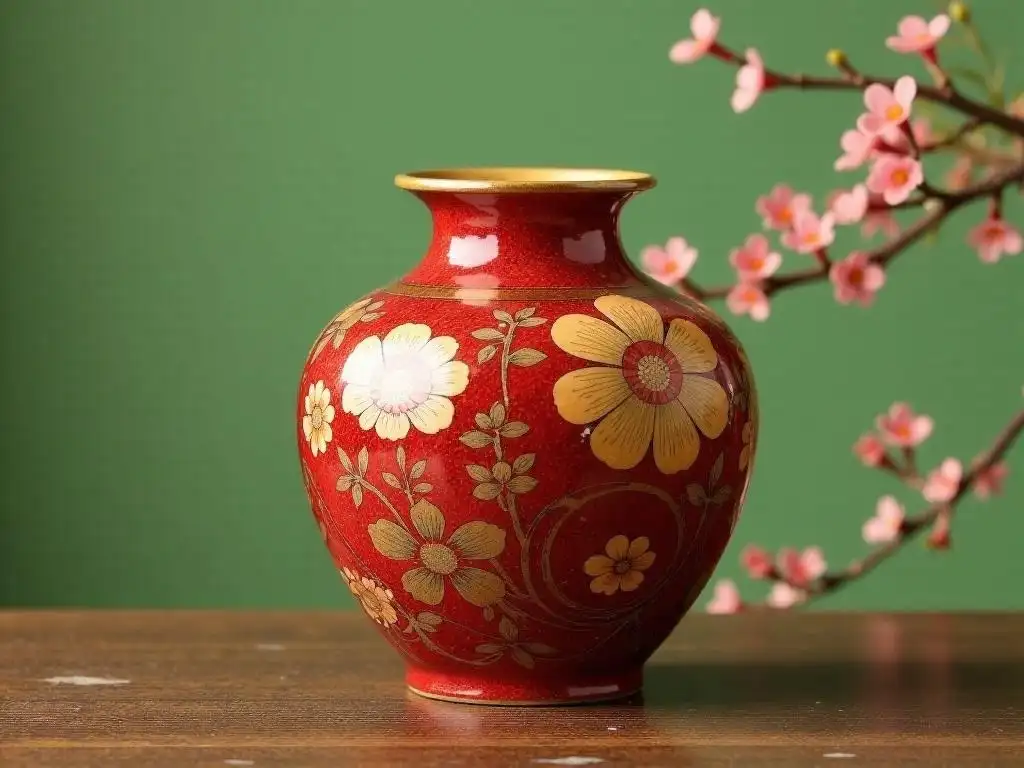
Welcome to Feudal Japan History, where we embark on a captivating journey through the intriguing tapestry of Japan's feudal era. Here, you will uncover the profound connections between cultures, particularly in our featured article on the impact of Korean pottery on Japanese ceramics. How did these artistic exchanges shape the very foundations of Japanese craftsmanship? As you delve deeper into our expert-driven insights, prepare to explore the rich historical, cultural, and societal threads that weave together this fascinating narrative. Join us and discover the echoes of Korea in the heart of Japan's artistic evolution.
Introduction to Korean and Japanese Ceramics
The intricate relationship between Korean pottery and Japanese ceramics represents a fascinating chapter in the history of cultural exchanges between these neighboring nations. The impact of Korean pottery on Japan extends beyond mere aesthetics; it encompasses a broad spectrum of techniques, styles, and philosophical underpinnings that have shaped Japanese ceramic traditions over centuries.
Understanding this influence requires delving into the rich heritage of both Korean and Japanese ceramics, exploring their historical contexts, and analyzing the exchanges that have taken place through trade, migration, and artistic collaboration. This article aims to provide a comprehensive overview of how Korean pottery has significantly influenced Japanese ceramics, highlighting key periods and pivotal moments in their intertwined histories.
Overview of Korean Pottery Traditions
Korean pottery boasts a rich and diverse tradition that dates back thousands of years, characterized by various styles and techniques that reflect the cultural and artistic sensibilities of its time. Notably, the Three Kingdoms Period (57 BC – 668 AD) saw the emergence of distinctive pottery styles, such as the elegant Goryeo celadon, known for its exquisite glaze and intricate incised designs. This era laid the foundation for subsequent developments in Korean ceramics, culminating in the Joseon Dynasty (1392–1910), which emphasized simplicity and functionality, best exemplified by the iconic white porcelain and onggi (traditional earthenware).
Korean potters were adept at utilizing local clay and natural resources, resulting in ceramics that were not only aesthetically pleasing but also highly functional. The cultural significance of pottery in Korea can be seen in its integration into daily life, rituals, and celebrations, revealing a profound connection between the art of pottery-making and the Korean identity.
Historical Context of Japanese Ceramics
Japanese ceramics have a storied history that mirrors the country's evolving cultural landscape. Emerging around the same time as Korean pottery, Japanese ceramics initially drew inspiration from indigenous practices and later incorporated influences from neighboring regions, particularly Korea and China. The Jomon period (14,000 – 300 BC) marked the beginning of pottery in Japan, characterized by its unique cord-marked designs and functional forms.
As Japan entered the Asuka (538–710 AD) and Nara (710–794 AD) periods, the exchange of ideas and techniques with Korea became more pronounced. The arrival of skilled Korean potters to Japan played a crucial role in advancing Japanese ceramic techniques, introducing new firing methods and glazes that would eventually lead to the flourishing of Japanese pottery styles such as Hagi, Arita, and Imari.
The Historical Exchange of Pottery Techniques
Early Influences: The Arrival of Korean Pottery in Japan
The historical exchange of pottery techniques began as early as the 6th century, when Korean artisans migrated to Japan, bringing with them their knowledge and skills. This migration was often spurred by political and social upheaval in Korea, as well as Japan's growing demand for high-quality ceramics. The presence of Korean potters in Japan facilitated the transfer of techniques, including advancements in glazing and firing methods that would significantly enhance the quality of Japanese ceramics.
The Role of Trade in Cultural Exchange
Trade routes between Korea and Japan were vital conduits for cultural exchange, allowing not only the movement of goods but also the sharing of artistic traditions. The Silk Road and maritime trade routes served as channels for the introduction of Korean pottery styles and techniques to Japan, with ceramics being among the most sought-after items. The popularity of Korean celadon and other pottery forms in Japan during the Heian period (794–1185) exemplifies this dynamic exchange, as Japanese artisans began to adapt and incorporate Korean influences into their own works.
Notable Periods of Influence: From the Asuka to the Edo Period
Throughout various historical periods—from the Asuka period to the Edo period (1603–1868)—the influence of Korean pottery on Japanese ceramics remained evident. The Asuka period marked a time of significant cultural exchange, while the Nara period saw the establishment of pottery kilns that began to emulate Korean styles.
During the Muromachi period (1336–1573), the aesthetic principles of Korean ceramics further permeated Japanese culture, leading to the development of Wabi-Sabi philosophy, which values simplicity and natural beauty. As Japan transitioned into the Edo period, the appreciation for Korean pottery continued, influencing the designs and production of notable Japanese ceramic styles that remain celebrated today.
The influence of Korean pottery on Japanese ceramics is a testament to the enduring legacy of cultural exchange between these two nations, a relationship that has enriched their artistic traditions and continues to inspire potters to this day.
Key Characteristics of Korean Pottery
Korean pottery is distinguished by its unique aesthetics, craftsmanship, and historical significance, which have greatly influenced the development of ceramics in Japan. One of the most notable characteristics of Korean pottery is the use of high-quality clay, often enriched with natural minerals, which contributes to the durability and texture of the finished products. The glazes employed in Korean ceramics frequently exhibit natural, earthy tones, ranging from deep greens to rich browns, often enhanced by intricate designs and motifs.
Another defining feature is the emphasis on form and function. Korean artisans historically prioritized utilitarian objects, creating vessels that were not only beautiful but also practical for everyday use. This can be seen in traditional Korean ware such as celadon and buncheong, both of which showcase craftsmanship that balances aesthetic appeal with functionality.
Additionally, the innovation in firing techniques, particularly the use of reduction atmospheres that led to the development of distinctive glaze finishes, set Korean pottery apart. The result is a striking visual effect that enhances the natural beauty of the clay and glaze, a characteristic that has been adopted and adapted by Japanese potters over the centuries.
Techniques and Styles Unique to Korean Ceramics
Korean ceramics are marked by several distinctive techniques and styles that have garnered international acclaim. Among these, the celadon technique stands out, characterized by its jade-green glaze achieved through iron oxide reduction during firing. This technique not only exemplifies the technical skill of Korean potters but also showcases their deep understanding of materials and firing processes.
Another unique style is the buncheong ware, which emerged during the Goryeo and Joseon Dynasties. This pottery style is notable for its coarse texture and decorative techniques, including stamped and painted designs, often featuring floral and geometric patterns. The use of white slip (liquid clay) applied to the surface before glazing is a hallmark of buncheong, creating a distinctive contrast with the darker clay body.
Furthermore, the traditional method of hand-throwing and the use of natural ash glazes reflect the connection of Korean potters to their environment. The techniques employed in Korean ceramics are not only practical but also deeply rooted in cultural practices, making them a vital part of Korea's artistic heritage.
The Aesthetic Appeal of Korean Pottery
The aesthetic allure of Korean pottery lies in its harmonious blend of simplicity and sophistication. Korean artisans have long embraced the philosophy of "wabi-sabi," which appreciates beauty in imperfection and transience. This mindset is evident in the organic shapes and subtle variations found in traditional Korean ceramics.
Color plays a significant role in the aesthetic appeal, with the natural glazes enhancing the clay's texture and form. The muted tones of celadon, with its soft, translucent finishes, evoke a sense of tranquility and elegance, while the boldness of buncheong’s decorative patterns adds vibrancy and character.
Moreover, Korean pottery often reflects the changing seasons and the beauty of nature, which is a recurring theme in many pieces. This connection to the natural world not only enhances the visual impact of the pottery but also resonates with cultural values that emphasize harmony with nature, making Korean ceramics a timeless expression of art.
The Adoption and Adaptation in Japanese Ceramics
The influence of Korean pottery on Japanese ceramics is significant, particularly during the periods of cultural exchange between the two countries. As Korean potters migrated to Japan, especially during the late 16th and early 17th centuries, they brought with them their techniques and artistic sensibilities, which were eagerly adopted and adapted by Japanese artisans.
Japanese potters integrated Korean methods into their own practices, leading to the creation of unique pottery styles that reflected a blend of both traditions. This cross-cultural exchange resulted in innovations in glazing, firing techniques, and decorative motifs that enriched the Japanese ceramic landscape.
How Korean Techniques Shaped Japanese Pottery Styles
Korean pottery techniques, such as the use of celadon and ash glazing, significantly shaped the development of several Japanese pottery styles. For instance, the emergence of Japanese celadon, particularly in the Seto region, showcases the direct influence of Korean practices. Japanese artisans adapted the Korean methods to suit local materials and tastes, resulting in a distinct style that maintained the essence of its Korean origins while evolving into something uniquely Japanese.
Moreover, the decorative techniques seen in buncheong were also adapted in Japan, leading to the creation of styles such as Mino ware. The incorporation of Korean-inspired motifs and glazing methods allowed Japanese potters to experiment with new designs, ultimately enriching their ceramic heritage and expanding their artistic expressions.
Notable Japanese Pottery Schools Influenced by Korea
Several notable Japanese pottery schools exhibit the profound influence of Korean ceramics. The Bizen pottery school, known for its rustic, unglazed stoneware, reflects techniques that can be traced back to Korean practices. The emphasis on natural ash glazes and the use of local clay highlight this connection.
Similarly, the Hagi pottery school incorporates Korean influences in its soft, elegant forms and subtle glazes. The unique firing techniques developed by Hagi potters have roots in traditional Korean methods, creating ceramics that are not only functional but also embody a deep appreciation for nature and simplicity.
Another example is the Kutani pottery school, where the adaptation of Korean decorative styles has resulted in vibrant, colorful ceramics that pay homage to their Korean counterparts while showcasing a distinct Japanese flair.
The Integration of Korean Aesthetics in Japanese Ceramics
The integration of Korean aesthetics into Japanese ceramics is evident in both form and design. Japanese potters have embraced the Korean philosophy of valuing simplicity and nature, often resulting in pieces that are both minimalistic and expressive. This aesthetic approach is particularly visible in the use of natural forms and organic shapes that echo the beauty of the Japanese landscape.
Additionally, the influence of Korean motifs, such as floral patterns and geometric designs, can be seen in various Japanese ceramics. These elements have been reinterpreted through a Japanese lens, creating a dialogue between the two cultures that enhances the richness of both traditions.
The continued appreciation and integration of Korean aesthetics into Japanese pottery not only celebrate the shared history between the two nations but also demonstrate the enduring legacy of Korean pottery as a foundational influence in the evolution of Japanese ceramics.
Case Studies of Specific Pottery Types
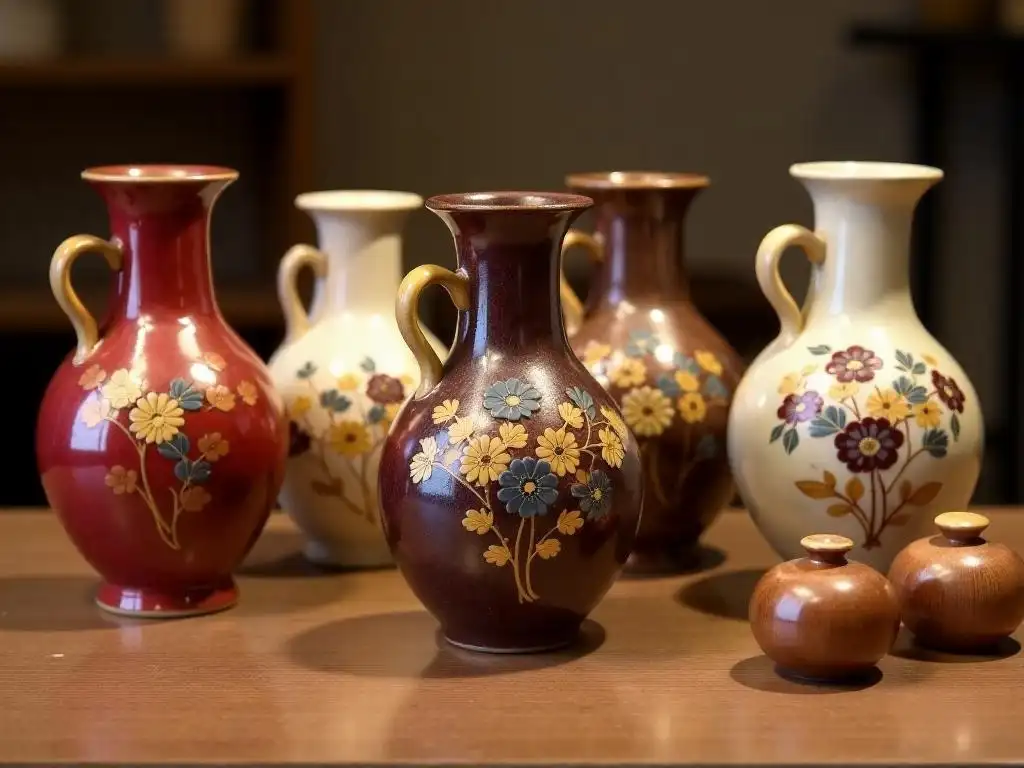
The influence of Korean pottery on Japanese ceramics can be observed through various case studies highlighting specific pottery types. These examples showcase how techniques and styles were transferred across cultures, leading to the evolution of Japanese pottery.
The Impact of Korean Celadon on Japanese Glazing Techniques
Korean celadon, known for its exquisite jade green glaze and intricate designs, significantly influenced Japanese pottery, particularly during the Heian period (794-1185). The adoption of celadon glazes in Japan began when Korean potters migrated to Japan, bringing their advanced glazing techniques.
The Japanese potters, inspired by the beauty of Korean celadon, experimented with these glazes and adapted them to local clay types. This led to the emergence of styles such as Shino and Oribe, which incorporated celadon-like qualities but diverged in color and texture, creating a unique Japanese identity in pottery. The meticulous glazing techniques learned from Korean artisans allowed Japanese potters to develop a rich palette of glazes, enhancing the aesthetic appeal of their works.
Additionally, the introduction of Korean celadon influenced the decorative motifs found in Japanese pottery, as Japanese artisans began to incorporate floral and geometric patterns reminiscent of Korean designs. This fusion of styles enriched Japanese ceramics, establishing a foundation for future innovations in glazing techniques.
The Influence of Korean Stoneware on Japanese Functional Pottery
Korean stoneware, especially the robust and utilitarian earthenware produced during the Goryeo Dynasty, had a profound impact on the development of Japanese functional pottery. The durability and practicality of Korean stoneware appealed to Japanese potters, who sought to create vessels that were not only functional but also aesthetically pleasing.
One of the most notable adaptations was the development of Bizen ware, which emerged during the Muromachi period (1336-1573). Bizen potters were inspired by the firing techniques used in Korea, particularly the use of high temperatures that resulted in strong, unglazed vessels. This method allowed for the creation of pots that could withstand everyday use while also showcasing a natural beauty that aligned with the Japanese aesthetic principle of wabi-sabi.
Furthermore, Korean stoneware's emphasis on simplicity and utility resonated with Japanese cultural values, leading to the production of a variety of functional items, including cooking pots and tea utensils. The integration of Korean techniques into Japanese pottery not only enhanced functionality but also contributed to the evolving identity of Japanese ceramics as a reflection of cultural sophistication.
Comparison of Korean and Japanese Tea Ceremony Pottery
The tea ceremony, an integral aspect of Japanese culture, has been influenced by Korean pottery traditions, particularly in the development of tea utensils. Korean tea culture and its associated pottery styles, such as the use of celadon tea bowls, played a vital role in shaping Japanese tea practices.
Japanese tea ceremony pottery, characterized by its refined and understated design, often draws inspiration from Korean aesthetics. For instance, the elegant curves and delicate glazes of Korean tea bowls can be seen mirrored in Japanese chawan (tea bowls). The transition from the use of Korean pottery to the creation of uniquely Japanese tea utensils illustrates the cultural exchange that occurred during the feudal era.
Moreover, the materials and firing techniques used in both Korean and Japanese tea pottery reveal similarities and differences that highlight the evolution of the tea ceremony. While Korean pottery often employs sophisticated glazing methods, Japanese tea utensils embrace a more rustic approach, aligning with the principles of simplicity and natural beauty. This contrast enriches the understanding of how cultural exchanges between Korea and Japan shaped their respective tea practices.
The Cultural Significance of Pottery in Japan
Pottery in Japan extends beyond mere functionality; it is a significant cultural artifact that reflects the values, beliefs, and social structures of its time. The intricate relationship between pottery and cultural identity is evident in its evolution throughout history, influenced by various foreign exchanges, including those with Korea.
Pottery as a Reflection of Social Status and Identity
In feudal Japan, pottery served as a marker of social status and identity. Different pottery styles were associated with specific classes, and the type of ceramics one possessed could indicate wealth, taste, and lineage. For example, high-ranking samurai and aristocrats often favored fine porcelain and celadon wares, which were not only aesthetically valuable but also symbolic of their status.
The introduction of Korean ceramics further diversified the pottery landscape in Japan. As Korean potters brought their skills and unique designs, Japanese potters began to produce works that reflected both local traditions and imported influences. This blend of styles allowed individuals to express their cultural identity through their possessions, as pottery became a canvas for personal and societal narratives.
Additionally, the use of pottery in rituals and ceremonies reinforced its cultural significance. Specific types of pottery were designated for particular events, contributing to a sense of community and shared identity among participants. Thus, pottery in Japan not only served practical purposes but also played a crucial role in social dynamics and cultural expression.
Influence on Traditional Japanese Tea Practices
Pottery’s cultural significance is especially pronounced in traditional Japanese tea practices. The tea ceremony, or chanoyu, emphasizes harmony, respect, purity, and tranquility, and the pottery used within this context is integral to its philosophy.
Korean pottery, with its refined aesthetic and functional designs, influenced the development of tea utensils that embody these principles. The delicate tea bowls, teapots, and containers crafted by Japanese artisans often reflect the simplicity and elegance seen in Korean ceramics, reinforcing the spiritual aspects of the tea ceremony.
Furthermore, the materials and firing techniques adapted from Korean practices allowed Japanese potters to create teaware that resonated with the natural environment, aligning with the principle of wabi-sabi. This focus on imperfection and transience is a hallmark of Japanese aesthetics, illustrating how Korean pottery has shaped the cultural landscape of Japan.
The interplay between Korean and Japanese pottery has significantly influenced not only the physical forms and techniques of ceramics but also the cultural practices surrounding them, particularly in the realm of tea ceremonies. This rich history underscores the importance of pottery as a vital element of Japan's cultural heritage.
Conclusion: Lasting Legacy of Korean Pottery on Japanese Ceramics
The influence of Korean pottery on Japanese ceramics is a testament to the enduring cultural exchanges that have shaped the artistic landscape of East Asia. From the introduction of sophisticated glazing techniques to the adoption of distinctive forms and motifs, the impact of Korean craftsmanship has left an indelible mark on Japanese pottery.
This exchange not only enriched the aesthetic quality of Japanese ceramics but also fostered a deeper appreciation for the art of pottery as a whole. The historical interactions between Korea and Japan underscore the significance of cross-cultural influences and the ways in which they have contributed to the evolution of artistic traditions.
Summary of Key Influences
- Technological Advancements: Korean potters introduced advanced glazing techniques, such as celadon, which significantly influenced Japanese ceramic styles. This led to the development of new textures and finishes that were previously unseen in Japan.
- Form and Function: The shapes and utility of Korean pottery inspired Japanese artisans. The transition from purely functional ware to more decorative pieces can be traced back to these influences, leading to the birth of iconic Japanese ceramic forms.
- Artistic Aesthetics: The aesthetic principles of Korean pottery, emphasizing simplicity and elegance, resonated deeply with Japanese sensibilities. This resulted in a harmonious blend of styles that characterized the pottery of the Kamakura and Muromachi periods.
- Cultural Exchange: The historical context of trade and diplomacy between Korea and Japan facilitated the sharing of techniques and ideas, which were crucial in the development of unique Japanese ceramic identities.
The Continuing Impact on Modern Japanese Ceramics
Today, the legacy of Korean pottery is still evident in modern Japanese ceramics. Contemporary artisans continue to draw inspiration from traditional Korean techniques, blending them with modern innovations. This synthesis has led to a revival and reinterpretation of classic styles, ensuring that the influence of Korean pottery remains relevant. Exhibitions showcasing both contemporary and traditional ceramics often highlight this ongoing relationship, celebrating the shared heritage of these two cultures. As artists increasingly seek to explore and redefine their identities, the threads of historical influence continue to weave through the fabric of Japanese ceramic art.
References and Further Reading
Suggested Books and Articles on Korean and Japanese Ceramics
- "Korean Ceramics: The Beauty of Natural Glazes" by Robert D. McClain: - This book delves into the techniques and aesthetics of Korean ceramics, offering insights into their influence on neighboring cultures.
- "The Art of Japanese Ceramics" by John Reeve - A comprehensive overview of the evolution of Japanese pottery, including the significant impact of Korean styles.
- "East Asian Ceramics: A Handbook" by Susan B. H. Lee: - This text provides a broad perspective on the ceramic traditions of East Asia, highlighting cross-cultural influences.
Resources for Exploring Cultural Exchanges in East Asia
- The Asian Art Museum - An online resource featuring collections and exhibitions that explore the interactions between East Asian cultures, including ceramics.
- The Japan Society - Offers programs and publications focused on Japanese culture, including the historical influences of Korea on Japan.
- The Korean Cultural Center - Provides information and resources on Korean arts and culture, facilitating a deeper understanding of its historical exchanges with Japan.
The exploration of Korean pottery's impact on Japanese ceramics not only enhances our understanding of artistic development but also underscores the importance of cultural dialogue in shaping the heritage of both nations.
- Introduction to Korean and Japanese Ceramics
- The Historical Exchange of Pottery Techniques
- Key Characteristics of Korean Pottery
- The Adoption and Adaptation in Japanese Ceramics
- Case Studies of Specific Pottery Types
- The Cultural Significance of Pottery in Japan
- Conclusion: Lasting Legacy of Korean Pottery on Japanese Ceramics
- References and Further Reading
- What is the main focus of the article on Korean pottery's influence on Japan?
- How did Korean pottery influence Japanese ceramics?
- Are there specific periods when this influence was most prominent?
- What types of pottery were most affected by this cultural exchange?
- Why is understanding this influence important for studying Japanese history?
Frequently Asked Questions
What is the main focus of the article on Korean pottery's influence on Japan?
The article explores the historical impact and cultural exchange between Korean pottery and Japanese ceramics during the feudal era, highlighting key developments in craftsmanship.
How did Korean pottery influence Japanese ceramics?
Korean pottery introduced innovative techniques and aesthetic values that shaped the evolution of Japanese ceramics, leading to the development of unique styles and forms.
Are there specific periods when this influence was most prominent?
Yes, the influence was particularly significant during the 16th century when trade routes facilitated the exchange of ideas and materials between Korea and Japan.
What types of pottery were most affected by this cultural exchange?
Primarily, stoneware and porcelain were influenced, with Korean styles inspiring Japanese potters to refine their glazing techniques and design motifs.
Why is understanding this influence important for studying Japanese history?
Recognizing the impact of Korean pottery is crucial for a comprehensive understanding of Japan's feudal era, as it showcases the interconnectedness of cultures and the evolution of artistic practices.
Final Reflection: The Lasting Legacy of Korean Pottery on Japanese Ceramics
The intricate relationship between Korean pottery and Japanese ceramics continues to resonate profoundly in today's artistic landscape. The historical exchanges and influences that shaped these two cultures underscore the importance of understanding how art transcends borders and evolves over time. As we explore the impact of Korean pottery on Japan, we uncover a narrative that not only celebrates craftsmanship but also highlights the interconnectedness of human creativity across generations.
Ceramics serve as a testament to cultural dialogue, revealing how traditions can inspire and transform one another. The influence of Korean pottery on Japanese ceramics is not merely a historical footnote; it is a living legacy that informs contemporary practices. As artists and artisans draw from this rich heritage, they remind us that creativity knows no boundaries. Art is the most beautiful of all lies.
– Claude Debussy. This quote encapsulates the essence of artistic influence, where the beauty of one culture can inspire and elevate another, creating a tapestry of shared experiences and innovations.
As you reflect on the themes presented in this article, consider how the lessons of cultural exchange and influence can be applied in your own life. Embrace the idea that inspiration can come from unexpected sources, and allow yourself to be open to the beauty of collaboration and learning from others. Whether through art, music, or any other form of expression, let the legacy of Korean pottery's impact on Japan inspire you to explore new horizons and foster connections that enrich your own creative journey.
Embark on a Journey of Artistry and Influence!
Thank you for exploring the fascinating world of Korean pottery's influence on Japanese ceramics. By delving into this rich history, you've not only gained insights into cultural exchanges but also discovered the beauty and artistry that transcend borders. Now, it's time to put that knowledge into action!
- Visit a local art gallery or museum to experience the exquisite craftsmanship of Korean and Japanese ceramics firsthand and appreciate the artistry that has shaped their histories.
- Join a pottery workshop to create your own unique piece inspired by these traditions; unleash your creativity while connecting with a community of art lovers.
- Share your thoughts on how these artistic influences resonate with you—post about it on social media and engage with fellow enthusiasts using relevant hashtags.
What aspects of Korean pottery do you believe have had the most enduring impact on Japanese ceramics today?