
The Impact of Feudal Hierarchy on Samurai Daily Life


Welcome to Feudal Japan History, where we embark on a fascinating journey through the intricate tapestry of Japan’s feudal era. Here, we delve into the profound impact of feudal hierarchy on Samurai daily life, unraveling the social structures that shaped the existence of these legendary warriors. Ever wondered how the rigid class system influenced their everyday routines, values, and even their code of honor? Join us as we explore the captivating dynamics that defined a pivotal chapter in history, and discover the secrets behind the samurai's way of life. Your adventure into the depths of social history begins now!
The feudal era of Japan, spanning from the late 12th century to the 19th century, was marked by a complex societal structure that significantly influenced the daily lives of its inhabitants, particularly the samurai. The samurai, often romanticized as noble warriors, were not just fighters; they were integral components of a hierarchical system that dictated their social status, responsibilities, and daily routines.
Understanding the impact of feudal hierarchy on samurai daily life allows us to appreciate the intricate relationships between class, duty, and culture during this pivotal period in Japanese history. This article will delve into the nuances of samurai life within the framework of feudal hierarchy, offering insights into how social standing shaped their existence.
Introduction to Samurai Daily Life in the Feudal Era
The daily life of a samurai was governed by a strict code of conduct known as bushido, which emphasized loyalty, honor, and martial prowess. However, their lives were also deeply intertwined with the feudal hierarchy that defined their place in society. This structure affected everything from their professional obligations to their personal relationships. As we explore this topic, we will uncover the multifaceted aspects of samurai daily life, revealing how the feudal system influenced their roles as warriors, landowners, and family members.
Overview of Feudal Japan and Its Social Structure
Feudal Japan was characterized by a rigid social structure that consisted of several distinct classes:
- Emperor: The ceremonial figurehead, often seen as a divine leader but with little political power.
- Shogun: The military ruler who held actual power over the country, often controlling vast territories.
- Daimyo: Powerful landowners who pledged loyalty to the shogun, managing their own domains and samurai.
- Samurai: The warrior class, serving the daimyo and upholding the values of bushido.
- Peasants: The majority of the population, primarily engaged in agriculture and providing sustenance to the upper classes.
- Artisans and Merchants: Occupants of lower social standing, contributing to the economy but often looked down upon by the samurai.
This hierarchical system created a clear delineation of roles and responsibilities, impacting how samurai interacted with other classes and managed their daily lives.
Importance of Understanding Samurai Daily Life
Understanding the daily life of samurai within the context of feudal hierarchy is crucial for several reasons:
- Cultural Insights: It sheds light on the values and traditions that shaped samurai behavior and societal expectations.
- Historical Context: Comprehending their daily routines provides a deeper understanding of the political and social dynamics of feudal Japan.
- Legacy: The influence of samurai culture continues to resonate in contemporary Japan, affecting everything from literature to modern martial arts.
By exploring these elements, we can gain a comprehensive view of how the samurai navigated their roles within the feudal framework, ultimately shaping their identity and legacy.
The Feudal Hierarchy: An Overview
The feudal hierarchy in Japan was not merely a social construct; it was a system that dictated the very fabric of daily existence for the samurai and other classes. Understanding this hierarchy is essential to grasp how it influenced every aspect of samurai life.
Definition of Feudal Hierarchy in Japan
Feudal hierarchy in Japan refers to the system of governance and social organization where power and land were distributed among a few elite classes. At its core, it was characterized by:
- Land Ownership: Those who owned land held power over those who did not.
- Loyalty and Vassalage: Relationships were often built on loyalty; samurai served their daimyo in exchange for land and protection.
- Social Mobility: Movement between classes was limited, reinforcing the status quo and maintaining the existing power dynamics.
This structure created a system where the samurai had specific duties and obligations, which were integral to their identity and daily practices.
Key Players in the Feudal System
Several key figures played a crucial role in maintaining the feudal system:
- Shogun: As the highest military authority, the shogun wielded significant power and commanded loyalty from the daimyo.
- Daimyo: These feudal lords managed vast estates and had their own samurai, creating a network of loyalty and obligation.
- Samurai: As vassals to the daimyo, samurai had the responsibility to protect their lord’s interests, often engaging in military campaigns and local governance.
Together, these players formed a network of relationships that dictated the daily lives of samurai, from their military duties to their roles within their families and communities. Understanding these dynamics is essential to fully appreciate the impact of feudal hierarchy on samurai daily life.
Daily Life of Samurai: Structure and Routine
The daily life of samurai was intricately woven into the fabric of the feudal hierarchy that defined their existence. Each day followed a structured routine that was dictated by their roles as warriors, retainers, and members of the ruling class. The samurai were not merely soldiers; they were also expected to embody the virtues of loyalty, honor, and discipline, which were fundamental to their conduct and responsibilities. Their daily activities often combined personal discipline with obligations to their lords and society.
The samurai’s day typically began early, with the rising sun marking the start of their rigorous routines. Physical training was a crucial aspect of their morning, involving martial arts practice, archery, and horseback riding. This emphasis on physical prowess was essential for maintaining readiness for battle. Beyond training, samurai also engaged in various scholarly pursuits, such as studying poetry, calligraphy, and philosophy, reflecting the ideal of the cultured warrior.
The structure of a samurai's day was not only about physical and intellectual preparation but also about fulfilling their role within the feudal system. They were required to manage their estates, oversee agricultural production, and ensure the well-being of their retainers. This multi-faceted existence required a disciplined approach to time management and personal conduct, further illustrating the profound impact of feudal hierarchy on their daily life.
Morning Rituals and Duties
Morning rituals for samurai were deeply rooted in tradition and often included various spiritual and physical practices. Upon waking, samurai would typically start their day with a moment of reflection or meditation, aligning themselves with the principles of bushido, the way of the warrior. This practice not only prepared them mentally for the day ahead but also reinforced their commitment to their values.
Following their meditation, samurai would perform physical exercises and martial arts training. These sessions were crucial for maintaining their combat skills and physical fitness. The rigorous training often included swordsmanship, archery, and horseback riding, which were essential for their role as warriors.
After their physical training, samurai would tend to their daily duties, which could involve meeting with vassals, discussing matters of the estate, or planning military strategies. The morning was also a time for preparing for the day’s social obligations, which included attending ceremonies and engaging with their community. This blend of spiritual, physical, and administrative activities exemplified how the feudal hierarchy dictated the structure of their morning routines, emphasizing discipline and duty.
Social Obligations and Ceremonies
Samurai life was punctuated by various social obligations and ceremonies that reinforced their standing within the feudal hierarchy. These events were not only vital for personal relationships but also served as public affirmations of loyalty and status. Regular participation in ceremonies, such as weddings, funerals, and festivals, was expected, showcasing their commitment to the social fabric of their communities.
These gatherings were opportunities for samurai to demonstrate their cultural refinement and adherence to the customs of the time. They engaged in traditional practices like tea ceremonies, which emphasized etiquette, aesthetics, and the importance of harmony. Such events also allowed samurai to solidify alliances and foster relationships with other warriors and their lords.
Moreover, social obligations extended to the community, where samurai were expected to act as protectors and leaders. They often took part in local governance and were involved in decisions that affected their vassals and the common people. By fulfilling these social duties, samurai played a crucial role in maintaining the stability and hierarchy of feudal Japan, reflecting the deep interconnection between their daily lives and the broader societal structure.
The Impact of Feudal Hierarchy on Samurai Responsibilities
The feudal hierarchy significantly influenced the responsibilities of samurai, shaping their roles within both the military and administrative spheres. Each samurai's position was determined by their standing within this hierarchy, which dictated their obligations and expectations as retainers to their daimyo (feudal lords). This structured system ensured that loyalty and service were paramount, guiding the samurai in their daily lives.
Samurai responsibilities were not limited to the battlefield; they were also expected to contribute to the governance of their domains. This duality in their roles illustrated how the feudal hierarchy intertwined military service with administrative duties, creating a comprehensive framework for samurai life.
Military Duties and Service to the Daimyo
Military service was the cornerstone of a samurai's responsibilities, with their primary obligation being to serve their daimyo. This service involved readiness for warfare, which required not only physical training but also strategic planning and execution of military campaigns. Samurai were expected to lead their troops into battle, demonstrating valor and skill in combat.
In peacetime, samurai maintained their martial readiness by participating in drills and training exercises. They were also tasked with overseeing the defense of their lord's territory, ensuring that their domain remained secure from external threats. This included managing the logistics of military supplies and troop movements, as well as training their own retainers for combat.
Additionally, samurai played a role in the larger political landscape, often engaging in diplomacy on behalf of their daimyo. This included negotiating alliances, managing relationships with other clans, and partaking in feudal councils. Their military duties, therefore, extended beyond mere combat, emphasizing the multifaceted nature of their obligations within the feudal hierarchy.
Administrative Roles within the Feudal System
In addition to their military duties, samurai were integral to the administrative framework of the feudal system. They were responsible for managing land, collecting taxes, and overseeing the welfare of the peasants who worked their estates. This administrative aspect of samurai life was crucial for maintaining the economic stability of their domains.
Samurai often held positions as magistrates or overseers, where they implemented the daimyo’s policies and ensured that the laws of the land were upheld. This required a blend of leadership skills and an understanding of governance, as they often dealt with disputes among villagers and enforced local regulations.
Furthermore, samurai were tasked with the responsibility of maintaining order and justice within their territories. This involved not only judicial functions but also the promotion of agricultural productivity and the welfare of their subjects. By fulfilling these administrative roles, samurai contributed significantly to the overall functioning of the feudal hierarchy, exemplifying the intricate relationship between their daily responsibilities and the governance of feudal Japan.
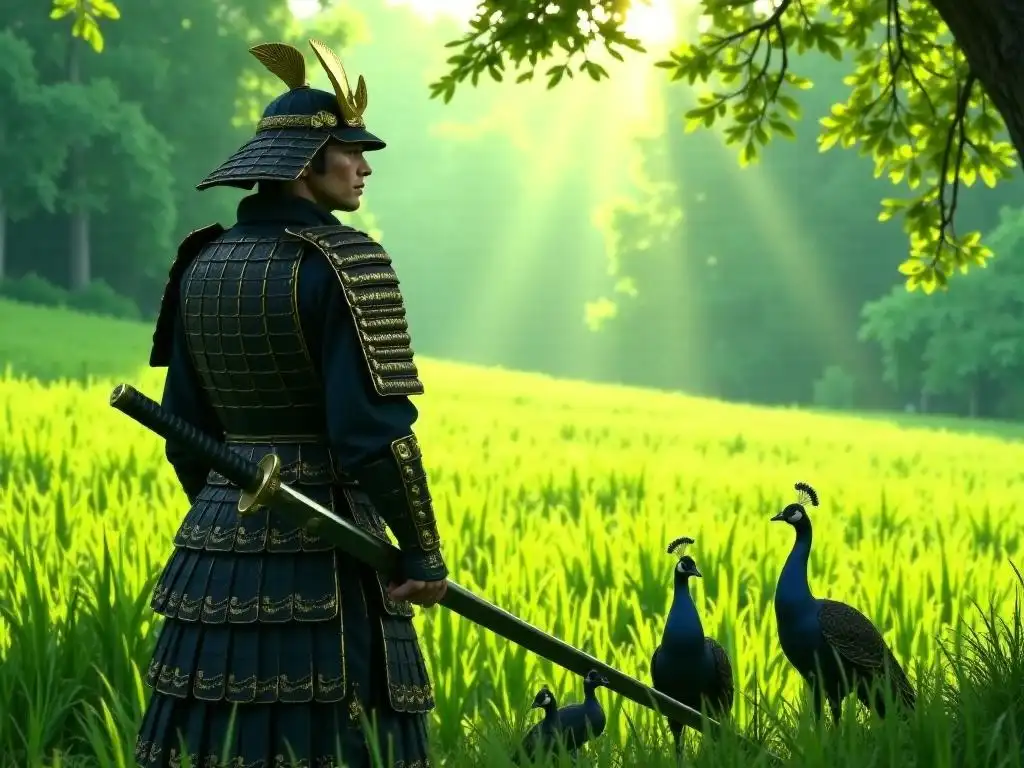
The feudal hierarchy in Japan had a profound impact on the daily lives of samurai, dictating not only their social status but also their roles, responsibilities, and interactions with others. Samurai were part of the bushi class, which stood at the top of the societal structure, but their status was not uniform; it varied based on the wealth and influence of their lord or clan. This stratification influenced their daily routines, from the way they dressed to their participation in societal rituals.
Samurai were expected to adhere to a strict code of conduct known as Bushido, which emphasized loyalty, honor, and discipline. This code governed not only their behavior in battle but also their interactions in civilian life. The pressure to maintain their status and fulfill their duties often dictated their choices, leading to a life characterized by both privilege and obligation. The samurai's position also granted them certain rights, such as the ability to carry swords and the expectation of respect from lower classes, which further reinforced their sense of identity and purpose.
Hierarchical Privileges and Restrictions
Within the feudal system, samurai enjoyed various privileges, such as land ownership, the right to bear arms, and access to education and cultural practices that were often denied to lower classes. These privileges allowed them to cultivate skills in martial arts and engage in the arts, further distinguishing them from other social groups. Additionally, samurai were often involved in governance, serving as administrators or military leaders, which provided them influence and control over their retainers and the peasantry.
However, these privileges came with significant restrictions. Samurai were bound by their loyalty to their lord, which required them to prioritize their duties above personal desires. Failure to meet these obligations could result in disgrace, loss of status, or even death. Furthermore, samurai were expected to display a level of restraint and decorum that could restrict their personal freedoms. The rigid structure of feudal hierarchy created a system where the actions of each individual were closely monitored, ensuring that social norms were upheld at all times.
The Role of Women in Samurai Households
Women in samurai households played crucial yet often understated roles, heavily influenced by the existing feudal hierarchy. While they were primarily seen as caretakers of the home and family, women also held responsibilities that extended beyond domestic duties. Their status could vary greatly depending on their husband's rank, and they were sometimes educated in literature and the arts, allowing them to contribute to cultural practices within their households.
Despite their subordinate position within the feudal hierarchy, women were not entirely powerless. Samurai wives managed household affairs, including finances and the upbringing of children, which was essential for maintaining the family's status and legacy. In some cases, women could inherit property, especially in the absence of male heirs, which provided them with a degree of agency. However, the overarching expectation was that women would support their husbands and uphold the family's honor, reinforcing traditional gender roles within the hierarchical structure.
Arts and Aesthetics in Samurai Life
Cultural practices among samurai were significantly influenced by the feudal hierarchy, particularly in the realms of arts and aesthetics. The samurai class had a profound appreciation for various art forms, including poetry, calligraphy, and tea ceremonies, which were often seen as reflections of their status and refinement. The patronage of the arts was a means for samurai to display their wealth and cultural sophistication, creating an environment where artistic expression flourished.
The practice of Ikebana (flower arranging), sumi-e (ink painting), and the tea ceremony were not just hobbies but were imbued with philosophical significance, reflecting the samurai's connection to nature and their pursuit of inner peace. These cultural expressions were often reserved for the elite, emphasizing the role of feudal hierarchy in determining access to and participation in artistic endeavors. The aesthetics of samurai life, from their clothing to their household décor, were also deeply influenced by their social standing, exemplifying the interplay between status and cultural expression.
Festivals and Celebrations Reflecting Social Hierarchy
Festivals and celebrations in feudal Japan were critical events that highlighted the complexities of social hierarchy among samurai. Many of these occasions were tied to the agricultural calendar, honoring deities and ensuring bountiful harvests. However, they also served as platforms for demonstrating social status and reinforcing the feudal system.
Samurai often participated in grand festivals, which included elaborate processions, martial displays, and cultural performances. These events provided opportunities for samurai to showcase their wealth and power, often engaging in competitions that reflected their martial prowess and artistic skills. Celebrations such as Shichi-Go-San (celebrating the growth of children) and Matsuri (seasonal festivals) were steeped in tradition, with samurai families playing prominent roles, thereby reinforcing their status within the community.
The participation of samurai in these festivities further solidified the social order, as their presence was a reminder of their role as protectors and leaders within society. The hierarchical nature of these events ensured that the distinctions between social classes were maintained, with samurai at the forefront, guiding the cultural and social narratives of their time.
Conclusion: The Lasting Impact of Feudal Hierarchy on Samurai Daily Life
The feudal hierarchy in Japan profoundly shaped the daily lives of the samurai, influencing their roles, responsibilities, and social interactions. At the apex of this hierarchy was the shogun, whose authority cascaded down to the daimyos and their samurai retainers. This structure dictated everything from military service obligations to the rituals of daily life, embedding a sense of duty and loyalty deeply within the samurai identity. The intricate relationships within this hierarchy fostered a culture steeped in honor, discipline, and a strict code of conduct, which shaped the samurai's lifestyle and worldview.
The impact of this hierarchy extended beyond mere social structure; it created a distinct identity for the samurai that was inextricably linked to concepts of loyalty and honor. These values were not only crucial for maintaining the social order but also served to unify the samurai class under a common ethos. The expectations placed on samurai by their position within the feudal system influenced their education, martial training, and even their leisure activities, all of which were regarded as essential to their duty as warriors and vassals.
Reflection on Samurai Identity in the Context of Feudalism
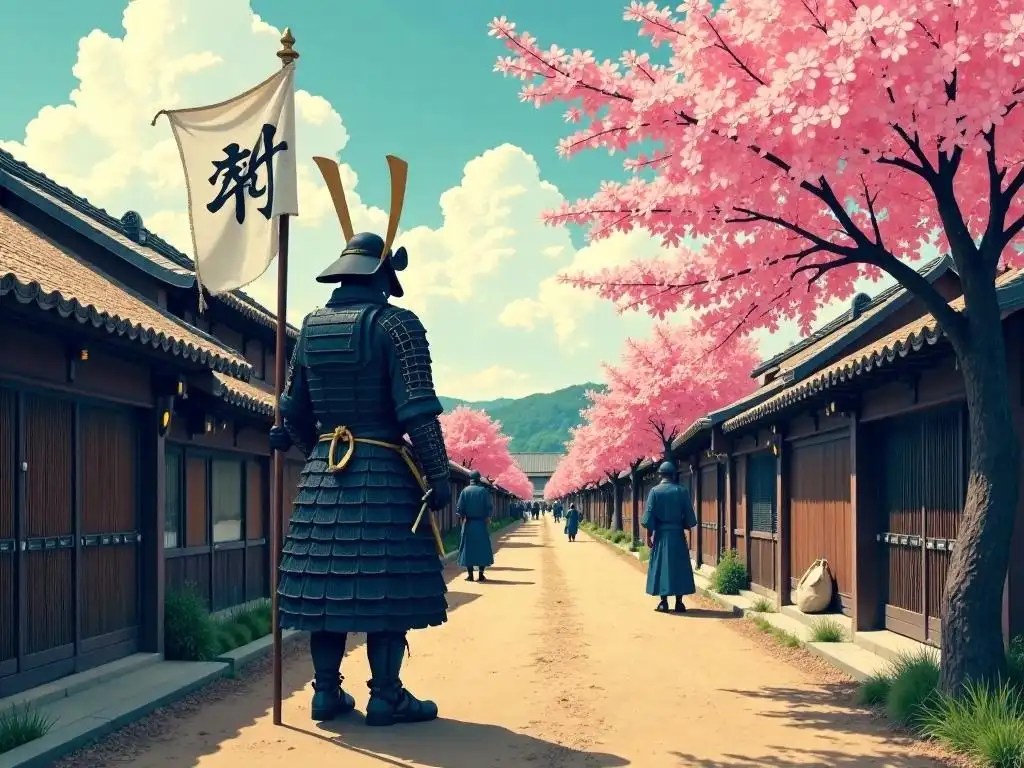
The samurai were more than just warriors; they were the embodiment of a complex social identity shaped by the feudal system. This identity was characterized by a blend of martial prowess, cultural sophistication, and a deep commitment to their lords. The bushido code, which emerged during this period, encapsulated the ideals of bravery, honor, and loyalty that defined the samurai ethos. As vassals, samurai were expected to serve their daimyos with unwavering fidelity, often at the cost of their own lives.
This feudal loyalty created a unique bond between samurai and their lords, reinforcing a hierarchical relationship that was both personal and political. The samurai's daily life was a constant negotiation of this identity, balancing personal honor with the expectations of service and duty. Rituals such as tea ceremonies, poetry, and the practice of Zen Buddhism played significant roles in shaping their identity, providing avenues for self-expression and reflection within the rigid confines of feudal obligation.
Legacy of Samurai Daily Life in Modern Japan
The legacy of samurai daily life continues to resonate in modern Japan, influencing contemporary culture, values, and social structures. Elements of bushido are still evident in various aspects of Japanese society, including business practices and interpersonal relationships. The emphasis on loyalty, discipline, and respect for authority, hallmarks of samurai culture, are reflected in the modern workplace and educational systems.
Additionally, the romanticized image of the samurai has permeated popular culture, manifesting in literature, film, and art. This cultural legacy serves as a reminder of the samurai's historical significance and their role in shaping Japan's national identity. As modern Japan grapples with its past, the samurai's values and traditions continue to provoke interest and admiration, highlighting the enduring impact of their daily lives within the feudal hierarchy.
Further Reading and Resources
Recommended Books and Articles on Samurai Culture and Feudal Japan
-
"Bushido: The Soul of Japan" by Inazo Nitobe
A classic text that explores the moral code of the samurai and its implications for Japanese culture.
-
"Samurai Warrior: The Book of the Samurai" by Stephen Turnbull
An engaging overview of the samurai's role in Japanese history, detailing their daily life, battles, and cultural contributions.
-
"The Samurai: A Military History" by John M. Collins
This book provides a comprehensive examination of the samurai's military strategies and their impact on Japanese warfare.
-
"Hagakure: The Book of the Samurai" by Yamamoto Tsunetomo
A collection of thoughts on the samurai way of life, providing insight into the philosophy and practices that governed their daily existence.
Online Archives and Museums for Exploring Samurai History
-
The Samurai and the Shogun: The History of the Samurai from the Battlegrounds to the Office (Online Exhibition)
This exhibition provides a detailed look at the samurai's evolution and their role in the feudal hierarchy.
-
The Tokyo National Museum
Hosts a vast collection of samurai artifacts, including armor, weapons, and everyday items that reflect the daily life of samurai.
-
The National Museum of Japanese History
Offers extensive resources on the samurai era, including documents, photographs, and interactive exhibits that delve into the social structure of feudal Japan.
-
The Japanese Sword Museum
Dedicated to the art and history of the samurai sword, this museum provides insight into the craftsmanship and significance of katana in samurai culture.
- Introduction to Samurai Daily Life in the Feudal Era
- The Feudal Hierarchy: An Overview
- Daily Life of Samurai: Structure and Routine
- The Impact of Feudal Hierarchy on Samurai Responsibilities
- Social Status and Its Influence on Samurai Daily Life
- The Role of Women in Samurai Households
- Conclusion: The Lasting Impact of Feudal Hierarchy on Samurai Daily Life
- Reflection on Samurai Identity in the Context of Feudalism
- Legacy of Samurai Daily Life in Modern Japan
- Further Reading and Resources
Frequently Asked Questions
What was the feudal hierarchy in Japan?
The feudal hierarchy in Japan was a social structure where land ownership and power were concentrated in the hands of a few, primarily the shogun, daimyos, and samurai.
How did the feudal hierarchy affect samurai daily life?
The feudal hierarchy dictated the samurai's roles, responsibilities, and social standing, influencing their daily activities, duties in warfare, and loyalty to their lords.
What were the primary responsibilities of the samurai?
Samurai were primarily responsible for military service, maintaining peace in their domains, and upholding the code of bushido, which emphasized loyalty and honor.
While samurai were part of a rigid social class, some could achieve limited social mobility through exceptional service or by gaining the favor of higher-ranking lords, although this was rare.
How did the samurai's lifestyle reflect their status in the feudal hierarchy?
The lifestyle of samurai included luxurious living conditions, access to education, and the practice of arts, reflecting their higher status within the feudal hierarchy compared to commoners.
Final Reflection: The Enduring Legacy of Feudal Hierarchy on Samurai Daily Life
The intricate relationship between feudal hierarchy and samurai daily life continues to resonate in contemporary society. As we explore the rigid structures that defined the samurai's existence, we uncover not only the historical significance but also the echoes of these dynamics in modern social stratifications. The samurai's unwavering loyalty to their lords and the strict adherence to duty exemplify a commitment that transcends time, reminding us of the values that still shape our lives today.
Culture and social dynamics are inextricably linked to the legacy of the samurai, whose daily routines were dictated by the feudal system. The samurai's role as both warrior and servant illustrates a complex interplay of honor, duty, and hierarchy that continues to influence our understanding of leadership and loyalty. The samurai's life was not just about the sword; it was about the code of conduct that governed their every action.
This sentiment encapsulates the essence of how feudal hierarchy molded the samurai's identity and, by extension, the cultural fabric of Japan.
As we reflect on the lessons drawn from the samurai's existence within a feudal framework, I invite you to consider how these historical insights might inform your own life. What values do you hold dear, and how do they shape your daily interactions? Embrace the opportunity to cultivate a sense of duty and loyalty in your own relationships, recognizing that the principles of honor and commitment can lead to a more meaningful existence. Let the legacy of the samurai inspire you to navigate your own hierarchy with integrity and purpose.
Embrace the Legacy: Live Like a Samurai!
Thank you for delving into the fascinating world of feudal Japan and understanding the intricacies of the samurai's daily life. You've gained valuable insights into how the feudal hierarchy shaped their experiences and values. Now, it's time to take that knowledge and transform your connection with this rich history!
Here are a few impactful actions you can take right now:
- Immerse Yourself in Samurai Culture: Visit a local museum or historical exhibit that showcases artifacts from the samurai era. Engaging with these treasures will deepen your appreciation for their legacy!
- Join a Community Group: Connect with others who share your passion for samurai history. Look for local clubs or online forums where you can discuss, learn, and share your insights.
- Recreate a Samurai Practice: Engage in traditional activities, such as practicing martial arts or learning an ancient craft associated with the samurai. This hands-on approach will connect you even more with their way of life.
As you explore these paths, reflect on this: How has understanding samurai values and their daily lives inspired you to approach your own life differently?