
The Influence of Samurai on Japanese Etiquette and Social Norms

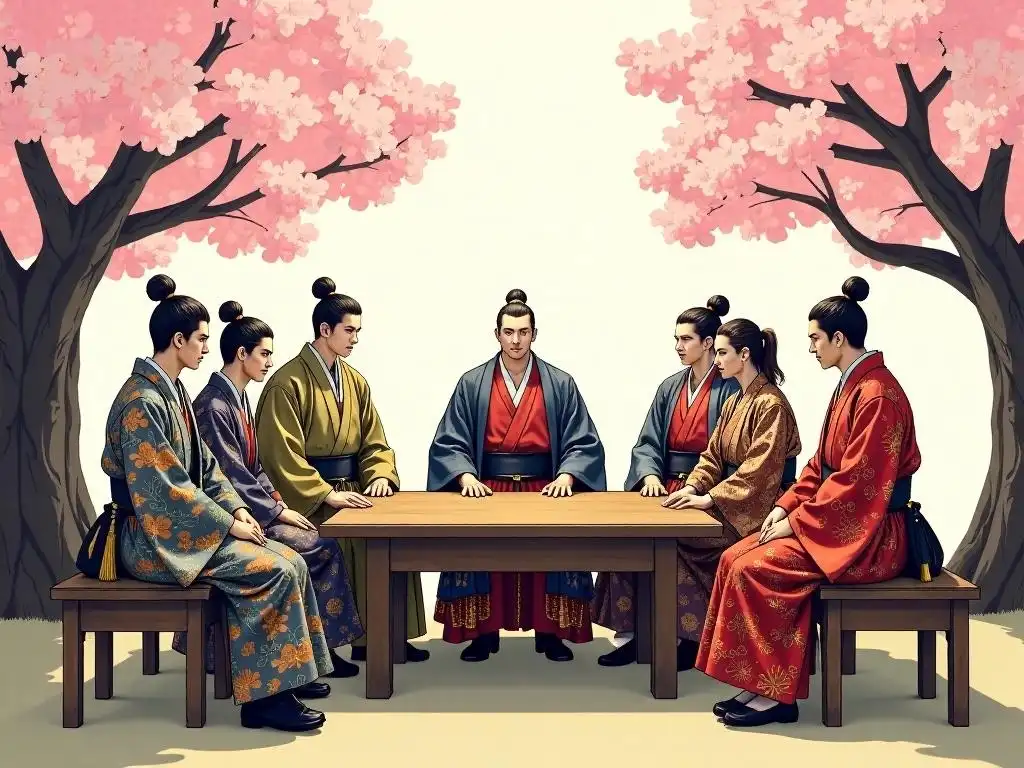
Welcome to Feudal Japan History, where we embark on a captivating journey through the intricate tapestry of Japan's feudal era. Here, we delve into the profound impact of the samurai influence on Japanese etiquette and social norms, revealing how these formidable warriors shaped the very essence of cultural practices that endure to this day. With expert-driven insights and in-depth articles, we invite you to explore the nuances of this fascinating period, unlocking secrets that will enrich your understanding of Japan's rich heritage.
Are you ready to uncover the legacy of the samurai and its enduring resonance in modern society? Let's begin!
The samurai, often romanticized as noble warriors, played a crucial role in shaping the cultural and social landscape of feudal Japan. Their influence extends far beyond the battlefield, permeating various aspects of daily life, including etiquette and social norms. Throughout Japan's feudal era, the samurai adhered to a strict code of conduct known as bushido, which emphasized virtues such as loyalty, honor, and discipline.
This code not only defined their personal behavior but also set a standard for the broader society, influencing how individuals interacted with one another. In this article, we will explore the profound impact of samurai on Japanese etiquette and social norms, examining the intricate relationship between these warriors and the cultural practices that emerged during this pivotal period in Japanese history.
Introduction to Samurai and Their Role in Society
The samurai were more than mere warriors; they were members of a warrior class that emerged in Japan during the late Heian period (794-1185) and remained influential until the Meiji Restoration in the late 19th century. As Japan transitioned through various power dynamics, the samurai evolved into a distinct social class with unique privileges and responsibilities. Their role encompassed military service, governance, and cultural patronage, making them integral to the structure of feudal society.
Overview of Samurai in Feudal Japan
- Origins: The samurai originated as provincial warriors during the Heian period, gradually gaining political influence and power.
- Social Hierarchy: They occupied a high status within Japan's feudal system, serving as vassals to daimyos (feudal lords) and eventually to the shogunate.
- Cultural Contributions: Samurai were patrons of the arts, influencing literature, poetry, and aesthetics, which in turn shaped societal values and behaviors.
The Historical Context of Samurai Influence
The samurai's influence on Japanese etiquette can be traced back to various historical events and shifts in societal structure:
- The Kamakura Period (1185-1333): Marked the rise of the samurai as a ruling class, their values began to permeate the social fabric.
- The Sengoku Period (1467-1603): A time of constant warfare that reinforced the samurai code and its emphasis on honor and loyalty.
- The Edo Period (1603-1868): With the establishment of peace, samurai adapted to new roles, further embedding their values into everyday life.
Understanding Japanese Etiquette
Japanese etiquette is a complex framework of social behaviors and norms that dictate how individuals should interact within society. Rooted in historical traditions and influenced by various social classes, including the samurai, these customs have evolved but retain core values that reflect respect, harmony, and hierarchy.
Definition of Japanese Etiquette
Japanese etiquette encompasses a variety of practices, including:
- Politeness: An essential aspect, emphasizing respectful language and behavior in interactions.
- Bowing: A physical manifestation of respect and acknowledgment, varying in depth and duration according to social standing.
- Gift-Giving: An important social custom, reflecting thoughtfulness and fostering relationships.
Key Elements of Japanese Social Norms
The samurai greatly influenced several key elements of Japanese social norms, such as:
- Hierarchy: The importance of social ranks, where individuals are expected to behave according to their status.
- Group Harmony (Wa): Prioritizing the collective over the individual, a principle deeply rooted in samurai culture.
- Rituals and Formalities: The practice of adhering to structured rituals, which reflects both social etiquette and the samurai's own disciplined lifestyle.
In the following sections, we will dive deeper into the specific ways in which samurai shaped these aspects of Japanese etiquette, providing a comprehensive understanding of their enduring legacy in modern Japan.
The Samurai Code of Conduct: Bushido
Bushido, often translated as "the way of the warrior," is the ethical code that guided the samurai, the military nobility of feudal Japan. This code encompasses a set of values that dictated not only martial behavior but also personal conduct, shaping the very essence of Japanese culture and society. Bushido emphasizes virtues such as loyalty, honor, courage, and self-discipline, fundamentally influencing the social fabric of Japan. Its impact extended beyond the battlefield into various aspects of daily life, establishing a framework for interpersonal relationships and societal expectations.
The principles of Bushido were not merely philosophical ideals; they were practical guidelines that samurai adhered to in their everyday lives. This adherence fostered a sense of responsibility and duty, which permeated through various social classes, influencing the behavior of commoners, merchants, and officials alike. The legacy of Bushido continues to resonate in modern Japanese culture, reflecting the enduring importance of these values in contemporary society.
Principles of Bushido and Their Significance
The core principles of Bushido include:
- Loyalty (Chūgi): Samurai were expected to be fiercely loyal to their lord, prioritizing their service above personal interests. This loyalty established a hierarchical system where relationships were based on mutual respect and duty.
- Courage (Yū): Courage was not just the absence of fear; it involved facing adversity with bravery and integrity. This principle encouraged samurai to confront challenges with resolve, fostering a culture of resilience.
- Honor (Meiyo): Honor was paramount in samurai culture. Maintaining one's honor was essential, as it reflected on both the individual and their family. The concept of "face" or reputation played a critical role in social interactions.
- Compassion (Jin): Despite their martial nature, samurai were also expected to show compassion towards those weaker than themselves. This principle fostered a sense of duty to protect and care for others.
- Self-Discipline (Shisei): Samurai practiced self-control, which was essential for honing their skills and maintaining focus. This discipline extended to all aspects of life, including personal conduct and social interactions.
These principles collectively contributed to a structured society where respect, honor, and duty formed the basis of social order. The influence of Bushido was profound, shaping not only the behavior of samurai but also setting standards for conduct in wider society.
How Bushido Shaped Social Interactions
Bushido significantly shaped social interactions within feudal Japan, establishing a framework for behavior that extended beyond the samurai class. The principles of loyalty and honor created a culture of mutual respect, with individuals expected to uphold their commitments and treat others with dignity. This led to a hierarchical society where roles were clearly defined, and relationships were governed by a sense of duty and obligation.
In social gatherings, the behaviors exhibited by samurai influenced the etiquette practiced by other classes. For instance, the formal greetings, respectful language, and ritualistic behaviors observed in samurai interactions trickled down to commoners, creating a standardized culture of politeness. The expectation of humility and respect for elders and superiors became rooted in Japanese etiquette, a reflection of samurai ideals.
Moreover, the concept of seppuku (ritual suicide) exemplified the extreme measures samurai would take to preserve their honor. This practice reinforced the importance of reputation and social standing, influencing how individuals interacted with one another and the lengths they would go to maintain their honor.
Samurai Influence on Japanese Etiquette
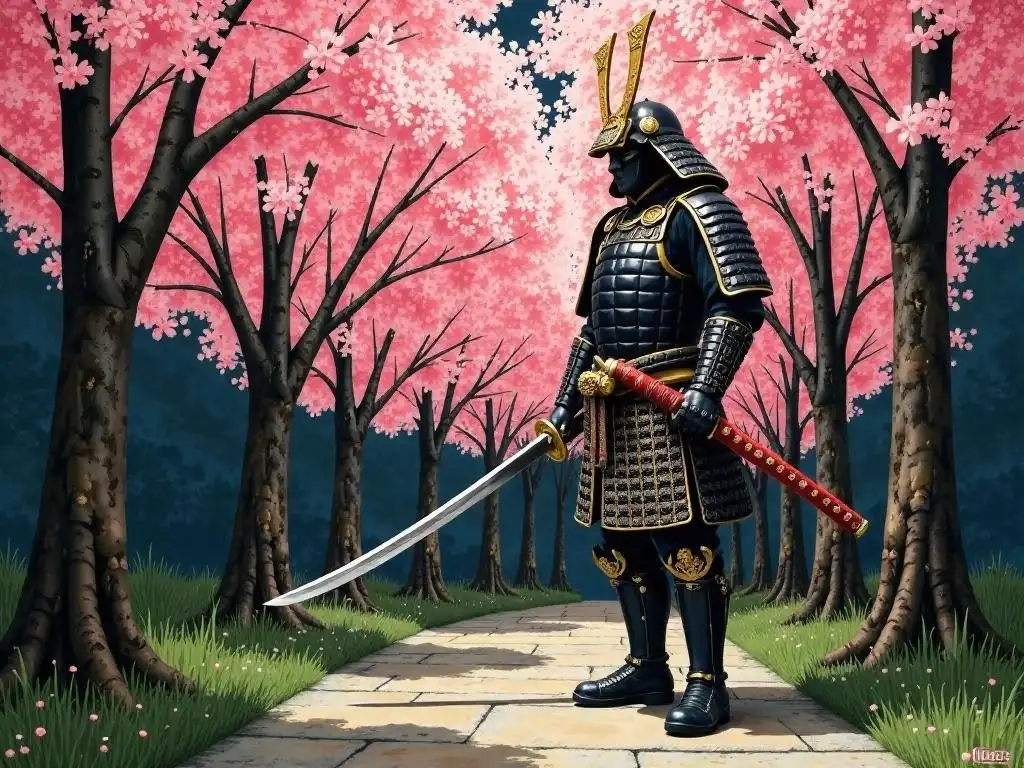
The samurai's influence on Japanese etiquette is profound and far-reaching, affecting various aspects of daily life and social norms. The behaviors and rituals established by the samurai have permeated Japanese culture, leading to a set of formal practices that emphasize respect, humility, and social harmony. These etiquette norms became integral to Japanese identity, setting standards for generations to come.
Etiquette influenced by samurai ideals can be observed in various contexts, from formal ceremonies to everyday interactions. The legacy of samurai culture continues to shape how Japanese people conduct themselves in both personal and professional settings.
Key Aspects of Etiquette Influenced by Samurai
Several key aspects of Japanese etiquette have been directly influenced by the samurai ethos:
- Respectful Greetings: The practice of bowing as a form of greeting reflects the samurai's emphasis on respect and hierarchy. The depth and duration of the bow convey the level of respect owed to the other person.
- Formal Language: The use of keigo (honorific language) in conversations mirrors the samurai's consideration for social status and hierarchy. This linguistic formality reinforces respect in communication.
- Rituals and Ceremonies: Many traditional ceremonies, such as the tea ceremony, emphasize precision, respect, and mindfulness, principles deeply rooted in samurai culture. These rituals promote a sense of tranquility and order.
- Conflict Resolution: The samurai's approach to conflict, emphasizing honor and resolution through dialogue, has influenced modern Japanese conflict resolution practices, promoting harmony over confrontation.
- Gift-Giving Practices: The etiquette surrounding gift-giving reflects the samurai's values of loyalty and respect, wherein gifts are often viewed as symbols of goodwill and obligation.
Through these aspects, the samurai have left an indelible mark on Japanese etiquette, shaping the way individuals interact and connect within their communities. The influence of samurai culture on social norms underscores the enduring legacy of these warriors in shaping the identity of Japan.
The samurai were not only warriors but also pivotal figures in shaping the social norms and traditions of feudal Japan. Their code of conduct, known as Bushido, emphasized virtues such as loyalty, honor, and respect, which permeated various aspects of daily life. This code instilled a sense of discipline and responsibility, influencing how individuals interacted within their families, communities, and social structures. For instance, the practice of bowing, a gesture of respect, can be traced back to samurai traditions, where it was essential to demonstrate humility and acknowledgment of others' status.
Moreover, samurai traditions often dictated various social interactions. For example, formal greetings, the exchange of gifts, and even the manner of dining were all influenced by samurai customs. The emphasis on etiquette fostered a culture where social harmony was prioritized, leading to the development of complex social protocols that governed interactions across different classes. The samurai's role in this cultural milieu was instrumental, as their behaviors set standards that others aspired to emulate.
The Role of Samurai in Shaping Social Hierarchy
Samurai played a crucial role in establishing and maintaining the social hierarchy in feudal Japan. This hierarchy was characterized by a rigid class system, where samurai occupied the upper echelons, followed by farmers, artisans, and merchants. The samurai's position was not merely due to their martial prowess but also their cultural and ethical responsibilities. They were expected to be models of virtue and discipline, reinforcing their status as leaders within society.
The samurai's influence on social hierarchy extended to legal and political realms as well. They were often involved in governance, serving as local lords (daimyos) or advisors to shoguns. Their decisions impacted the social order, as they enforced laws and customs that upheld the samurai class's privileges while restricting the rights of lower classes. This dynamic created a societal structure that valued loyalty and service to one's lord, further intertwining samurai values with the overarching social norms of the time.
Samurai Influence on Daily Life Practices
The samurai's influence permeated daily life practices, instilling a sense of order and decorum that characterized Japanese society. The practice of seppuku, or ritual suicide, exemplified the samurai's commitment to honor and integrity. This extreme measure was seen as a way to restore one's honor and was respected across social classes, highlighting how samurai values influenced societal expectations.
Additionally, the samurai's emphasis on discipline extended to various aspects of daily life, such as education, martial arts, and the arts. The pursuit of knowledge and skill was not only a means of self-improvement but also a way to uphold one's honor and contribute to society. The traditional arts, including tea ceremony (chanoyu), calligraphy, and flower arranging (ikebana), were often practiced by samurai as a reflection of their cultural refinement, further embedding these practices into the fabric of Japanese life.
Rituals and Ceremonies: The Samurai Impact
Rituals and ceremonies were integral to samurai culture, serving as expressions of their values and beliefs. These events often embodied the principles of Bushido, reinforcing social norms and community ties. The rituals surrounding life events such as births, marriages, and funerals were heavily influenced by samurai traditions, establishing expectations for conduct and decorum during these significant moments.
The samurai's participation in these ceremonies underscored their roles as both warriors and custodians of culture, ensuring that their values were transmitted through generations. This influence is evident in the ceremonial practices that not only honored the deceased but also celebrated the bonds of loyalty and respect among the living.
Traditional Samurai Ceremonies and Their Etiquette
Traditional samurai ceremonies were characterized by meticulous attention to etiquette and formality. Events like the tea ceremony exemplified this, where every movement was choreographed to reflect harmony and respect. Participants adhered to strict protocols, showcasing their understanding of samurai values through their behavior.
Moreover, ceremonies such as weddings and funerals often incorporated specific rituals that highlighted the importance of loyalty, honor, and the samurai’s connection to their ancestors. For instance, during a samurai funeral, rituals such as the offering of food and drink to the deceased were performed to ensure a safe passage to the afterlife, emphasizing the cultural belief in the continuation of relationships beyond death.
Influence on Contemporary Japanese Ceremonies
The samurai's legacy continues to influence contemporary Japanese ceremonies, where traditional values are still cherished. Modern weddings often retain elements of samurai customs, such as the wearing of kimono and the performance of specific rituals that honor the couple's families. The significance of respect and formality remains ingrained in these events, reflecting the enduring impact of samurai culture.
Furthermore, public ceremonies, such as New Year celebrations and festivals, still evoke samurai influences through the display of martial arts and traditional performances. These events serve not only as entertainment but also as reminders of Japan's rich historical heritage, where samurai ideals of honor and discipline continue to resonate within modern society. The samurai's influence on Japanese etiquette and social norms is a testament to their lasting legacy, shaping how individuals interact and celebrate in contemporary Japan.
The Legacy of Samurai Influence on Modern Japanese Etiquette
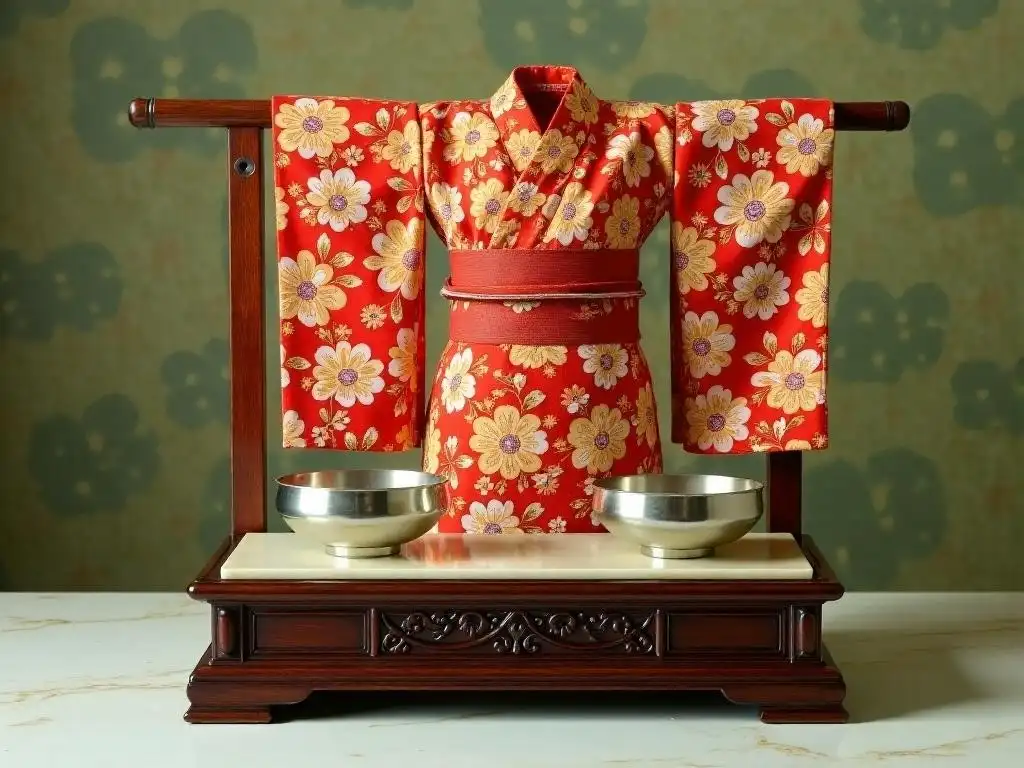
The samurai, as elite warriors of feudal Japan, have left a profound mark on the country's cultural fabric, particularly in the realm of etiquette and social norms. Their principles and values, rooted in bushido—the way of the warrior—have transcended time, influencing not only social interactions but also the broader societal framework within Japan. Aspects such as respect, honor, duty, and loyalty, which were central to the samurai ethos, continue to resonate in contemporary Japanese society.
The samurai's influence is evident in various Japanese customs and practices that emphasize politeness and respect for hierarchy. For instance, the importance placed on bowing as a form of greeting and showing respect can be traced back to the samurai's strict codes of conduct. Furthermore, the samurai's commitment to community and family honor has permeated modern etiquette, reflecting in the way personal relationships are navigated in both formal and informal settings.
Continuities in Social Norms from Feudal to Modern Japan
The social norms established during the samurai era have proven remarkably resilient, maintaining continuity throughout Japan's transition into modernity. Key elements include:
- Respect for Authority: Hierarchical structures that were prevalent during the samurai period persist in various aspects of contemporary Japanese society, including business and social interactions. Deference to elders and those in positions of authority remains a hallmark of Japanese politeness.
- Group Harmony: The samurai's emphasis on collective loyalty and group dynamics is mirrored in the modern Japanese ideology of wa (和), which values social harmony and group consensus over individual opinions. This principle is evident in workplace culture and community interactions.
- Rituals and Ceremonies: Many traditional ceremonies and rituals, such as tea ceremonies, retain their significance from samurai times, emphasizing discipline, respect, and the aesthetics of simplicity. These practices not only reflect the samurai's influence but also serve as a medium to impart cultural values to future generations.
Current Practices Rooted in Samurai Tradition
In contemporary Japan, various practices can be traced directly back to samurai traditions:
- Bowing: A fundamental aspect of etiquette, bowing reflects respect and is deeply ingrained in Japanese culture. The depth and duration of the bow can signify different levels of respect, echoing the samurai's formalized gestures of greeting.
- Gift-Giving: The tradition of presenting gifts in specific social contexts is rooted in samurai practices of honoring relationships and establishing bonds. This custom is still prevalent, especially during seasonal celebrations and significant life events.
- Martial Arts: Many modern Japanese martial arts, such as kendo, aikido, and judo, are heavily influenced by samurai techniques and philosophy. They embody the principles of discipline, respect, and mental fortitude that were central to the samurai way of life.
Conclusion: The Enduring Influence of Samurai on Japanese Culture
The impact of samurai on Japanese culture, particularly in terms of etiquette and social norms, is both profound and enduring. While Japan has undergone significant transformations over the centuries, the foundational values instilled by the samurai continue to shape interactions and societal structures today.
Summary of Key Points
- The samurai's bushido code has established core values that are still present in modern Japanese etiquette.
- Continuities in social norms from the feudal era to today highlight the resilience of samurai influence.
- Current Japanese practices, such as bowing and gift-giving, directly reflect samurai traditions.
Reflection on the Importance of Samurai in Shaping Japanese Etiquette and Social Norms
Understanding the role of samurai in shaping Japanese etiquette and social norms provides crucial insights into the complexities of modern Japanese culture. The samurai legacy underscores the importance of respect, loyalty, and harmony, which are essential to navigating social landscapes in Japan. As Japan continues to evolve, the enduring influence of the samurai serves as a reminder of the deep historical roots that inform contemporary practices and values, ensuring that the essence of bushido remains alive in the fabric of Japanese society.
Additional Resources
To deepen your understanding of the samurai's influence on Japanese etiquette and social norms, several resources are available, including books, articles, and online platforms. These materials provide insights not only into the historical context of the samurai but also into how their practices and values permeated various aspects of Japanese culture and daily life.
Recommended Reading on Samurai and Japanese Etiquette
-
"Hagakure: The Book of the Samurai" by Yamamoto Tsunetomo
This classic text offers a glimpse into the philosophy and ethics of the samurai, emphasizing loyalty, honor, and the importance of etiquette in daily interactions.
-
"The Samurai: A Military History" by Stephen Turnbull
Turnbull's work provides an extensive overview of samurai history, including their societal roles and the codes of conduct that shaped Japanese etiquette.
-
"Samurai and the Culture of Japan's Feudal Empire" by William Wayne Farris
Farris explores the broader cultural implications of samurai practices, including how they influenced social norms and etiquette across different classes.
-
"The Book of Tea" by Okakura Kakuzō
Although focused on the tea ceremony, this book highlights the aesthetic principles and etiquette that were influenced by the samurai's values, illustrating how these practices shaped Japanese culture.
-
"Bushido: The Soul of Japan" by Inazo Nitobe
This seminal work examines the moral and ethical code of the samurai, detailing how it has impacted Japanese society and its etiquette.
Notable Research on Samurai Influence in Social History
-
"The Warrior’s Code: Japanese Samurai and the Modern World" by Michael E. O’Neal
This research discusses the enduring legacy of samurai values in contemporary Japanese society and how these principles continue to shape modern etiquette and behavior.
-
"Samurai, Warfare, and the Influence of Bushido" by Andrew J. Watanabe
Watanabe’s study delves into the historical significance of the samurai code (Bushido) and its implications for social conduct and norms in feudal Japan.
-
"Etiquette and the Samurai: A Historical Perspective" by Hiroshi Nakagami
This paper analyzes the evolution of etiquette in Japan, tracing its roots back to samurai influence and the cultural practices they established.
-
"The Role of Samurai in Shaping Japanese Social Structures" by Kenji Yamamoto
Yamamoto's research focuses on how the samurai class influenced not only etiquette but also the hierarchical structures within society, affecting interactions between different social classes.
These resources can provide a solid foundation for anyone interested in understanding the profound impact of samurai on Japanese etiquette and social norms, revealing the intricate connections between this warrior class and the cultural fabric of Japan.
- Introduction to Samurai and Their Role in Society
- Understanding Japanese Etiquette
- The Samurai Code of Conduct: Bushido
- Samurai Influence on Japanese Etiquette
- Social Norms and Samurai Traditions
- Rituals and Ceremonies: The Samurai Impact
- The Legacy of Samurai Influence on Modern Japanese Etiquette
- Conclusion: The Enduring Influence of Samurai on Japanese Culture
- Additional Resources
- What was the role of samurai in shaping Japanese etiquette?
- How did samurai values impact modern Japanese society?
- What are some specific examples of samurai influence on etiquette?
- Did samurai influence only the elite classes in Japan?
- How can understanding samurai influence enhance cultural appreciation?
Frequently Asked Questions
What was the role of samurai in shaping Japanese etiquette?
The samurai played a crucial role in establishing social norms and courtesies that emphasized respect, honor, and loyalty, deeply influencing Japanese etiquette.
How did samurai values impact modern Japanese society?
The values of the samurai, such as honor and discipline, continue to resonate in modern Japanese culture, affecting everything from business practices to interpersonal relationships.
What are some specific examples of samurai influence on etiquette?
Examples include the importance of bowing, adherence to formal greeting rituals, and the concept of wa (harmony), all of which stem from samurai traditions.
Did samurai influence only the elite classes in Japan?
While samurai primarily influenced the warrior class, their etiquette and social norms trickled down to other classes, shaping the overall Japanese societal framework.
How can understanding samurai influence enhance cultural appreciation?
Recognizing the samurai's impact on Japanese etiquette provides deeper insights into cultural practices and promotes a greater appreciation for the historical context of modern Japan.
Final Reflection: The Enduring Legacy of Samurai Influence on Japanese Etiquette
The samurai's profound impact on Japanese etiquette and social norms remains strikingly relevant today. As we navigate a world that often feels chaotic and disconnected, the principles of honor, respect, and discipline that the samurai embodied serve as a guiding light. The way we interact with one another, uphold traditions, and foster community ties can all be traced back to the samurai ethos, reminding us that these ancient values continue to shape modern society.
Cultural norms and social behaviors are often rooted in history, and the samurai's influence is no exception. Their commitment to bushido, or the way of the warrior, has permeated various aspects of Japanese life, from business practices to interpersonal relationships. This legacy is a testament to the idea that our past shapes our present and future. The true measure of a man is what he would do if he knew he would never be caught.
This quote encapsulates the essence of samurai values, encouraging us to act with integrity and honor, even when no one is watching.
As we reflect on the lessons imparted by the samurai, I invite you to consider how these principles can be integrated into your own life. Take a moment to evaluate your interactions and the values you uphold. Are you embodying the respect and honor that the samurai exemplified? By embracing these timeless ideals, we can cultivate a more harmonious and respectful society, ensuring that the samurai's influence on Japanese etiquette continues to resonate for generations to come.
Unveil the Wisdom of the Samurai in Your Everyday Life
Thank you for exploring the profound influence of the samurai on Japanese etiquette and social norms. We hope you’ve gained valuable insights into how their principles can enhance your interactions and culture.
Now it's time to put that knowledge into practice! Here are a few meaningful ways to embody the samurai spirit in your daily life:
- Embrace Respect: Practice deep respect in your conversations and actions today—uplift those around you with genuine acknowledgments.
- Cultivate Discipline: Identify a personal goal to enhance a skill or habit you’ve been neglecting; outline your plan and take that first step!
- Share the Wisdom: Discuss the insights from this article with friends or family; consider starting a casual book club that focuses on enriching cultural histories!
How will you incorporate the samurai's values of respect and discipline into your daily routines?