
Displaying Honor: The Cultural Significance of Samurai Armor Replicas

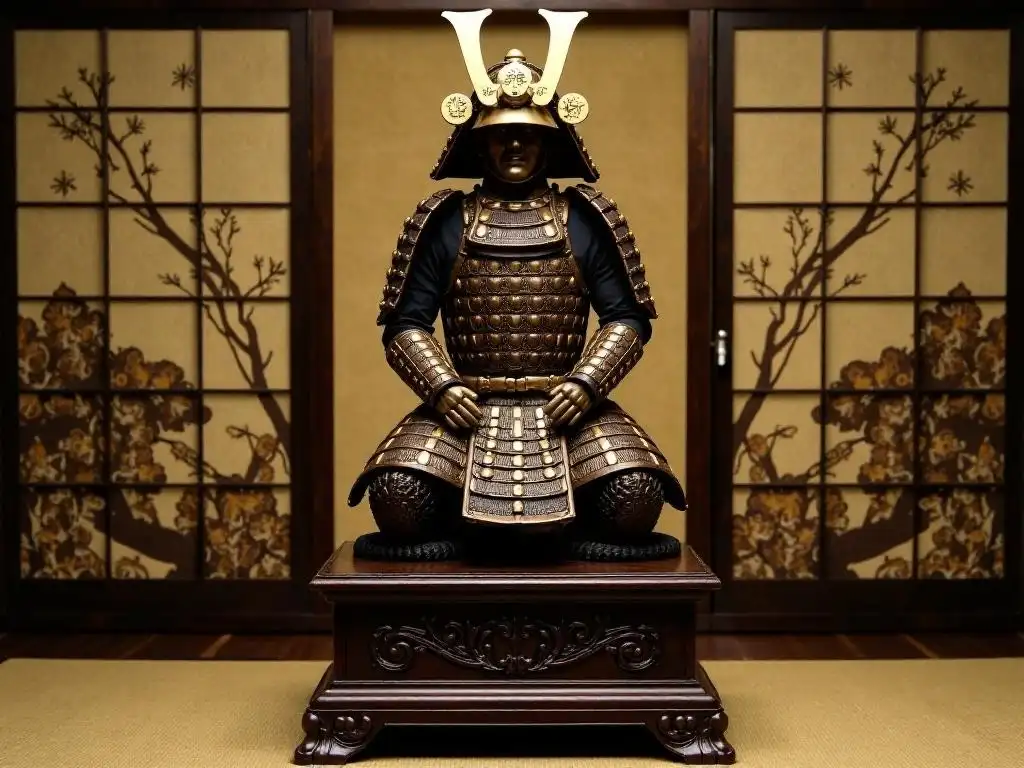
Welcome to Feudal Japan History—your gateway to a rich tapestry of Japan’s feudal era! Here, we delve deep into the historical, cultural, and societal nuances that shaped this fascinating period. In our featured article, “Displaying Honor: The Cultural Significance of Samurai Armor Replicas,” we unveil the profound meaning behind these intricate artifacts and how they echo the values of honor and bravery in samurai culture.
Prepare to embark on a journey that not only educates but also ignites your curiosity about the legacy of the samurai. Dive in and discover why these stunning replicas are more than just decorative pieces—they are a testament to a warrior's code that continues to resonate today!
Introduction to Samurai Armor Cultural Significance
The legacy of the samurai, Japan's iconic warrior class, is deeply intertwined with their armor, which not only served practical purposes in battle but also embodied a rich tapestry of cultural significance. Samurai armor, or yoroi, is not merely a collection of protective gear; it stands as a symbol of honor, status, and artistry within the framework of feudal Japan.
Today, the replicas of this armor are not just collectibles or decorative pieces; they are vital cultural artifacts that allow us to connect with and understand the storied past of Japan's samurai. This article delves into the intricate cultural significance of these armor replicas, exploring their historical context, evolution, and the symbolism they carry in Japanese culture.
Historical Context of Samurai Armor
To appreciate the cultural significance of samurai armor replicas, it's essential to understand the historical backdrop against which this remarkable protective gear was developed. The samurai emerged during the late Heian period (794-1185) as a warrior class, gaining prominence as the political landscape of Japan shifted towards feudalism. This era saw the samurai's role evolve from provincial warriors to influential figures in the governance and military strategies of Japan.
The armor itself reflects the technological advancements and aesthetic sensibilities of different periods. Initially, samurai armor was designed for functionality, emphasizing mobility and protection. However, as the samurai's status rose, so too did the artistry involved in armor making, leading to intricate designs that showcased personal and clan identities.
The Evolution of Samurai Armor
The evolution of samurai armor can be divided into several distinct phases, each corresponding to various historical developments and warfare techniques:
- Heian Period (794-1185): Early armor consisted of simple leather and metal plates, designed for mobility in battle.
- Kamakura Period (1185-1333): The introduction of the dō (chest armor) and more elaborate helmets marked a shift towards protective design.
- Muromachi Period (1336-1573): This era saw the rise of ornate designs, with armor becoming a status symbol, showcasing a samurai's wealth and clan affiliation.
- Edo Period (1603-1868): Armor became more ceremonial, reflecting the peace of the period, with intricate details and artistic embellishments.
Each phase not only represents advancements in armor technology but also mirrors the societal values and aesthetics of the time, thus contributing to the armor's cultural significance.
Symbolism of Samurai Armor in Japanese Culture
The symbolism of samurai armor transcends its physical form, encapsulating ideals such as honor, loyalty, and bravery. Here are some key aspects of its cultural symbolism:
- Honor and Status: Armor was often a reflection of a samurai's rank and achievements, with elaborate designs indicating higher status.
- Artistic Expression: The craftsmanship involved in armor-making showcases the skill and artistry of Japanese artisans, making each piece a work of art.
- Cultural Identity: Armor types could signify regional differences, clan affiliations, and historical narratives, fostering a sense of identity and pride.
- Ritual Significance: In many cases, the donning of armor was accompanied by rituals that reinforced the samurai's commitment to their code of conduct, bushido.
The cultural significance of samurai armor and its replicas extends far beyond their aesthetic appeal. They serve as vital links to Japan's feudal past and the values that shaped its society, making them important artifacts for both historical understanding and cultural appreciation.
The Craftsmanship Behind Samurai Armor Replicas
The creation of samurai armor replicas is an art form that combines historical knowledge, skilled craftsmanship, and an appreciation for the cultural significance of the original pieces. Each replica is a testament to the dedication of artisans who strive to recreate the intricate details and functional aspects of the armor from Japan's feudal era. These artisans often employ traditional materials such as leather, metal, and silk, ensuring that the replicas not only look authentic but also resonate with the historical context of the samurai warriors.
The process of crafting these replicas involves meticulous attention to detail. Artisans study historical texts, artifacts, and, when possible, original pieces to understand the nuances of armor construction. This includes the specific techniques used for lacing, the arrangement of scales, and the choice of colors that were prevalent in different periods. By adhering to these traditional methods, artisans are able to produce replicas that are not merely decorative but also reflect the heritage and honor associated with the samurai.
Traditional Techniques in Replica Creation
Traditional techniques play a crucial role in the creation of samurai armor replicas. Many artisans maintain the use of age-old methods, such as ichimonji, the technique used to create the distinctive horizontal lines on the armor, which symbolizes strength and resilience. Other techniques include:
- Kusazuri: This involves creating the skirt section of the armor, which consists of multiple overlapping plates that provide movement and protection.
- Lacing Methods: The use of intricate lacing patterns, often made from silk or cotton, is essential in both securing the armor and adding to its aesthetic appeal.
- Metalworking: Artisans often forge metal components by hand, ensuring that each piece is both functional and historically accurate.
These techniques not only enhance the visual authenticity of the armor but also imbue the replicas with the spirit and legacy of the samurai culture.
Leading Brands and Artisans in Samurai Armor Replicas
Several brands and artisans are renowned for their exceptional craftsmanship in creating samurai armor replicas. These include:
- Kagamiyama: Known for their high-quality materials and attention to historical accuracy, Kagamiyama produces a range of armor that appeals to collectors and enthusiasts alike.
- Kōbō: This artisan focuses on custom pieces, allowing clients to choose specific designs and features based on historical references.
- Hōran: With a commitment to preserving traditional techniques, Hōran offers a variety of armor replicas, each meticulously crafted to reflect the distinct styles of various samurai clans.
These brands not only uphold the traditions of samurai armor creation but also contribute to the cultural appreciation of this significant aspect of Japanese history.
Cultural Significance of Displaying Samurai Armor Replicas
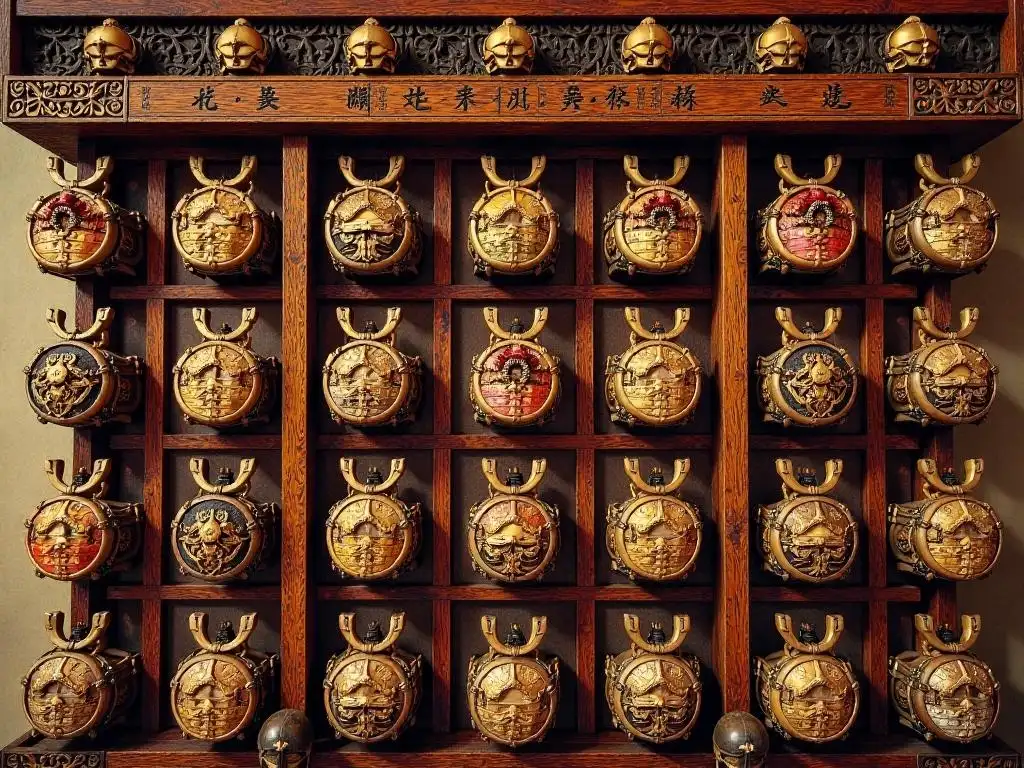
Displaying samurai armor replicas serves multiple cultural purposes. Beyond their aesthetic appeal, these replicas are valuable as symbols of the samurai's code of honor, bushido, and the rich history of feudal Japan. They act as tangible links to a past that is admired for its artistry, discipline, and deep-rooted values.
The representation of samurai armor in homes, museums, and exhibitions allows individuals and communities to engage with Japan's feudal history. These displays foster a sense of pride and cultural identity, as well as provide opportunities for reflection on the virtues that samurai embodied.
The Role of Samurai Armor in Modern Japanese Culture
In contemporary Japan, samurai armor remains a powerful cultural symbol. It is often featured in festivals, parades, and historical reenactments, where participants don replicas to honor the legacy of the samurai. This practice serves to educate the public about Japan's feudal past while reinforcing a sense of national identity.
Moreover, samurai armor is frequently used in film and television, influencing popular culture and maintaining a fascination with the samurai ethos. The visual impact of armor in storytelling helps to keep the ideals of honor, loyalty, and bravery alive in the collective consciousness of modern society.
Educational Value of Samurai Armor Displays
The educational value of displaying samurai armor replicas cannot be overstated. Museums and cultural institutions utilize these exhibits to teach visitors about the historical significance of the samurai class, their societal roles, and the evolution of armor design over centuries.
Interactive displays and guided tours often include discussions about the materials and techniques used in armor making, as well as the philosophical principles that guided samurai life. This hands-on learning experience enriches visitors' understanding of Japanese history and culture, making it accessible to a broader audience.
By showcasing these replicas, institutions contribute not only to the preservation of history but also to the appreciation of craftsmanship and the cultural narratives that shape modern Japan.
Best Practices for Displaying Samurai Armor Replicas
Displaying samurai armor replicas requires thoughtful consideration to both highlight their beauty and preserve their integrity. Here are some best practices to ensure that these cultural artifacts are presented in a way that honors their historical significance:
- Choose Appropriate Lighting: Natural light can be damaging over time, so opt for indirect lighting. Use soft LED lights that can illuminate the armor without generating heat, which can lead to deterioration.
- Select the Right Background: A neutral backdrop helps the armor stand out. Avoid busy patterns or colors that may distract from the details of the armor. Consider using a simple wooden or fabric display stand that complements the piece.
- Height and Positioning: Elevate the armor to eye level to enhance visibility. Ensure that the display is stable and secure to prevent any accidental falls or damage.
- Incorporate Informative Labels: Providing historical context through labels can enrich the viewer's experience. Include details such as the era of the armor, its purpose, and any unique features that make it significant.
Ideal Display Settings for Armor Replicas
The setting in which samurai armor replicas are displayed can greatly influence how they are perceived. Here are a few ideal display settings to consider:
- Home Galleries: Creating a dedicated space within the home for displaying armor can foster appreciation. This could be a small gallery or a corner of a room designed to showcase the armor alongside other cultural artifacts.
- Museums and Cultural Centers: Partnering with museums or cultural institutions can provide a wider audience for the armor. These venues often have the expertise and environment conducive to preserving and displaying such replicas.
- Themed Events or Exhibitions: Participating in cultural festivals or exhibitions focused on Japanese history can be an excellent way to display samurai armor replicas. These events attract individuals interested in the cultural significance of the pieces.
- Private Collectors: For those who own multiple pieces, creating a cohesive display that tells a story or illustrates a particular theme can enhance the overall impact of the collection.
Care and Maintenance of Samurai Armor Replicas
Proper care and maintenance are essential for preserving the quality and integrity of samurai armor replicas. Here are some key guidelines:
- Regular Dusting: Use a soft, dry cloth to gently dust the armor and remove any accumulated dirt or particles. Avoid abrasive materials that might scratch the surface.
- Avoid Humidity and Temperature Fluctuations: Store the armor in a climate-controlled environment. High humidity can lead to mold growth, while excessive dryness can cause materials to crack or degrade.
- Inspect for Damage: Regularly check the integrity of the armor. Look for any signs of wear, fading, or damage that may require professional restoration.
- Use Protective Covers: When not on display, consider using breathable fabric covers to protect the armor from dust and light exposure.
Conclusion: Embracing the Legacy of Samurai Armor
Samurai armor replicas serve as more than just decorative items; they are windows into Japan's rich feudal history. By understanding their cultural significance and employing best practices for display, care, and maintenance, we can honor the legacy of the samurai and their craftsmanship. As we embrace these artifacts, we not only preserve their beauty but also keep alive the stories and traditions of a remarkable era in Japanese history. Displaying these replicas thoughtfully allows us to connect with the past and appreciate the profound honor and valor embodied in samurai culture.
Call to Action: Where to Purchase Samurai Armor Replicas
When it comes to acquiring samurai armor replicas, enthusiasts have a variety of options to explore. Whether you're a collector, a historian, or someone who simply appreciates the aesthetic beauty of these artifacts, finding the right piece can enhance your understanding and appreciation of Japan's feudal history. Here are some recommended avenues to consider when looking to purchase samurai armor replicas:
-
Specialty Online Retailers
Numerous online stores specialize in cultural artifacts and samurai-related items. Look for retailers that offer detailed descriptions and high-resolution images of their products. Websites like these often provide a range of options, from affordable replicas to high-end pieces crafted with meticulous attention to detail.
-
Antique Shops and Collectors
Local antique shops may occasionally carry authentic or high-quality replicas of samurai armor. Visiting these shops not only allows you to inspect the craftsmanship up close but also gives you the opportunity to engage with knowledgeable shop owners who can share insights about the pieces.
-
Cultural Festivals and Conventions
Events dedicated to Japanese culture, such as martial arts tournaments or cultural festivals, often feature vendors selling samurai armor replicas. Attending these events can be an excellent way to find unique pieces and interact with artisans who specialize in traditional Japanese crafts.
-
Artisan Workshops
Consider reaching out to artisans who create custom samurai armor replicas. Many skilled craftsmen offer bespoke services, allowing you to commission a piece tailored to your specifications. This not only supports local artisans but also ensures that you receive a one-of-a-kind item that reflects your personal taste.
-
Auction Houses
For those looking for authentic pieces or high-quality replicas with historical significance, auction houses may have samurai armor available from time to time. Research upcoming auctions that specialize in Asian antiques or militaria to discover potential treasures.
-
Online Marketplaces
Platforms like Etsy or eBay can also provide a range of samurai armor replicas. However, it’s essential to read reviews and verify the seller’s credibility to ensure that you’re purchasing a quality item.
When purchasing samurai armor replicas, always consider the authenticity of the craftsmanship, the materials used, and the historical accuracy of the design. Investing in a well-made replica not only enhances your collection but also serves as a meaningful tribute to the cultural significance of samurai heritage. 🌸
- Introduction to Samurai Armor Cultural Significance
- Historical Context of Samurai Armor
- The Craftsmanship Behind Samurai Armor Replicas
- Cultural Significance of Displaying Samurai Armor Replicas
- Best Practices for Displaying Samurai Armor Replicas
- Ideal Display Settings for Armor Replicas
- Care and Maintenance of Samurai Armor Replicas
- Conclusion: Embracing the Legacy of Samurai Armor
- Call to Action: Where to Purchase Samurai Armor Replicas
Frequently Asked Questions
What is the cultural significance of samurai armor?
Samurai armor, known for its intricate design and craftsmanship, represents the honor, bravery, and status of the samurai class in feudal Japan.
How are samurai armor replicas made?
Samurai armor replicas are created using traditional methods that pay homage to the original techniques and materials, ensuring the quality and authenticity of the piece.
Why are samurai armor replicas popular today?
These replicas are popular as they serve as artistic expressions and educational tools, allowing people to explore the rich history and cultural heritage of Japan's samurai era.
What materials are commonly used in samurai armor replicas?
Replicas often utilize leather, metal, and silk, as these materials closely resemble the historical armor while providing durability and aesthetic appeal.
How does samurai armor reflect the values of feudal Japan?
The design and embellishments of samurai armor symbolize loyalty, discipline, and the warrior ethos, embodying the social hierarchy and cultural values of feudal Japan.
Final Reflection: The Enduring Legacy of Samurai Armor
The cultural significance of samurai armor transcends time, reminding us of the values of honor, bravery, and craftsmanship that are still relevant today. As we navigate a world often marked by conflict and division, the symbolism embedded in these intricate replicas serves as a powerful reminder of the virtues that unite us across cultures. The artistry and history encapsulated in samurai armor not only honor the past but also challenge us to reflect on our own values and the legacies we wish to leave behind.
Cultural artifacts like samurai armor replicas continue to shape our understanding of identity and heritage in contemporary society. They inspire a sense of pride and connection to our roots, encouraging us to explore the narratives that define us. As we engage with these symbols, we are reminded of the words of the philosopher Joseph Campbell: The cave you fear to enter holds the treasure you seek.
This notion resonates deeply as we confront our own fears and biases, urging us to delve into the rich tapestry of cultural significance that informs our shared human experience.
As you reflect on the themes presented in this article, consider how you can honor the legacies of the past in your own life. Embrace the lessons of honor and bravery that samurai armor represents, and let them guide your actions and decisions. Whether through personal reflection, community engagement, or cultural exploration, take the opportunity to connect with the values that resonate with you. By doing so, you contribute to a world that celebrates diversity and fosters understanding, ensuring that the cultural significance of samurai armor—and the ideals it embodies—continues to inspire future generations.
Discover the Legacy of Samurai Armor Today!
Thank you for diving into the rich world of samurai armor with us! You’ve learned about the artistry and cultural significance that these magnificent pieces hold in Japanese history. Now, it’s time to take your passion further and explore the legacy of the samurai.
Here are some actionable steps you can take to deepen your connection with this fascinating topic:
- Visit a local museum or cultural center that features samurai armor or related artifacts to experience them up close.
- Join an online forum or community dedicated to the history and culture of feudal Japan to share your thoughts and engage with fellow enthusiasts.
- Create your own replica or artwork inspired by samurai armor—it’s a unique way to celebrate this glorious history!
What aspect of samurai culture inspires you the most, and how do you plan to explore it further?