
Kintsugi: The Art of Embracing Imperfection in Japanese Ceramics

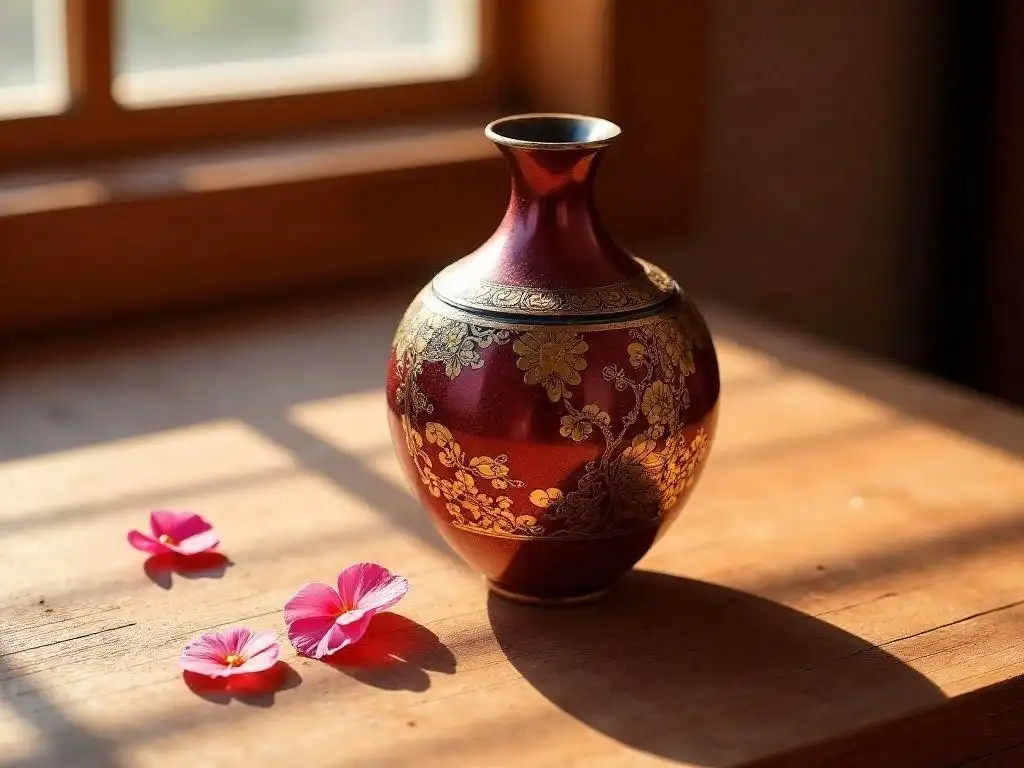
Welcome to Feudal Japan History, where we invite you to journey through the captivating tapestry of Japan's feudal era. Here, you'll uncover the rich historical, cultural, and societal nuances that shaped this fascinating period. In our spotlight article, “Kintsugi: The Art of Embracing Imperfection in Japanese Ceramics,” we delve into the enchanting world of Kintsugi, a unique craft that celebrates flaws and imperfections.
What secrets lie within the cracks of these beautiful ceramics, and how do they reflect a deeper philosophy of life? Join us as we explore this compelling art form and its profound significance, igniting your curiosity to learn more about the intricate stories woven through Japan's history.
- Introduction to Kintsugi Japanese Ceramic Art
- The Process of Kintsugi in Japanese Ceramics
- The Cultural Significance of Kintsugi
- Kintsugi in Contemporary Art and Crafts
- The Emotional and Psychological Aspects of Kintsugi
- Conclusion: The Legacy of Kintsugi in Japanese Ceramic Art
- Frequently Asked Questions
- Final Reflection: Embracing Imperfection through Kintsugi
- Embrace the Beauty of Imperfection Today!
Introduction to Kintsugi Japanese Ceramic Art
Kintsugi, the exquisite art of repairing broken ceramics with lacquer mixed with powdered gold, silver, or platinum, is a profound reflection of Japanese culture that transcends mere aesthetics. This practice not only restores the functionality of broken pottery but also celebrates the beauty of imperfection and the story behind each piece.
In a world that often prioritizes perfection and uniformity, Kintsugi offers a unique perspective that invites us to appreciate the flaws and scars of our experiences. This article will delve into the definition, historical background, and underlying philosophy of Kintsugi, illuminating its significance in the broader context of Japanese arts and crafts.
Definition of Kintsugi
Kintsugi (金継ぎ), which literally translates to "golden joinery," is a traditional Japanese method of repairing pottery. The technique involves using a special lacquer to piece together broken fragments, enhancing the cracks with precious metals, thus turning flaws into decorative features. Unlike conventional repairs that aim to hide imperfections, Kintsugi embraces them, allowing the object's history to shine through. This practice has gained recognition not only for its artistic merit but also as a metaphor for resilience and the acceptance of life's imperfections.
Historical Background of Kintsugi in Japan
The origins of Kintsugi can be traced back to the late 15th century during the Muromachi period, a time marked by significant cultural development in Japan. It is said that the art emerged after the shogun Ashikaga Yoshimasa sent a damaged Chinese tea bowl back to China for repairs. Upon receiving the bowl, he was disappointed by the unsatisfactory mending.
Consequently, Japanese craftsmen sought to create a more aesthetically pleasing and meaningful way to repair ceramics. As a result, Kintsugi was born, intertwining functional restoration with artistry. This practice not only became essential in the tea ceremony culture, which revered the beauty of imperfect objects, but also symbolized the Japanese philosophy of wabi-sabi—finding beauty in the transient and imperfect aspects of life.
The Philosophy Behind Kintsugi: Embracing Imperfection
At the heart of Kintsugi lies a profound philosophical perspective that transcends mere craft. This art form embodies the principles of wabi-sabi, which celebrates the beauty of impermanence and imperfection. Instead of discarding broken objects, Kintsugi encourages us to cherish the stories and experiences that come with wear and tear. Each repair serves as a testament to the object's journey, highlighting resilience and transformation.
The practice also resonates with the concept of mono no aware, which emphasizes an appreciation for the fleeting nature of life. In a broader sense, Kintsugi inspires individuals to embrace their own flaws and scars as integral parts of their personal narratives. By doing so, we can foster a deeper understanding of ourselves and cultivate a sense of beauty in our unique journeys, making Kintsugi not only a craft but a philosophy of living.
The Process of Kintsugi in Japanese Ceramics
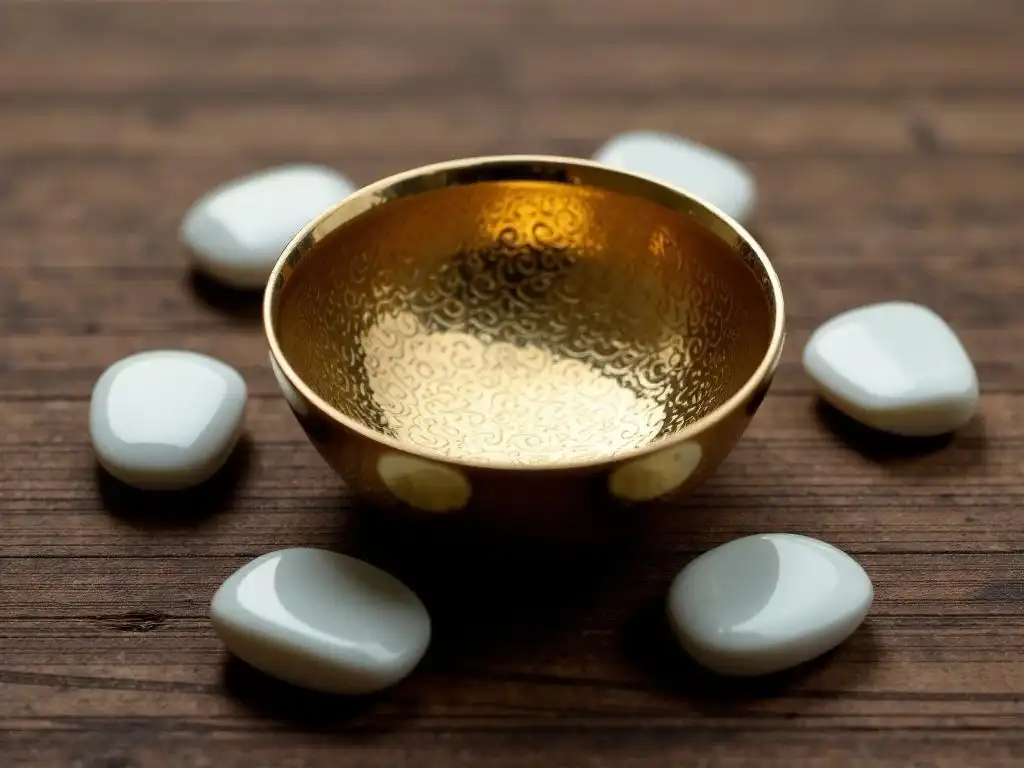
Kintsugi, often translated as "golden joinery," is a traditional Japanese art form that transforms broken pottery into beautiful pieces, highlighting their imperfections rather than hiding them. This technique is not just a method of repair but also a philosophy that embodies the Japanese aesthetic of wabi-sabi, which celebrates beauty in imperfection and transience. The process of Kintsugi involves several meticulous steps, each requiring skill and an understanding of the materials involved.
Materials Used in Kintsugi Art
To create stunning Kintsugi repairs, specific materials are essential. Here’s a breakdown of the primary components:
- Broken Ceramic Pieces: The initial canvas for Kintsugi art, these can be anything from ancient pottery to modern ceramics.
- Adhesives:
- Urushi: A traditional Japanese lacquer derived from the sap of the Urushi tree. It's favored for its durability and natural finish.
- Epoxy Resins: Common in contemporary Kintsugi, these provide strong bonds but may lack the traditional aesthetic.
- Fillers:
- Gold Powder: The most iconic filler, it gives the piece a luxurious finish.
- Silver or Platinum Powder: Alternatives that provide a different visual appeal.
- Other Colored Powders: Such as lacquer-based fillers that can match or contrast with the ceramic.
- Tools:
- Brushes: For applying lacquer and fillers.
- Tweezers: Assist in fitting the broken pieces together precisely.
- Mixing Bowls: For preparing adhesives and fillers.
The selection of materials is crucial, as they contribute to the durability and aesthetic outcome of the repaired piece.
Step-by-Step Guide to Kintsugi Repair
Kintsugi is a meticulous process that requires patience and precision. Below is a detailed, step-by-step guide to perform Kintsugi repairs effectively.
Step 1: Preparing the Broken Pieces
The first step involves carefully cleaning and preparing the broken ceramic pieces.
- Cleaning: Remove any dust, dirt, or grease from the shards using warm soapy water.
- Drying: Ensure that the pieces are completely dry before proceeding, as moisture can interfere with adhesion.
- Assessing Fit: Examine how the pieces fit together and note where the breaks are. This is crucial for the next steps.
Step 2: Choosing the Right Adhesive
Selecting the appropriate adhesive is key to a successful Kintsugi repair.
- For Traditional Kintsugi:
- Use urushi, which requires a careful application and has a long drying time.
- It offers a beautiful finish and is an integral part of the Kintsugi philosophy.
- For Quick Repairs:
- Epoxy resins can be used for a faster bond but may not provide the same aesthetic as traditional methods.
The choice of adhesive will affect both the strength and the look of the final piece.
Step 3: Applying Gold or Other Fillers
Once the adhesive is set, the next step is to apply the gold or other fillers to accentuate the cracks.
- Mixing the Filler: If using urushi, mix it with gold powder to create a paste.
- Application: Carefully apply the filler along the seams of the broken pieces using a fine brush to ensure precision.
- Layering: Depending on the desired effect, you may apply multiple layers. Allow each layer to dry before adding the next.
This step transforms the cracks into beautiful golden lines, celebrating the piece’s history rather than concealing it.
Step 4: Finishing Touches and Preservation
The final step involves ensuring the piece is not only beautiful but also preserved for future enjoyment.
- Final Touches: Once the filler has dried, you can sand down any excess to create a smooth finish. Be gentle to avoid damaging the underlying ceramic.
- Preservation:
- Ensure the piece is kept in a dry environment to prevent moisture damage.
- Consider applying a final coat of urushi lacquer for extra protection.
By following these steps, you can create stunning Kintsugi art that embodies the beauty of imperfection, making each piece unique and rich in history.
In Kintsugi, each repaired item tells a story, making it not just a craft but a profound expression of resilience and beauty in the face of life's challenges. Embracing this art form allows individuals to appreciate their belongings in a new light, celebrating their journey and imperfections.
Techniques and Styles in Kintsugi
Kintsugi, the ancient Japanese art of mending broken pottery with lacquer mixed with powdered gold, silver, or platinum, embodies a philosophy that embraces imperfection and transience. The techniques and styles utilized in Kintsugi are as varied as the pieces they restore, reflecting both traditional practices and modern interpretations.
Traditional Kintsugi Techniques
- Wabi-sabi Philosophy: At the heart of Kintsugi is the wabi-sabi aesthetic, which finds beauty in imperfection and impermanence. This philosophy influences the way artisans approach the repair process, viewing cracks and breaks as integral parts of a piece’s history rather than flaws to be hidden.
- Lacquer Application: The primary technique involves applying a lacquer, typically urushi, to the broken edges of the pottery. This natural resin is known for its durability and glossiness. Once the lacquer is applied, powdered metals, such as gold or silver, are sprinkled onto it to enhance the beauty of the repaired areas, creating a striking contrast between the original ceramic and the metallic veins.
- Layering Technique: Some artisans employ a layering technique, building up several layers of lacquer and metallic powders to create a more dramatic effect. This method adds depth to the repairs, allowing the mended areas to stand out prominently against the rest of the piece.
Contemporary Styles of Kintsugi
- Modern Interpretations: With a resurgence of interest in Kintsugi, many contemporary artists are experimenting with the technique. They may incorporate unconventional materials, such as colored resins or non-traditional metals, to create unique and innovative designs that speak to current aesthetics while still paying homage to the original craft.
- Functional Art: In recent years, Kintsugi has transcended its traditional roots and is often seen in functional art pieces. Artisans create new ceramics specifically designed for Kintsugi repairs, allowing for an artistic expression that combines both utility and beauty.
- Sculptural Applications: Some artists take Kintsugi beyond pottery, applying the principles to other mediums such as glass or even wood. This expansion highlights the versatility of the Kintsugi philosophy, illustrating how it can be adapted to various forms of art and craft.
- Cultural Collaborations: Contemporary Kintsugi practitioners often collaborate with artists from different backgrounds, leading to hybrid styles that incorporate elements from various cultures. Such collaborations enrich the Kintsugi narrative, showcasing its relevance in a global context.
Conclusion
The techniques and styles of Kintsugi are not just about the physical act of repair; they represent a deeper philosophical engagement with the concepts of beauty, resilience, and the passage of time. Whether through traditional methods or modern interpretations, Kintsugi continues to captivate and inspire, offering a poignant reminder that imperfections can lead to the creation of something truly beautiful.
The Cultural Significance of Kintsugi
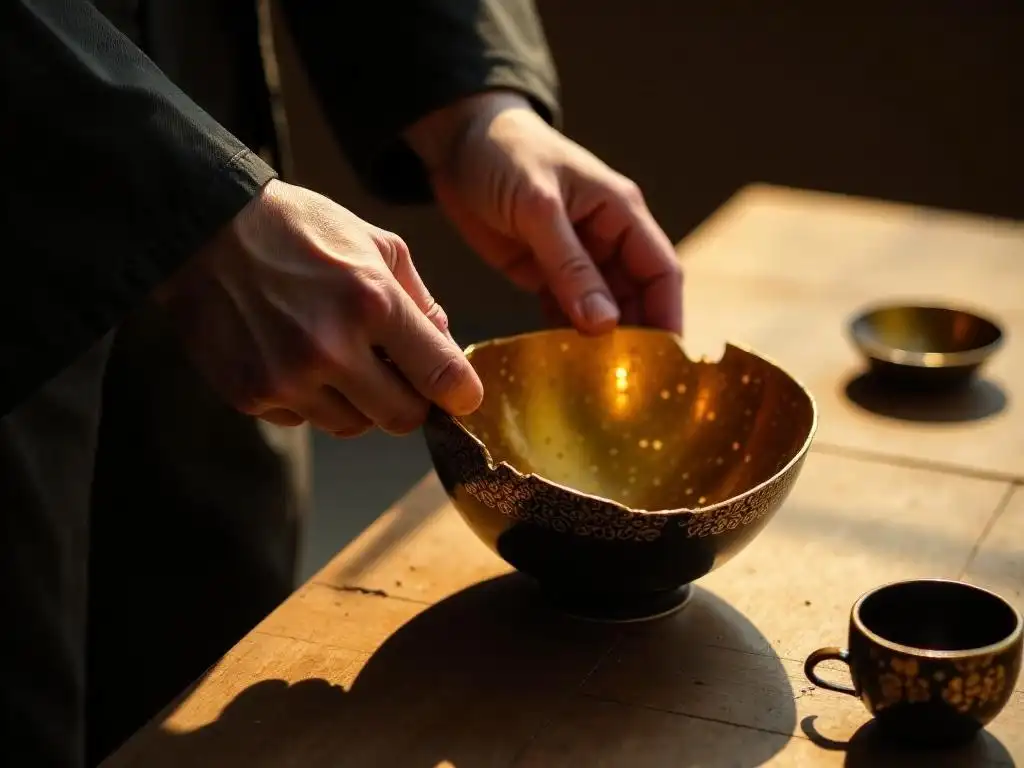
Kintsugi, often referred to as the art of embracing imperfection, is deeply rooted in Japanese culture. This practice not only transforms broken pottery into beautiful works of art but also embodies profound philosophical and aesthetic values that resonate with the Japanese way of life. The act of repairing ceramics with lacquer mixed with powdered gold, silver, or platinum serves as a metaphor for resilience and the beauty of imperfection, which is a cornerstone of Japanese cultural identity.
Kintsugi in the Context of Japanese Aesthetics
Kintsugi is closely tied to the Japanese aesthetic philosophy known as Wabi-Sabi, which finds beauty in transience and imperfection. This concept emphasizes that nothing is perfect, permanent, or complete. In the realm of Kintsugi, the repaired object is not merely restored to its original state; rather, it is elevated and celebrated for its history and journey.
- Emphasis on History: Each crack and imperfection tells a story. Kintsugi artists highlight these narratives, making the repaired pieces unique and valuable.
- Materiality and Texture: The gold or silver used in the mending process not only restores the functionality of the pottery but also adds a new layer of texture and richness, illustrating how repair can enhance rather than detract from beauty.
- Contrast and Harmony: The juxtaposition of brokenness and restoration creates a visual harmony that is highly appreciated in Japanese art. This concept can be seen in various facets of Japanese culture, including architecture and garden design, where asymmetry and irregularity are valued.
The Influence of Zen Philosophy on Kintsugi
Zen Buddhism has significantly influenced the practice of Kintsugi, reinforcing the ideas of acceptance and mindfulness. Through Zen teachings, practitioners learn to embrace the impermanence of life, a principle that is mirrored in the Kintsugi process. The following aspects highlight this connection:
- Mindfulness: The act of repairing pottery with Kintsugi is a meditative practice. It requires patience and concentration, encouraging artisans to engage fully with the present moment.
- Acceptance of Flaws: Zen philosophy teaches that flaws should not be hidden but acknowledged and embraced. Kintsugi embodies this by turning imperfections into focal points, demonstrating that beauty can arise from brokenness.
- Transience: The ephemeral nature of life is a central tenet of Zen. Kintsugi reflects this by honoring the life cycle of an object, emphasizing that beauty is found not only in the whole but also in the broken.
Kintsugi as a Reflection of Japanese Cultural Identity
Kintsugi transcends mere craftsmanship; it is a profound expression of the Japanese cultural identity that resonates with universal themes of resilience and renewal. Its significance can be understood through several lenses:
- Cultural Resilience: Just as Kintsugi transforms broken pottery into art, it symbolizes the ability of individuals and society to recover from adversity. This notion is particularly poignant in Japan’s historical context, where the nation has faced numerous natural disasters and societal upheavals.
- Philosophical Depth: The principles underlying Kintsugi encourage a deep appreciation for life’s imperfections, fostering a cultural narrative that values depth, introspection, and personal growth.
- Global Influence: In recent years, Kintsugi has gained international recognition, influencing artists and thinkers around the world. It serves as a reminder of the beauty that can arise from hardship and the importance of embracing our own imperfections.
Kintsugi is not merely a technique used in Japanese ceramic art; it is a rich cultural practice that encapsulates the essence of Japanese aesthetics, philosophy, and identity. Through the lens of Kintsugi, we gain a deeper understanding of how the Japanese celebrate imperfection and resilience, making it a vital part of their cultural heritage.
Kintsugi in Contemporary Art and Crafts
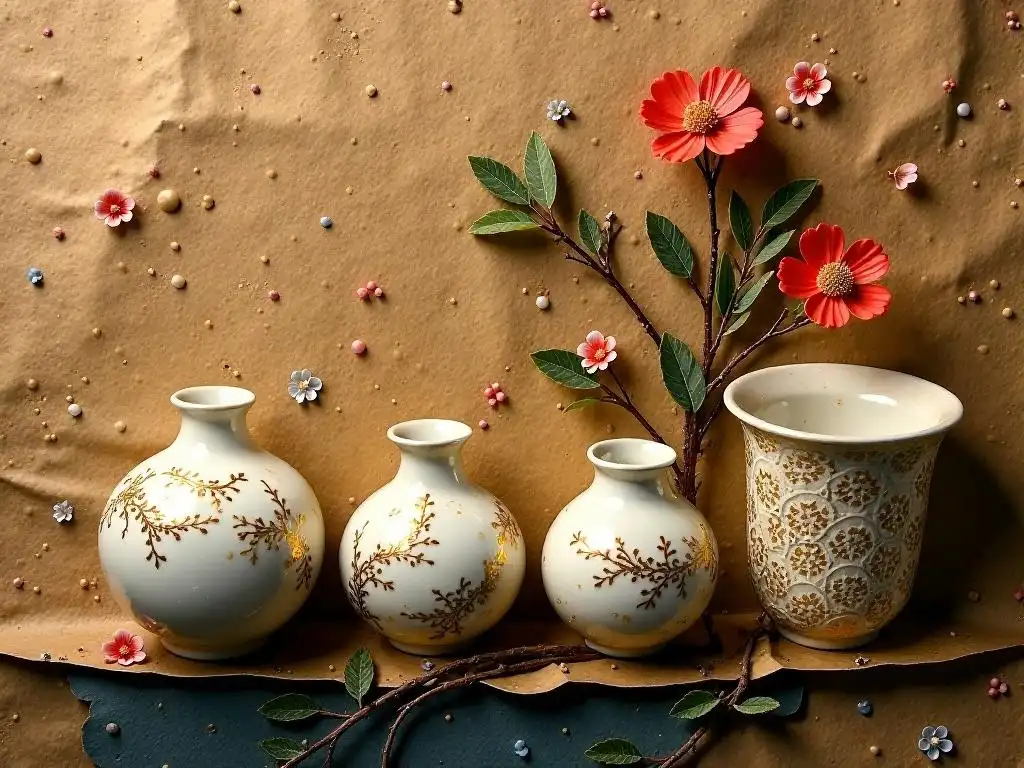
Modern Interpretations of Kintsugi
Kintsugi, the traditional Japanese art of repairing broken pottery with lacquer mixed with powdered gold, silver, or platinum, has found fresh expressions in contemporary art and crafts. Modern interpretations of Kintsugi extend beyond ceramics, influencing various artistic mediums such as sculpture, painting, and even digital art. Artists are increasingly embracing the philosophy behind Kintsugi: the celebration of imperfection and the beauty of scars.
One prominent trend is the adaptation of Kintsugi principles in sculpture. Artists use the technique to create striking pieces that highlight the fractures and breaks in materials like glass and metal. By filling these gaps with metallic materials, they symbolize resilience and transformation. For example, artist Yoshihiro Suda incorporates Kintsugi concepts into his wooden sculptures, emphasizing the natural imperfections of the wood while enhancing them with metallic elements, reflecting on nature's beauty and fragility.
In the realm of painting, Kintsugi-inspired techniques have emerged, with artists applying gold leaf to canvas to create abstract representations of brokenness and healing. This practice not only reflects the aesthetic qualities of Kintsugi but also invites viewers to contemplate their own experiences with imperfection and recovery.
Kintsugi's Influence on Global Arts and Crafts
The philosophy and aesthetic of Kintsugi have transcended geographical boundaries, influencing artists and artisans worldwide. As globalization increases, the appreciation for Japanese culture and its artistic practices has surged. Kintsugi's core message of embracing imperfection resonates with contemporary movements such as Wabi-Sabi, which celebrates the beauty of the incomplete and the transient.
In Europe and North America, artisans and craftspeople are adopting Kintsugi techniques in their work, often integrating them into traditional crafts like pottery and woodworking. This global embrace of Kintsugi has led to innovative creations that blend different cultural aesthetics while staying true to the original philosophy. For instance, some artists combine Kintsugi with upcycling, turning discarded materials into unique art pieces that tell stories of transformation and resilience.
Kintsugi's influence is also evident in fashion and design, where designers incorporate the philosophy into textiles and home décor. The use of visible repairs in clothing and accessories has gained popularity, challenging the conventional notions of beauty and perfection in the fashion industry.
Workshops and Resources for Learning Kintsugi
For those interested in delving into the art of Kintsugi, numerous workshops and resources are available, catering to various skill levels. These workshops often emphasize not only the technical aspects of the craft but also the philosophy behind it, encouraging participants to embrace their imperfections.
Types of Workshops Available:
- In-Person Workshops: Local art studios and cultural centers frequently offer hands-on classes. These sessions typically provide participants with materials and guidance from experienced instructors.
- Online Courses: Various platforms now host online Kintsugi workshops, allowing individuals to learn at their own pace. These courses often include video tutorials, downloadable resources, and community forums for discussion and support.
- Retreats: Some organizations provide immersive Kintsugi retreats, combining the art of repair with mindfulness practices, where participants can reflect on their own life journeys while engaging in the craft.
Recommended Resources:
- Books: There are several insightful books on Kintsugi that explore both its techniques and philosophy, such as “Kintsugi: The Art of Embracing Imperfection” by Geoffrey S. B. Williams.
- Online Communities: Joining online forums and social media groups dedicated to Kintsugi can provide inspiration, tips, and a sense of community for those practicing the art.
Through these workshops and resources, individuals can not only learn the craft of Kintsugi but also embrace its deeper significance, ultimately enriching their understanding of art and life.
The Emotional and Psychological Aspects of Kintsugi
Kintsugi, the Japanese art of repairing broken pottery with lacquer mixed with powdered gold, silver, or platinum, transcends mere aesthetics. It is deeply rooted in emotional and psychological dimensions, resonating with themes of resilience, acceptance, and healing. This section explores how Kintsugi not only restores physical objects but also serves as a powerful metaphor for life’s challenges and the human experience.
Kintsugi as a Metaphor for Resilience
Kintsugi embodies the concept of resilience in a striking way. Each repaired piece of pottery tells a unique story, showcasing the journey of healing and transformation. Rather than hiding imperfections, Kintsugi celebrates them, turning fractures into beautiful seams of gold. This practice serves as a potent reminder that life’s difficulties can lead to growth and beauty.
- Embracing Imperfection:
- Kintsugi teaches that flaws and scars are not to be concealed but embraced. This philosophy resonates with the Japanese notion of wabi-sabi, which finds beauty in the imperfect and transient nature of life.
- This acceptance of imperfection can be transformative, encouraging individuals to view their own struggles as part of their unique story.
- Narrative of Healing:
- The act of repairing a broken vessel parallels the process of personal healing. Just like the pottery, individuals can emerge stronger from their experiences.
- The visible repairs symbolize resilience, showing that what once was broken can become something even more beautiful.
- Cultural Significance:
- Historically, Kintsugi has roots in the samurai philosophy of bushido, which emphasizes honor and overcoming adversity. This cultural backdrop enhances its significance as a metaphor for resilience.
- The practice encourages a mindset focused on growth and the acceptance of life’s unpredictable nature.
The Therapeutic Benefits of Kintsugi in Art Therapy
Kintsugi has found a place in art therapy, where its principles can facilitate emotional healing and personal expression. Integrating this practice into therapeutic settings offers several benefits:
- Fostering Mindfulness:
- Engaging in Kintsugi encourages mindfulness, as individuals focus on the act of repair and the materials being used. This process helps to ground individuals in the present moment, reducing anxiety and promoting relaxation.
- The repetitive nature of applying lacquer and gold allows for a meditative state, enhancing emotional well-being.
- Encouraging Self-Reflection:
- The act of repairing ceramics provides an opportunity for self-reflection. Participants can draw parallels between the pottery and their own life experiences, exploring themes of loss, recovery, and acceptance.
- This introspective process can lead to greater self-awareness and personal growth.
- Building Community and Connection:
- Group Kintsugi workshops foster a sense of community, as participants share their stories and experiences. This connection can create a supportive environment where individuals feel understood and valued.
- The collaborative nature of Kintsugi art can help break down barriers, allowing for vulnerability and the sharing of healing journeys.
- Creating a Tangible Representation of Growth:
- The repaired pottery serves as a physical reminder of the healing process. Participants leave with a unique piece that embodies their journey, reinforcing the idea that beauty can arise from brokenness.
- Each piece becomes a personal artifact that symbolizes resilience, encouraging individuals to cherish their stories and the lessons learned.
Kintsugi is far more than an artistic technique; it is a profound philosophy that resonates deeply with emotional and psychological healing. By embracing imperfection and celebrating the process of repair, Kintsugi offers valuable insights into resilience and the transformative power of art.
Conclusion: The Legacy of Kintsugi in Japanese Ceramic Art
The legacy of Kintsugi, or "golden joinery," is deeply intertwined with the cultural and historical narrative of Japan. This unique Japanese ceramic art form not only highlights the aesthetic beauty found in imperfections but also embodies a philosophical approach to life and its challenges. Kintsugi transforms broken pottery into new masterpieces, symbolizing resilience and the acceptance of flaws, which resonates with broader themes in Japanese culture.
Kintsugi began as a practical solution to repair ceramics but evolved into a celebrated art form that is cherished worldwide. Each repaired piece tells a story of its past, showcasing the artistry involved in the mending process. The use of lacquer mixed with powdered gold, silver, or platinum not only restores functionality but also enhances the visual appeal, creating a striking contrast between the original ceramic and the repaired areas. This practice has led to a renewed appreciation for the history and narrative embedded within each piece, encouraging a shift in perception towards the beauty of imperfection.
The Future of Kintsugi in Japan and Beyond
As the world increasingly embraces sustainability and mindfulness, the future of Kintsugi appears promising. This ancient art form has found renewed interest among contemporary artists and craftsmen, who are exploring innovative ways to incorporate Kintsugi principles into their work. Some artists are pushing the boundaries by using modern materials and techniques, creating hybrid forms that marry traditional Kintsugi with contemporary art practices.
Moreover, Kintsugi workshops and classes are gaining popularity, both in Japan and internationally. These workshops not only teach the technical aspects of Kintsugi but also impart its underlying philosophy—encouraging participants to embrace their own imperfections and learn from life's challenges. As this art form spreads globally, it fosters a deeper understanding of Japanese culture and philosophy, serving as a bridge between traditional practices and modern interpretations.
The incorporation of Kintsugi into various design fields, such as interior design and fashion, further enhances its relevance. Designers are increasingly drawn to Kintsugi aesthetics, using it as inspiration for creating unique pieces that celebrate the beauty of flaws. This trend reflects a broader cultural shift towards valuing authenticity and individuality, aligning perfectly with the core tenets of Kintsugi.
Final Thoughts on Embracing Imperfection through Kintsugi
Kintsugi is more than just a method of repairing ceramics; it is a powerful metaphor for resilience and the acceptance of imperfection. By embracing the philosophy of Kintsugi, individuals can learn to appreciate their own flaws and experiences, recognizing that they contribute to their unique identities. The art of Kintsugi teaches us that beauty can be found in the brokenness and that the act of repair can create something even more valuable than the original.
As Kintsugi continues to inspire artists and individuals alike, it serves as a reminder that the journey of life is filled with challenges and imperfections. Instead of hiding our scars, Kintsugi encourages us to wear them proudly, celebrating our history and growth. This profound approach to life and art not only enriches our understanding of Japanese culture but also offers universal lessons that resonate across different societies and generations.
Kintsugi remains a testament to the beauty of imperfection, inviting us to reflect on our own experiences and embrace the unique narratives that shape us. Through this lens, we can create a more compassionate and understanding world, one that values the stories behind our scars and recognizes the artistry in our journeys.
Frequently Asked Questions
What is Kintsugi in Japanese culture?
Kintsugi is the art of repairing broken pottery using lacquer mixed with powdered gold, silver, or platinum, emphasizing the beauty of imperfection and history.
How does Kintsugi reflect the philosophy of Wabi-Sabi?
Kintsugi embodies the Wabi-Sabi philosophy, which appreciates the beauty of impermanence and imperfection, celebrating the uniqueness of each object, rather than hiding its flaws.
What materials are used in Kintsugi?
Kintsugi typically uses Japanese lacquer (urushi), which is combined with metal powders such as gold or silver, to create a striking visual contrast that enhances the aesthetic appeal of the repaired piece.
Can Kintsugi be applied to any type of ceramic?
Yes, Kintsugi can be applied to any ceramic item, regardless of its shape or age, making it a versatile technique for restoring and preserving the cultural significance of the piece.
What are the cultural implications of Kintsugi today?
Today, Kintsugi serves as a metaphor for resilience and healing, encouraging individuals to embrace their own flaws and transform challenges into sources of strength and beauty.
Final Reflection: Embracing Imperfection through Kintsugi
Kintsugi, the art of embracing imperfection in Japanese ceramics, resonates profoundly in today's fast-paced world. As we navigate the complexities of life, the lessons of Kintsugi remind us that our scars and flaws are not merely blemishes but rather integral parts of our unique narratives. This ancient practice encourages us to find beauty in our brokenness, transforming what once seemed like a failure into a source of strength and resilience.
Culturally, Kintsugi has transcended its origins, influencing contemporary art, design, and even personal philosophy. The concept of mending broken objects with gold not only highlights the beauty of repair but also serves as a metaphor for healing in our lives. As we witness a growing movement towards authenticity and vulnerability in society, the wisdom of Kintsugi becomes increasingly relevant. The cracks are what make the piece unique; they tell a story of resilience.
This perspective invites us to celebrate our imperfections and recognize that they contribute to our individuality and character.
As you reflect on the lessons of Kintsugi, I encourage you to embrace your own imperfections and the beauty that arises from them. Consider how you can apply this philosophy in your life, whether through personal growth, relationships, or creative endeavors. Let the art of Kintsugi inspire you to mend your own broken pieces with love and acceptance, transforming them into something extraordinary. In doing so, you not only honor your journey but also inspire others to see the beauty in their own imperfections.
Embrace the Beauty of Imperfection Today!
Thank you for taking the time to explore the captivating world of Kintsugi! By diving into this unique art form, you've uncovered the profound philosophy of embracing imperfections. Now, let’s turn inspiration into action!
Here are a few ways you can start incorporating this beautiful mindset into your life:
- Try your hand at Kintsugi yourself! Gather broken ceramics and experiment with repairing them using gold lacquer, allowing you to create unique pieces of art.
- Share your journey. Post photos of your Kintsugi projects on social media to connect with others who appreciate the beauty of flawed creations.
- Reflect on your own imperfections. Take a moment to journal about the challenges you've faced and how they’ve shaped your personal growth—embrace your history like Kintsugi!
How will you start your journey of embracing imperfection today? Share your thoughts in the comments!