
The Siege of Takamatsu: The Power Struggle of the Warring States Period

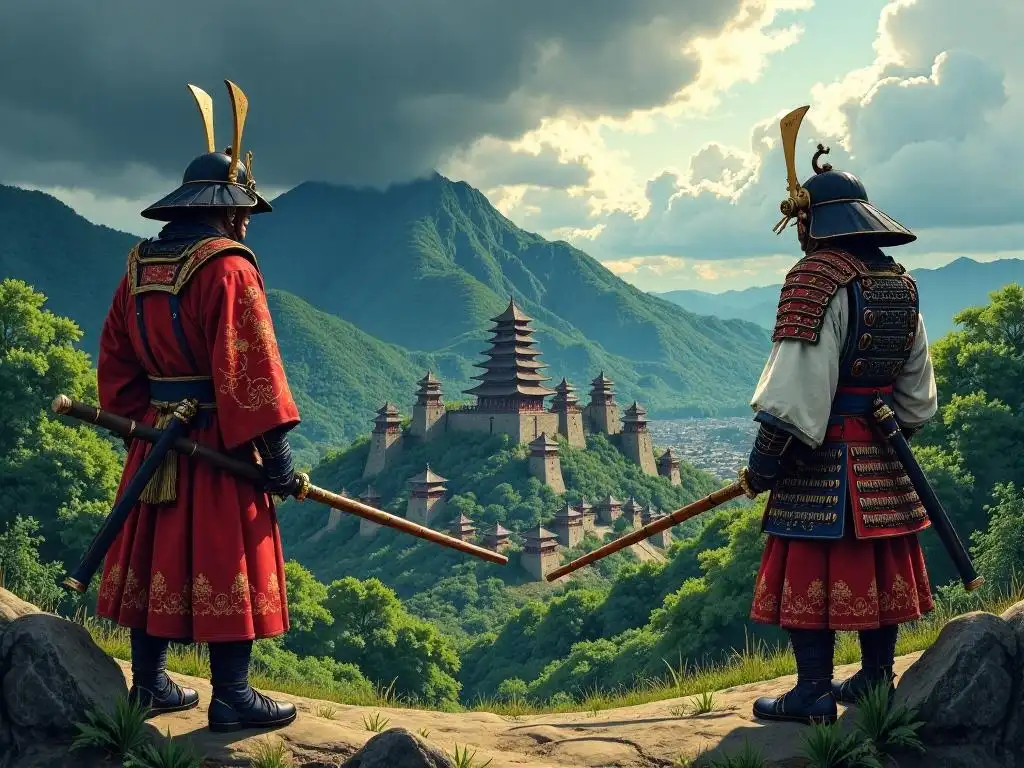
Welcome to Feudal Japan History, where we invite you to embark on an intriguing journey through the captivating world of Japan’s feudal era. In our latest article, "The Siege of Takamatsu: The Power Struggle of the Warring States Period," we delve into one of the most pivotal military confrontations that shaped the course of Japanese history. Discover the dynamic interplay of power, strategy, and courage that defined this tumultuous time.
As you explore the depths of our expert-driven insights, prepare to uncover the layers of intrigue surrounding the Takamatsu siege and how it reflects the broader narrative of the Warring States period. Your journey into the past begins here—dare to delve deeper?
Introduction to the Takamatsu Siege
The Takamatsu Siege, a critical event during Japan's tumultuous Warring States Period (Sengoku Jidai), serves as a vivid illustration of the power struggles that defined this era. Lasting from 1582 to 1583, this siege was pivotal not only for the factions involved but also for the broader historical narrative of feudal Japan.
The conflict showcased the intricate dynamics of loyalty, strategy, and warfare that characterized the time, setting the stage for the eventual unification of Japan under a centralized rule. This article delves into the details of the Takamatsu Siege, examining its significance within military history while exploring its broader implications for the feudal structures of the era.
Overview of the Warring States Period in Japan
The Warring States Period, spanning from the mid-15th century to the early 17th century, was marked by incessant military conflict and political upheaval among Japan's many feudal lords (daimyōs). This era arose from the decline of the Ashikaga shogunate, leading to a fragmentation of power where regional rulers vied for dominance. Key features of this period included:
- Constant Warfare: Battles were frequent as various factions sought to expand their territories.
- Rise of the Samurai Class: The samurai emerged as powerful military leaders, their loyalty often shifting between rival lords.
- Cultural Flourishing: Despite the chaos, this era also saw significant developments in arts, philosophy, and the consolidation of Japanese culture.
The Warring States Period set the stage for the eventual unification of Japan under Tokugawa Ieyasu, with the Takamatsu Siege representing a microcosm of the larger conflicts that shaped this transformative era.
Significance of the Takamatsu Siege in Military History
The Takamatsu Siege is significant in military history for several reasons:
- Innovative Tactics: The siege demonstrated the ingenuity of both attackers and defenders in siege warfare, showcasing strategies that would influence future conflicts.
- Military Alliances: The siege highlighted the importance of alliances and the shifting loyalties among the daimyōs, which were crucial for success in military campaigns.
- Impact on Feudal Structures: The outcome of the siege had long-term implications for the political landscape of Japan, reinforcing the power dynamics among the major clans.
The importance of the Takamatsu Siege extends beyond its immediate military outcomes, providing valuable insights into the complexities of feudal allegiances and the evolution of warfare during the Warring States Period.
Background of the Takamatsu Siege
Key Players in the Warring States Era
The Takamatsu Siege involved several key players, each with their own ambitions and strategies:
- Miyoshi Chokei: The defender of Takamatsu Castle, Chokei was a notable figure who represented the Miyoshi clan's interests.
- Nobunaga Oda: One of the most powerful warlords of the time, his ambitions drove many of the conflicts during this period.
- Toyotomi Hideyoshi: A prominent general under Nobunaga, Hideyoshi played a crucial role in the siege and the subsequent unification of Japan.
These figures exemplified the fierce competition for power and influence that characterized the era, each contributing to the siege's unfolding drama.
The Political Landscape Leading to the Siege
The political landscape leading to the Takamatsu Siege was shaped by shifting alliances and rivalries among the daimyōs. Key factors included:
- Fragmentation of Power: The decline of centralized authority allowed local lords to assert their dominance.
- Rivalries: The competition between factions like the Oda and Miyoshi clans fueled the conflict, leading to the siege.
- Strategic Importance of Takamatsu: Located in a crucial region, control of Takamatsu Castle was vital for maintaining influence over western Japan.
This intricate political backdrop was essential for understanding the motivations and actions of the key players involved in the siege.
The Role of Takamatsu Castle in the Feudal System
Takamatsu Castle served as a significant stronghold within the feudal system of Japan. Its strategic location provided several advantages:
- Defense: The castle's formidable construction allowed it to withstand prolonged sieges, making it a critical asset for the defending clan.
- Symbol of Power: Control of the castle was synonymous with authority and influence in the region.
- Economic Hub: The surrounding area was vital for resource management, supporting the castle's defenses and the local economy.
Understanding the role of Takamatsu Castle within the broader feudal system provides crucial context for the events of the siege and highlights its significance in the power struggles of the Warring States Period.
The Build-Up to the Siege of Takamatsu
The Siege of Takamatsu, which took place from 1582 to 1583 during Japan's Warring States period, was a critical moment in the power struggles that characterized this tumultuous era. The siege was primarily waged by the forces of Toyotomi Hideyoshi against the Takeda clan, who had established a stronghold in the Takamatsu castle. The roots of the siege can be traced back to the shifting alliances and territorial ambitions that characterized the Warring States period, where feudal lords vied for dominance over Japan.
Strategic Importance of Takamatsu in Feudal Japan
Takamatsu held significant strategic importance due to its geographical location. Situated in the Sanuki Province (modern-day Kagawa Prefecture), the castle overlooked critical trade routes and offered a commanding view of the surrounding landscapes. This positioning allowed the castle to serve as a vital military stronghold, controlling both land and sea routes. Additionally, Takamatsu was a key point for launching military campaigns into Shikoku, an island that was crucial for trade and military logistics.
The castle's defenses, consisting of intricate walls and moats, further enhanced its status as a formidable fortress. The control of Takamatsu meant not only military advantage but also the ability to exert influence over neighboring provinces, making it a coveted target for feudal lords seeking to expand their territories.
Preparations by the besieging forces
As the siege commenced, Toyotomi Hideyoshi's forces undertook extensive preparations to ensure their success. Understanding the significance of Takamatsu, Hideyoshi marshaled a considerable army, estimated to number around 30,000 troops. The preparation phase involved meticulous planning, including the construction of siege weapons such as trebuchets and scaling ladders, which were essential for breaching the castle's defenses.
Additionally, Hideyoshi's forces engaged in intelligence-gathering to assess the strength and resources of the defenders. This included scouting missions and the deployment of spies to gather crucial information about the castle's supply lines and internal defenses. The psychological aspect of warfare was also a priority, as Hideyoshi aimed to demoralize the defenders before the siege began.
The Defense Strategies Employed by Takamatsu
The defenders of Takamatsu, led by the seasoned commander Matsudaira Masatsuna, employed several effective strategies to withstand the siege. First and foremost, the castle was fortified with thick walls and a complex moat system, which provided a strong physical barrier against the besieging forces.
Inside the castle, the defenders implemented a well-organized supply management system, ensuring that food and water were rationed effectively to last for an extended period. They also utilized the castle's layout to their advantage, positioning archers and artillery on the ramparts to repel attacks.
Furthermore, Matsudaira sought to maintain morale among his troops through calculated messages and displays of strength. By conducting military drills and showing unwavering resolve, he aimed to instill confidence and discourage any thoughts of surrender among his men.
The Siege Begins: Key Events and Tactics
The Siege of Takamatsu unfolded over several months, showcasing a variety of military tactics and strategic maneuvers from both the besieging forces and the defenders. The key events during the siege played a crucial role in determining its eventual outcome.
Timeline of the Siege of Takamatsu
- March 1582: Toyotomi Hideyoshi launches the siege, surrounding Takamatsu with his forces.
- April 1582: Initial assaults are made on the castle walls; defenders successfully repel the attacks.
- May 1582: Hideyoshi's forces begin to establish supply lines and set up siege engines.
- June 1582: The defenders face increasing pressure as supplies dwindle.
- September 1582: A final assault is launched, culminating in the castle's surrender.
This timeline highlights the gradual escalation of the siege, illustrating how both sides adapted their strategies in response to the unfolding events.
Military Tactics Used During the Siege
Hideyoshi's military tactics during the siege were multifaceted. He employed a combination of direct assaults and psychological warfare to weaken the resolve of the defenders. One of the key tactics involved the use of siege weapons to bombard the castle walls, creating breaches for his troops to exploit.
Additionally, Hideyoshi implemented encirclement strategies, cutting off supply routes and isolating the castle from potential reinforcements. By disrupting communications and supply chains, he aimed to force the defenders into a position of desperation.
The defenders, on their part, utilized countermeasures such as sallying out to disrupt besieging forces and launching surprise attacks at night, showcasing their agility and resourcefulness in the face of overwhelming odds.
Psychological Warfare and Its Impact on the Siege
Psychological warfare played a pivotal role in the Siege of Takamatsu. Hideyoshi understood the power of morale, both among his troops and the defenders. To instill fear and uncertainty, he employed tactics such as loud drumbeats, feigned assaults, and misinformation campaigns to create an atmosphere of dread.
The besieged defenders faced immense pressure as rumors of betrayal and impending doom circulated. Hideyoshi's forces also engaged in displays of strength, showcasing their numbers and capabilities to demoralize the defenders further. This psychological aspect, combined with the tangible military pressure, ultimately contributed to the castle's surrender after months of intense conflict.
The Siege of Takamatsu stands as a significant episode in Warring States history, demonstrating the complex interplay of military strategy, psychological tactics, and the relentless pursuit of power that defined this era in Japan.
The Conclusion of the Siege

The Siege of Takamatsu reached its climax in 1573, ultimately culminating in the fall of the strategically significant castle. This event marked a decisive moment in the Warring States Period, as it effectively shifted the balance of power among the feudal lords. The siege, characterized by intense military tactics and psychological warfare, demonstrated the vulnerabilities of even the most fortified positions.
By employing effective siege strategies, Oda Nobunaga's forces managed to apply constant pressure on the defenders, led by the formidable Takeda clan. The conclusion of this siege not only led to the loss of Takamatsu but also signaled the beginning of a new phase in Nobunaga’s campaign to consolidate power over Japan.
Events Leading to the Fall of Takamatsu
Prior to the siege, Takamatsu Castle served as a critical stronghold for the Takeda clan, strategically positioned to control the surrounding regions. The events leading to its fall included a series of tactical maneuvers by Oda Nobunaga, who sought to weaken the Takeda's influence. A combination of military alliances, espionage, and psychological tactics played a pivotal role in the lead-up to the siege.
Nobunaga's forces, bolstered by their numerical superiority and advanced weaponry, surrounded the castle, cutting off supplies and reinforcements. This relentless blockade, coupled with the internal strife within the Takeda clan, ultimately led to the castle's capitulation after months of sustained pressure.
The Aftermath of the Siege on the Warring States
The aftermath of the Siege of Takamatsu had far-reaching implications for the Warring States Period. The fall of the castle not only diminished the Takeda clan's power but also demonstrated the effectiveness of Nobunaga’s military strategies. In the wake of the siege, Nobunaga was able to consolidate his control over the region, further expanding his influence.
The defeat instilled a sense of urgency among rival clans, prompting them to reassess their own strategies in the face of Nobunaga’s growing might. The siege served as a stark reminder of the ever-shifting alliances and rivalries that characterized this tumultuous period in Japan's history.
Implications for the Future of Feudal Japan
The Siege of Takamatsu played a critical role in shaping the future of feudal Japan. With the Takeda clan significantly weakened, Nobunaga's victory set the stage for his continued campaigns against other rival factions. This success not only elevated Nobunaga's status as a military leader but also paved the way for the eventual unification of Japan under his rule.
The tactics employed during the siege influenced subsequent military engagements, highlighting the importance of siege warfare in the broader context of feudal conflicts. Furthermore, the political landscape of Japan began to shift as alliances were reformed and new power dynamics emerged in the wake of the siege's conclusion.
Historical Analysis of the Takamatsu Siege
Analyzing the Siege of Takamatsu provides valuable insights into the complexities of military strategy during the Warring States Period. The siege exemplified the blend of traditional warfare and emerging tactics, showcasing the evolution of military thought in feudal Japan. The careful orchestration of resources, the psychological manipulation of the enemy, and the innovative use of gunpowder weaponry reflected a significant turning point in Japanese military history. Nobunaga's ability to adapt and innovate in the face of adversity illustrates the strategic foresight that was necessary to navigate the turbulent landscape of the time.
Lessons Learned from the Takamatsu Siege in Military Strategy
The Siege of Takamatsu imparted several critical lessons in military strategy. One of the most significant takeaways was the importance of supply line management; by effectively cutting off resources to the defenders, Nobunaga's forces were able to weaken the morale and capabilities of the Takeda clan. Additionally, the siege highlighted the effectiveness of psychological warfare, as the prolonged pressure and uncertainty contributed to the eventual surrender.
The employment of diverse troop formations and the strategic use of terrain further demonstrated the necessity for flexibility and adaptability in military operations. These lessons would resonate throughout subsequent conflicts in the Warring States Period, influencing the tactics employed by future warlords.
The Siege's Influence on Subsequent Battles in the Warring States Period
The implications of the Siege of Takamatsu extended beyond its immediate context, influencing subsequent battles throughout the Warring States Period. The strategies and tactics developed during the siege became case studies for future military leaders, particularly in the realms of siege warfare and psychological tactics.
Nobunaga's successful implementation of coordinated attacks and resource management set a precedent that would be emulated by other clans. As feudal Japan continued to navigate the turbulent conflicts of the era, the lessons learned from Takamatsu informed the strategies employed in pivotal battles such as the Battle of Nagashino and beyond, ultimately shaping the course of Japanese history.
Cultural and Societal Impact of the Takamatsu Siege
The Siege of Takamatsu, which took place from 1582 to 1584, was not just a military confrontation but a significant event that left a lasting impact on Japanese culture and society during the tumultuous Warring States Period. The prolonged conflict reflected the intense power struggles among the daimyōs (feudal lords) and highlighted the shifting dynamics of loyalty, governance, and warfare. One of the most profound effects of the siege was the way it influenced the perception of loyalty and honor within the samurai class, which would resonate throughout Japan’s feudal history.
The siege also catalyzed the evolution of castle architecture and fortification tactics. The strategies employed during the siege led to advancements in defensive construction, inspiring future generations of military leaders. Moreover, the siege's outcomes contributed to the consolidation of power among the victorious forces, particularly under the leadership of Toyotomi Hideyoshi, shaping the political landscape of the era. Thus, the cultural and societal ramifications of the Takamatsu Siege were extensive, affecting everything from military strategies to the prevailing samurai ethos.
The Role of Bushido and Samurai Ethics in the Siege
Bushido, the code of conduct followed by the samurai, played a central role during the Siege of Takamatsu. The principles of loyalty, courage, and honor were put to the test as both the besieged and the attackers navigated the complexities of warfare. The defending warriors, led by the daimyō Mōri Terumoto, showcased unwavering loyalty to their lord, even in the face of overwhelming odds. Their determination to hold the castle against the forces of Toyotomi Hideyoshi was a testament to the samurai's commitment to Bushido, where surrender was often viewed as dishonorable.
Conversely, the attackers also exemplified the Bushido code as they sought to bring the siege to a swift conclusion. Hideyoshi's forces demonstrated strategic prowess and discipline, reflecting the samurai ideals of duty and honor in achieving victory. This interplay of ethics and warfare during the Takamatsu Siege not only defined the actions of those involved but also contributed to the broader narrative of samurai culture in Japan, reinforcing the notion that honor was paramount, even in the chaos of battle.
Cultural Representations of the Takamatsu Siege in Literature and Art
The Siege of Takamatsu has been immortalized in various forms of literature and art, reflecting its significance in Japanese history. Historical texts, such as chronicles and war accounts from the period, provide detailed narratives of the siege, highlighting the valor and strategies employed by both sides. These accounts serve not only as historical documentation but also as cultural commentary on the nature of warfare and heroism.
In art, the siege has been depicted in ukiyo-e (woodblock prints) and paintings, illustrating key moments and figures involved in the conflict. These artistic representations often emphasize the dramatic elements of the siege, showcasing the valor of samurai and the tension of the siege atmosphere. Modern literature, including novels and films, continues to draw inspiration from this historical event, weaving narratives that explore themes of loyalty, sacrifice, and the complexities of feudal allegiance. As a result, the cultural representations of the Takamatsu Siege serve to preserve its memory and significance in the collective consciousness of Japan.
Conclusion
Summary of the Key Points on Takamatsu Siege Warring States History
The Siege of Takamatsu stands as a pivotal episode in the Warring States history of Japan, encapsulating the fierce power struggles of the era. Key points include:
- Duration and Strategy: Lasting from 1582 to 1584, the siege showcased innovative military tactics and fortification strategies.
- Bushido Influence: The ethical framework of Bushido significantly influenced the actions and decisions of both the besieged and the attackers, emphasizing loyalty and honor.
- Cultural Legacy: The siege has been represented in literature and art, highlighting its impact on Japanese cultural heritage and collective memory.
These elements underscore the significance of the Takamatsu Siege not only as a military event but also as a cultural touchstone that shaped the evolution of Japanese society during the feudal era.
The Lasting Legacy of the Siege in Japanese Military History
The legacy of the Siege of Takamatsu extends beyond its immediate military outcomes, influencing Japanese military history for generations. The tactics and strategies employed during the siege laid the groundwork for subsequent sieges and conflicts in Japan. Additionally, the cultural ethos surrounding the siege, particularly the principles of Bushido, continued to inform the behavior and expectations of samurai in later periods.
Furthermore, the siege's role in the consolidation of power under Hideyoshi marked a critical turning point that ultimately led to the unification of Japan. This unification would pave the way for the Tokugawa shogunate and the Edo period, transitioning Japan into a time of relative peace and stability. As such, the Siege of Takamatsu remains a significant chapter in the annals of Japanese military history, illustrating the intricate relationship between warfare, culture, and societal values in feudal Japan.
- Introduction to the Takamatsu Siege
- Background of the Takamatsu Siege
- The Build-Up to the Siege of Takamatsu
- The Siege Begins: Key Events and Tactics
- The Conclusion of the Siege
- Historical Analysis of the Takamatsu Siege
- Cultural and Societal Impact of the Takamatsu Siege
- Conclusion
Frequently Asked Questions
What was the Siege of Takamatsu?
The Siege of Takamatsu was a pivotal event during the Warring States period in Japan, where the power struggle between rival clans intensified, and it showcased the strategic military tactics of the time.
Why is the Siege of Takamatsu significant in Warring States history?
The siege illustrates the political intrigue and military strategies employed by clans during the Warring States period, highlighting the complexities of feudal Japan's power dynamics.
Who were the main players involved in the Siege of Takamatsu?
The siege primarily involved Miyoshi Nagayoshi, who led the siege, and the defenders, including Takeda Nobutora and his clan, representing the struggle for control and territorial dominance.
How did the Siege of Takamatsu impact Japanese society?
The outcome of the siege contributed to the shifts in power among clans, influencing social structures and the military landscape of feudal Japan during that era.
What lessons can be learned from the Siege of Takamatsu?
The siege serves as a case study in leadership, strategy, and the importance of alliances in the tumultuous environment of the Warring States period, offering insights into the broader historical context of feudal Japan.
Final Reflection: The Enduring Legacy of the Takamatsu Siege
The Siege of Takamatsu serves as a powerful reminder of the intricate dynamics of power during the Warring States period. In an era marked by relentless conflict and shifting allegiances, the events that unfolded at Takamatsu highlight the lengths to which leaders would go to secure their dominance. Today, as we navigate our own complex social and political landscapes, the lessons from this historical struggle resonate more than ever, urging us to reflect on the nature of power and the consequences of ambition.
The Takamatsu siege not only shaped the course of Japanese history but also continues to influence our understanding of conflict and resilience. The strategies employed by both besiegers and defenders reveal the timeless human themes of loyalty, sacrifice, and the quest for control. As historian John W. Hall noted, History is not just about the past; it is a lens through which we can understand our present.
This perspective invites us to consider how the narratives of the past inform our current realities and the importance of learning from those who came before us.
As you reflect on the Siege of Takamatsu, I encourage you to think about the power struggles in your own life and the broader world around you. What lessons can you draw from this historical event to navigate your own challenges? Embrace the opportunity to learn from history, recognizing that every conflict carries the potential for growth and transformation. Let the story of Takamatsu inspire you to approach your own struggles with courage and insight, fostering a deeper understanding of the complexities of human ambition and the enduring quest for peace.
Engage and Explore the Legacy of Takamatsu!
Thank you for taking the time to delve into the fascinating saga of the Siege of Takamatsu and its impact on Japan's Warring States Period. We hope you gained valuable insights into the power struggles and strategies that shaped this pivotal moment in history. Now, it’s time to put your knowledge into action and further explore this captivating era!
Here are a few ways you can deepen your understanding and engage with the history of Feudal Japan:
- Dive Deeper: Research other significant battles of the Warring States Period. Consider how these events influenced the politics and culture of the time.
- Join the Conversation: Share your thoughts and insights about Takamatsu with fellow history enthusiasts on social media or in our community forums.
- Experience the History: Visit a local museum or historical site dedicated to Feudal Japan to see artifacts and exhibits that bring this period to life.
What aspect of the Siege of Takamatsu intrigues you the most, and how do you think it shaped the future of Japan?