
The Impact of Geography on Japanese Military Strategies

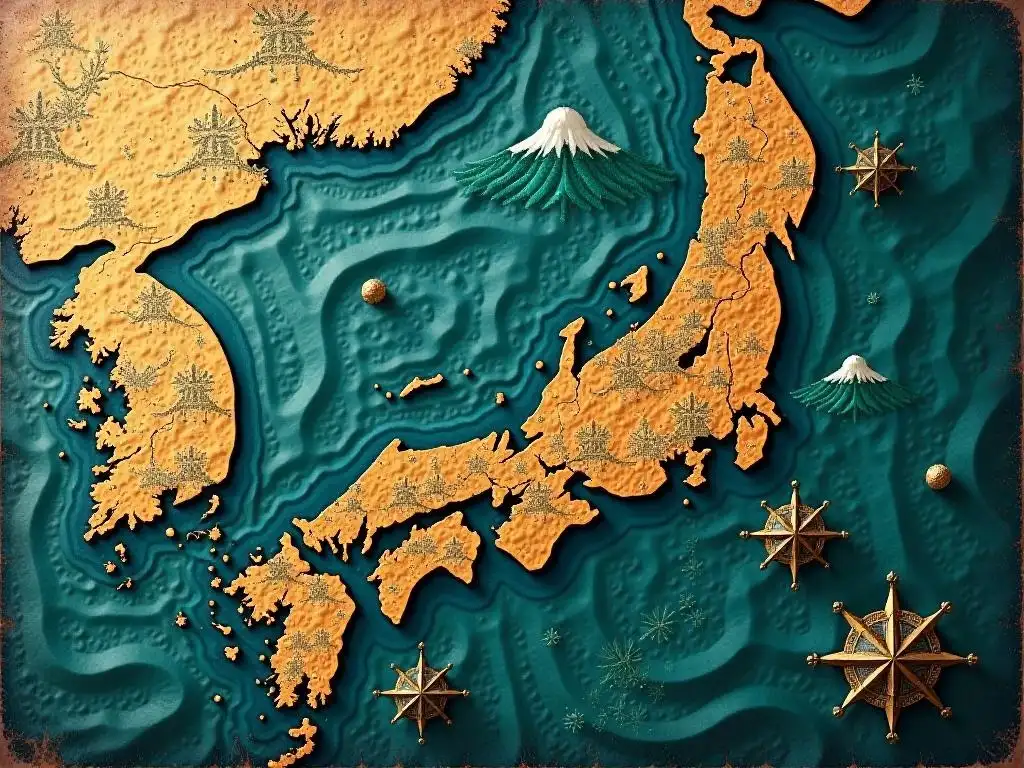
Welcome to Feudal Japan History, where we embark on a fascinating journey through the intricate tapestry of Japan's feudal era. Here, we delve deep into the historical, cultural, and societal aspects that shaped this remarkable period. In our featured article, “The Impact of Geography on Japanese Military Strategies,” we unravel how the unique landscapes of Japan influenced the development of military tactics and strategies. Prepare to be intrigued as we explore the interplay between geography and warfare, inviting you to discover insights that could transform your understanding of this captivating chapter in history.
Geography has played a pivotal role in shaping military strategies throughout history, and Japan's feudal era is no exception. The unique topography and natural resources of the Japanese archipelago significantly influenced the development of its military tactics, engagements, and overall strategy.
This article delves into the intricate relationship between geography and Japanese military strategies, highlighting how the landforms, climate, and waterways of Japan contributed to the successes and failures of various military campaigns. By exploring the nuances of this connection, we aim to provide a comprehensive understanding of how geography not only defined the battlefield but also shaped the very essence of Japanese warfare during the feudal period.
Introduction to Japanese Military Strategies
Japanese military strategies during the feudal era were deeply intertwined with the cultural and political landscape of the time. Influenced by factors such as the samurai code of conduct, the rise and fall of clans, and the constant threat of internal and external conflicts, military leaders developed tactics that were both innovative and adaptive. These strategies were not static; they evolved in response to changing political dynamics, technological advancements, and, crucially, the geographic context of the battlefield.
Overview of Japanese Military Strategies in Feudal Japan
Throughout feudal Japan, military strategies were characterized by a blend of traditional and pragmatic approaches. The samurai, as the warrior class, adhered to a strict code of honor known as bushido, which emphasized loyalty, bravery, and personal sacrifice. Major battles, such as the Genpei War and the Onin War, exemplified the intricate planning and strategic execution that defined this era. Key strategies included:
- Guerrilla Warfare: Utilizing the terrain to conduct surprise attacks and ambushes.
- Siege Tactics: Taking advantage of Japan's fortified castles and strategic locations.
- Naval Strategies: Leveraging the archipelago's extensive coastlines for maritime engagements.
Importance of Geography in Military Decision-Making
Geography was not merely a backdrop for conflict in feudal Japan; it was a crucial determinant in military decision-making. Understanding the lay of the land allowed commanders to devise effective strategies that maximized their advantages and mitigated potential vulnerabilities. Key geographic considerations included:
- Accessibility of Resources: Proximity to food, water, and materials for fortifications.
- Natural Defenses: Utilizing mountains and rivers as barriers against enemy advances.
- Terrain Familiarity: Knowledge of local terrain provided a tactical edge in combat scenarios.
Geographic Features of Japan
Japan's unique geographic features are instrumental in understanding its military strategies. The archipelago's natural landscape, including its islands, mountains, and rivers, created both opportunities and challenges for military leaders.
Island Geography and Its Influence on Warfare
Japan's status as an island nation significantly influenced its military strategies. The separation from the Asian mainland fostered a unique defensive posture, as invasions from foreign powers were more challenging. The natural barriers created by the ocean allowed for:
- Naval Dominance: Emphasis on developing a strong naval fleet to protect trade routes and coastal settlements.
- Isolation Strategies: Utilizing islands for strategic retreats and regrouping of forces.
Mountainous Terrain and Strategic Advantages
The mountainous terrain of Japan provided both challenges and strategic advantages for military operations. Commanders often took advantage of elevation to gain a tactical upper hand. Key aspects included:
- Natural Fortifications: Utilizing mountains as defensive positions during sieges.
- Ambush Points: Leveraging high ground for surprise attacks on advancing forces.
River Systems and Their Role in Military Logistics
Japan's river systems played a vital role in military logistics and movement. Rivers facilitated the transport of troops and resources, and their strategic positioning often determined the outcome of battles. Highlights include:
- Supply Lines: Rivers served as essential routes for moving supplies, enabling sustained military campaigns.
- Battlefield Control: Commanding river crossings became a focal point in military engagements, often deciding the fate of battles.
The impact of geography on Japanese military strategies is profound and multifaceted. This exploration reveals how the unique landscape of Japan molded the tactics and decisions of its military leaders throughout the feudal era, underscoring the indispensable role of geography in shaping the course of history.
Historical Context of Japanese Military Strategies
The historical context of Japanese military strategies is deeply intertwined with the geographical features of the archipelago. Japan's unique landscape—comprising mountains, forests, and coastlines—has significantly influenced its military developments over centuries. During the Heian period (794-1185), conflicts were often localized, with clans vying for control over specific territories. As the power of the samurai rose during the Kamakura period (1185-1333), geographical considerations became paramount in shaping military tactics and strategies.
The feudal era saw various military leaders adapting their strategies based on the terrain of the regions they controlled. For instance, the mountainous regions favored guerrilla tactics and ambushes, while the plains allowed for more traditional warfare involving large units and cavalry charges. The limited connectivity between islands also led to distinct regional military cultures and practices, further shaping Japan's military history.
Evolution of Military Tactics in Response to Geography
Japanese military tactics evolved significantly in response to the diverse geographical landscape. Early strategies were characterized by the use of cavalry and large formations; however, as warfare progressed, military leaders adapted their tactics to leverage the natural terrain.
- Mountain Warfare: In mountainous regions, such as the Japanese Alps, armies relied on stealth and surprise, utilizing smaller, highly mobile units. The terrain made traditional formations difficult, leading to the development of ambush tactics and hit-and-run strategies.
- Naval Strategies: Japan's extensive coastline necessitated a strong naval presence. During periods of conflict, such as the Mongol invasions in the late 13th century, naval strategies became crucial. The use of ships for surprise attacks and coastal defenses showcased how geography directly influenced military operations.
- Urban Warfare: With the rise of castle towns during the Sengoku period (1467-1603), military tactics shifted to include urban warfare. The design of castles often took advantage of surrounding geography, such as rivers and hills, which played a critical role in defensive strategies.
The adaptation of tactics to suit local geography not only highlights the ingenuity of military leaders but also reflects the importance of environmental factors in shaping Japan's military history.
Key Battles Influenced by Japan’s Terrain
Several key battles in Japanese history exemplify the profound impact of geography on military strategies.
- The Battle of Dan-no-ura (1185): This naval battle during the Genpei War took place in the narrow inland sea between Honshu and Shikoku. The strategically advantageous location allowed for quick maneuvers and surprise tactics, ultimately leading to the victory of the Minamoto clan.
- The Siege of Osaka (1614-1615): The terrain surrounding Osaka Castle influenced the Tokugawa shogunate's siege tactics. The rivers and urban environment necessitated a combined arms approach, integrating infantry, artillery, and naval power to successfully encircle and besiege the castle.
- The Battle of Nagashino (1575): Here, the use of the terrain played a vital role in the victory of Tokugawa Ieyasu and his allies. The battle was fought on a plain, where the defenders utilized wooden barricades to protect their positions against cavalry charges, demonstrating how terrain could be manipulated to gain a tactical advantage.
These battles illustrate how geographical factors not only shaped the tactics employed but also determined the outcomes of significant conflicts throughout Japan's military history.
Regional Variations in Military Strategies
The geographical diversity of Japan has led to notable regional variations in military strategies. Each island and region presented unique challenges and opportunities for military leaders, prompting adaptations in tactics and organization.
Differences in Strategies Across Japanese Islands
Japan is comprised of four main islands—Honshu, Hokkaido, Kyushu, and Shikoku—each characterized by distinct geographical features that influenced local military strategies.
- Honshu: As the largest island, Honshu was the center of political power and military activity. Its varied terrain, including plains and mountains, allowed for both large-scale battles and guerrilla tactics, making it a melting pot of military strategies.
- Hokkaido: The northernmost island, Hokkaido, presented challenges due to its harsh climate and rugged terrain. The Ainu people, who inhabited the island, developed unique guerrilla tactics to navigate the dense forests and mountains, focusing on ambushes and hit-and-run strategies against invading forces.
- Kyushu: Known for its volcanic landscape and mountainous regions, Kyushu's geography influenced its military strategies towards rapid mobility and surprise, often employing cavalry and light infantry to exploit the natural cover provided by the terrain.
- Shikoku: The smallest of the four main islands, Shikoku's geography, with its rivers and hills, fostered localized conflicts. Military leaders often utilized the natural barriers for defensive strategies, making fortifications and ambushes common in regional conflicts.
Overall, the distinct geographical features of each island shaped the evolution of military strategies in Japan, leading to a rich tapestry of tactics that responded to local environmental conditions.
Case Studies of Geography-Driven Military Strategies
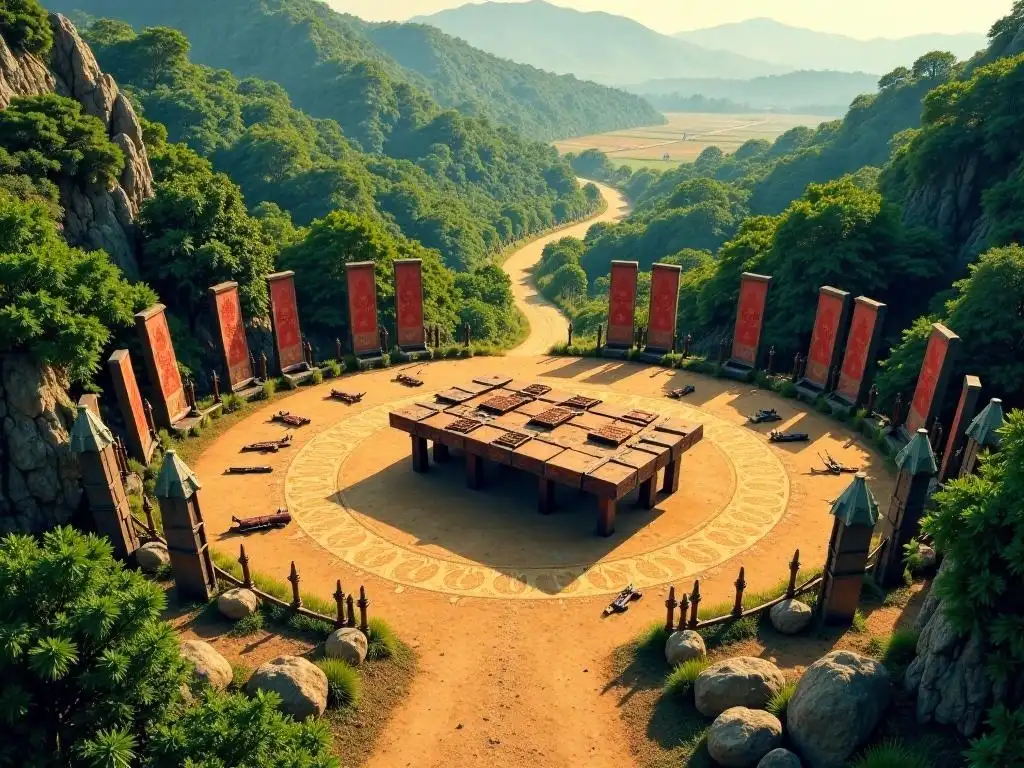
Geography has played a pivotal role in shaping military strategies throughout Japanese history. The unique landscape of Japan—characterized by its mountainous terrain, numerous islands, and coastal access—has influenced the tactics and operations of various historical conflicts. By examining specific case studies, we can gain insights into how geography dictated military decisions, formations, and outcomes in significant wars.
The Role of Geography in the Genpei War
The Genpei War (1180–1185) was a pivotal conflict between the Taira and Minamoto clans and serves as a profound example of how geography influenced military strategies. The mountainous terrain of the Japanese archipelago provided natural barriers that affected troop movements and battle formations.
- Strategic Locations: Key battles, such as the Battle of Dan-no-ura, took place in strategic coastal locations where naval power was crucial. The Minamoto clan, leveraging their naval strength, utilized smaller, more agile boats to navigate the narrow straits and engage the Taira fleet effectively. This highlights how coastal geography facilitated naval warfare, a pivotal element of the Genpei War.
- Challenging Terrain: The dense forests and steep mountains in regions like the Kanto and Chugoku areas often limited the effectiveness of large armies. Troops had to adapt their strategies to the available paths, frequently relying on guerrilla tactics and ambushes rather than open-field battles. This terrain advantage allowed the Minamoto forces to strike decisively against the Taira, demonstrating the direct impact of geography on military outcomes.
The Impact of Terrain on the Sengoku Period Battles
During the Sengoku period (1467–1615), Japan was embroiled in constant civil war, and the diverse terrain had a significant impact on military strategies. The varied landscapes—including mountains, rivers, and plains—dictated the types of engagements and the technologies employed by the warring factions.
- Mountain Warfare: Clans often took advantage of mountainous regions for defensive positions. The Takeda clan, for instance, utilized the rugged terrain of the Japanese Alps to fortify their stronghold at Kofu. Their strategic placement allowed them to control key passes and ambush enemy forces, demonstrating the effectiveness of utilizing high ground in warfare.
- River Crossings: Rivers also played a critical role during this period. The Battle of Kawanakajima highlighted the significance of river tactics, where commanders like Takeda Shingen and Uesugi Kenshin maneuvered forces around riverbanks to gain tactical advantages. The ability to control or cross rivers often dictated the flow of battle and the success of military campaigns.
The Relationship Between Geography and Military Resources
The geographical features of Japan not only shaped battle tactics but also had profound implications for the availability and management of military resources. Understanding this relationship reveals how geography influenced the broader logistical and material aspects of warfare.
Natural Resources: How Geography Shapes Armament
Japan’s natural landscape provided critical resources that shaped its military capabilities. The availability of specific materials influenced the production of weapons and armor throughout various periods.
- Iron and Steel Production: Regions rich in iron ore, such as the Ibaraki and Chiba prefectures, became centers for swordsmithing and armor production. The quality of Japanese steel, particularly the renowned tamahagane, was directly influenced by the geography of these areas, allowing for the creation of superior weaponry that offered a significant advantage in battle.
- Agricultural Output: The fertile plains in regions like Kanto and Kansai supported large-scale agriculture, providing necessary sustenance for armies during campaigns. The ability to feed a large troop contingent was crucial, and regions with rich agricultural resources became vital for sustaining prolonged military engagements.
Supply Routes: Geography’s Influence on Logistics and Movement
Logistics is a critical component of military success, and geography significantly affected supply routes and movement of troops throughout Japan’s feudal era.
- Coastal Navigation: The extensive coastline of Japan allowed for maritime supply routes, which were often faster and more efficient than land transport. Naval logistics became essential during conflicts like the Genpei War, where shipping routes facilitated the movement of troops and resources between islands and coastal territories.
- Mountain Passes and Trails: The mountainous terrain necessitated the use of specific trails and passes for troop movement. Key routes, such as the Nakasendo and the Tōkaidō, became vital arteries for the transport of soldiers and supplies. Control over these logistics routes often determined the outcome of military campaigns, as they directly impacted the speed and efficiency of armies in the field.
The intricate relationship between geography and military strategies in Japan’s feudal history highlights the profound impact of the landscape on warfare. From shaping battle tactics to influencing resource availability and logistics, geography has been a fundamental factor in the evolution of Japanese military strategies.
Modern Perspectives on Historical Geography and Military Strategies
In contemporary discussions surrounding military strategy, the geographical determinants of warfare are increasingly acknowledged as crucial elements that shape outcomes. Modern military theorists often revisit historical contexts to draw parallels and lessons that remain relevant. The unique topography of Japan, characterized by its mountainous terrain, coastal lines, and numerous islands, has historically affected troop movements, supply lines, and overall military engagement.
During Japan’s feudal era, clans had to navigate these geographical challenges, leading to the development of strategies that capitalized on terrain. For instance, the use of ambush tactics in mountainous regions reflects a deep understanding of how geography can be used to leverage advantages against numerically superior foes. Today, military strategists analyze these historical tactics to inform decisions in modern warfare, emphasizing the importance of terrain in planning operations and logistics.
The integration of modern technology, such as geographic information systems (GIS), allows military planners to visualize and analyze terrain in ways that were previously unimaginable. This evolution highlights how historical insights into geography can be adapted to contemporary military contexts, ensuring that the lessons learned from Japan’s feudal past continue to resonate.
Lessons Learned from Geography in Past Conflicts
Historical conflicts in Japan vividly illustrate how geography influenced military strategies. The famous Battle of Sekigahara in 1600 serves as a prime example. The battlefield was strategically chosen for its natural features, allowing Tokugawa Ieyasu to position his forces advantageously. The terrain proved pivotal, as it facilitated effective troop movements and provided defensive advantages.
Moreover, the use of rivers and mountains as natural barriers shaped the decisions of warlords throughout the feudal period. Clans often utilized these geographical features to fortify their positions, making direct assaults difficult for opposing forces. The lessons learned from such encounters point to the necessity of understanding local geography when formulating military strategies.
Another significant example is the Mongol invasions in the 13th century. The Mongols, despite their superior numbers and advanced tactics, faced formidable challenges when confronting Japan's island geography, which limited their maneuverability and supply lines. This historical context underscores the critical role that geography plays in military outcomes, shaping not only battle strategies but also the broader course of historical events.
The Legacy of Geography on Contemporary Japanese Defense Strategies
The influence of geography extends beyond historical conflicts into modern defense strategies in Japan. The island nation remains acutely aware of its geographic vulnerabilities, particularly regarding its proximity to potential adversaries. As a result, Japan has developed a defense posture that emphasizes both maritime security and the protection of its territorial waters.
Contemporary Japanese defense strategies incorporate lessons from the past, focusing on enhancing capabilities that leverage geographical advantages. For instance, Japan’s Self-Defense Forces conduct extensive training exercises that utilize the country’s diverse landscapes, preparing troops to operate effectively in various terrains, from urban settings to mountainous regions. This approach acknowledges that understanding geographical nuances is vital for modern military readiness.
Furthermore, Japan's strategic alliances, such as those with the United States, are also influenced by geographical considerations. The positioning of military bases and the coordination of joint exercises reflect an awareness of how geography can impact defense operations in the Asia-Pacific region. This legacy of leveraging geography continues to play a crucial role in shaping Japan's contemporary military strategies.
Conclusion: The Enduring Influence of Geography on Japanese Military Strategies
The role of geography in shaping Japanese military strategies is a consistent theme throughout history, influencing tactics, troop movements, and broader strategic decisions. As explored, the unique geographical features of Japan have not only affected historical conflicts but also continue to inform modern military thinking and practices.
Summary of Key Points
- Historical geography has shaped various military strategies in Japan, from feudal battles to contemporary defense frameworks.
- The terrain played a pivotal role in conflicts such as the Battle of Sekigahara and the Mongol invasions, emphasizing the need for strategic considerations based on geography.
- Japan's modern defense strategies reflect a deep understanding of its geographical context, leading to enhanced military preparedness and strategic alliances.
Reflection on the Importance of Understanding Geography in Military History
Understanding the interplay between geography and military strategy is essential for comprehending historical events and their outcomes. By analyzing how geographical features influenced battles and decisions in the past, modern military strategists can glean valuable insights that enhance contemporary practices. Japan's rich history serves as a testament to the enduring significance of geography in shaping military strategies, reinforcing the need for ongoing exploration of this critical relationship in military history.
- Introduction to Japanese Military Strategies
- Geographic Features of Japan
- Historical Context of Japanese Military Strategies
- Regional Variations in Military Strategies
- Case Studies of Geography-Driven Military Strategies
- The Relationship Between Geography and Military Resources
- Modern Perspectives on Historical Geography and Military Strategies
- Conclusion: The Enduring Influence of Geography on Japanese Military Strategies
- What role did geography play in Japanese military strategies?
- How did the geographical features of Japan affect its feudal society?
- Were there any specific battles where geography was a decisive factor?
- How did Japan's geography impact its interactions with other countries?
- What are some key geographical features that influenced military strategies during feudal Japan?
Frequently Asked Questions
What role did geography play in Japanese military strategies?
Geography significantly influenced Japanese military strategies by shaping defensive tactics and logistical planning. The archipelago's mountainous terrain and surrounding seas provided natural barriers that were crucial during conflicts.
How did the geographical features of Japan affect its feudal society?
The geographical features of Japan, such as its islands and mountains, led to the development of isolated communities. This isolation fostered the rise of regional warlords and distinct cultural practices within different areas.
Were there any specific battles where geography was a decisive factor?
Yes, numerous battles, such as the Battle of Dan-no-ura, showcased how geography could dictate the outcome. The location and naval tactics utilized in this battle were heavily influenced by Japan's coastal geography.
How did Japan's geography impact its interactions with other countries?
Japan's geographic isolation due to its surrounding oceans limited foreign interactions, leading to a unique cultural development. This isolation also influenced military strategies, focusing on self-sufficiency and internal consolidation.
What are some key geographical features that influenced military strategies during feudal Japan?
Key features include mountains, which provided defensive advantages, and rivers, which served as natural obstacles or routes for troop movements. The coastal geography also played a crucial role in shaping naval strategies.
Final Reflection: The Interplay of Geography and Japanese Military Strategies
The intricate relationship between geography and military strategies is more relevant today than ever, as nations navigate the complexities of global power dynamics. The geographical features of Japan, from its mountainous terrain to its strategic island positioning, have not only shaped historical military tactics but continue to influence contemporary defense policies. Understanding this connection is crucial for grasping how geography can dictate the success or failure of military endeavors.
The impact of geography on Japanese military strategies has left an indelible mark on both historical and modern contexts. The lessons learned from Japan's past, particularly during pivotal conflicts, underscore the importance of terrain and resource availability in shaping military outcomes. As Sun Tzu wisely stated, “The skillful fighter puts himself into a position which makes defeat impossible.” This quote resonates deeply, emphasizing that understanding one's geographical advantages is essential for effective strategy formulation.
As we reflect on the lessons drawn from Japan's military history, let us consider how these insights can be applied in our own lives. How can we leverage our unique environments and circumstances to navigate challenges more effectively? I invite you to ponder your own "geography"—the personal, social, and cultural landscapes that shape your decisions. By recognizing and harnessing these influences, we can craft strategies that not only lead to success but also foster resilience in the face of adversity.
Unleash Your Understanding of Japan's Military Genius!
Thank you for taking the time to explore the fascinating connection between geography and military strategies in Japan. Your engagement with this topic highlights your curiosity and eagerness to understand the intricate layers of Japanese history. Now, let’s elevate that understanding!
Here are some actionable steps you can take to deepen your knowledge and share your insights:
- Explore specific battles and their geographic contexts through our related articles.
- Join our community discussion on social media. Share your thoughts on how geography shapes military tactics in today’s world!
- Conduct your research: Find a detailed map of Japan and identify historical sites related to the military strategies discussed; exploring the territory can provide new insights.
What aspect of geography do you believe played the most critical role in shaping Japan's military strategies? We’d love to hear your thoughts!